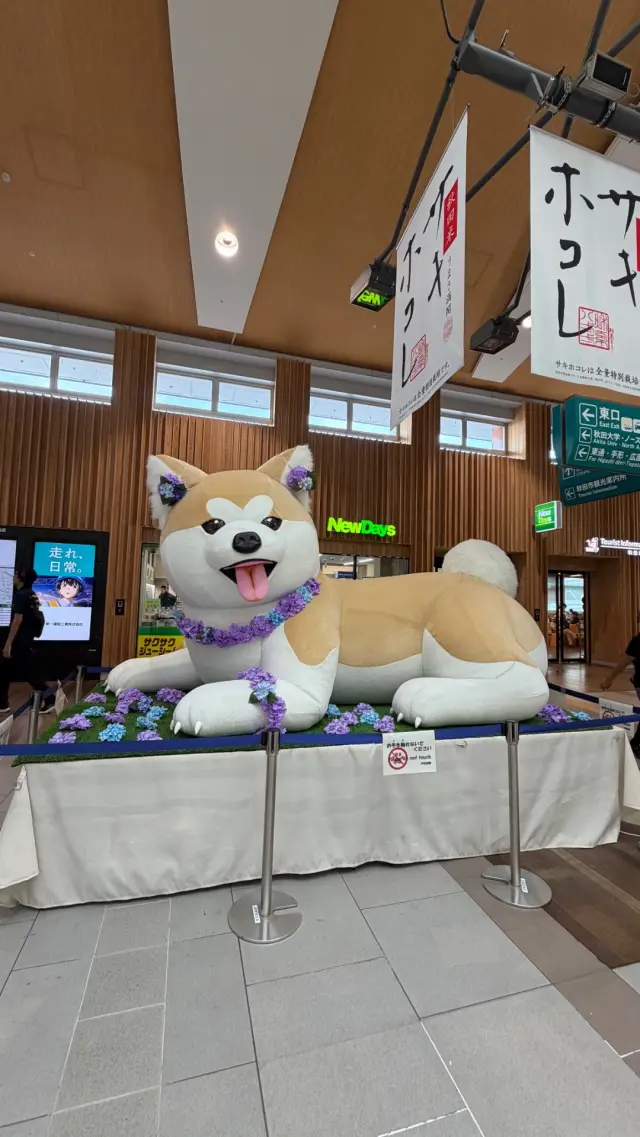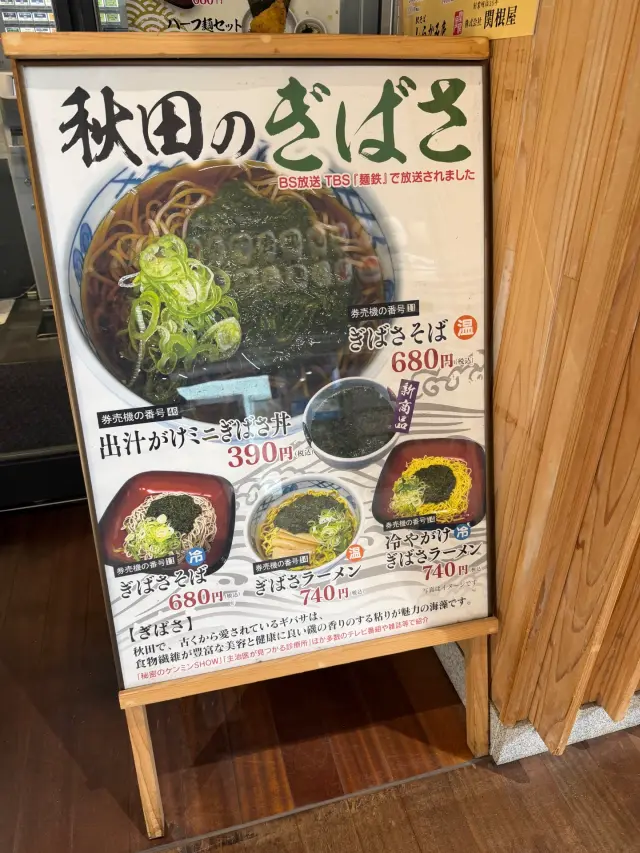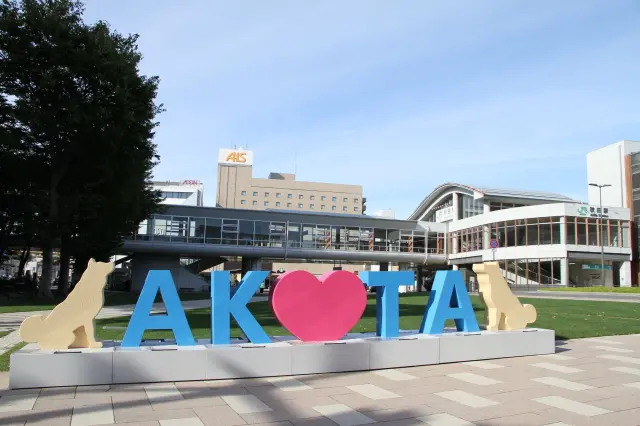
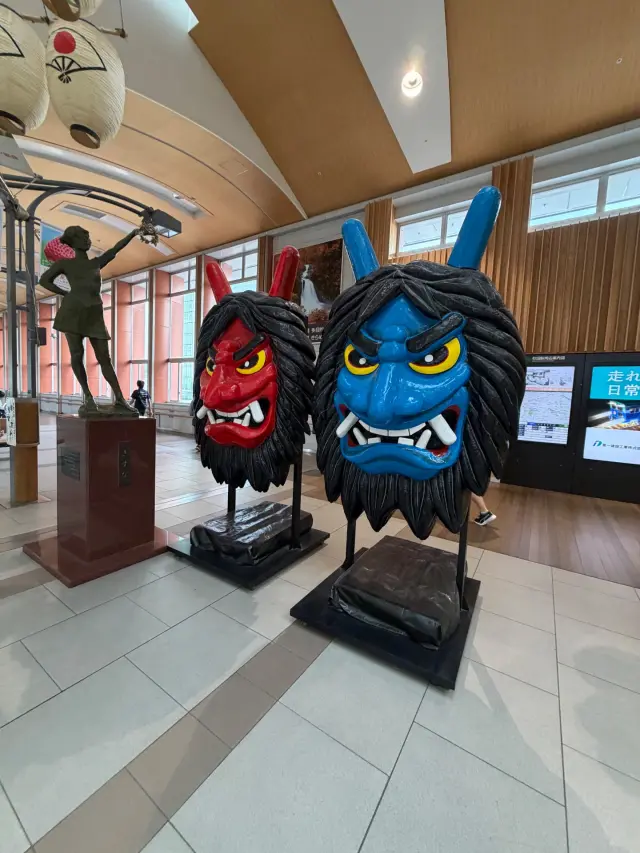
Right after exiting the ticket gates at Akita Station, there’s a big Namahage photo spot with red and blue ogre masks, plus an Akita dog photo spot.
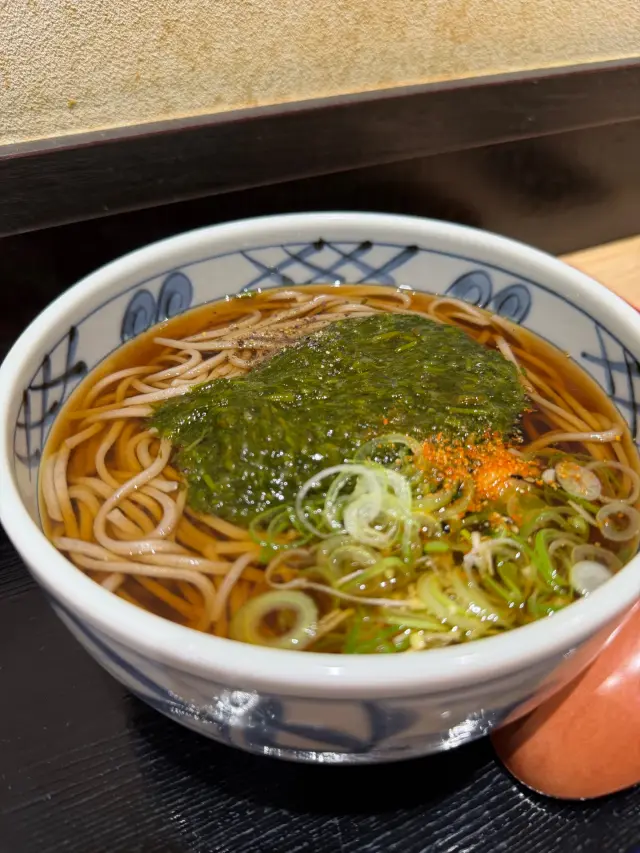
At the soba restaurant in the station building, you can also try soba with Akita’s local specialty, the sticky seaweed gibasa. It’s healthy and recommended.
Akita Station | Review by みのさん
Other Reviews by みのさん
-
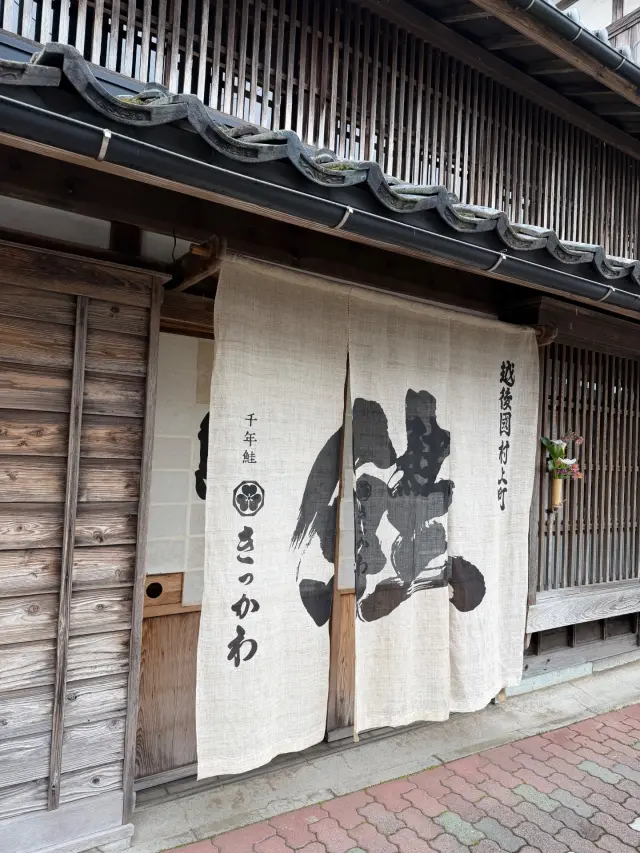
Sennenzake Kikkawa
Located in Murakami City, Niigata Prefecture, Kikkawa specializes in traditional salmon processing. Murakami, a coastal town facing the Sea of Japan, is renowned for its salmon, and its local Miomote River is famously known as the world’s first river where salmon populations were successfully restored through natural spawning.
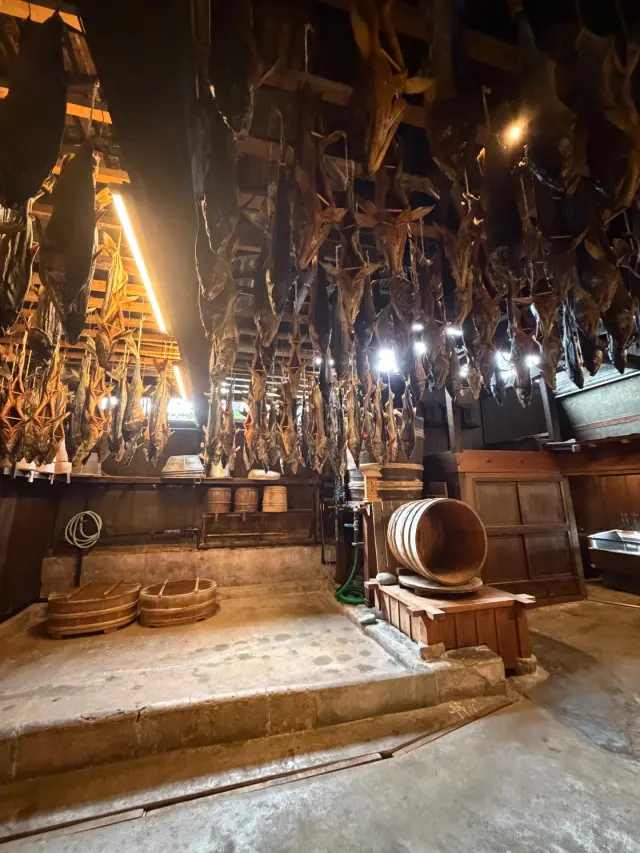
A long-established shop that makes shiobiki salmon, a local specialty.
Every day, the artisans carefully check, polish, and adjust the salmon hanging inside, taking their time to make delicious salted salmon. The staff also explain the history, how the salmon is managed, and the tools they use.
The traditional Japanese architecture and the sight of so many salmon hanging up are absolutely stunning! -
-
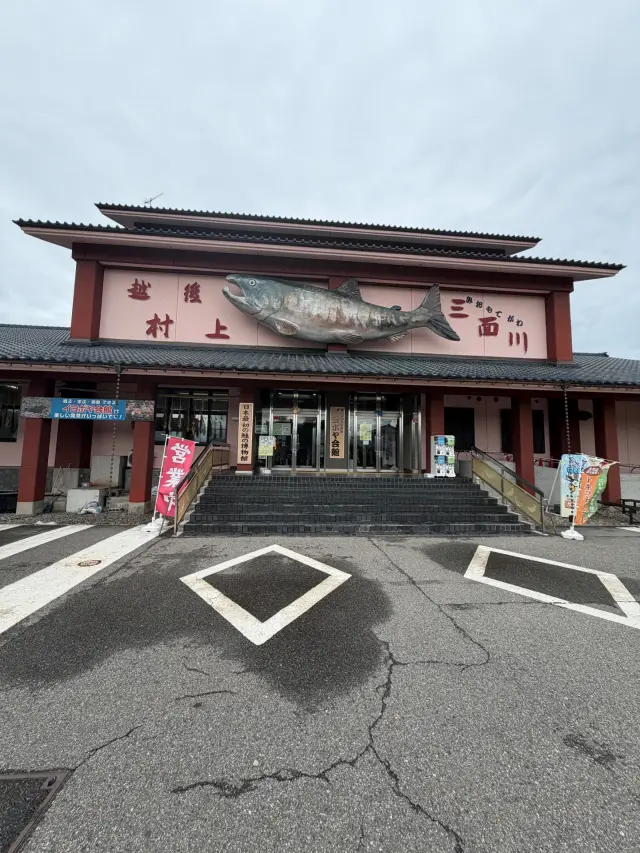
Iyoboya Kaikan
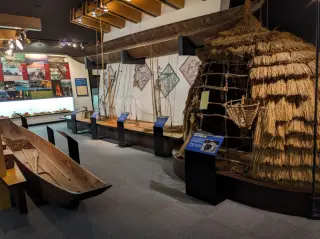
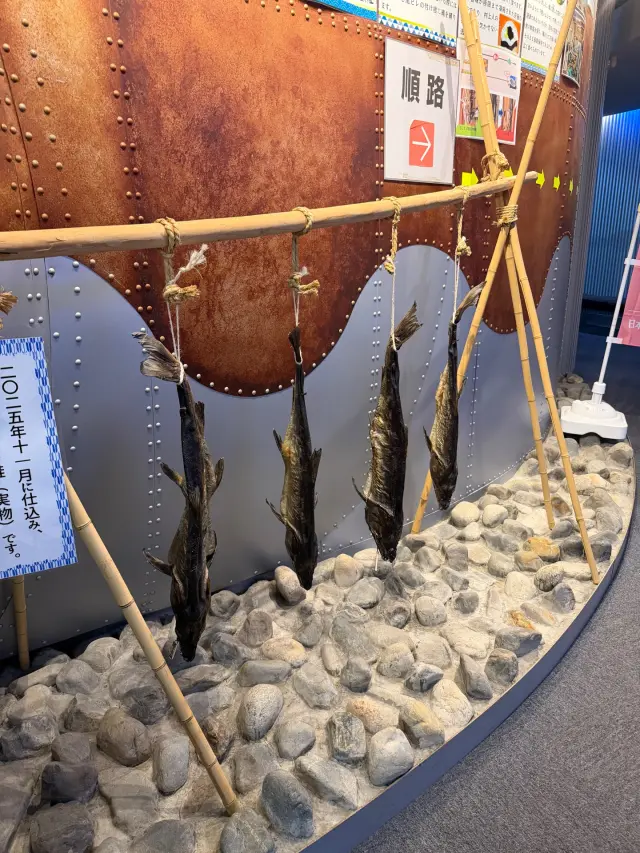
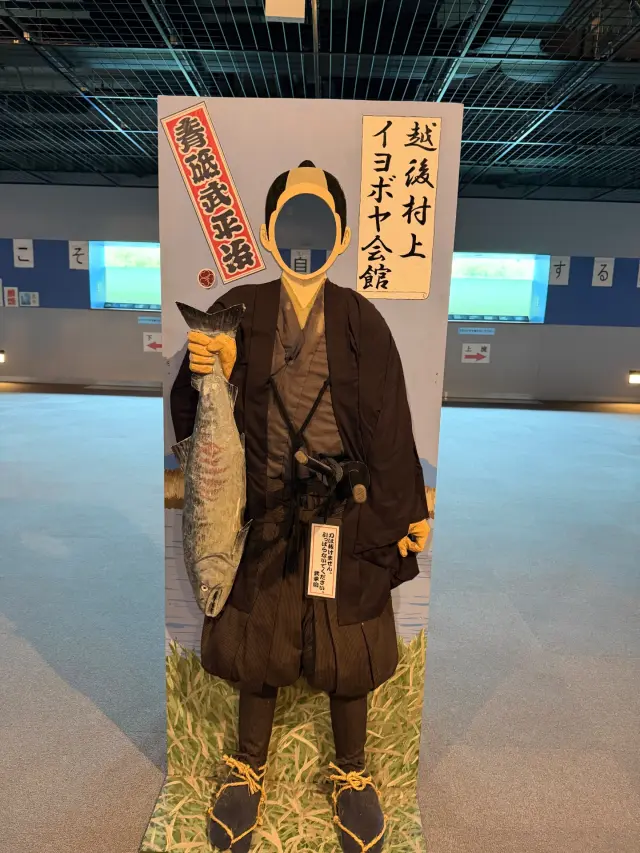
Japan’s first salmon museum, located in Murakami City, where salmon fishing has long been practiced and local life is deeply tied to salmon. It stands beside the Tane River, a branch of the Miomote River that has long been the stage for salmon fishing, within Salmon Park, a relaxing spot filled with seasonal flowers, trees, and playground equipment. “Iyoboya” is the Murakami dialect word for salmon.
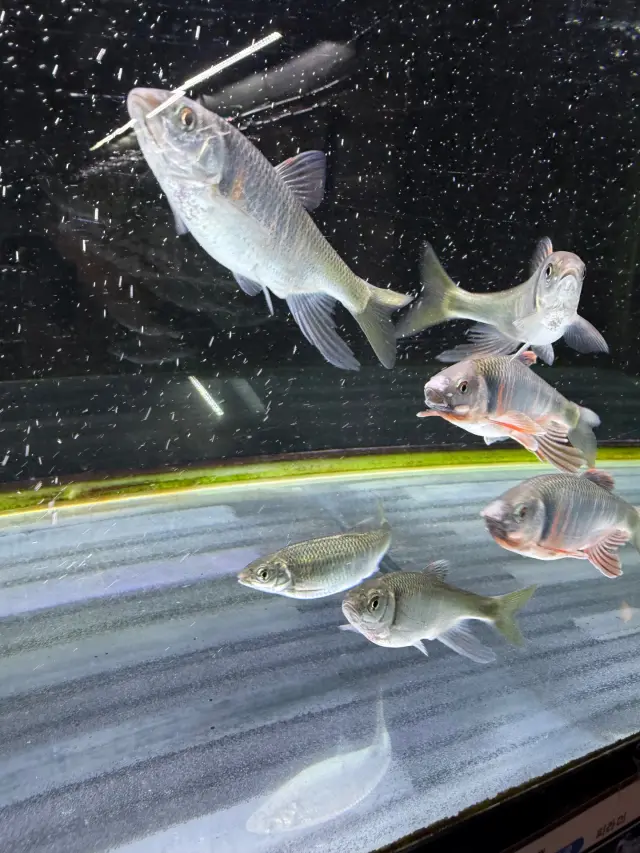
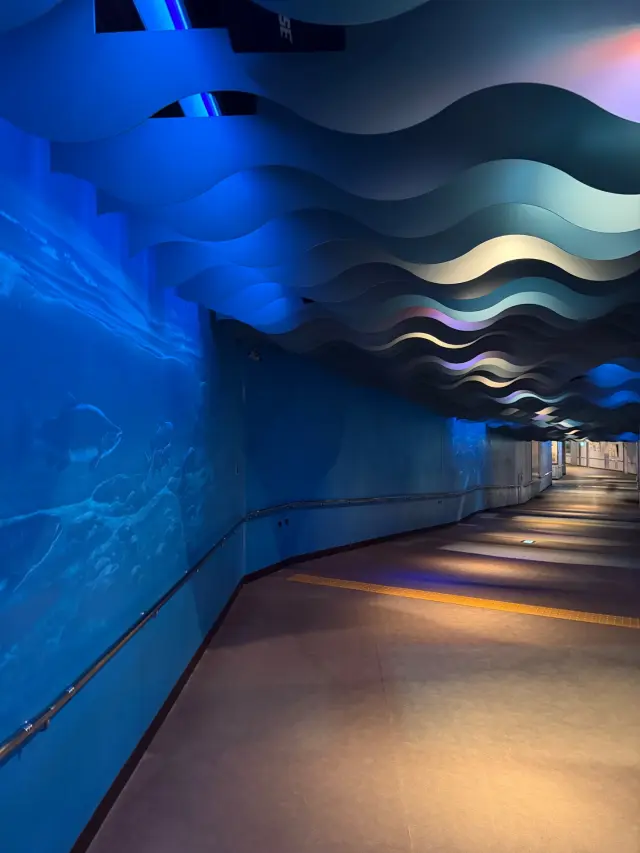
A salmon museum where you can learn about salmon farming and fishing. It faces the Miomote River, and you can also observe the ecology of river creatures there.
If you enjoy museums, there’s plenty to see, so I think it’s worth setting aside enough time for your visit.
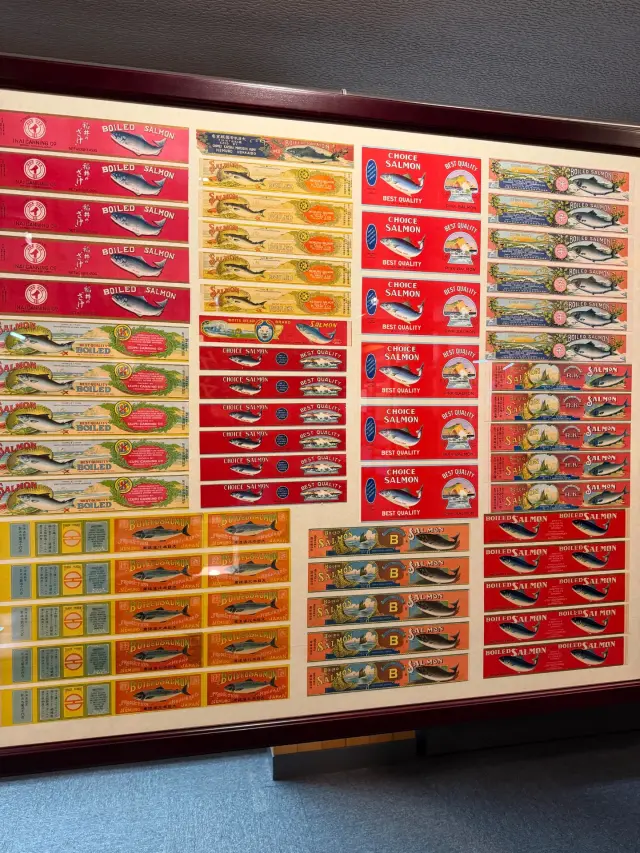
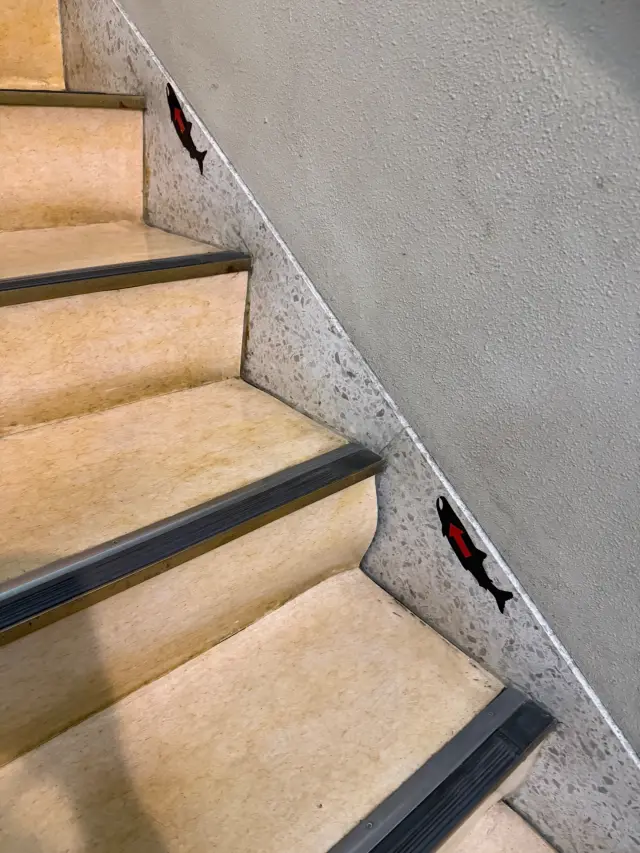
The design on the salmon can packaging was stylish. I also thought it was cute that the stairway signs were designed to look like salmon swimming upstream. -
-
Tokyu Plaza Harajuku Harakado
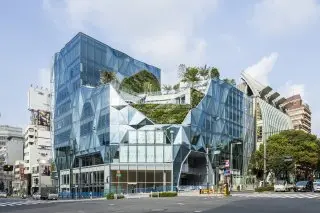
Doors are wide open at this brand new mega-retailer, opened at the Jingumae intersection between Harajuku and Omotesando in April 2024. Step inside to find nine different floors from basement to 7th floor rooftop terrace, complete with 75 shops and restaurants to browse, plus a public bathhouse, gallery, library, and so much more.
I recommend the public bath on the basement level. You can rent towels, and amenities like body soap, shampoo, conditioner, and hair dryers are provided, so you can stop by empty-handed.
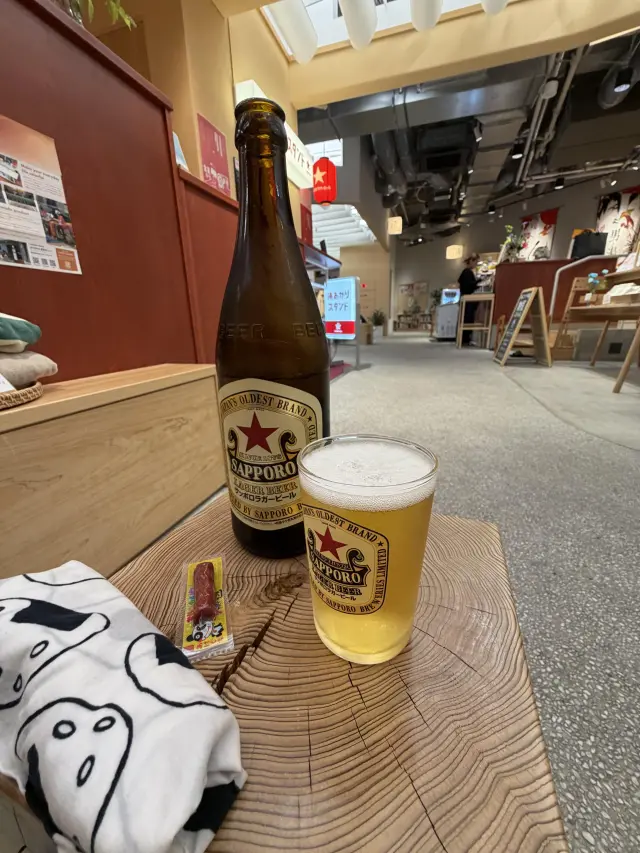
It’s an easy way to casually experience Japanese sento culture for under JPY 1,000. There’s also a shop, so you can enjoy a beer or ice cream after your bath. -