

The entire venue is set up with thoughtful lighting and sound effects, plus there's a guide who patiently explains everything one-on-one. It really helps you understand what daily life was like during the Edo period. Highly recommend checking it out!
Koto-ku Fukagawa Edo Museum | Review by 俊俊
Other Reviews by 俊俊
-
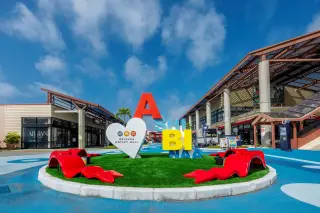
Okinawa Outlet Mall Ashibinaa
Built near the Toyosaki Seaside Park Beach, Okinawa's first outlet mall is named "Ashibinaa," which means "playground" in Okinawan language, symbolizing a gathering place for people of all generations.
The food court isn't very big, but there are a few Okinawan dishes worth trying. Overall, it's not tiring to walk around, and it's a great place for some serious shopping!
-
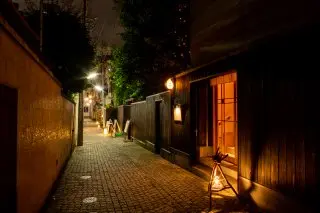
Kagurazaka
Kagurazaka, in Shinjuku, Tokyo, first got its start as a bustling geisha district. Visitors here will find a large shopping street that’s home to trendy shops and cafes, but just a few steps from the main drag sits a few cozy, veteran Japanese eateries, chic cobblestone streets and black, wood-latticed fences.
It really reminds me of Hanamikoji Street in Kyoto. There are lots of upscale restaurants and old shops, giving you a taste of traditional Tokyo.
-
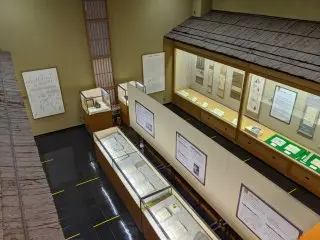
Koto-ku Basho Museum
Haiku Poet, Matsuo Basho, was active in the 1600s. He resided in Fukagawa, Koto-ku, which was the departure point of his famous travel journal, “Oku-no-Hosomichi,” covering the Tohoku and Hokuriku regions. Basho Museum is built in his hometown, showing his life and personality with panels and replicas.
A small but beautiful and peaceful museum where you can really get to know the life of Matsuo Basho.