I was interested because the temple shares its name with the station. I spent JPY 300 to buy incense for prayers, but I don't really get the point of that.
Sengakuji Temple | Review by 黃國維
Other Reviews by 黃國維
-
Jozankei Onsen Kappa Liner
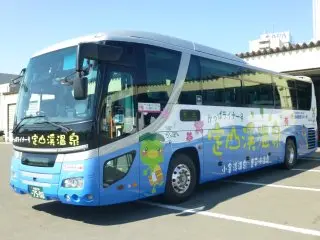
”Direct to Jozankei Onsen - Kappa Liner” is the bus that directly connects Sapporo Station and Jozankei Hot Spring. This town bus goes around up to the terminal of Hoheikyo Hot Spring, stopping at Shiraito Fall, Jozankei Shrine, Jozankei Bridge, etc., mainly used by many tourists.
I was still considering whether to rent a car to go to Jozankei, but then I found out that the Kappa Liner goes there directly, which made things much easier. You can get some rest on the bus without having to drive yourself or worry about road conditions. Especially when it snows in Hokkaido during winter, taking the bus feels safer. For anyone planning a day trip to the hot springs, it's a very practical transportation option.
-
Eastern Hokkaido Express Bus (Summer)
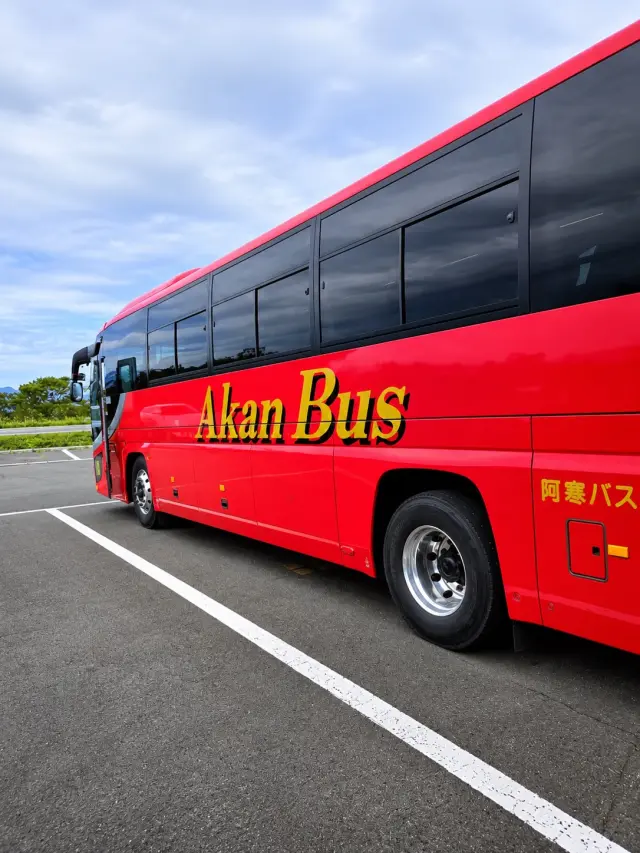
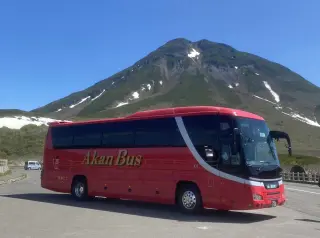
The Eastern Hokkaido Express Bus (Summer) connects sightseeing destinations across eastern Hokkaido from summer through fall. Even without a rental car, you can explore the region’s natural scenery and attractions as you travel to Utoro, a gateway to the UNESCO World Heritage Site of Shiretoko. All services require advance reservations and can be booked online.
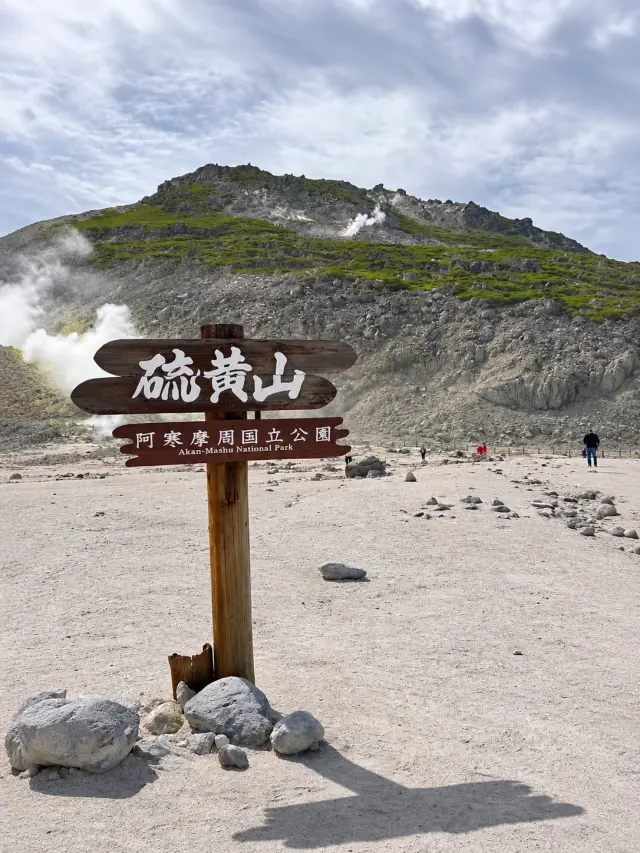
What attracts me most about Hokkaido is its natural scenery, with each place having completely different characteristics. The waters and mysterious atmosphere of Lake Mashu left a deep impression on me, while at Mount Iozan, you can see the volcanic terrain and white steam constantly rising from the ground. It's genuinely awe-inspiring in person. I used to think that driving was the only convenient way to visit these attractions, but now that sightseeing buses are available, it's certainly much easier for people who don't want to rent a car. However, you should still check in advance whether the route stops at the attractions you want to visit.
-
-

Imamiya Shrine (Kyoto)
This shrine is said to have begun in 994, when a goryo-e ritual called the Murasakino Goryo-e was held at Funaokayama to calm the epidemic that was spreading through the Heian capital, by enshrining the plague deity worshipped here. Later, when an epidemic broke out again in 1001, another goryo-e ritual was held, after which the plague deity was transferred back to this shrine, three main sanctuary buildings and a shrine building for the plague deity were newly established, and it was named Imamiya-sha.
It’s super pleasant to walk around here. The whole atmosphere is quiet and has a bit of that old Kyoto charm.
The grounds aren’t very big, but they’re clean and really photogenic. The red torii gates and traditional architecture feel especially atmospheric.
There’s also a famous grilled dango shop nearby, and strolling around while snacking is seriously the best. If you want to avoid the shrines packed with tourists, Imamiya Shrine feels really relaxing. It’s the kind of place where you can take a slow walk, snap a few photos, and leave feeling refreshed.