

It was such a special experience to join the Taiko Festival! You can hear the whistles and drums from far away, and as the taiko floats come in, the excitement builds. Watching them compete to see which float can be lifted the highest and longest is super thrilling and impressive. Every year, tens of thousands of people come to see it in person!
Niihama Taiko Matsuri (Niihama Drum Festival) | Review by 柳慧蜜
Other Reviews by 柳慧蜜
-
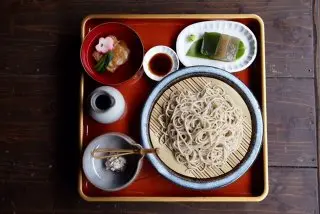
Kintaro Soba Yamamotoya
Founded in 1978, this long-established soba restaurant has continued to preserve kurumi soba, a traditional way of eating soba in Ouchi-juku, where freshly ground walnuts are mixed into the dipping sauce. The walnuts used are wild mountain walnuts that grow naturally in the Aizu region. Compared to common Western walnuts, these native walnuts have less bitterness and a deeper aroma and flavor.
Ouchi-juku is definitely a must-visit spot for many travelers who love coming to Japan.
The soba at Yamamotoya tastes very light and not greasy at all.
You eat the soba with a whole green onion, which really makes you want to take big bites of both the noodles and the onion.
A lot of people come here just for this, so it’s a really popular place. -
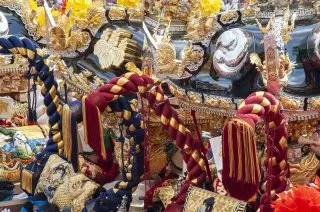
Nada Fighting Festival (Nada No Kenka Matsuri)
The annual autumn festival is held on October 14th and 15th at Matsubara Hachiman Shrine in Shirahama Town, Himeji City. Known as one of the "Three Great Wild Portable Shrine Festivals" in Japan, the festival involves participants from the "Former Seven Villages," which are the seven coastal regions in the southeastern part of the city, part of the shrine's parishioners.
The Nada Fighting Festival held here is all about intense clashes between portable shrines. I didn't expect it to be such a masculine and even a bit rough event! It's definitely something unique and surprising.
-
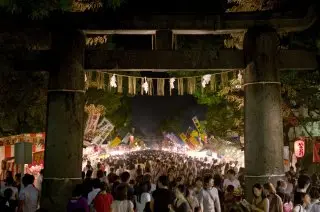
Hakozaki Shrine Hojoya Festival
Alongside the springtime Hakata Dontaku and the summertime Hakata Gion Yamakasa, the Hojoya Festival is an annual autumn event that ranks among the three major festivals of Hakata. With a history spanning over 1100 years, the festival serves to comfort and express gratitude to the spirits of all forms of life. Additionally, it prays for thriving business and household safety. Over seven days and nights, various rituals are performed.
The Hojoya Festival's animal release tradition comes from the Buddhist teaching of not taking life, and it has become a festival where animals are set free back into nature. During the event, the approach to the shrine is lined with all kinds of festive stalls, like food stands and talent shows. It's a great place to stroll around and enjoy the lively atmosphere!