

One of Japan's top three gardens—it's a must-see for anyone who loves gardening or landscape design!
Okayama Korakuen | Review by 楊鳳晨
Other Reviews by 楊鳳晨
-
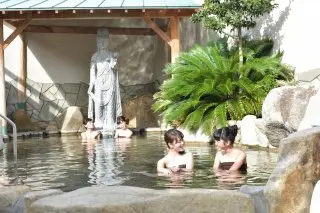
Asian Resort Spa Seare
This spa resort is open 24 hours a day on weekends and offers natural hot springs. The water, which comes from 1,000 meters underground, is rich in salt and has an excellent moisturizing effect, warming the body from the core and gently soothing the fatigue of travel. Towels and other items are available for rent (additional fee required), so you can come empty-handed.
This place is perfect not just for families, but also for trips with your best friends. Enjoy the facilities and make some wonderful memories together!
-
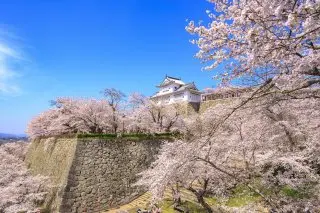
Tsuyama Castle (Kakuzan Park)
Its predecessor was Tsuruyama Castle built by Tadamasa Yamana in 1441, which was abandoned during the Onin and Bunmei Wars. Later, Tadamasa Mori, the younger brother of Ranmaru Mori, known as a close aide of Oda Nobunaga, changed the castle’s name from "Tsuruyama" to "Tsuyama" and began to construct it. The magnificent castle was completed in 1604 after 13 years of work and it is one of the three great Hirayama castles in Japan.
Compared to the heavy beauty of Matsuyama Castle with its black walls and white eaves, I actually prefer Tsuyama Castle's white buildings accented by just a touch of black on the eaves. That lighter, more delicate look is really captivating!
-
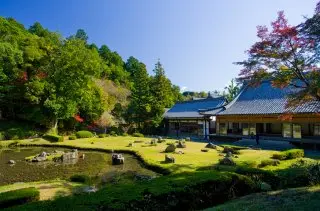
Joeiji Temple Sesshu-tei Garden
Sesshu was one of ink-wash painters and a zen monk in the Muromachi Period. Sponsored by the Ouchi Family, he moved to Suwa, then Ming (China) and learned how to paint with ink. He became a renowned master, and six of his paintings are designated as national treasures, such as Amano-hashidate and Shiki Sansui. He is a giant in the history of Japanese painting.
The garden pond is so calm, like a mirror. The dry landscape and the way the stones are arranged in the pond look random but actually feel very intentional. It really has that Zen vibe you see in ink paintings!