

At Lake Akan, you can go canoeing or walk along the mud volcano trail to see volcanic scenery. There's also an Ainu village where you can check out traditional crafts and try authentic local food. The street is pretty short—just a 20-minute walk—but you'll find unique cafes and amazing handmade crafts. You can really enjoy the beautiful views and get a taste of Ainu culture here.
Lake Akan | Review by 宋美溫
Other Reviews by 宋美溫
-
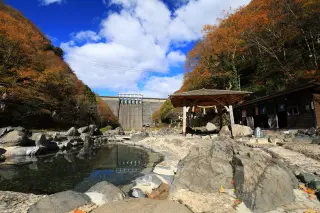
Yubara Onsen
Along the river, rows of ryokan line the banks, and steam rises in the stillness of the surrounding mountains. Yubara Onsen is a hot spring town that spreads along the clear Asahi River, where you can enjoy smooth, alkaline hot spring waters.
This place is all about peace and relaxation.
It's not a busy, touristy hot spring street.
The most famous part is the open‑air mixed bath where you soak right by the river.
Coming in winter feels especially nice. The water is very hot but not harsh.
The surroundings feel very natural, and at night it's almost completely quiet.
Perfect if you want to clear your mind and take your time soaking. -
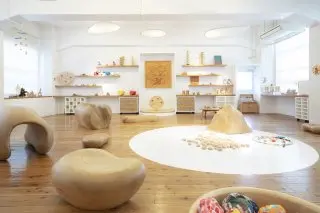
Tokyo Toy Museum
This museum, with its theme of “Play, Create, and Meet”, is a great place for kids of all ages to play with toys. The former Yotsuya Fourth Elementary School was built before WWII and renovated with a lot of domestic wood to create a warm and welcoming space.
If you're looking for an educational spot, the Tokyo Toy Museum is a good choice. It showcases all kinds of toy art, which can inspire an interest in and understanding of art, while also promoting the exchange and development of toy culture. There are interactive experiences here too, and since it's easy to get to, you can easily spend half a day or even a whole day.
-
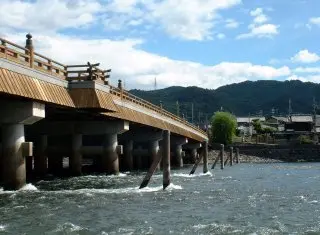
Uji Bridge (Kyoto)
Stepping out of the ticket gates at Keihan Uji Station, the first thing that catches your eye is Uji's landmark, the Uji Bridge. According to the "Uji Bridge Monument" at Hashidera Hojo-in, it is said to have been built in the second year of the Taika era (646) during the Asuka period by a monk named Doto from the Nara temple of Gango-ji, making it one of Japan’s three ancient bridges alongside the Seta no Karahashi and Yamazaki Bridge.
There were so many people, it was just a sea of crowds. It was hard to really enjoy or appreciate the place.