

Visiting the sumo stable in Asakusa was a truly unique and meaningful cultural experience. Watching the wrestlers' daily training up close gave me a much deeper understanding of the discipline and intensity behind sumo.
Asakusa Sumo Club | Review by ps.yuanyuan33


Other Reviews by ps.yuanyuan33
-
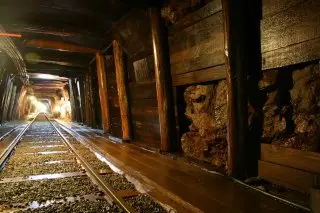
Ashio Copper Mine
Ashio Copper Mine operated for 400 years until its closure in 1973. It was a national history site. Opened in 1610, After finding copper in Bizentateyama Mountain, it became busy as a copper mine designated by the Edo Bakufu government. 1871 saw the mine being privatized, and became an industry that supported Japan’s modernization. In the beginning of the 20th century, the mine accounted for 40% of copper exports in Japan.
They turned the old, closed copper mine into a tourist spot. You can ride a small sightseeing train on the original mining tracks. It's not a long ride, but it's a unique experience.
-
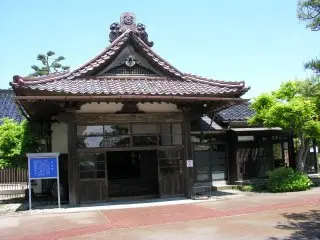
Chido Museum
In 1950, the former Shonai Domain lord, Sakai Family, donated their family cultural assets and buildings for the local cultural education. Sakai Family began with Sakai Tadatsugu, one of the four generals serving Tokugawa Ieyasu. The family governed Shonai from the Edo Period until the Meiji Revolution and made efforts to develop the area.
Inside, you can see buildings from different regions that were moved here, dating from the Edo to Meiji periods. It's definitely worth checking out.
-
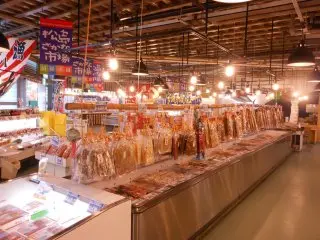
Matsushima Fish Market
Near the Matsushima Coast, along the National Highway Route 45, a tourist market is run by a Kesennuma-based company who owns large tuna boats. They sell their proud tuna, oyster, sea squirt, Kinka mackerel, saury from Kesennuma, and 1500 species in all.
The oysters here are super famous! I had a blast eating a ton of grilled oysters at the shop by the parking lot. It was such a fun and tasty experience.