

The history here dates back to the Edo period, and the whole place is filled with a strong sense of tradition. The shrine's design is simple yet elegant, giving you a sacred feeling of being connected to both nature and the divine.
National Grand Shrine Suitengu | Review by Marcel Martin
Other Reviews by Marcel Martin
-
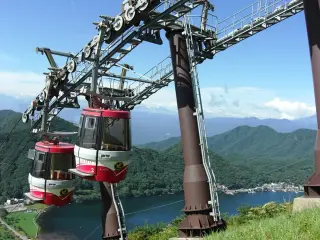
Harunasan Ropeway
The Harunasan Ropeway connects the shores of Lake Haruna to the summit of Mount Haruna in approximately three minutes. Operating since 1958, it introduced Japan's first 15-passenger twin gondola system in 1996. As the ropeway ascends through the lush natural surroundings of Mount Haruna, passengers can enjoy a stunning aerial journey with breathtaking panoramic views.
Once the ropeway reaches the top, you get a panoramic view of Lake Haruna. The water is crystal clear and the lake is surrounded by mountains.
-

Sensoji Temple
This iconic destination in Asakusa sees as many as 30 million visitors each year. It stands as a well-loved mainstay in Tokyo, all while hosting a number of annual traditions like the first temple visit at New Years, Setsubun and more across the year.
As soon as you enter Kaminarimon, the giant red lantern immediately catches your eye. It's a super popular spot for photos! The gate symbolizes welcome and blessings, and the whole atmosphere feels lively and joyful.
-
-
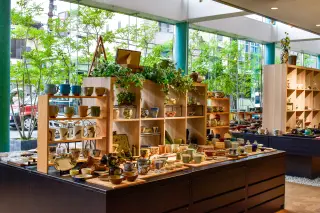
Kyoto Ceramic Center
Nestled at the foot of the famous Kiyomizu Temple, in the Higashiyama Gojo area, lies a district known for its traditional craft, "Kyo-yaki" and "Kiyomizu-yaki" pottery. For over 400 years, countless ceramic works have been created here. Many artisans and kilns still operate in the Gojozaka area, and at the entrance to this historic slope is the Kyoto Ceramic Center.
Here, visitors can not only admire beautiful ceramic works, but also try making them themselves and get a deeper understanding of Kyoto's ceramic culture.

