

Your Guide to Enjoying Hibiya Park, an Oasis in the Heart of Tokyo
Despite its prime location near Tokyo Station and Ginza, Hibiya Park is a place where you can slow down and relax surrounded by lush greenery.
Encircled by office towers and shopping complexes, it’s a true urban oasis.
Beyond its rich natural setting, it also has a deep history, with plenty to see throughout the park.
If you’re visiting Hibiya Park for the first time, here are the highlights, the best seasons to go, and nearby sightseeing spots.
What is Hibiya Park Like?
Located in Chiyoda City, Tokyo, and right next to Kasumigaseki and Ginza, Hibiya Park is a beloved green escape.
Across its vast grounds of Approx. 160,000 m², you’ll find colorful flower beds, a spot planted with tropical-style trees and blooms, and creatively designed fountains, offering seasonal scenery year-round.
There are plenty of highlights, and the Large Fountain, Shinji Pond, and Kumogata Pond are especially popular with visitors.
The park also has great facilities, including tennis courts, a small outdoor concert hall, and the former park museum.
With cafés and restaurants on-site, it’s easy to take a break whenever you need one.
Events are held throughout the year for both adults and kids, so if the timing works, consider joining in.

The History of Hibiya Park
Until the late Edo period, the land that is now Hibiya Park was home to daimyo residences (samurai households that served the shogun), and in the Meiji era it was used as an Army drill ground.
Later, as part of urban planning, Tokyo was envisioned to have a modern park worthy of the capital, and in 1903 it opened as Japan’s first Western-style park, skillfully blending Western culture with Japanese elements.
Places where you can feel the history of Hibiya Park can be found all throughout the grounds.

Access to Hibiya Park
The closest station to Hibiya Park is Kasumigaseki, and you can reach Hibiya Park in under a 1-minute walk from the station.
From Tokyo Station to the nearest station, it takes Approx. 4 minutes on the Tokyo Metro Marunouchi Line.
From Shinjuku Station, it’s Approx. 13 minutes on the same Tokyo Metro Marunouchi Line.
Admission and Hours at Hibiya Park
Hibiya Park is free to enter and open 24 hours a day.
It’s nice being able to visit whenever you like.
- Admission
- Free (some facilities require a fee)
- Hours
- Open at all times
What’s the Best Season to Visit Hibiya Park?
Hibiya Park lets you feel close to nature while staying right in the middle of Tokyo.
Among the four seasons, spring and fall offer especially beautiful scenery.
Spring, When All Kinds of Flowers Are at Their Best
In spring, six types of cherry blossoms, including Somei Yoshino, yamazakura, and weeping cherry, bloom in full glory.
There are only about 40 trees, but seeing cherry blossoms in the middle of a big city is something special to Hibiya Park.
As the blossoms fall, tulips and nemophila come into season, delighting visitors with a colorful display.


Fall, When Autumn Colors Spread Throughout the Park
Hibiya Park is also known as a spot for beautiful fall foliage, with vivid autumn colors throughout the grounds.
The ginkgo-lined avenue with its striking yellow leaves and the massive “Kubi-kake Icho” ginkgo tree, estimated to be 400–500 years old with a trunk circumference of 7 m, are must-sees.
At Kumogata Pond, you can enjoy a colorful mix of red, yellow, and green foliage.
For peak fall colors, visit from late November to early December.

Soak Up Nature and History! 5 Must-See Highlights in Hibiya Park
Hibiya Park isn’t just a place to enjoy nature in the city, it’s also where you can feel Tokyo’s history.
With so many highlights and facilities across its spacious grounds, you might not know where to start.
To help, here are five must-see spots you won’t want to miss.
1 . The Park’s Signature Area: Fountain Plaza and Second Flower Bed
Fountain Plaza and the Second Flower Bed are among the most popular areas in Hibiya Park.
Next to the lawn-covered Second Flower Bed is the park’s symbol, the Large Fountain, where you can enjoy 24 scenes in a 28-minute cycle.
At night, the fountain is illuminated, creating a romantic atmosphere.
There are benches around the fountain, so relax and enjoy the view of the Large Fountain.
Don’t miss the colorful flowers blooming in the Second Flower Bed, either.

2. First Flower Bed, with a Western-Style Garden and a Charming Fountain
Next to Fountain Plaza, the First Flower Bed is, along with the Second Flower Bed, one of Hibiya Park’s symbols.
When the park first opened, its Western-style flower bed design and Western blooms like tulips and pansies were rare, drawing many visitors.
At one end of the First Flower Bed is the Pelican Fountain, where a charming scene awaits: a small stream of water flows from the mouths of two pelicans facing each other.


3. Hibiya Mitsuke Ruins and Shinji Pond, Featuring Rare Edo Castle Remains
Hibiya Mitsuke Ruins and Shinji Pond are located right after you enter the Yurakumon Gate.
Hibiya Mitsuke Ruins are valuable remains of Hibiya Park, counted as one of Edo Castle’s 36 mitsuke.
A “mitsuke” is a gate built along the outer perimeter of Edo Castle.
Edo Castle once had many gates, and this is where one of them, Hibiya Gomon Gate, used to stand.
The moat that once surrounded the stone walls of Hibiya Mitsuke has now become Shinji Pond.
Parts of the stone walls still remain and can be seen today.

4. Kumogata Pond, a Nature-Rich Spot Perfect for a Stroll
Kumogata Pond, known for the Crane Fountain, is a spot where you can enjoy seasonal scenery, with cherry blossoms in spring and colorful leaves in fall.
In winter, a thin layer of ice forms on the water and icicles hang from the crane’s wings, a signature seasonal sight in Hibiya Park.
A walking path circles the pond, making it a perfect place for a leisurely stroll.

5. Matsumotoro, with a History Alongside Hibiya Park
A historic spot said to have opened at the same time Hibiya Park was established.
On the first floor is “Yoshoku Grill & Garden Terrace,” and on the third floor is “French Restaurant Bois de Boulogne.”
At “Yoshoku Grill & Garden Terrace,” you can enjoy classic Japanese-style Western dishes like hayashi rice, hamburger steak, and katsu curry.
“French Restaurant Bois de Boulogne,” where carefully selected chefs from across Japan create full-course meals with seasonal ingredients in an elegant setting, is also a highlight.
It’s located near the park’s symbol, the Large Fountain, so if you’re tired from walking around the park, be sure to stop by.

3 Nearby Sightseeing Spots Around Hibiya Park
After strolling through Hibiya Park, explore nearby historic buildings and lively shopping districts, too.
The sightseeing spots below are all walkable, so be sure to check them out.
1. Kokyo Gaien National Garden
An area located outside the Imperial Palace’s main gate. In the central Imperial Palace Plaza, Approx. 2,000 Japanese black pines are scattered across lush green lawns.
From Kokyo Gaien National Garden, you can see the historically valuable Nijubashi Bridge. There are also plenty of highlights, including Sakuradamon Gate, designated as an Important Cultural Property of Japan, and an impressive bronze statue of the warrior Kusunoki Masashige.

2. Ginza-dori
Ginza-dori is Ginza’s main street, lined with department stores and luxury brand boutiques, and it stands alongside New York’s Fifth Avenue and London’s Oxford Street.
The Ginza 4-chome intersection, home to Ginza Wako with its iconic clock tower and Ginza Mitsukoshi known for its lion statues, is a classic view often featured in photos and videos introducing Ginza.
The area is also known as one of Japan’s highest-priced commercial districts. On weekends and holidays, the street becomes pedestrian-only, letting you enjoy a relaxed stroll while soaking in Ginza’s atmosphere.

3. National Diet Building
Construction began in 1920 and it was completed in 1936 as the Imperial Diet Building.
Centered on its main tower, the building is symmetrical, with the House of Councillors on the right and the House of Representatives on the left.
Both houses welcome visitors (free). Tours of both the House of Representatives and the House of Councillors take about 1 hour.
In either case, you’ll follow a set route guided by staff responsible for National Diet security.

3 Popular Places to Eat Near Hibiya Park
Hibiya Park lets you enjoy seasonal nature while staying right in the center of the city.
There are plenty of appealing places to eat nearby, perfect for stopping in between sightseeing, a walk, or events.
Another highlight is the wide range of options, from stylish cafés to carefully crafted Japanese cuisine.
1. Shunju Tsugihagi Hibiya
Head downstairs and you’ll find a true hideaway, set apart from the bustle of central Tokyo.
With private rooms, semi-private rooms ideal for dates or business meals, plus casual table seating and a counter, you can enjoy creative Japanese cuisine that brings out the natural flavors of its ingredients in a space with many different atmospheres.
A hidden gem in Hibiya for anyone looking to enjoy heartfelt hospitality.

2. NAMIKI667
NAMIKI667 is a dining, bar, and lounge on the third floor of the hotel “Hyatt Centric Ginza Tokyo,” which opened in 2018.
With a total area of 630 m² and spanning the entire third floor, the space features a bold atrium and large windows facing Ginza Namiki-dori, creating an open, airy atmosphere.

3. Chinese Restaurant Reika Shikunshisou
A new-style Chinese restaurant based on traditional Shanghai cuisine, with French influences as well.
Focusing on the energy and vitality of plants, you can enjoy natural, healthy dishes.
A signature dish is braised whole shark fin, a premium ingredient.
Other popular authentic dishes include Shanghai hairy crab, Peking duck, and black vinegar sweet-and-sour pork.

3 Recommended Places to Stay Near Hibiya Park
This area sits alongside Hibiya Park’s greenery, offering a balance of Tokyo-style sophistication and calm.
With Ginza and Marunouchi within walking distance, it’s a convenient base for sightseeing.
Here are a few places to stay where you can enjoy a peaceful time in the heart of the city, from prestigious historic hotels to comfortable urban options.
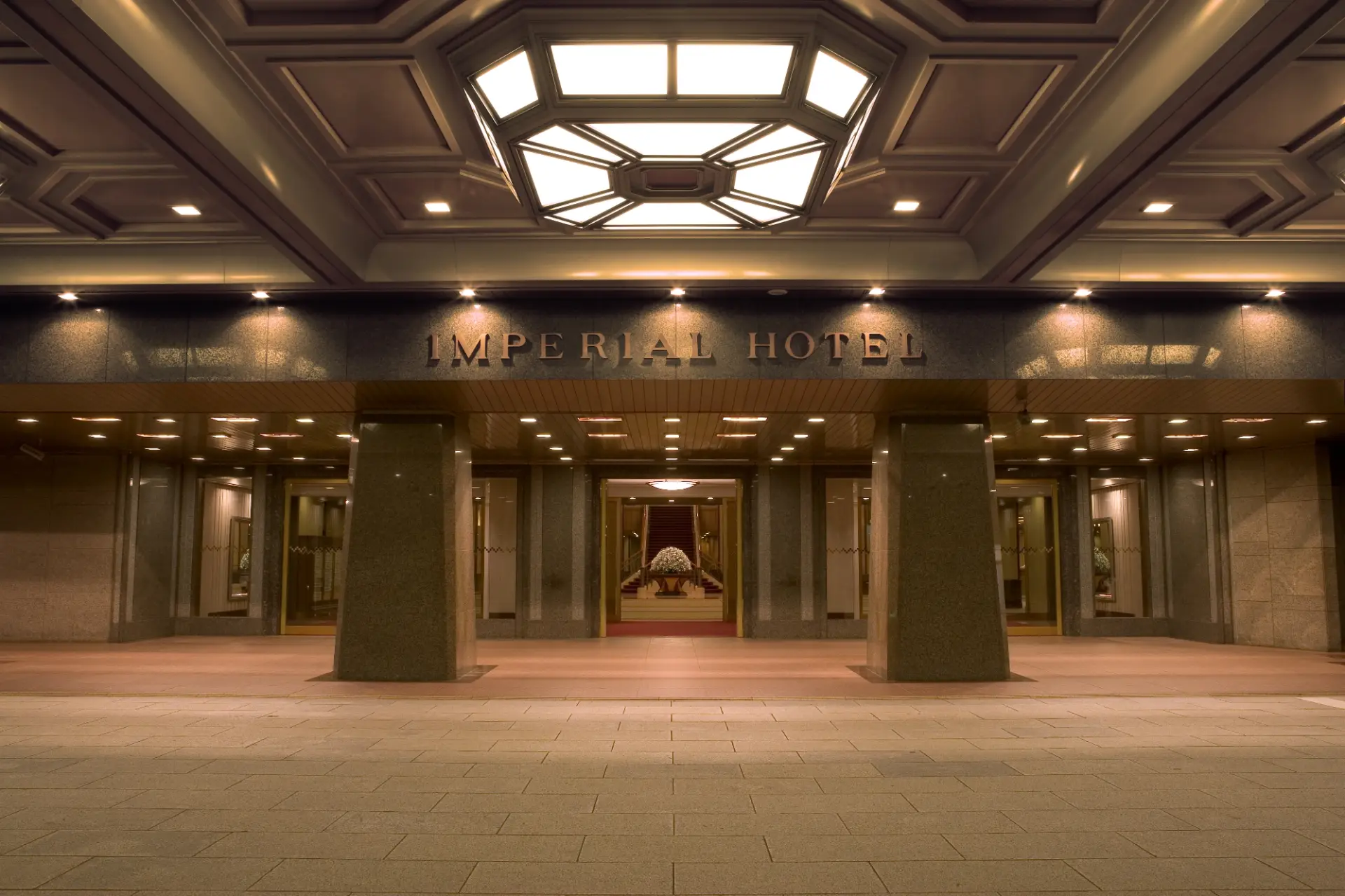
1. Imperial Hotel Tokyo
Opened in 1890 at the request of the Meiji government, which was promoting Westernization, as a hotel to welcome and entertain overseas guests.
Today, a total staff of 2,000, including skilled professionals in areas such as bell service, concierge, and laundry, welcomes guests from Japan and around the world.
Its refined service and hospitality are loved by guests worldwide.
2. Mitsui Garden Hotel Ginza Premier
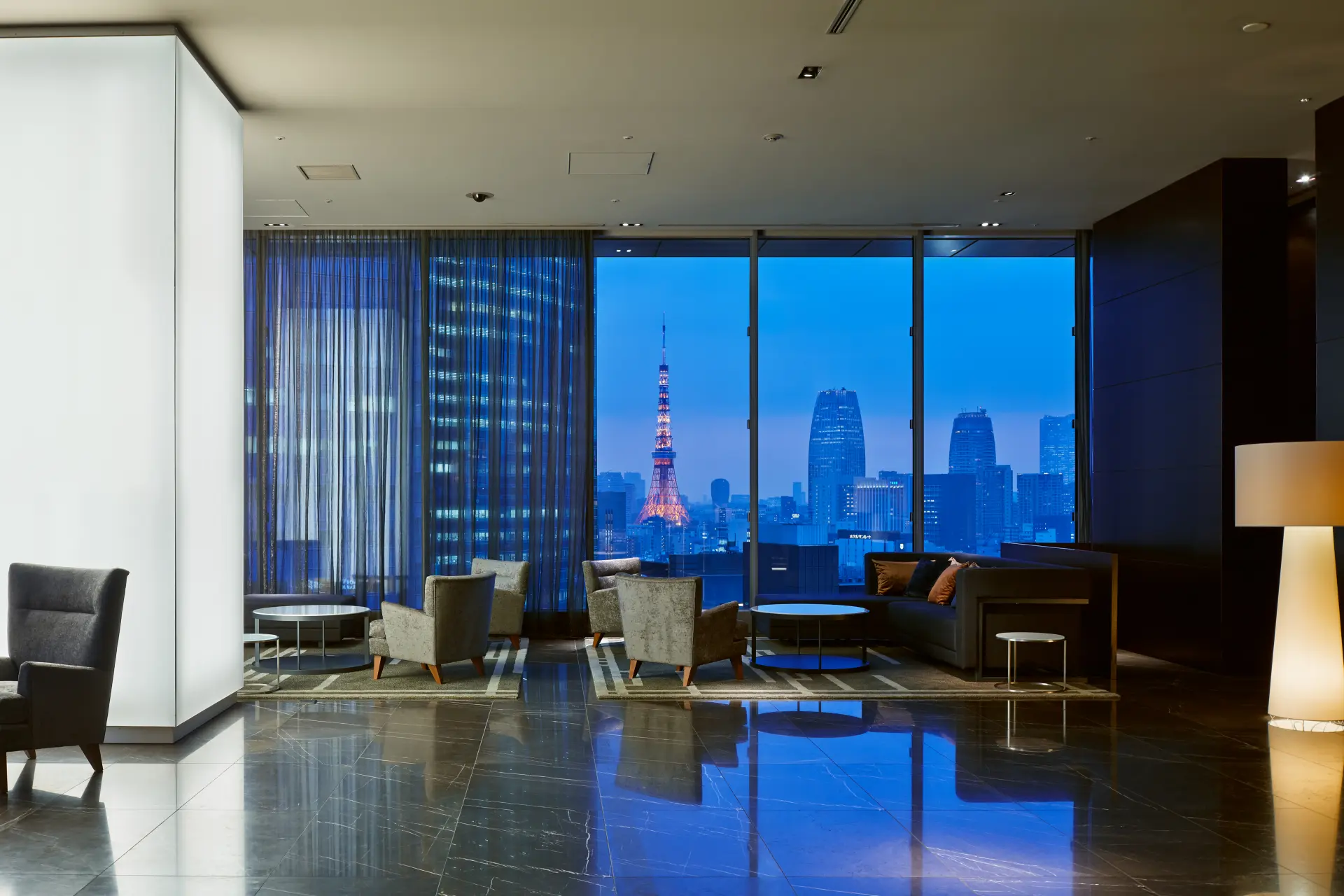
Mitsui Garden Hotel Ginza Premier is a high-rise hotel in Ginza, Tokyo.
It’s conveniently located Approx. a 5-minute walk from the Ginza Exit of JR Shimbashi Station, and is used as a base for sightseeing and business.
It’s popular for its sophisticated design, high-quality service, and views unique to its upper floors
3. The Royal Park Hotel Iconic Tokyo Shiodome
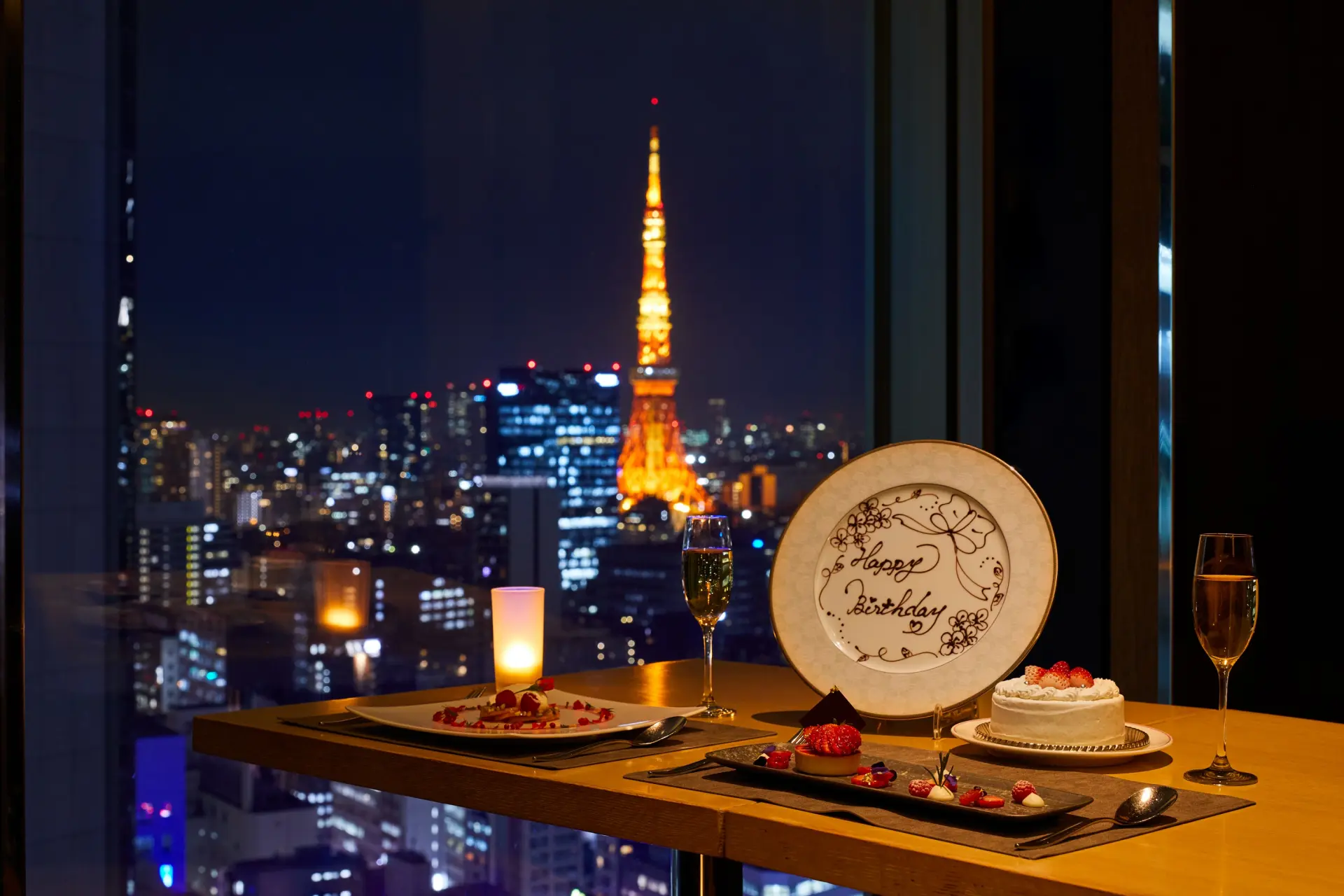
The Royal Park Hotel Iconic Tokyo Shiodome is a high-rise hotel in Shiodome and Shimbashi.
The facilities occupy the upper floors of Shiodome Tower, and all rooms are located on the 26th floor and above.
From upper floors Approx. 100 m to Approx. 156 m above ground, you can enjoy sweeping views of Hamarikyu Gardens and Tokyo Tower.
Reviews of Hibiya Park
3.87
Some reviews are AI-translated.
-
The park features both Western-style gardens and Japanese-style landscaping, showing off different aesthetics. It's a great place to relax and unwind.
-
If you're going to Ginza for a movie or shopping, you should definitely stop by here. The atmosphere is peaceful and the park is beautiful—it's really like a hidden oasis that keeps out all the city's noise.
FAQ about Hibiya Park
Q
Where is Hibiya Park?
A
It’s in Chiyoda City, Tokyo, next to Kasumigaseki and Ginza.
Q
How much time do you need to visit Hibiya Park?
A
A loop is Approx. 1 km to 1.7 km, and it’s a size you can walk around in around 30 minutes.
Q
Where’s the best place to shop near Hibiya Park?
A
Ginza-dori, lined with department stores and luxury brand shops, is recommended.
Q
When is the best time to see cherry blossoms at Hibiya Park?
A
The typical peak is from late March to early April.
Q
When is the best time to see fall foliage at Hibiya Park?
A
The typical peak is from late November to early December.
Summary
We’ve introduced the highlights of Hibiya Park, a place rich in both nature and history, along with the best seasons to visit and nearby sightseeing spots.
It’s also great that it’s close to Tokyo Station and Ginza, making it easy to get to other popular Tokyo attractions.
If you want to learn more about Tokyo sightseeing spots, check out this article featuring a carefully selected list of must-visit places in Tokyo.