
![[Kyoto National Museum Highlights Guide] Don’t Miss Kyoto-Connected Cultural Treasures and Beautiful Architecture!](https://static.gltjp.com/glt/data/article/21000/20359/20230810_123309_5e3ea2bc_w1920.webp)
[Kyoto National Museum Highlights Guide] Don’t Miss Kyoto-Connected Cultural Treasures and Beautiful Architecture!
Showcasing cultural treasures connected to Kyoto, including National Treasures and Important Cultural Properties, the Kyoto National Museum is a must for art and history lovers.
With a collection of over 14,000 works, you can enjoy a variety of masterpieces depending on the season and special events.
Rare cultural assets are also exhibited, so be sure to check the exhibition schedule.
In this article, we’ll introduce the highlights you should know to fully enjoy the Kyoto National Museum.
What is the Kyoto National Museum Like?
The Kyoto National Museum, located in Higashiyama Ward, Kyoto City, Kyoto Prefecture, plays a key role in preserving and passing on traditional culture.
Completed in 1895, it opened in 1897 as the Imperial Kyoto Museum.
In 1969, the Imperial Kyoto Museum’s Main Building, main gate, the walls on both sides of the gate, and the ticket booth were designated Important Cultural Properties.
Today, the former main building is known as the Meiji Kotokan (Meiji Old Capital Hall) and stands as an iconic symbol of the Kyoto National Museum.
The Heisei Chishinkan displays all kinds of artworks, including paintings, sculptures, textiles, Buddhist paintings, lacquerware, metalwork, and illustrated handscrolls.
There is also a sukiya-style tea house, where you can see court culture from the Edo period.
The museum also hosts programs on cultural property restoration, archaeology, rituals, and sutra copying, making it a great place to learn about Japan’s traditional culture while having fun.

Access to the Kyoto National Museum
Here’s how to get there from JR Kyoto Station, a major hub for getting around Kyoto.
Most visitors take the train or bus, but you can also get there on foot.
If you walk, it’s 1.7 km east along Shichijo-dori and takes 20 minutes.
Be sure to bring comfortable shoes and something to drink.
The easiest way is by bus, but watch out for traffic, especially at busy times.
By Train
- Route
-
Take the JR Nara Line and get off at Tofukuji Station.
Transfer to the Keihan Line, get off at Shichijo Station, then walk 7 minutes east. - Travel Time
- Approx. 15 minutes
By Bus
- Route
- From JR Kyoto Station (D2 bus stop), take Kyoto City Bus Route 206 or 208 and get off at Hakubutsukan Sanjusangendo-mae. It’s just a short walk from the bus stop.
- Travel Time
- Approx. 20 minutes
Kyoto National Museum Hours and Admission
For the Kyoto National Museum’s Hours and Admission, please refer to the table below.
During special exhibitions, Hours and Admission differ from the table below, so if you want the latest information, check the Official website (Japanese).
- Hours
-
9:30am–5:00pm (Last admission at 4:30pm)
Friday 9:30am–8:00pm (Last admission at 7:30pm) - Admission
-
Adults: 700 yen
University students: 350 yen
Highlights of Each Area at the Kyoto National Museum You Should Know
The Kyoto National Museum’s biggest draws are its permanent exhibitions, where you can enjoy Kyoto’s traditional culture, and its special exhibitions, where you can appreciate Japan’s traditional culture.
However, the exhibits change depending on when you visit, so here are the highlights by area.
The Meiji Kotokan (Meiji Old Capital Hall), where the building itself is designated an Important Cultural Property
The Meiji Kotokan (Meiji Old Capital Hall) is the oldest building at the Kyoto National Museum.
It’s a Western-style brick building designed by an engineer from the Imperial Household Ministry (the government office in charge of imperial affairs).
Its exterior is Baroque, reflecting the era when the Renaissance was popular in France.
Blending in Japanese sensibilities, it’s finished in a refined and stylish way.
A modern wall running from the main gate to the south gate was also built around the same time.

The Heisei Chishinkan, where you can enjoy Kyoto’s traditional culture
The Heisei Chishinkan was newly built on the same site in 2013 after the former Permanent Exhibition Hall was demolished.
One of its charms is the exhibition space based on straight lines and its open, airy lobby.
The Masterpieces Gallery (permanent exhibitions) is held here, where you can enjoy a wide range of works centered on Kyoto’s traditional culture.
Don’t miss the displays of tea ceremony utensils and crafts.
In the basement theater, programs about the museum’s collection are shown.
Audio guides in English, Chinese, and Korean are available to rent for 500 yen each, so you can listen to explanations of the cultural properties even if you don’t understand Japanese—another great point.
Special exhibitions feature outstanding works woven from Japanese culture and tradition, such as Buddhist statues and calligraphy and paintings after restoration.

Outdoor Exhibits, where you can see cultural properties while strolling the gardens
Cultural properties are also displayed outdoors, so be sure to take a stroll around the grounds.
In the “fountain area,” you’ll find Rodin’s sculpture The Thinker.
Other displays include the nationally designated historic site Hoko-ji Temple Stone Wall and the Thirteen-Story Stone Pagoda built in the Kamakura period, both of which evoke a strong sense of history.
The “West Garden area” has many stone Buddhas and foundation stones, so stop by as you walk around.
The “East Garden area” is also landscaped as a garden featuring stone relics.
As you take it all in, it can feel surprisingly moving, so relax and enjoy the outdoor exhibits.

Take a Break at a Cafe Where You Can Enjoy Great Food While Admiring Landmark Architecture
Inside the museum, you’ll find not only exhibition spaces but also Maeda Coffee Kyohaku, a stylish cafe with its main shop in Kyoto.
Recommended picks include their limited blend coffee and Uji matcha sweets.
The homemade cakes and pasta are also excellent.
Be sure to try the sandwiches made with Kyoto eggs, too, with their fluffy texture.
From inside the cafe, you can relax while looking out over the Kyoto National Museum’s buildings and gardens.
If you’re tired from walking around the museum, take a slow break at the cafe.

3 Nearby Sightseeing Spots Around the Kyoto National Museum
Around the Kyoto National Museum, you’ll find plenty of historic sightseeing spots.
After enjoying cultural properties and works of art, be sure to also visit the spots introduced below.
1. Yasaka Koshin-do Temple
A temple located in Higashiyama, one of Kyoto’s top tourist areas and home to Kiyomizu-dera Temple and Yasaka Shrine.
Its official name is Daikokusan Kongo-ji Koshin-do, and locals affectionately call it “Yasaka no Koshin-san.”
It’s said to be the first place in Japan to begin the Koshin faith, which originated in Chinese Taoism, and is also one of the Three Great Koshin sites in Japan.
What stands out most in the grounds are the “kukurizaru,” colorful cloth charms that have become a popular topic on social media in recent years.
These talismans show monkeys bound at the hands and feet, symbolizing calming and controlling a constantly moving mind, like a monkey always on the go.

2. Kennin-ji Temple
Kyoto’s oldest Zen temple and the head temple of the Kennin-ji branch of the Rinzai school.
The Dharma Hall is an impressive Zen-style Buddhist hall structure: five bays by four bays, single-story, with a surrounding pent roof (mokoshi).
The famous ceiling painting “Twin Dragons” was painted by artist Junsaku Koizumi in 2002 to commemorate the temple’s 800th anniversary, and it boasts a magnificent scale spanning 108 tatami mats.
Next, the Hojo (abbot’s quarters) on the north side was relocated in 1599 from Ankoku-ji Temple in Aki, and together with the 50-panel fusuma paintings by Kaiho Yusho from the Momoyama period, it is designated a nationally Important Cultural Property.

3. Yasui Konpiragu Shrine
A shrine in Higashiyama Ward, Kyoto City, enshrining Emperor Sutoku, Minamoto no Yorimasa, and Okuninushi no Mikoto invited from Kotohira-gu Shrine in Sanuki, and long beloved as “Yasui no Konpira-san.”
The reason it’s popular as an “en-kiri shrine” (for cutting ties) is the Enkiri Enmusubi Stone Monument on the grounds.
This massive, ema-shaped stone—Approx. 1.5 m high and Approx. 3 m wide—stands next to the worship hall and is said to be imbued with the power to cut bad ties and bring good ones. The steps are: first, pray at the main hall, then write your wish on a substitute paper talisman called a katashiro and bring it to the stone. While focusing on your wish, pass through the hole from the front to cut bad ties, then pass through from the back to the front to form good ties.

3 Popular Restaurants Near the Kyoto National Museum
After visiting the Kyoto National Museum, you’ll probably want to enjoy a meal full of Kyoto flavor nearby.
All of these are easy to reach from the museum and offer satisfying meals between sightseeing stops.
Pick what fits your mood and enjoy tastes that are uniquely Kyoto.
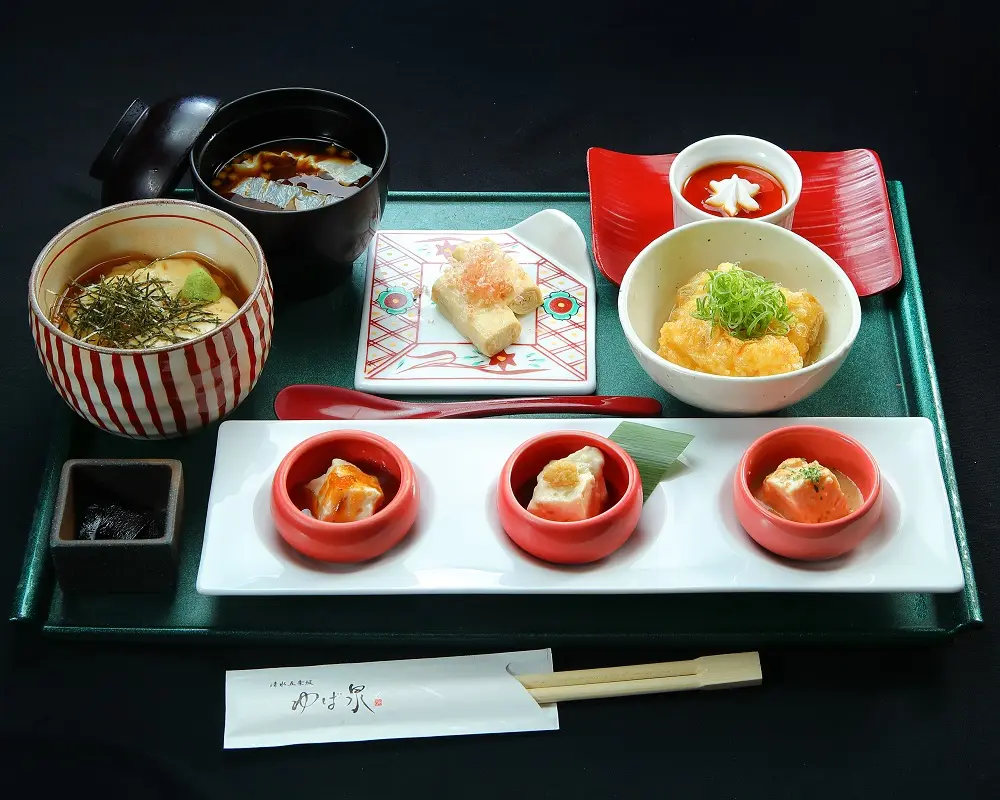
1. Kyoto, Kiyomizu Gojosaka Yubasen
A yuba specialty restaurant on Gojo-dori, the street that leads to Kiyomizu-dera Temple, one of Kyoto’s biggest tourist attractions.
Yuba is made by gently heating soy milk in a double boiler and using the thin film that forms on the surface. As a plant-based shojin (Buddhist vegetarian) ingredient that uses no meat or fish, it has been used since ancient times, and it’s also gaining attention as a healthy food rich in protein and fats.
Because artisans handle every step of the process, each sheet of yuba is carefully lifted by hand, with fine adjustments-such as thickness-made to suit each dish, a detail worth noting.
2. Warajiya
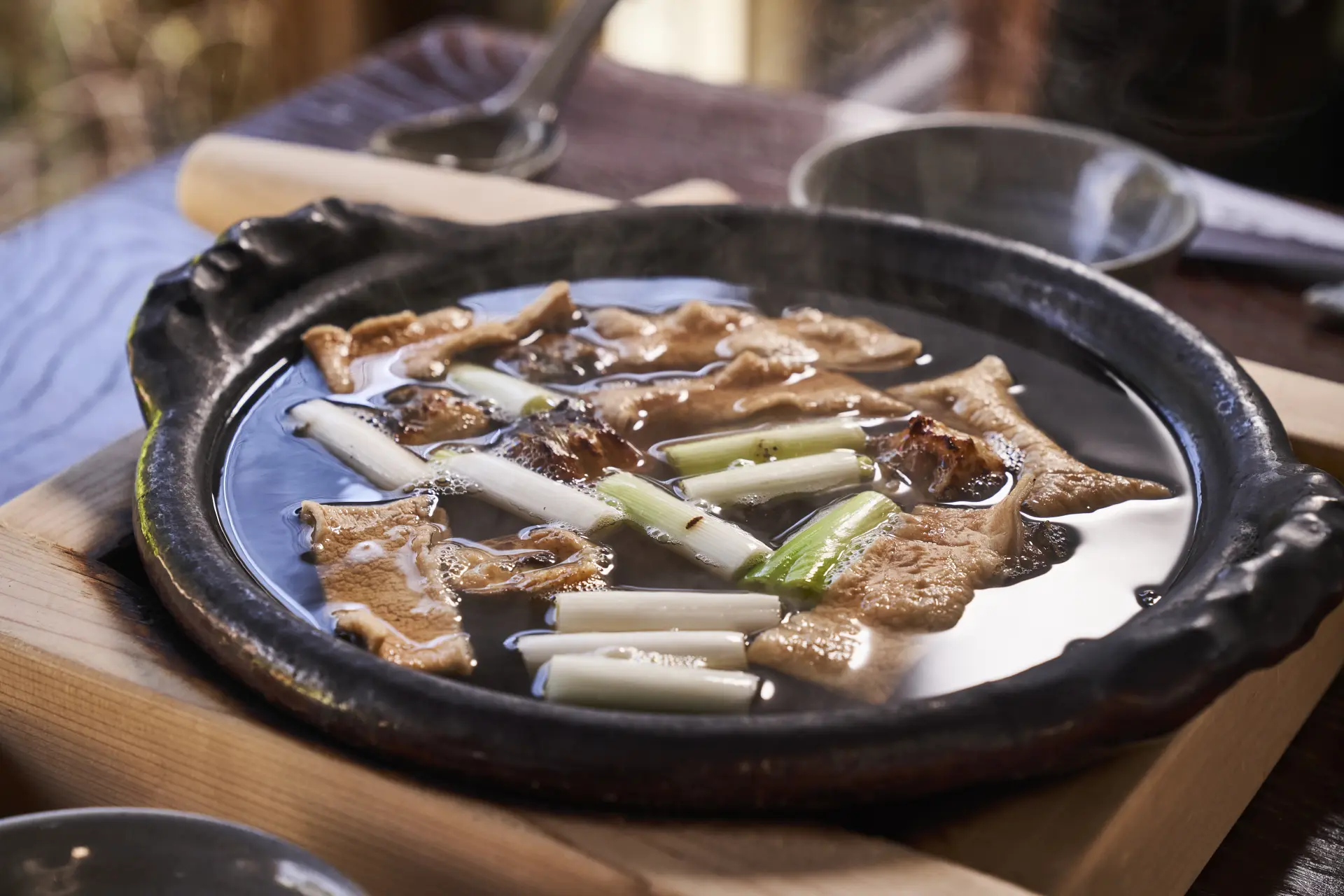
A long-established restaurant loved for 400 years since its founding in 1624.
Its name comes from an episode in which Toyotomi Hideyoshi once took off his straw sandals (waraji) here to rest.
The signature course “Unabe to Uzofusui” lets you enjoy both at once: “unabe,” a soup-style dish made with domestically sourced eel, and “uzofusui,” a rice porridge cooked in a fresh pot with rice, vegetables, and grilled eel (shirayaki).
3. Honke Daiichi Asahi
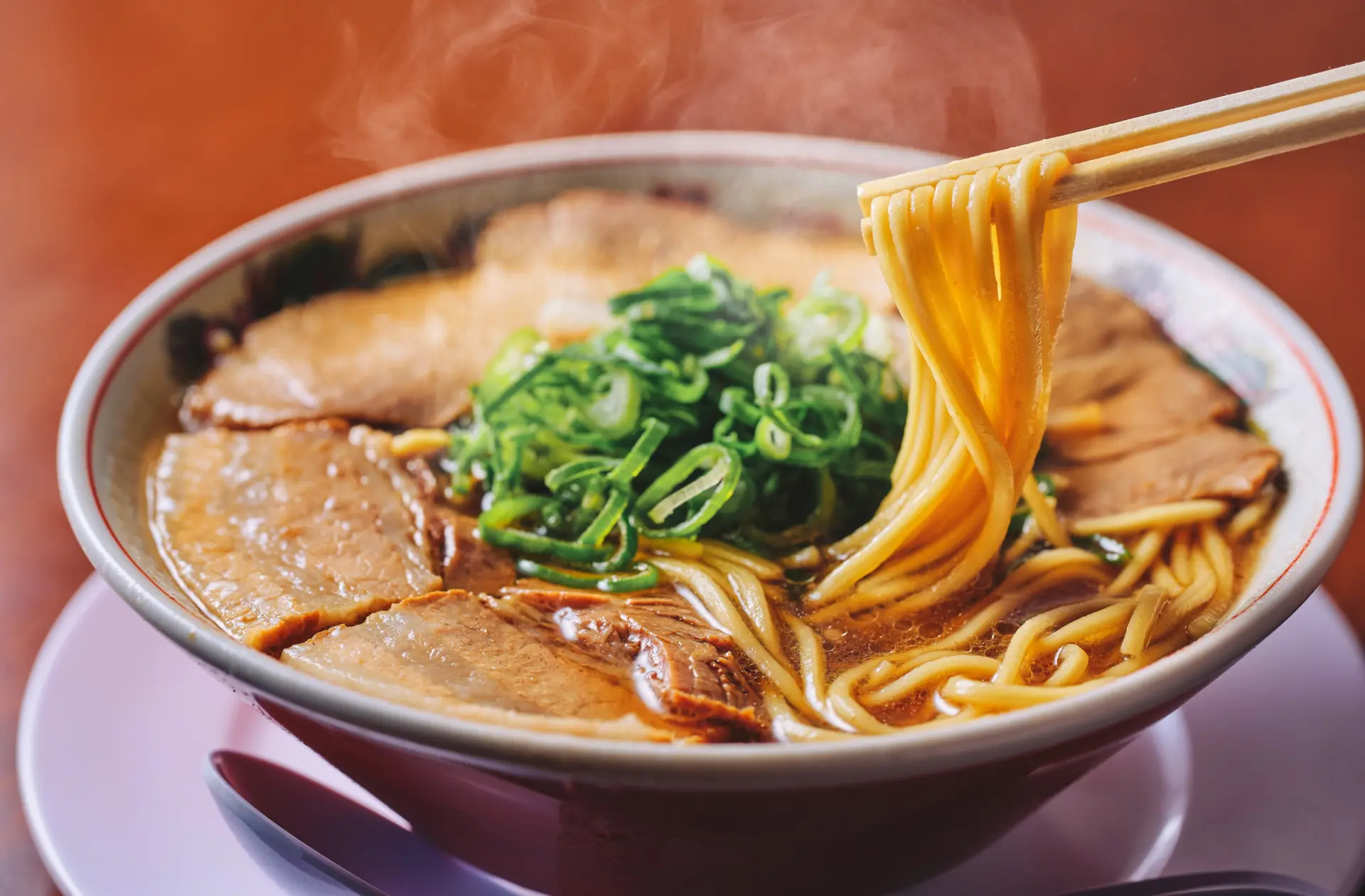
Honke Daiichi Asahi, located in the area known as “Takabashi,” about a 5-minute walk from JR Kyoto Station, is a long-established shop founded in 1947 and is exceptionally well-known in Kyoto, a city packed with ramen restaurants.
You can tell just how popular it is from the long lines that form outside even before it opens at 6:00am.
Reviews
4.07
Some reviews are AI-translated.
-
We visited this Museum in 1984, as part of a group, sponsored by Asian Productivity CENTER, APO, and Japan Productivity Center, JPC.
I still cherish to revisit Japan because of Japan's People.
They were so hospitable and loveable. -
It's not just the exhibits inside that are worth seeing—the museum building itself has a lot of history and is definitely worth a visit.
FAQ about the Kyoto National Museum
Q
What are the highlights of the Kyoto National Museum?
A
You can see cultural treasures connected to Kyoto and admire the beautifully designed buildings.
Q
What are the admission fee and Hours at the Kyoto National Museum?
A
Adults are 700 yen and university students are 350 yen, and it opens at 9:30am.
Summary
The Kyoto National Museum is where you can encounter Kyoto’s traditional culture and cultural properties connected to Kyoto.
We introduced the highlights by area and nearby spots—did anything catch your interest?
Kyoto is a city that carries on Japan’s history and culture.
There are many more wonderful places to explore, so if you’re planning a Kyoto trip, please read this article. You’re sure to find places you’ll want to visit.