

19 Must-Visit Spots for Your First Trip to Kyoto
One of Japan's most popular destinations for both domestic and international travelers, Kyoto is home to a remarkable collection of historic landmarks.
The city boasts 17 UNESCO World Heritage Sites, reflecting its rich cultural heritage. Thanks to regulations that preserve its traditional townscape, Kyoto's timeless charm extends beyond its temples and shrines to the city itself, where visitors can still experience the atmosphere of Japan's ancient capital.
With countless attractions, along with a wide variety of hotels, ryokan, restaurants, and cafés, deciding where to begin can be overwhelming.
This guide introduces the must-visit sights, as well as recommended places to stay and dine, making it the perfect starting point for your first trip to Kyoto.
What is Kyoto Like?
Kyoto Prefecture is located in the Kansai region near the center of Honshu.
After the capital was moved from Nagaoka to Kyoto in 794, Kyoto flourished as Japan’s capital until the Meiji Restoration.
Because it is home to many historic treasures, including shrines and temples, its scenery has long been preserved, and the city as a whole still retains the calm atmosphere unique to an ancient capital.
There are around 300 nationally designated Important Cultural Properties (buildings) in Kyoto Prefecture.
It would not be an exaggeration to say that this is one of the best places to experience Japan’s history, culture, and traditions.

What Is the Best Season to Visit Kyoto?
If you are sightseeing in Kyoto, spring and fall are the best seasons to visit.
In spring, cherry blossoms blend beautifully with shrines and temples, while in fall, autumn leaves create equally stunning scenery, letting you feel the essence of Japan.
In spring, Daigoji Temple, Heian Jingu Shrine, and Toji Temple become famous cherry blossom spots, with blooms covering their precincts.
In fall, the trees within the grounds of Otowasan Kiyomizudera Temple and Kodaiji Temple turn brilliant colors, creating a solemn and mysterious setting for a walk.


What to Wear in Kyoto by Season
- Spring (March - May): Light jacket and thin sweater
- Summer (June - August): Light clothing, short sleeves
- Autumn (September - November): Light jacket, coat
- Winter (December - February): Coat, thick sweater or jacket
How Do You Get to Kyoto?
By Shinkansen, Kyoto is 2 hours 10 minutes from Tokyo, and on a clear day, you can enjoy beautiful views of Mt. Fuji from the train window.
It is also 34 minutes from Nagoya and Approx. 20 minutes from Osaka, making it a great idea to visit Kyoto, Nagoya, and Osaka together on a trip around the Kansai region.
Main Ways to Get Around Kyoto for Sightseeing
As one of Japan’s leading tourist destinations, Kyoto has an extensive public transportation network, including the municipal subway, JR lines, private railways, and buses.
Buses are the main way to get around Kyoto City, where many sightseeing spots are concentrated. There is always a bus stop near the major attractions.
The subway has two lines and runs through Kyoto City and Uji City, making it a great option for travelers who want to avoid spending time in traffic.

19 Classic Kyoto Attractions You Should Visit on Your First Trip
Kyoto is a city where historic architecture and charming machiya townscapes, preserved despite fierce wars and changing eras, exist in harmony with rich natural beauty that changes with the seasons. All around the city, you can feel the unique atmosphere of Japan’s ancient capital.
Here are some classic sightseeing spots where you can fully experience the charm of Kyoto.
1. Otowasan Kiyomizu-dera Temple
Founded in 778, it was registered as a UNESCO World Cultural Heritage Site in 1994.
Its 130,000-square-meter grounds, spread across the middle of Mt. Otowa, contain more than 30 temple buildings and monuments, including National Treasures and Important Cultural Properties.
Kiyomizu-dera is also worth seeing in every season, with scenery that is beautifully framed by cherry blossoms in spring, lush greenery in summer, colorful leaves in fall, and snow in winter.
At the top of the slope, the vermilion Niomon Gate welcomes visitors. Climb a little farther and you will see the Approx. 31-meter-tall Three-Story Pagoda. One of the tallest of its kind in Japan, it is a spectacular viewpoint with sweeping views over Kyoto.

- Name in Japanese
- 音羽山 清水寺
- Postal Code
- 605-0862
- Address
-
1-294 Kiyomizu, Higashiyama-ku, Kyoto City, Kyoto
Google Maps - Telephone
- 075-551-1234
- Holiday
- Open every day
- Business Hours
- 6:00am - 6:00pm
- Admission
- Adults 500 yen, Elementary/ Middle School Students 200 yen
- Directions
-
1) Ride the Keihan Main Line to Kiyomizu Gojo Station, then walk 25 minutes.
2) Ride the Kyoto Municipal Transportation Bureau (City Bus) Line 206 "Higashiyama-Dori Kitaoji Bus Terminal" or Line 100 "Kiyomizudera Gion Ginkakuji" from Keihan Main Line Nanajo Station, get off at "Gojo Zaka" bus stop, then walk 10 minutes. - Credit Cards
- Not accepted
- Official Website
- Official Website (Japanese)
2. Fushimi Inari Taisha Shrine
The head shrine of the roughly 30,000 Inari shrines found across Japan, Fushimi Inari Taisha has long been worshiped as the deity of abundant harvests, prosperous business, family safety, recovery from illness, and the fulfillment of all wishes. It was founded in 711.
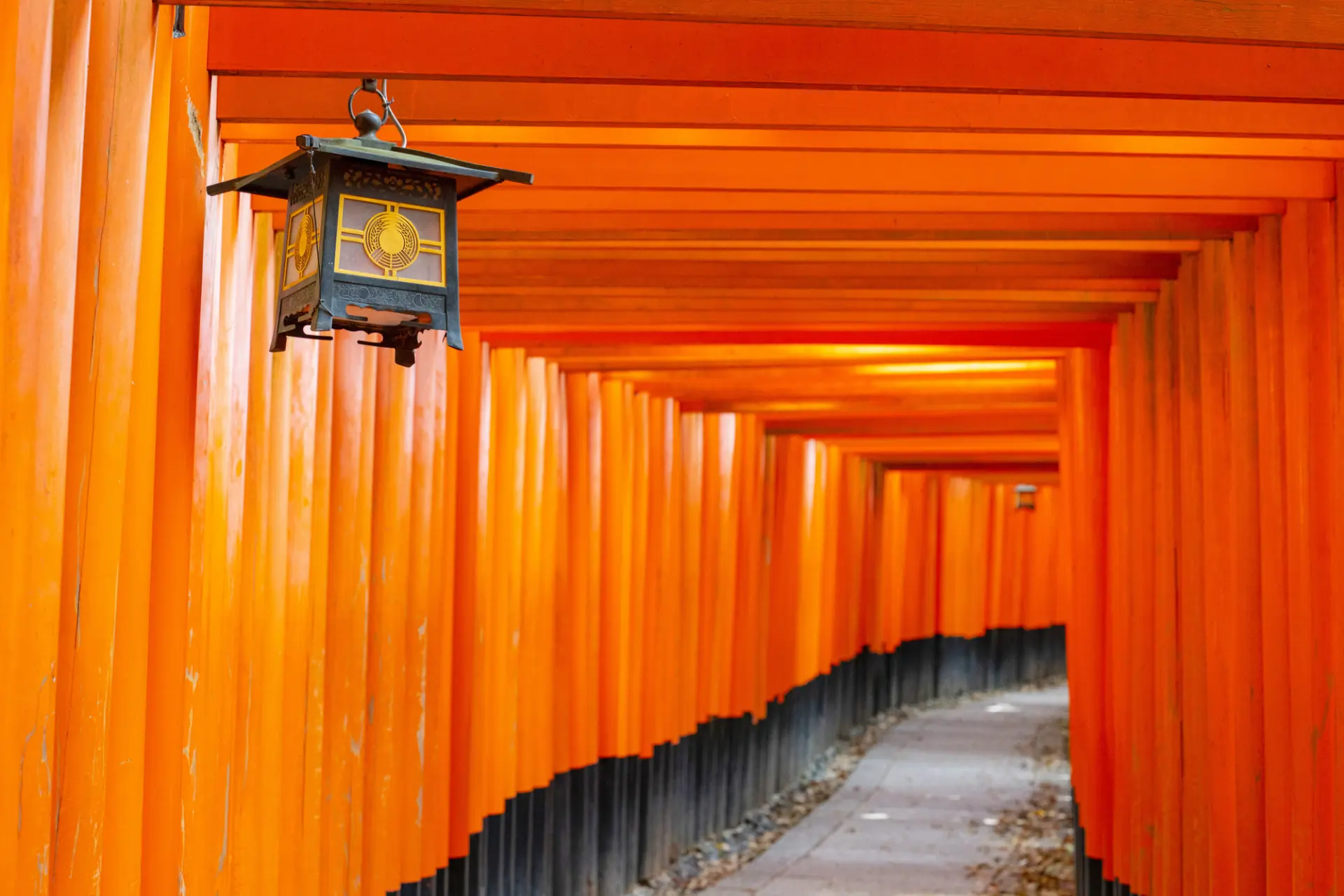
Its most famous highlight is the “Senbon Torii,” where vermilion torii gates form a tunnel-like path behind the main hall. These gates began as offerings dedicated by worshipers with prayers and gratitude, and there are said to be over 10,000 throughout the entire Mt. Inari area.
- Name in Japanese
- 伏見稲荷大社
- Postal Code
- 612-0882
- Address
-
68 Fukakusayabunouchi-Cho, Fushimi-Ku, Kyoto City, Kyoto
Google Maps - Telephone
- 075-641-7331
- Holiday
- Open every day
- Hours
- Not specified ( the time for prayer and the conferment place: 8:30 am - 4:30 pm).
- Admission
- Free
- Directions
-
1) A few-minute walk from Inari station on JR Fushimi Line.
2) A 5-minute walk from Fushimi-Inari Station on the Keihan Line. - Official Website
- Official Website (English)
3. Kinkaku-ji Temple
This temple originated from Kitayama-dono, the residence of Ashikaga Yoshimitsu, the third shogun of the Muromachi shogunate.
Just past the gate stands a bell tower with a bell dating back to the Kamakura period, tuned to the oushiki scale, which is close to the note A in Western music.
The nickname Kinkaku-ji comes from the gold leaf-covered shariden hall standing in front of the pond.
Its shingled roof made from thin Japanese cypress boards and the pure gold leaf, applied in layers on the second and third floors using lacquer as an adhesive, still convey the splendor of Ashikaga Yoshimitsu today.

- Name in Japanese
- 金閣寺(鹿苑寺)
- Postal Code
- 603-8361
- Address
-
1 Kinkakujicho, Kita-ku, Kyoto City, Kyoto
Google Maps - Telephone
- 075-461-0013 (Rokuon-ji Temple office)
- Closed
- Open every day
- Hours
- 9:00am - 5:00pm
- Admission
- Adult: 500 yen, Elementary or Middle school student: 300 yen
- Directions
- From JR Kyoto Station, ride Kyoto Municipal Bus, Route MN205 that passes Hankyu Kyoto Line’s Shijo Kawaramachi Station, Keihan Main Line’s Sanjo Station or JR Enmachi Station, get off at Kinkaku-ji Michi, and walk 5 min.
- Official Website
- Official Website (English)
4. Nidec Kyoto Tower
Rising directly in front of you as soon as you leave the ticket gates at Kyoto Station.
Built with the image of a lighthouse illuminating the city of Kyoto, it stands 131 meters tall and is the tallest building in central Kyoto.
Since opening in 1964, it has welcomed over 32 million visitors.
From the observation deck 100 meters above ground, you can enjoy a panoramic view of Kyoto’s cityscape. On clear days, you can even see Osaka through the free telescopes installed there.

- Name in Japanese
- ニデック京都タワー
- Postal Code
- 600-8216
- Address
-
721-1 Higashishiokojicho, Shimogyo-ku, Kyoto City, Kyoto
Google Maps - Telephone
- 075-361-3215
- Holiday
- Open every day
- Hours
-
<Observation Deck> 10:00 am - 9:00 pm (Last admission 8:30 pm) Hours may change
<KYOTO TOWER SANDO>
B1F 11:00 am - 11:00 pm
1F 10:00 am - 9:00 pm
2F 10:00 am - 7:00 pm
Hours may vary by shop Last order times vary by shop Hours may change
January 1 (First sunrise climb), August 16 (Gozan Okuribi special viewing event, reservation required) - Admission
- Adults 1,000 yen, High school students 800 yen, Elementary/Middle school students 700 yen, preschoolers (age 3 and up) 300 yen
- Directions
- A 2-minute walk from JR Kyoto Station
- Credit Cards
- Accepted
- Official Website
- Official Website (English)
5. Nanzen-ji Temple
Its origins date back to the late 13th century, when retired Emperor Kameyama, who had repelled two Mongol (Yuan) invasions, established it as Japan’s first imperial Zen temple.
After the main temple buildings were constructed by Kian Soen, the eminent monk Yishan Yining, who had been dispatched to Japan as an envoy of the Yuan dynasty, succeeded him.
Many of the buildings that remain today were built from the Edo period onward. The Hojo, a National Treasure, was relocated in the Edo period from a building at the Kyoto Imperial Palace originally built by Toyotomi Hideyoshi, and is also famous for its lavish Momoyama-style sliding door paintings by the Kano school, sculptures said to be by Jingoro Hidari, and the rock garden by Kobori Enshu.

- Name in Japanese
- 南禅寺
- Postal Code
- 606-8435
- Address
-
86 Nanzenjifukuchicho, Sakyo-ku, Kyoto City, Kyoto
Google Maps - Telephone
- 075-771-0365
- Closed
- December 28-31
- Hours
-
March-November 8:40am - 5:00pm
December-February 8:40am - 4:30pm
(Last entry: 20 minutes before closing) - Admission
- Hojo Garden: 600 yen (high school students: 500 yen, elementary and junior high school students: 400 yen), Sanmon Gate: 600 yen (high school students: 500 yen, elementary and junior high school students: 400 yen), Nanzen-in Temple: 400 yen (high school students: 350 yen, elementary and junior high school students: 250 yen)
- Directions
-
(1) 10-minute walk from Exit 1 of Keage Station on the Tozai Subway Line.
(2) From JR Kyoto Station, take city bus No. 5 via Hankyu Kyoto Kawaramachi Station or Keihan Sanjo Station, get off at "Nanzenji/Eikando-michi" and walk for about 10 minutes. - Official Website
- Official Website (Japanese)
6. Former Imperial Villa Nijo Castle
Nijo Castle was completed in 1603, after Tokugawa Ieyasu won the Battle of Sekigahara in 1600 and achieved national unification, to serve as his base in Kyoto.
It is a historic site with a history of more than 410 years as a castle located in Rakuchu, the central area of the capital. In 1994, it was registered as a UNESCO World Cultural Heritage site as one of the Historic Monuments of Ancient Kyoto.
The first structure built at Nijo Castle was not the Honmaru Palace but the Ninomaru Palace. The Karamon Gate, set at a position even higher than the earthen walls and featuring a magnificent karahafu gable, was built later for the imperial visit of Emperor Go-Mizunoo, and is decorated brilliantly with carvings and ornamental metal fittings under the eaves.

- Name in Japanese
- 元離宮二条城
- Postal Code
- 604-8301
- Address
-
541 Nijo-jo-cho, Horikawa-nishi-iru, Nijo-jo-dori, Nakagyo-ku, Kyoto City, Kyoto
Google Maps - Telephone
- 075-841-0096
- Holiday
- December 29-31 (Ninomaru-goten Palace : Tuesdays in January, July, August, and December, and December 26-28)
- Hours
- 8:45am - 5:00pm (Last admission 4:00pm, Ninomaru-goten Palace 4:10pm)
- Admission
-
1,300 yen (including admission to the Ninomaru-goten Palace)
Nijo-jo Castle Painting Gallery 100 yen *open 4 times a year, total of 240 days - Directions
-
1) A short walk from Nijojo-mae Station on the Kyoto City Subway Tozai Line
2) Take the Kyoto City Bus route 9 or 50 or express route 101 or 111, from JR Kyoto Station to Nijojo-mae Bus Stop, then a short walk
3) Take the Kyoto City Bus route 12 or express route 101, from Hankyu Karasuma Station or Shijo Station on the Kyoto City Subway Karasuma Line to Nijojo-mae Bus Stop, then a short walk
4) A 17-minute walk from JR Nijo Station - Credit Cards
- Accepted (VISA, MasterCard)
- Official Website
- Official Website (English)
7. Kifune Shrine
Located in Sakyo Ward, Kyoto City, along the Kifune River at the foot of Mount Kifune, this shrine enshrines Takaokami no Kami, the deity of water, and serves as the head shrine of approximately 2,000 water deities shrines across Japan.
Its exact founding date is unknown, but records show that the shrine buildings were rebuilt in Hakuhō 6 (677) during the reign of Emperor Tenmu, making it one of Japan’s most distinguished ancient shrines with a history of over 1,300 years.
The grounds are divided into three separate shrine areas, the Main Shrine, Okumiya, and Yui no Yashiro, and clear water continuously springs from the stone wall in front of the Main Shrine hall, where it is revered as sacred water.

- Name in Japanese
- 貴船神社
- Postal Code
- 601-1112
- Address
-
180 Kuramakibunecho, Sakyo-ku, Kyoto City, Kyoto
Google Maps - Telephone
- 075-741-2016
- Holiday
- Open every day
- Hours
- 6:00am - 8:00pm (varies by season. Goods shop 9:00am - 5:00pm)
- Admission
- Free
- Directions
-
(1) Take Kyoto Bus No. 33 from Kibuneguchi Station on the Kurama Line of the Eizan Electric Railway, get off at Kibune Bus Stop, and walk 5 minutes.
(2) 30 minute walk from Kibuneguchi Station on the Eizan Electric Railway Kurama Line. - Credit Cards
- Not accepted
- Official Website
- Official Website (English)
8. Yasaka Shrine
Its enshrined deities are Susanoo no Mikoto, Kushinadahime no Mikoto, and Yahashira no Mikogami, and it serves as the head shrine of approximately 2,300 related shrines across Japan, including Yasaka Shrines and other shrines dedicated to Susanoo no Mikoto.
The West Tower Gate, standing at the eastern end of Shijo Street, one of Kyoto City’s best-known main streets, is a symbolic structure of the Higashiyama area and is designated as an Important Cultural Property of Japan.
Its beautiful vermilion appearance stands out even from a distance, making it a popular photo spot.
The main hall, which enshrines the deities, is also a National Treasure. The current building was rebuilt by Tokugawa Ietsuna, the fourth shogun of the Edo shogunate, and its unique architectural style, in which the main hall and worship hall are covered by a single roof, is known as Gion-zukuri.

- Name in Japanese
- 八坂神社
- Postal Code
- 605-0073
- Address
-
625 Gionmachikitagawa, Higashiyama-ku, Kyoto City, Kyoto
Google Maps - Telephone
- 075-561-6155
- Holiday
- Open every day
- Hours
- Open 24/7
- Admission
- Free
- Directions
-
1) A 5-minute walk from Gion-Shijo Station on the Keihan Oto Line.
2) A 8-minute walk from Kyoto-Kawaramachi Station on the Hankyu Kyoto Line.
3) Take the Kyoto City Bus route 206 from JR Kyoto Station to Gion Bus Stop, and walk a short distance. - Credit Cards
- Not accepted
- Official Website
- Official Website (English)
9. Heian Jingu Shrine
A relatively new shrine, founded in 1895 to commemorate the 1,100th anniversary of the transfer of the capital to Heian-kyo.
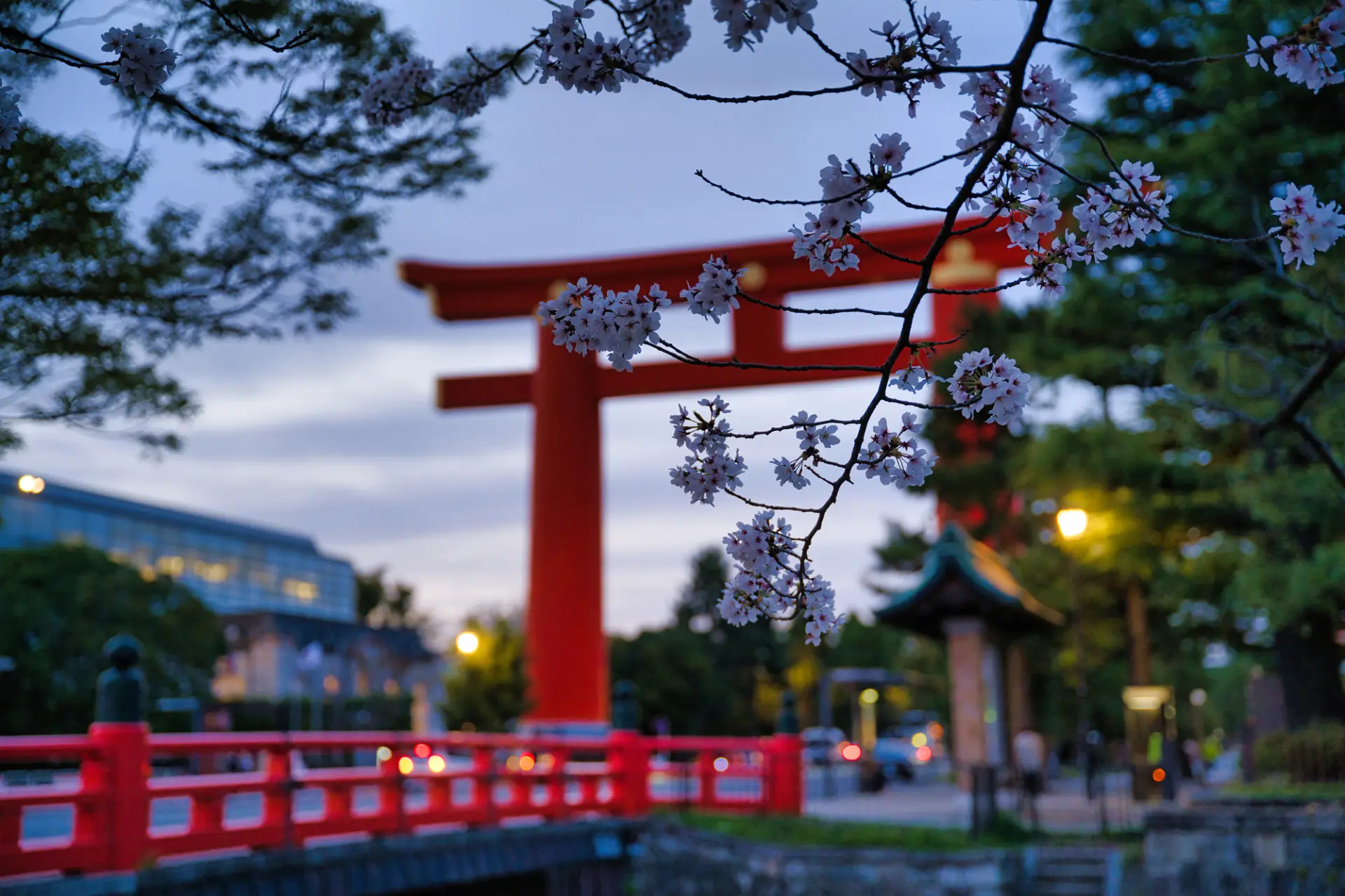
Its shrine buildings recreate the Chodo-in, the main government compound where important ceremonies were held in Heian-kyo. The vermilion-painted buildings lining the grounds are stunning, and stepping inside feels almost like traveling back to the Heian period.
Highlights include the magnificent Daigokuden, modeled after the main hall of the Chodo-in, as well as the intricately designed Byakkoro and Soryuro. Many of these are designated Important Cultural Properties of Japan, so there is plenty to see.
- Name in Japanese
- 平安神宮
- Postal Code
- 606-8341
- Address
-
97 Okazakinishitennocho, Sakyo-ku, Kyoto City, Kyoto
Google Maps - Telephone
- 075-761-0221
- Holiday
- Open every day
- Hours
- 6:00am - 5:00pm (Extended to 5:30 pm or 6:00 pm depending on the season)
- Admission
-
Shrine precincts are free.
Shin-en garden: Adults 600 yen, Elementary school children 300 yen (Entry from 8:30 AM until 30 minutes before closing time) - Access
- Alight at the "Okazaki Koen Bijutsukan/Heian Jingu-mae" bus stop on the Kyoto City Bus and walk for 5 minutes.
- Credit Cards
- Not accepted
- Official Website
- Official Website (English)
10. Toji Temple
This temple was built together with Saiji two years after the capital was moved to Heian-kyo in 794.
Saiji fell into ruin at the end of the Heian period, while Toji was repeatedly rebuilt after being destroyed by fire many times.
Structures that remain today include the Kondo, built by Toyotomi Hideyori, and the five-story pagoda, built by Tokugawa Iemitsu, both of which are designated National Treasures.
The five-story pagoda behind Hyotan Pond stands Approx. 55m tall and is the tallest wooden tower in Japan.

- Name in Japanese
- 東寺(教王護国寺)
- Postal Code
- 601-8473
- Address
-
1 Kujocho, Minami-ku, Kyoto City, Kyoto
Google Maps - Telephone
- 075-691-3325
- Closed
- Open every day (The treasure hall is open only during March 20 - May 25 and September 20 - November 25)
- Hours
-
Golden Hall / Kodo Hall: 8am - 5pm (The last entry 4:30pm)
The treasure hall / Kanchi-in: 9am - 5pm (The last entry 4:30pm) - Admission
-
Adult 1,200 yen, Middle schooler and younger 500 yen (the ticket is for Golden hall, Kodo Hall and Kanchi-in Temple)
During special events and evening light-up, the admission differs. Check the website. - Directions
-
1) From Kintesu Toji Station, walk 10 min.
2) From JR Kyoto Station, Hachijo Exit, walk a short distance.
3) From JR Kyoto Station, Hachijo Exit, ride the city bus, Route 16 for 5 min. or Routes 19 / 71 for 10 min., get off at Toji Higashimon Mae Stop, and walk a short distance.
4) From Hankyu Omiya Station, ride the city bus, Route 17, 71 or 207 for 15 min., get off at Toji Higashimon Mae Stop, and walk a short distance.
5) From Keihan Gion-Shijo Station, ride the city bus, Route 207 for 20 min., get off at Toji Higashimon Mae Stop, and walk a short distance. - Credit Cards
- Not accepted
- Official Website
- Official Website (Japanese)

11. Byodoin Temple
Originally used as a villa by Fujiwara no Michinaga, a powerful figure of the Heian period, it was inherited by his son Yorimichi and converted into a temple in 1052.
It was registered as a World Heritage Site in 1994. After renovations in 2014, it is said to have come closer to its original appearance.
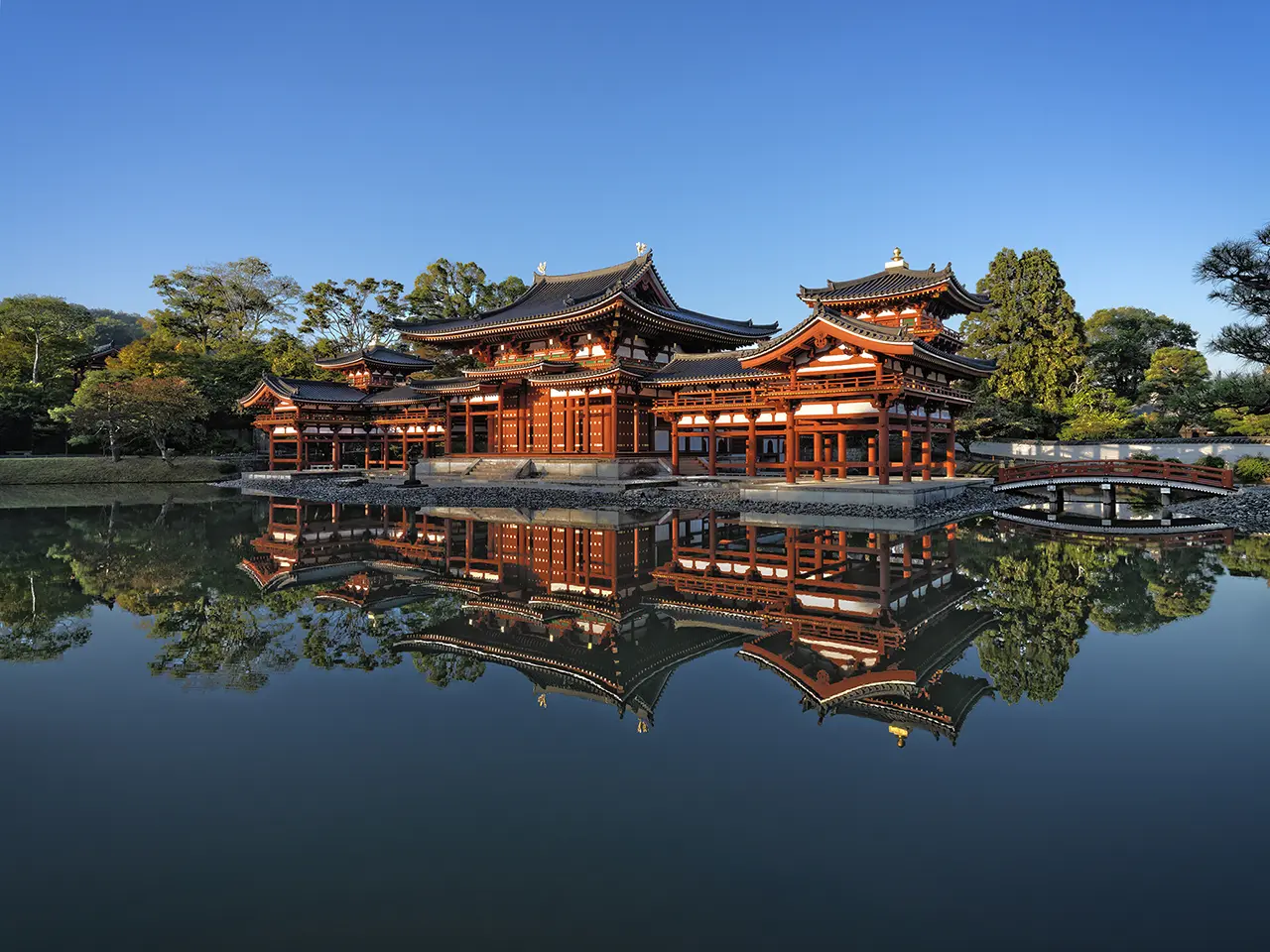
The Amida Hall, which enshrines the principal image of Amida Nyorai, is a must-see.
Its magnificent symmetry is sure to capture your attention. When it was built, belief in rebirth in the Pure Land was widespread, and the hall was designed to evoke a palace in the Pure Land paradise.
- Name in Japanese
- 平等院
- Postal Code
- 611-0021
- Address
-
116 Uji Renge, Uji City, Kyoto
Google Maps - Telephone
- 0774-21-2861
- Holiday
- Open every day *Tea Room Toka is closed on Mondays, Tuesdays, and Wednesdays (If falls on a holiday, it is open)
- Hours
-
Phoenix Hall 9:30am - 4:10pm (A group of up to 50 rotates every 20 min. Starts admission at 9:10am, first come first serve)
Byodoin Hoshokan Museum 9am - 5pm (Entry allowed until 4:45pm)
Museum shop 9am - 5pm
Tea Room Toka 10:00am - 4:30pm (Last order 4pm)
Goshuin Reception 9:10am - 5:00pm (Last entry at 4:45pm)
Garden 8:45am - 5:30pm (Last entry at 5:15pm) - Admission
-
Adults 700 yen, HIgh and middle schoolers 400 yen, Elementary children 300 yen (A set fee for Hoshokan Museum)
*Viewing inside of Phoenix Hall, additional 300 yen - Directions
- From JR Nara Line / Keihan Uji Line, Uji Station, walk 10 min.
- Credit Cards
- Not accepted
- Official Website
- Official Website (English)
12. Togetsukyo Bridge
This bridge is said to have first been built in the early 9th century during the Heian period. Although it has been washed away many times, it has been rebuilt each time.
It is said to have been given this name because Emperor Kameyama of the Kamakura period saw the moon move across the bridge as if it were crossing over it.
Featured in many ukiyo-e prints by artists including Utagawa Hiroshige and Katsushika Hokusai, it has become one of Arashiyama’s most iconic sights.

- Name in Japanese
- 渡月橋
- Postal Code
- 616-8383
- Address
-
Around Saga Nakanoshima-cho, Ukyo-ku, Kyoto City, Kyoto
Google Maps - Hours
- Free to walk anytime
- Directions
-
1) Approx. 2 minutes walk from Keifuku (Randen) Arashiyama Station
2) Approx. 8 minutes walk from Hankyu Arashiyama Station
3) Approx. 15 minutes walk from JR Saga-Arashiyama Station or Saga Station on the Sagano Kanko Railway Trolley - Official Website
- Saga Arashiyama Hospitality Promotion Forum (Instagram)
13. Nishiki Market
Nishiki Market is located on Nishikikoji Street, just north of Kyoto’s main street, Shijo Street.
Known as “Kyoto’s Kitchen,” it is lined with ingredients such as Kyoto vegetables, freshwater fish from Lake Biwa, pike conger, tilefish, sasagarei flatfish, yuba, nama-fu, and pickles. You can find almost all of Kyoto’s distinctive ingredients here.
This arcade-lined street stretches Approx. 390m east to west, with around 130 shops on both sides.
Among them are plenty of Kyoto gourmet treats made with local ingredients, including soy milk donuts, nama-fu manju, tempura fish cakes, and yuba cream croquettes, making it hard to choose just one.

- Name in Japanese
- 京都錦市場商店街振興組合
- Postal Code
- 604-8054
- Address
-
609 Nishidaimonjicho, Nakagyo-ku, Kyoto City, Kyoto
Google Maps - Telephone
- 075-211-3882 (Kyoto Nishiki Market Promotion Association)
- Holiday
- Varies by store
- Business Hours
- Varies by store
- Directions
-
1) A 3-minute walk from Shijo Station on the Karasuma Line Kyoto Subway
2) A 3-minute walk from Karasuma Station on the Hankyu Kyoto Line
3) A 4-minute walk from Kyoto-Kawaramachi Station on the Hankyu Kyoto Line
4) A 10-minute walk from Gion-Shijo Station on the Keihan Main Line - Credit Cards
- Varies by store
- Official Website
- Official Website (English)
14. Hanamikoji Street
Hanamikoji Street is Gion’s main street, running north to south from Sanjo to Kenninji Temple.
Despite the word “koji,” meaning alley, it is lined with shops along a relatively wide street, creating a lively and elegant townscape crowded with many visitors.
The area that best preserves the traditional atmosphere of an old teahouse district is especially the section south of Shijo Street.
The current streetscape took shape when teahouses that had originally stood on Shijo Street and north of it were gathered to the south from the Meiji to Taisho periods.

- Name in Japanese
- 花見小路通
- Postal Code
- 605-0074
- Address
-
South of Gion Town, Higashiyama District, Kyoto City, Kyoto
Google Maps - Hours
- Walk around anytime
- Directions
-
1) From Keihan Gion-Shijo Station, Exit 6, walk 3 min.
2) From Hankyu Kawaramachi Station Exit 1A, walk 7 min.
3) From JR Kyoto Station, ride the City Bus Route 100 or 206, get off at Gion Stop and walk 2 min. - Official website
- Official website (Japanese)
15. Ryoanji Temple
A Zen temple of the Myoshinji school of the Rinzai sect, it is registered as part of the UNESCO World Cultural Heritage site “Historic Monuments of Ancient Kyoto.”
It was founded in 1450 (Hotoku 2) during the Muromachi period, when Hosokawa Katsumoto, then the shogunate’s kanrei, inherited the villa of the Tokudaiji family and established the temple with Zen master Giten Gensho, the fifth chief priest of Myoshinji, as its founding priest.
The Hojo Garden (Historic Site, Special Place of Scenic Beauty), famous as a rock garden, is a flat karesansui garden enclosed on three sides by earthen walls.
After Queen Elizabeth II highly praised it during her official visit in 1975, it became widely known in Japan and abroad as a masterpiece of abstract design.

- Name in Japanese
- 龍安寺
- Postal Code
- 616-8001
- Address
-
13 Ryoanji Goryonoshitacho, Ukyo-ku, Kyoto City, Kyoto
Google Maps - Telephone
- 075-463-2216
- Holiday
- Open every day
- Hours
- 8:00am - 5:00pm (December to February: 8:30am - 4:30pm)
- Admission
- 600 yen
- Directions
-
1) Take the Keifuku Electric Railway (Randen) Kitan Line to Ryoanji Station, then walk for 7 minutes.
2) Take the No. 50 Kyoto City Bus from JR Kyoto Station and get off at Ritsumeikan Daigaku-mae bus stop, then walk 7 minutes.
3) Take the No. 55 Kyoto City Bus from Hankyu Kyoto Line Omiya Station and get off at Ritsumeikan Daigaku-mae bus stop, then walk 7 minutes.
4) Take the No. 59 Kyoto City Bus from Keihan Main Line Sanjo Station and get off at Ryuanji-mae bus stop, very close by foot. - Credit Cards
- Not accepted
- Official Website
- Official Website (English)
16. Ninna-ji Temple
The head temple of the Omuro school of Shingon Buddhism, it is registered as a UNESCO World Cultural Heritage site as part of the "Historic Monuments of Ancient Kyoto."
Construction began in Ninna 2 (886) in the early Heian period by imperial order of Emperor Koko, the 58th emperor, and the temple was founded in Ninna 4 (888) by the next emperor, Emperor Uda. The temple's name, Ninna, comes from the era name.
The Kondo Hall at the back of the temple grounds was relocated in the early Edo period, during the Kanei era (1624-1645), from the Shishinden Hall of the Kyoto Imperial Palace, which had been built in the Momoyama period.
As a valuable surviving example of palace architecture from that time, it is the only structure at Ninna-ji designated as a National Treasure.

- Name in Japanese
- 仁和寺
- Postal Code
- 616-8092
- Address
-
33 Omuroouchi, Ukyo-ku, Kyoto City, Kyoto
Google Maps - Telephone
- 075-461-1155
- Holiday
- Open every day
- Hours
- March to November 9:00pm - 5:00pm, December to February 9:00 am - 4:30pm (last admission is 30 minutes before closure, for both seasons)
- Admission
- Free admission to the precincts, 800 yen for the Imperial Palace Garden, 500 yen for the Reihokan (limited period only), 1,000 yen for the Ryokaku-tei and Hito-tei teahouses (separate admission fee to the Goten is required; reservations are required at least 7 days in advance for groups of 5 or more), 800 yen for special admission to the Omuro Sakura Flower Festival.
- Directions
-
1) 3-minute walk from Omuro-Ninnaji Station on the Kitano Line of the Keifuku Electric Railroad (Randen).
2) 15-minute walk from Hanazono Station on the JR Sagano Line. - Credit Cards
- Not accepted
- Official Website
- Official Website (English)
17. Sanjusangendo Temple
Sanjusangendo is located in Kyoto's Higashiyama Ward, not far from Kyoto Station.
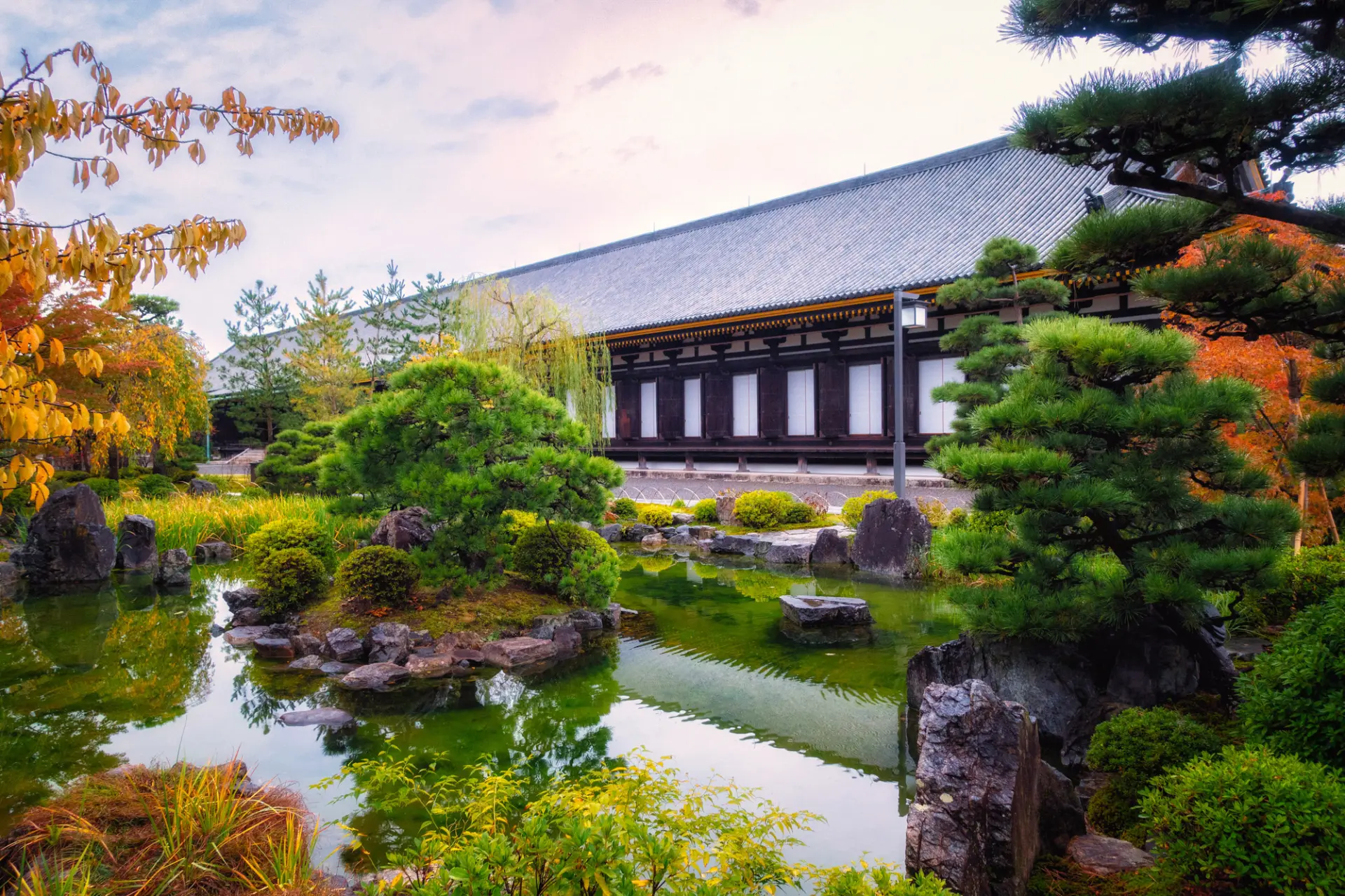
Its main hall is Approx. 120m long, making it extraordinarily long for a wooden structure, even by world standards.
The sight of more than 1,000 standing statues of Senju Kannon enshrined in the main hall is truly spectacular.
Within the temple grounds, the massive Nandaimon Gate, built by the warlord Toyotomi Hideyoshi in the Azuchi-Momoyama period (1573-1603), and the Taikohei earthen wall still remain. Both are designated Important Cultural Properties of Japan.
18. Ginkaku-ji Temple
This temple was originally Higashiyama-dono, a mountain villa built by Ashikaga Yoshimasa, the 8th shogun of the Muromachi shogunate. Along with Kinkaku-ji, it is an outlying sub-temple of Shokoku-ji, meaning a temple created from a retreat built away from the main temple. After Yoshimasa's death, it was named Jisho-ji after his Buddhist name.
Unlike Kinkaku-ji, where most of the original buildings from its founding have been lost, Ginkaku-ji still preserves the Kannon Hall and Togu-do in their original form, conveying the culture of Higashiyama to the present day.

- Name in Japanese
- 銀閣寺(慈照寺)
- Postal Code
- 606-8402
- Address
-
2 Ginkakujicho Sakyo-ku, Kyoto City, Kyoto
Google Maps - Telephone
- 075-771-5725
- Closed
- Open every day
- Hours
-
Summer (3/1-11/30): 8:30 a.m. - 5:00 p.m.
Winter (12/1-2/28): 9:00 a.m. - 4:30 p.m. - Admission
- Adults (high school students and older): 1,000 yen, Elementary and junior high school students: 500 yen
- Directions
- From JR Kyoto Station, take Kyoto City Bus No. 17 via Shijo-Kawaramachi Station on the Hankyu Kyoto Line or Demachiyanagi Station on the Keihan Kamoto Line, get off at Ginkakuji-michi, and walk for 10 minutes.
- Official Website
- Official Website (English)
19. Kamigamo Shrine (Kamo Wakeikazuchi Shrine)
One of Kyoto’s oldest shrines, Kamigamo Shrine is said to have been founded when its enshrined deity, Kamo Wakeikazuchi no Okami, descended on Koyama, the sacred mountain to the north-northwest of the main hall, in the age of the gods, and the local Kamo clan built the shrine buildings in 678, the 6th year of Emperor Tenmu’s Hakuho era.
“Kamigamo Shrine” is the commonly used name, while its formal name is Kamo Wakeikazuchi Shrine, named after the enshrined deity.
Its vast grounds, surrounded by rich nature, contain more than 60 shrine buildings, including 2 designated as National Treasures and 41 designated as Important Cultural Properties.
In 1994, the entire sacred precinct was also registered as a UNESCO World Cultural Heritage site as part of the “Historic Monuments of Ancient Kyoto.”

- Name in Japanese
- 賀茂別雷神社(上賀茂神社)
- Postal Code
- 603-8047
- Address
-
339 Kamigamomotoyama, Kita-ku, Kyoto City, Kyoto
Google Maps - Telephone
- 075-781-0011
- Holiday
- Open every day
- Hours
- Ninotorii 5:30am - 5:00pm, Tower Gate and Awarding Office 8:00am - 4:45pm, Special Worship 10:00am - 4:00pm (4:30pm on weekends and holidays)
- Admission
- Free admission to the precincts, special admission 500 yen
- Directions
-
(1) From Kitayama Station on the Kyoto Municipal Subway Karasuma Line, take the city bus and get off at Kamigamo-jinja Mae Stop.
(2) From Kitaoji Station on the Kyoto Municipal Subway Karasuma Line, take the city bus to Misonoguchi Stop. - Credit Cards
- Not accepted
- Official Website
- Official Website (English)
5 Things to Do in Kyoto
From here, we’ll introduce five things you’ll want to include in your itinerary if you’re sightseeing in Kyoto.
Use these ideas as a guide, and you’ll not only be able to plan your trip with ease, but also fully enjoy Kyoto’s many charms.
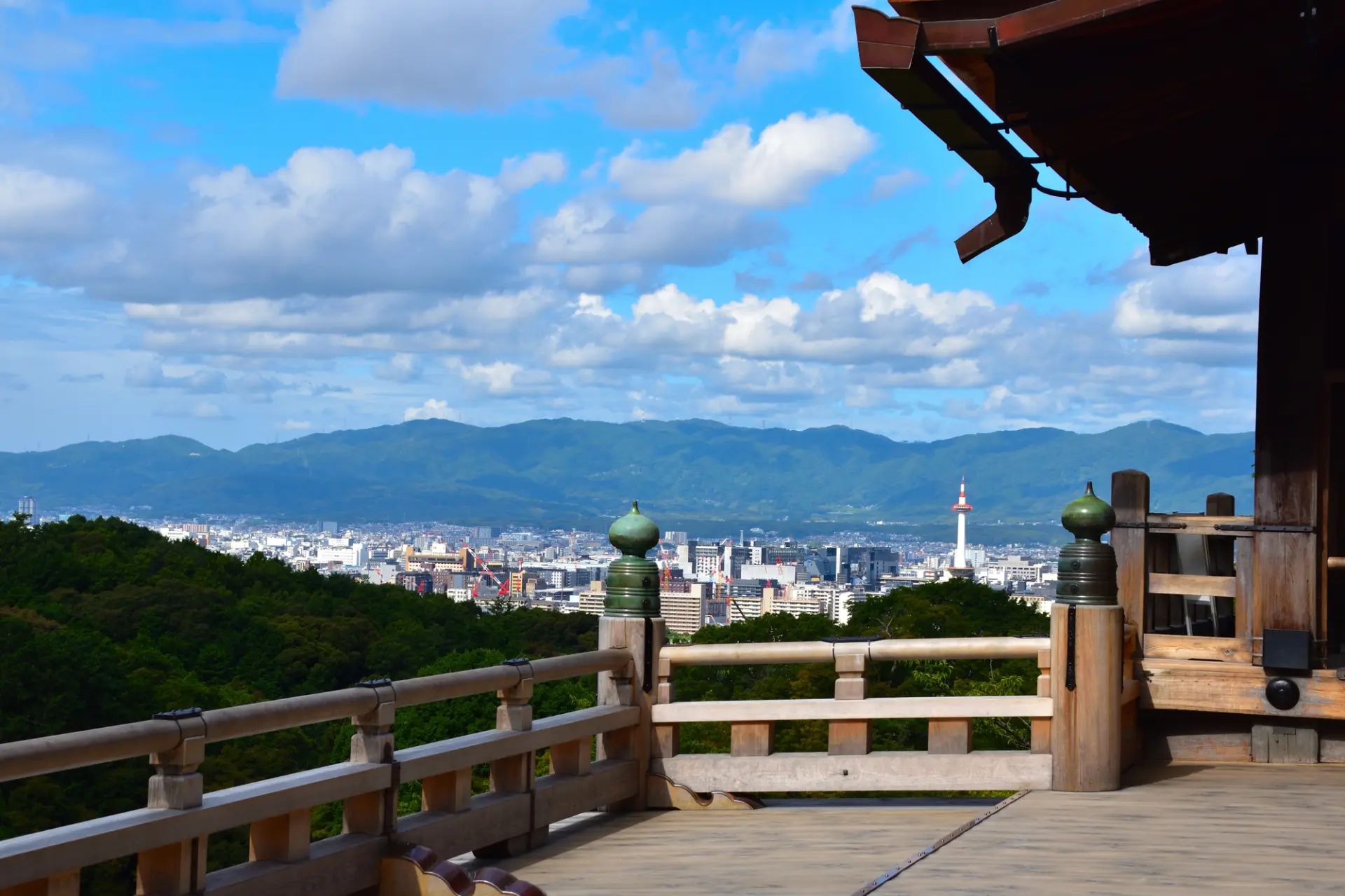
1. Take in a panoramic view of Kyoto City from the Kiyomizu Stage
One of Kyoto’s most iconic landmarks is Kiyomizu-dera Temple. From the famous “Kiyomizu Stage” that juts out from the main hall, you can enjoy a panoramic view of Kyoto City.
Another highlight is how dramatically the scenery changes with the seasons, from cherry blossoms in spring and fresh greenery in summer to autumn leaves in fall and snowy views in winter.
Morning is especially recommended, as there are relatively fewer tourists, allowing you to enjoy the scenery in a quiet and sacred atmosphere.
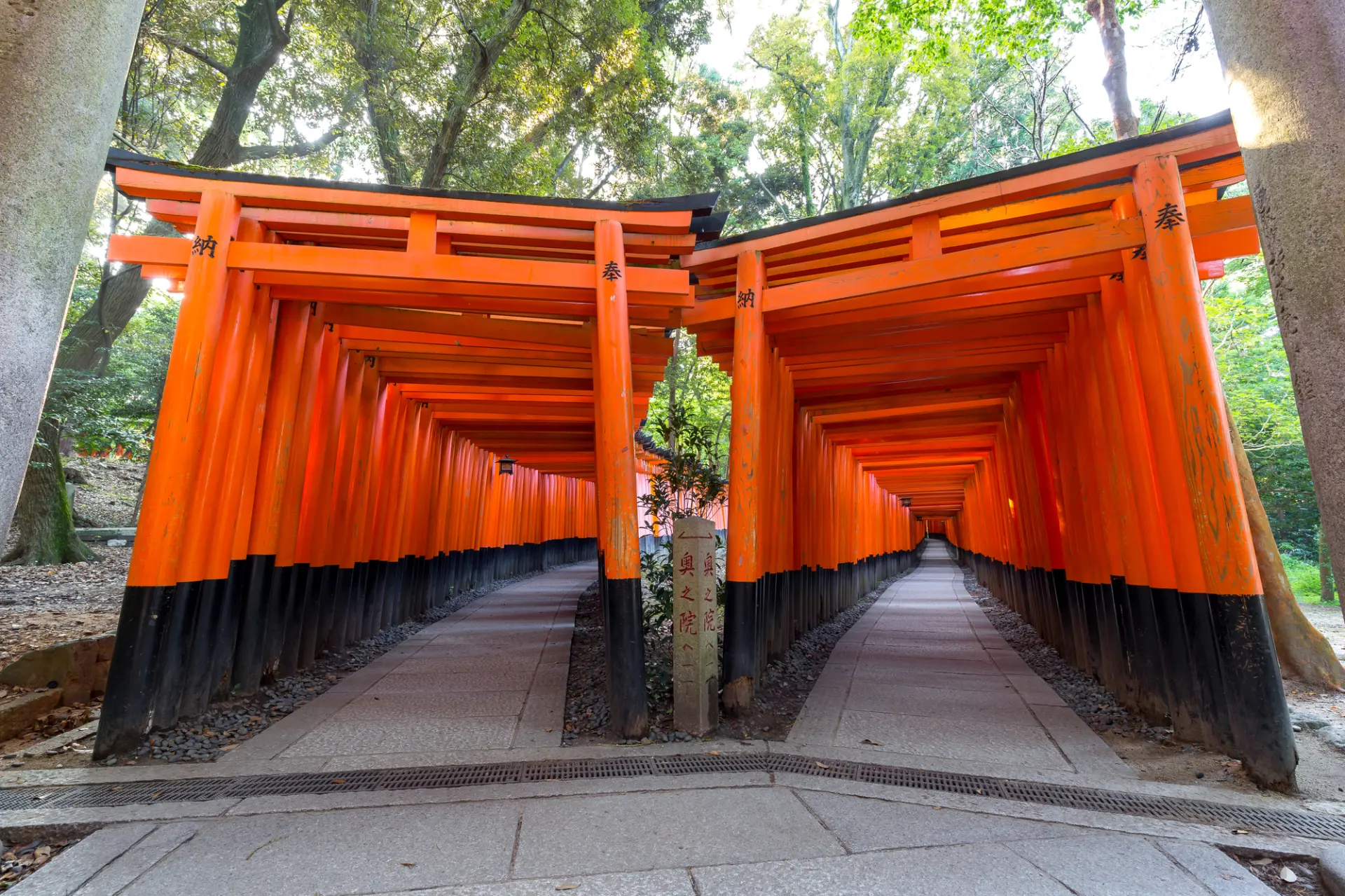
2. Walk Through the Senbon Torii at Fushimi Inari Taisha
Fushimi Inari Taisha, known for its dreamlike scenery lined with vermilion torii gates, is a classic Kyoto sightseeing spot you should definitely visit.
The “Senbon Torii,” where Approx. 800 gates continue like a tunnel, is a spectacular sight and one of the shrine’s most iconic attractions.
The grounds are also home to historic structures designated as Important Cultural Properties, including the “Romon Gate,” said to have been donated by the Sengoku warlord Toyotomi Hideyoshi, as well as the “Main Hall” and the “Oku-no-in.”
Beyond the Senbon Torii, take your time exploring the shrine grounds and experience the unique scenery, history, and culture of Fushimi Inari Taisha.
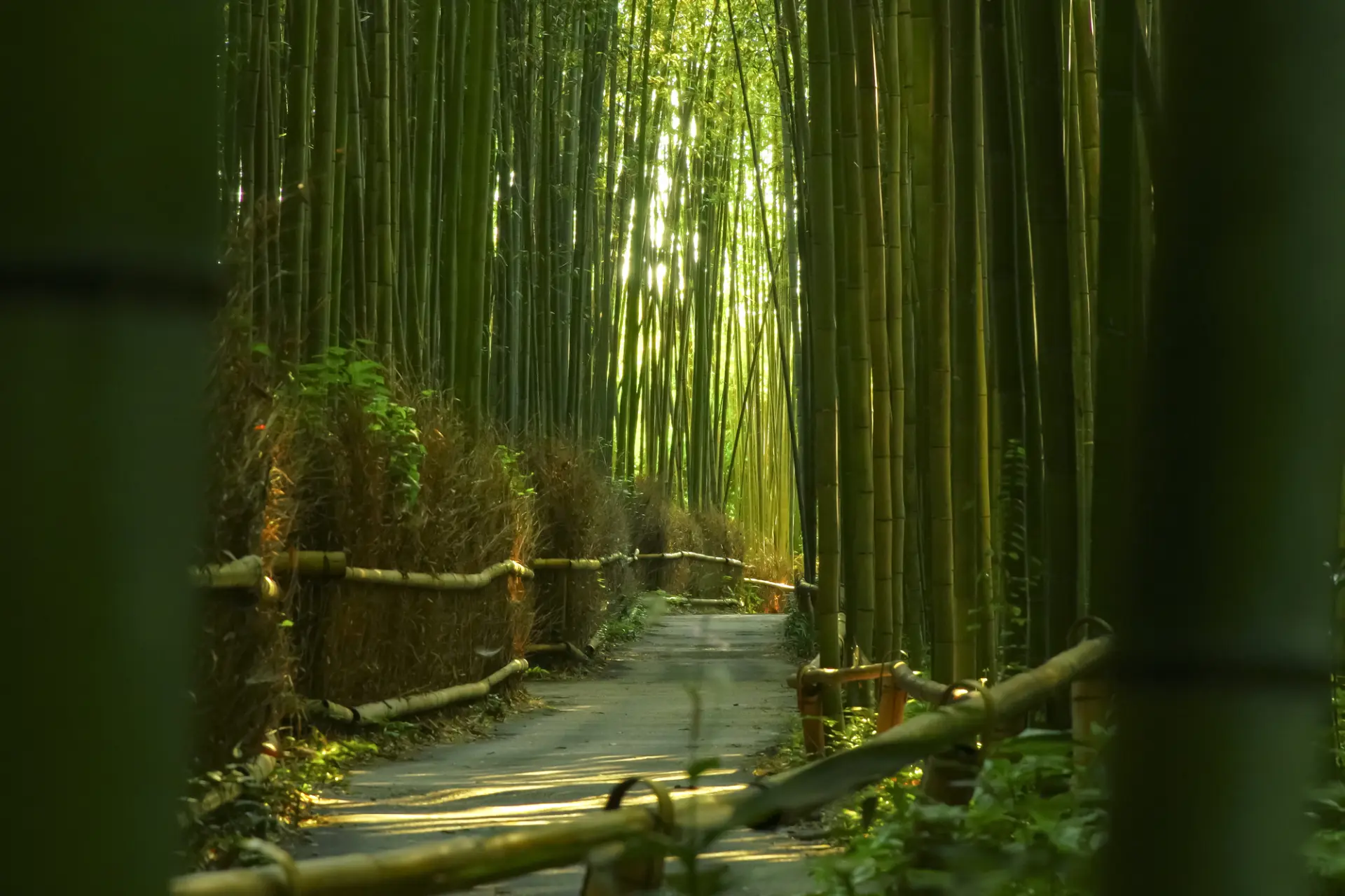
3. Stroll Through the Bamboo Grove in Arashiyama
If you want to enjoy Kyoto scenery in harmony with nature, Arashiyama is a must-visit sightseeing area.
One of its most famous spots is the “Sagano Bamboo Grove Path,” where enchanting scenery unfolds.
Soft light filters through the tall green bamboo, and the soothing sound of stalks swaying in the wind creates a space that feels calming simply to walk through.
A classic Arashiyama sightseeing route is to visit it together with nearby Tenryuji Temple and Togetsukyo Bridge.
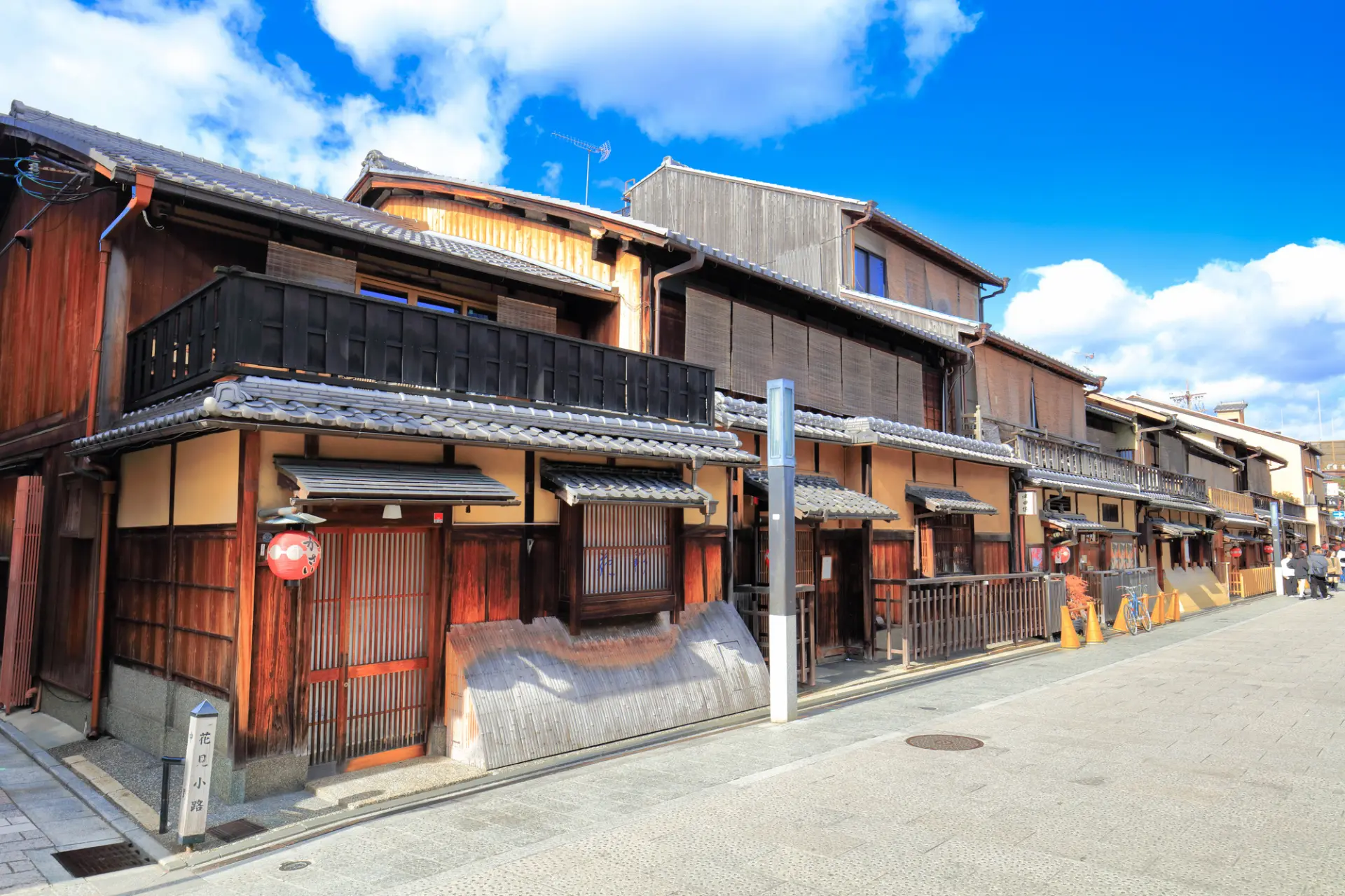
4. Stroll Through Gion, Where Kyoto’s Traditional Charm Still Remains
With its stone-paved streets and traditional machiya townhouses still intact, Gion is an area where you can truly feel Kyoto’s distinctive charm.
Among them, Hanamikoji Street is especially well known as one of Gion’s most iconic and popular spots.
Kyoto’s good old historic streetscape has been carefully preserved, with fine dining restaurants, teahouses, and Japanese goods shops lining the street. Just walking through the area lets you enjoy an atmosphere unique to Kyoto.
Another highlight of Gion is that you can find places offering the chance to experience ozashiki asobi, a traditional Japanese form of entertainment centered around high-end restaurants and teahouses, where guests enjoy interacting with geiko and maiko.
If you are lucky, you may even spot a maiko or geiko on the way to an appointment.
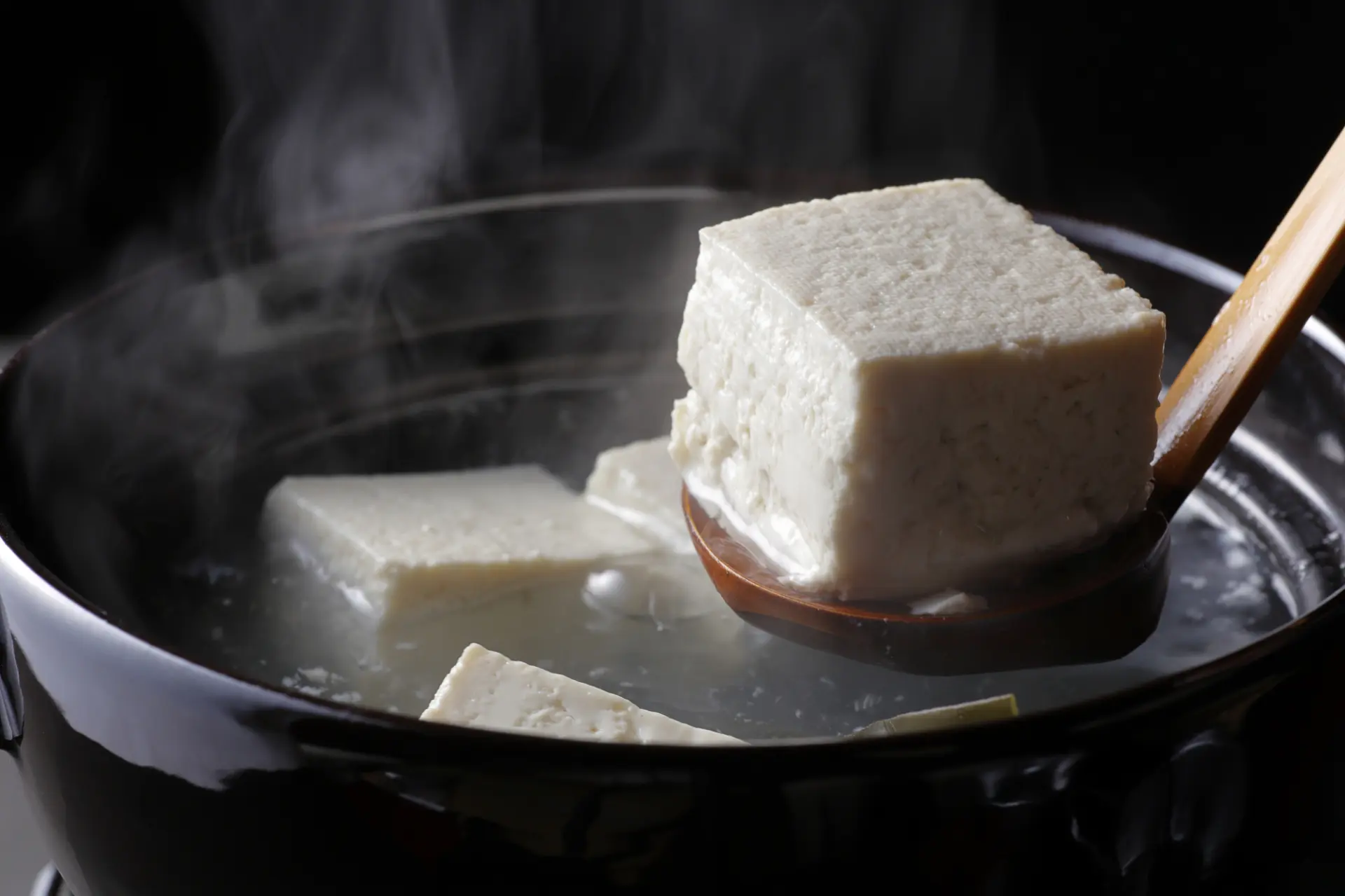
5. Savor Kyoto Cuisine and Yudofu
Kyoto cuisine made with seasonal ingredients and yudofu, which brings out the natural flavors of tofu, are iconic parts of Kyoto’s food culture.
From the way dashi is prepared in Kyoto cuisine to the selection of ingredients and even the beautiful presentation including the tableware, it has distinctive qualities different from the cuisine of other regions such as Tokyo and Fukuoka.
Another appealing point is the wide range of options, from long-established traditional restaurants to casual places that are easy to stop by between sightseeing, so you can enjoy them in a way that suits your travel style.
Take your time and savor the refined and layered flavors unique to Kyoto.
7 Kyoto Spots for Special Experiences
Among Kyoto’s many sightseeing spots, here is a carefully selected list of special places where you can experience Japanese and Kyoto culture more deeply.
If you want to enjoy uniquely Kyoto, immersive experiences, be sure to add them to your travel plans.
1. Marumasu Nishimuraya
This workshop is known for its distinctive building, which makes use of a machiya townhouse that is over 100 years old, and offers experiences such as Kyo-Yuzen dyeing and furoshiki wrapping.
Kyo-Yuzen is a dyeing and weaving technique that began in the mid-Edo period. It is characterized by rich colors and yuzen patterns, which depict animals, utensils, and other motifs in a painterly style.
During the experience, you choose the item you want to dye from the prepared options, then select your favorite design from more than 3,000 stencils.
By layering multiple colors to complete the pattern, and once all the necessary stencil steps are finished, you will have a one-of-a-kind original piece. Another nice point is that you can take your finished work home the same day.
*Some items will be shipped at a later date.

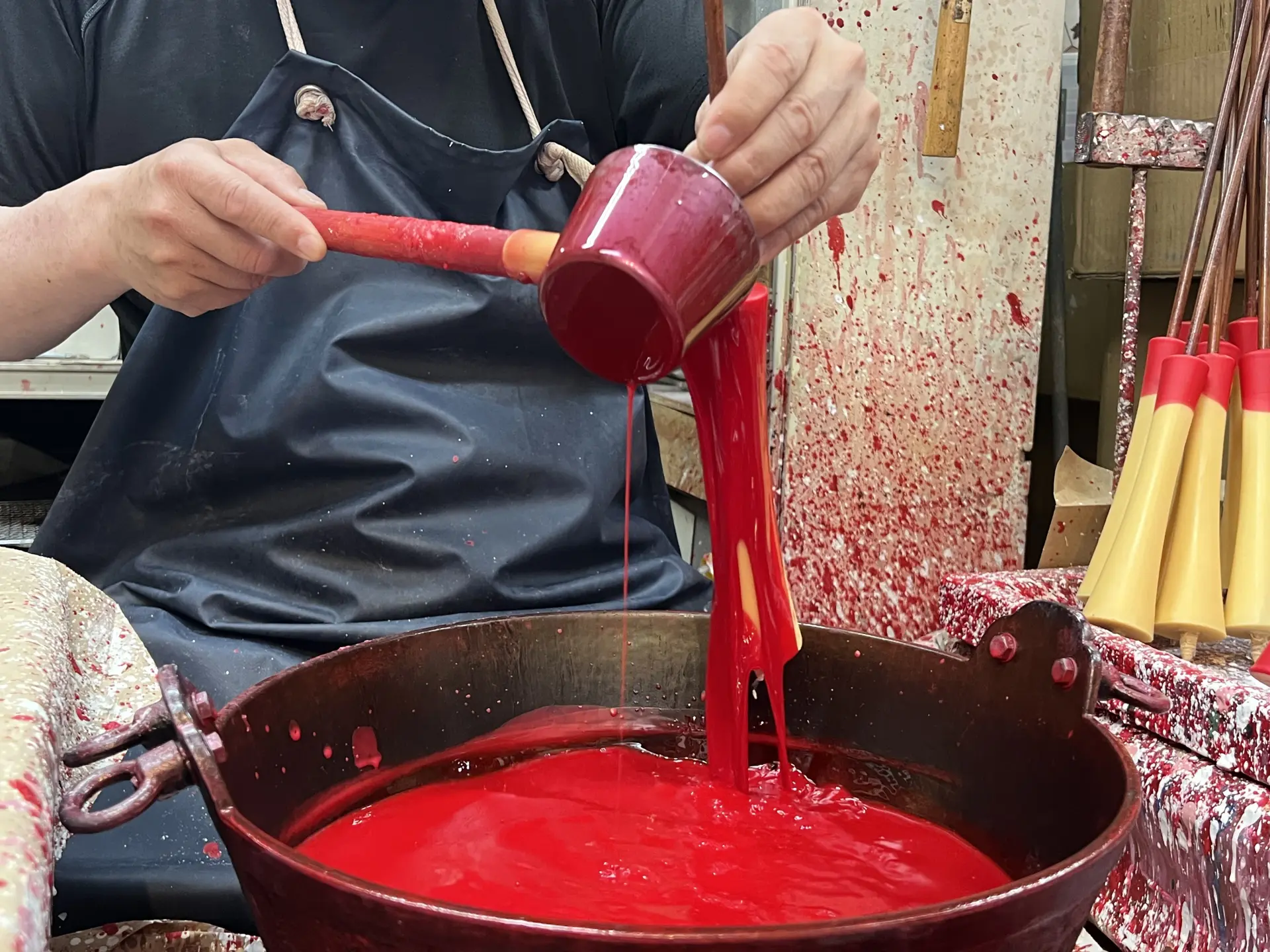
2. Nakamura Rosoku
Founded in 1887, Nakamura Rosoku is a long-established maker that has specialized in Japanese candles and Kyo candles for more than 100 years.
In addition to selling beautiful Kyo candles and Japanese candles that are perfect for home decor or gifts, it also offers hands-on workshops where visitors can experience traditional craftsmanship.
There are mainly two types of workshops. One is the “Japanese Candle Making Workshop,” where you can learn directly from a craftsperson about the history and features of Japanese candles, as well as their dedication to craftsmanship, and try the process of pouring wax into a mold.
The other is the “Japanese Candle Painting Workshop,” where you can draw your favorite pictures or characters on a Japanese candle and create your own one-of-a-kind piece.
3. Ippodo Tea Kyoto Main Store
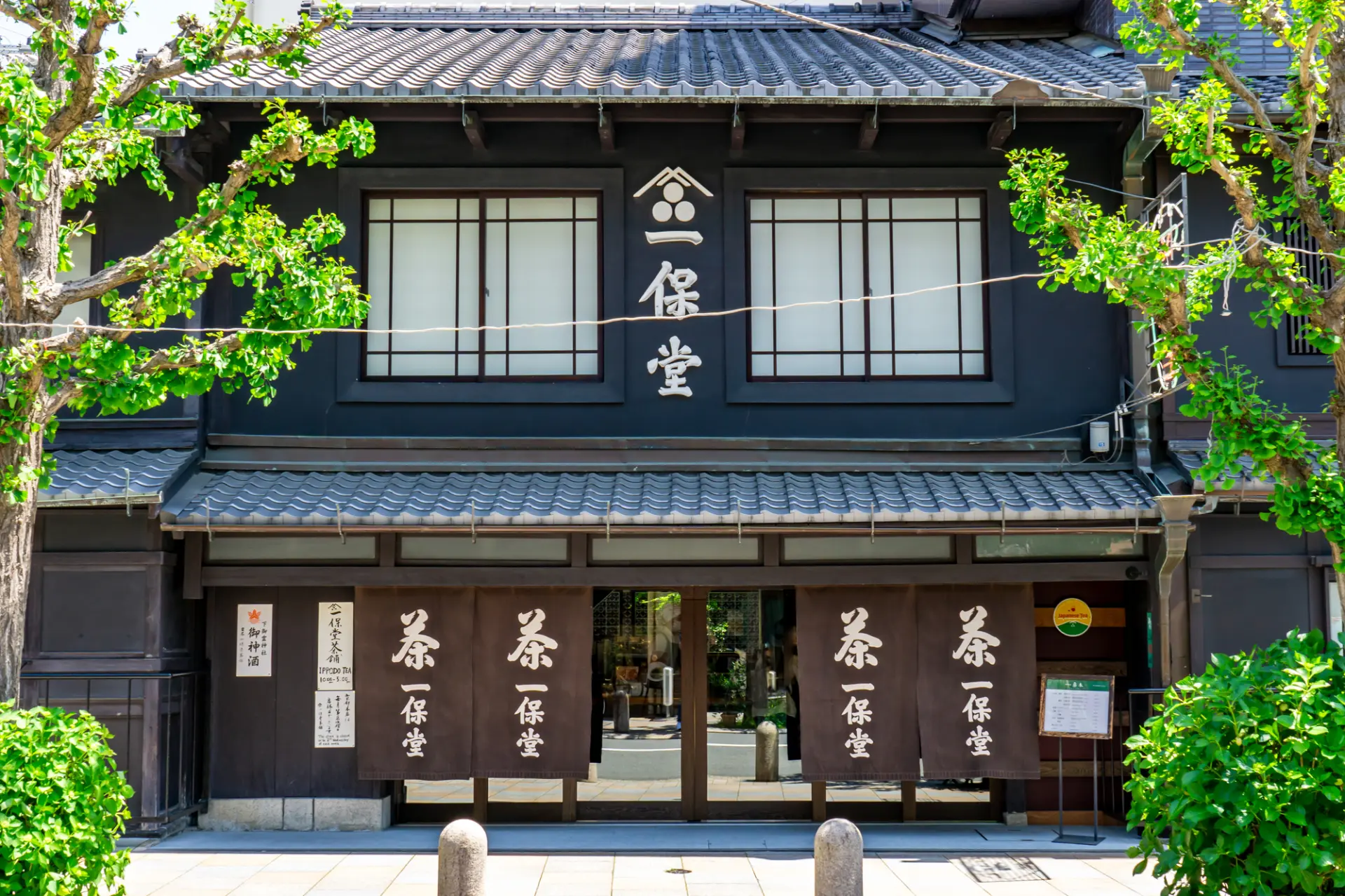
Founded in 1717, Ippodo Tea is a long-established Uji tea specialty shop offering a wide selection of teas, including matcha, gyokuro, sencha, and bancha.
Valuing the natural aroma and flavor of tea, it continues to pursue the mellow, refined taste and gentle fragrance unique to Uji tea.
At the main store in Kyoto City, you can not only buy tea leaves but also enjoy tea in the tea room attached to the shop.
One of the highlights of the tea room is that staff will teach you how to brew the tea, so you can enjoy the experience from the very first pour.
For those who want to learn more seriously, tea brewing classes are also held in the classroom on the second floor.
4. UZUMASA KYOTO VILLAGE
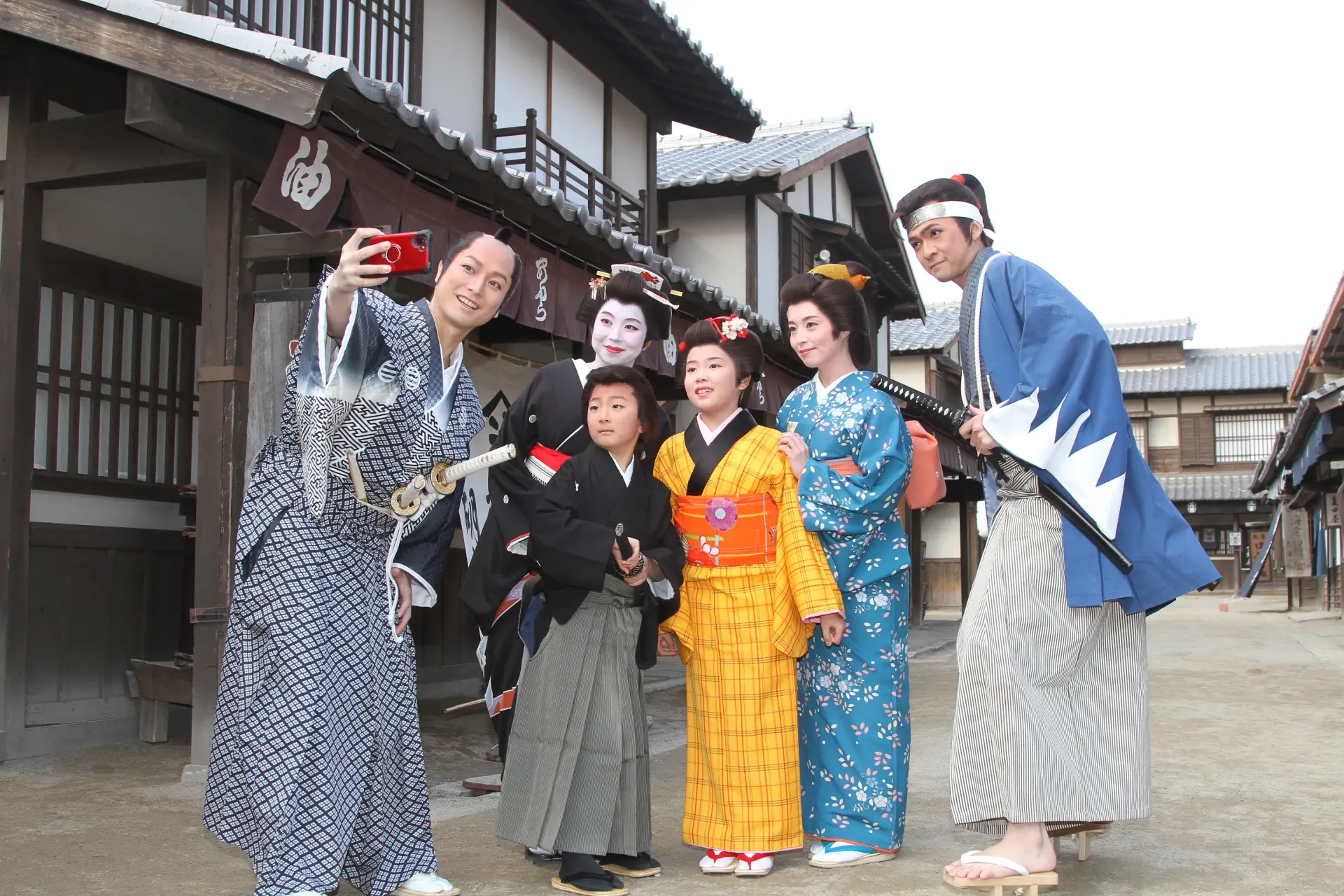
One of Japan’s leading movie theme parks, located in Uzumasa, Kyoto. It is famous for its sets used in filming period dramas, and you can enjoy the atmosphere of old Japan even more by changing into period-drama character costumes and strolling around the park.
That’s not all, there are also plenty of attractions in the park, including a trick ninja house, a haunted house, and a 3D maze, while displays featuring tokusatsu heroes and Toei Animation characters are also popular.
- Name in Japanese
- 太秦映画村
- Postal Code
- 616-8586
- Address
-
10 Uzumasahigashihachiokacho, Ukyo-ku, Kyoto City, Kyoto
Google Maps - Tel
- 0570-064349 (Information on business hour/admission)
- Admission (tax included)
-
(Rates until the second phase opens in spring 2027)
Adults (13 and over): 2,800yen, Children (aged 3 - 12): 1,600 yen - Closed
- Tuesday,Irregular holidays
- Business Hours
-
10:00am - 9:00pm
* may change seasonally - Access
-
(1) 5 minutes’ walk from RANDEN Uzumasa-Koryuji Station
(2) 13 minutes’ walk from JR Hanazono Station
(3) Approx. 12 minutes’ walk from Uzumasa Tenjingawa Subway Station
(4) Approx. 5 minutes’ walk from "Uzumasa Eigamura-michi" bus stop (Kyoto city bus) - Smoking
- Smoking areas available
- Credit Cards
- Accepted * except for some stores.
- Official Website
- Official Website (English)
5. Shoyeido Kunjyukan
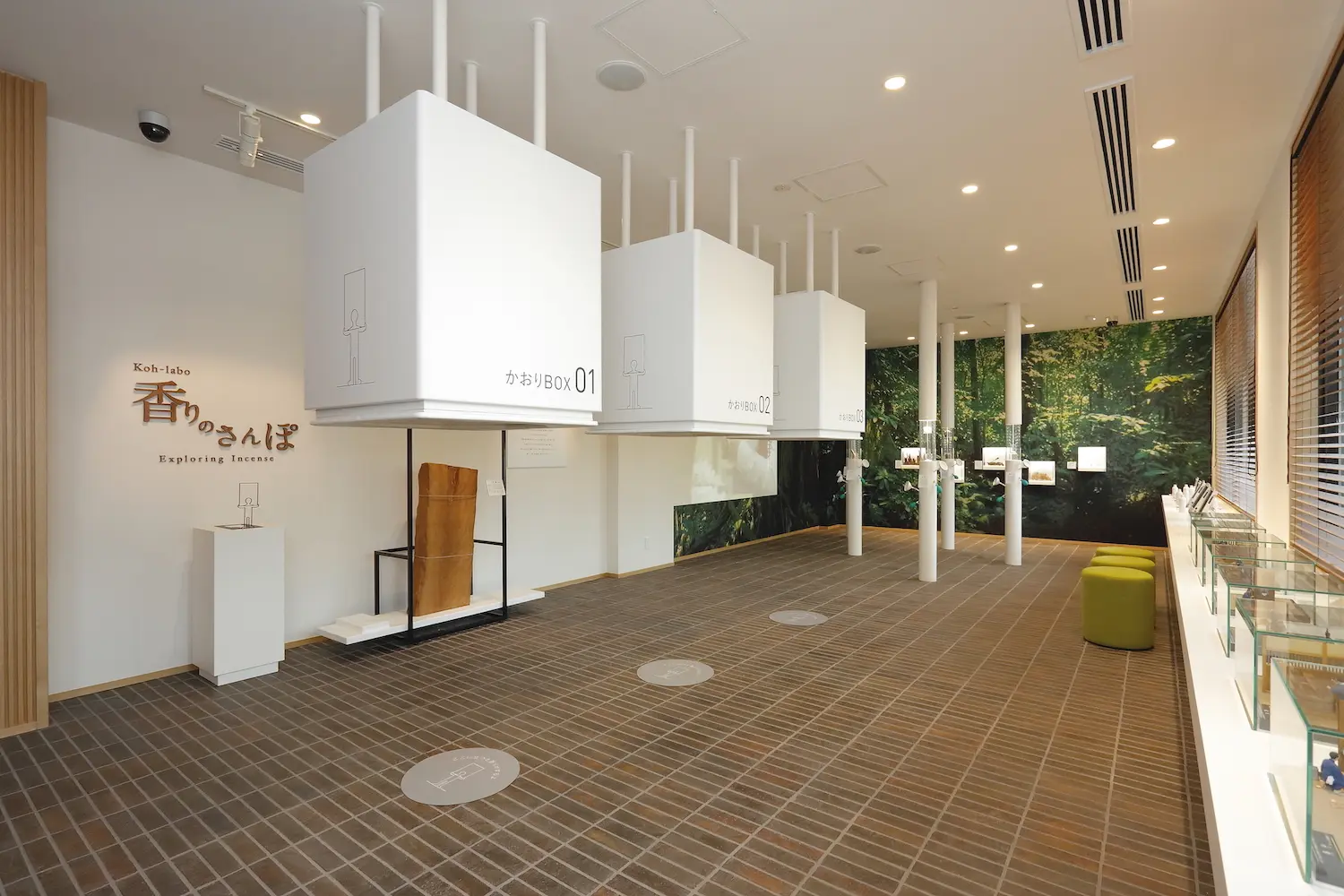
An information hub dedicated to the world of fragrance, created by Shoyeido, a Kyoto incense specialty store with a history of more than 300 years.
On the first floor, “koh-labo Fragrance Walk” features a variety of interactive installations where you can experience many different scents.
The three “Kaori Boxes” hanging from the ceiling offer a unique experience, when you place your upper body inside, you are enveloped in different types of fragrance.
- Name in Japanese
- 松栄堂 薫習館(くんじゅうかん)
- Postal Code
- 604-0857
- Address
-
Karasuma Nijo, Nakagyo-ku, Kyoto City, Kyoto
Google Maps - Telephone
- 075-212-5590
- Holiday
- Irregular holidays
- Hours
-
10:00am - 5:00pm
*Incense factory tour requires a reservation at least a week in advance (Mon-Fri, approx. 40 minutes) - Admission
- Free
- Directions
-
(1) 3 minutes walk from Exit 7 of Marutamachi Station on the Kyoto City Subway Karasuma Line
(2) 5 minutes walk from Exit 1 of Karasuma Oike Station on the Kyoto City Subway Karasuma and Tozai Lines - Credit Cards
- Accepted
- Official Website
- Official Website (English)
6. Hiyoshiya Workshop
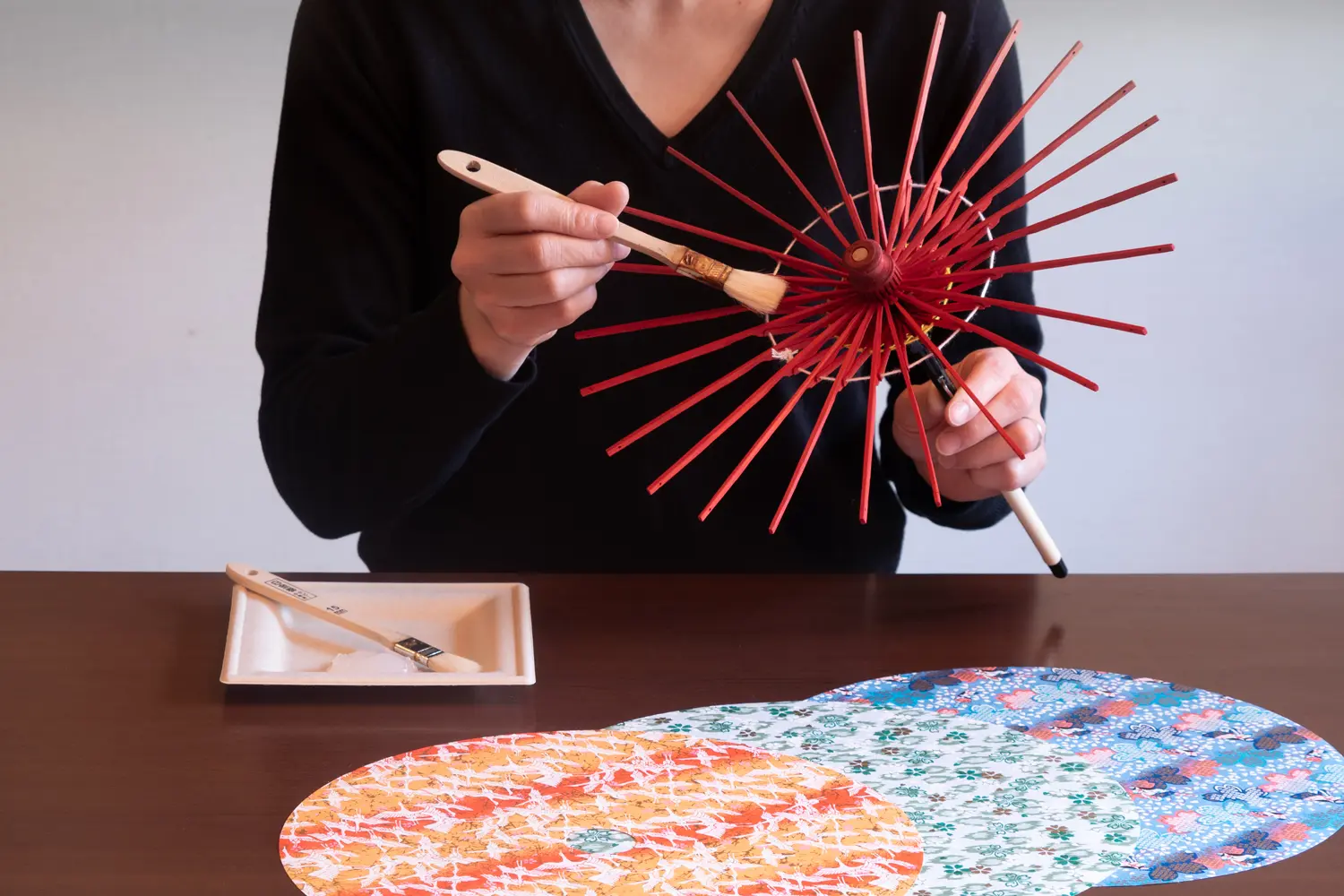
Founded in the late Edo period, Hiyoshiya has continued making traditional Japanese umbrellas in Kyoto for more than 150 years.
It is known as the only remaining maker of Kyo wagasa in Kyoto.
Among traditional Japanese umbrellas, those made in Kyoto are called Kyo wagasa and have long been loved as one of Kyoto’s outstanding traditional crafts.
At Hiyoshiya Workshop, hands-on programs are offered so visitors can feel closer to Kyo wagasa.
In the “Mini Wagasa Making Experience,” you can actually make a mini traditional Japanese umbrella with a diameter of Approx. 30 cm and also tour the umbrella workshop.
Various programs are available, including the “Mini Wagasa Collage Experience,” where you finish a completed mini wagasa with painting and collage work.
You can take your finished piece home the same day, making it a memorable keepsake from your trip to Kyoto.
7. Kibune Hiroya
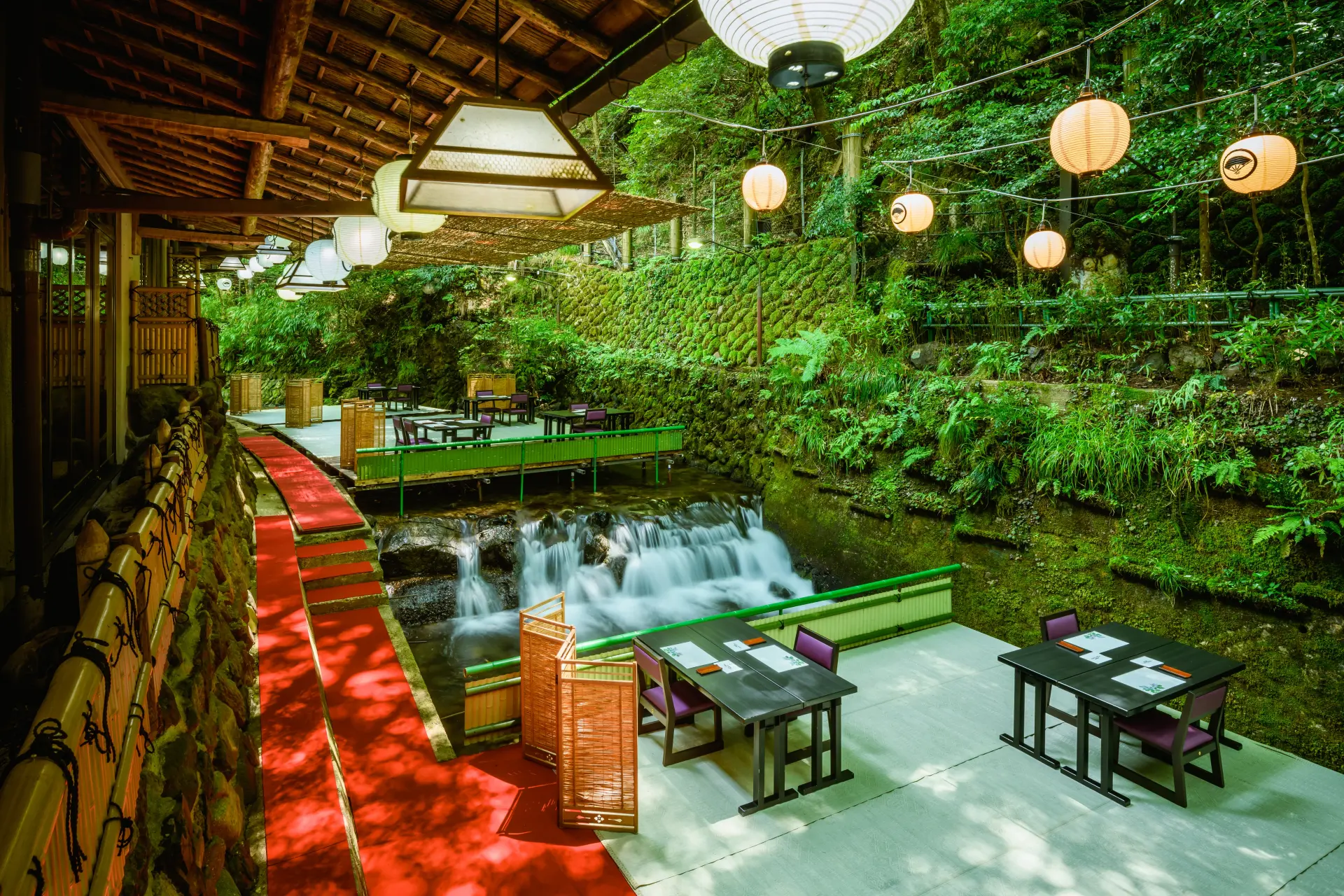
A traditional Japanese inn founded in 1932, standing along the Kibune River, the source of the Kamo River.
It is also known as one of Kyoto’s famous kawadoko dining spots, a signature feature of summer in Kyoto, and many guests visit during the season.
The kawadoko seating set above the clear Kibune River is filled with charm, with cool breezes flowing through and the gentle sound of the stream soothing your ears.
In this superb setting, you can enjoy seasonal kaiseki cuisine, with each dish carefully prepared and beautifully presented.
Delicious food, along with an experience that satisfies all five senses, sight, sound, smell, and more, makes for an unforgettable travel memory.
- Name in Japanese
- 貴船 ひろや
- Postal Code
- 601-1112
- Address
-
56 Kuramakibunecho, Sakyo-ku, Kyoto City, Kyoto
Google Maps - Telephone
- 075-741-2401
- Closed
- Irregular holidays
- Business hours
- 11:00am - 2:00pm, 5:00pm - 7:00pm
- Directions
-
1) Take the Kyoto Bus from Kibuneguchi Station on the Eizan Electric Railway to the "Kibune" bus stop and walk about 5 minutes
2) Take a taxi for about 20 minutes from Kokusaikaikan Station on the Kyoto Municipal Subway Karasuma Line *Pick-up service available with reservation - Credit Cards
- Accepted
- Official Website
- Official Website (English)
5 Restaurants You Should Visit to Enjoy Kyoto Cuisine
If you're taking the time to explore Kyoto, you’ll also want to enjoy food that lets you experience the city’s unique culinary culture.
At the restaurants introduced below, you can do more than just savor the dishes, you can also get a feel for Japan’s food culture and sense of beauty.
1. Kikunoi Honten
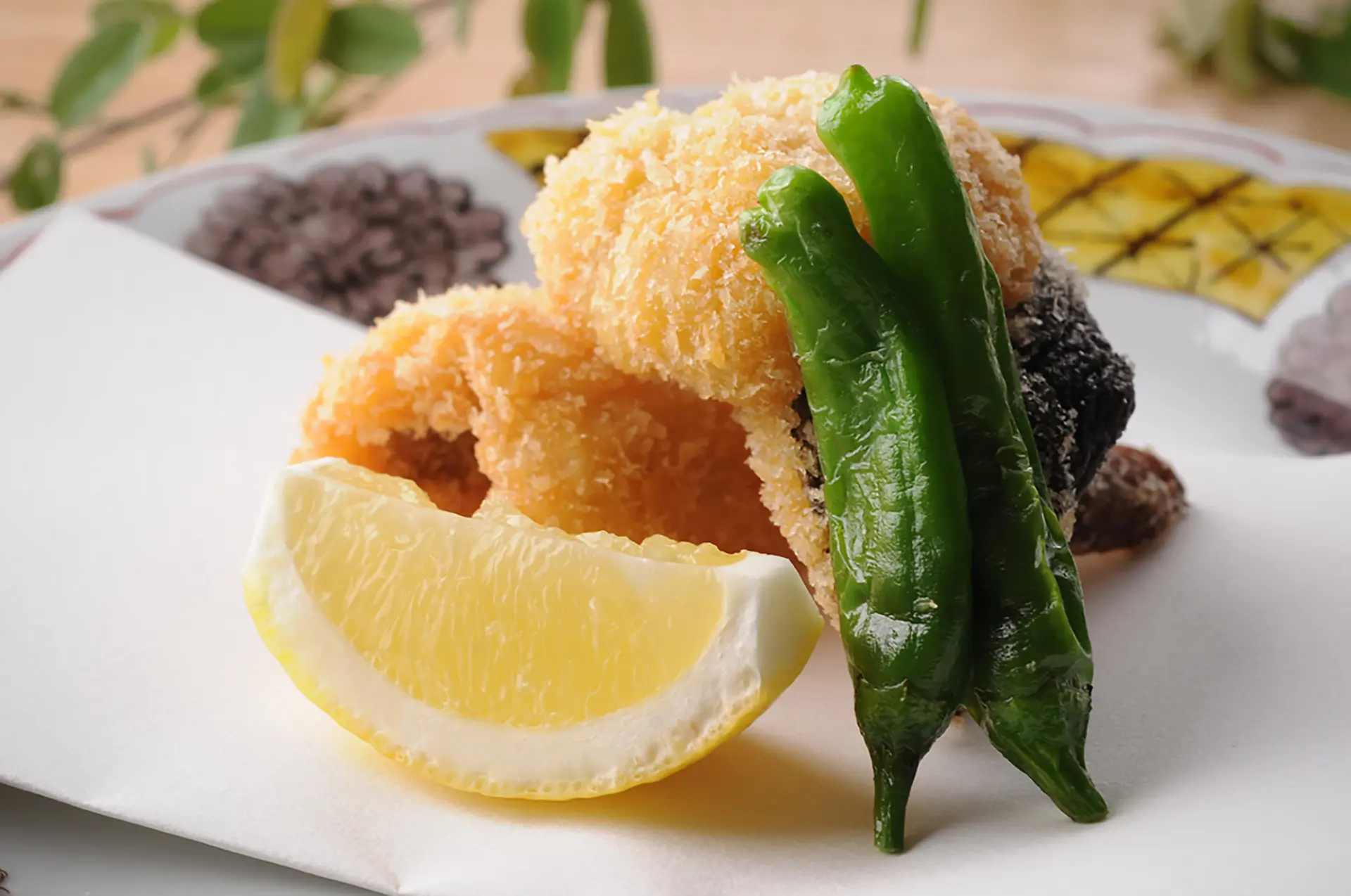
A long-established traditional restaurant in Higashiyama Ward, Kyoto City, serving Kyoto cuisine and kaiseki cuisine since 1912.
It is known for dishes that value traditional techniques while also showing great ingenuity in ingredient pairings and flavor composition.
The menu includes soup dishes that highlight the flavor of dashi, sashimi made with seasonal fish, and hassun featuring seasonal ingredients from the mountains and the sea, and the contents change with the seasons.
Within the grounds, a carefully maintained Japanese garden spreads out, with sukiya-style architecture, seasonal decorations, and furnishings arranged throughout.
Through the cuisine, the setting, and the hospitality, guests can experience Japan’s food culture and sense of beauty.
As reservations are required, be sure to book in advance before your visit.
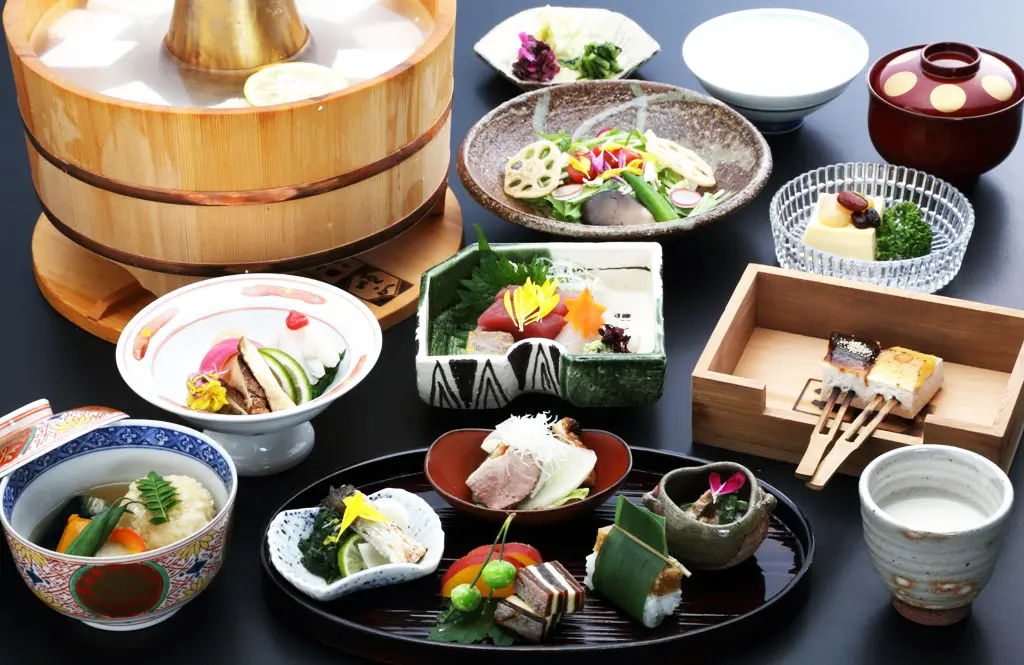
2. Nanzenji Junsei
A long-established restaurant that shares Kyoto’s yudofu culture and traditional Kyoto culture through yudofu, which has long been loved along the approach to Nanzenji Temple.
You can relax and enjoy the restaurant’s famous yudofu and yuba while looking out over its 1,200-tsubo strolling garden, where seasonal flowers and plants reflect the changing beauty of the four seasons.
The menu offers casual courses and Kyoto-style kaiseki made with seasonal ingredients. The Hana Course, where you can choose either yudofu made with domestically grown soybeans or freshly made hikiage yuba as the main dish, also comes with simmered dishes and dengaku, making it a highly satisfying meal.
You can also enjoy an elegant Kyoto-style kaiseki meal that includes yudofu or hikiage yuba.
- Name in Japanese
- 南禅寺 順正
- Postal Code
- 606-8437
- Address
-
Nanzenji, Sakyo-ku, Kyoto City, Kyoto
Google Maps - Telephone
- 075-761-2311
- Closed
- Irregular holidays
- Business Hours
- Lunch 11:00am - 3:30pm(L.O.2:30pm), Dinner 5:00pm - 9:30pm(L.O.8:00pm)
- Access
- About a 5-minute walk from Keage Station on the Kyoto Municipal Subway Tozai Line.
- Credit Cards
- Accepted
- Official Website
- Official Website (English)
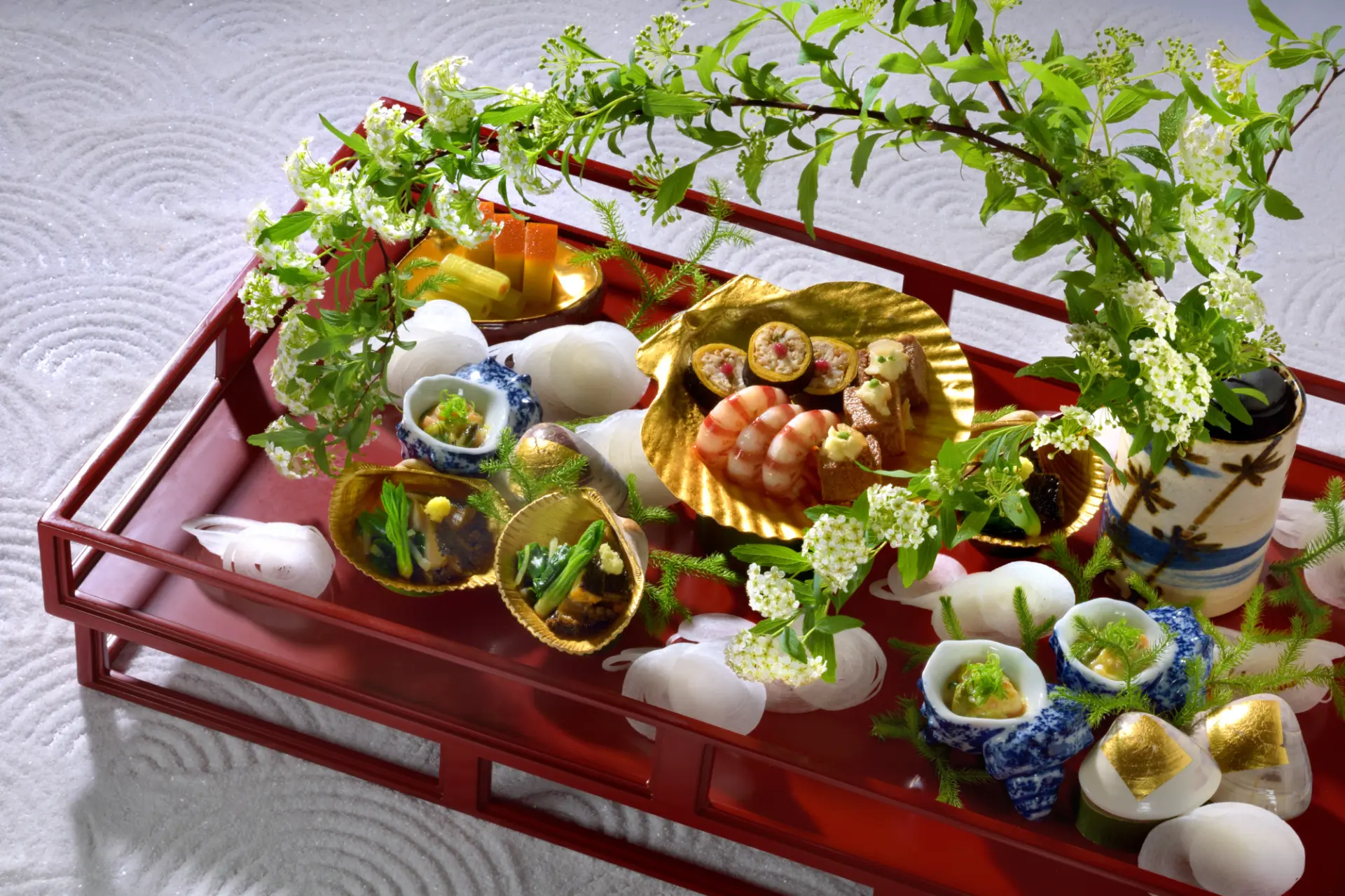
3. Kitcho Arashiyama
Arashiyama is one of Kyoto’s most popular sightseeing areas, loved for its scenic beauty.
Located along the road from Togetsukyo Bridge to Tenryu-ji Temple, Kitcho Arashiyama is a traditional Japanese restaurant known not only across Japan but around the world.
Its course meals are based on traditional “cha-kaiseki,” a style of cuisine originally served to invited guests during formal tea ceremonies as a gesture of hospitality, while incorporating modern elements for a more elegant presentation.
Before the meal, private boat cruises on the Oi River flowing in front of the restaurant are also popular, and in summer, you can even watch ukai cormorant fishing.
- Name in Japanese
- 京都吉兆 嵐山本店
- Postal Code
- 616-8385
- Address
-
58 Susukinobaba-cho, Saga-Tenryuji, Ukyo-ku, Kyoto City, Kyoto
Google Maps - Telephone
- 075-881-1101
- Closed
- Wednesdays, New Year’s holiday period.(From December 20st to 31st, From January 4th to 10th)
- Business Hours
- 11:30am - 3:00pm(L.O.12:30pm), 5:00pm - 9:30pm(L.O.6:30pm)
- Budget
-
Lunch 50,000yen〜, Dinner 60,000yen〜
Omakase Course: From 100,000yen (Price varies depending on the season and ingredients. For details, please contact the restaurant.) - Access
-
(1)About 6 minutes walk from Keifuku Electric Railway’s Arashiyama Station.
(2)About 15 minutes walk from Hankyu Arashiyama Line’s Arashiyama Station.
(3)About 35 minutes by car from Meishin Expressway Kyoto-minami Interchange. - Credit Cards
- Accepted
- Official Website
- Official Website (English)
4. Kodaiji Wakuden
This fully reservation-only traditional Japanese restaurant stands in front of Kodaiji Temple in Kyoto’s Higashiyama Ward.
One of the Wakuden establishments with roots in Kyotango, it maintains a calm atmosphere despite being close to major sightseeing spots.
On the grounds, you’ll find a carefully maintained Japanese garden, sukiya-style architecture, and seasonal decorations and furnishings.
The cuisine centers on kaiseki made with seasonal ingredients, including fresh produce from Kyotango and other regions.

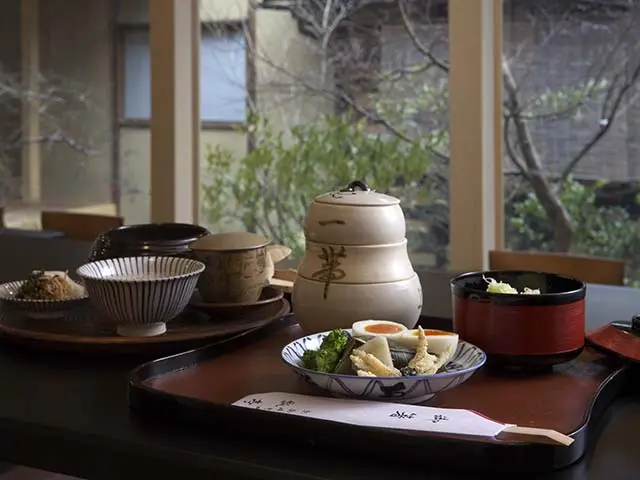
5. Hyotei Kyoto Main Branch
A long-established traditional Japanese restaurant in Sakyo Ward, Kyoto City, near Nanzen-ji Temple.
It originally began as a teahouse within the grounds of Nanzen-ji Temple, and has built up a long history since raising its noren as a traditional restaurant in 1837.
The grounds are dotted with a moss-covered garden and tea rooms, creating a tranquil space where time seems to pass quietly.
The cuisine is kaiseki centered on seasonal ingredients, including dishes that make the most of the flavor of dashi, the specialty “Hyotei Tamago,” and seasonal signature dishes such as summer rice porridge and winter quail rice porridge.

5 Classic Shopping Spots in Kyoto
Among Kyoto’s wide variety of shopping spots, here are some commercial facilities that can truly be called classics.
All of them are in locations that are easy to stop by between sightseeing plans, so they should be easy to work into your itinerary.
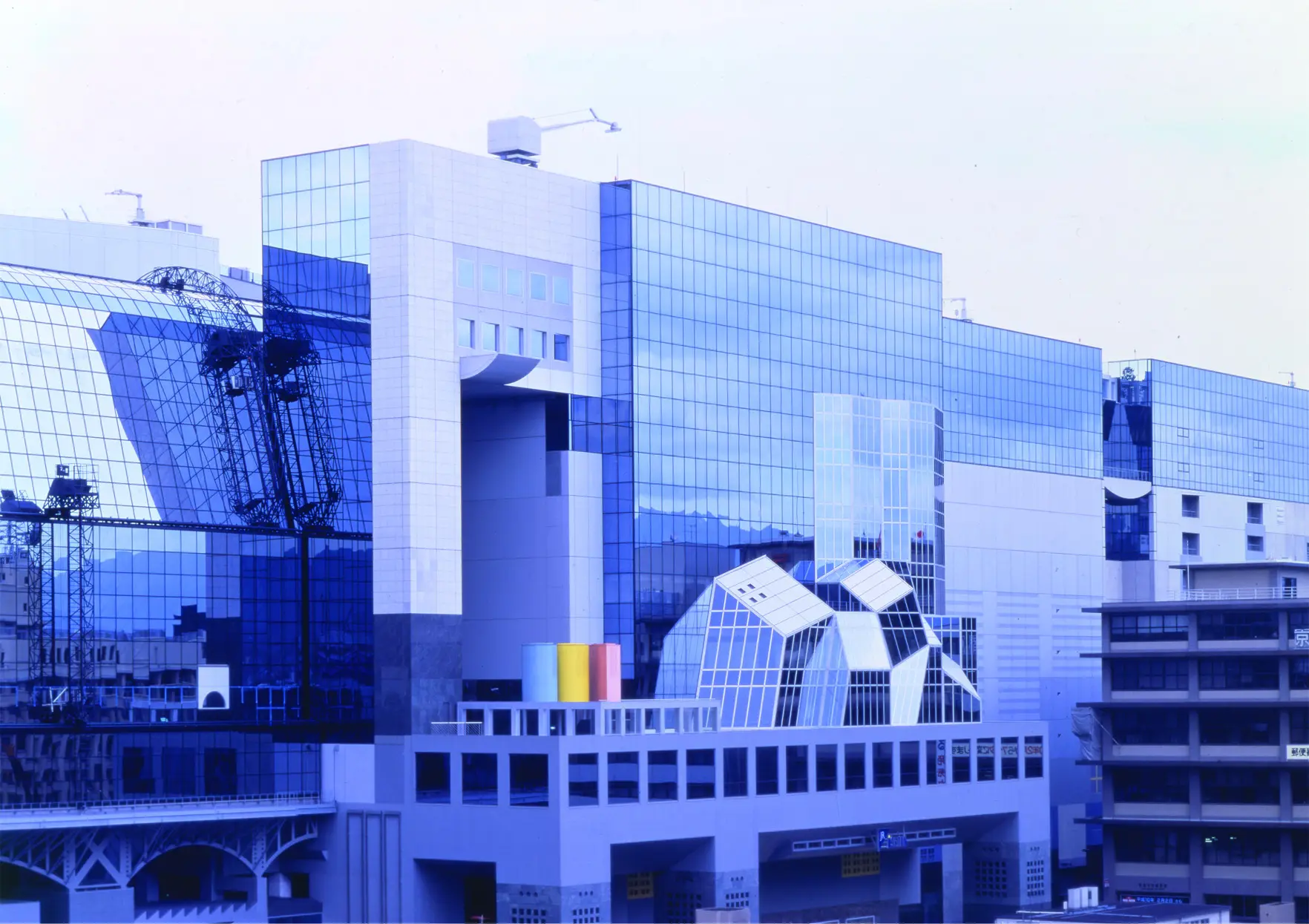
1. JR Kyoto Isetan
A large department store located on the west side of Kyoto Station Building, directly connected to Kyoto Station on multiple rail lines.
From the 2nd basement floor to the 11th floor above ground, it brings together shops offering a wide range of items, from fashion and cosmetics to gourmet food and crafts.
In particular, there are many shops selling Kyoto specialties, Japanese sweets, and Japanese-style goods, making it a great place to look for Kyoto-style souvenirs.
The restaurant floor on the 11th level features 15 restaurants, mainly serving Japanese cuisine such as sukiyaki, tempura, and sushi.
- Name in Japanese
- ジェイアール京都伊勢丹
- Postal Code
- 600-8555
- Address
-
Higashishiokojicho, Shimogyo-ku, Kyoto City, Kyoto
Google Maps - Telephone
- 075-352-1111 (Main number)
- Closed
- Irregular holidays
- Business Hours
-
10:00am - 8:00pm
※The 11th floor restaurant area 11:00 am - 10:00 pm, 7th-10th floor open view restaurants 11:00 am - 11:00 pm - Access
- Direct connection to Kyoto Station on each line
- Credit Cards
- Varies by store
- Official Website
- Official Website (English)
2. Kyoto Takashimaya S.C.
A large shopping complex located on the southwest corner of the Shijo Kawaramachi intersection, Kyoto’s premier downtown district. It has a long history dating back to Takashimaya, a used cotton fabric merchant founded in 1831.
In 1912, it moved to Karasuma Takatsuji as Japan’s first privately owned reinforced concrete commercial facility, and in 1946, it relocated to its current site as a market center.
Across eight floors, from the department store’s basement level 1 to the 7th floor, you’ll find a wide range of quality goods, including fashion, interior items, books, jewelry, sporting goods, cosmetics, and groceries.

- Name in Japanese
- 京都髙島屋S.C.
- Postal Code
- 600-8001
- Address
-
52 Nishiirushincho, Kawaramachi, Shijo-dori, Shimogyo-ku, Kyoto City, Kyoto
Google Maps - Telephone
- 075-221-8811
- Closed
- Irregular holidays
- Business Hours
-
10:00am - 8:00pm,
7F Dining Garden Kyo-kairo (Specialty store) 11:00am - 9:30pm,
[T8] Basement Eat-in Zone EAT8 (specialty stores) 10:00am - 10:00pm
※Varies by store - Access
- Directly connected to the underground of Hankyu Kawaramachi Station.
- Credit Cards
- Accepted ※Varies by store
- Official Website
- Official Website (Japanese)
3. Kyoto BAL
A commercial complex on Kawaramachi Street in Nakagyo Ward, Kyoto City. Since its 2015 renovation, it has reworked its floor lineup and been reborn as a destination for carefully selected shops.
Inside, you’ll find fashion, accessories, lifestyle goods, a bookstore, and cafes, making it easy to shop while experiencing each brand’s unique world.
Another highlight is the lineup of carefully selected shops and the calm atmosphere that makes for a relaxed shopping experience.

4. Daimaru (Kyoto Store)
A department store in the Karasuma area, Kyoto’s premier downtown district.
Its long history began in 1717, when Shimomura Hikouemon Masahiro opened the drapery shop Daimonjiya in Fushimi, Kyoto. In 1912, the Kyoto store moved to its current location and reopened in the department store style.
A wide selection of quality goods is available here, from apparel and accessories to cosmetics, furniture, home electronics, sporting goods, stationery, jewelry, and gourmet foods.
The food floor in the basement is especially good for souvenir shopping, with branches of long-established Kyoto shops and popular local stores.

- Name in Japanese
- 大丸 (京都店)
- Postal Code
- 600-8511
- Address
-
79 Tachiurinishimachi, Shimogyo-ku, Kyoto City, Kyoto
Google Maps - Telephone
- 075-211-8111 (Main number)
- Closed
- New year's day, Irregular holidays
- Business Hours
-
B2〜2F 10:00am - 8:00pm, 3〜7F 10:00am - 7:00pm, 8F VEGGIE ISO TERRACE 11:00am - 10:00pm,
※Subject to change. Check the official website for details. - Access
- Directly connected to Hankyu Karasuma Station.
- Credit Cards
- Accepted
- Official Website
- Official Website (Japanese)
5. Kyoto Tower Sando
Located beneath Nidec Kyoto Tower, the landmark in front of Kyoto Station, Kyoto Tower Sando is a tourist hub made up of a food hall on Basement 1, a market on the 1st floor, and workshops on the 2nd floor.
A standout feature is its lineup of Kyoto gourmet food, souvenirs, and hands-on experiences, making it popular not only with visitors from Japan and abroad, but also with locals.
The food hall on Basement 1 has Approx. 450 seats and offers a wide variety of dining options, from Kyoto’s well-known famous restaurants to trendy popular spots of the moment.

- Name in Japanese
- 京都タワーサンド
- Postal Code
- 600-8216
- Address
-
721-1 Higashishiokojicho, Shimogyo-ku, Kyoto City, Kyoto
Google Maps - Telephone
- 075-746-5830(10:00am - 6:30pm)
- Closed
- Irregular holidays
- Business Hours
- Basement 1st floor 11:00am - 11:00pm, 1st floor 10:00am - 9:00pm, 2nd floor 10:00am - 7:00pm ※Business hours are changed depending on the store.
- Access
- About 2 minutes walk from JR, Subway or Kintetsu Kyoto Station.
- Credit Cards
- Accepted
- Official Website
- Official Website (Japanese)

Experience Japanese Omotenashi! 5 Recommended Places to Stay in Kyoto
Here are five carefully selected accommodations with the refined style you would expect from the ancient capital of Kyoto.
Stay at any of these five places, and you are sure to experience Japanese omotenashi hospitality.
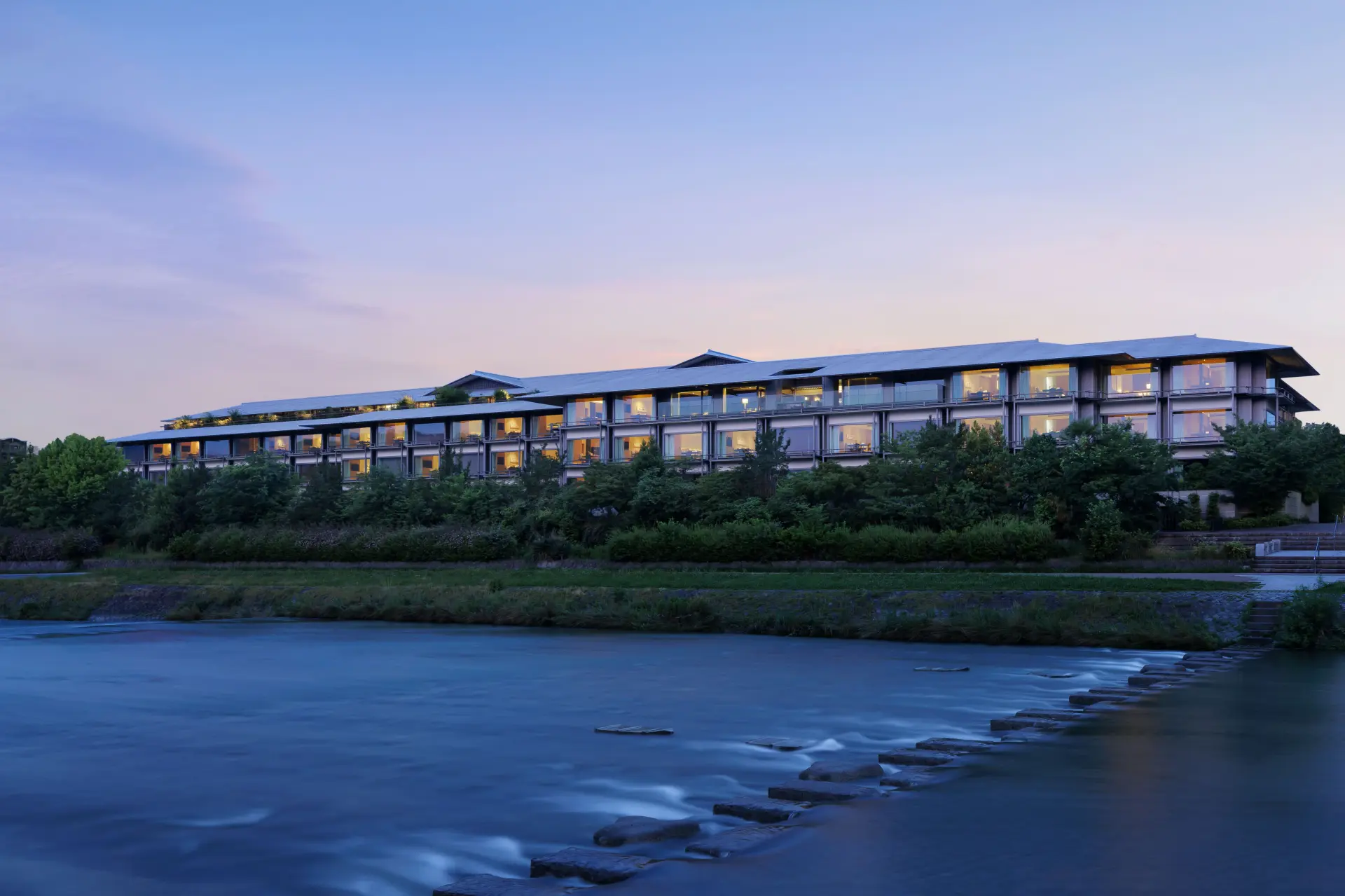
1. The Ritz-Carlton, Kyoto
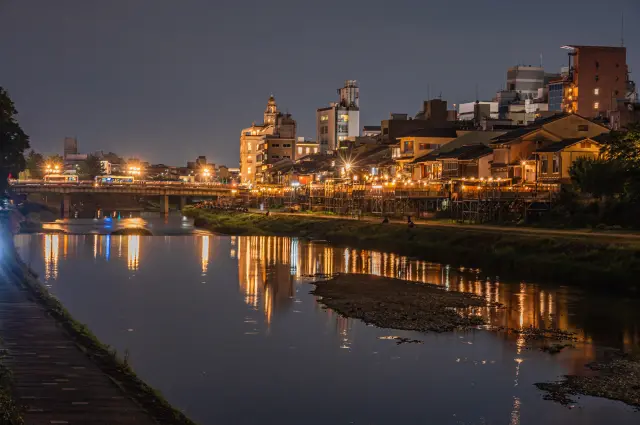
This luxury hotel stands quietly along the Kamo River. Its appeal lies in a setting that blends Kyoto’s beautiful natural surroundings with traditional culture. It is also conveniently located, about a 3-minute walk from Kyoto Shiyakusho-mae Station.
Some guest rooms offer sweeping views of the gardens and the majestic Higashiyama mountain range.
Inside the hotel, 409 pieces of Japanese contemporary art are on display, giving you the feeling of staying in an art museum.
In addition to four restaurants to choose from for everything from breakfast to dinner, the hotel also features a boutique by the famous pastry shop Pierre Hermé Paris, where you can enjoy special sweets available only here.
2. Hotel Okura Kyoto
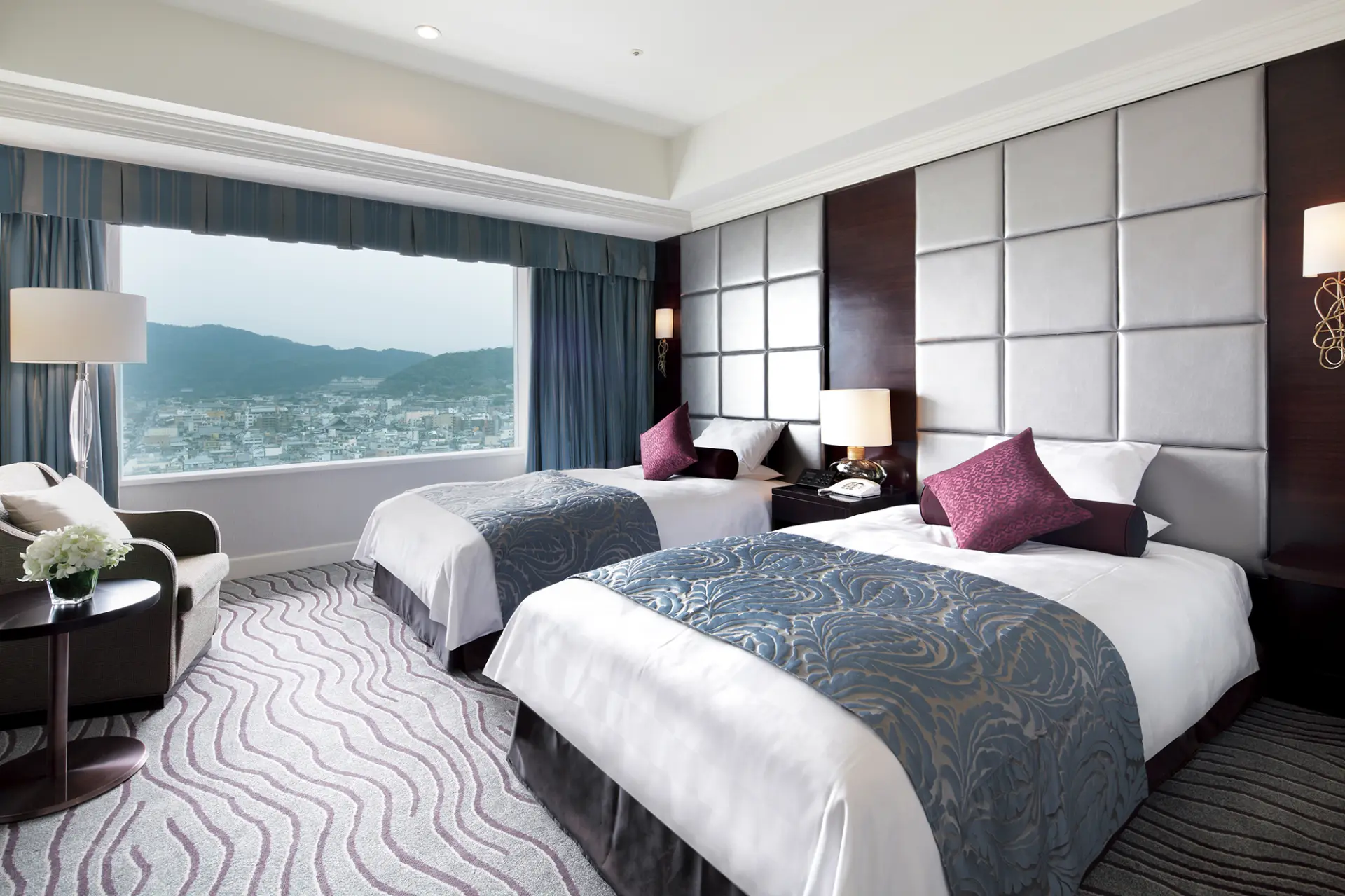
A historic hotel located in Nakagyo Ward, Kyoto City. Since opening in 1888, it has welcomed guests from Japan and abroad for many years.
It enjoys a convenient location directly connected to Kyoto Shiyakusho-mae Station on the Tozai Subway Line, with popular sightseeing spots such as Gion and Nishiki Market also within easy walking distance.
The guest rooms are spacious, and some offer views of the Higashiyama mountains and the Kamo River, with scenery that changes beautifully through the seasons.
The hotel also has several restaurants and cafes, where you can choose meals to suit your taste and occasion, from breakfast to dinner.
3. Tawaraya Ryokan
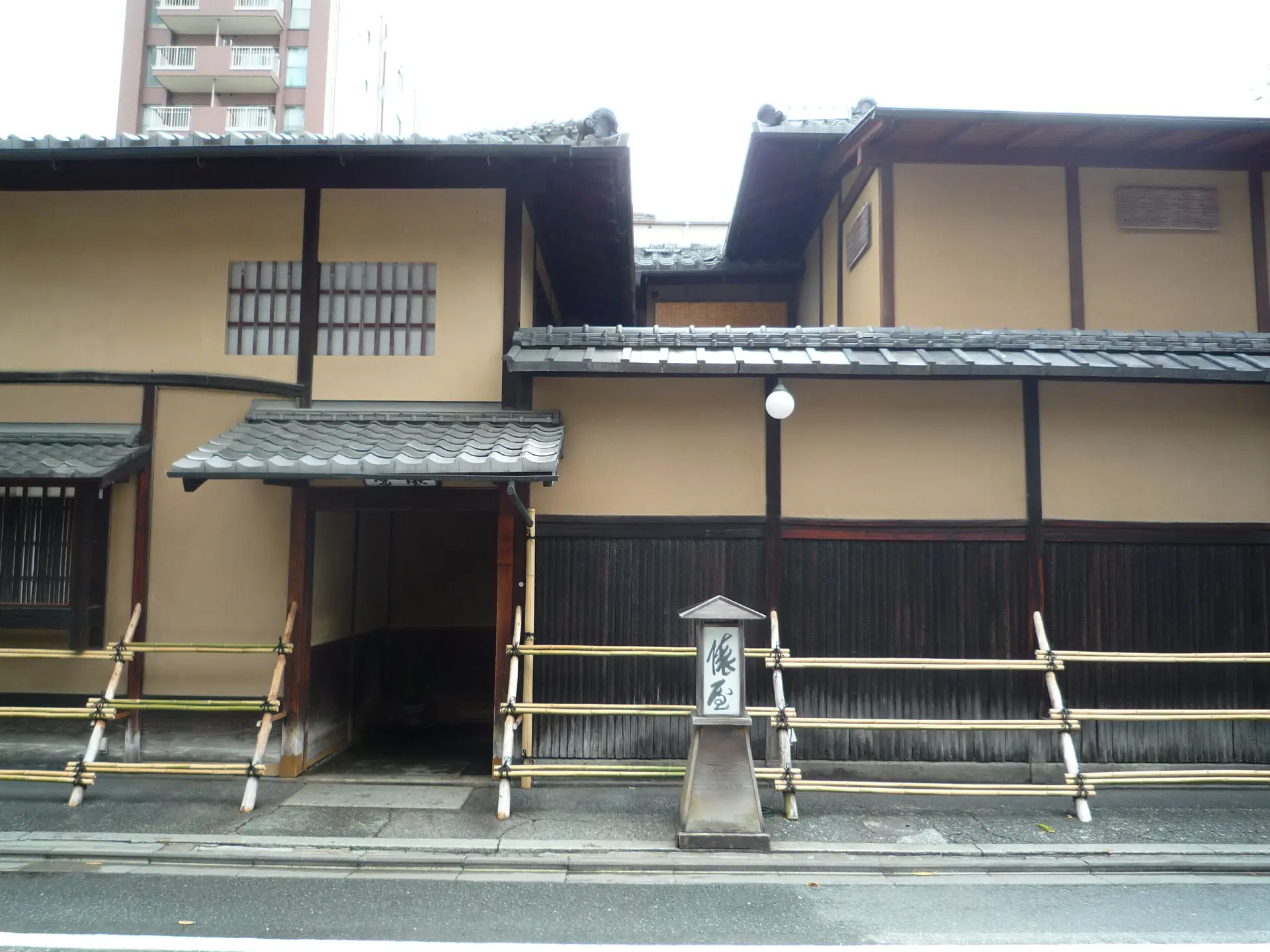
A traditional Japanese inn in Kyoto with a history of more than 300 years. It is known as one of the oldest inns in Kyoto.
The current building was rebuilt during the Meiji era (1868-1912) and is designated as a Registered Tangible Cultural Property of Japan.
Inside, the sukiya-style architecture is complemented by multiple inner and outer gardens arranged with great care, and every guest room looks out onto a garden view.
There are 18 guest rooms in total. In a space where the beauty of Japanese tradition lives on in every detail of the furnishings and decor, guests can enjoy a peaceful stay while taking in the garden’s changing expressions and the passing seasons.
4. Hotel Granvia Kyoto
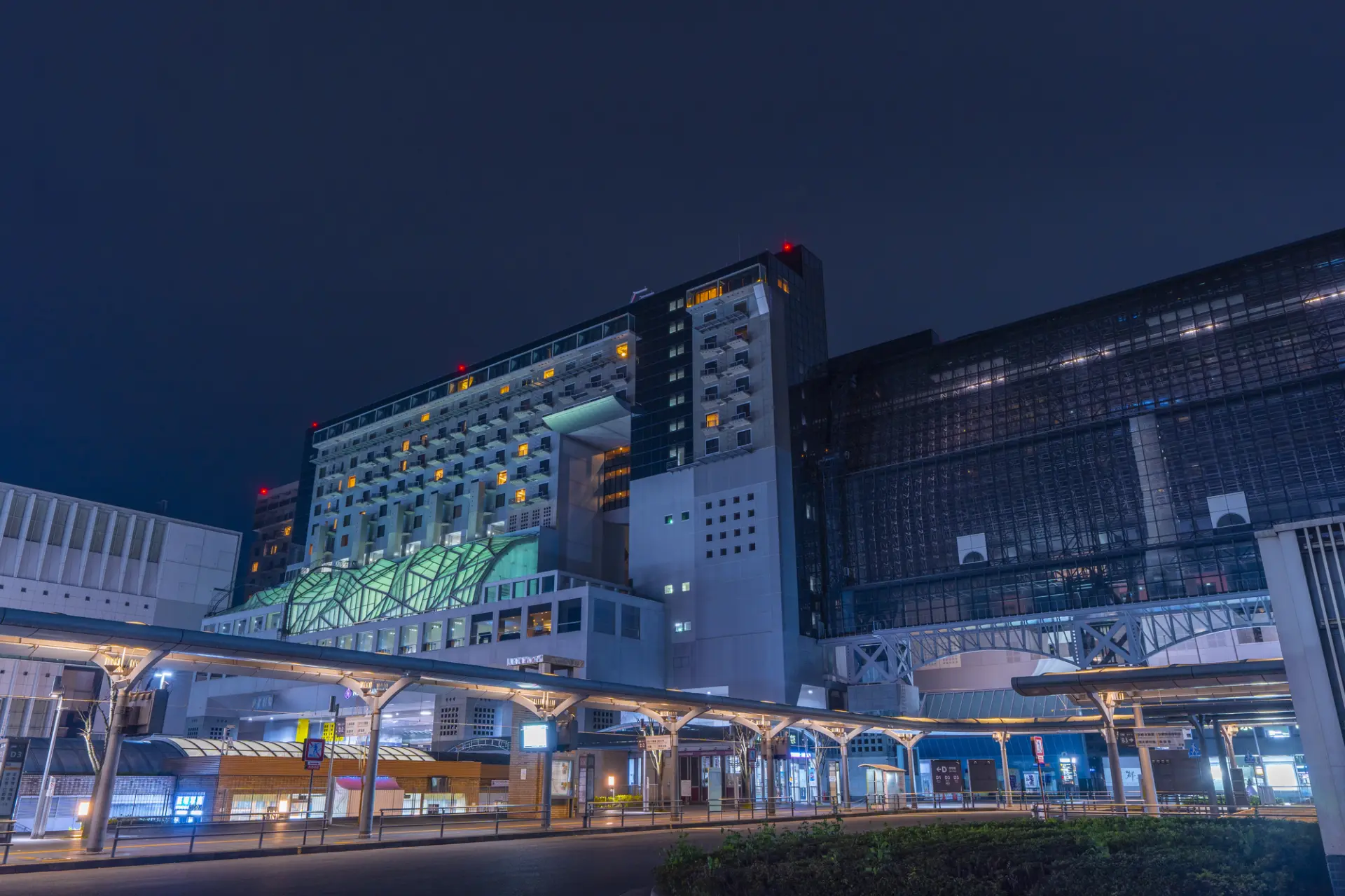
Hotel Granvia Kyoto is a deluxe hotel directly connected to JR Kyoto Station.
In addition to its ideal location for sightseeing, it is also highly regarded for its quality service and has received numerous awards over the years.
One of the hotel’s defining features is its warm, personal hospitality, tailored to help guests with different reasons for visiting enjoy a satisfying stay.
For example, a concierge team of more than 10 staff members works together to offer suggestions based on each guest’s needs.
The hotel also offers many other attractions, including restaurants where you can enjoy Kyoto’s food culture and an art gallery displaying nearly 1,000 works.
5. Aman Kyoto
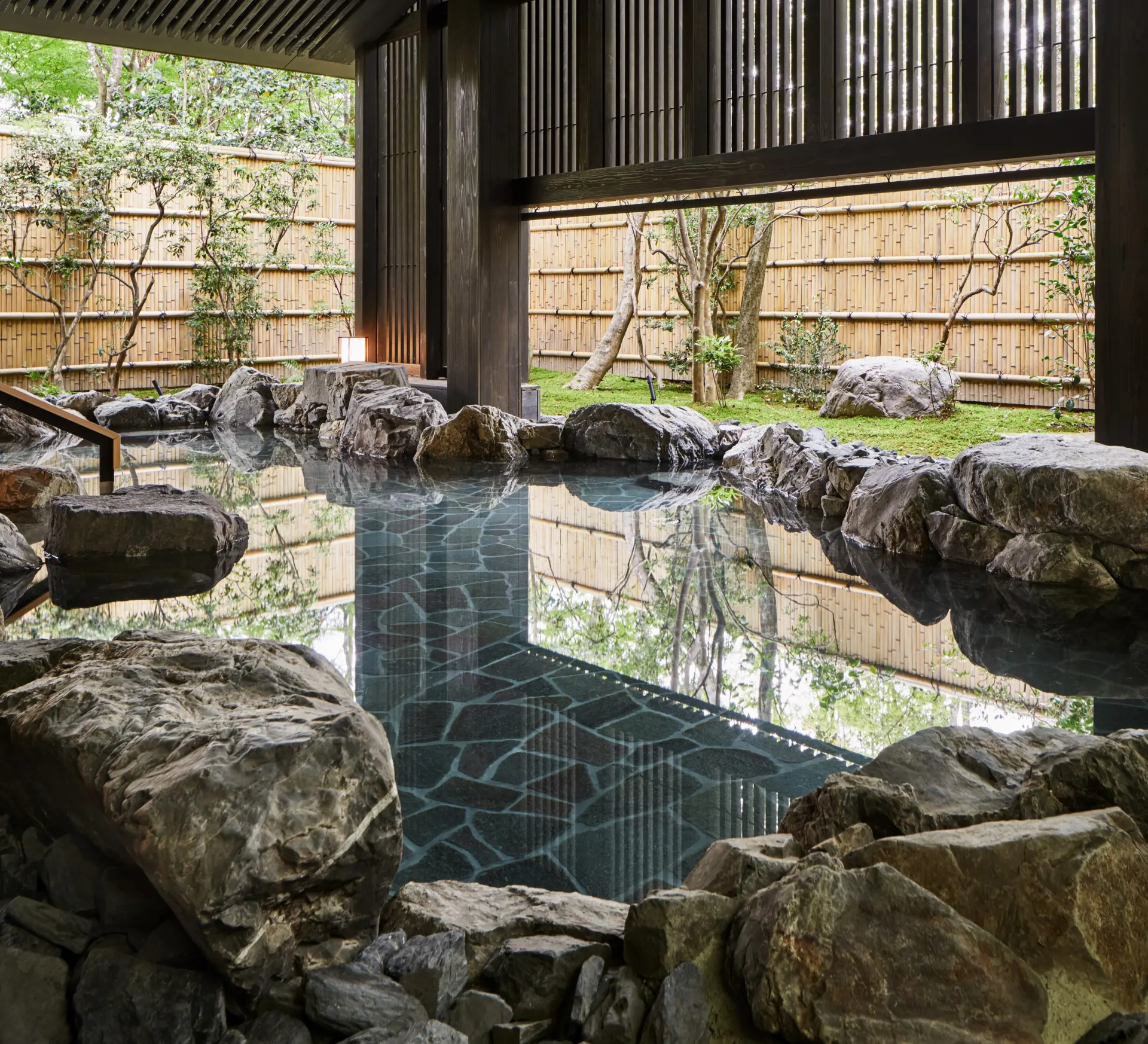
A private resort with just 26 rooms, quietly set within a garden of Approx. 24,000 square meters at the foot of the Takagamine Three Mountains in Kita Ward, Kyoto City.
Across the expansive grounds are a restaurant building, a living pavilion, a spa building, four two-story accommodation buildings that blend into the forest, and a villa-style pavilion on elevated ground overlooking the entire garden.
Although it is within walking distance of the UNESCO World Cultural Heritage site Kinkaku-ji, once you step onto the property, you enter an extraordinary space surrounded by silence and nature. Designed by the renowned architect Kerry Hill, the architecture reinterprets the traditions of a Japanese ryokan in a modern style, and each room is fitted with tatami flooring, a tokonoma alcove, and a cypress bath.
- Name in Japanese
- アマン京都
- Postal Code
- 603-8458
- Address
-
1 Okitayama Washiminecho, Kita Ward, Kyoto City, Kyoto
Google Maps - Phone
- 075-496-1333
- Check-in
- 3:00pm
- Check-out
- 12:00pm
- Rates
- From JPY 419,450 (room rate for 2 guests in 1 room, including breakfast, tax, and service charge)
- Access
- Approx. 30 minutes by car from JR Kyoto Station
- Credit Cards
- Accepted
- Official website
- Official website (Japanese)
When in Doubt, Start Here! 5 Classic Kyoto Souvenirs
Kyoto has so many souvenir shops that it can be hard to decide what to buy and where to get it.
You may find yourself tempted by all kinds of things, but if it’s your first time sightseeing here, start with the classic souvenirs.
1. Shogoin Yatsuhashi Sohonten: “Nama Yatsuhashi”
Shogoin Yatsuhashi Sohonten is one of Kyoto’s best-known shops for yatsuhashi, a classic Kyoto souvenir.
Its baked confection “Shogoin Yatsuhashi” and “Hijiri,” which wraps sweet bean paste in nama yatsuhashi, are especially well known, but “Nama Yatsuhashi,” which was released before “Hijiri,” is also a popular favorite with many fans.
Unlike baked yatsuhashi, which is made in the shape of a koto harp, nama yatsuhashi comes in straight, flat strips. Made with simple ingredients such as rice flour, sugar, and cinnamon, it offers a soft bite, a pleasantly chewy texture unique to rice flour, and an elegant cinnamon flavor that pairs perfectly with tea.

- Name in Japanese
- 生八ッ橋
- Manufacturer
- Shogoin Yatsuhashi Sohonten
- Price
- 756yen
- Sales Locations
- Directly managed store, Department stores in Kyoto City, Stations・Airports store, Online store
- Official Website
- Official Website (Japanese)
2. Ippodo Tea: “Drip Tea Bag Gyokuro, Set of 6”
Founded in 1717, Ippodo Tea specializes in Uji tea and carries a wide range of varieties, including matcha, gyokuro, and sencha.
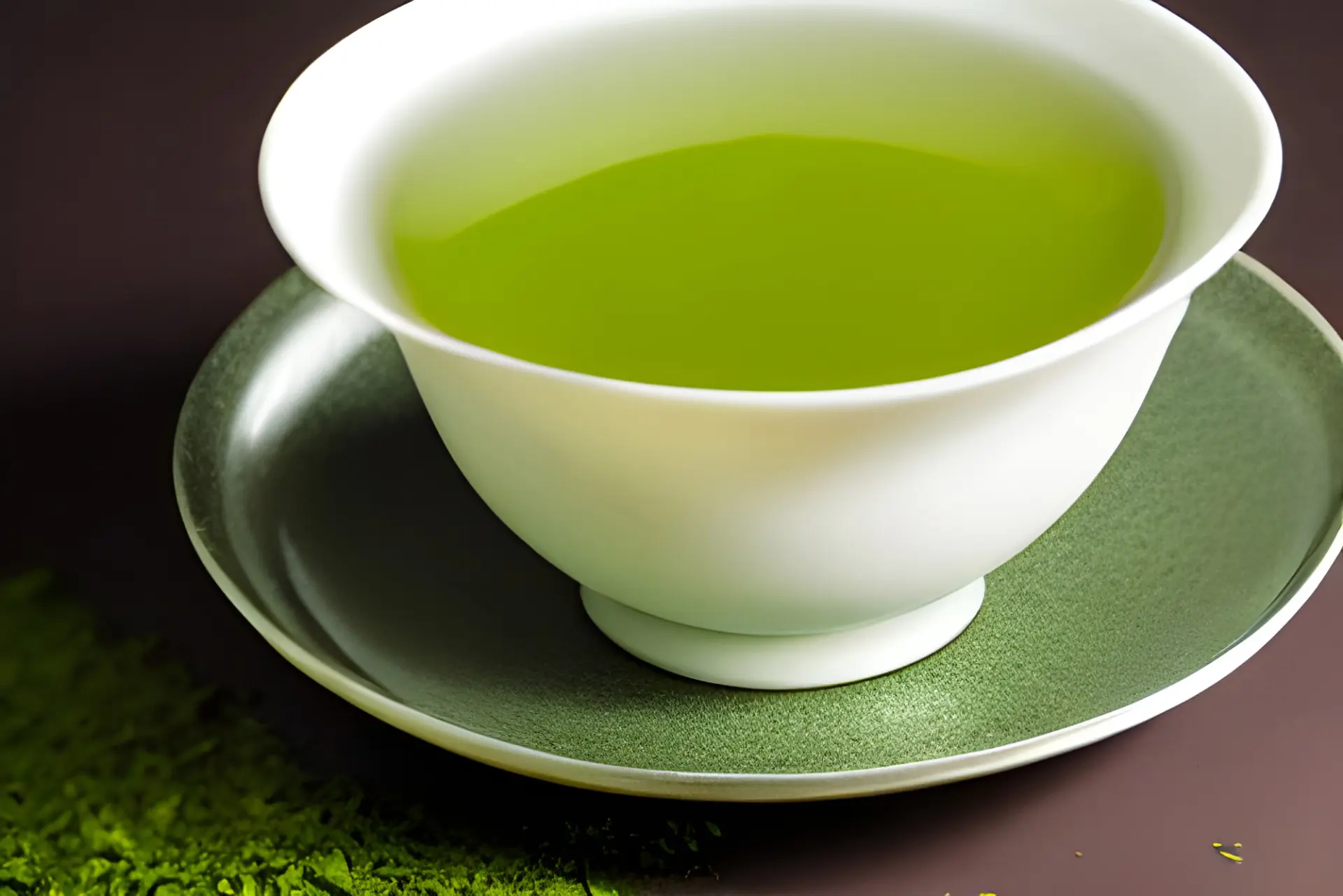
“Drip Tea Bag Gyokuro, Set of 6” is a gyokuro tea bag set that lets you brew one cup at a time with ease, without using a teapot.
It brings out gyokuro’s signature mellow sweetness and elegant aroma, while the finish is clean and light.
To prepare it, simply place a tea bag in a cup, pour in boiling water, and wait Approx. 90 seconds.
It’s a product that lets you enjoy the authentic flavor of Uji gyokuro anywhere, without needing special tools.
3. Ajari Mochi Honpo Mangetsu “Ajari Mochi”
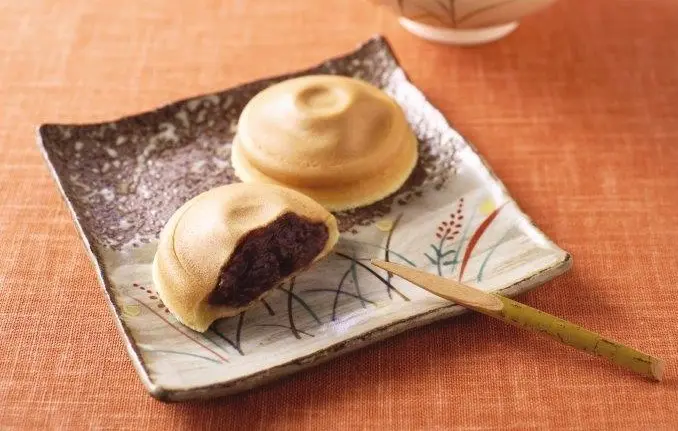
A famous Kyoto confection created by the second-generation owner of the long-established local favorite Ajari Mochi Honpo Mangetsu, and first released in 1922.
Made with glutinous rice flour, eggs, sugar, and other ingredients, it is shaped after the woven sedge hat worn by high-ranking monks training on Mt. Hiei, known as ajari. Inside the shop’s secret recipe dough is a generous filling of chunky sweet red bean paste made with Tanba Dainagon azuki beans.
The moist, chewy outer layer and the house-made red bean paste, cooked to a light sweetness, create an exquisite balance that makes it easy to see why this treat has remained loved for so many years.
- Name in Japanese
- 阿闍梨餅
- Manufacturer
- Ajari Mochi Hompo Mangetsu
- Price
- 141 yen per piece, 1,523 yen for 10 pieces, 3,478 yen for a bamboo basket, etc.
- Sales Locations
- Mangetsu main store, Kinkaku-ji store, Kyoto Station store, Famous department store in Kyoto, Osaka and Tokyo
- Shelf Life
- 5 days at room temperature from the date of production
- Official Website
- Official Website (Japanese)
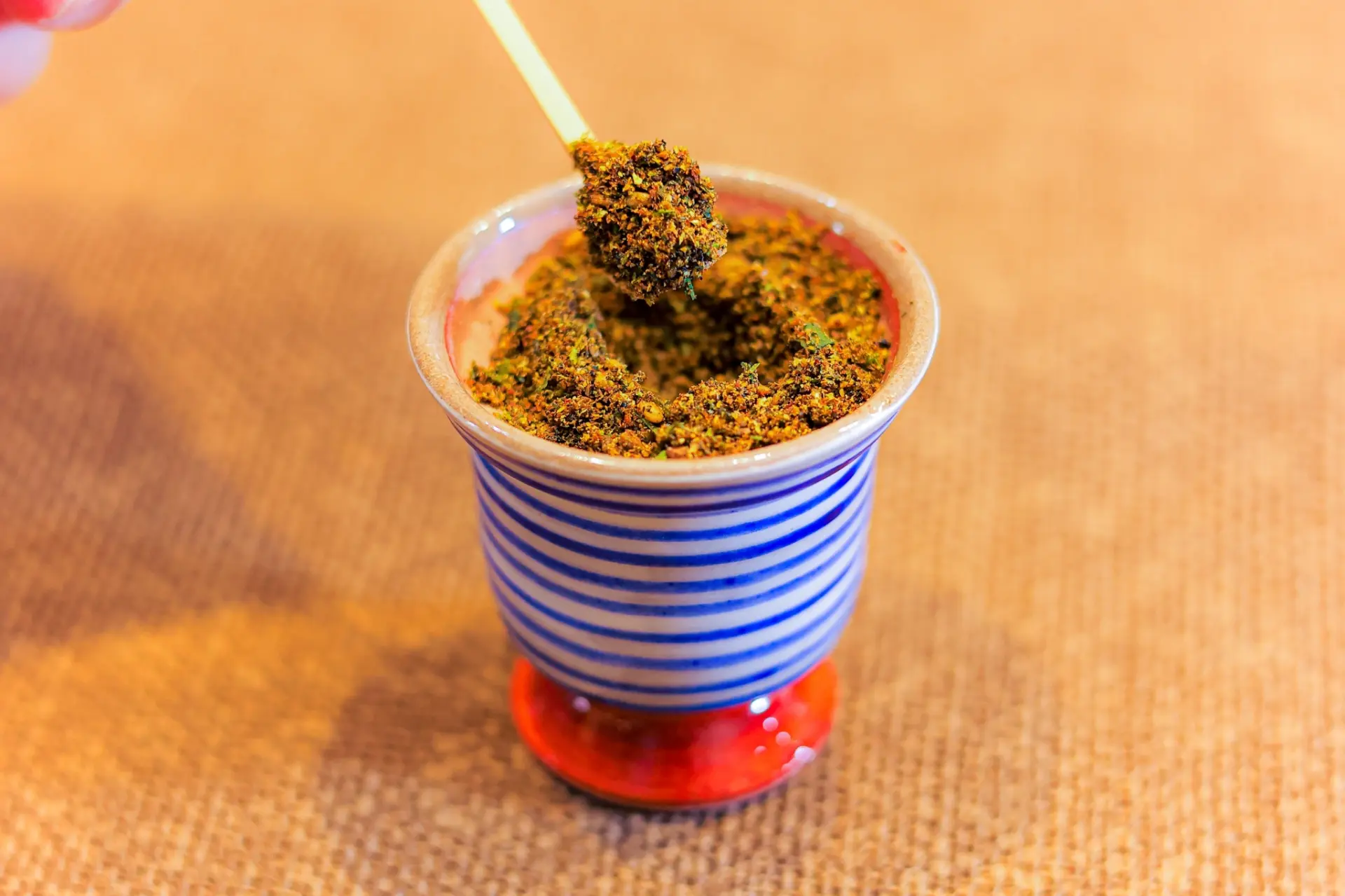
4. Shichimiya Honpo
A specialty shop dedicated to shichimi togarashi, counted as one of Japan’s three most famous shichimi brands.
It was founded in 1655 as a teahouse at the intersection of Kiyomizu-zaka and Sannen-zaka, on the approach leading to Kiyomizu-dera Temple.
At the time, it offered “karashi-yu,” hot water sprinkled with ground chili pepper, free of charge to worshippers visiting Kiyomizu-dera Temple and ascetics training at Otowa Waterfall.
The idea of blending chili pepper with sansho pepper, sesame, hemp seeds, and other ingredients, so that it would warm the body even more, led to its becoming a specialty shichimi togarashi shop.
- Name in Japanese
- 七味家本舗
- Postal Code
- 605-0862
- Address
-
Kiyomizu-dera Temple approach, 2-221, Kiyomizu, Higashiyama-ku, Kyoto City, Kyoto
Google Maps - Telephone
- 0120-540-738
- Closed
- Open every day
- Business hours
-
9:30am-5:30pm
* may change seasonally - Directions
-
(1) From JR Kyoto Station, take the city bus to "Gojo-zaka", then a 7-minute walk.
(2) From Hankyu Kyoto Kawaramachi Station, take the city bus to "Kiyomizu-michi", then a 7-minute walk. - Credit Cards
- Accepted
- Official Website
- Official Website (Japanese)
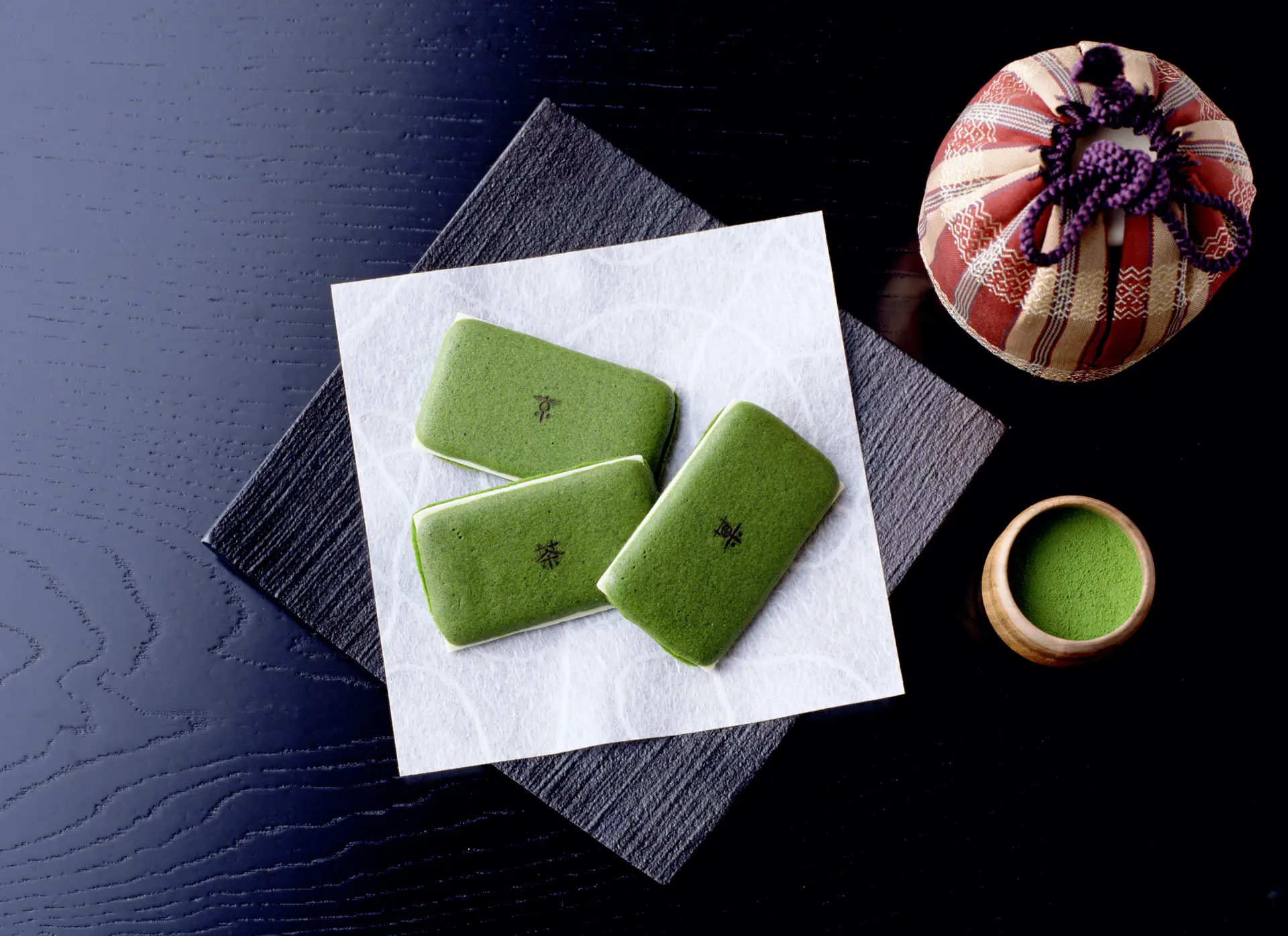
5. Rich Matcha Langue de Chat “Cha no Ka”
The signature product of Western-style confectionery shop Malebranche, founded in 1982 and headquartered in Kyoto’s Kitayama district.
Made by baking langue de chat cookies with Uji tea, including leaves from Shirakawa in Uji, Kyoto, then sandwiching them with original white chocolate, the flavor is truly one of a kind. It is now often described as a classic Kyoto sweet.
Only first-flush tea leaves, harvested once a year, are used. These leaves are elevated into a carefully crafted rich matcha through a unique blend developed by expert tea tasters with meticulous attention to every detail.
- Name in Japanese
- お濃茶ラングドシャ「茶の菓」
- Manufacturer
- Kyoto Kitayama MALEBRANCHE
- Price
- 3 pieces for 486yen, 5 pieces for 810yen, 8 pieces for 1,296yen, 16 pieces for 2,592yen, 24 pieces for 3,888yen, 14 pieces for 2,268yen
- Sales Locations
- Kyoto Kitayama MALEBRANCHE stores, Kansai International Airport, etc.
- Calories
- 64kcal per piece
- Expiration date
- 15 days or more
- Official Website
- Official Website (Japanese)

Recommended Festivals and Events in Kyoto by Season
In Kyoto, the ancient capital of Japan, long-running traditional celebrations and seasonal events are held throughout the year.
Here are some of the city’s most famous festivals and events, introduced by season.
[Spring] Aoi Matsuri Festival
Held every year on May 15 at Shimogamo Shrine (Kamomioya Shrine) and Kamigamo Shrine (Kamowakeikazuchi Shrine) in Kyoto, this annual festival is known as one of the “Three Great Festivals of Kyoto” alongside the Gion Matsuri Festival and the Jidai Matsuri Festival, and is a signature event of early summer in Kyoto.
Its official name is the “Kamo Festival,” and in the middle Heian period, it is said that when aristocrats referred to “the festival,” they meant the Kamo Festival.
The highlight is the “Roto no Gi” procession, in which people dressed in Heian-period costume parade for Approx. 8 km.
The procession departs from the Kyoto Imperial Palace, heads along Marutamachi Street and Kawaramachi Street to Shimogamo Shrine, and then continues along Kitaoji Street to Kamigamo Shrine.

- Name in Japanese
- 葵祭
- Schedule
- May 15
- Directions
- From Subway Karasuma Line, Imadegawa Station, walk 5 min. (The starting point of Roto no Gi: Kyoto Imperial Palace)
- Website
- Official Website (Japanese)
[Summer] Gion Matsuri Festival
The Gion Matsuri Festival is known around the world as one of Japan’s three great festivals.
This festival attracts many visitors from Japan and abroad. It began in 869, when epidemics spread through Kyoto and other parts of Japan, and prayers were offered to the deity of Yasaka for protection from disease and to purify the calamity. Today, it is still held as the festival of Yasaka Shrine, with a wide variety of sacred rituals and events taking place over the course of one month from July 1.
The biggest highlight of the Gion Matsuri Festival, which begins with the Kippuiri ritual on July 1, is the procession of 34 floats and the mikoshi procession of Yasaka Shrine, held during the Saki Matsuri on the 17th and the Ato Matsuri on the 24th.

- Name in Japanese
- 祇園祭
- Performance
- July 1-31
- Directions
-
To Yasaka Shrine:
1) From Keihan Oto Line, Gion-Shijo Station, walk 5 min.
2) From Hankyu Kyoto Line, Kyoto-Kawaramachi Station, walk 8 min.
3) From JR Kyoto Station, ride Kyoto City Bus’ Line 206, get off at Gion Stop, and walk a short distance - Official Website
- Yasaka Shrine (English)
[Autumn] Jidai Matsuri Festival
One of the Three Great Festivals of Kyoto alongside the Gion Matsuri Festival and the Aoi Matsuri Festival, this is the grand festival of Heian Shrine held every year on October 22.
Originating as part of the celebrations for the 1100th anniversary of the transfer of the capital to Heian-kyo, held in 1895, its biggest highlight is a historical costume procession that introduces Approx. 1,000 years of history, from the Enryaku era when Heian-kyo was established to the Meiji Restoration era, while moving backward through time.
Well-known historical figures appear one after another, including Katsura Kogoro and Saigo Takamori, who played major roles in the Meiji Restoration, as well as the Sengoku warlord Oda Nobunaga. Approx. 2,000 citizens take part, parading for two hours.

- Name in Japanese
- 時代祭
- Telephone
- 075-761-0221 (Heian Jingu Shrine)
- Schedule
- October 22 (To be postponed in case of rain)
- Directions
-
(1) 10 min. walk from Higashiyama Station on the Subway Tozai Line
(2) 15-minute walk from Sanjo Station or Jingu-Marutamachi Station on the Keihan Oto Line - Website
- Official Website (Japanese)
[Winter] Miyama’s Thatched Village Winter Lantern Festival
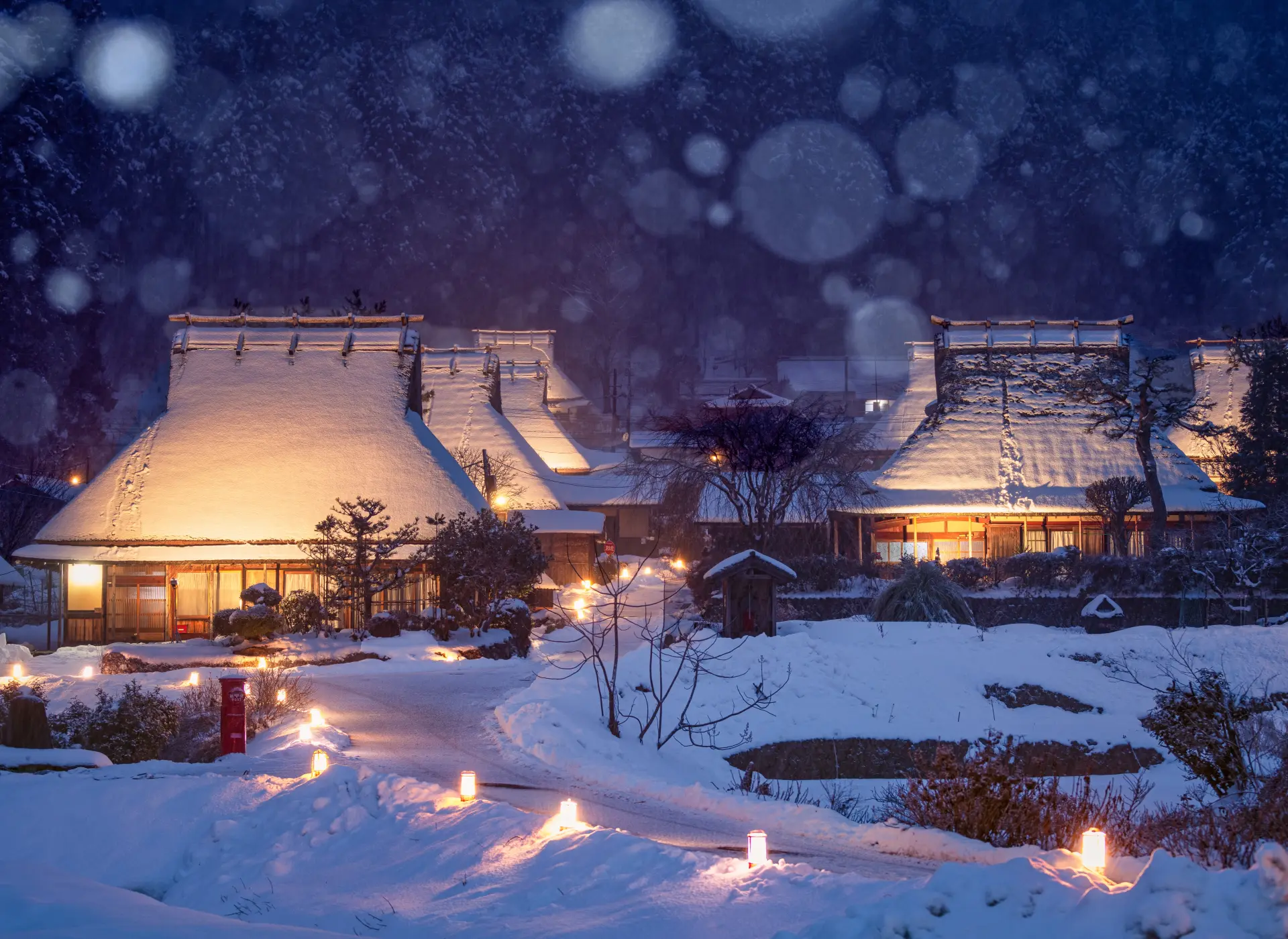
The weeks from late January to early February each year bring an event of sheer magic to Kayabuki no Sato, a nestled Miyama village in the mountains of northern Kyoto. Coined the Miyama’s Thatched Village Winter Lantern Festival, expect a special time first started by the locals in celebration of the onset of deep snow season.
Festival time brings a glitter of lights to the entire village, complete with, street lanterns, and LED lanterns. The famed thatched-roof houses are also threaded with lights for a dreamy scene of snow-capped village life that glows like a Japanese folktale.
- Name in Japanese
- 美山かやぶきの里冬灯廊
- Postal Code
- 601-0712
- Location
- Miyamachokita, Nantan City, Kyoto
- Schedule
- usually Late January to early February
- Access
-
(1) From JR San’in Main Line Hiyoshi Station, take the Nantan City Bus for 55 minutes, get off at Kita (Kayabuki-no-Sato) stop, then walk 2 minutes.
※There is no return bus available at night, so it is not possible to visit the festival and return on the same day using only public transportation.
(2) By car: 40 minutes from Kyoto Jukan Expressway Sonobe IC. - Official Website
- Official Website (English)
5 Things to Keep in Mind When Sightseeing in Kyoto
Here are five important things to know to make the most of your trip to Kyoto.
Use them as a guide so you do not end up regretting poor preparation.
1. Follow Proper Etiquette When Visiting Shrines and Temples
When sightseeing in Kyoto, you will likely have many chances to visit shrines and temples.
Shrines and temples each have their own common worship etiquette, so it is a good idea to look it up in advance.
Keep in mind that rules such as whether photography is allowed and which areas visitors may enter are set by each individual site.
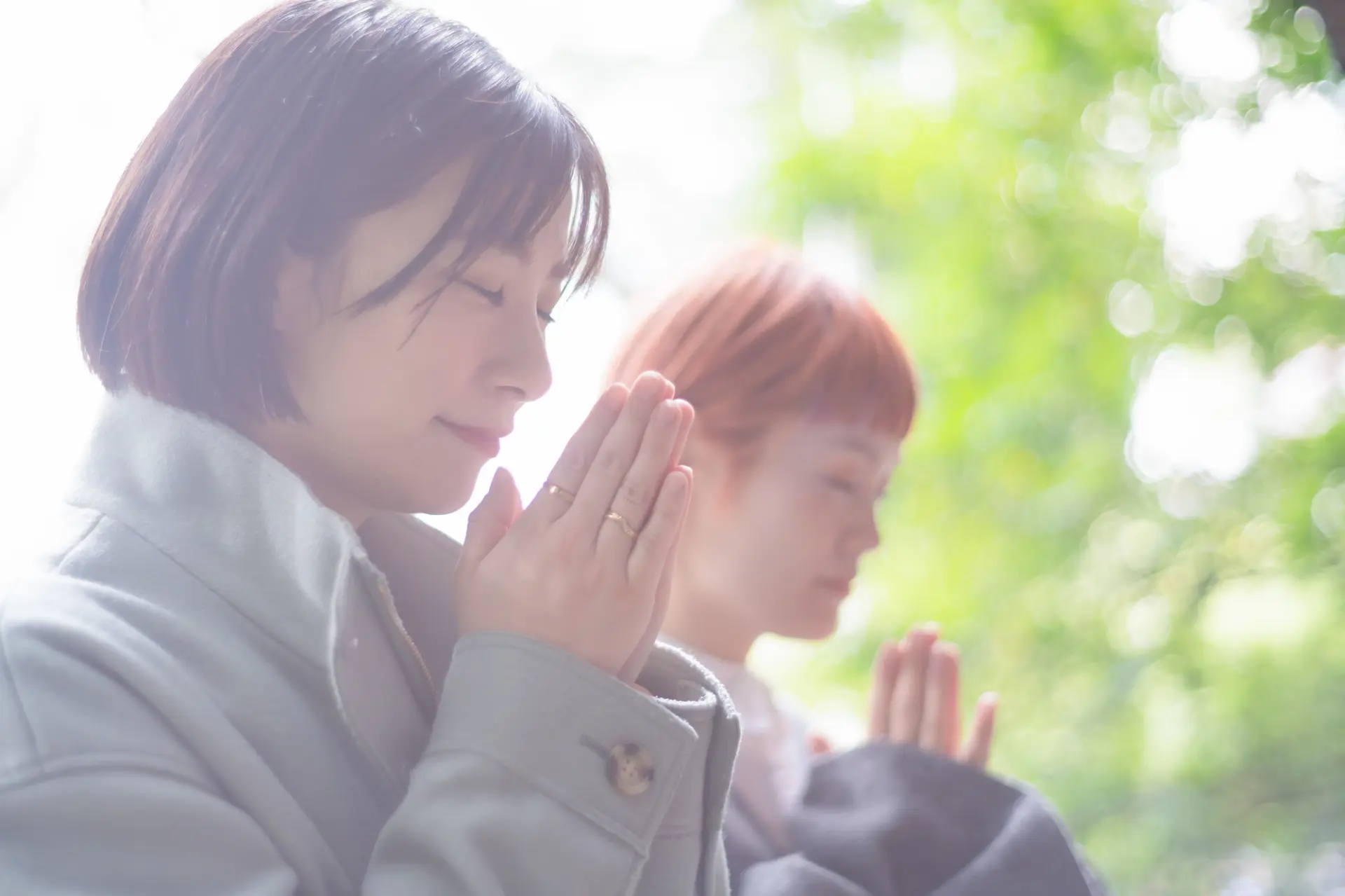
At shrines, the basics are to bow once before passing through the torii gate and to avoid walking in the center of the approach path.
After purifying your hands and mouth at the purification fountain, place an offering in the offertory box at the worship hall and pray using the traditional ritual of two bows, two claps, and one bow.
At temples, bow once before passing through the main gate and proceed quietly through the grounds. After purifying yourself at the purification fountain, it is common to bow in front of the main hall and pray with your hands together.
For peace of mind, check the signs posted around the grounds and take cues from how other worshippers behave.
2. Don’t chase maiko or geiko or take photos of them
In the Gion area, a growing number of people have been waiting for geiko and maiko or chasing them to take photos, so the ban on photography has been clearly stated.
Needless to say, photography on private roads is prohibited, and visitors should also refrain from calling out to them or touching their kimono, kanzashi hair ornaments, or other items without permission.
Geiko and maiko are not tourist photo subjects, they are people going about the city while on their way to work.
If you happen to pass by them, please keep that moment in your heart as a once-in-a-lifetime memory.
If you would like to interact with geiko or maiko or enjoy taking photos with them, please do so through a formal setting such as ozashiki entertainment.

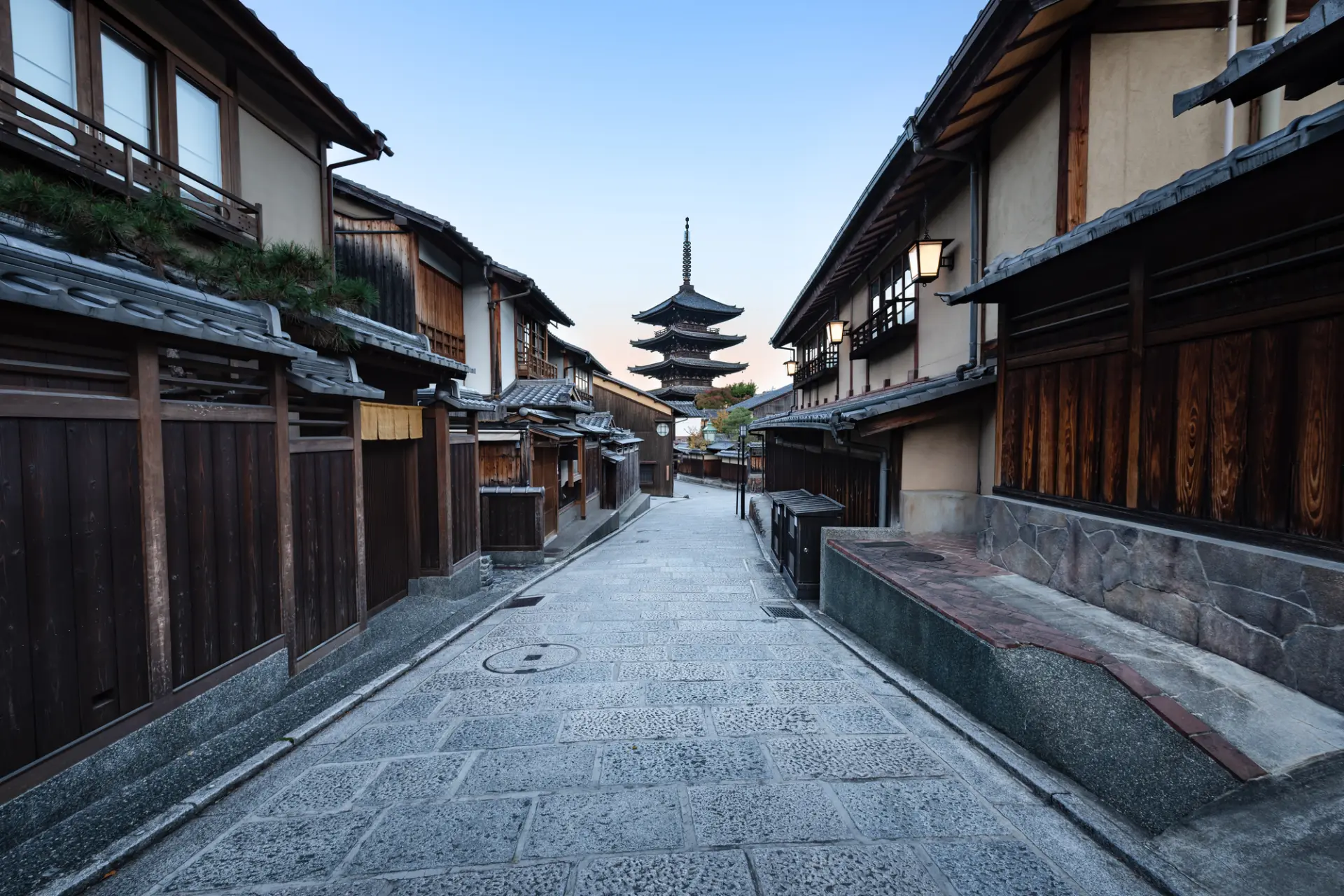
3. Visit popular spots early in the morning and avoid the busiest hours
Kyoto attracts many visitors from Japan and abroad, so during the daytime not only popular sightseeing spots but also public transportation can get crowded easily.
At especially popular spots and areas such as Kiyomizu-dera Temple, Fushimi Inari Taisha Shrine, and Arashiyama, the crowds begin to build from the later morning hours, and getting around or sightseeing can take more time than you might expect.
If you start your day early in the morning, public transportation is usually less crowded, making it easier to reduce the strain of getting around.
Another major advantage is that temple and shrine grounds and their surrounding areas are quieter and more peaceful, so you can take your time sightseeing and it is also easier to take photos.
4. During peak travel seasons, local buses can get so crowded that you may not be able to board
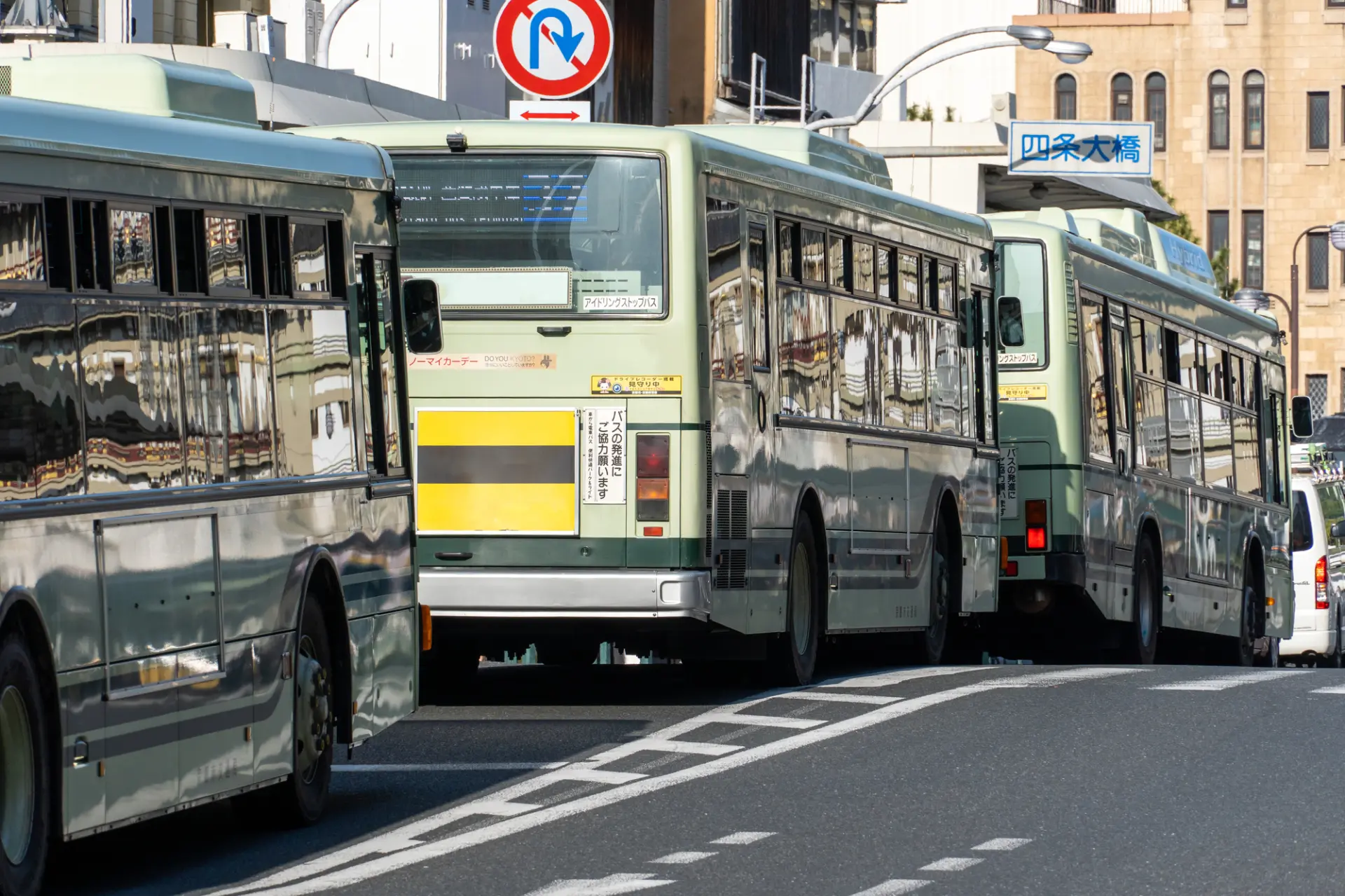
Local buses are a convenient way to get around Kyoto City, but during peak travel seasons and on weekends in the daytime, they can become so crowded that you may not be able to board because they are full.
On routes connecting major sightseeing areas, it is not unusual to have to let one bus go by.
For that reason, depending on the crowding situation, consider using rail options such as the subway, private railways, or JR.
5. There are many stairs, slopes, and stone-paved paths, so wear comfortable walking shoes
Kyoto has many slopes and stairs, so compared with areas that have long stretches of flat roads, you may feel more strain on your legs and knees.
In and around shrine and temple grounds, there are often continuous ups and downs, so keep in mind that fatigue can build up easily.
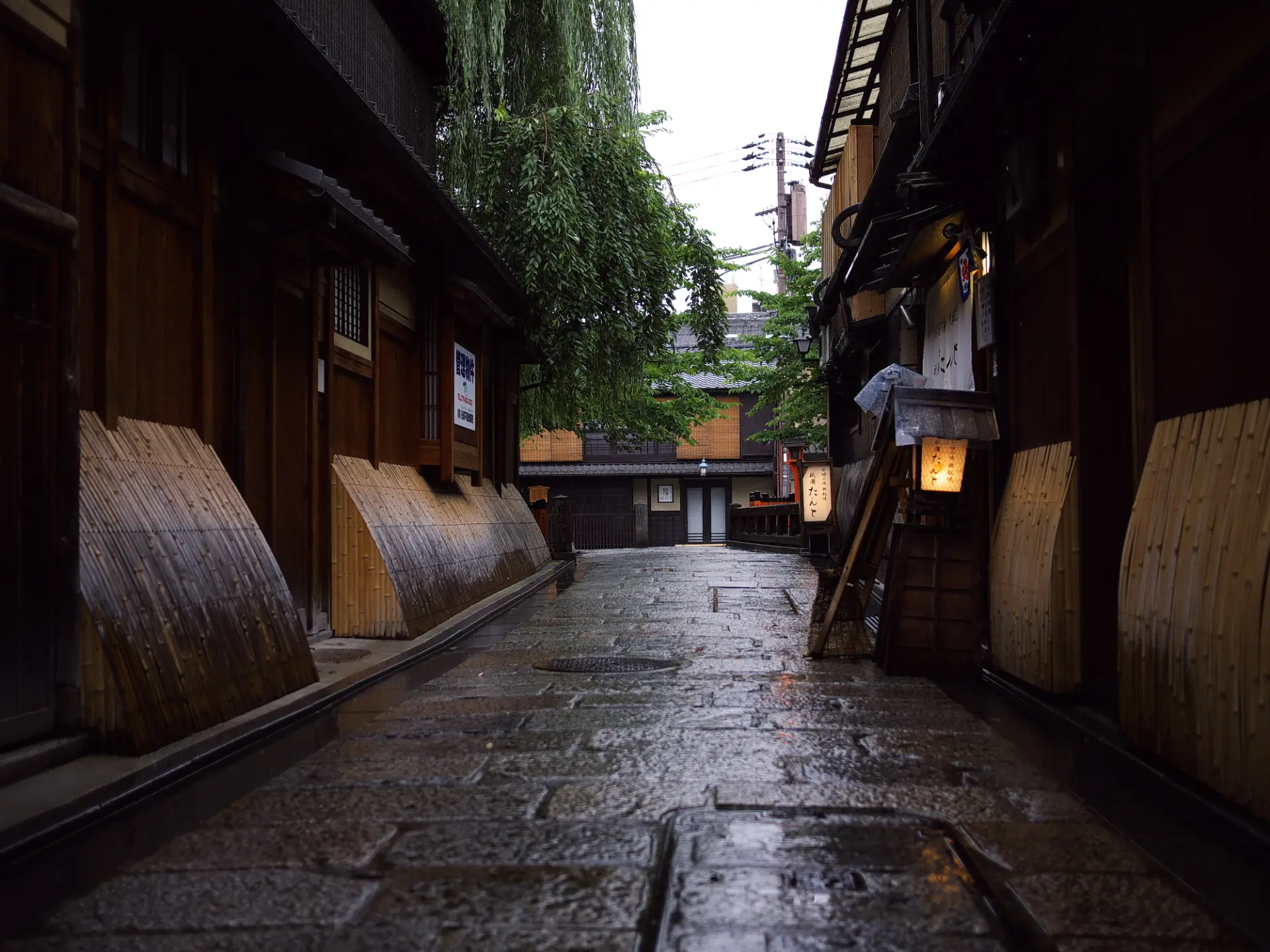
There are also many stone-paved paths, which can be especially slippery in rainy weather.
To reduce physical strain and the risk of falling, avoid heels and shoes with hard soles, and choose shoes that have cushioning and feel stable.
Another key point is to plan an easygoing schedule that lets you enjoy sightseeing while taking breaks as needed.
You may also like: Destinations to Visit with Kyoto
Once you've fully enjoyed Kyoto, make time to visit these two destinations as well.
Both are among Japan’s most popular tourist destinations, and each can be reached from Kyoto in under an hour, so be sure to add them to your Kyoto itinerary.
Osaka, a Popular Kansai Destination Alongside Kyoto
Osaka is the largest city in the Kansai region and the second-largest city in Japan.
From Kyoto Station, take the JR Tokaido Shinkansen and you can reach Osaka in Approx. 30 minutes.
From Osaka specialties like takoyaki and okonomiyaki to attractions such as Universal Studios Japan, aquariums, and historic buildings, Osaka offers just as many highlights as Kyoto.

Nara, with an Even Older History Than Kyoto
Like Kyoto, Nara was once the capital of Japan.
Before the capital was moved to Kyoto, Nara Prefecture had served as Japan’s capital, giving it an even longer history than Kyoto.
Nara is also home to many World Heritage Sites as well as buildings and Buddhist statues designated as National Treasures and Important Cultural Properties, making it a great place to experience Japanese history and traditional culture.
From Kyoto Station, take the Miyakoji Rapid and you can arrive in Nara in Approx. 45 minutes with no transfers.

If you’re touring Kyoto, Osaka, and Nara, ride the Aoniyoshi sightseeing limited express
This new sightseeing limited express, launched in April 2022, is operated by Kintetsu and connects the three cities of Osaka, Nara, and Kyoto directly with no transfers.
The train name “Aoniyoshi” is a poetic epithet used in waka and other classical verse to refer to the ancient capital of Nara.
Its exterior is finished in purple, a color considered noble in the Tenpyo period and ranked highest in the Twelve Level Cap and Rank System, while both the interior and exterior feature Tenpyo-era patterns inspired by the treasures of the Shosoin, creating a space where you can feel the timeless history and culture cultivated in the ancient capital of Nara.

- Name in Japanese
- 観光特急「あをによし」
- Stops
- Osaka-Namba, Osaka-Uehommachi, Tsuruhashi, Ikoma, Gakuenmae, Kintetsu-Nara, Yamato-Saidaiji, Kintetsu-Tanbabashi, Kyoto
- Price
-
Osaka-Namba - Kyoto 2,270 yen
Osaka-Namba - Kintetsu Nara 1,410 yen
Kintetsu-Nara - Kyoto 1,490 yen - Credit Cards
- accepted for boarding and express tickets, but not for onboard sales
- Website
- Official Website (English)
FAQ about Kyoto Sightseeing
Q
How many days do you need to fully enjoy Kyoto?
Kyoto has so many highlights that you’ll need at least 3 days and 2 nights. If you also want to explore sightseeing spots around Kyoto City, plan for at least 3 nights.
Q
Where do you recommend visiting besides Kyoto’s classic sightseeing spots?
We recommend venturing out to areas near Kyoto City to visit sightseeing spots introduced in this article, such as Byodoin, Amanohashidate, and the Funaya boat houses of Ine.
Q
I’d like to know which destinations are worth visiting together with Kyoto
We recommend Osaka and Nara, two popular sightseeing destinations in Kansai that can both be reached from Kyoto Station in under an hour.
Summary
We’ve introduced Kyoto’s classic sightseeing spots, recommended local food, places to stay, and traditional events in one of Japan’s most popular destinations.
With so many places to visit, first-time travelers will likely have a hard time deciding where to go.
If that sounds like you, use this article to help plan your trip.