



Yasaka Shrine

Verified [Verified] denotes information that has been published with confirmation of its owing parties.

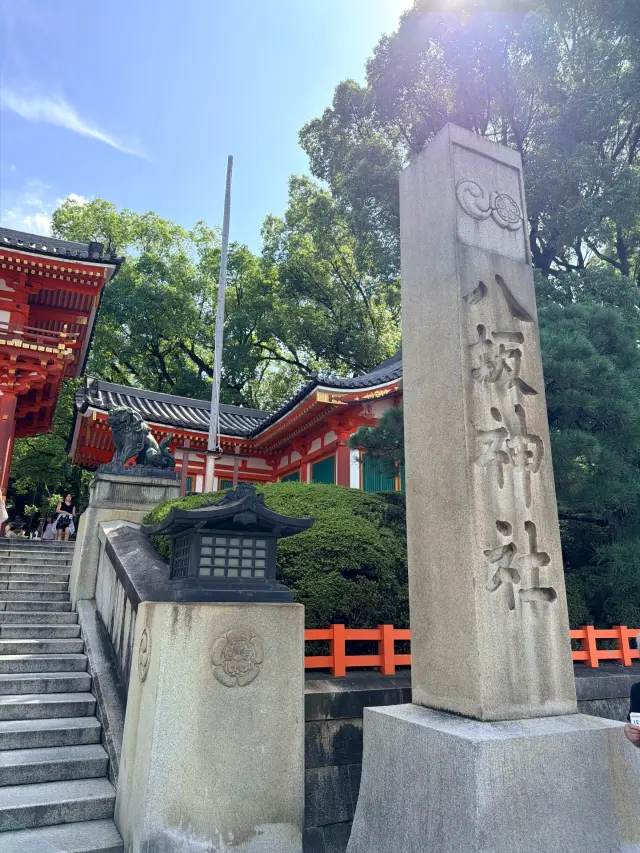
Yasaka Shrine

An ancient shrine with over 1,300-year history since before the relocation of Japan’s capital to Heian-kyo, it is also known as the birthplace of the Gion Festival, and has been highly revered.

3.79 17

Last update :
Supervised by :  Yasaka Shrine

The shrine’s deities are Susanoo-no-Mikoto, Kushiinadahime-no-Mikoto, and Yahashira-no-Mikogami, and it is the head shrine of approximately 2,300 Yasaka Shrine and related shrines with Susanoo-no-Mikoto enshrined scattered throughout Japan. The shrine is said to have been established in 656, when the deity of Mt. Udu in the Silla kingdom was enshrined here. It has been revered as Gion Kanshinin and Gion-sha, and is still called “Gion-san” by the locals.

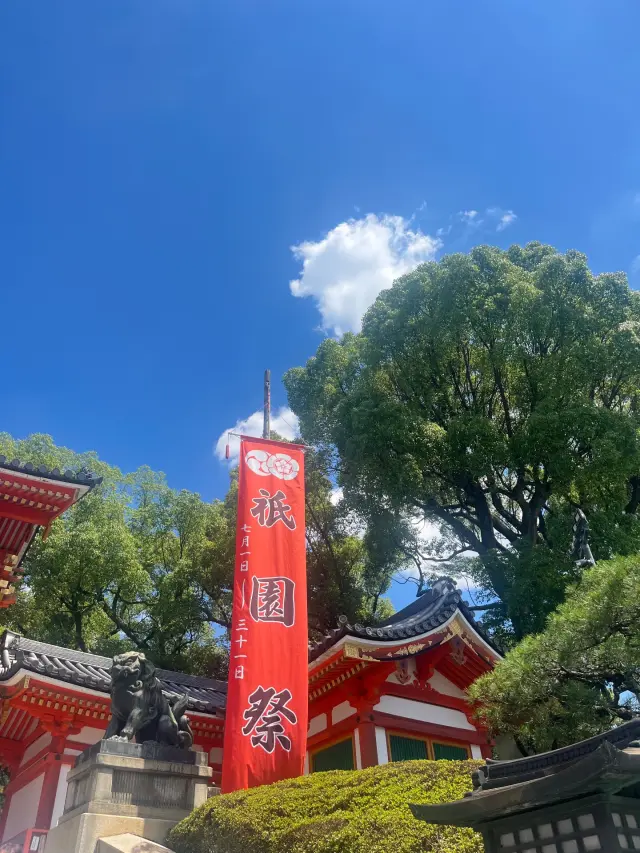
It is said that when a pandemic broke out in the capital in 869, people prayed to the Yasaka deities to exorcise and control the disease. Since then, it has been highly revered as a god for protection against bad luck. The Gion Festival, one of Japan’s three major festivals, is said to have started with this prayer to prevent epidemics.

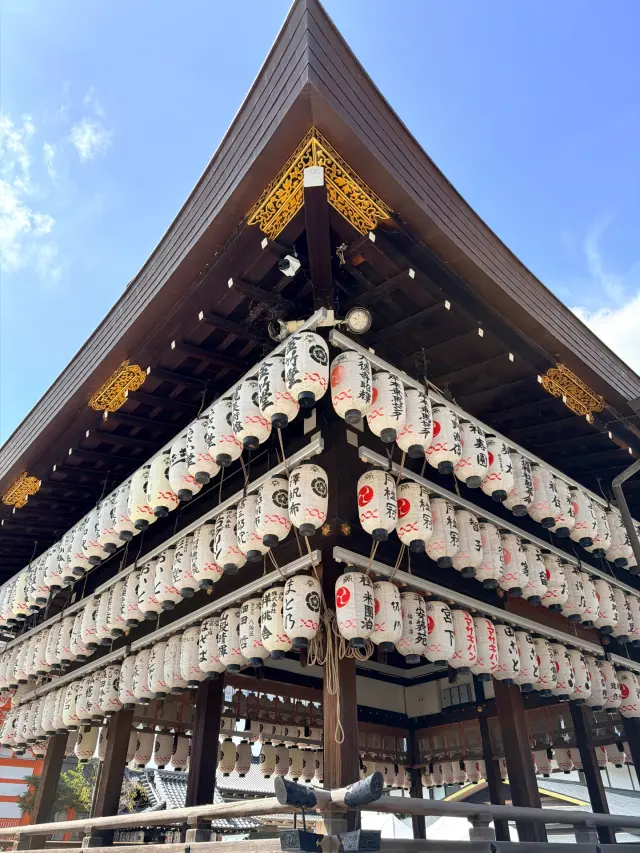
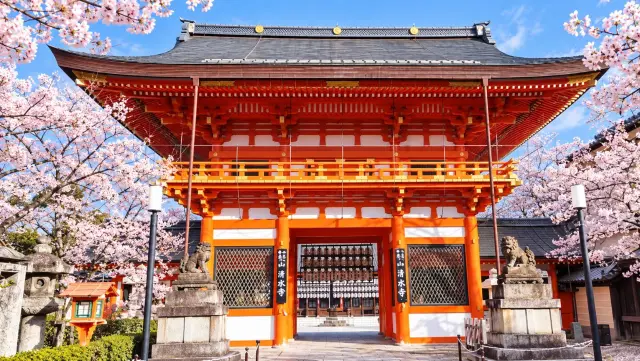
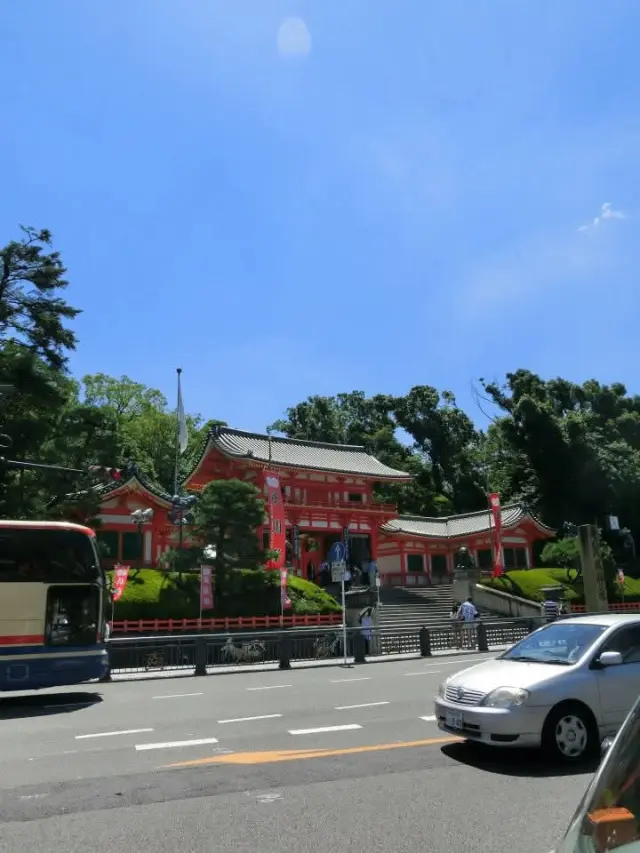
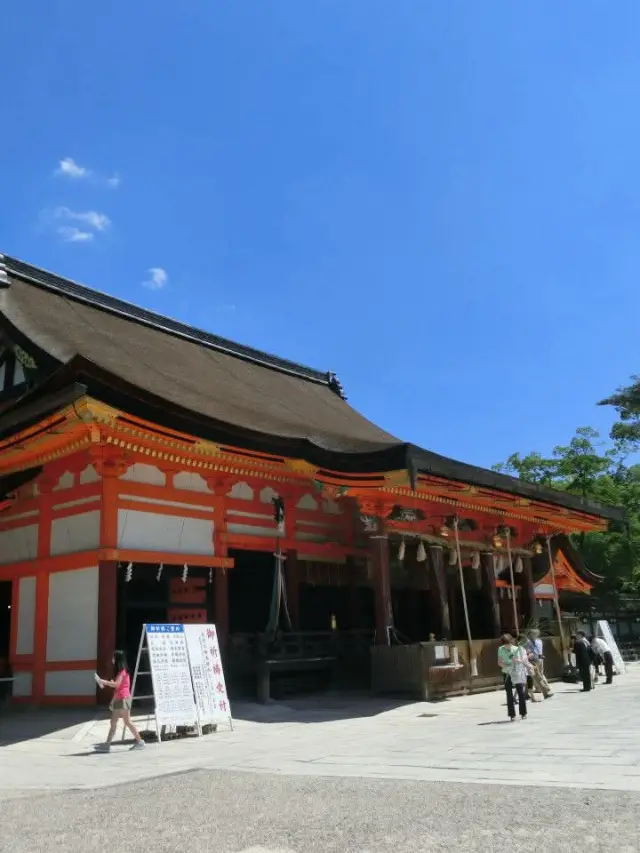
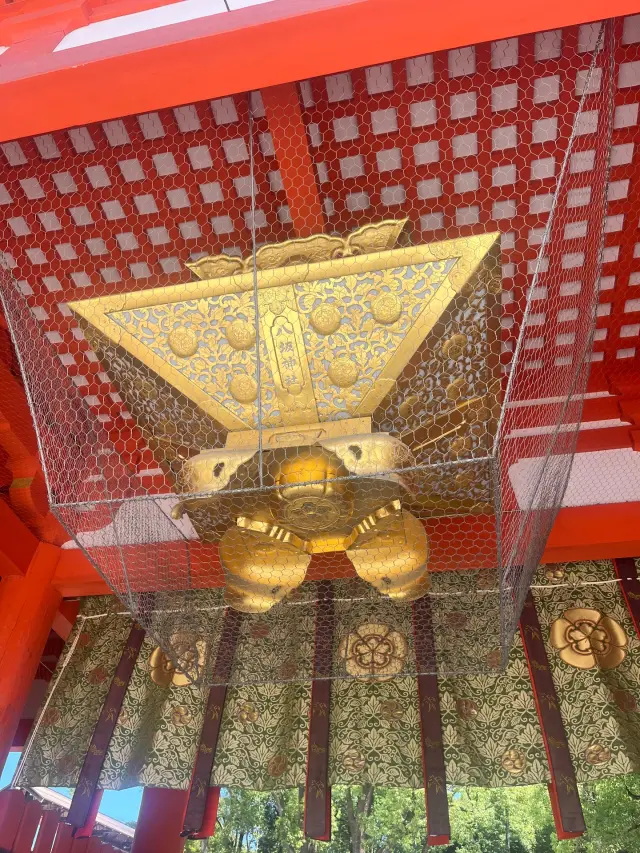
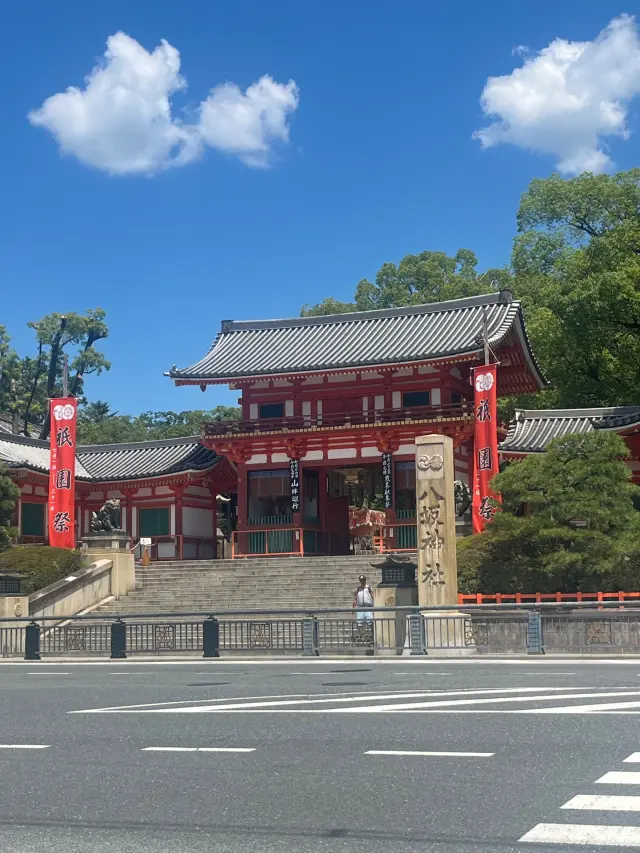
The Nishiromon Gate, standing at the east end of Shijo-dori, one of the most prominent streets in Kyoto City, is a symbol of the Higashiyama area and is designated as a national important cultural property. The beautiful vermilion-lacquered gate is eye-catching even from a distance and is a popular photo spot. The Honden (main shrine) where the deities are enshrined is also a national treasure. The current buildings were rebuilt by Tokugawa Ieyasu, the 4th shogun of the Edo period, and the unique architectural style, in which the main shrine and worship hall are covered by a roof, is called Gion-zukuri.

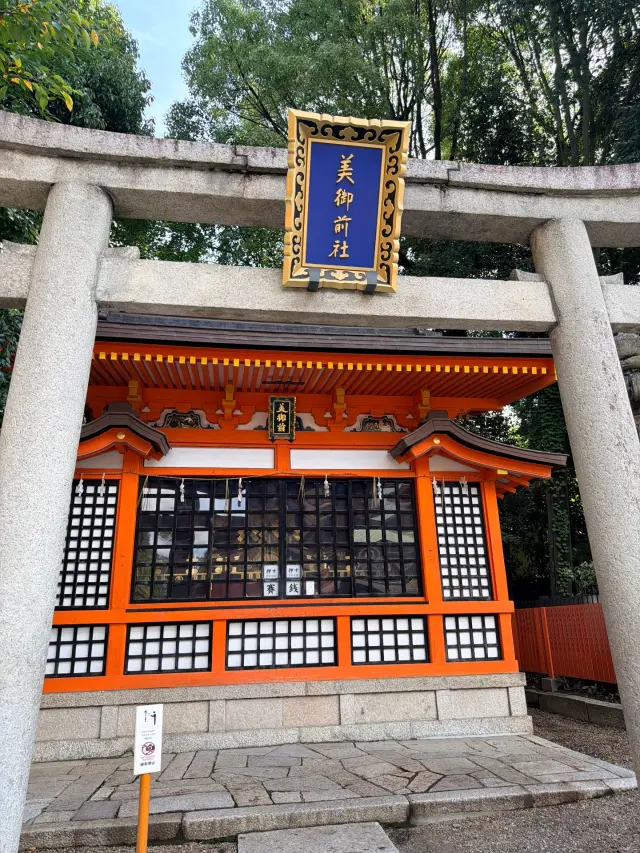
In addition, there are a number of shrines and attractions scattered throughout the large precincts. One of the most popular among women is Utsukushi-Gozensha. It enshrines Munakata Sanjoshin (Triple Goddess of Munakata), who are renowned for their beauty and are worshipped for their beauty benefits. In front of the shrine, there is a sacred spring water known as “beauty water”, which is said to purify your body and spirit by applying it to your skin.

Highlights

  • The beautiful vermilion-lacquered Nishiromon Gate symbolizes the Higashiyama area.
  • The Honden, a national treasure, has a unique architectural style called Gion-zukuri.
  • Utuskushi-Gozensha is revered by women for its beauty benefits.

Photos

  • National important cultural property, Nishiromon Gate

    National important cultural property, Nishiromon Gate

  • National Treasure, the Honden with Gion-Zukuri

    National Treasure, the Honden with Gion-Zukuri

  • Utsukushi-Gozensha enshrines the Triple Goddess of beauty.

    Utsukushi-Gozensha enshrines the Triple Goddess of beauty.

  • The sacred spring water known as beauty water is located in front of the Utsukushi-Gozensha.

    The sacred spring water known as beauty water is located in front of the Utsukushi-Gozensha.

  • The Okuninushi-sha is famous for its virtue of match-making.

    The Okuninushi-sha is famous for its virtue of match-making.

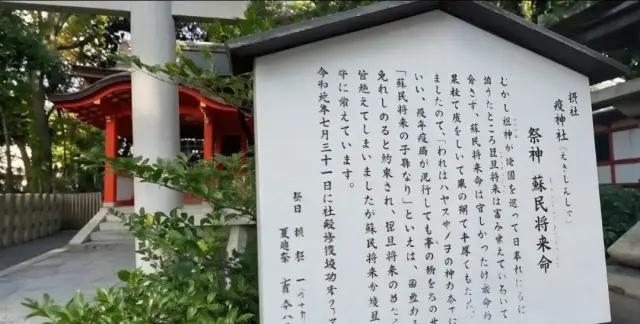
  • The Eki-Jinja enshrines Sominshorai-no-Mikoto, the god of protection against plagues.

    The Eki-Jinja enshrines Sominshorai-no-Mikoto, the god of protection against plagues.

Reviews

17

Some reviews are AI-translated.

  • See More

    When visiting Kyoto, Yasaka Shrine is always a classic spot well worth seeing. With a history of more than 1,300 years, it has stood here since before the capital was moved to Kyoto and is also the shrine where the Gion Festival originated. The ancient shrine buildings and strong Kyoto atmosphere make you feel the depth of its history as soon as you step inside.

    This time, I happened to visit during cherry blossom season. Pale pink blossoms were in full bloom around the shrine, and the combination of the red gate, traditional buildings, and cherry blossoms felt so distinctly Kyoto and was truly beautiful. In spring, Yasaka Shrine has an added sense of romance and gentleness. You can enjoy the scenery as you walk, and every photo turns out beautiful. No wonder it’s considered one of Kyoto’s must-visit cherry blossom spots.

  • See More

    Yasaka Shrine is located at the eastern end of Kyoto's bustling Shijo Street, just across the road, and is well worth including on a visit to Kyoto. The shrine has a long history dating back to around the 7th century and has long been revered by Kyoto residents and travelers. It is also one of the places where the famous Gion Matsuri originated. Passing through the vermilion gate, you can immediately feel the solemn atmosphere of a traditional shrine. Besides visiting the shrine, it's also nice to stroll around Gion and Hanamikoji and experience Kyoto's distinctive historical charm.

  • See More

    As a tourist, of course I had to check out Yasaka Shrine in Kyoto~

    Uh... but honestly, my impression of this place is: hot, very hot, extremely hot.

    And it seemed like there were many different areas inside where you could worship separately. It felt like there was no end to them.

    But what left the biggest impression on me was that I actually ran into two underclassmen from high school here!

    The two of them are now boyfriend and girlfriend.

    (Nice job, buddy. He pursued her for a long time, but have they broken up now? Sorry, I'm so nosy.)

    And my first thought when I saw her was! How was she wearing full makeup without it melting at all???

    (Sorry, but I can only wear sunscreen, otherwise it would be terrifying...

    I honestly thought it was seriously impressive 👍

    The main thing is, they had already gone all the way up to worship at Kiyomizu-dera and then walked down here...

    And me? I just kept wiping away sweat.

    (It was so hot it was seriously miserable.

    Then he even took a candid photo of me and sent it to my high school homeroom teacher. That was so mean...

    Even more annoying, my homeroom teacher later sent the photo back to me. I wonder if it's because I teased him first before. Is this the teacher's revenge?

  • See More

    When visiting Kyoto's Higashiyama area, Yasaka Shrine is almost impossible to miss. After passing through the bustling Gion district, the vivid vermilion gate immediately catches your eye. Even before entering the shrine, you can feel the strong Kyoto atmosphere.

    During this visit, besides experiencing the solemnity of the ancient shrine, I also enjoyed the natural mix of tourists and local residents. Whether you're praying, taking photos, or simply sitting down and taking in the rhythm of Kyoto, it all feels very relaxing. It's a place you shouldn't miss when visiting Kyoto.

  • See More

    Yasaka Shrine in Kyoto's Gion district is the head shrine. It's quite impressive and is also the site of Kyoto's Gion Festival. I've heard it's very lively, and I hope I'll have a chance to attend someday.

Learn More

Details

Name in Japanese
八坂神社
Postal Code
605-0073
Address
625 Gionmachikitagawa, Higashiyama-ku, Kyoto City, Kyoto
Telephone
075-561-6155
Holiday
Open every day
Hours
Open 24/7
Admission
Free
Directions
1) A 5-minute walk from Gion-Shijo Station on the Keihan Oto Line.
2) A 8-minute walk from Kyoto-Kawaramachi Station on the Hankyu Kyoto Line.
3) Take the Kyoto City Bus route 206 from JR Kyoto Station to Gion Bus Stop, and walk a short distance.
Credit Cards
Not accepted
Official Website
Official Website (English)
Hokkaido Tohoku Kanto Chubu Hokuriku Kansai Chugoku Shikoku Kyushu Okinawa