Gion Matsuri Festival

Verified [Verified] denotes information that has been published with confirmation of its owing parties.

Gion Matsuri Festival

One of Japan’s most celebrated festivals, held at Kyoto’s Yasaka Shrine and boasting a history of more than 1,150 years.

3.27 2

Last update :
Supervised by :  Yasaka Shrine

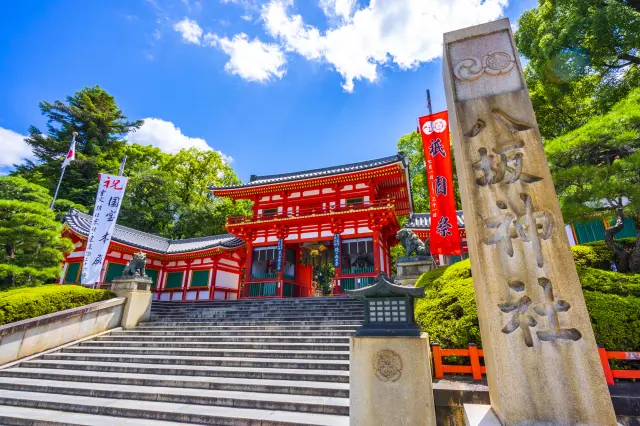
Known worldwide as one of Japan’s three major festivals, the Gion Matsuri attracts visitors from Japan and abroad. The festival began in 869 (Jogan 11), when people prayed to the deities of Yasaka Shrine for protection and purification during an epidemic that spread throughout Kyoto and other parts of Japan. Today, it continues as Yasaka Shrine’s annual festival, with a variety of rituals and events held throughout the month from July 1.

Beginning with Kippu-iri on July 1, the highlights of the Gion Matsuri are the processions of its 34 Yama and Hoko floats and Yasaka Shrine’s mikoshi portable shrines, held during the Saki Matsuri (Former Festival) on July 17 and the Ato Matsuri (Latter Festival) on July 24. Accompanied by the distinctive “kon-chiki-chin” rhythms of Gion-bayashi festival music, the floats parade through Kyoto, departing from Shijo-Karasuma during the Saki Matsuri and Karasuma-Oike during the Ato Matsuri. The procession is inscribed on UNESCO’s Representative List of the Intangible Cultural Heritage of Humanity as “Yamahoko, the float ceremony of the Kyoto Gion festival.” Often described as “mobile art museums,” the floats captivate spectators with their magnificent decorations. Reserved paid seating is available along Oike-dori Street for those who prefer to watch the procession at a relaxed pace.

Also worth experiencing is Yoiyama, held during the three days leading up to each of the Saki Matsuri and Ato Matsuri float processions. During Yoiyama, ornamental textiles used to decorate the floats, including precious Nishijin textiles and the front and side tapestries draped over their bases, are displayed at neighborhood meeting houses, allowing visitors to view them up close. Numerous food and merchandise stalls also line the streets during the Saki Matsuri, adding to the festive atmosphere. After sunset, the floats’ komagata lanterns are illuminated, creating an enchanting scene.

Highlights

  • One of Japan’s three major festivals, this annual celebration at Yasaka Shrine has a history spanning more than 1,150 years.
  • Do not miss the processions of Yama and Hoko floats, known as “mobile art museums,” on July 17 during the Saki Matsuri and July 24 during the Ato Matsuri.
  • The float processions are inscribed on UNESCO’s Representative List of the Intangible Cultural Heritage of Humanity as “Yamahoko, the float ceremony of the Kyoto Gion festival.”
  • Reserved paid seating is recommended for those who want to watch the float processions at a relaxed pace.
  • Yoiyama takes on an enchanting atmosphere when the komagata lanterns are illuminated.

Photos

  • The mikoshi portable shrine procession on July 17

    The mikoshi portable shrine procession on July 17

Reviews

2

Some reviews are AI-translated.

  • Linda Liao
    See More

    Kyoto's Gion Matsuri is one of the city's most iconic traditional festivals. It is held every year during the hot summer, mainly in July, and lasts about a month. The Gion Matsuri originated in 869, when an epidemic spread through Kyoto. People believed that disasters were connected to vengeful spirits, so the imperial court ordered a Goryoe ceremony to pray for the gods to drive away the epidemic and ward off misfortune. It gradually developed into the grand Gion Matsuri celebrated today.

    Many important rituals take place during the festival, the most famous being the Yamahoko procession. Huge, lavishly decorated floats slowly make their way through the streets of central Kyoto as large crowds gather along the route, creating a lively summer festival atmosphere. The festival also includes events such as the mikoshi procession and Yoiyama, offering a sense of Kyoto's deep history and culture of faith.

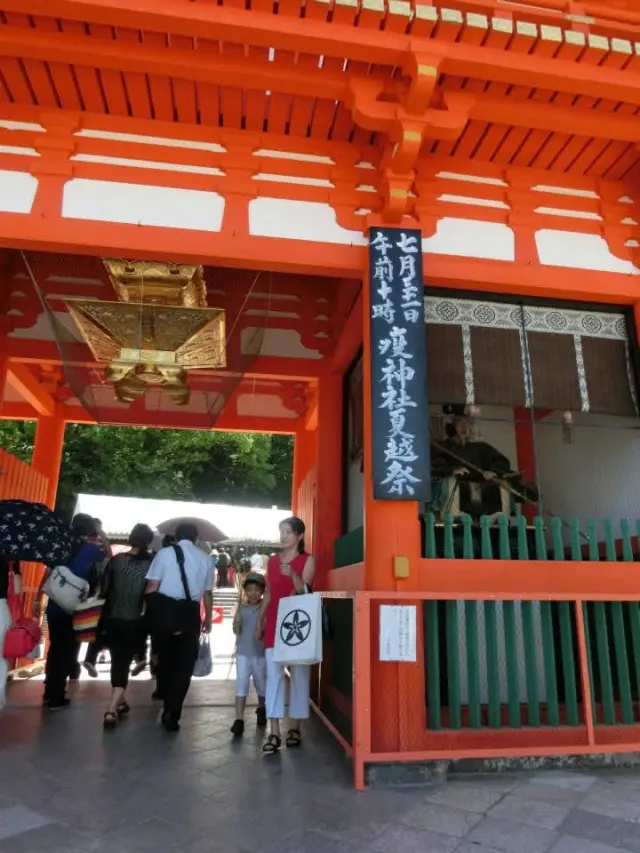
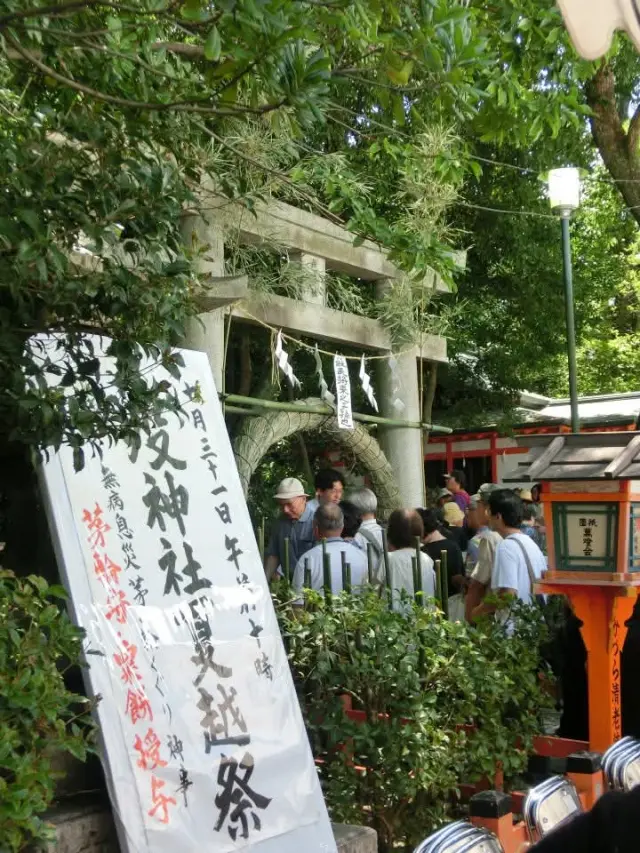
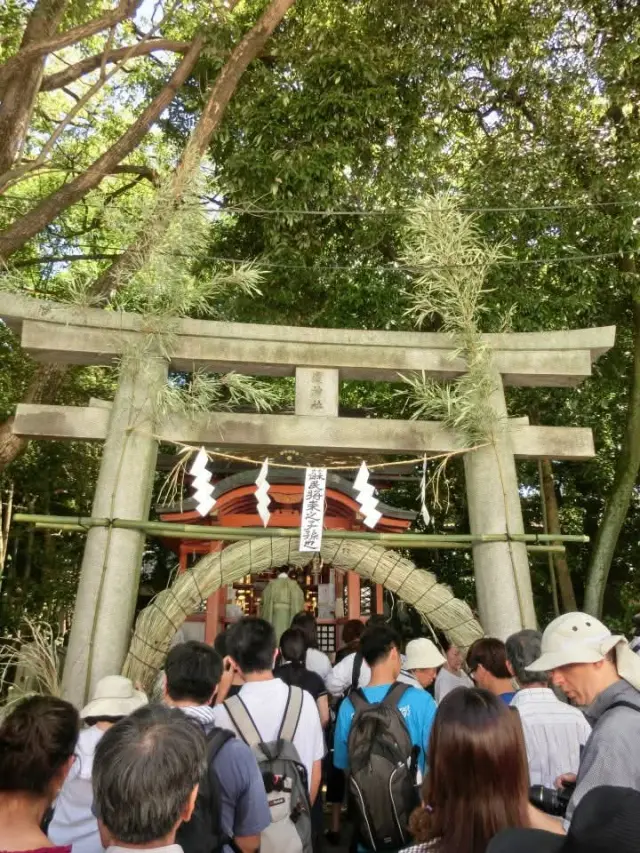
    The Nagoshi Festival is also held during the Gion Matsuri. This traditional ritual is meant to ward off misfortune and bring blessings. The shrine sets up a huge chinowa ring woven from miscanthus reeds, and worshippers pass through the ring in a specific sequence. This symbolizes cleansing away the misfortunes accumulated over the first half of the year and praying for safety and good health during the second half. Small chinowa rings are sometimes made for worshippers to take home and hang up or keep as symbols of blessings and protection from misfortune. These festival activities, which combine history, faith, and folk customs, are very interesting and offer a deeper understanding of Kyoto's unique traditional culture.

  • 津津
    See More

    This is one of Japan's three major festivals and something the people of Kyoto are really proud of.

Details

Name in Japanese
祇園祭
Dates
July 1–31
Access
To Yasaka Shrine:
1) 5-minute walk from Gion-shijo Station on the Keihan Oto Line
2) 8-minute walk from Kyoto-kawaramachi Station on the Hankyu Kyoto Line
3) From JR Kyoto Station, take Kyoto City Bus Route 206 to the Gion bus stop; the shrine is a short walk away
Official website
Yasaka Shrine
Hokkaido Tohoku Kanto Chubu Hokuriku Kansai Chugoku Shikoku Kyushu Okinawa