
Kyoto Summer Travel Guide: Discover Refreshing Waterside Scenery
Kyoto Prefecture offers diverse waterside scenery, from coastal villages and riverside towns to mountain valleys with clear streams. Beyond Kyoto City, one of the world's leading tourist destinations, a trip to the Sea of Japan or the region's gorges reveals many more attractions.
Each area has its own scenery, including historic temples and shrines, gardens, seaside towns, and mountain landscapes. Make the most of a summer trip with views of the sea and rivers, refreshing nature, and local cuisine.
How to Stay Cool in Kyoto This Summer by Exploring Waterfronts and Shaded Areas
When visiting Kyoto in summer, avoid the hours of strongest sunlight and include coastal areas, riversides, and nature parks in your itinerary. Walk through temples, shrines, and historic streets in the morning. As temperatures rise during the day, visit riverside and mountain areas or indoor attractions to take a break in cool, refreshing surroundings.
Along the coast, admire calm bays and inlets, while in the mountains you can listen to mountain streams and feel the cool air inside caves. Head outdoors again in the evening and stroll through town in the river or sea breeze to discover a different side of Kyoto at each time of day.
11 Popular Kyoto Attractions Featuring Sea, River, and Forest Scenery
Summer highlights in Kyoto include Tango's blue waters along the Sea of Japan, as well as mountain streams and caves. Along with waterside scenery, include temples, shrines, and gardens surrounded by greenery.
Use the hottest hours for travel or indoor sightseeing, then explore coastal areas and walking trails in the cooler mornings and evenings. Here are 11 places offering refreshing scenery unique to summer.
1. Ine Funaya (Ine Town)
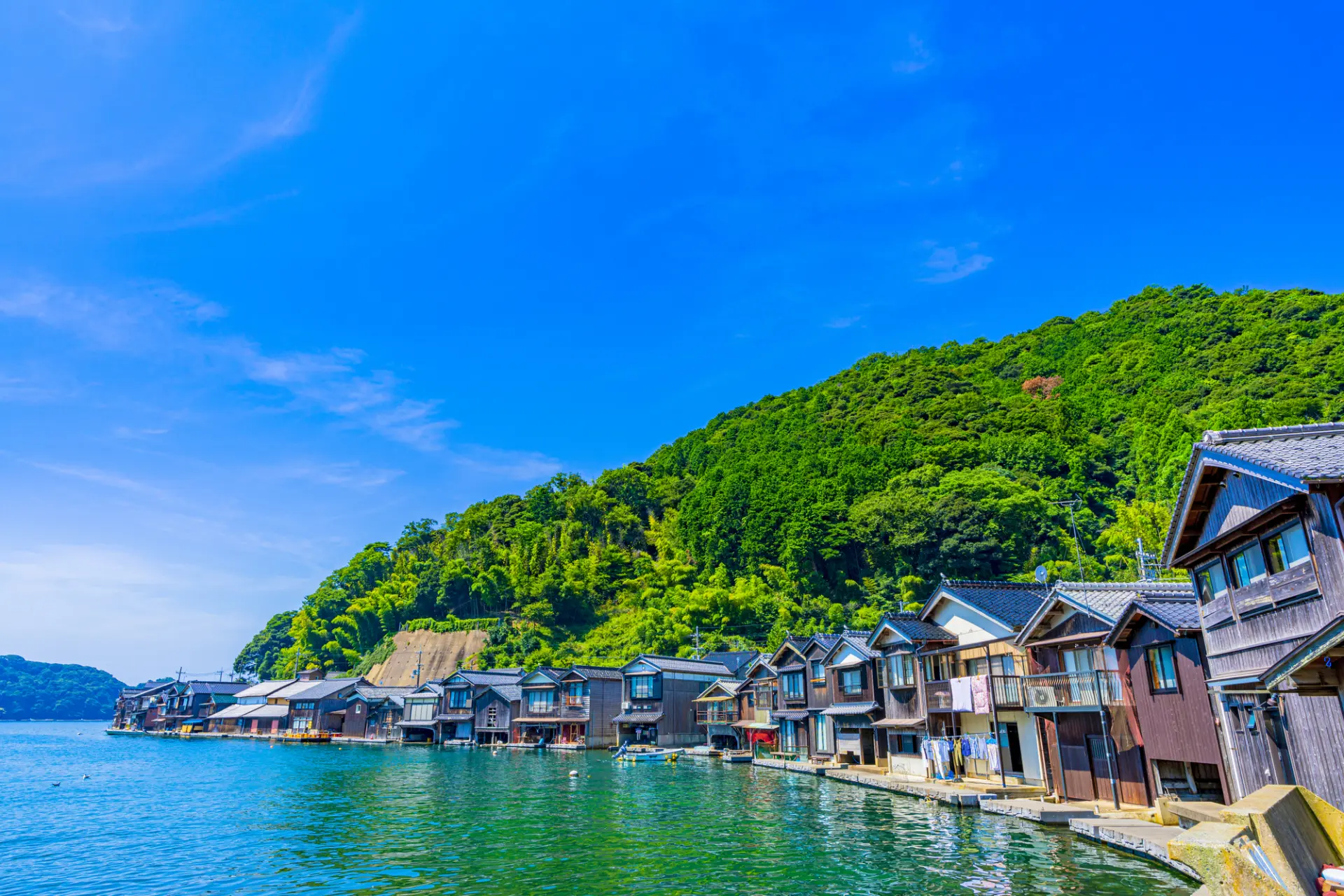
About 230 funaya, traditional boathouses with boat storage on the first floor, line the shore of Ine Bay, creating a rare sight even within Japan. Because the funaya remain closely connected to residents' daily lives, avoid entering private property and be considerate while walking through the community.
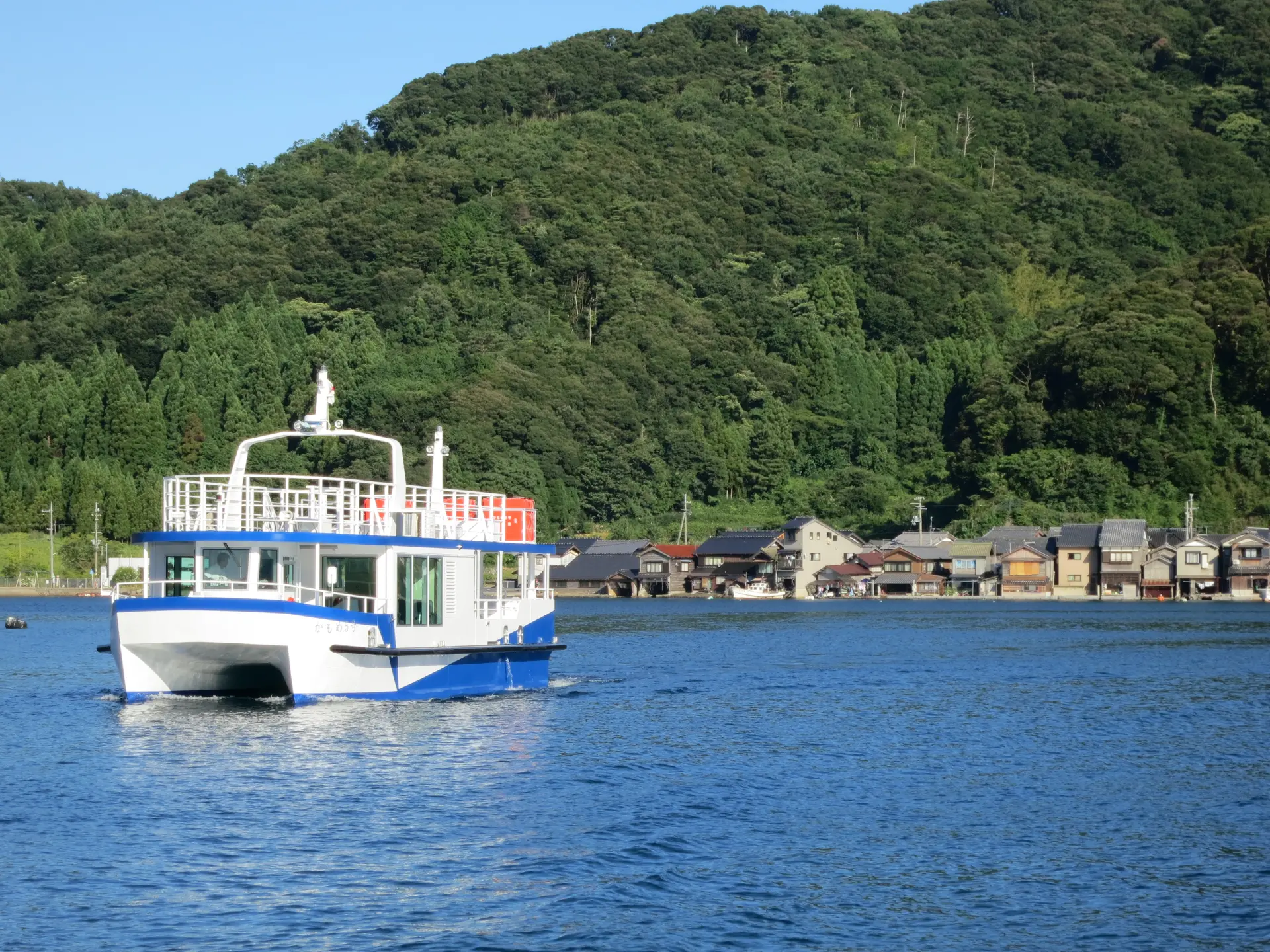
Water taxis and sightseeing boats offer distinctive views of the funaya from the sea. In summer, spend time in this waterfront town while admiring the calm sea and rows of boathouses.
2. Amanohashidate Kasamatsu Park (Miyazu City)
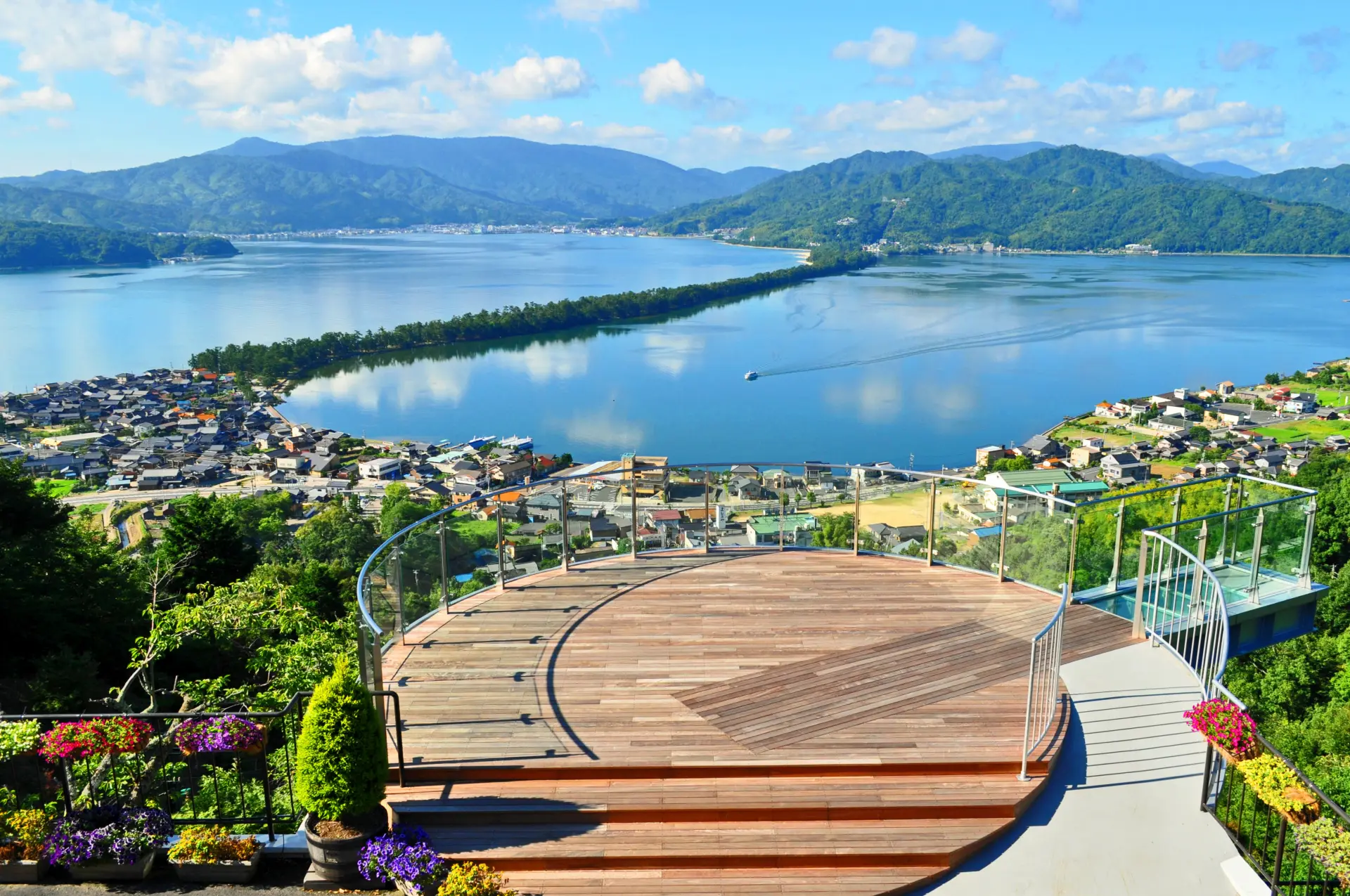
Amanohashidate Kasamatsu Park in Miyazu City, Kyoto Prefecture, is a scenic viewpoint overlooking Amanohashidate, one of Japan's Three Scenic Views. Located 130 m above sea level on the slopes of Mount Nariai, it is accessible from the foot of the mountain by cable car or chairlift.
The view, in which Amanohashidate resembles a dragon, is known as Shoryukan, or the “ascending dragon view.” The park is also famous as the birthplace of matanozoki, the custom of viewing the landscape upside down from between one's legs. Take in the panorama of the sea and pine-covered sandbar from this elevated vantage point.
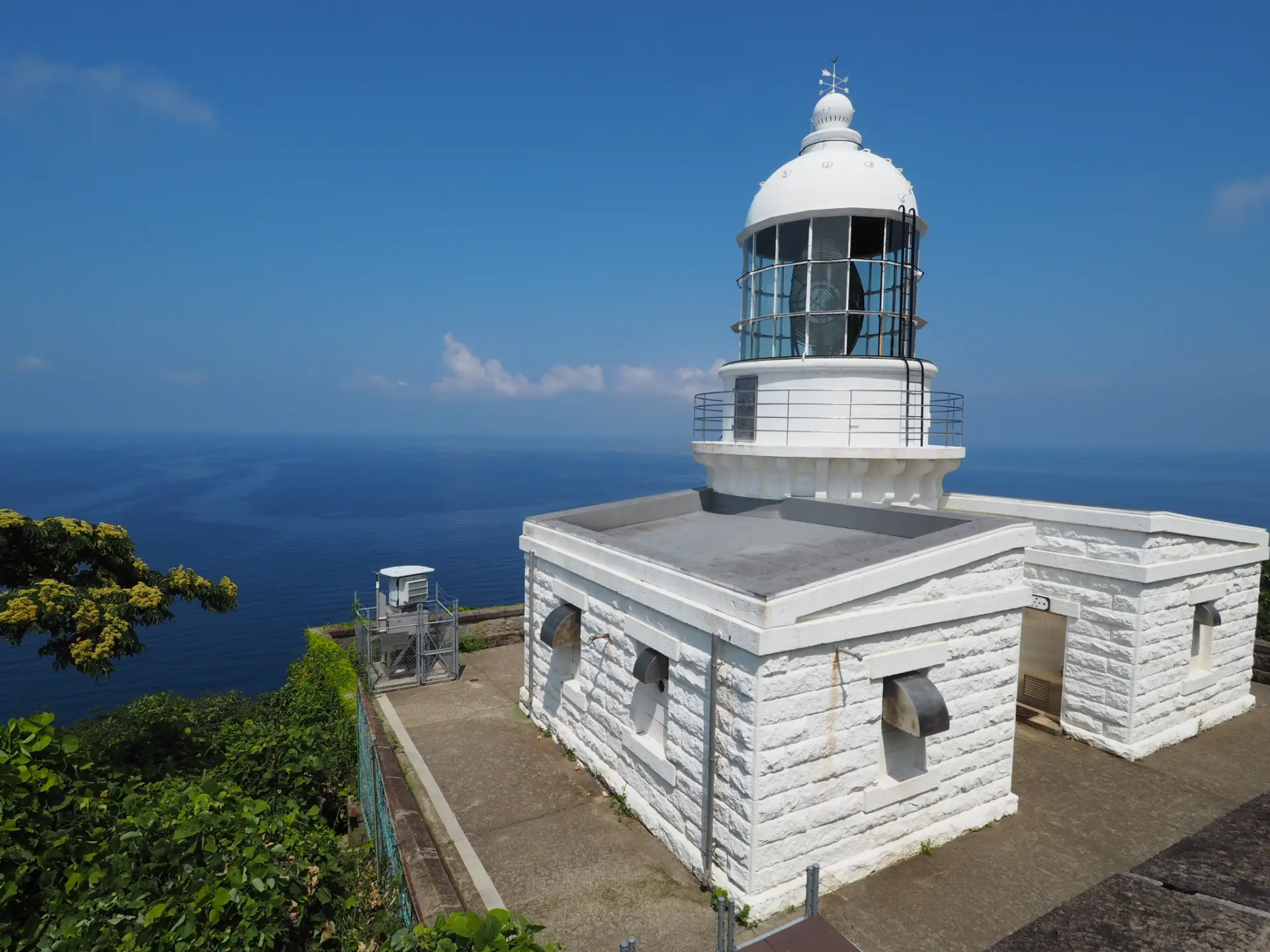
3. Cape Kyogamisaki and Kyogamisaki Lighthouse (Kyotango City)
Cape Kyogamisaki lies on the Tango Peninsula at the northernmost point of both Kyoto Prefecture and the Kinki region. Its cliffs, with well-developed columnar joints, are among the sites that make up the San'in Kaigan UNESCO Global Geopark.
Standing 148 m above sea level, Kyogamisaki Lighthouse was first lit in 1898 and uses a first-order Fresnel lens, one of only five in Japan. The vivid contrast between the blue Sea of Japan and the white lighthouse creates a distinctly summery seascape.
4. Yura River Bridge (Miyazu City)
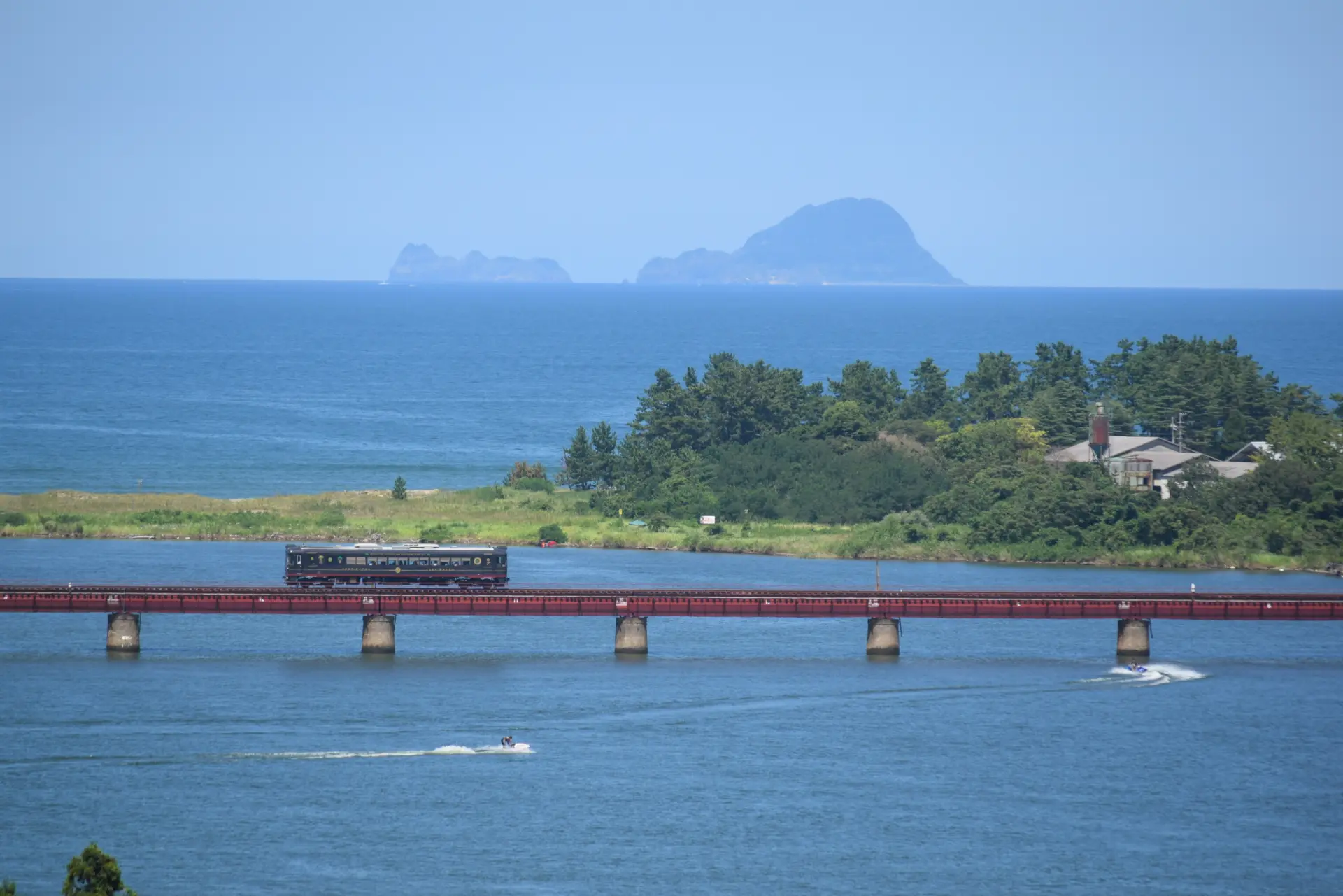
This railway bridge carries the Kyoto Tango Railway Miyatoyo Line across the Yura River. Spanning the river between Tango-Kanzaki and Tango-Yura stations, the 552 m bridge is the longest railway bridge in Kyoto Prefecture.
Because the bridge girders sit close to the water, riding the train feels almost like gliding across the surface. On a clear summer day, the red bridge stands out against the blue sky and sea.
5. Arashiyama-Takao Parkway (Kyoto City)
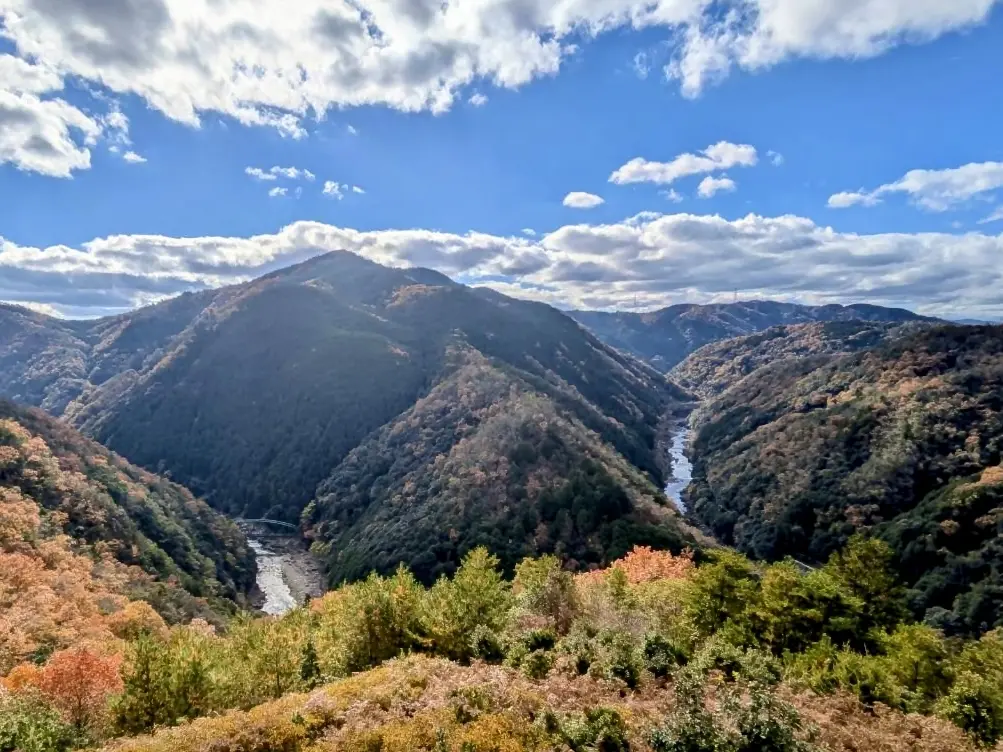
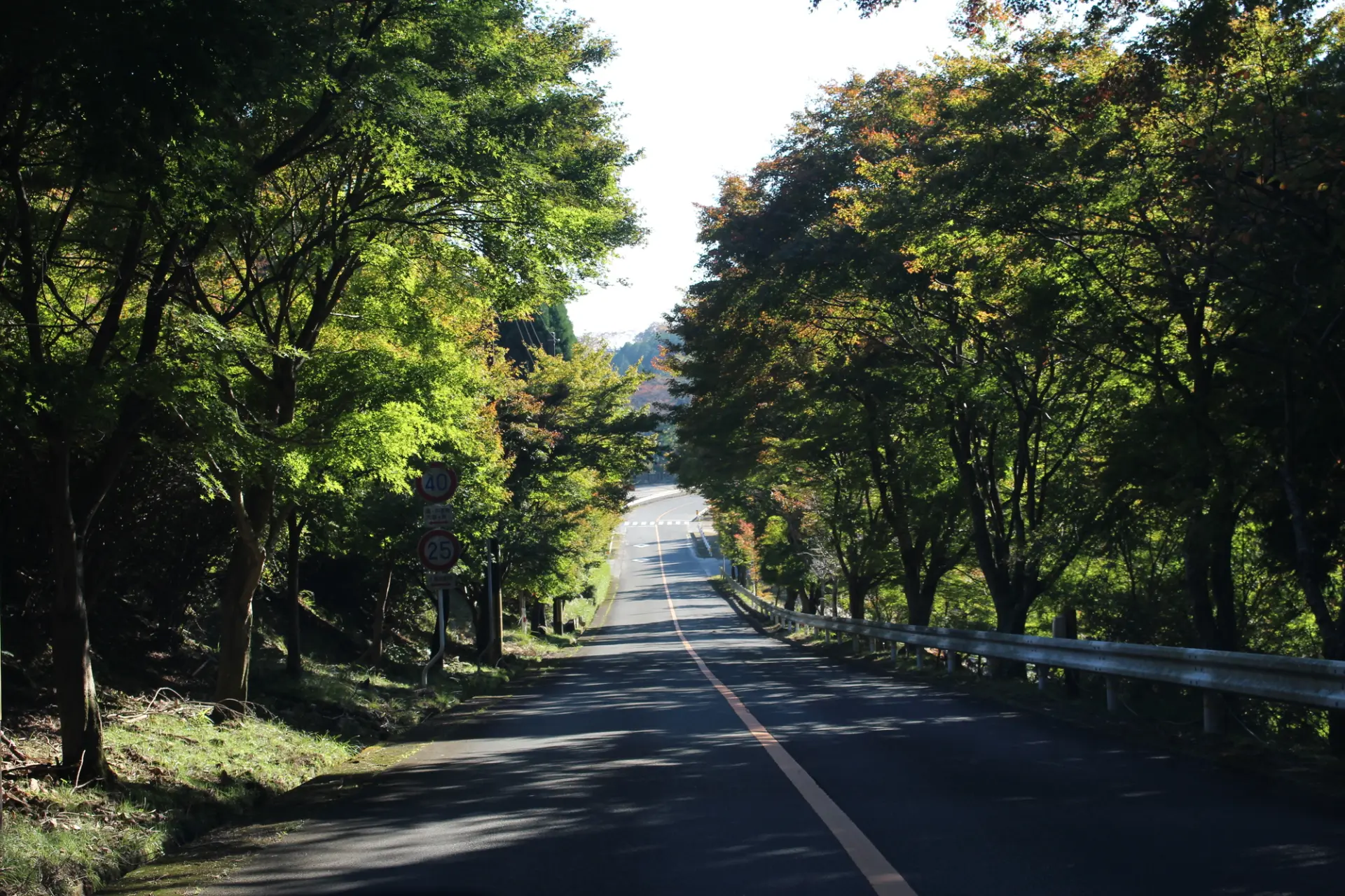
This 10.7 km scenic road winds through the mountains of western Kyoto from Arashiyama to Takao. Drive along mountain roads surrounded by deep greenery and take in refreshing summer views over the Hozu Gorge.
Several observation decks are located along the route. The Hozukyo Observation Deck overlooks boats navigating the Hozu River, while visitors can ring the Bell of Happiness at the Shobugaoka Observation Deck. Both make good places to stop for a break. Enjoy expansive views from observation decks surrounded by greenery.
6. Kifune-jinja Shrine (Kyoto City)
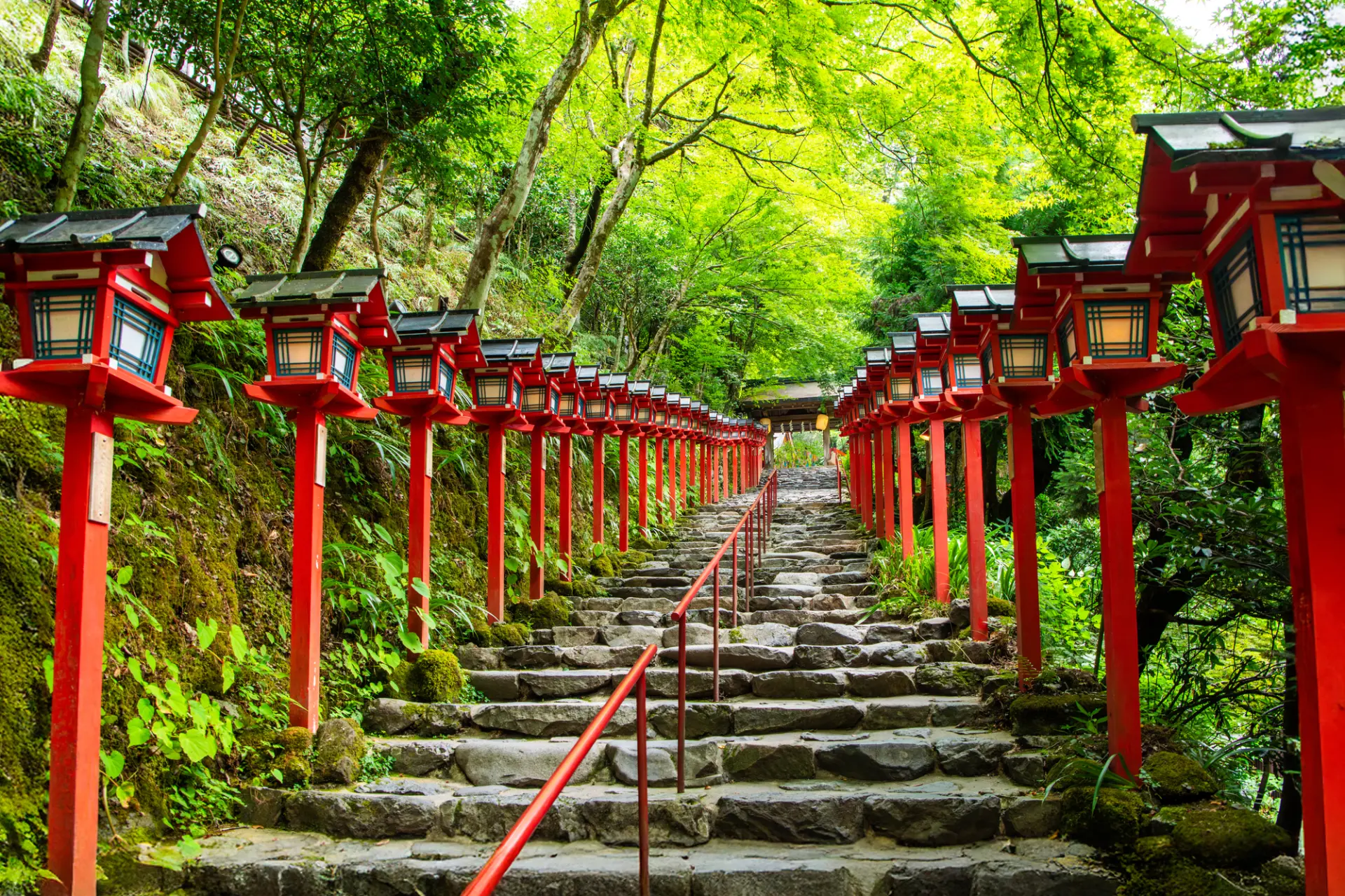
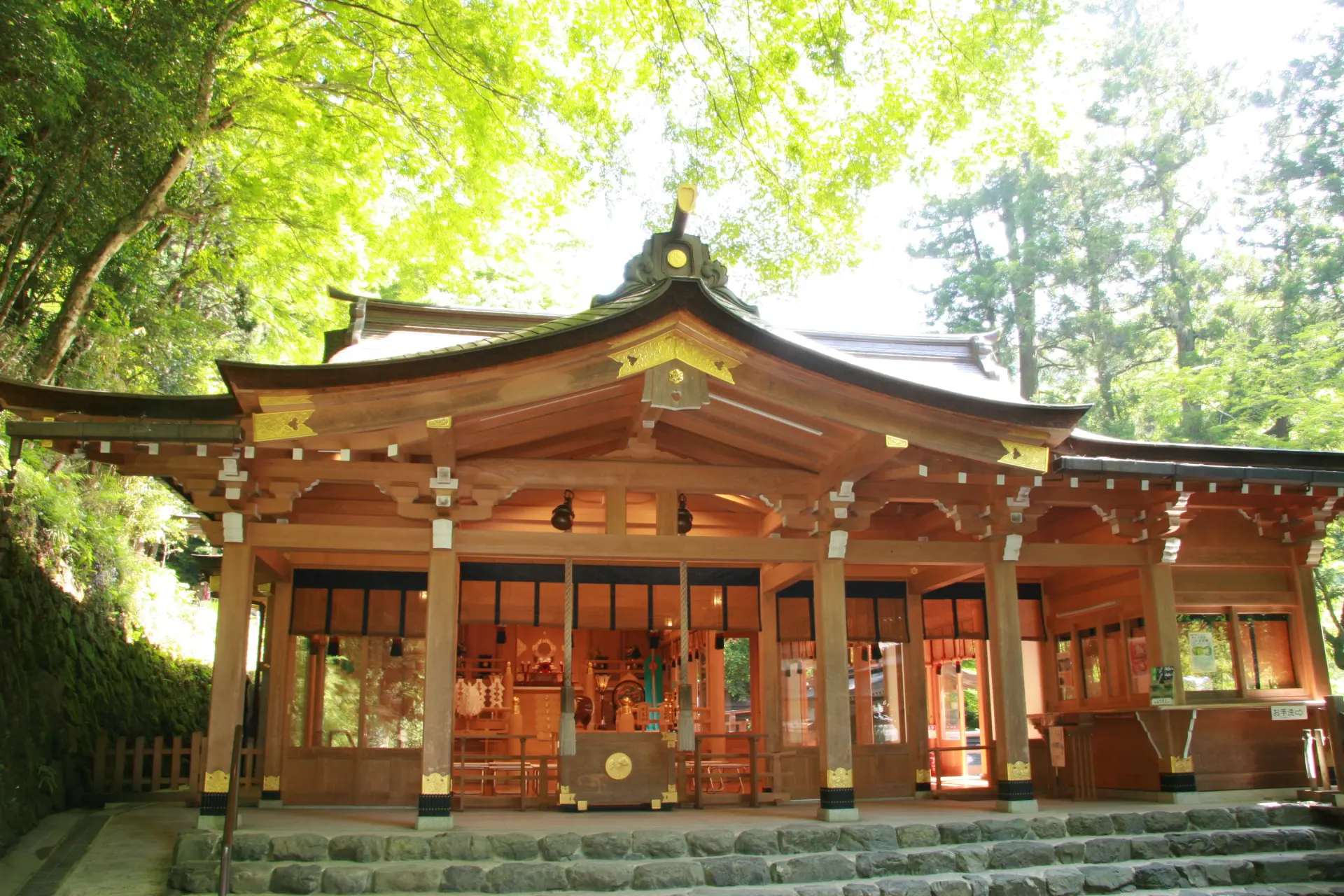
Located along the Kifune River, this shrine is the head shrine dedicated to the deity of water and enshrines Takaokami-no-Kami, who governs water. Its three sanctuaries—the Main Shrine, Inner Shrine, and Yui-no-Yashiro—are scattered amid deep greenery and can be visited while walking along the riverside road.
The famous mizuura mikuji is a fortune slip whose writing appears when placed in sacred water, fitting for a shrine dedicated to a water deity. Surrounded by the sound of water and the shade of trees, the grounds offer a close connection to the worship of water.
7. Otowasan Kiyomizu-dera Temple (Kyoto City)
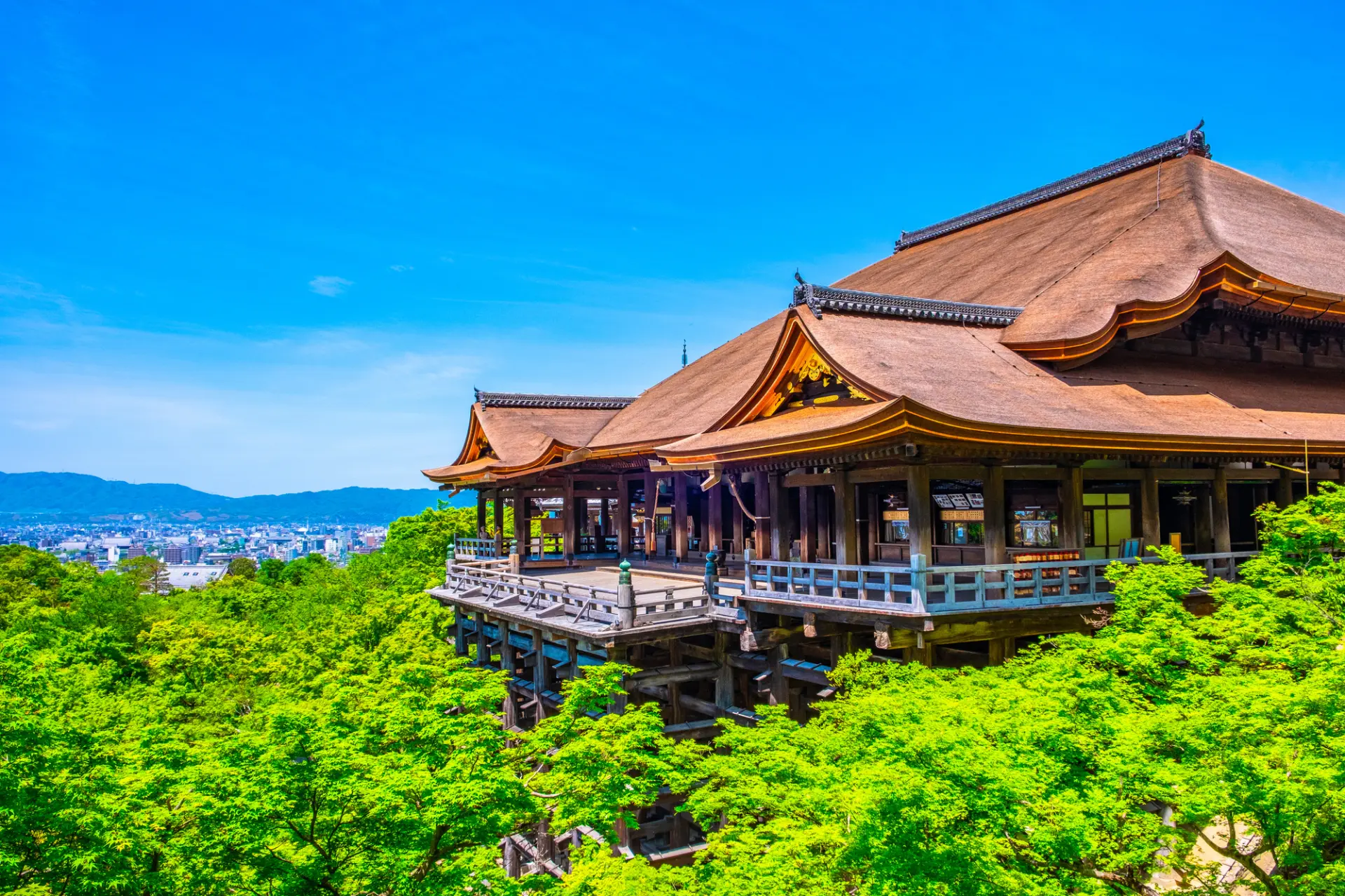
Founded in 778 and registered as a UNESCO World Heritage Site in 1994, this is one of Kyoto's best-known temples. More than 30 temple buildings and monuments, including National Treasures and Important Cultural Properties, are scattered across the grounds on the slopes of Mount Otowa.
The Main Hall, associated with the Japanese expression “to jump from the stage of Kiyomizu,” meaning to make a bold decision, is a major highlight. Its stage offers panoramic views of Kyoto, with lush mountain scenery creating a distinctively summery setting.
8. Katsura Imperial Villa (Kyoto City)
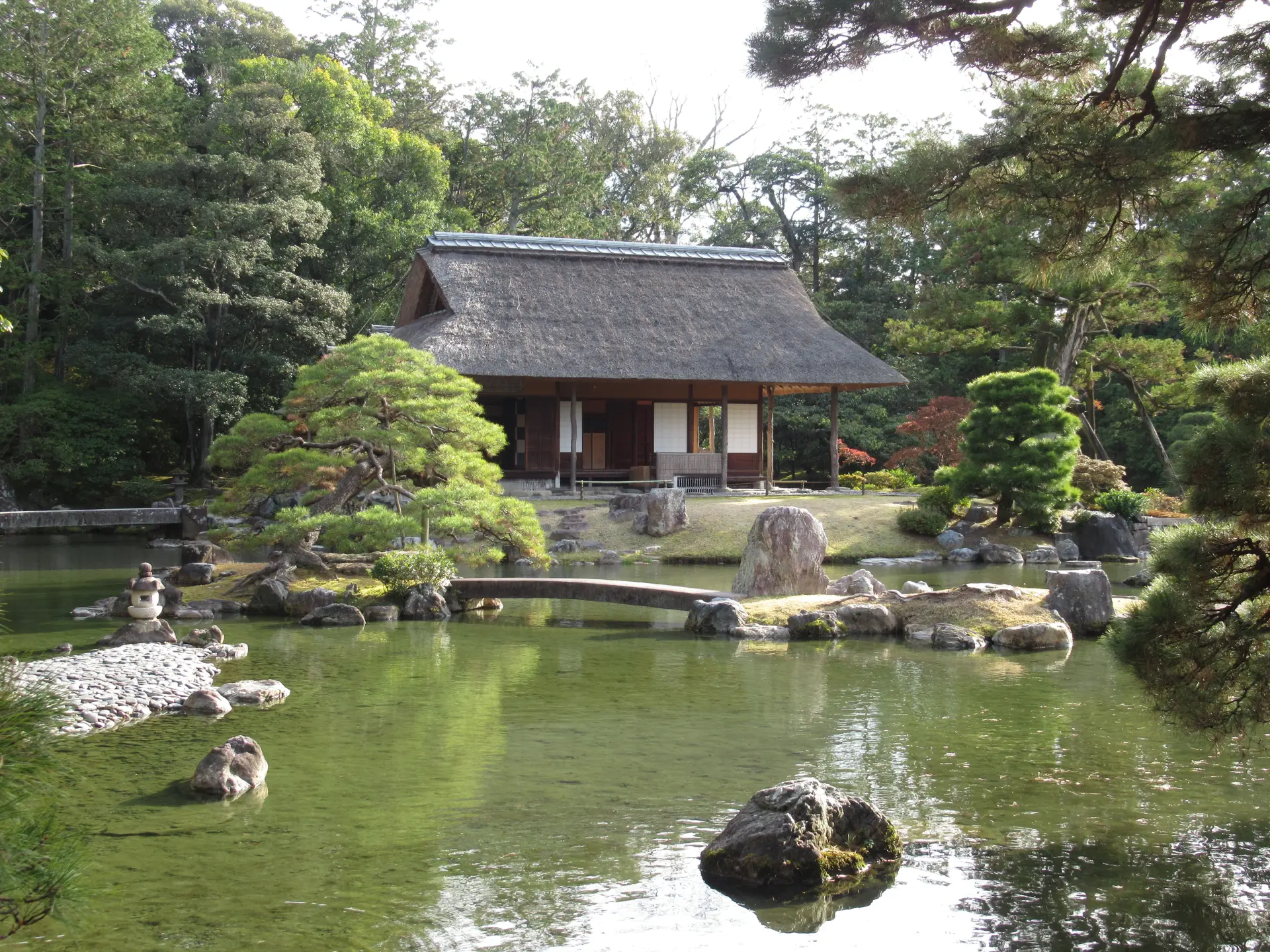
Built in the early Edo period as a villa for the Hachijo imperial family, it features an impressive harmony of architecture and gardens. It is also the oldest surviving example of a stroll garden, with artificial hills, ponds, and teahouses arranged across its extensive grounds.
As you walk around the ponds, sandbars, and teahouses, a succession of scenes appears like framed paintings. The pond's surface and vivid garden greenery add a refreshing atmosphere.
9. Kyoto Prefectural Rurikei Natural Park (Nantan City)
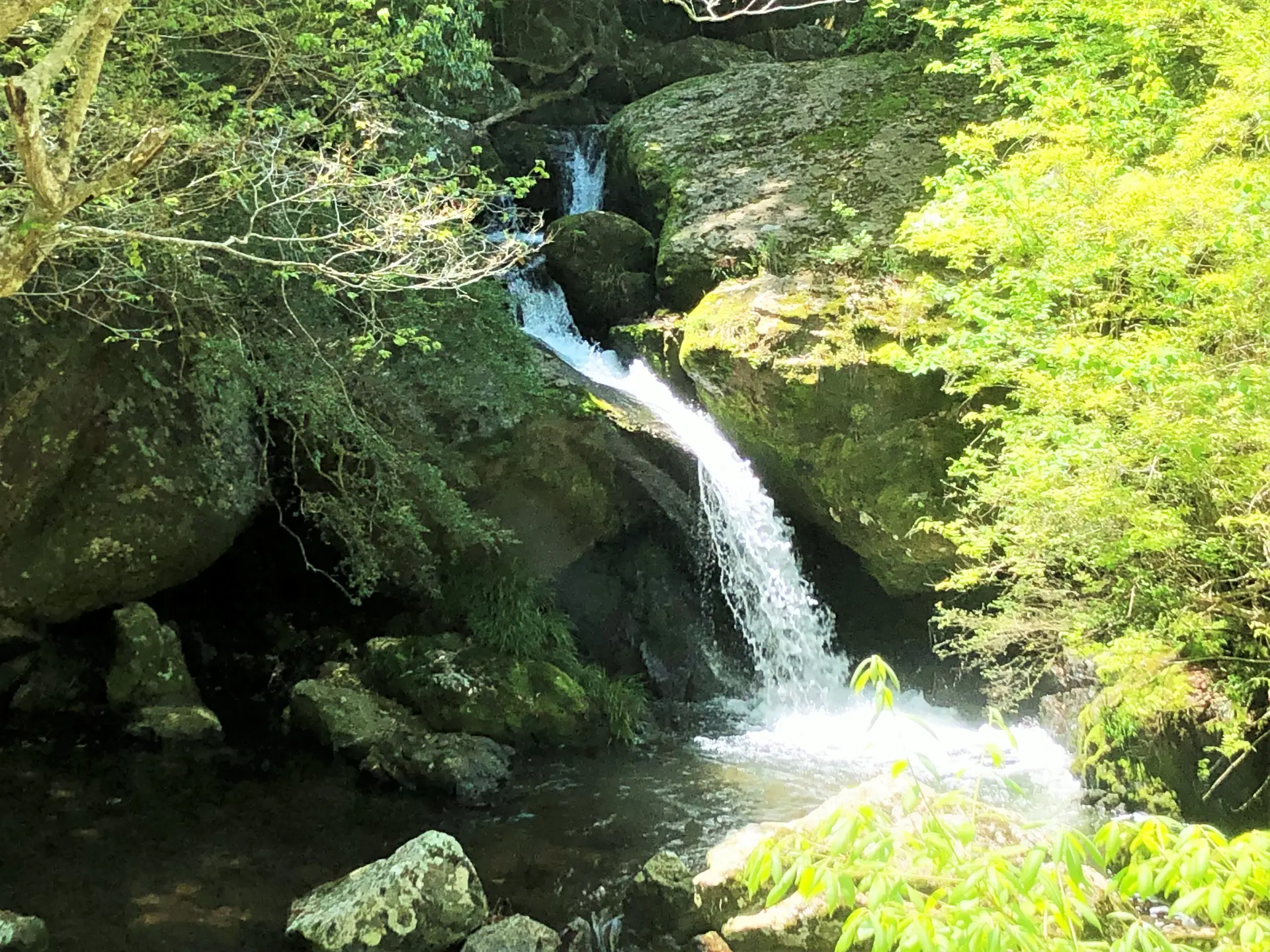
This natural park features a gorge approximately 4 km long, formed by a clear stream on a plateau 500 m above sea level. In summer, it is known as one of the prefecture's leading retreats from the heat, where visitors can walk while listening to the murmur of the river and the sound of waterfalls.
With the occasional calls of wild birds and the melodious song of kajika frogs, it offers a memorable escape from everyday life.
10. Shizushi Limestone Cave Park (Kyotamba Town)
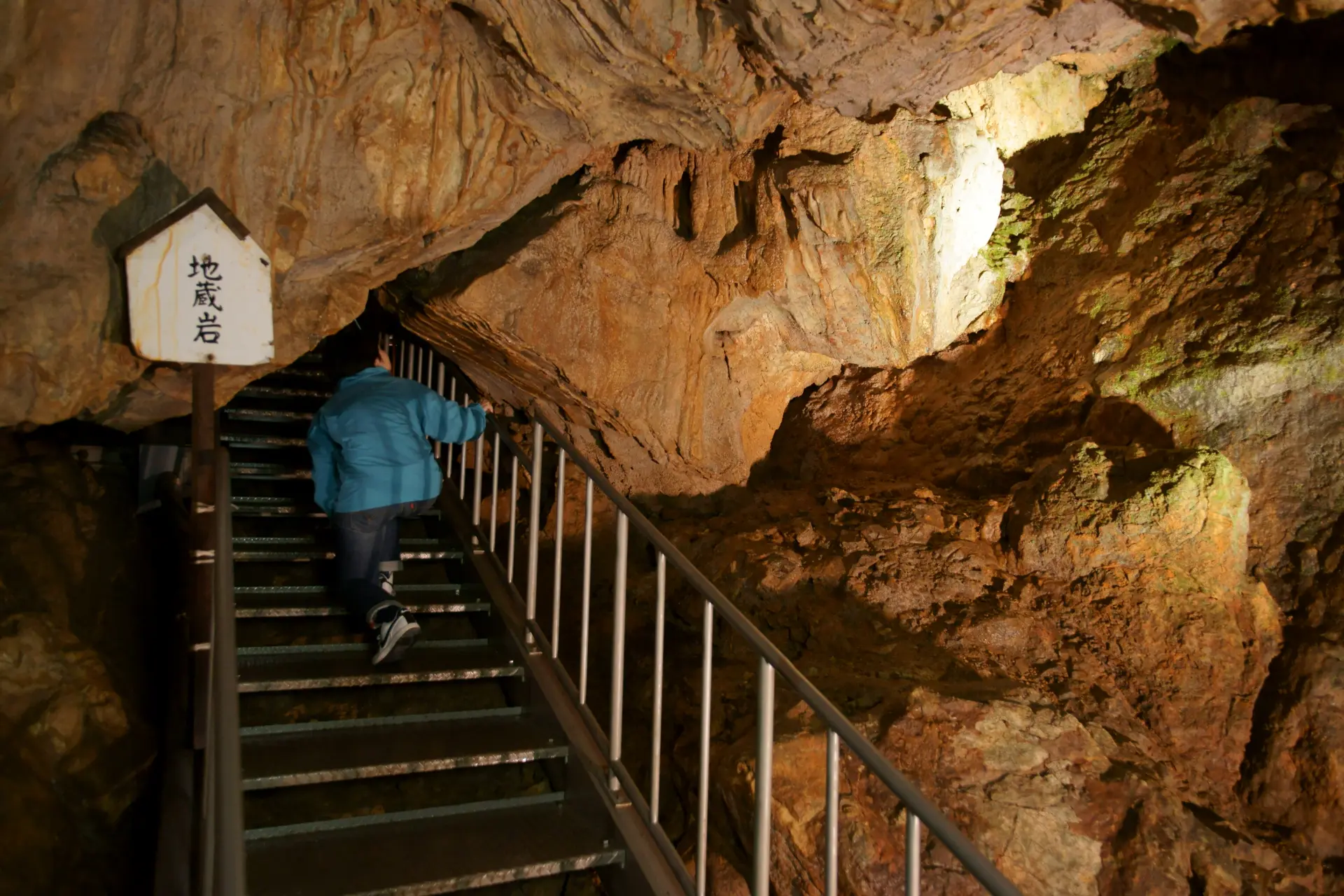
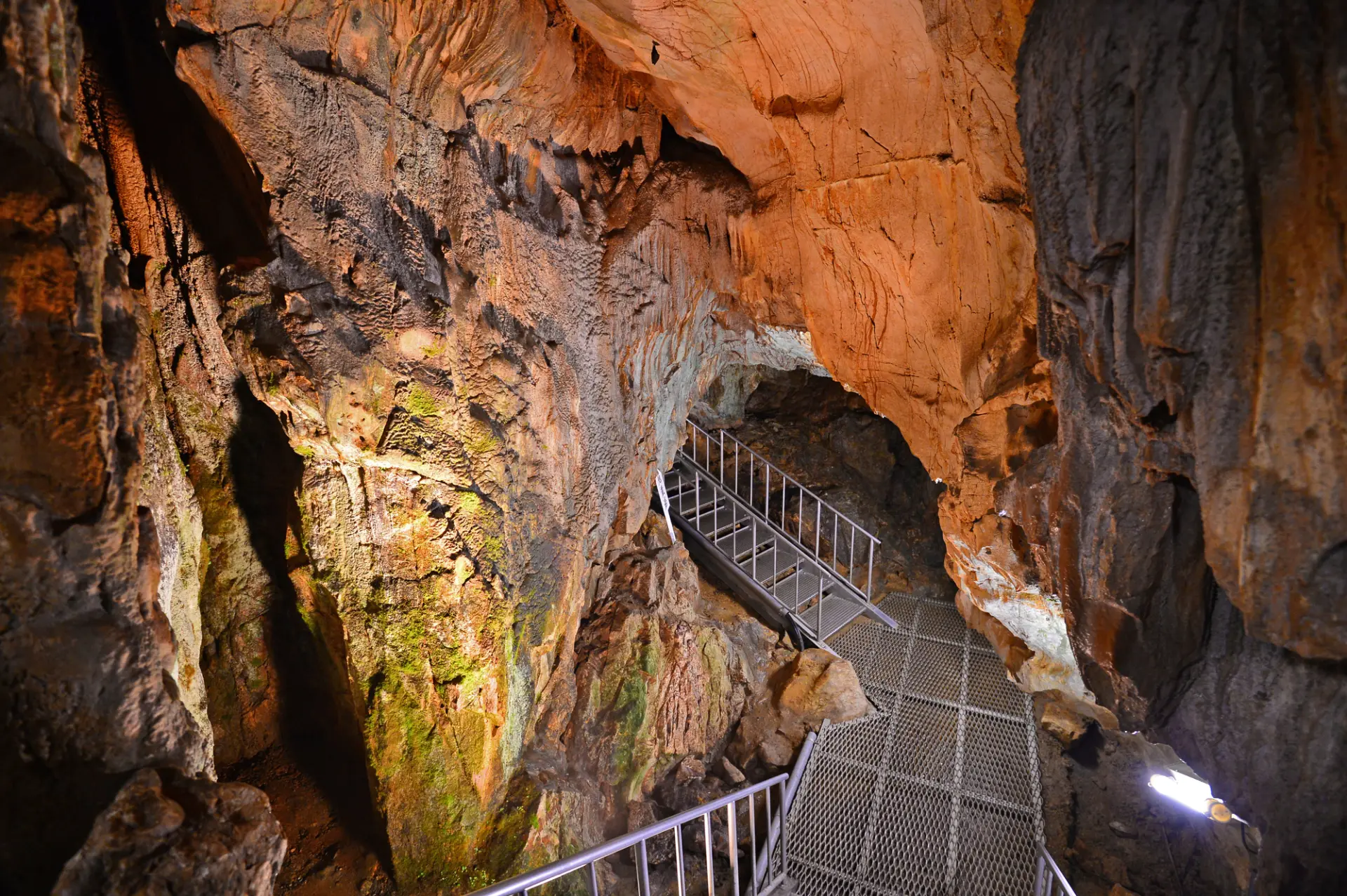
This park is home to the only limestone cave in Kyoto Prefecture, designated a prefectural Natural Monument. Visitors descend stairs through a vertical shaft with an elevation difference of 25.1 m before proceeding through the winding cave on an exciting exploration.
The cave remains a cool 12°C to 15°C year-round, drawing many visitors as a natural escape from the heat, especially in midsummer. Bring a light outer layer to prepare for the temperature difference from above ground.
11. Kotodaki Falls (Kyotamba Town)
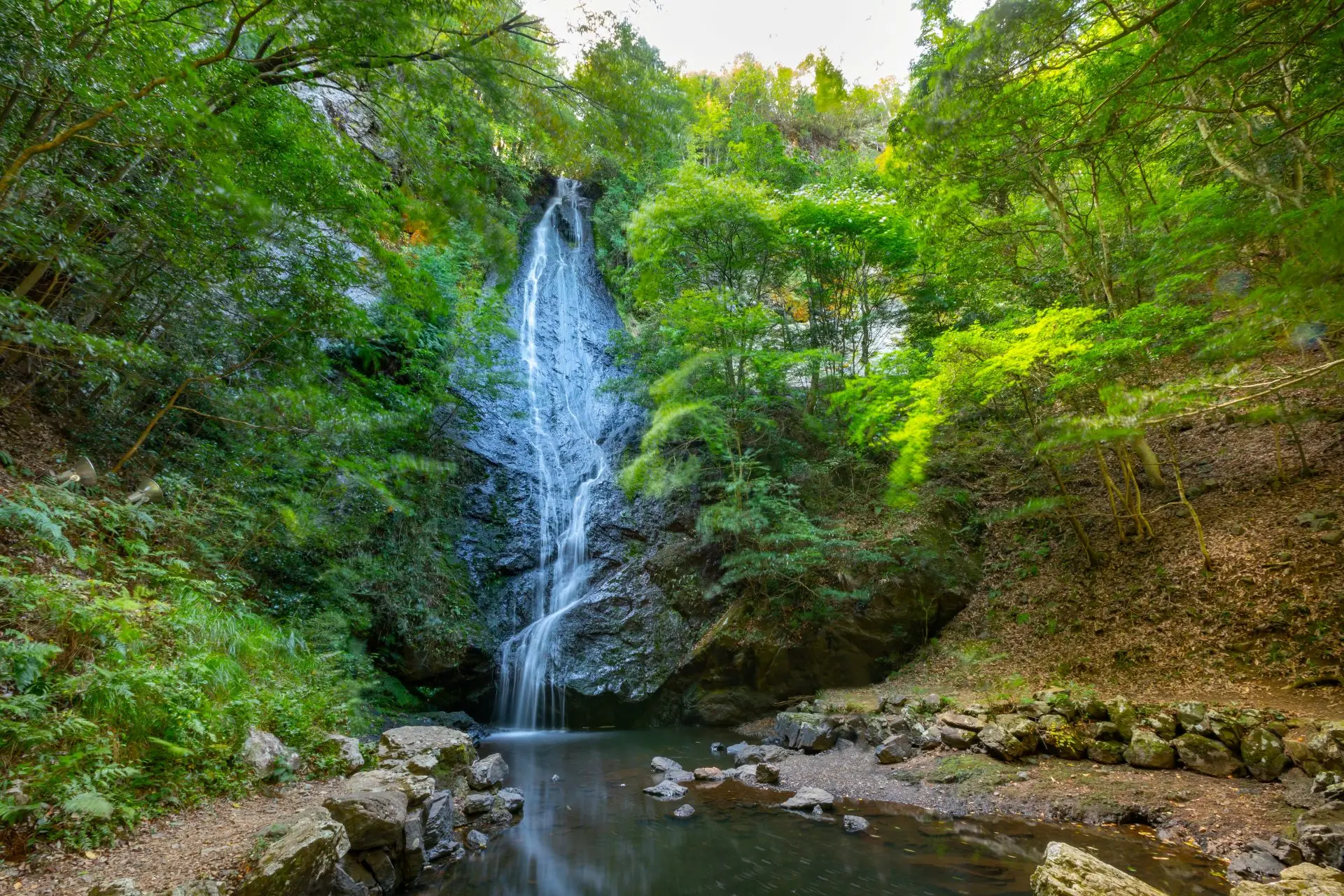
Located deep in the forests of Kyotamba, this waterfall was selected as one of Kyoto's 200 Natural Sites. Water drops 43 m over the face of a single massive rock, making it one of the tallest waterfalls in the prefecture.
Its name is said to come from the slender streams of water, which resemble the strings of a koto. A maintained walking trail leads from the parking lot to the falls, allowing visitors to walk amid deep greenery and the sound of water in summer.
Summer Activities in Kyoto's Waterside Nature
Kyoto's waterfronts offer different experiences in each location, from viewing villages from the sea and driving through mountains along rivers to walking through landscapes shaped by streams and groundwater.
Check the strength of the sunlight and weather conditions, take breaks, and stay hydrated so you can experience summer nature without overexerting yourself.
Kayaking and SUP with Views of Coastal Villages
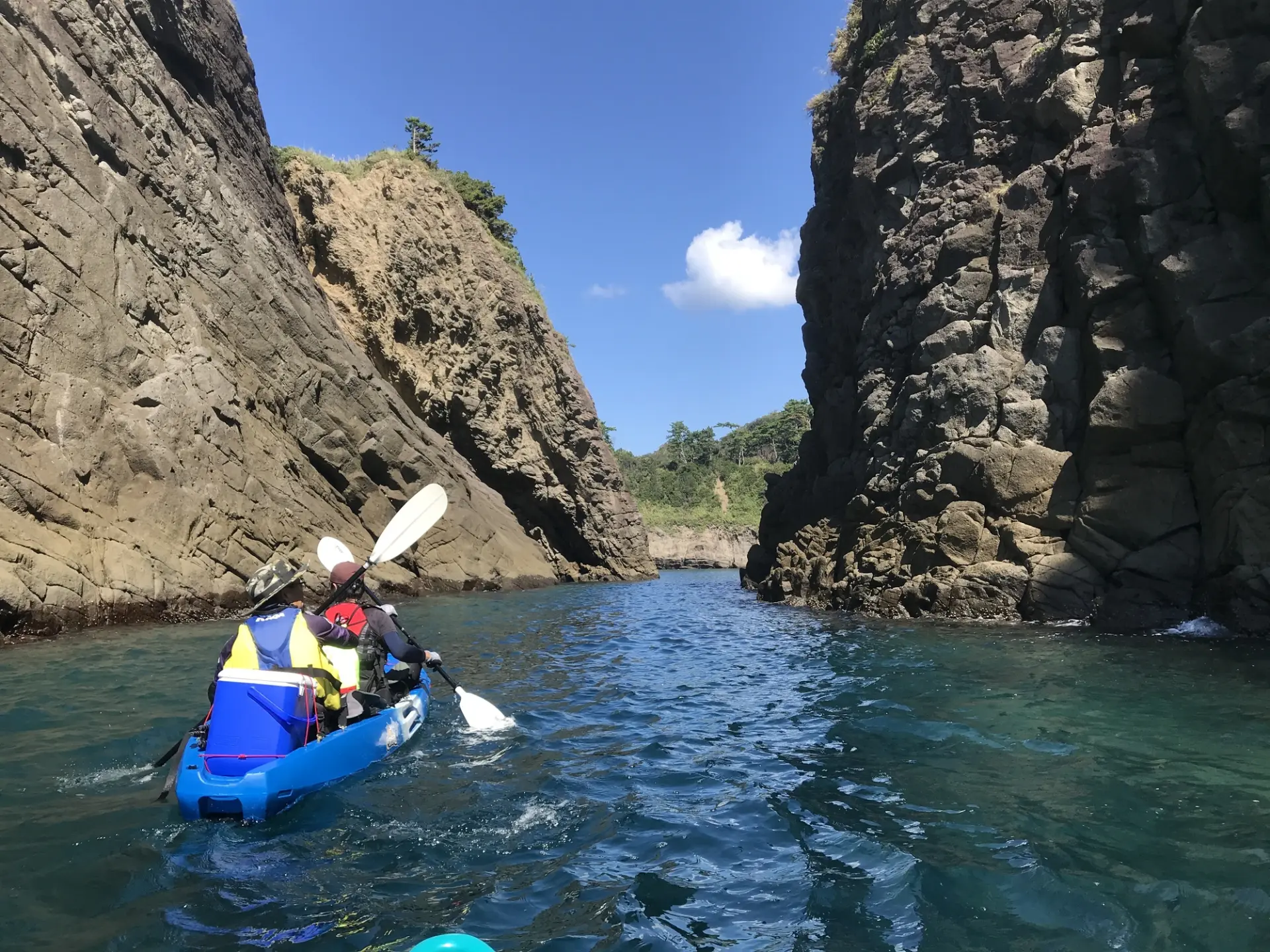
In calm bays and inlets, kayaking and stand-up paddleboarding offer low-angle views of coastal villages from near the water's surface, as well as expansive scenery across the Sea of Japan.
Because conditions are affected by wind and waves, follow the instructions of local guides and choose a beginner-friendly program for a safe experience.
A Scenic Mountain Drive Connecting Rivers and Mountains
On a drive through the mountains, elevated viewpoints provide broad perspectives of gorges and flowing rivers, revealing how the landscapes connect. Stop for breaks at observation areas along the way.
Driving also reduces the need for long walks and lets you see mountain scenery while avoiding the midday heat.
Streamside and Cave Trekking amid Flowing Water and Cool Air
Walking trails along mountain streams and through caves offer a summer encounter with nature, accompanied by flowing water and cool air rising from rocky surfaces. Even on short routes, some areas may be wet or slippery underfoot.
Choose comfortable, slip-resistant shoes and bring a light outer layer for the caves.
3 Kyoto Restaurants for Flavors from the Sea, Rivers, and Countryside
As Kyoto's scenery changes from coastal towns and historic streets to rural countryside, its food also reflects the character of each area. Here are three restaurants where you can sample seafood from Ine Bay, riverside dining along the Kifune River, and agricultural products from Kyotamba.
1. WADATSUMI (Ine Town)
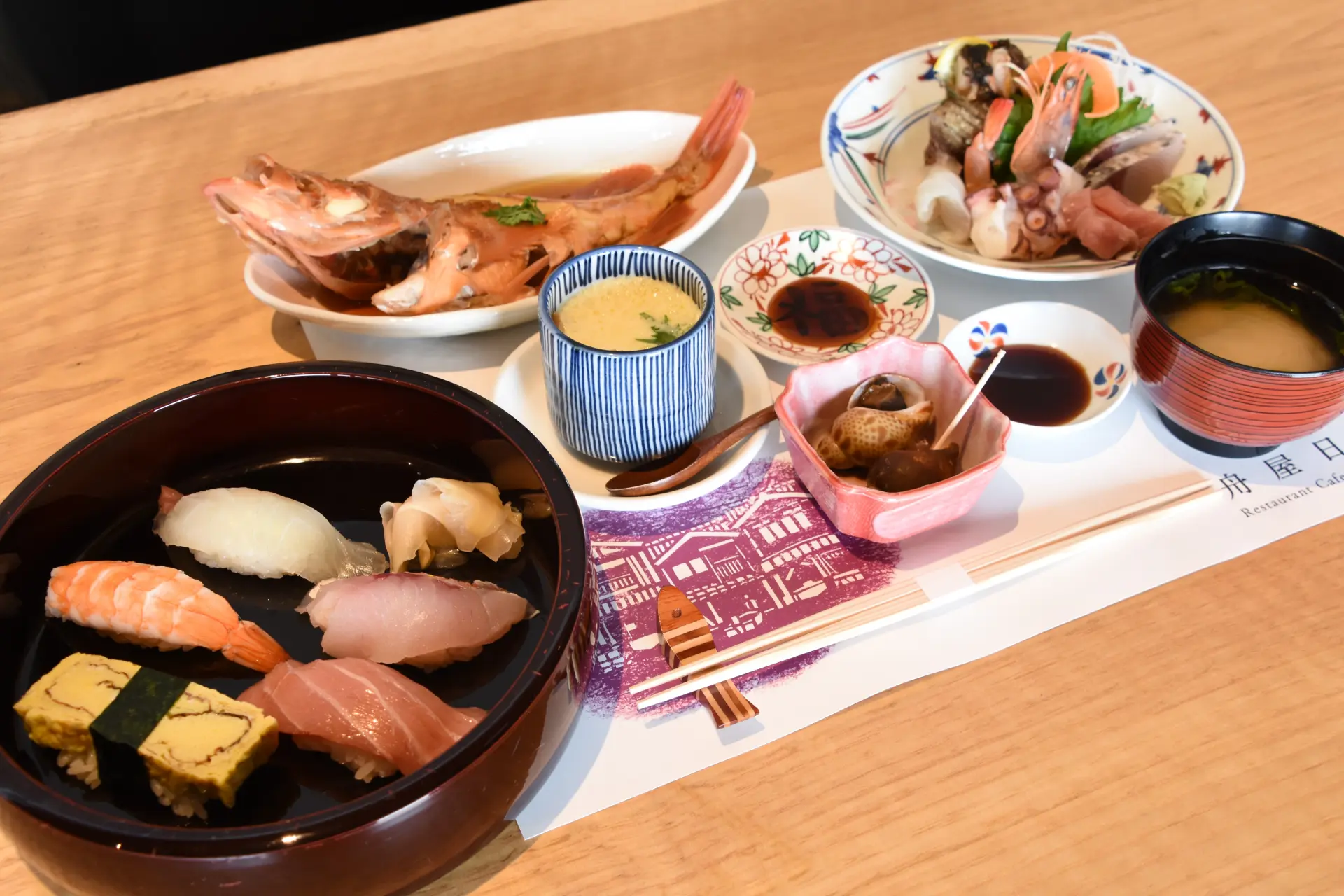
Located in the Funaya Biyori tourism and community facility overlooking Ine Bay, this restaurant offers meals with views of the calm sea and funaya boathouses.
The chef personally sources fresh seafood from Ine Bay every morning and serves dishes featuring seasonal flavors.
Horse mackerel, grunt, and other fish are served as sushi, sashimi, or simmered dishes, while rock oysters are another summer highlight. Before or after walking through the funaya district, savor seasonal seafood together with the coastal scenery.
2. Kibune Ugenta (Kyoto City)
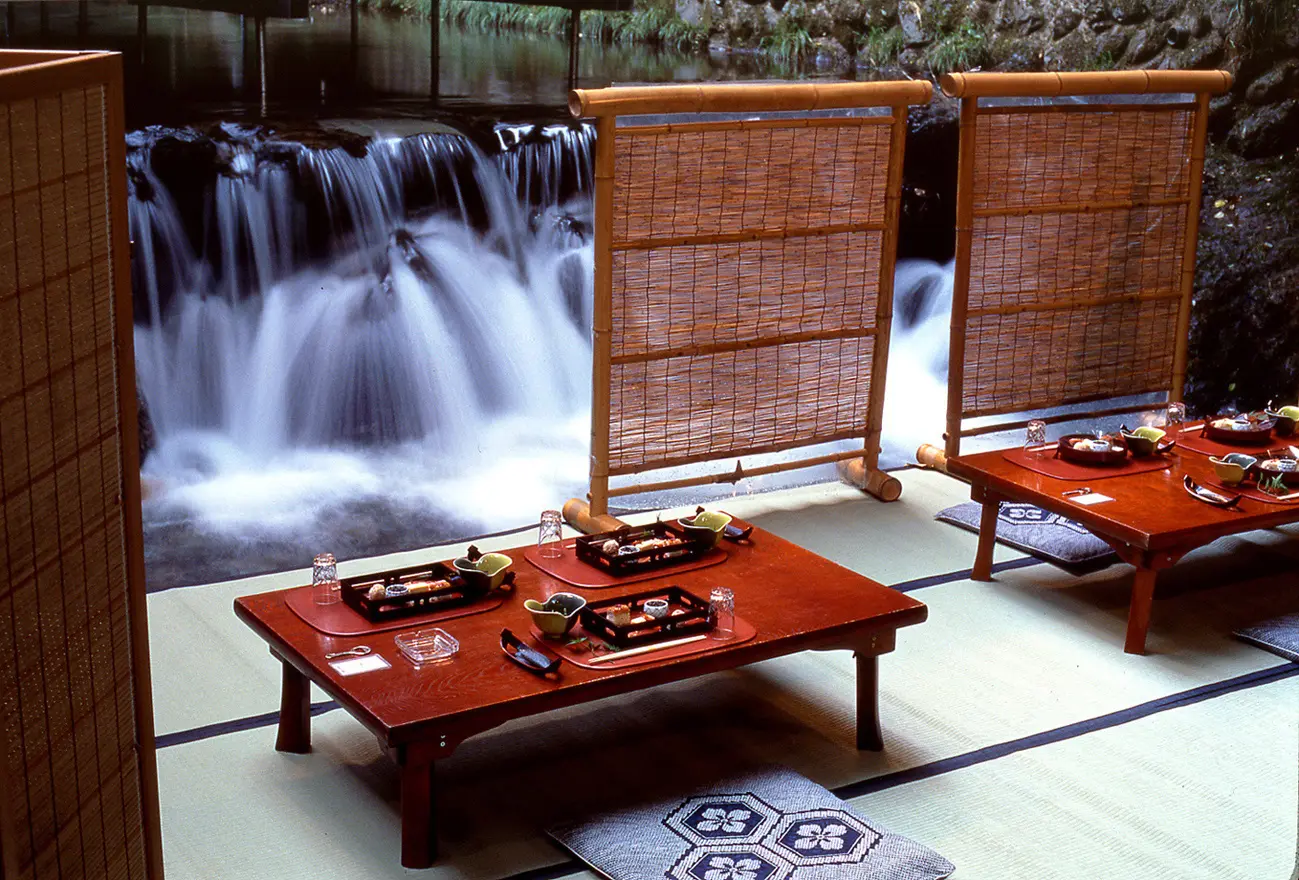
After serving Kifune-jinja Shrine for many years as a hereditary priestly family, this establishment opened as a traditional inn and restaurant in 1962. Available from May through the end of September, its kawadoko seating is positioned directly above the river. It acts as a natural air conditioner, allowing guests to experience coolness through all five senses, from the flowing water and gentle murmur to the crisp air.
Both lunch and dinner feature kaiseki cuisine made with ingredients associated with Kyoto, such as pike conger and yuba. On rainy days or when the river rises, meals are served indoors, so check the weather in advance.
3. Roadside Station Kyotamba Ajimu-no-Sato (Kyotamba Town)
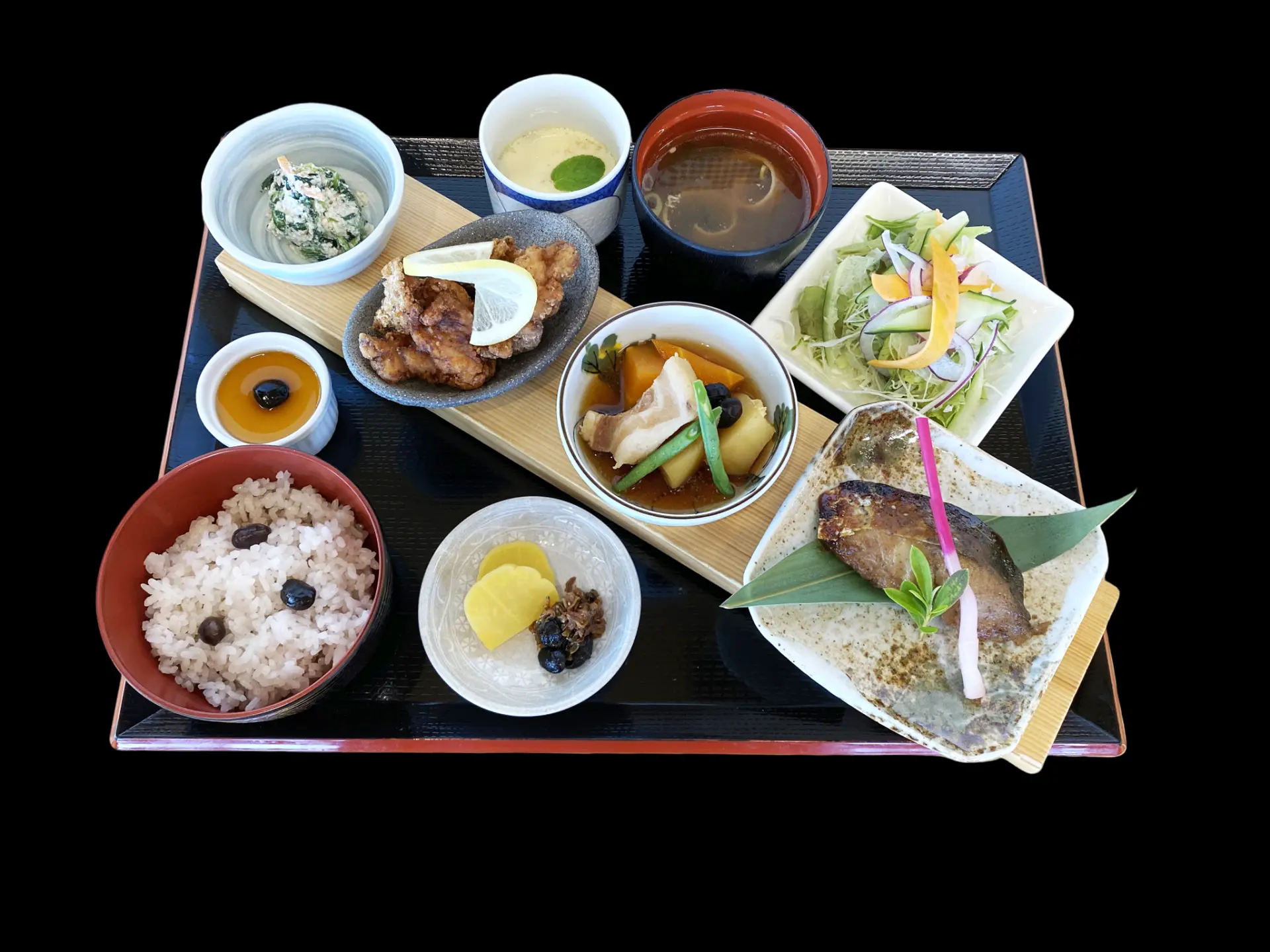
Directly connected to the Kyoto Jukan Expressway, this roadside station introduces visitors to Kyotamba's nature and culinary culture. Along with a shop selling seasonal produce and local specialties, popular facilities include Kyotamba Station, which presents local landmarks and culture shaped by the area's natural environment, and the restaurants Tamba Satoyama Restaurant Bonchi and Tamba Dining Hall, serving dishes made with black soybeans and seasonal local ingredients. Sample dishes made with local ingredients and discover flavors distinct to Kyotamba.
3 Recommended Kyoto Hotels Selected for Waterside Views and Convenient Travel
For a summer trip covering a wide area of Kyoto Prefecture, it is important to choose accommodations based on the next day's itinerary and travel distance.
These three properties occupy different settings by the sea, in the city, and in the countryside, making local scenery and cuisine part of the stay.
1. Aburaya Annex Nagomitei (Ine Town)
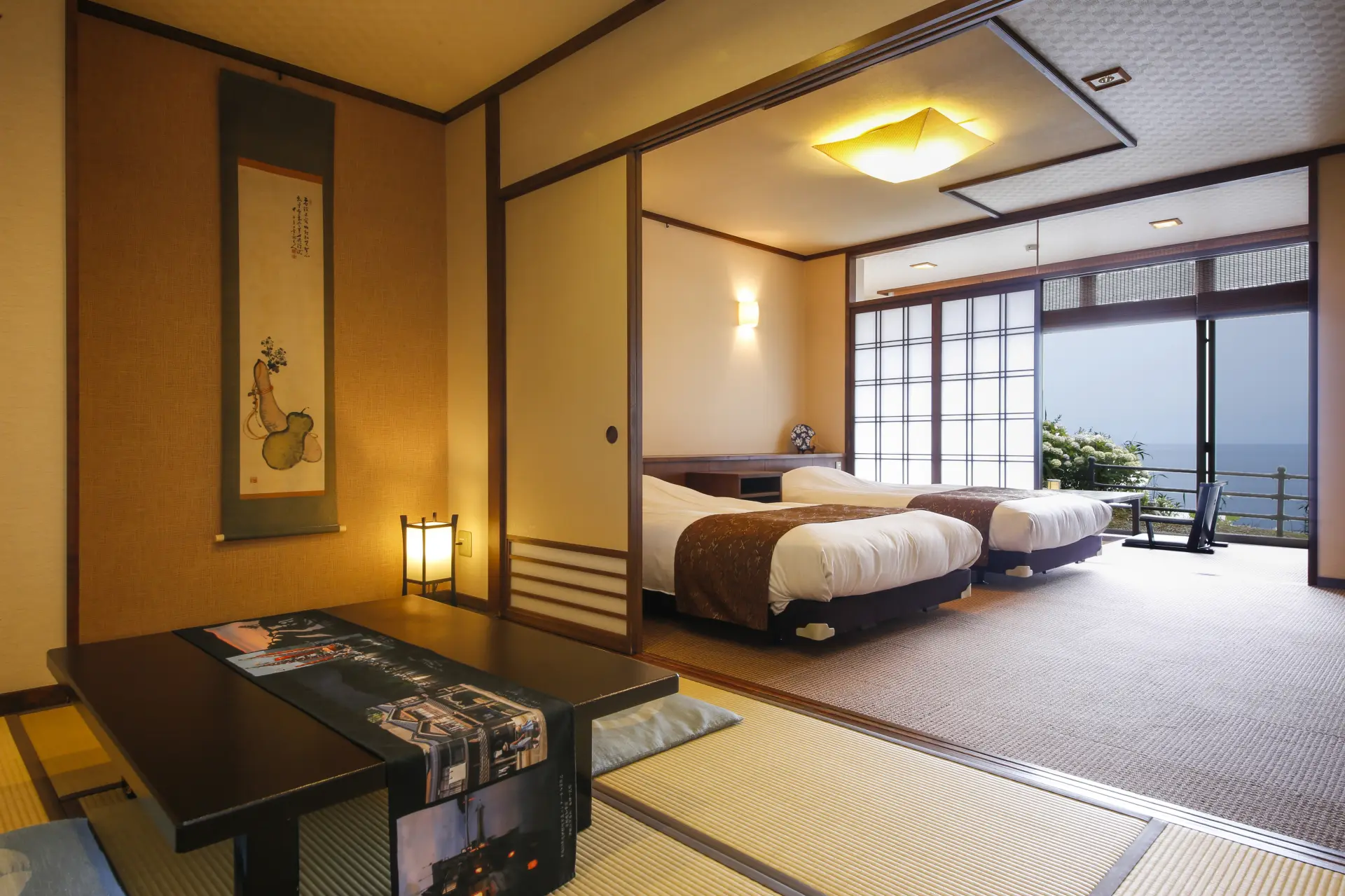
Aburaya Annex Nagomitei in Ine Town on Kyoto's Tango Peninsula is an upscale inn with 12 guest rooms, each featuring an open-air bath overlooking the Sea of Japan. Guests can admire expansive ocean views through the room's large windows or from the private bath.
Other attractions include a natural hot spring drawn from the property's own source and kaiseki cuisine prepared with locally caught seafood. Take in the sunset while reflecting on your journey along the Tango coast.
2. Kyoto Century Hotel (Kyoto City)
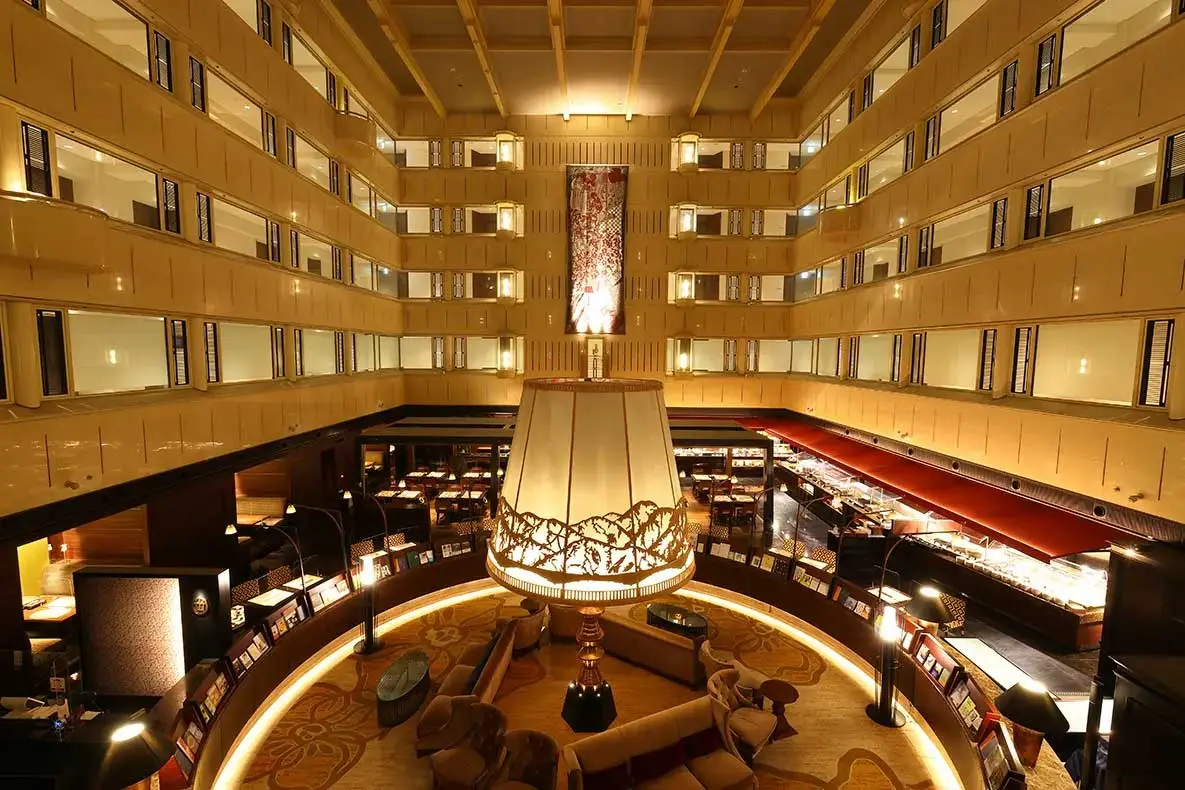
Kyoto Century Hotel enjoys an excellent location just a 2-minute walk from JR and subway Kyoto Station. Inside, a modern-classic atmosphere provides an escape from the bustle of the city.
It is a convenient base for itineraries involving train or bus travel within the city and to northern Kyoto Prefecture, and its location makes it easy to rest soon after sightseeing on a hot day.
3. Satoyama no Kyujitsu Kyoto Keburikawa (Kameoka City)
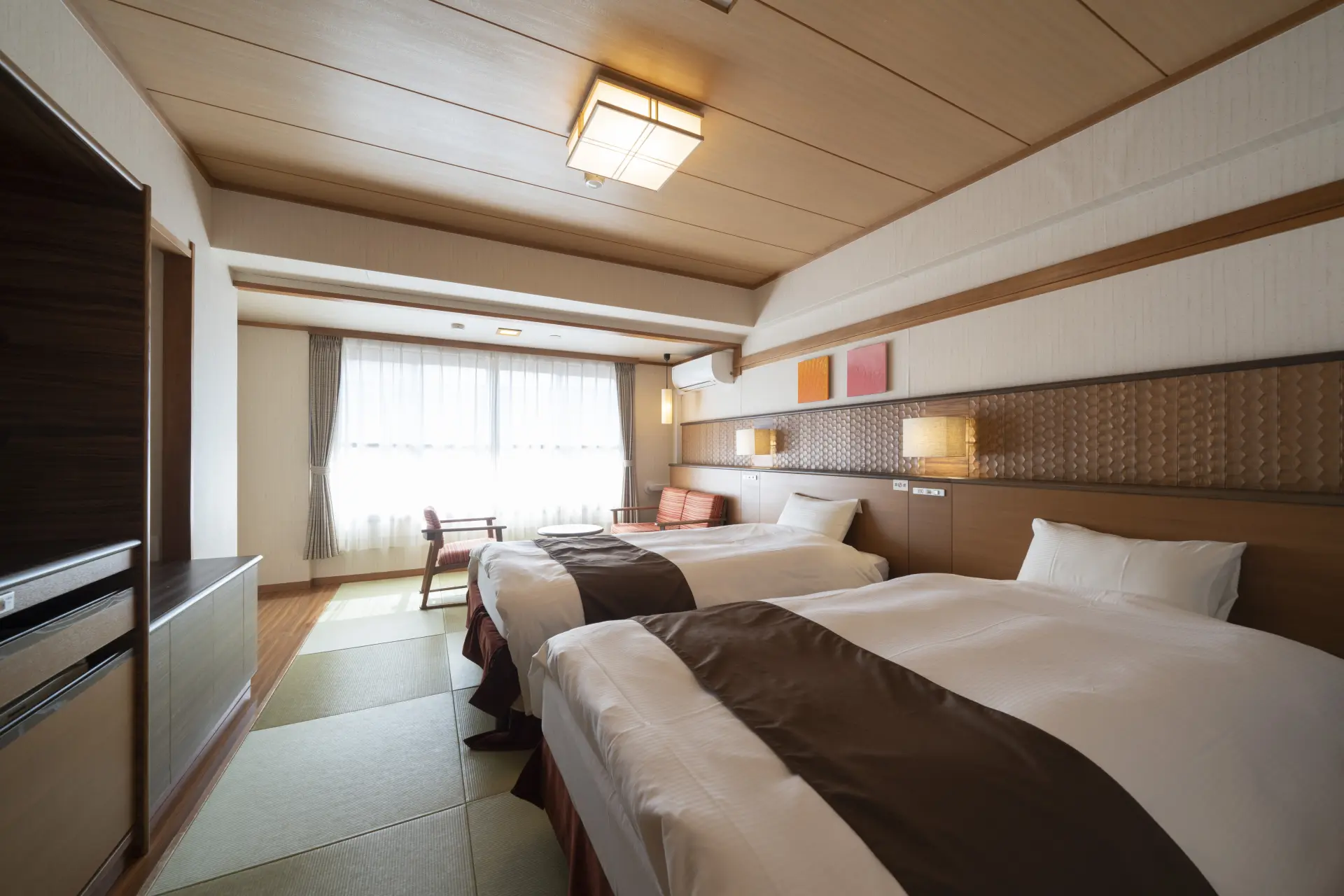
This Kameoka inn offers seasonal course meals made with vegetables from its own farm, along with views of the lush countryside. Its large communal bath includes a tatami-floored indoor bath and a rock-lined open-air bath.
Some guest rooms also feature open-air baths or private saunas, offering a relaxing place to recover after sightseeing. Air-conditioned glamping domes provide a comfortable outdoor experience even in summer.
3 Noteworthy Events to Enrich Your Summer Visit to Kyoto
Kyoto's summer brings religious festivals with long histories and ceremonies for sending off ancestral spirits. From colorful float processions to solemn nights when lights appear across the mountains and sea, learn about the meaning behind each event before viewing it.
1. Gion Matsuri Festival (Kyoto City)
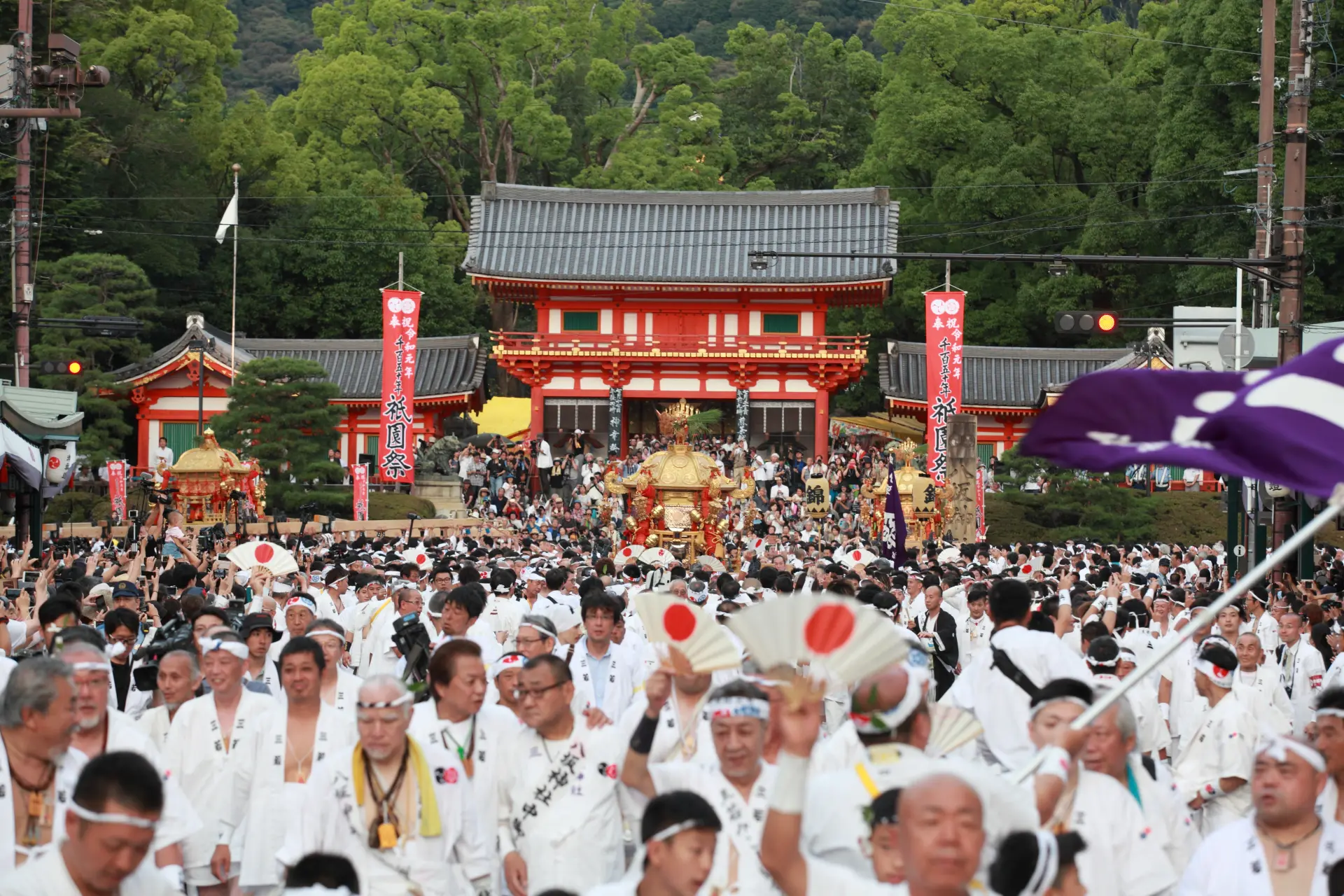
The Gion Matsuri Festival is known worldwide as one of Japan's three major festivals. Held as a festival of Yasaka-jinja Shrine, its many rituals and events run from Kippu-iri on July 1 through the Eki-jinja Shrine Nagoshi Festival on July 31 each year.
The main highlights are the Yamahoko float processions and mikoshi processions held during the Saki Matsuri on July 17 and the Ato Matsuri on July 24. During the Yoiyama evenings, traditional lanterns illuminate the floats and Gion festival music fills the streets, creating a classic Kyoto summer scene.
2. Kyoto Gozan Okuribi (Kyoto City)
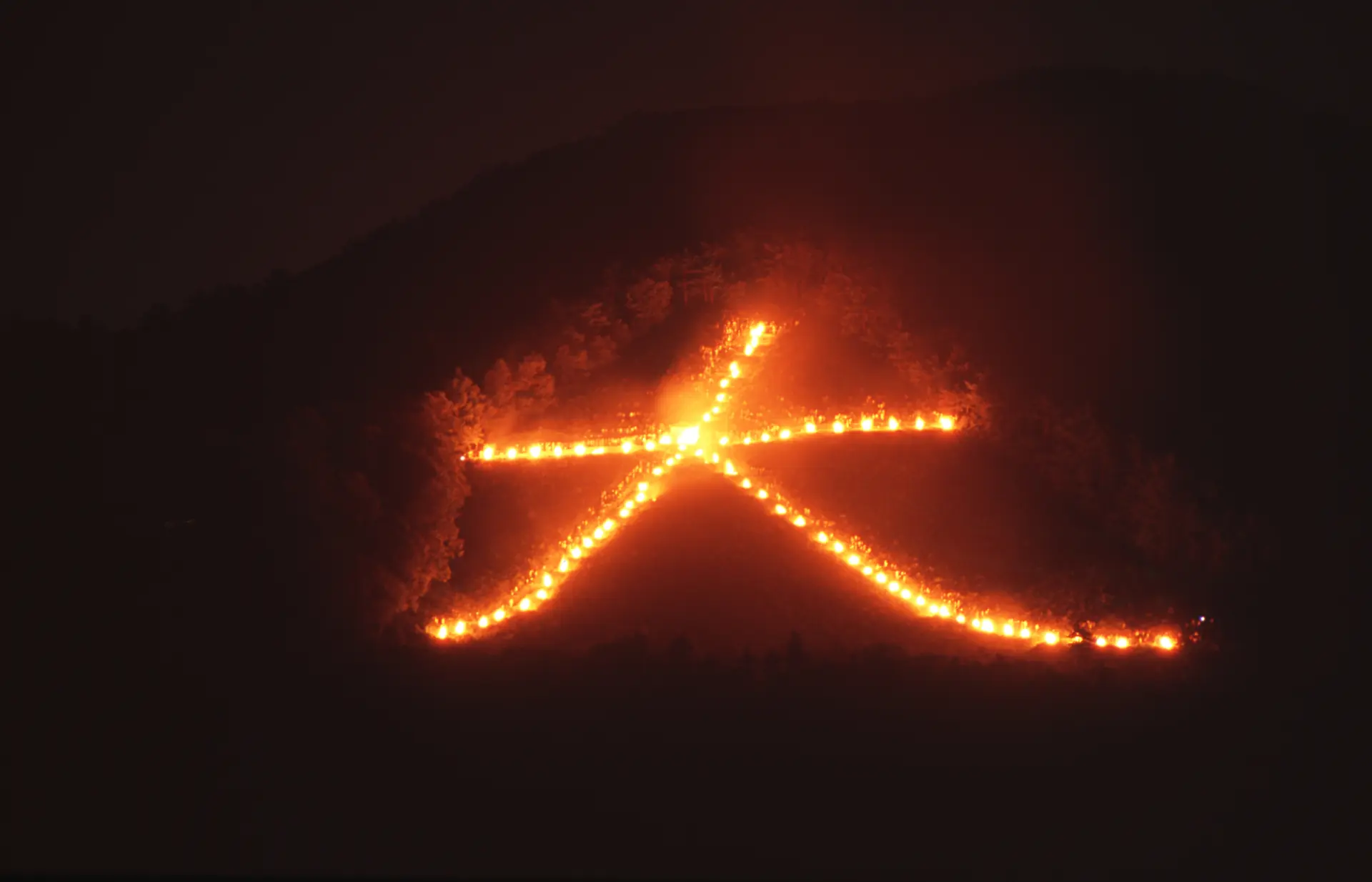
On the night of August 16 each year, Kyoto Gozan Okuribi illuminates the mountains surrounding the Kyoto Basin with characters and shapes drawn in fire. The bonfires are lit in sequence, beginning with Daimonji on Higashiyama, followed by Myoho, Funagata, Hidari Daimonji, and Toriigata.
Remember that this is not a tourist event but a traditional observance for sending off ancestral spirits welcomed during Obon. Follow local guidance and quietly look up at the summer night sky.
3. Miyazu Toro Nagashi Fireworks Festival (Miyazu City)
One of Miyazu's signature summer traditions, this event combines a lantern-floating ceremony with fireworks and has a history of approximately 400 years.
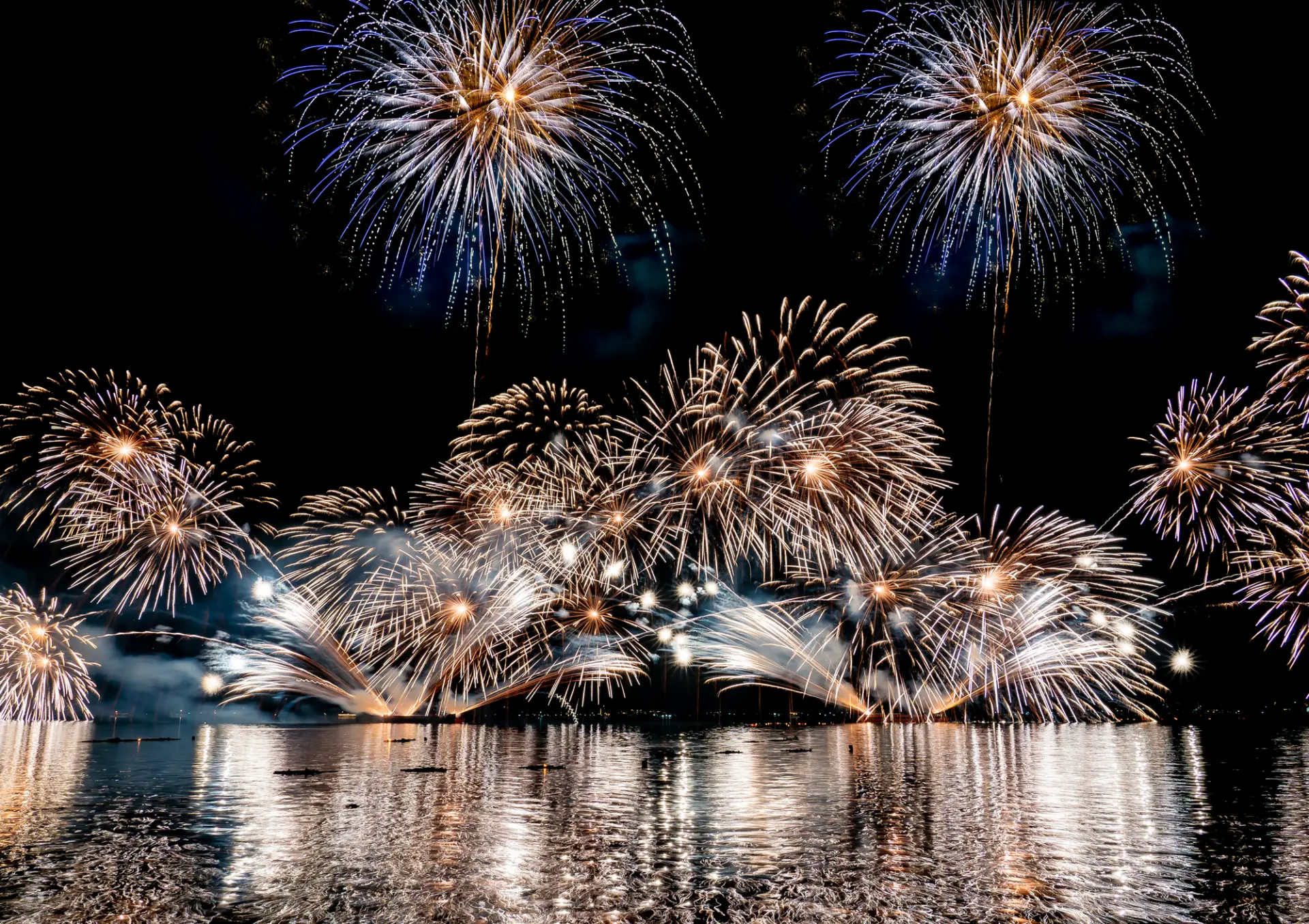
At dusk, approximately 10,000 lanterns cast an ethereal glow across Miyazu Bay, creating a quiet scene of prayer. As night deepens, colorful fireworks are launched around the spirit boats, and a large star mine display lights up the water. Experience a distinctly Miyazu summer night shaped by lantern light and fireworks.
A 2-Day, 1-Night Summer Kyoto Itinerary Connecting Waterside Landscapes
A summer trip to Kyoto can extend beyond historic temples, shrines, and gardens into the mountains and coastal areas, where refreshing nature and expansive scenery await.
On the first day, visit a World Heritage Site and a famous garden in Kyoto City, then experience nature in the Tamba area. On the second day, travel along the Sea of Japan, taking in funaya boathouses and panoramic views of Amanohashidate while experiencing Kyoto's varied summer attractions.
- Day 1
- JR Kyoto Station → Pick up a rental car → Visit Otowasan Kiyomizu-dera Temple → Tour Katsura Imperial Villa → Have lunch and shop for local specialties at Roadside Station Kyotamba Ajimu-no-Sato → Cool off at Shizushi Limestone Cave Park → Stay at Aburaya Annex Nagomitei
- Day 2
- Inn → Take in panoramic views of the Sea of Japan at Cape Kyogamisaki and Kyogamisaki Lighthouse → Enjoy a seafood lunch at WADATSUMI → Walk around the Ine Funaya district → View Amanohashidate from Amanohashidate Kasamatsu Park → Return the rental car → JR Kyoto Station
Average Summer Temperatures in Kyoto
Temperatures and humidity in Kyoto City begin rising in June, with monthly average temperatures exceeding 27°C in July and August. Because daytime heat can be intense in the basin, combine morning and evening sightseeing with indoor breaks and regular replenishment of fluids and salt.
Weather conditions along the northern coast and in mountain areas differ from those in the city, so check the forecast for each destination before departing.
| June | July | August |
|---|---|---|
| 23.3 | 27.3 | 28.5 |
Source: Japan Meteorological Agency
What to Wear for a Comfortable Summer in Kyoto
On days spent walking around Kyoto City or along the coast, wear breathable short sleeves or other lightweight clothing, and use a hat or parasol for protection from strong sunlight. Carry a towel for perspiration and a drink, and take frequent breaks.
Visits to temples, shrines, gardens, stone-paved areas, and streamside trails often involve considerable walking, so wear comfortable, broken-in shoes. A lightweight outer layer will make it easier to adjust to air-conditioned interiors or caves kept at approximately 12°C to 15°C.
It is also a good idea to carry a folding umbrella or lightweight rainwear in case of a sudden shower.
Frequently Asked Questions About Visiting Kyoto in Summer
Q
What makes Kyoto appealing in summer?
In addition to historic temples, shrines, and streets, Kyoto offers diverse waterside scenery, including funaya boathouses along the Sea of Japan, Amanohashidate, riverside temples and shrines, mountain streams, and limestone caves. A good approach is to combine morning and evening walks through town with visits to waterfronts, mountain areas, and indoor attractions during the day.
Q
How many days do I need to visit Kyoto in summer?
A 2-day, 1-night trip is enough if you focus mainly on Kyoto City. If you also plan to visit northern Kyoto Prefecture, including Amanohashidate and Ine, a 3-day, 2-night trip with ample travel time is ideal. For a 2-day, 1-night trip, narrow down the attractions and check train and bus schedules in advance.
Q
What is the best time of day for sightseeing in Kyoto during summer?
Outdoor temples, shrines, and historic streets are easier to explore in the morning when temperatures are relatively low or in the evening when the sunlight weakens. During the day, visit riverside areas, caves, and indoor facilities, and allow time for breaks and hydration.
Q
Are there any recommended summer events in Kyoto?
Major events include the Gion Matsuri Festival from July 1 to 31, Kyoto Gozan Okuribi on August 16, and the Miyazu Toro Nagashi Fireworks Festival. Each is deeply connected to religious beliefs and ceremonies for sending off ancestral spirits, so learn about its background and follow local guidance and viewing rules.
Summary
With Tango's coastline along the Sea of Japan, riverside temples and shrines, mountain streams, and limestone caves, Kyoto is a place where history meets diverse waterside scenery.
In summer, walk through temples, shrines, and historic streets in the morning and evening, then combine waterfronts, shaded areas, and indoor attractions during the day to avoid the heat.
Experience summer in Kyoto by finding cool relief near the water while taking in sea, river, and mountain scenery and sampling local cuisine.