19 Recommended Attractions for a Solo Trip to Kyoto: Explore the Ancient Capital and Its Fascinating Culture
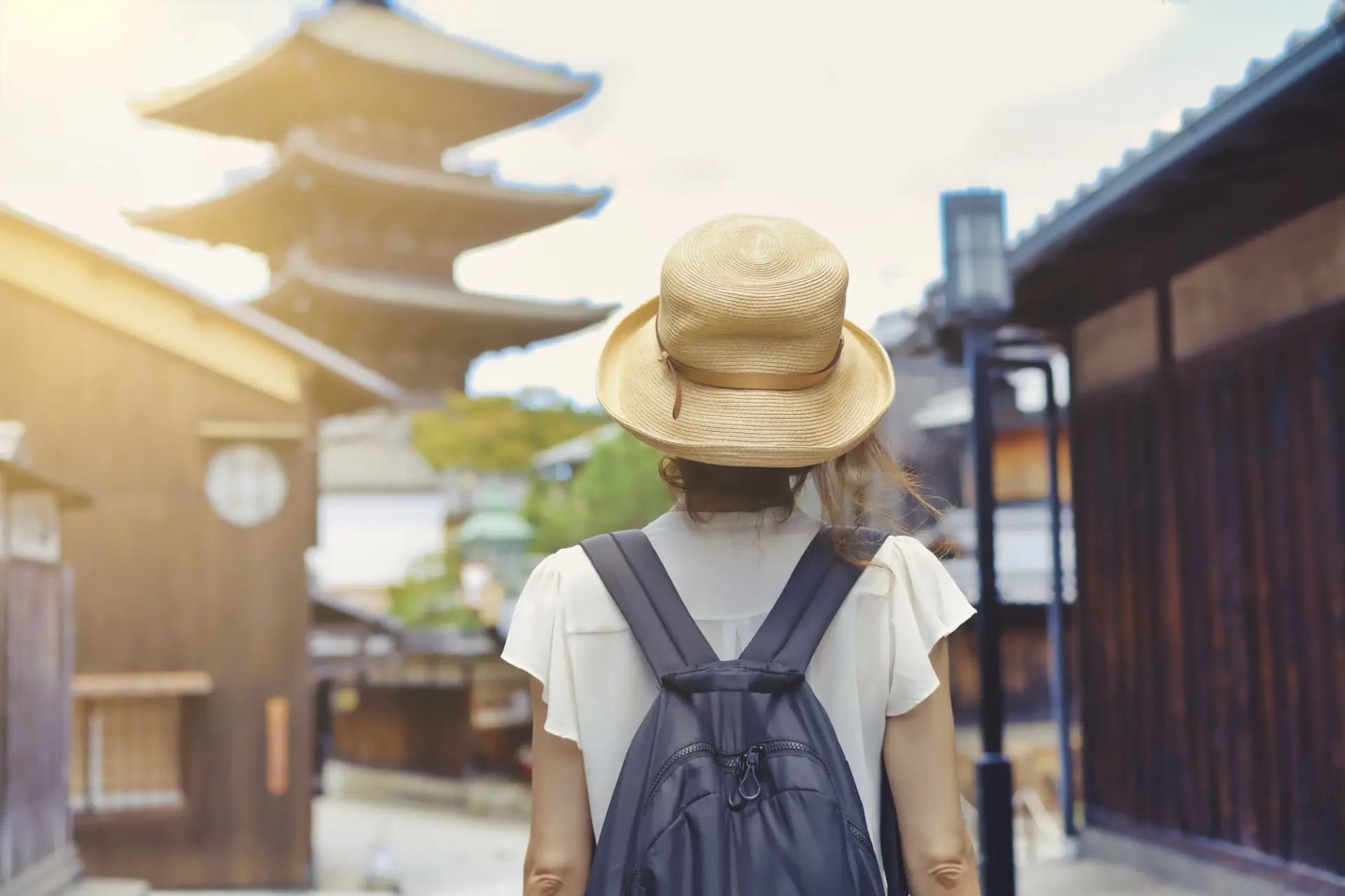
Walk along the Kamo River, explore the grounds of Nanzen-ji Temple, and pause to admire a garden. Kyoto brings historic scenery together with incense and karakami craftsmanship, art, and café culture, making it a city where you can choose each stop according to your interests. Venture as far as Uji to visit Byodoin Temple and savor its renowned tea. This guide features 19 recommended attractions for a solo trip to Kyoto, along with areas ideal for exploring on foot, restaurants, accommodations, and a two-day, one-night sample itinerary.
Make time both for famous sights and for a deeper look at the culture that interests you, and set out on a journey through the ancient capital in your own way.
Recommended Areas to Visit on a Solo Trip to Kyoto
A solo trip through Kyoto becomes even more enjoyable when you choose areas based on the culture and experiences that interest you.
Explore incense, crafts, and cafés around Karasuma Oike and Shijo Kawaramachi; discover gardens and art in Okazaki and Nanzen-ji; or experience tea and history in Uji.
Choose the places that catch your attention in each area, then combine sightseeing, hands-on experiences, and meals as you plan your day in Kyoto.
1. Karasuma Oike and Shijo Kawaramachi Area
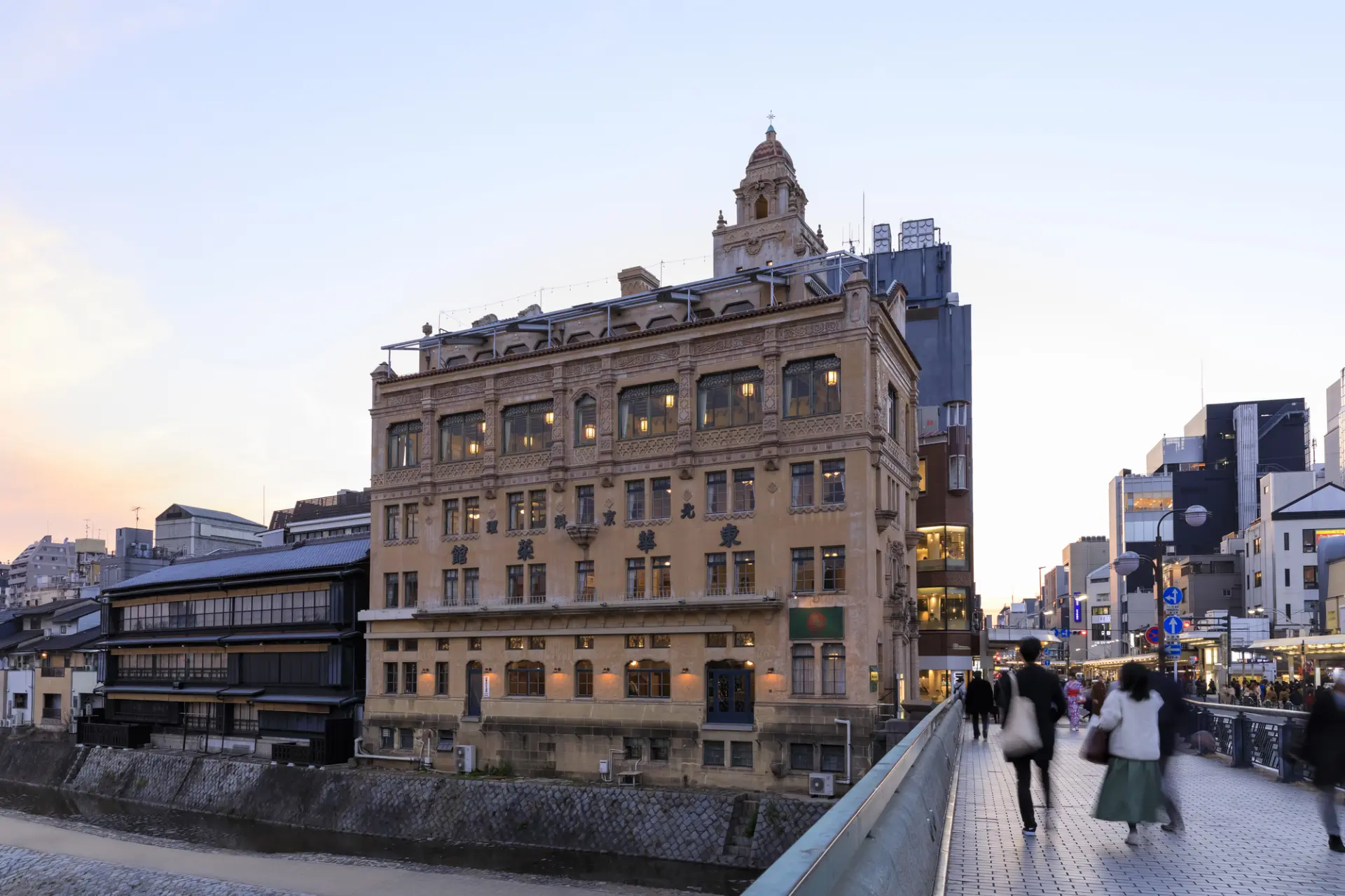
This central Kyoto area combines traditional culture such as incense and karakami decorative paper with manga, performing arts, and café hopping. You can plan a walk around your interests, whether that means discovering craftsmanship at a workshop or spending time with favorite works at a museum.
After experiencing Kyoto’s food culture at Nishiki Market, take a break along the Kamo River. Rather than simply heading from one destination to the next, this is an area where you will want to browse the shops lining the streets and make a few spontaneous stops along the way.
2. Okazaki and Nanzen-ji Area
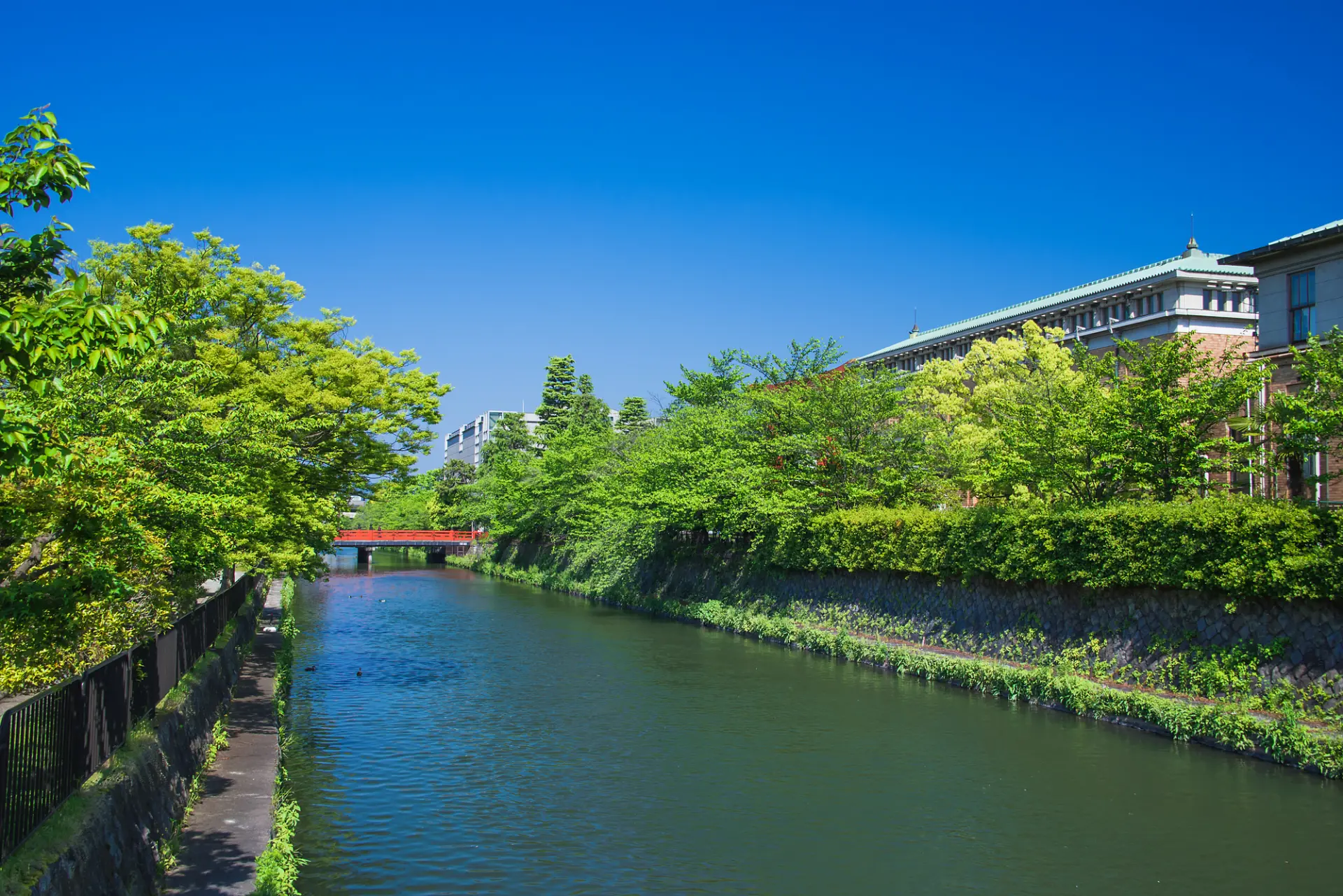
Temples, gardens, and museums come together in this area, allowing you to move between historic scenery and art. Take your time with each destination, whether you are walking through the grounds of Nanzen-ji Temple, admiring the garden at Murin-an, or visiting an exhibition that interests you at the Kyoto City KYOCERA Museum of Art.
Pause to notice the details of the architecture or listen to the sound of water flowing through a garden. Rather than trying to see as many places as possible, this area is best experienced by lingering wherever something leaves a lasting impression.
3. Uji Area
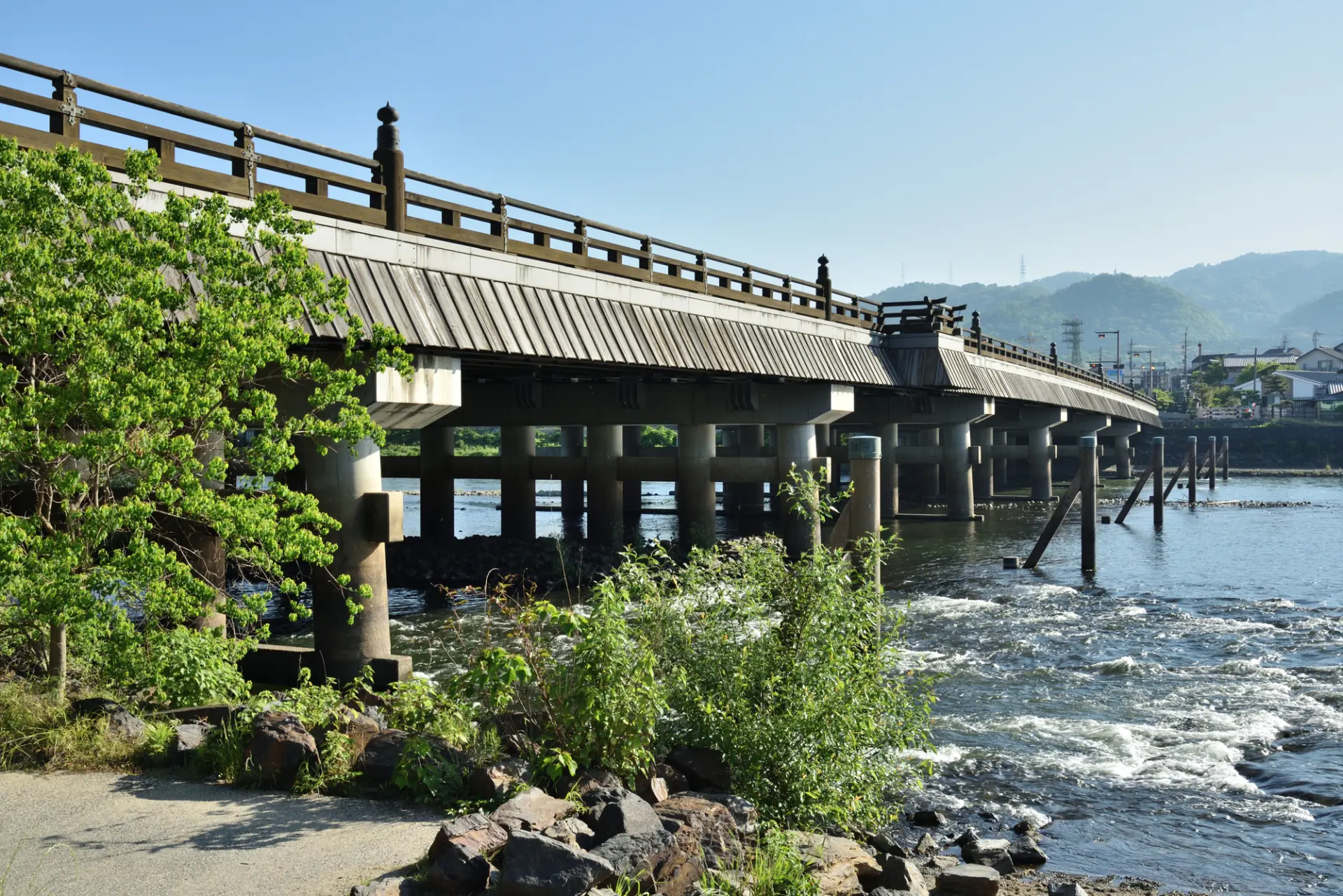
Uji is steeped in history, represented by Byodoin Temple, and has a vibrant tea culture. Venture beyond central Kyoto and explore the area while enjoying the scenery along the Uji River.
After visiting Byodoin Temple, stop for tea in a traditional tea room or look for a favorite blend at a tea shop. With dishes and sweets made with matcha along the way, make time between historic sights to slowly savor Uji tea.
19 Recommended Attractions for a Solo Trip to Kyoto
Kyoto offers more than temples, shrines, and gardens. It is also home to places where you can discover a broad range of culture, including incense and karakami craftsmanship, manga, and performing arts. Time spent walking beside the Kamo River or focusing on works of art and artisans’ techniques can be one of the pleasures of traveling alone. Instead of trying to visit as many famous sights as possible, linger at the places that fascinate you and experience the scenery and culture found only in Kyoto.
1. Kamo River (Kyoto City)
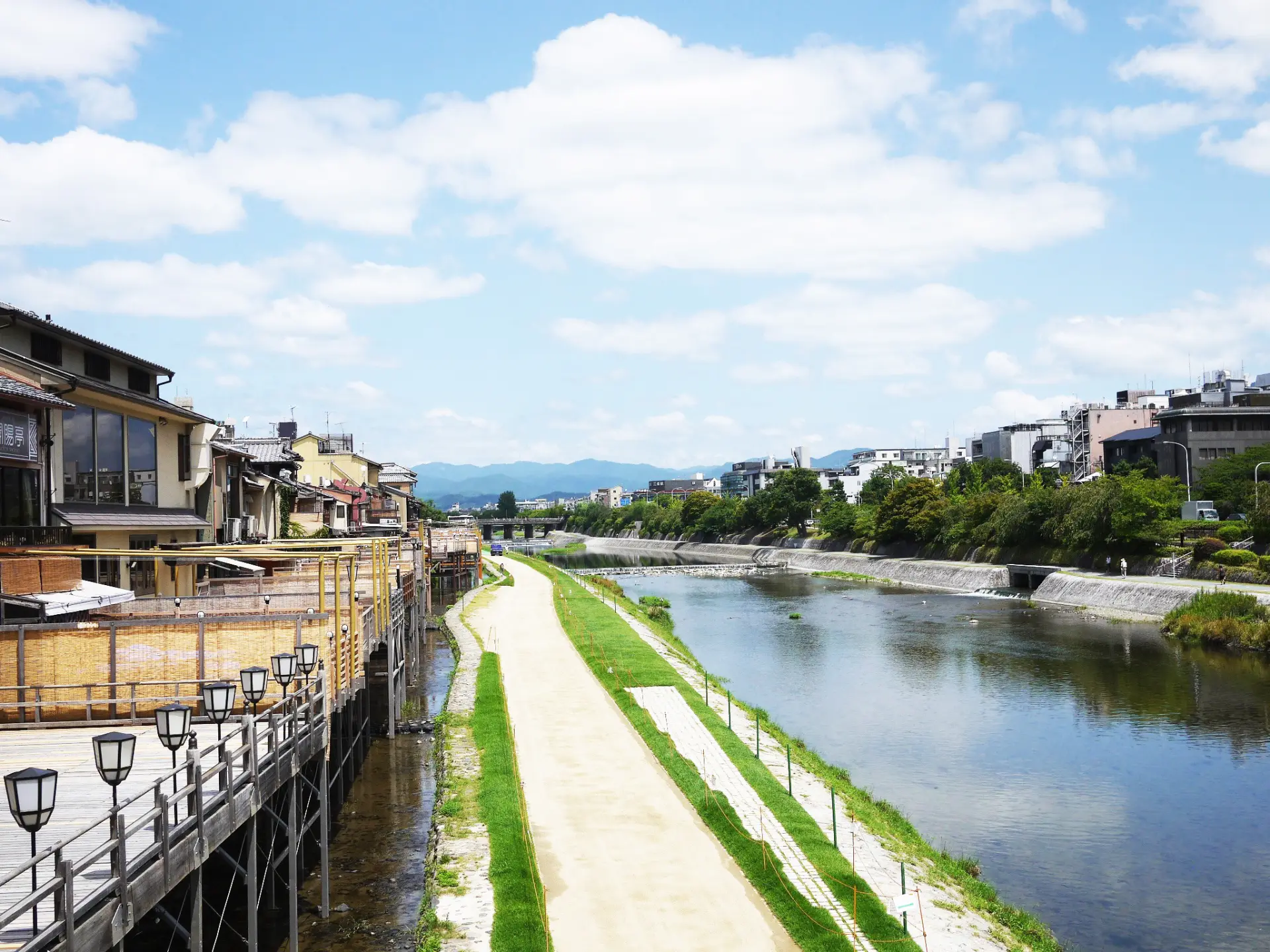
Flowing north to south through Kyoto, the Kamo River is a pleasant place to stroll or take a break along its banks. Near Shijo, the busy districts of Gion to the east and Kawaramachi to the west form the commercial heart of Kyoto, while the river itself creates one of the city’s most recognizable views.
You do not need to walk a long distance to appreciate it; simply stop by the riverbank between shopping and visiting cafés. In addition to mallards and eastern spot-billed ducks, herons and great cormorants can also be seen here, offering an opportunity to observe wild birds near the city’s lively shopping districts. Slow down, notice the birds living along the water, and pause for a rest beside the river.
- Name in Japanese
- 鴨川
- Postal Code
- 606-0801
- Address
-
Shimogamomiyakawacho, Sakyo-ku, Kyoto City, Kyoto
Google Maps - Hours
- Walk anytime
- Directions
- Keihan Main Line and Oto Line run along Kamo River’s east bank. Convenient to get off at Shichijo, Kiyomizu-Gojo, Gion-Shijo, Sanjo, Jingu-Marutamachi, and Demachiyanagi Stations.
- Official Website
-
Kyoto Prefecture (Japanese)
Kyoto Kamogawa Noryo-Yuka Union (Japanese)
2. Shoyeido Kunjyukan (Kyoto City)
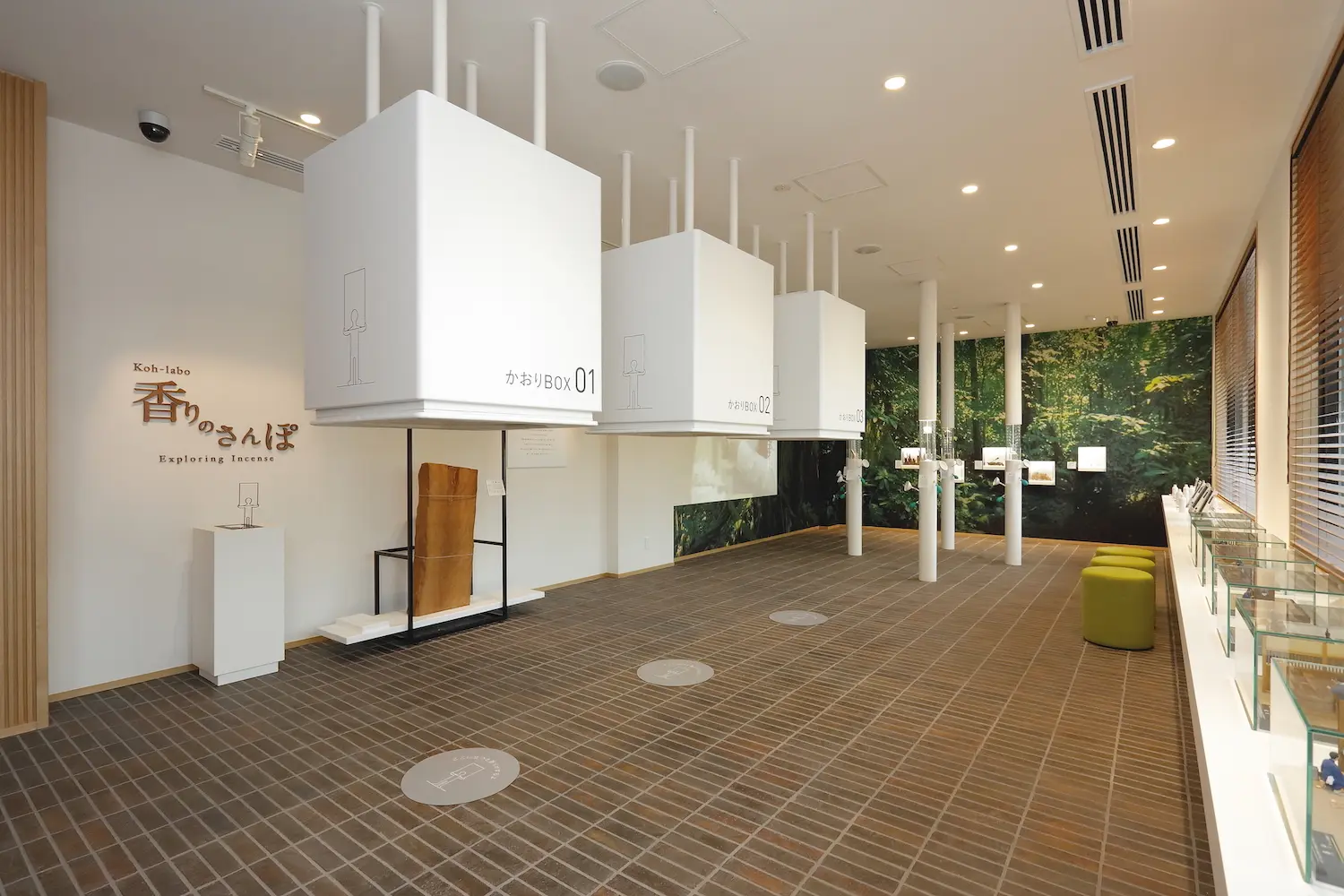
Operated by Shoyeido, a Kyoto incense company with more than 300 years of history, this cultural facility introduces visitors to the world of fragrance. The first floor houses “koh-labo: A Walk Through Fragrance,” with a variety of interactive installations for experiencing different scents.
Three “Kaori Boxes” hanging from the ceiling envelop your upper body in a different fragrance when you step inside. As you examine miniature displays recreating the production process, take time to explore the world of incense that often goes unnoticed in everyday life.
- Name in Japanese
- 松栄堂 薫習館(くんじゅうかん)
- Postal Code
- 604-0857
- Address
-
Karasuma Nijo, Nakagyo-ku, Kyoto City, Kyoto
Google Maps - Telephone
- 075-212-5590
- Holiday
- Irregular holidays
- Hours
-
10:00am - 5:00pm
*Incense factory tour requires a reservation at least a week in advance (Mon-Fri, approx. 40 minutes) - Admission
- Free
- Directions
-
(1) 3 minutes walk from Exit 7 of Marutamachi Station on the Kyoto City Subway Karasuma Line
(2) 5 minutes walk from Exit 1 of Karasuma Oike Station on the Kyoto City Subway Karasuma and Tozai Lines - Credit Cards
- Accepted
- Official Website
- Official Website (English)
3. Kyoto International Manga Museum (Kyoto City)
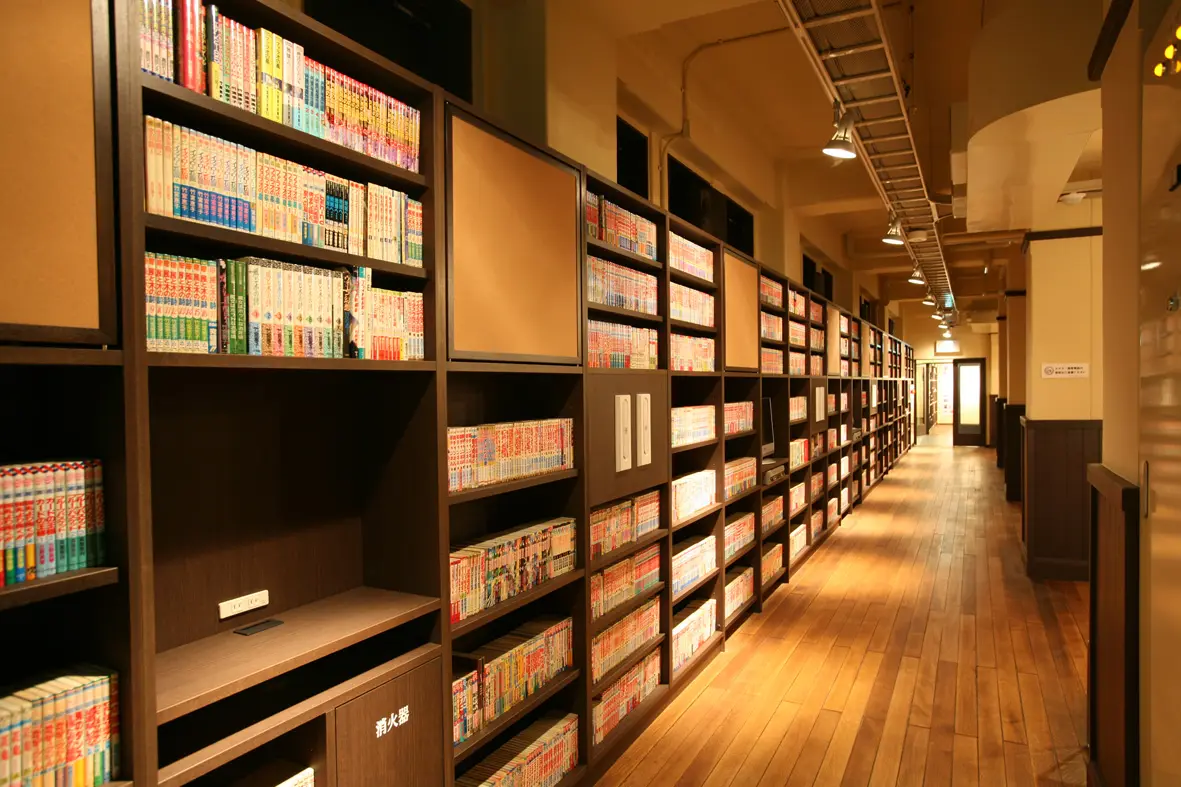
Housed in a former elementary school building from the early Showa period, this cultural facility devoted to manga combines the functions of a museum and a library. The “Wall of Manga,” extending across the first through third floors, holds approximately 50,000 volumes that visitors are free to pick up and read.
The collection contains more than 300,000 manga-related items, ranging from satirical ukiyo-e prints of the Edo period and magazines from the Meiji, Taisho, and early Showa periods to postwar rental books, current popular titles, and works from overseas. The retro school building and its artificial-turf schoolyard also create scenery distinctive to this museum. Set aside some reading time during your trip and settle in with a title you have been curious about.
- Name in Japanese
- 京都国際マンガミュージアム
- Postal Code
- 604-0846
- Address
-
Karasuma-Oike, Nakagyo-ku, Kyoto City, Kyoto
Google Maps - Tel
- 075-254-7414
- Closed
- Wednesdays (or the following day if it is a national holiday), year-end and New Year holidays, and during maintenance periods
- Business Hours
- 10:00am - 5:00pm(Admission allowed until 4:30pm)
- Admission fee
- Adults 1,200 yen, Junior high and high school students 400 yen, Elementary school students 200 yen
- Directions
-
1) 2 minute walk from exit 2 of Karasuma Oike station on the Kyoto Municipal Subway Karasuma and Tozai lines.
2) Take Kyoto City Bus No. 15, 51, or 65 and get off at Karasuma Oike Station. - Credit card
- Accepted only at the store
- Official Website
- Official Website (English)
4. Kyo Karakami Experience Workshop Karamaru (Kyoto City)
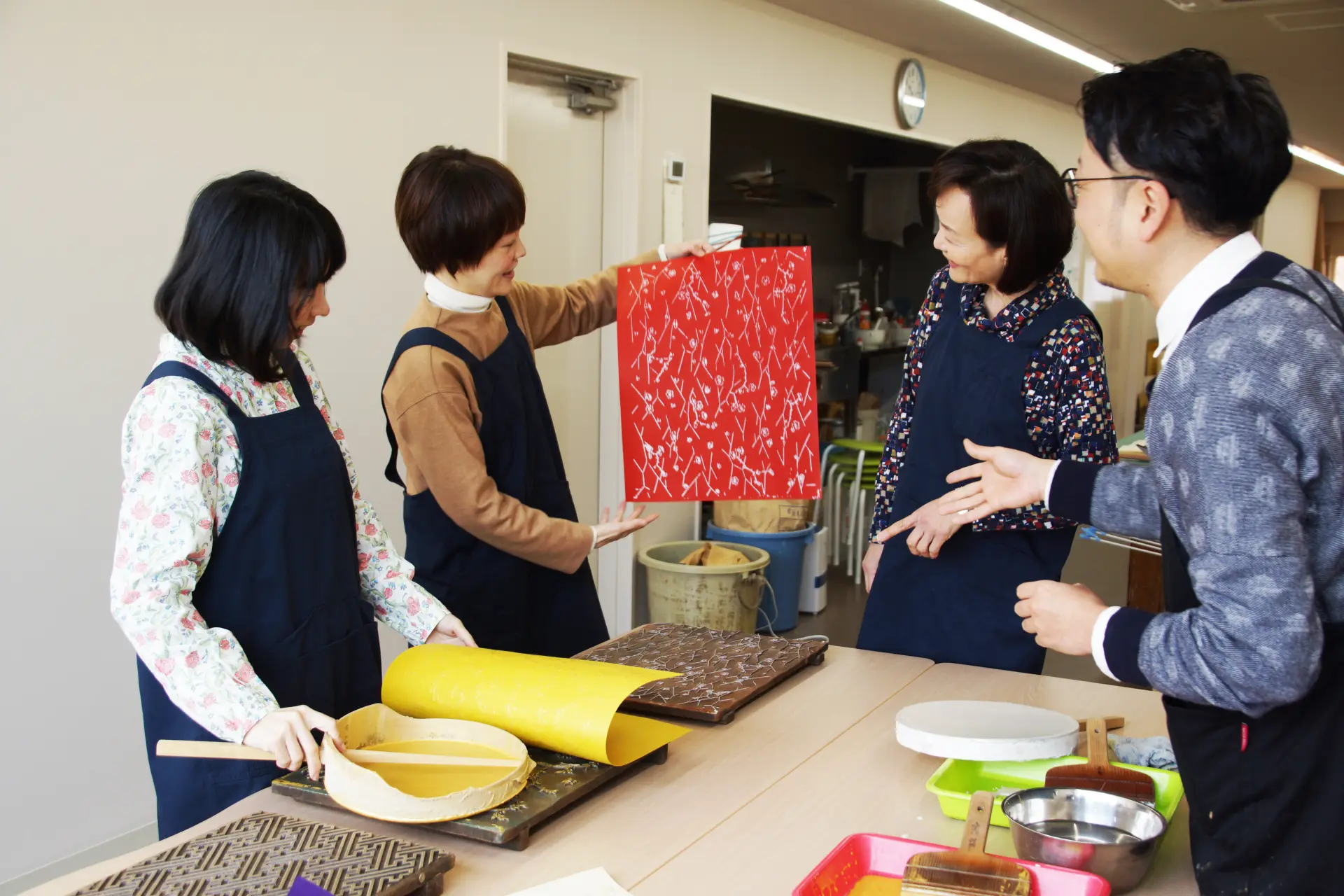
This hands-on workshop introduces visitors to the techniques behind kyo karakami, traditional decorative Japanese paper used for sliding doors and wallpaper. The “Karakami Printing Experience and Workshop Tour” lets you print woodblock patterns onto paper and observe artisans at work.
Under direct instruction from an artisan, you can use authentic woodblocks carved more than 120 years ago to print three sheets of karakami, each approximately 18.5 inches wide by 11 inches high. You can take the finished paper home or, for an additional fee, have it made into a miniature folding screen or decorative panel, creating a fitting keepsake from your trip to Kyoto.
- Name in Japanese
- 京からかみ体験工房 唐丸
- Postal Code
- 600-8076
- Address
-
460 Senshoji-cho, Takatsuji-dori Yanaginobanba Nishiiru,
Shimogyo-ku, Kyoto City, Kyoto
Google Maps - Telephone
- 075-361-1324
- Holiday
-
Sundays, Public Holidays, Wednesdays, Obon & New Year Holidays
*May be open on public holidays.
Please check Instagram for the business calendar. - Hours
- 10:00am - 5:30pm
- Prices
-
Karakami Printing course + factory your 9,000 yen (tax included)
*Days of open 10:30 - 11:30 on Tuesdays, Friday (except national holidays), and Saturday (irregular)
*Prior booking is required (Deadline for registration is 12:00 pm on the day before the event, No same-day registration).
*Capacity is 1-6 people. Age range : elementary school students and older (elementary school students and younger must be accompanied by a parent or guardian) - Directions
-
1) Approx. 5-minute walk from Karasuma subway line “Shijo station” Exit 5.
2) Approx. 8-minute walk from Hankyu Kyoto Karasuma line “Karasuma station” Exit 15.
3) Approx. 4-minute walk from the “Karasuma Matsubara” stop byKyoto Municipal Bus. - Credit Cards
- Accepted
- Official Website
- Official Website (English)
5. GEAR (Kyoto City)
This stage production tells its story without words, using physical performance and visual technology. Follow a story set in an old toy factory while experiencing mime, magic, breakdancing, and juggling up close.
In addition to its polished wordless performances and storytelling, one of the production’s main attractions is that each character is played by multiple cast members, creating a different combination of performers at every show. The theater is located in an Art Deco-style building completed in 1928. Along with the performance, take time to notice the architectural details designed by Goichi Takeda.

- Name in Japanese
- ギア-GEAR-
- Postal Code
- 604-8082
- Address
-
1928 build. 3F 56 Benkeiishicho, Nakagyo-ku, Kyoto City, Kyoto
Google Maps - Telephone
- 075-254-6520
- Holiday
- For performance schedule, see the official site
- Hours
- For performance schedule, see the official site
- Admission
-
Premium 7,800yen / Standard 5,800yen / Economy 3,800yen
*Student rates and limited-time discount plans are available. Please check the official website for details. - Directions
-
1) from Hankyu Kyoto Line, Kyoto-Kawaramachi Station, Exit #9, walk 8 min
2) From Keihan Main Line, Sanjo Station, Exit #6, walk 8 min
3) From Kyoto City Subway, Karasuma Line/Tozai Line, Karasuma Oike Station, Exit #5, walk 10 min.
4) From Kyoto City Subway, Tozai Line, Kyoto Shiyakusho-mae Station, Exit #1, walk 7 min.
5) Ride Kyoto City Bus, Route 4, 5, 17 or 205, get off at Kawaramachi Sanjo bus stop, and walk 3 min. - Credit Cards
- Accepted
- Official Website
- Official Website (English)
6. Nishiki Market (Kyoto City)
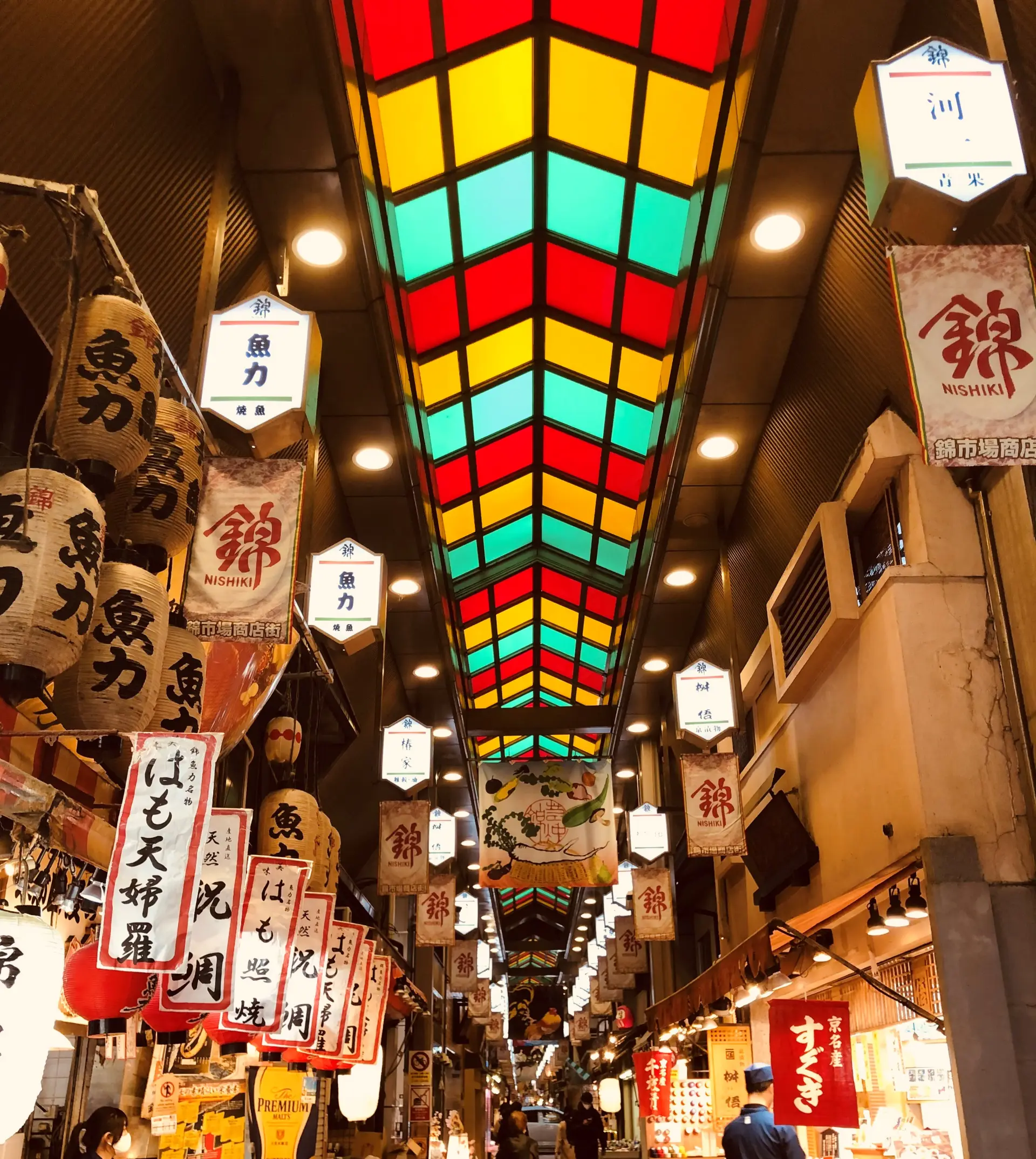
Known as “Kyoto’s Kitchen,” Nishiki Market extends along Nishikikoji Street north of Shijo Street. Approximately 130 shops line both sides of the covered arcade, which stretches about 390 meters from east to west. Storefronts display Kyoto vegetables, yuba, namafu wheat gluten, and pickles, as well as pike conger, tilefish, and freshwater fish from Lake Biwa, offering a glimpse into Kyoto’s food culture as you browse.
The market is also the birthplace of Edo-period painter Ito Jakuchu, and a monument stands at the site of his childhood home. Combine time spent selecting ingredients distinctive to Kyoto with a walk to places associated with Jakuchu.
- Name in Japanese
- 京都錦市場商店街振興組合
- Postal Code
- 604-8054
- Address
-
609 Nishidaimonjicho, Nakagyo-ku, Kyoto City, Kyoto
Google Maps - Telephone
- 075-211-3882 (Kyoto Nishiki Market Promotion Association)
- Holiday
- Varies by store
- Business Hours
- Varies by store
- Directions
-
1) A 3-minute walk from Shijo Station on the Karasuma Line Kyoto Subway
2) A 3-minute walk from Karasuma Station on the Hankyu Kyoto Line
3) A 4-minute walk from Kyoto-Kawaramachi Station on the Hankyu Kyoto Line
4) A 10-minute walk from Gion-Shijo Station on the Keihan Main Line - Credit Cards
- Varies by store
- Official Website
- Official Website (English)
7. Nanzen-ji Temple (Kyoto City)
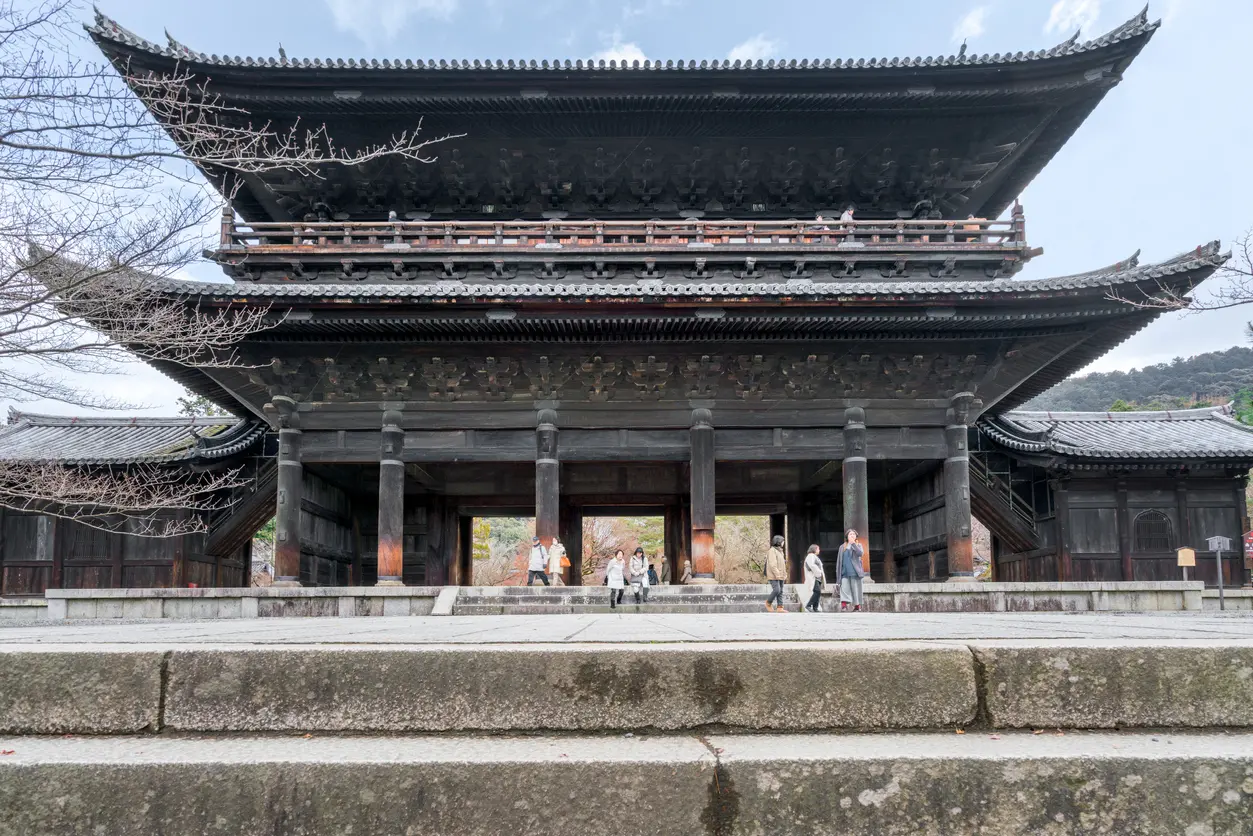
Nanzen-ji Temple traces its origins to the retired Emperor Kameyama, who became a cloistered emperor and established it as Japan’s first imperially commissioned Zen temple. The National Treasure Hojo was relocated from the Kyoto Imperial Palace and features vivid sliding-door paintings by the Kano school and a rock garden designed by Kobori Enshu.
The Sanmon Gate was rebuilt by Todo Takatora in the early Edo period and also appears in the kabuki play “Sanmon Gosan no Kiri.” Explore the historic grounds while admiring the garden’s stone arrangements and tracing the details of the architecture.
- Name in Japanese
- 南禅寺
- Postal Code
- 606-8435
- Address
-
86 Nanzenjifukuchicho, Sakyo-ku, Kyoto City, Kyoto
Google Maps - Telephone
- 075-771-0365
- Closed
- December 28-31
- Hours
-
March-November 8:40am - 5:00pm
December-February 8:40am - 4:30pm
(Last entry: 20 minutes before closing) - Admission
- Hojo Garden: 600 yen (high school students: 500 yen, elementary and junior high school students: 400 yen), Sanmon Gate: 600 yen (high school students: 500 yen, elementary and junior high school students: 400 yen), Nanzen-in Temple: 400 yen (high school students: 350 yen, elementary and junior high school students: 250 yen)
- Directions
-
(1) 10-minute walk from Exit 1 of Keage Station on the Tozai Subway Line.
(2) From JR Kyoto Station, take city bus No. 5 via Hankyu Kyoto Kawaramachi Station or Keihan Sanjo Station, get off at "Nanzenji/Eikando-michi" and walk for about 10 minutes. - Official Website
- Official Website (Japanese)
8. Murin-an (Kyoto City)
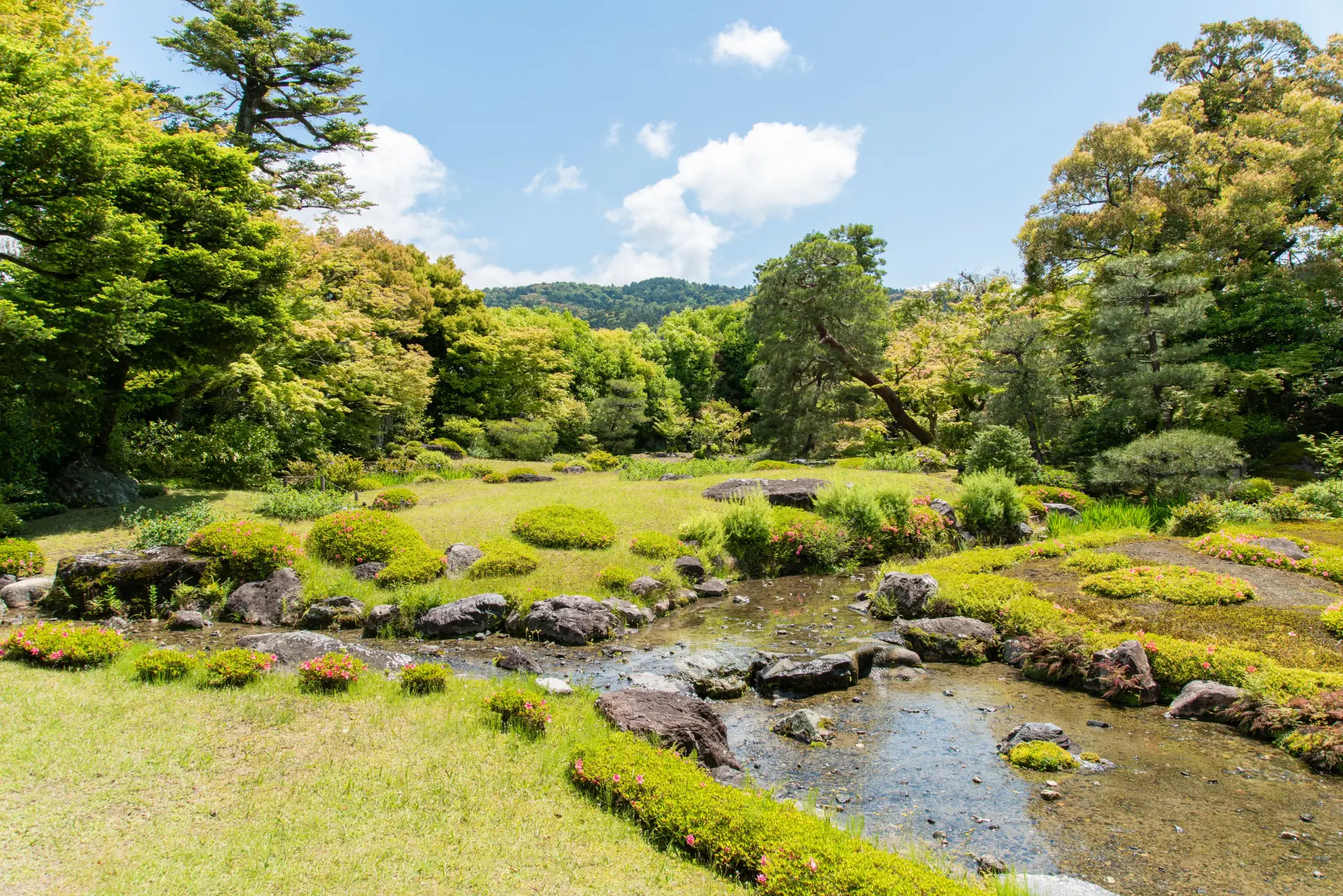
Murin-an is a former villa built between 1894 and 1896 by Aritomo Yamagata, a statesman of the Meiji and Taisho periods. Its garden uses the Higashiyama mountains as borrowed scenery, combining bright lawns with flowing water drawn from Lake Biwa.
The property consists of the garden, main residence, Western-style building, and tea room. The garden was created by renowned landscape gardener Jihei Ogawa VII. Between viewing the grounds, stop at the garden café and spend some time with a drink and dessert in the same place where Yamagata once admired the garden.
- Name in Japanese
- 無鄰菴
- Postal Code
- 606-8437
- Address
-
31 Nanzenjikusagawacho, Sakyo-ku, Kyoto City, Kyoto
Google Maps - Telephone
- 075-771-3909
- Closed
- From December 29 to 31
- Business Hours
- From April to September 9:00am - 6:00pm, From October to March 9:00am - 5:00pm
- Admission
- Special periods 1,500yen, Peak season 1,000yen, Regular season 600yen
- Access
- About 7 minutes walk from Kyoto Municipal Subway Keage Station.
- Credit Cards
- Accepted for online reservations only; not accepted at the entrance.
- Official Website
- Official Website (English)
9. Kyoto City KYOCERA Museum of Art (Kyoto City)
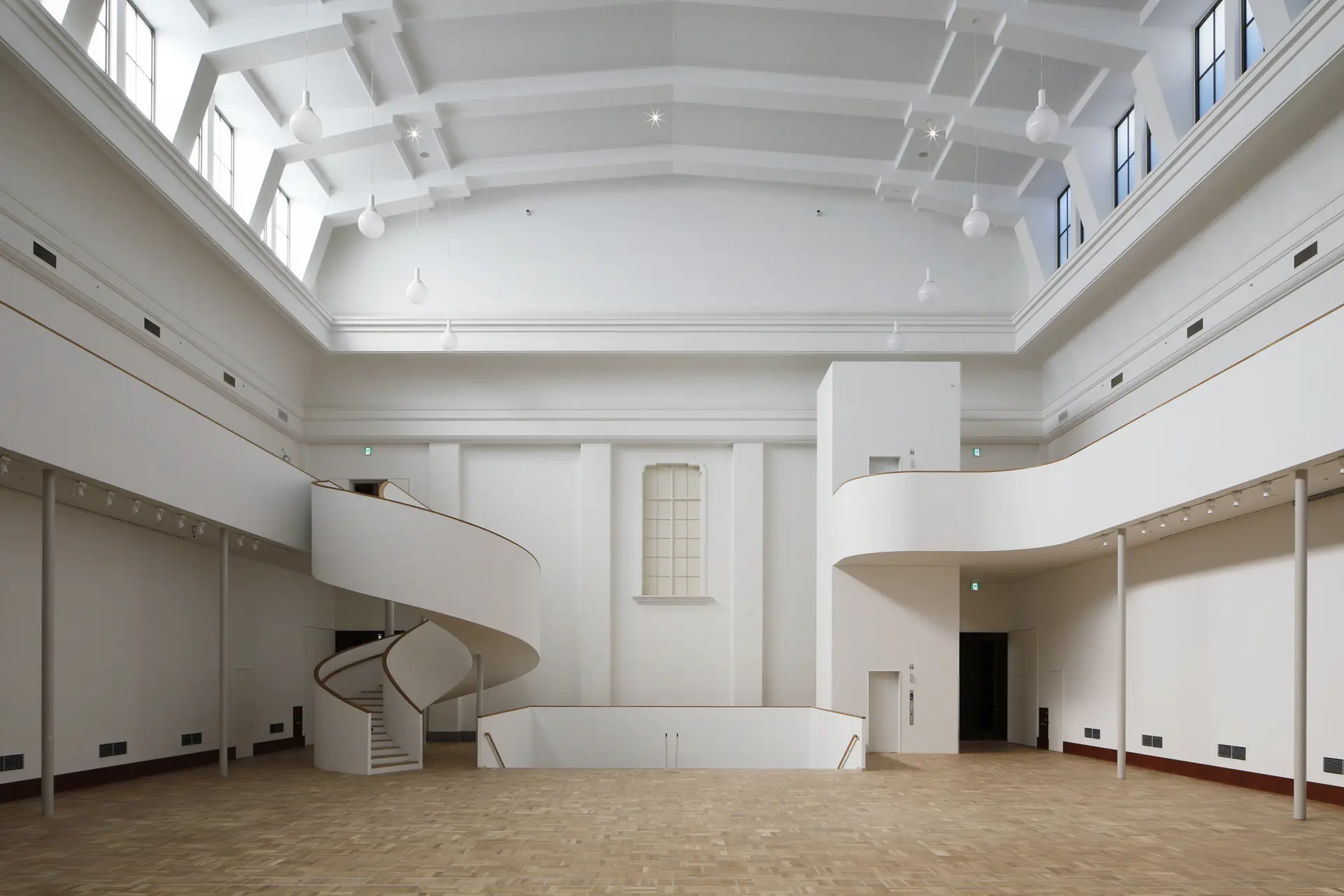
This public art museum reopened in 2020 following renovations that preserved its historic architecture. Its collection of more than 3,800 works centers on the modern Kyoto art world and includes Japanese-style and Western-style paintings, sculpture, prints, crafts, and calligraphy.
The museum offers a variety of exhibition spaces, including the Higashiyama Cube for contemporary art and The Triangle, which primarily introduces emerging artists. After viewing the works, continue to the bright white Central Hall and the courtyard to experience the changing character of the museum’s interior spaces.
- Name in Japanese
- 京都市京セラ美術館
- Postal Code
- 606-8344
- Address
-
124 Okazakienshojicho, Sakyo-ku, Kyoto City, Kyoto
Google Maps - Tel
- 075-771-4334
- Closed
- Mondays (If Mon is a holiday, closed) and the end and the beginning of the year
- Business Hours
- 10:00am - 6:00pm (Last admission is 30 minutes before closing)
- Admission
- Varies for each exhibition
- Directions
-
1) from Subway Tozai Line, Higashiyama Station, walk 8 min.
2) from Keihan Main Line, Sanjo Station, walk 16 min.
3) from Subway Tozai Line, Sanjo Keihan Station, walk 16 min. - Credit Cards
- Accepted (VISA, Master Card)
- Official Website
- Official Website (English)
10. Byodoin Temple (Uji City)
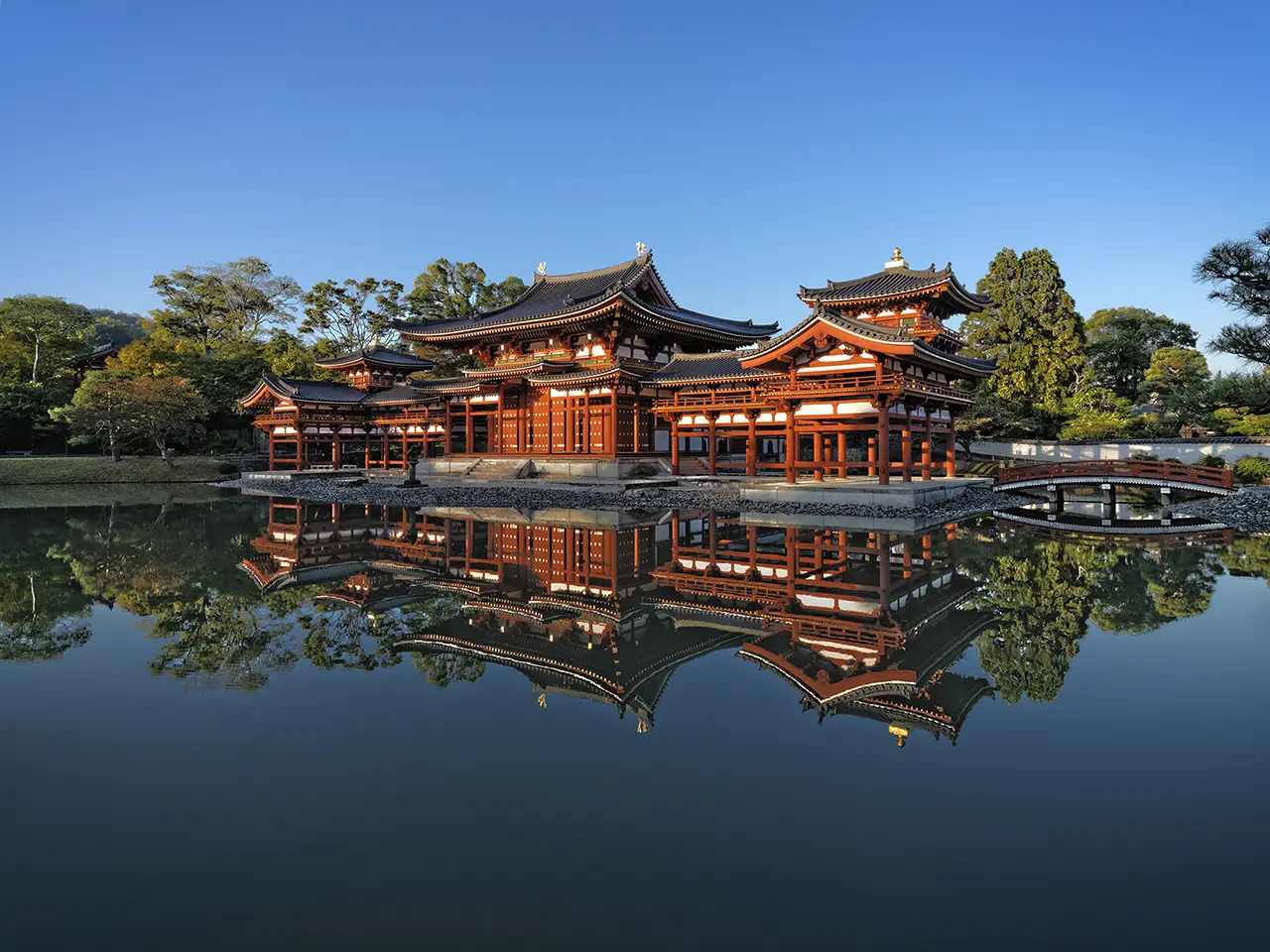
Byodoin Temple was established in 1052 when Yorimichi converted a villa inherited from Fujiwara no Michinaga into a temple. The Amida Hall, which enshrines the principal image of Amida Nyorai, is not to be missed. Its symmetrical form resembles a bird spreading its wings, and a pair of phoenixes on the roof led to its name, Phoenix Hall.
The Byodoin Museum Hoshokan displays the temple bell, phoenix statues, and Worshiping Bodhisattvas on Clouds. Visitors can also view digitally recreated images of the hall’s original vividly colored decoration.
- Name in Japanese
- 平等院
- Postal Code
- 611-0021
- Address
-
116 Uji Renge, Uji City, Kyoto
Google Maps - Telephone
- 0774-21-2861
- Holiday
- Open every day *Tea Room Toka is closed on Mondays, Tuesdays, and Wednesdays (If falls on a holiday, it is open)
- Hours
-
Phoenix Hall 9:30am - 4:10pm (A group of up to 50 rotates every 20 min. Starts admission at 9:10am, first come first serve)
Byodoin Hoshokan Museum 9am - 5pm (Entry allowed until 4:45pm)
Museum shop 9am - 5pm
Tea Room Toka 10:00am - 4:30pm (Last order 4pm)
Goshuin Reception 9:10am - 5:00pm (Last entry at 4:45pm)
Garden 8:45am - 5:30pm (Last entry at 5:15pm) - Admission
-
Adults 700 yen, HIgh and middle schoolers 400 yen, Elementary children 300 yen (A set fee for Hoshokan Museum)
*Viewing inside of Phoenix Hall, additional 300 yen - Directions
- From JR Nara Line / Keihan Uji Line, Uji Station, walk 10 min.
- Credit Cards
- Not accepted
- Official Website
- Official Website (English)
11. Taihoan Public Tea House (Uji City)
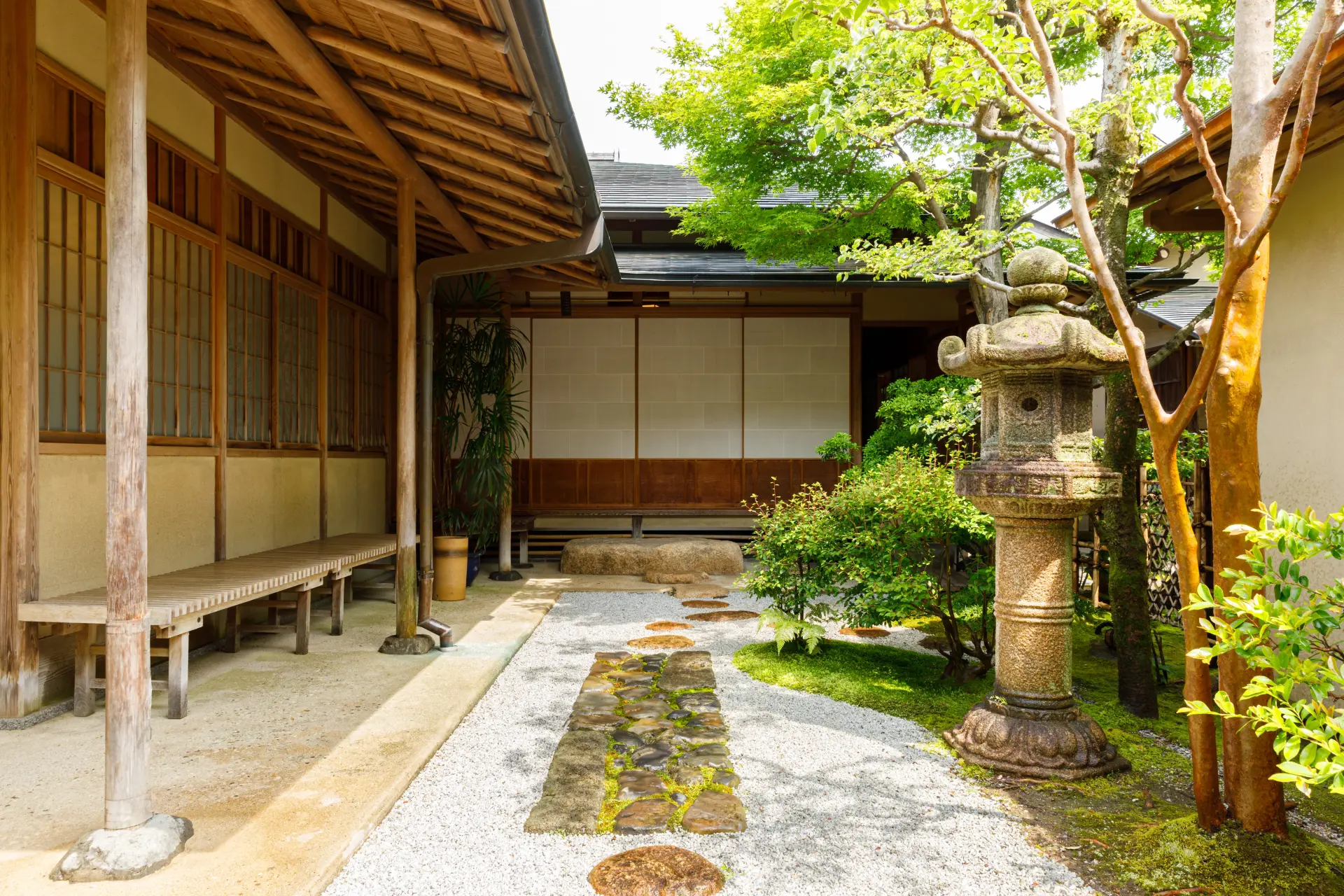
Taihoan is a public tea house beside the Uji River where visitors can savor authentic Uji tea and seasonal sweets. A tea ceremony instructor’s preparation offers an approachable introduction to Japanese tea culture.
No knowledge of formal etiquette is needed to experience the tea ceremony here. During the tea preparation experience, available to solo participants, you first receive tea prepared by the instructor and then try whisking or brewing it yourself. Check the official website for reservation procedures and participation requirements for your preferred program before adding it to your itinerary.
- Name in Japanese
- 宇治市営茶室 対鳳庵(たいほうあん)
- Postal Code
- 611-0021
- Address
-
2 Togawa, Uji, Uji City, Kyoto
Google Maps - Telephone
- 0774-23-3334
- Closed
-
December 21st - January 9th
Last day of each month (if it falls on Sat/Sun or a public holiday, the final weekday of the month) - Business Hours
- 10:00am - 4:00pm
- Admission
- Thin tea/Sencha each 1,000yen, Gyokuro 1,400yen, Gyokuro and Sencha set 2,000yen, Thick tea and thin tea set 3,000yen / Tea ceremony experience 2,400yen
- Access
-
(1) 10-minute walk from Keihan Uji Line Uji Station.
(2) 10-minute walk from JR Nara Line Uji Station. - Credit Cards
- Accepted
- Official Website
- Official Website (Japanese)
12. Philosopher’s Path (Kyoto City)
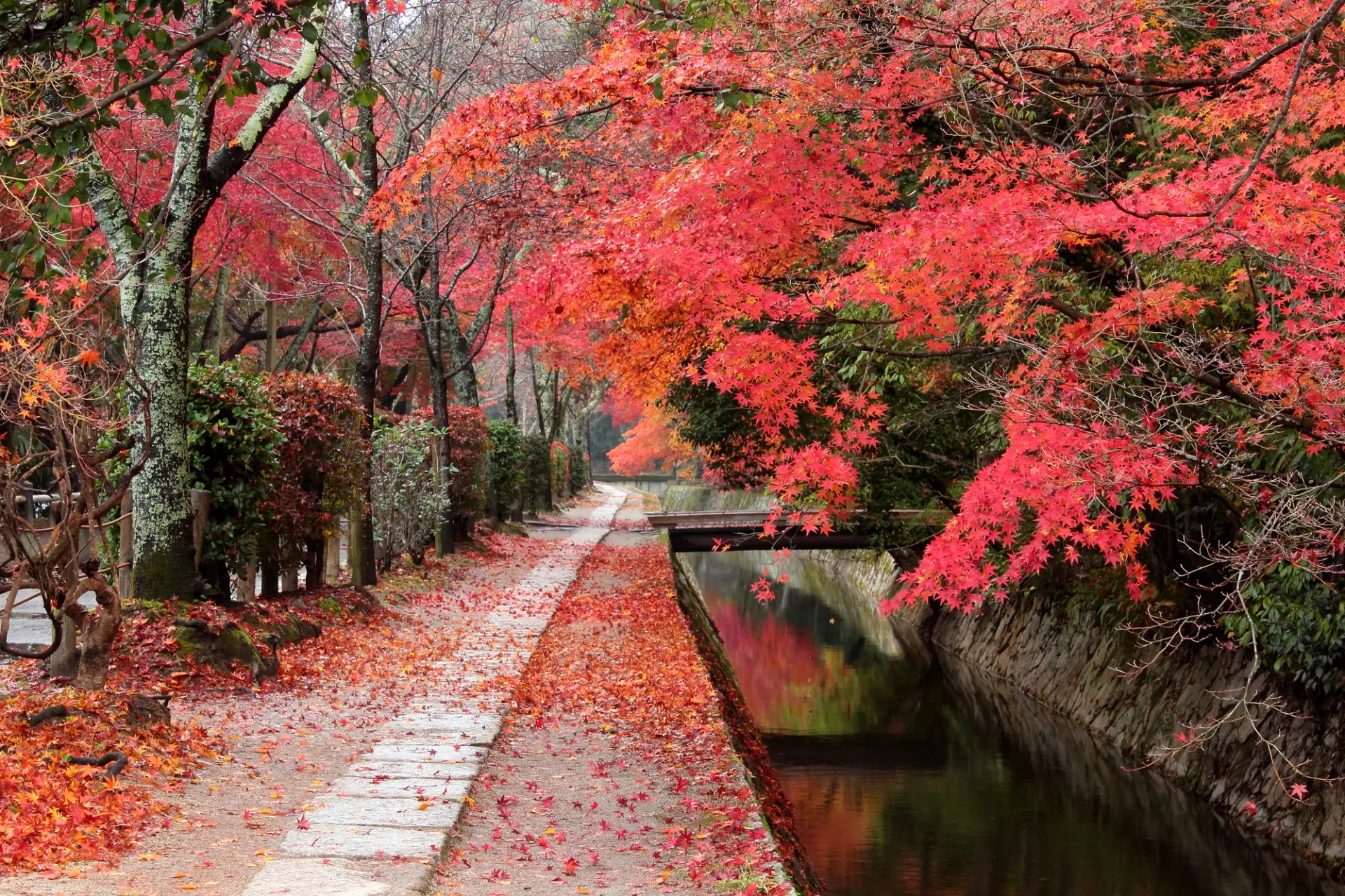
The Philosopher’s Path follows a canal for approximately 2 kilometers from Ginkaku-ji Temple to Kumano Nyakuoji-jinja Shrine. In spring, around 400 cherry trees, including Somei Yoshino, Oshima cherry, and double-flowered varieties, bloom along the canal. Hydrangeas in early summer, autumn foliage, and other seasonal scenery are equally memorable.
In 1987, it was selected as one of Japan’s 100 Best Roads. Make the walk itself part of the journey rather than simply moving between famous sights, and pause whenever a waterside view catches your attention.
- Name in Japanese
- 哲学の道
- Postal Code
- 606-8404
- Address
-
Jodojishimominamidacho, Sakyo-ku, Kyoto City, Kyoto
Google Maps - Directions
-
1)Transfer to a city bus from Imadegawa Station on the Subway Karasuma Line or Demachiyanagi Station on the Keihan Railway, get off at "Ginkakuji Tetsudo" bus stop and walk shortly.
2) From Keage Station on the Subway Tozai Line, about 20 minutes on foot.
3) Take a city bus to Miyanomae bus stop and walk about 5 minutes. - Official Website
- Official Website (Japanese)
13. Otowa-san Kiyomizu-dera Temple (Kyoto City)
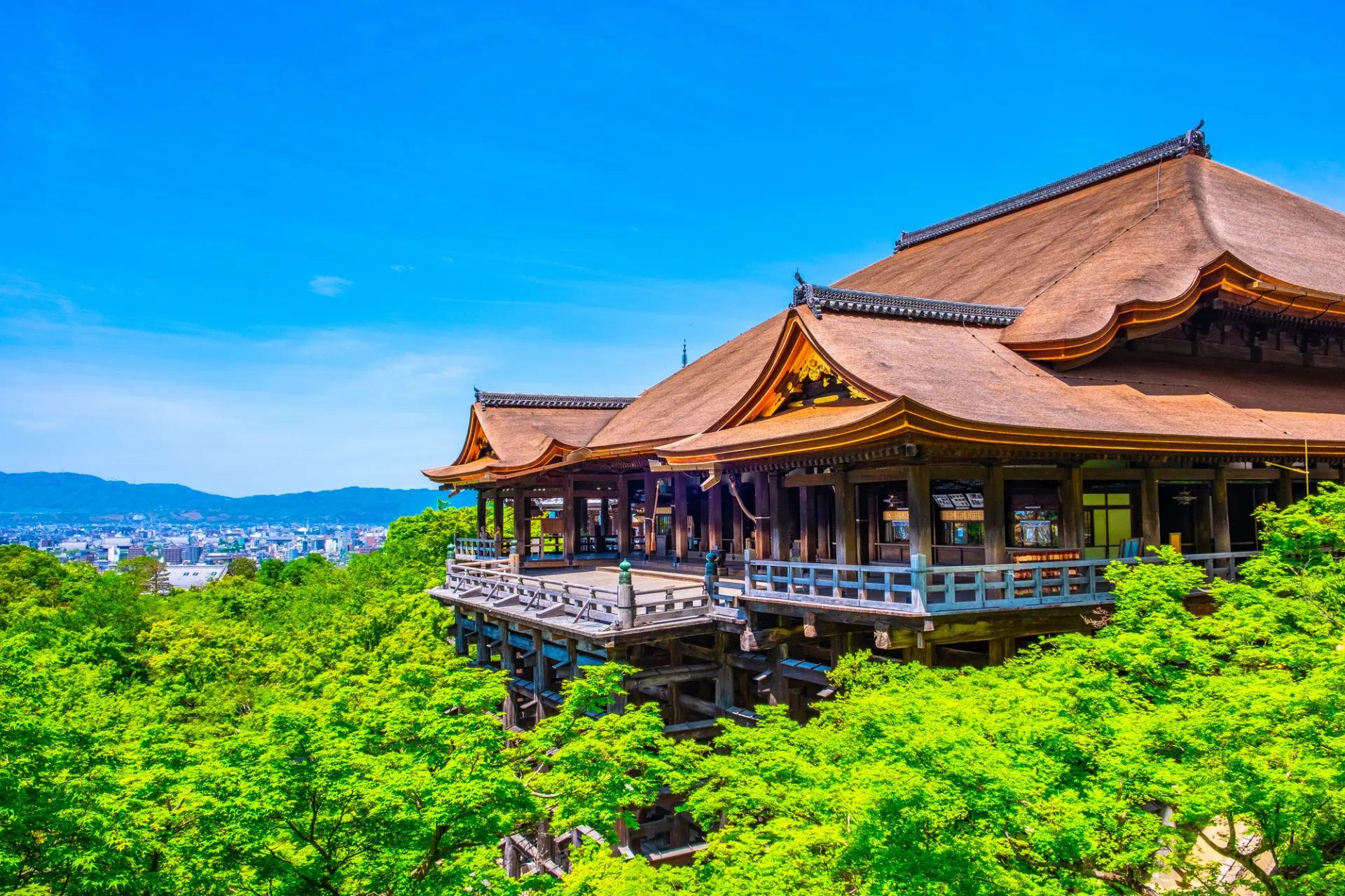
Founded in 778, this temple is known for the “Stage of Kiyomizu,” which projects from the slope of Mount Otowa. Its 130,000-square-meter grounds spread across the mountainside and contain more than 30 temple buildings and monuments, including National Treasures and Important Cultural Properties.
The stage of the main hall stands approximately 13 meters high and was constructed using an ancient Japanese technique that joins wooden components without nails. Along with worshiping at the temple, notice how its architecture makes use of the mountainous terrain.
- Name in Japanese
- 音羽山 清水寺
- Postal Code
- 605-0862
- Address
-
1-294 Kiyomizu, Higashiyama-ku, Kyoto City, Kyoto
Google Maps - Telephone
- 075-551-1234
- Holiday
- Open every day
- Business Hours
- 6:00am - 6:00pm
- Admission
- Adults 500 yen, Elementary/ Middle School Students 200 yen
- Directions
-
1) Ride the Keihan Main Line to Kiyomizu Gojo Station, then walk 25 minutes.
2) Ride the Kyoto Municipal Transportation Bureau (City Bus) Line 206 "Higashiyama-Dori Kitaoji Bus Terminal" or Line 100 "Kiyomizudera Gion Ginkakuji" from Keihan Main Line Nanajo Station, get off at "Gojo Zaka" bus stop, then walk 10 minutes. - Credit Cards
- Not accepted
- Official Website
- Official Website (Japanese)
14. Kennin-ji Temple (Kyoto City)
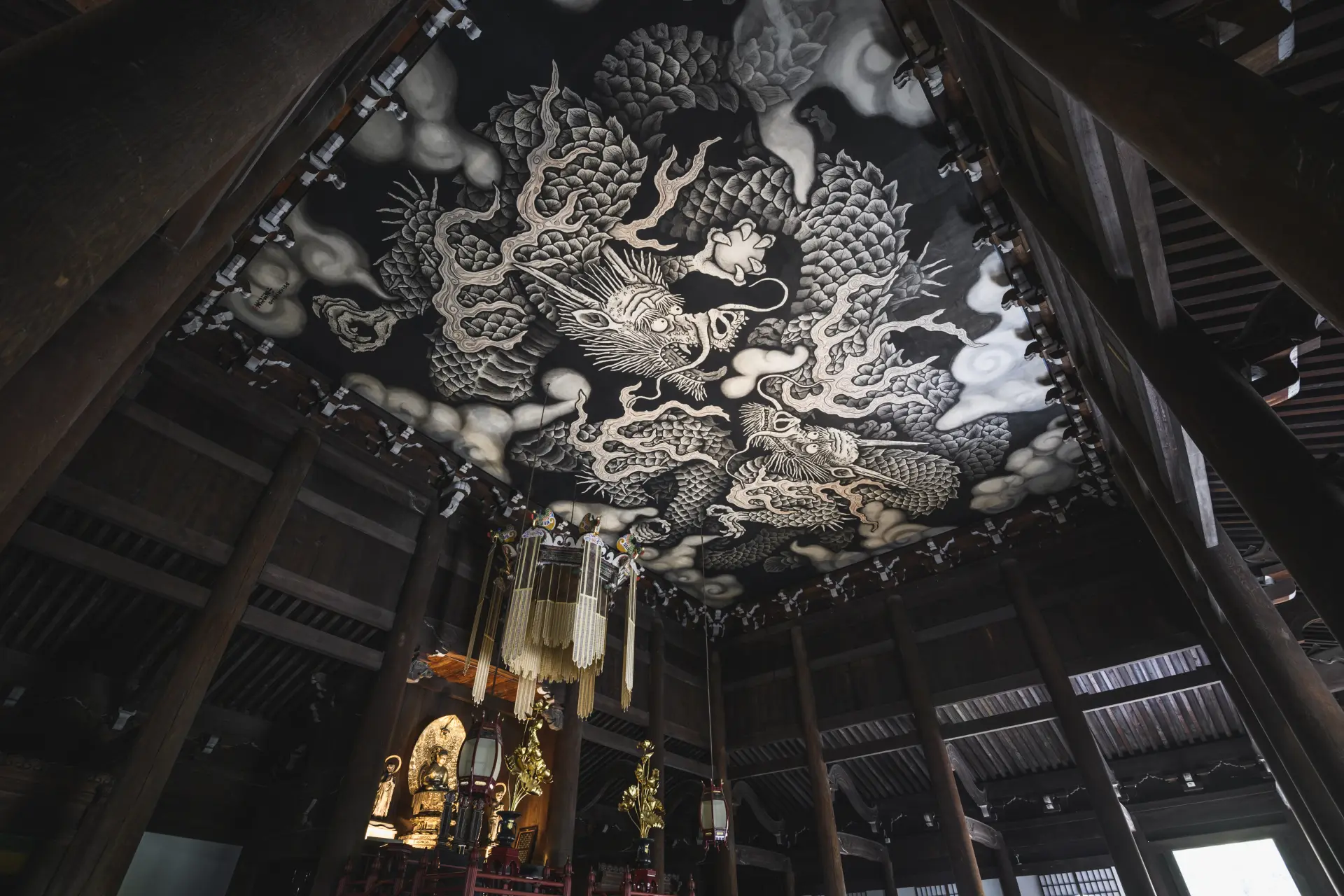
Founded in 1202 with Zen master Yosai as its first abbot, Kennin-ji is Kyoto’s oldest Zen temple. Its celebrated ceiling painting “Twin Dragons” was created by artist Junsaku Koizumi in 2002 to commemorate the temple’s 800th anniversary and covers an immense area equivalent to 108 tatami mats.
High-resolution digital reproductions of Tawaraya Sotatsu’s “Wind and Thunder Gods” screens can be viewed in the main temple building, while reproductions of Kaiho Yusho’s sliding-door paintings are displayed in the Hojo. Spend time with these paintings as you look up at the dragons filling the ceiling and follow the imagery across screens and sliding doors.
- Name in Japanese
- 建仁寺
- Postal Code
- 605-0811
- Address
-
584 Komatsucho, Higashiyama-ku, Kyoto City, Kyoto
Google Maps - Telephone
- 075-561-6363
- Holiday
- April 19th and 20th, June 4th and 5th, as well as various days for memorial services
- Hours
- 10:00am - 5:00pm(Admission allowed until 4:30pm)
- Admission
-
General Admission: 800 yen, Students (Elementary, Junior High, High School): 500 yen ※ Free For Children Under Elementary School Age
※ Children Below Elementary School Age Cannot Enter Alone
※ Visitors With A Disability Certificate Can Enter For Free (Caregivers Require A Paid Ticket) - Directions
-
(1) 7-minute walk from Gion Shijo Station on the Keihan Main Line.
(2) 10-minute walk from Kyoto Kawaramachi Station on the Hankyu Kyoto Main Line.
(3) Take Kyoto City Bus No. 206 from Kyoto Station, get off at Higashiyama Yasui Bus Stop, and walk 5 minutes. - Credit Cards
- Not accepted
- Official Website
- Official Website (japanese)
15. Shimogamo-jinja Shrine (Kamo-mioya-jinja Shrine) (Kyoto City)
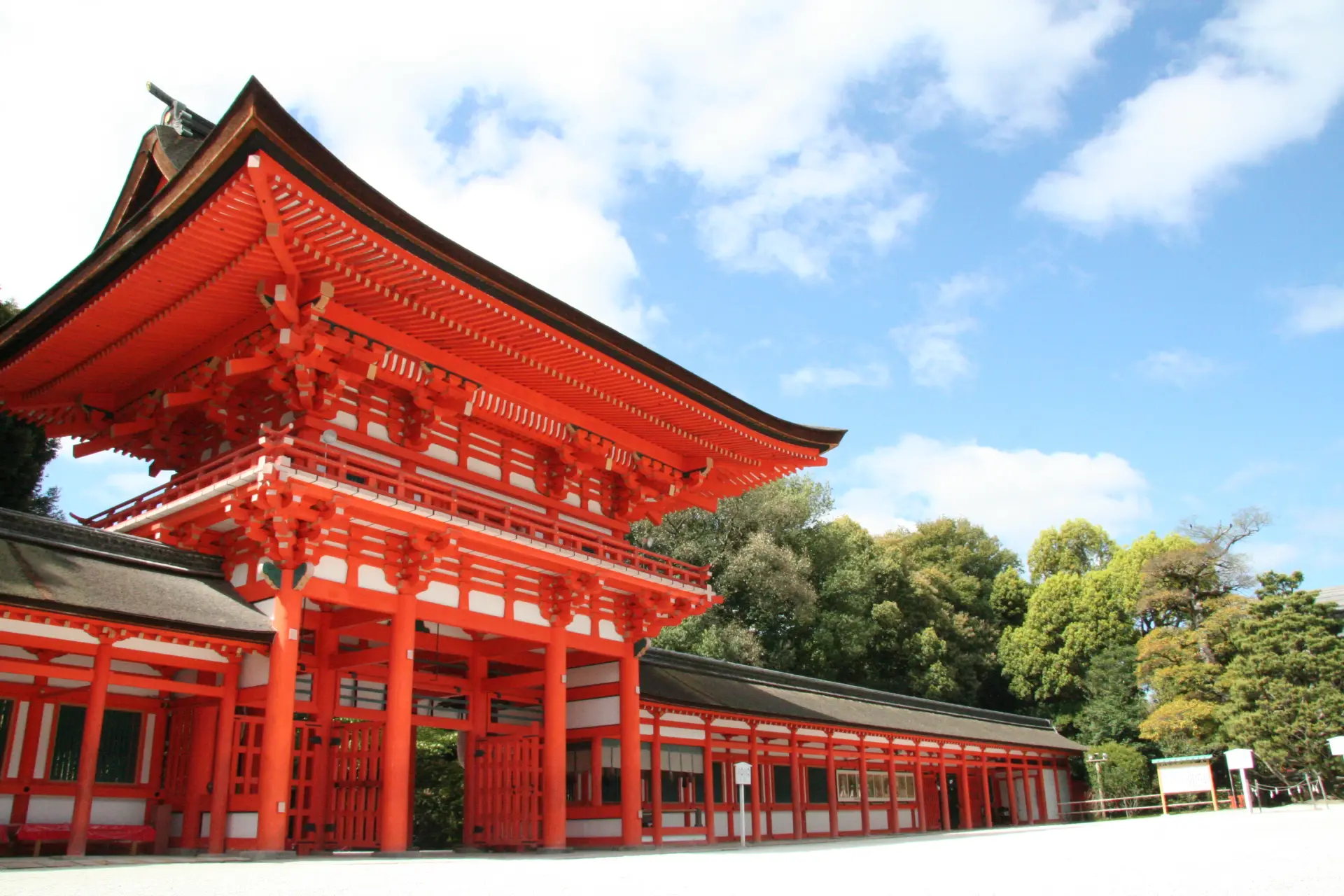
Kamo-mioya-jinja is one of Kyoto’s oldest shrines and is surrounded by the lush Tadasu no Mori forest. Because it stands downstream along the Kamo River, it is affectionately known as Shimogamo-san or Shimogamo-jinja Shrine.
Its two main sanctuaries, one east and one west, are designated National Treasures, and the shrine was registered as a World Heritage Site in 1994. The grounds also contain smaller shrines associated with relationships, beauty, and other wishes, allowing you to visit those that match your interests. After walking through the forest, stop at a nearby teahouse and take a break with sweets connected to the shrine.
- Name in Japanese
- 下鴨神社(賀茂御祖神社)
- Postal Code
- 606-0807
- Address
-
59 Shimogamoizumigawacho, Sakyo-ku, Kyoto City, Kyoto
Google Maps - Telephone
- 075-781-0010
- Holiday
- Open every day
- Hours
- 6:30am - 5:00pm
- Admission
- Free (Special viewing of the "Oidono Hall" is 1,000 yen per person, free for junior high school students and younger)
- Directions
-
1) Get off at "Shimogamo Jinja Mae" or "Tadasu-no-mori Mae" bus stop on the No. 1 / No. 205 City Bus from Kitaoji Station on the Karasuma Line, Approximately 3 minute-walk
2) 15 minute walk from Demachiyanagi Station on the Keihan Main Line
3) 15 minute walk from Demachiyanagi Station on the Eizan Electric Railway - Credit Cards
- Not accepted
- Official Website
- Official Website (Japanese)
16. Ryoan-ji Temple (Kyoto City)
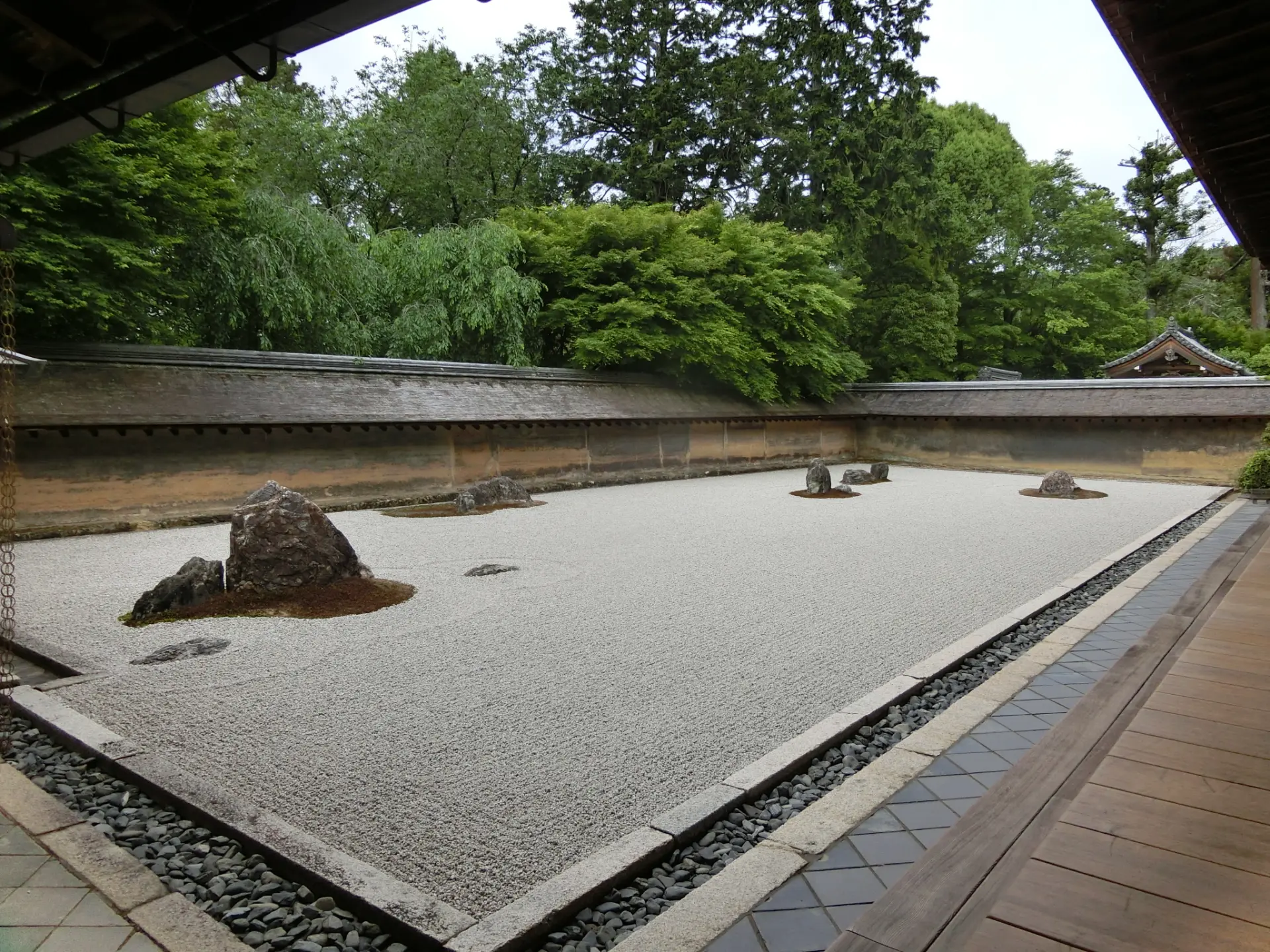
Founded by Hosokawa Katsumoto in 1450, Ryoan-ji is a Zen temple of the Myoshinji school of Rinzai Buddhism. Here you can take time to appreciate two contrasting gardens: the Hojo rock garden and the grounds centered on Kyoyochi Pond.
The renowned Hojo Garden, designated both a Historic Site and a Special Place of Scenic Beauty, is a flat, dry landscape garden enclosed by earthen walls on three sides. Its 15 stones are arranged from east to west in groups of 5, 2, 3, 2, and 3, earning it the names “Garden of Shichi-Go-San” and “Garden of Tiger Cubs Crossing the Water.” After contemplating the rock garden, continue to the pond and follow the waterside scenery.
- Name in Japanese
- 龍安寺
- Postal Code
- 616-8001
- Address
-
13 Ryoanji Goryonoshitacho, Ukyo-ku, Kyoto City, Kyoto
Google Maps - Telephone
- 075-463-2216
- Holiday
- Open every day
- Hours
- 8:00am - 5:00pm (December to February: 8:30am - 4:30pm)
- Admission
- 600 yen
- Directions
-
1) Take the Keifuku Electric Railway (Randen) Kitan Line to Ryoanji Station, then walk for 7 minutes.
2) Take the No. 50 Kyoto City Bus from JR Kyoto Station and get off at Ritsumeikan Daigaku-mae bus stop, then walk 7 minutes.
3) Take the No. 55 Kyoto City Bus from Hankyu Kyoto Line Omiya Station and get off at Ritsumeikan Daigaku-mae bus stop, then walk 7 minutes.
4) Take the No. 59 Kyoto City Bus from Keihan Main Line Sanjo Station and get off at Ryuanji-mae bus stop, very close by foot. - Credit Cards
- Not accepted
- Official Website
- Official Website (English)
17. Sagano Bamboo Grove Path (Kyoto City)
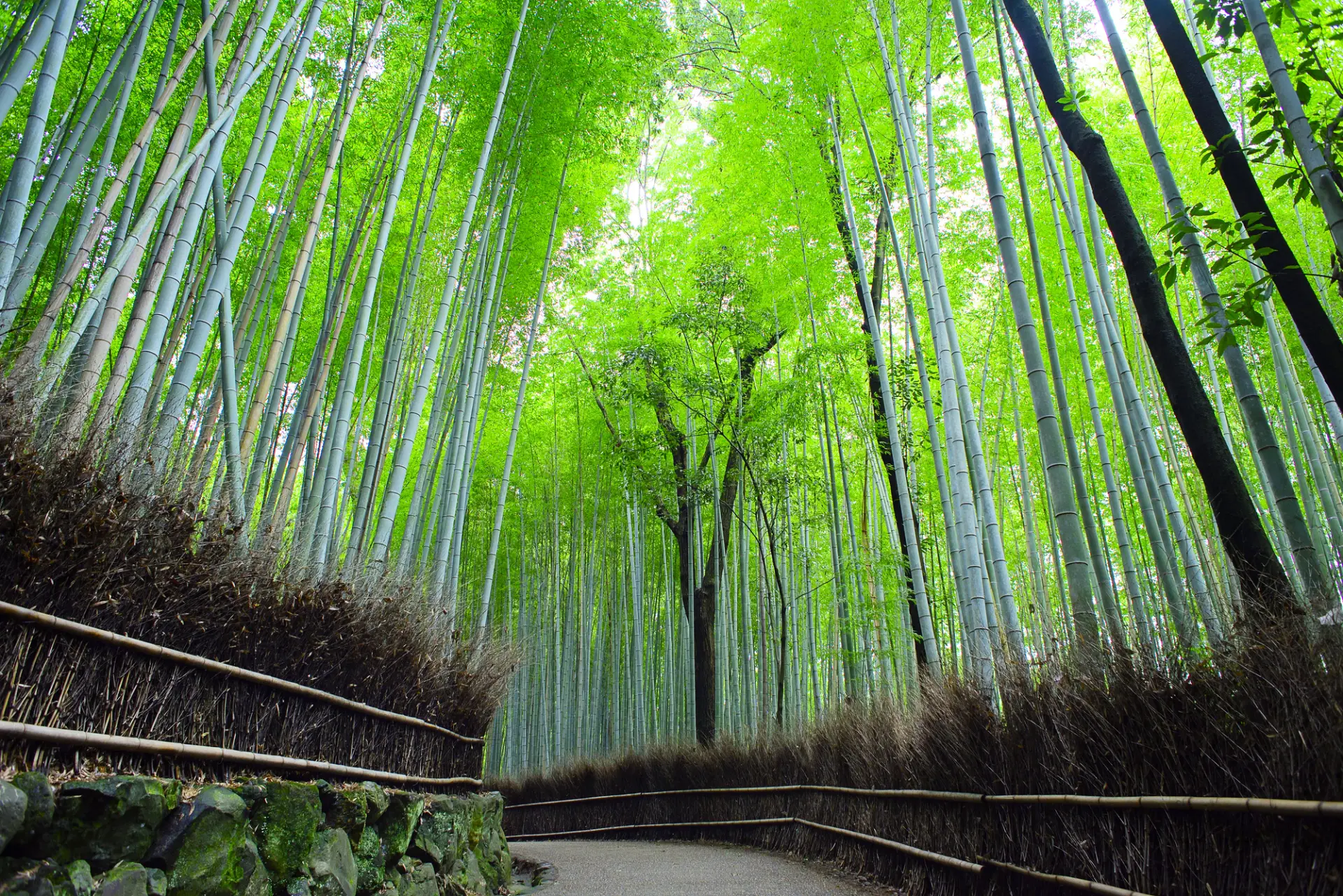
This walking path extends approximately 400 meters from Nonomiya-jinja Shrine, past the north gate of Tenryu-ji Temple, to Okochi Sanso Garden. The sight of vibrant green bamboo rising toward the sky frequently appears on travel magazine covers, in television dramas, and in commercials, and is known as one of Kyoto’s representative landscapes.
In Sagano, an area long favored by aristocrats and literary figures since the Heian period, walk slowly along the bamboo-lined path, shifting your gaze from the ground to the canopy overhead.
- Name in Japanese
- 嵯峨野竹林の小径
- Postal Code
- 616-8385
- Address
-
Sagatenryujisusukinobabacho, Ukyo-ku, Kyoto City, Kyoto
Google Maps - Closed
- Open every day
- Hours
- Visit any time
- Fees
- Visit any time
- Directions
-
1) from Keifuku Train (Randen), Arashiyama Station, walk 10 min.
2) from JR Sagano Line, Saga-Arashiyama Station, walk 13 min.
3) from Hankyu Railroad, Arashiyama Line, Arashiyama Station, walk 21 min.
18. Fushimi Inari Taisha Shrine (Kyoto City)
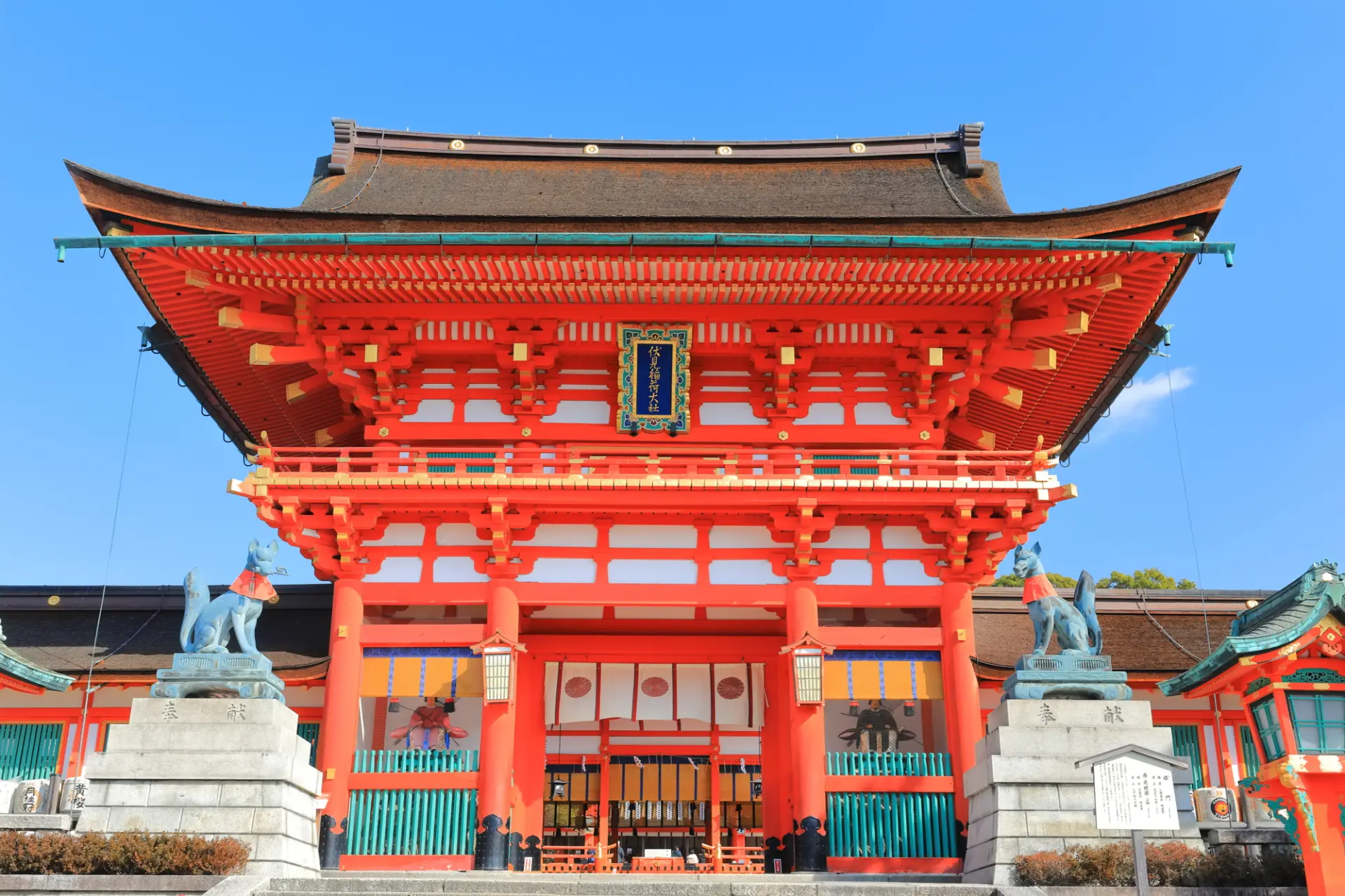
Founded in 711, Fushimi Inari Taisha is the head shrine of the approximately 30,000 Inari shrines said to exist throughout Japan. Its best-known sight is the Senbon Torii, where rows of vermilion gates form tunnels behind the main sanctuary.
Beyond the gates at the Okusha Hohaisho prayer area stands the Omokaru Stone. Visitors make a wish and lift the stone; if it feels lighter than expected, the wish is said to come true. Along the way, also notice the stone statues of foxes, regarded as messengers of the deity.
- Name in Japanese
- 伏見稲荷大社
- Postal Code
- 612-0882
- Address
-
68 Fukakusayabunouchi-Cho, Fushimi-Ku, Kyoto City, Kyoto
Google Maps - Telephone
- 075-641-7331
- Holiday
- Open every day
- Hours
- Not specified ( the time for prayer and the conferment place: 8:30 am - 4:30 pm).
- Admission
- Free
- Directions
-
1) A few-minute walk from Inari station on JR Fushimi Line.
2) A 5-minute walk from Fushimi-Inari Station on the Keihan Line. - Official Website
- Official Website (English)
19. Gekkeikan Okura Sake Museum (Kyoto City)
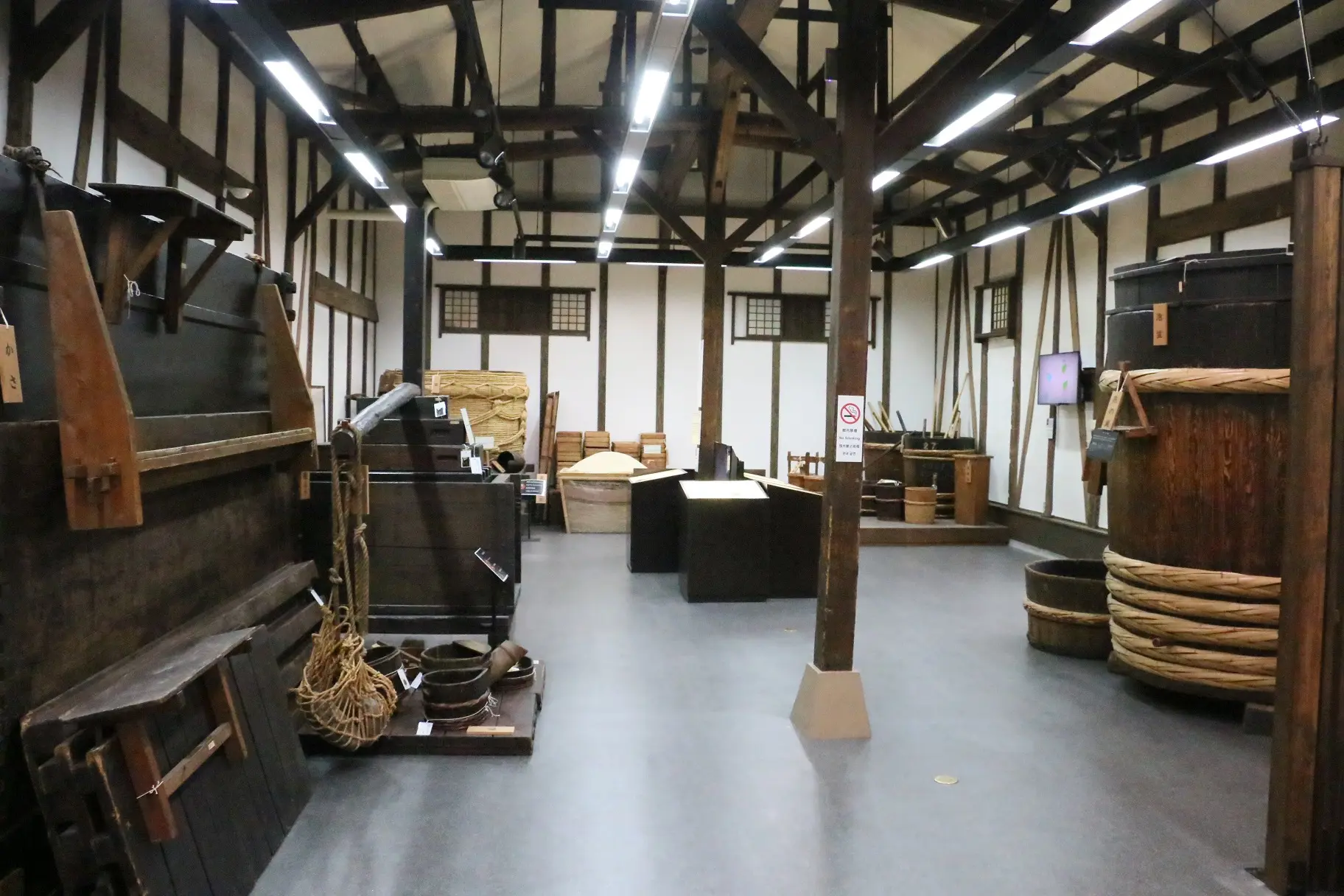
Located in the sake-brewing district of Fushimi, the Gekkeikan Okura Sake Museum occupies a renovated brewery more than 100 years old. It attracts visitors as a comprehensive sake museum presenting the history and techniques of brewing in Fushimi and the appeal of Japanese sake.
The exhibits also introduce the challenges and innovations developed over the company’s long history. After touring the museum, choose three varieties from several available at the tasting counter. Sample sake that changes with the seasons, consider the brewing techniques introduced in the exhibits, and compare the differences in each glass.
- Name in Japanese
- 月桂冠大倉記念館
- Postal Code
- 612-8045
- Address
-
247 Minamihamacho, Fushimi-ku, Kyoto City, Kyoto
Google Maps - Telephone
- 075-623-2056
- Holiday
- August 13-16, December 28-January 4
- Hours
- 9:30am - 4:30pm (Admission allowed until 4:00pm)
- Admission
- 600 yen (including souvenirs)
- Directions
-
1) A 5-minute walk from Chushojima Station on Keihan Main Line
2) A 10-minute walk from Fushimi-Momoyama Station on Keihan Main Line
3) A 10-minute walk from Momoyama-Goryomae Station on Kintetsu Kyoto Line
4) A 18-minute walk from Momoyama station on JR Nara Line - Credit Cards
- Accepted
- Official Website
- Official Website (English)
5 Recommended Places to Eat on a Solo Trip to Kyoto
To experience Kyoto’s food, look beyond obanzai home-style dishes and Kyoto-style udon to include breakfast at a long-established café and dishes and sweets made with Uji tea. Pause for coffee before sightseeing, have lunch near your destination, and choose whatever catches your eye from the counter in the evening.
Visit restaurants that fit naturally into your sightseeing plans and bring flavors distinctive to Kyoto into both meals and café breaks.
1. Tempura Obanzai Ishikawa (Kyoto City)
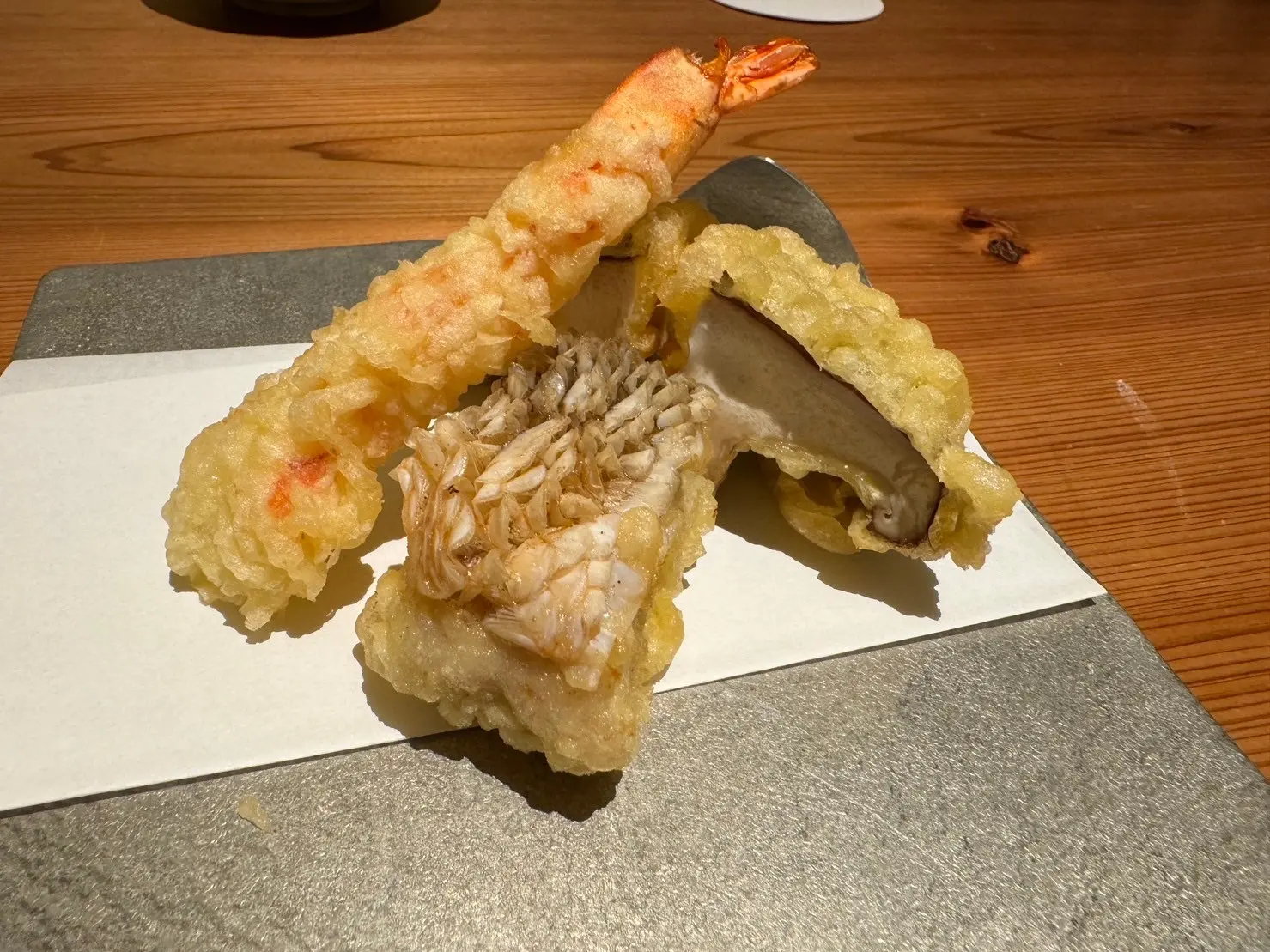
This restaurant serves tempura and obanzai made with seasonal ingredients, all available à la carte. Large bowls of obanzai line the first-floor counter, allowing you to choose between a casual izakaya-style meal and one centered on tempura, depending on your mood.
An omakase course is also available when reserved by the previous day. At the end of a day spent walking around Kyoto, settle in at the counter and pair whichever obanzai catches your eye with seasonal tempura.
- Name in Japanese
- 天ぷらおばんざいいしかわ
- Postal Code
- 600-8092
- Address
-
230-4 Shinmeicho, Shimogyo-ku, Kyoto City, Kyoto
Google Maps - Telephone
- 075-741-6668
- Closed
- Wednesdays, 3rd・4th Thursday
- Business Hours
- 5:00pm - 10:00pm (L.O.9:00pm)
- Budget
- 6,000yen-
- Access
- About 3 minutes walk from Subway Tozai Line’s Shijo Station, Hankyu Karasuma Station.
- Credit Cards
- Accepted
- Official Website
- Official Website (Japanese)
2. INODA COFFEE Main Shop (Kyoto City)
Founded in 1940, this renowned café is a good place for a Kyoto breakfast or a cup of coffee between walks around the city. Its machiya-style building offers a calm interior furnished with classic lighting and chairs, where guests can enjoy carefully prepared coffee and light meals.
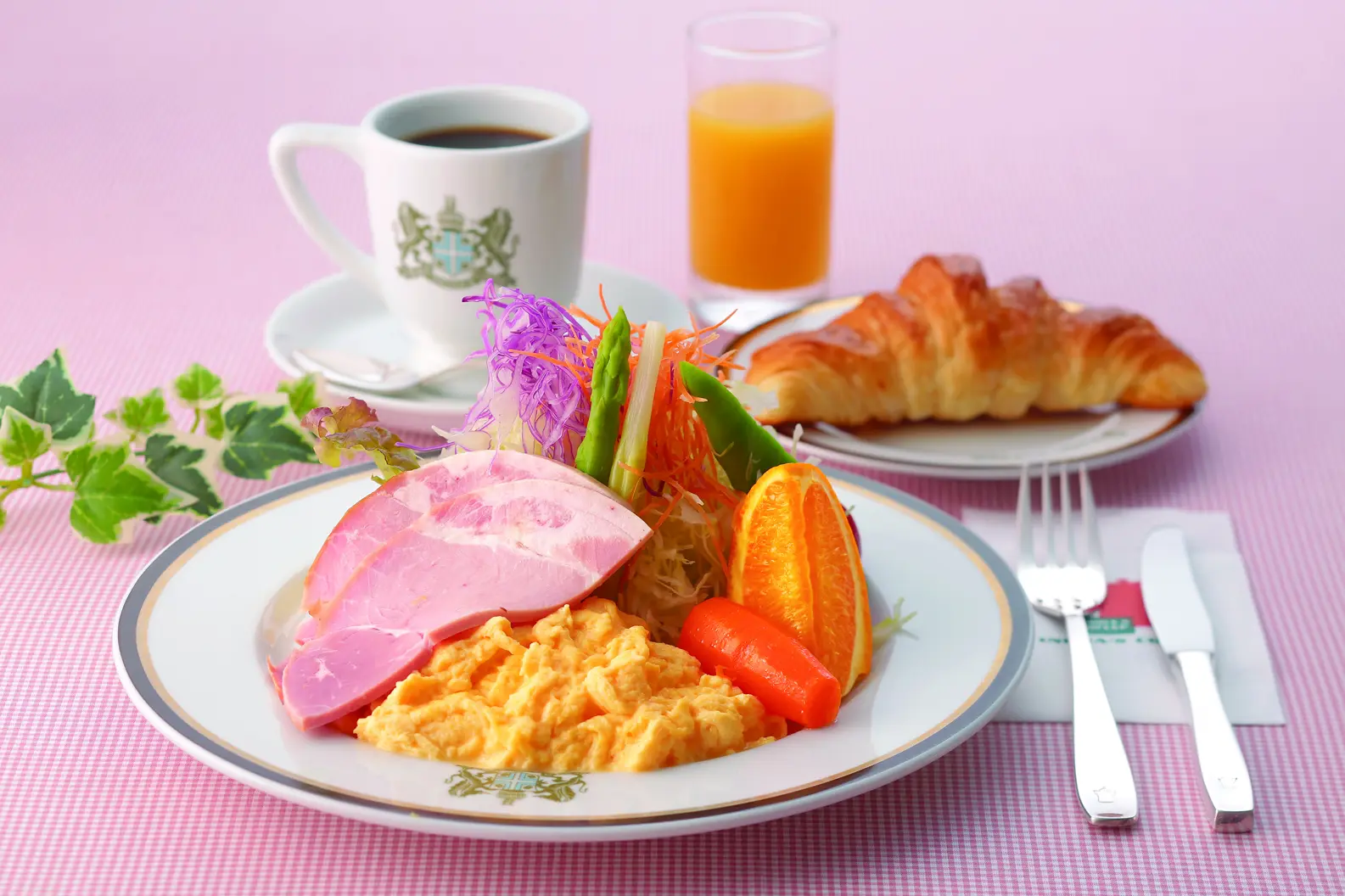
The signature “Arabian Pearl” is a dark-roasted, mocha-based blend that balances aroma, richness, and acidity. Another popular choice is the “Kyoto Breakfast,” served with scrambled eggs, boneless ham, a croissant, and more. Stop for a meal before sightseeing or enjoy cake and coffee in the afternoon.
- Name in Japanese
- イノダコーヒ本店
- Postal Code
- 604-8118
- Address
-
140 Doyu-cho, Sanjo sagaru, Sakaimachi-dori, Nakagyo-ku, Kyoto City, Kyoto
Google Maps - Telephone
- 075-221-0507
- Closed
- Open every day
- Business Hours
- 7:00am - 6:00pm
- Budget
- 600 yen~
- Access
- 10 minutes’ walk from Subway Oike-Karasuma Station
- Credit Cards
- Accepted (Visa, JCB, American Express, MasterCard, Diners Club, UnionPay)
- Official Website
- Official Website (English)
3. Kyoto Udon Nama Soba Okakita (Kyoto City)
Founded in 1940 near Heian-jingu Shrine, this restaurant serves Kyoto-style udon and rice bowls passed down through four generations. Faithfully preserving Kyoto’s tradition of emphasizing dashi broth, it uses only natural Rishiri kombu.
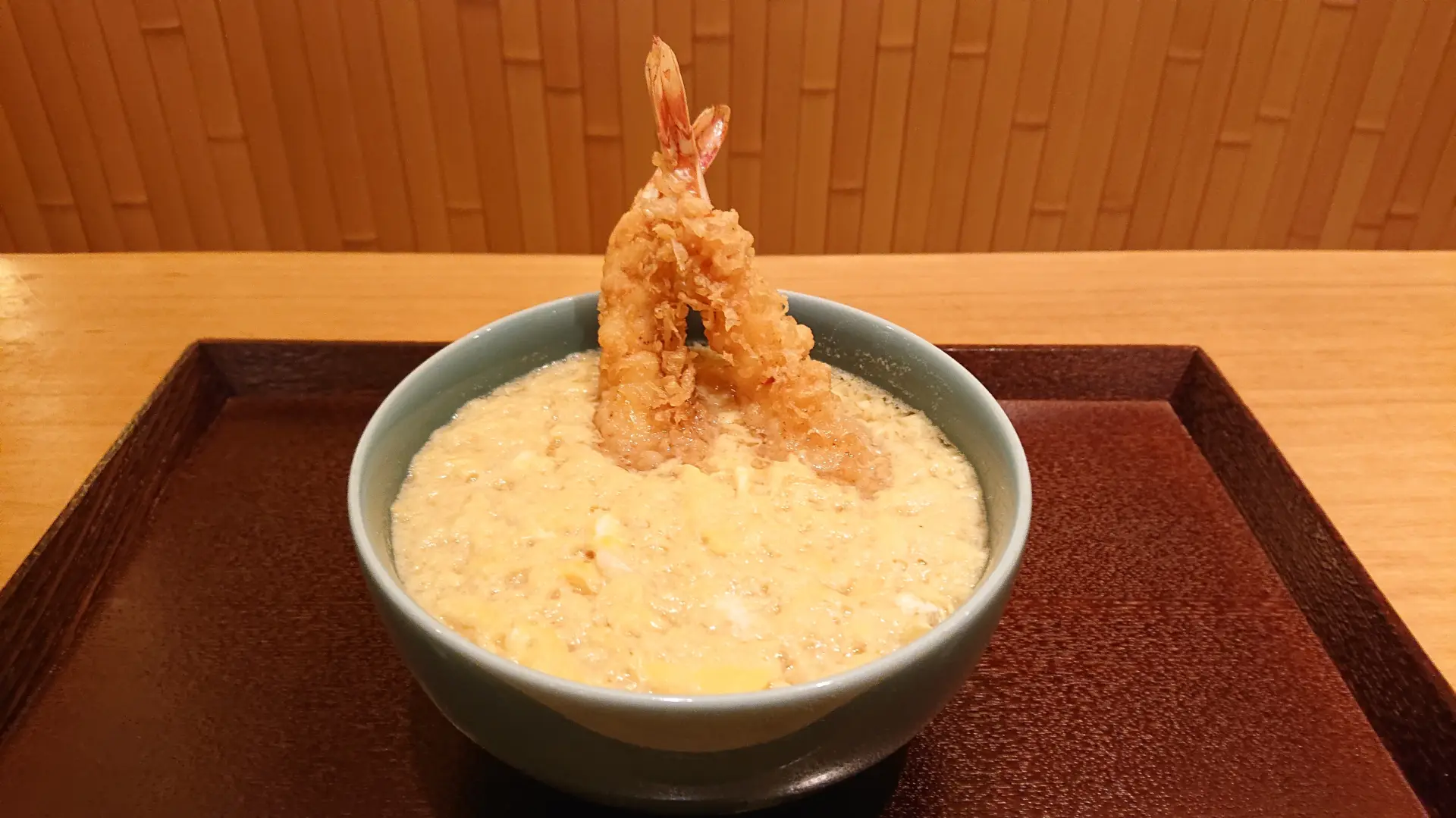
Among its many dishes, the “Tentojii” features udon covered with fluffy egg and tempura. For lunch on a day spent visiting temples and museums in Okazaki, take time to savor the combination of egg, noodles, and dashi.
- Name in Japanese
- 京うどん 生蕎麦 おかきた
- Postal Code
- 606-8334
- Address
-
34 Okazakiminamigoshocho, Sakyo-ku, Kyoto City, Kyoto
Google Maps - Telephone
- 075-771-4831
- Closed
- Every Tuesday and Wednesday
- Business hours
- 11:00am - 6:00pm(L.O.)
- Budget
- 2,000 yen
- Access
- Approx. 2 minutes on foot from City Bus "Okazaki Koen / Dobutshuen-mae (Zoo)" bus stop
- Credit Cards
- Not accepted
- Official Website
- Official Website (Japanese)
4. Kyoto Uji Matcha Cuisine Tatsumiya (Uji City)
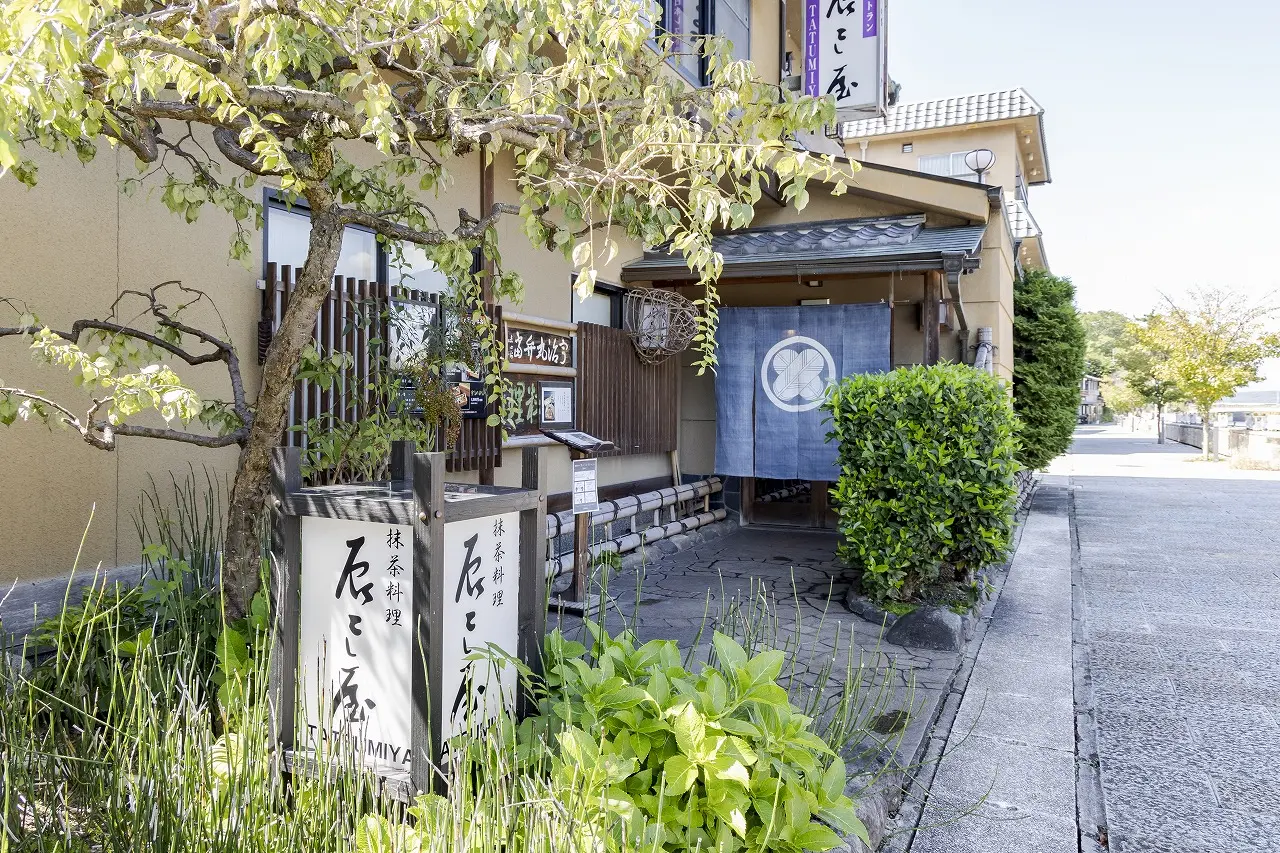
Overlooking the Uji River, this restaurant specializing in matcha cuisine offers ways to eat tea rather than simply drink it. Its long history began with a tea wholesaler founded in 1840, which became a restaurant in its present form in 1913.
Its specialty matcha tofu is made by pressing soy milk from Tsurunoko soybeans grown in Hokkaido and adding matcha from Uji, then carefully preparing it over three full days. For lunch while exploring Uji, experience the flavor of matcha inherited from the restaurant’s roots as a tea wholesaler.
- Name in Japanese
- 京・宇治 抹茶料理 辰巳屋
- Postal Code
- 611-0021
- Address
-
3-7 Togawa, Uji, Uji City, Kyoto
Google Maps - Telephone
- 0774-21-3131
- Closed
- Irregular holidays
- Business Hours
-
11:00am - 3:30pm (L.O.2:30pm), 5:00pm - 10:00pm (L.O.7:30pm)
*Reservations required for evenings only.
*Reservations are available from 4:30 p.m. during the "Uji River cormorant fishing season" from July to September. - Budget
- Lunch 5,000yen, Dinner 12,000yen
- Access
- About 15 minutes walk from JR Uji Station, about 12 minutes walk from Keihan Uji Station.
- Credit Cards
- Accepted
- Official Website
- Official Website (Japanese)
5. Nakamura Tokichi Honten (Uji City)
Founded in Uji in 1854, this Japanese tea specialist offers time to select fine tea and enjoy sweets. Its café occupies a former tea factory and serves specialty Uji tea along with desserts made with tea and matcha.
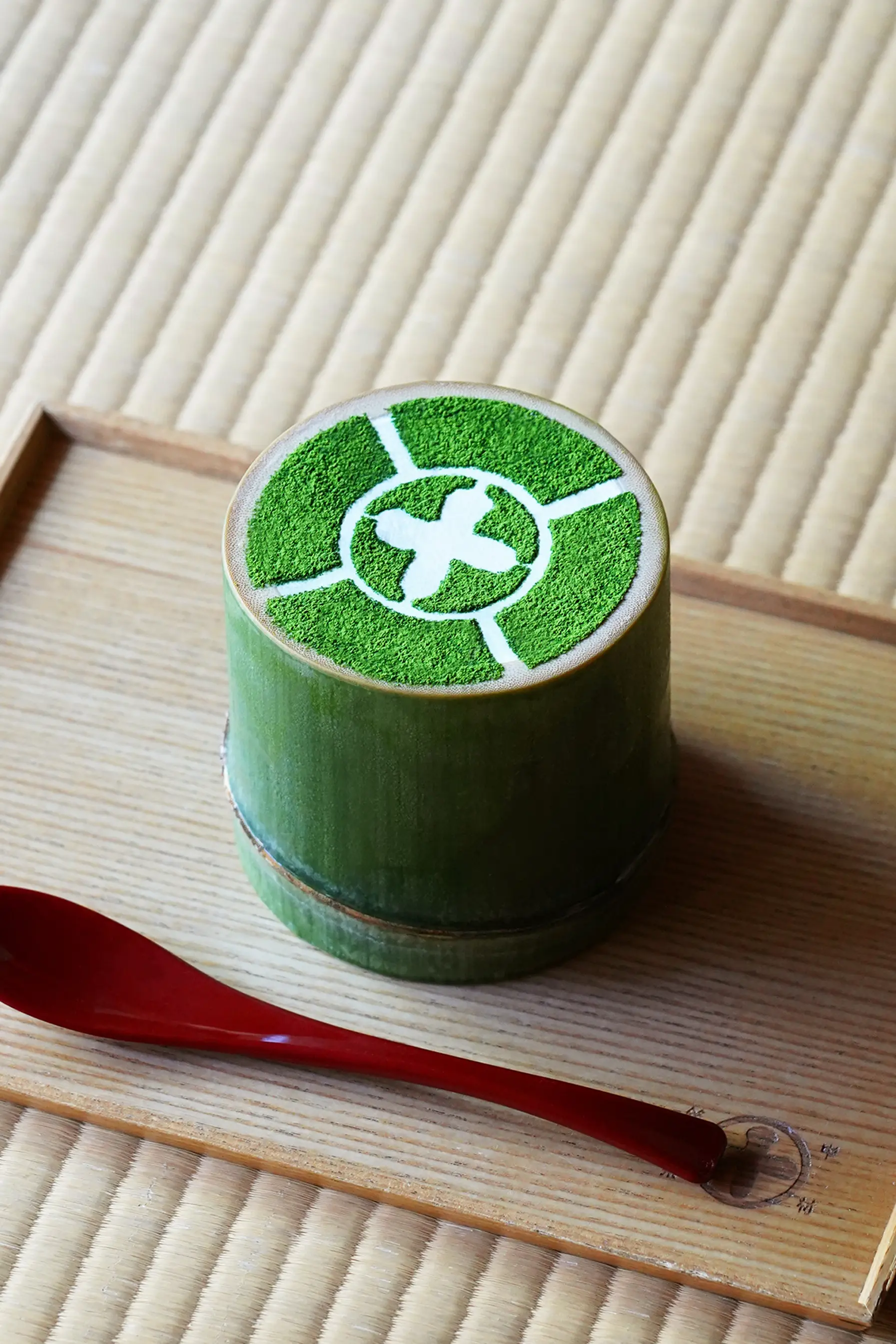
The signature Namacha Jelly (Matcha) combines smooth jelly that captures the flavor and aroma of tea leaves with sweet azuki beans and shiratama rice dumplings. Available only at the main store, the Maruto Parfait (Matcha) layers matcha castella cake, ice cream, and other ingredients inside a bamboo vessel. Choose whichever dessert appeals to you and savor the depth of tea flavor offered by a Uji tea specialist.
- Name in Japanese
- 中村藤吉本店
- Postal Code
- 611-0021
- Address
-
10 Uji Ichiban, Uji City, Kyoto
Google Maps - Telephone
- 0774-22-7800
- Closed
- Open every day
- Business Hours
-
Tea sales 10:00am - 5:30pm,
Café 10:00am - 5:30pm (L.O.4:30pm) - Budget
- 1,500yen
- Access
- About 2 minutes on foot from the South Exit of JR Uji station
- Credit Cards
- Accepted
- Official Website
- Official Website (Japanese)
3 Recommended Hotels for a Solo Trip to Kyoto
When choosing accommodations for a solo trip to Kyoto, consider not only a convenient location for exploring but also how you want to spend your time after sightseeing. Hotels around Karasuma Oike and Shijo Kawaramachi offer different ways to enjoy your stay, from relaxing in a natural hot spring or visiting restaurants around the city to unwinding in a machiya lounge or guest room.
Picture the balance between time spent outside and time spent resting at the hotel, then find a place that suits your trip.
1. Hotel Monterey Kyoto (Kyoto City)
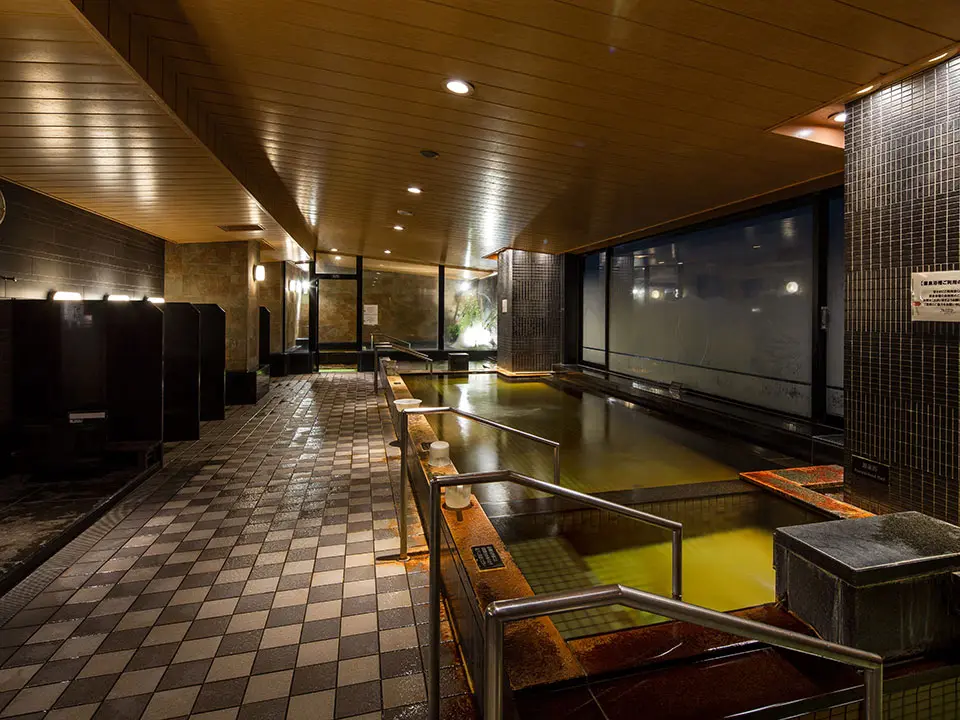
This design hotel near Karasuma Sanjo makes a convenient base for exploring the city and relaxing in a natural hot spring. Its 327 guest rooms range from functional singles to family rooms accommodating up to four guests.
The top-floor Trinite Spa features natural hot-spring water drawn from 1,000 meters underground, along with a sauna and whirlpool. After a day of sightseeing, soak in the bath while looking out over Kyoto.
- Name in Japanese
- ホテルモントレ京都
- Postal Code
- 604-8161
- Address
-
604 Manjuyacho, Karasuma-dori Sanjo-sagaru, Nakagyo-ku, Kyoto, Kyoto Prefecture 604-8161
Google Maps - Phone
- 075-251-7111
- Check-in
- 3:00pm
- Check-out
- 11:00am
- Rates
- ¥20,000
- Access
- Approx. 2 minutes on foot from Karasuma Oike Station on the subway, Approx. 5 minutes on foot from Shijo Station on the subway and Karasuma Station on the Hankyu Line
- Credit Cards
- Accepted
- Official website
- Official website (Japanese)
2. Prince Smart Inn Kyoto Sanjo (Kyoto City)
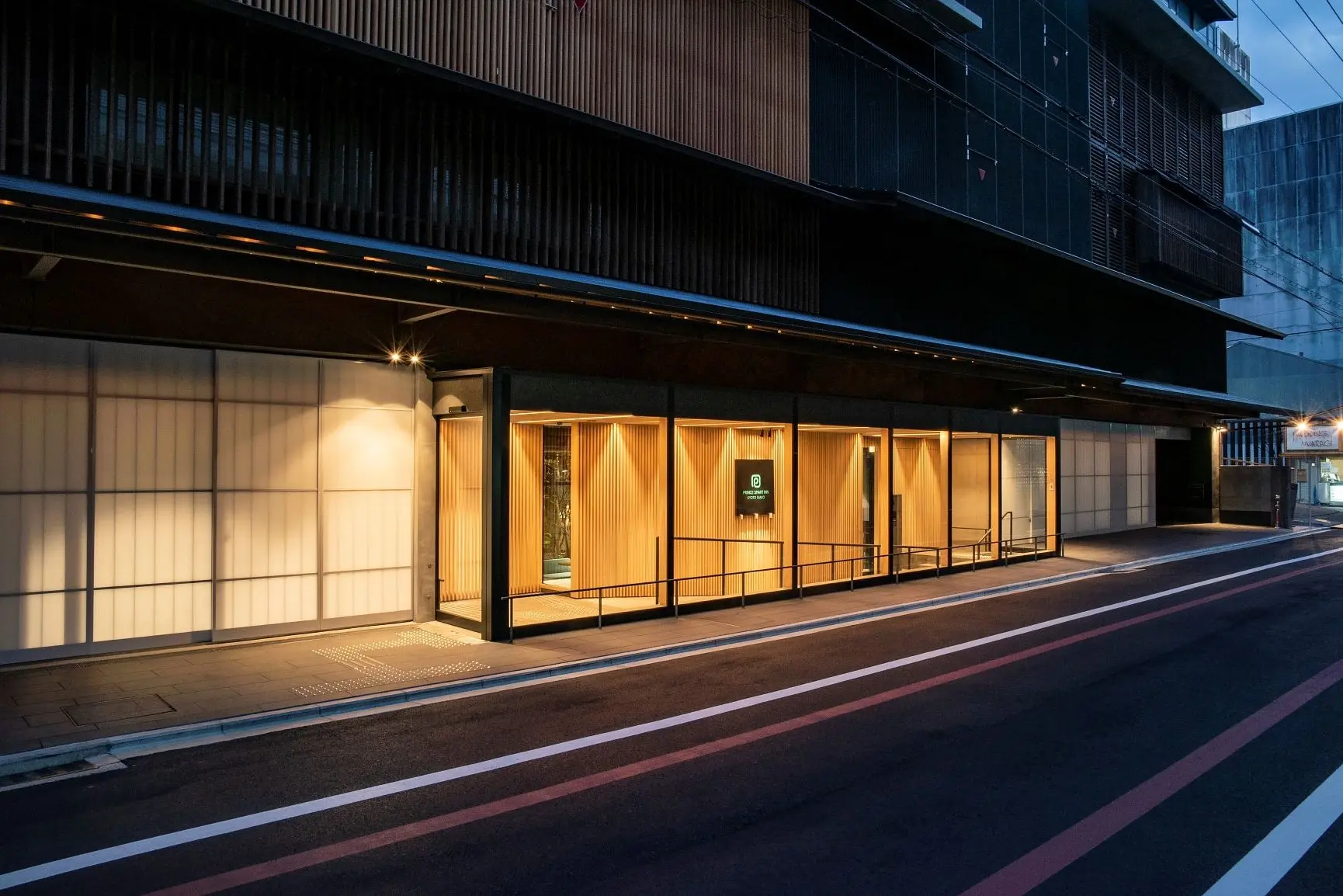
Within walking distance of Nishiki Market, Gion, and the Kamo River, this limited-service hotel makes a convenient base for exploring the city and dining out. From its exterior inspired by a contemporary machiya townhouse to interiors based on the theme of learning from the past to create the new, traditional Kyoto motifs are presented with a simple, modern feel.
The 137 guest rooms use a white color scheme accented with green and black and are equipped with humidifying air purifiers and safes. Use the hotel as a base for visiting restaurants and cultural facilities that interest you, leaving plenty of time to experience the city of Kyoto.
- Name in Japanese
- プリンス スマート イン 京都三条
- Postal Code
- 604-8086
- Address
-
325 Maruyacho, Nakagyo-ku, Kyoto City, Kyoto
Google Maps - Telephone
- 050-3101-9398
- Check-in
- 3 pm
- Check-out
- Until 11:00 am
- Accommodation Fee
- From 8,700 yen per room.
- Directions
-
(1) 5 minutes on foot from Kyoto Shiyakusho-mae Station on the Subway Tozai Line.
(2) 8 minutes on foot from Sanjo Station on the Keihan Main Line. - Credit Cards
- Credit cards are accepted (no cash).
- Website
- Official Website (English)
3. nol kyoto sanjo (Kyoto City)
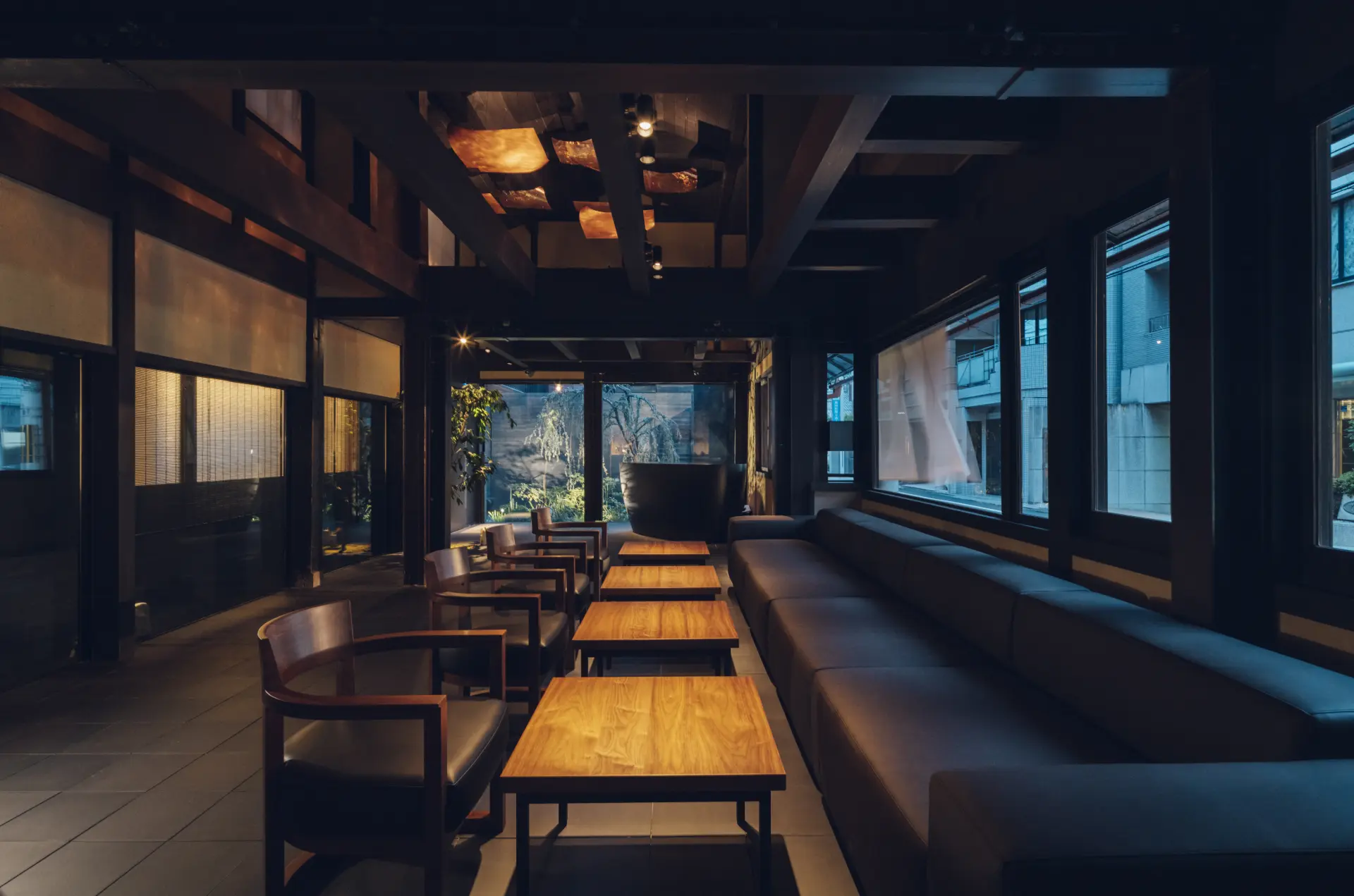
This hotel occupies a Kyoto machiya townhouse more than 100 years old that once served as a sales outlet for Kinshi Masamune sake. In the Machiya Lounge, reserved for hotel guests, sake and coffee are offered as welcome drinks. All 48 rooms have hiba wood baths, allowing guests to relax while surrounded by the fragrance of wood.
Guest rooms also have kitchenettes and washer-dryers. In addition to dining at restaurants around the city, you can buy ingredients at Nishiki Market and prepare them in your room, an experience distinctive to a stay here.
- Name in Japanese
- nol kyoto sanjo
- Postal Code
- 604-8182
- Address
-
700 Osakazaimokucho, Nakagyo-ku, Kyoto City, Kyoto
Google Maps - Telephone
- 075-223-0190
- Check-in
- 3 pm
- Check-out
- Until 12:00 pm
- Accommodation Fee
- Please check the reservation site.
- Directions
- 5 minutes on foot from Karasuma Oike Station on the Subway Karasuma and Tozai Lines
- Credit Cards
- Accepted
- Website
- Official Website (English)
Recommended Two-Day, One-Night Solo Itinerary in Kyoto
On the first day, visit Nanzen-ji Temple, Murin-an, and the Kyoto City KYOCERA Museum of Art before spending the afternoon discovering incense culture and walking along the Kamo River. On the second day, venture to Uji to visit Byodoin Temple and enjoy tea and matcha cuisine.
Based at a hotel in central Kyoto, this two-day, one-night itinerary combines time for gardens and art with meals and café breaks. Explore the ancient capital while discovering the culture beyond its famous sights.
- Day 1
- Kyoto Station → Visit Nanzen-ji Temple → Admire the garden at Murin-an → Lunch at Kyoto Udon Nama Soba Okakita → View art at the Kyoto City KYOCERA Museum of Art → Take the subway to the Karasuma Oike area → Discover incense culture at Shoyeido Kunjyukan → Walk along the Kamo River from the Sanjo area → Check in at Hotel Monterey Kyoto and take a break → Dinner at Tempura Obanzai Ishikawa → Return to the hotel, relax in the natural hot spring, and stay overnight
- Day 2
- Depart Hotel Monterey Kyoto → Breakfast at INODA COFFEE Main Shop → Take the train to Uji → Visit Byodoin Temple → Enjoy tea at Taihoan Public Tea House → Lunch at Kyoto Uji Matcha Cuisine Tatsumiya → Walk along the Uji River and Byodoin Omotesando → Take the train back to central Kyoto → Shop at Nishiki Market → Kyoto Station
Frequently Asked Questions About Solo Travel in Kyoto
Q
How can I avoid crowds as much as possible while sightseeing in Kyoto?
For popular attractions, consider visiting immediately after they open and avoid packing too many into the same day. Instead of visiting several crowded places in succession, combine them with time in a garden or a reserved cultural experience to create a more relaxed itinerary. When deciding when to visit, the Kyoto Travel Congestion Forecast Map (https://ja.kyoto.travel/comfort/), which provides area-specific crowd forecasts and live camera views, may also be helpful.
Q
Can I participate in tea and craft experiences by myself?
Some experiences accept solo participants. For example, Taihoan Public Tea House accepts individuals for its usucha matcha service, and Kyo Karakami Experience Workshop Karamaru offers courses that can be booked by one person. However, minimum group sizes and reservation deadlines may differ by course, even at the same facility. Check the participation requirements and duration of your preferred experience before adding it to your itinerary.
Q
Does paying the admission fee at a Kyoto temple or shrine give me access to everything?
What is included in the admission fee differs by temple or shrine, and separate fees or registration may be required for individual buildings or gardens. For example, entering Phoenix Hall at Byodoin Temple requires separate registration and an additional contribution beyond admission to the garden and other areas. Special viewings may also be offered or access may be temporarily suspended, so if there is a particular place you want to see, check the opening dates and admission procedures as well as the fee.
Q
How should I adjust my solo Kyoto itinerary on a rainy day?
Reduce long outdoor walks and focus instead on museums, cultural facilities, and craft experiences. Another option is to combine indoor attractions and cafés within the same area to shorten travel times. In Okazaki, for example, you can spend plenty of time viewing an exhibition at the Kyoto City KYOCERA Museum of Art. Check closing days and exhibition reservation requirements, and prepare a list of possible indoor stops in advance.
Q
Are buses or trains more convenient for getting around Kyoto?
It depends on your destination, but taking the subway or train most of the way and then using a bus for places farther from a station makes travel times easier to estimate. Although buses are convenient, they can become crowded during cherry blossom and autumn foliage seasons and during commuting and school hours, so allow extra time in your schedule. Walk between nearby attractions and use different forms of transportation as appropriate rather than relying on only one.
Summary
A solo trip to Kyoto offers more than visits to historic scenery. You can also try traditional crafts, view works of art, and savor tea and local cuisine. Whether you spend a day immersing yourself in a culture that interests you or walk around the city and stop at cafés, the appeal lies in choosing how to spend your time according to your own interests.
Begin by selecting one place you want to visit, then combine it with a walk and a meal nearby. Leave room for detours and breaks as you create a Kyoto journey of your own.