Kyoto City KYOCERA Museum of Art

Verified [Verified] denotes information that has been published with confirmation of its owing parties.

Kyoto City KYOCERA Museum of Art

A museum with plenty to explore, from art and historic architecture to a Japanese garden.

3.29 5

Last update :

The museum originally opened as the Kyoto Enthronement Memorial Museum of Art, Japan’s second major public art museum. It was later renamed the Kyoto City Museum of Art. Following renovations, it reopened in spring 2020 under the name Kyoto City KYOCERA Museum of Art.

Its collection comprises more than 3,800 works, primarily from Kyoto’s modern art scene, including Japanese and Western-style paintings, sculptures, prints, crafts, and calligraphy. The museum has multiple exhibition spaces that allow numerous exhibitions to be held simultaneously. These include the Higashiyama Cube, equipped with state-of-the-art facilities for presenting contemporary art; The Triangle, a strikingly modern space devoted primarily to emerging artists; and the Collection Room, a dedicated space for displaying works from the museum’s holdings. Together, they present art from a wide range of periods and genres.

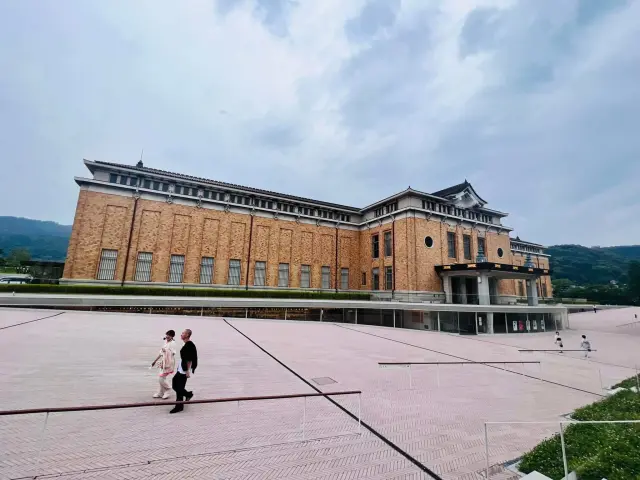
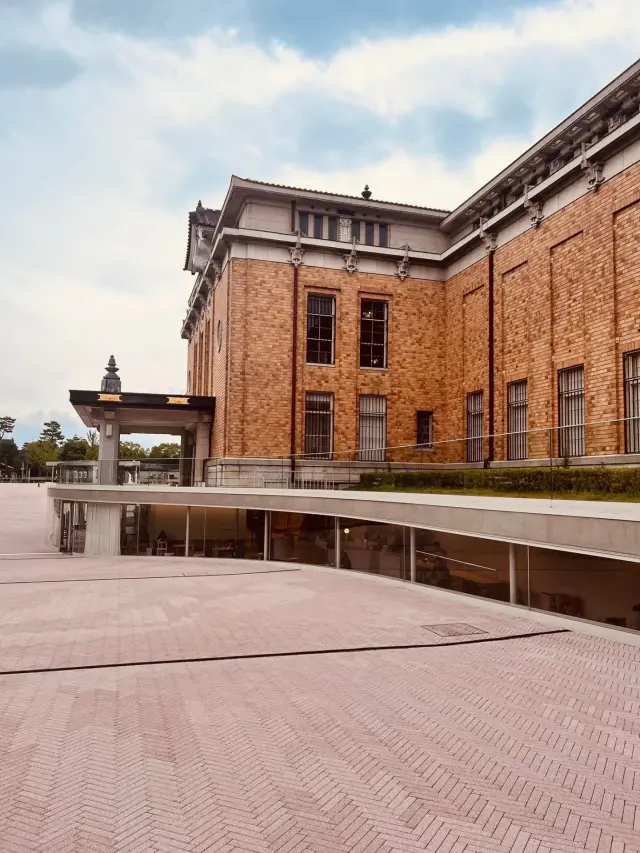
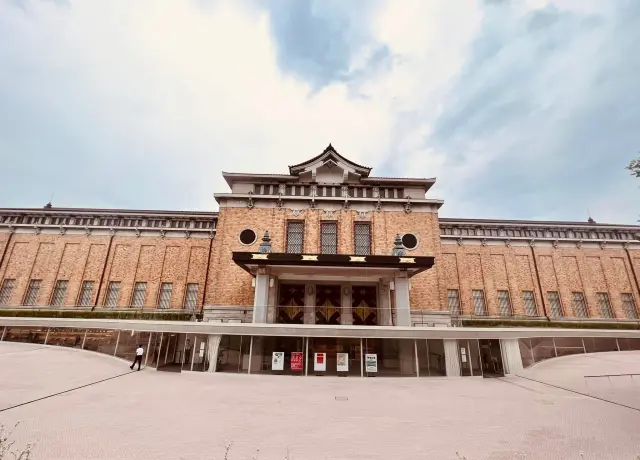
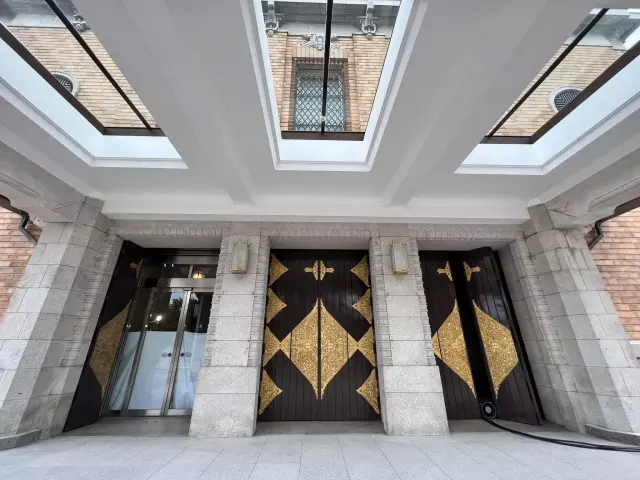
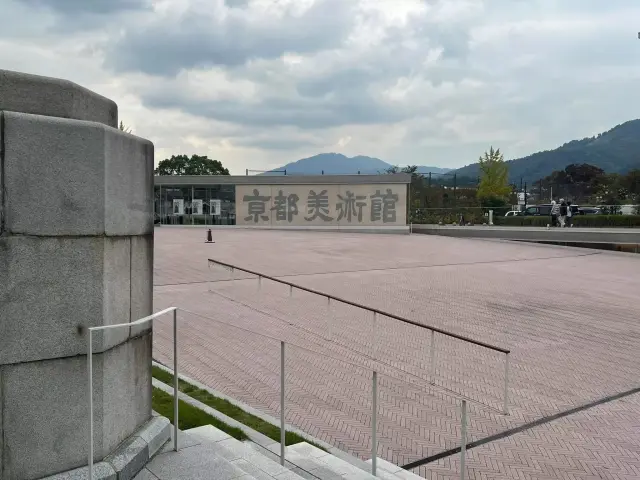
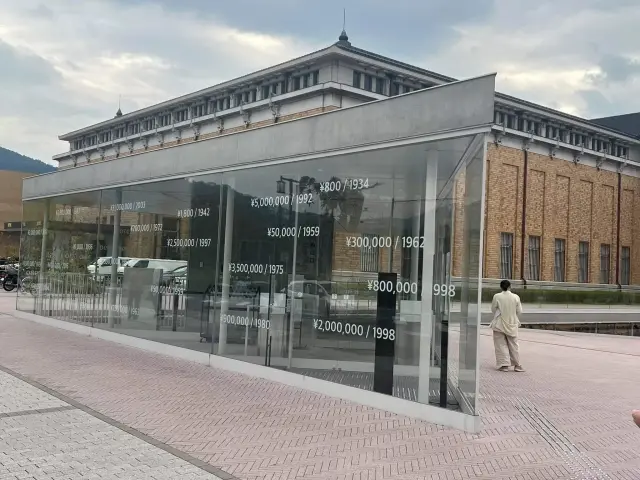
The museum building is itself a work of art. Its design preserves the historic exterior, which blends Japanese and Western architectural styles, while placing the Glass Ribbon entrance below ground level. The combination of tradition and innovation seems to embody Kyoto itself. The atmosphere changes dramatically as visitors move through the museum, from the bright, expansive white interior of the Central Hall to the Atrium and Sky Courtyard, multipurpose spaces created from previously unused courtyards within the Main Building.

The grounds also feature a Japanese garden, a popular place for Kyoto residents to relax.

Highlights

  • This historic museum was the second public art museum to open in Japan. Its building is the country’s oldest surviving structure originally constructed as a public art museum.
  • Renovated and reopened in 2020, the museum combines its Japanese- and Western-style exterior with contemporary architecture to create an even more engaging space.
  • It presents art from a wide range of periods through exhibitions featuring its collection of more than 3,800 works as well as special exhibitions.
  • The Japanese garden can be visited even when the museum is closed. It is also a pleasant place for an early-morning walk.

Photos

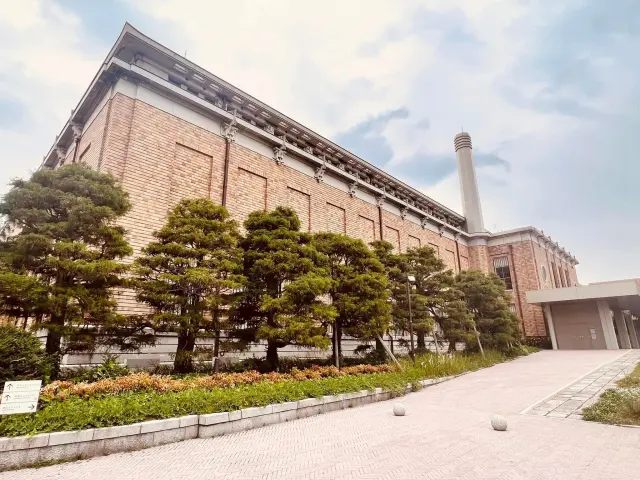
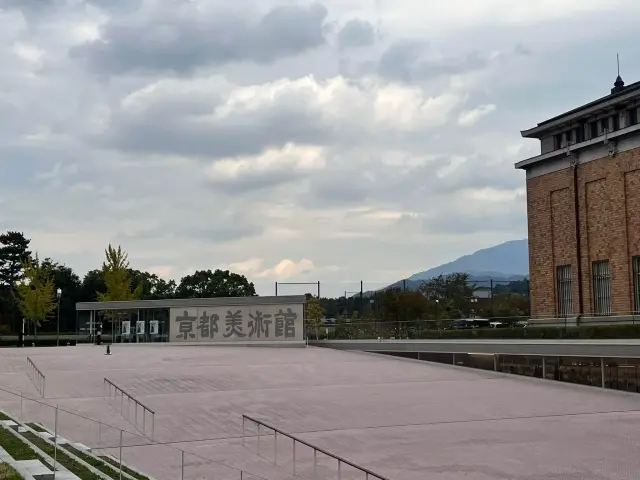
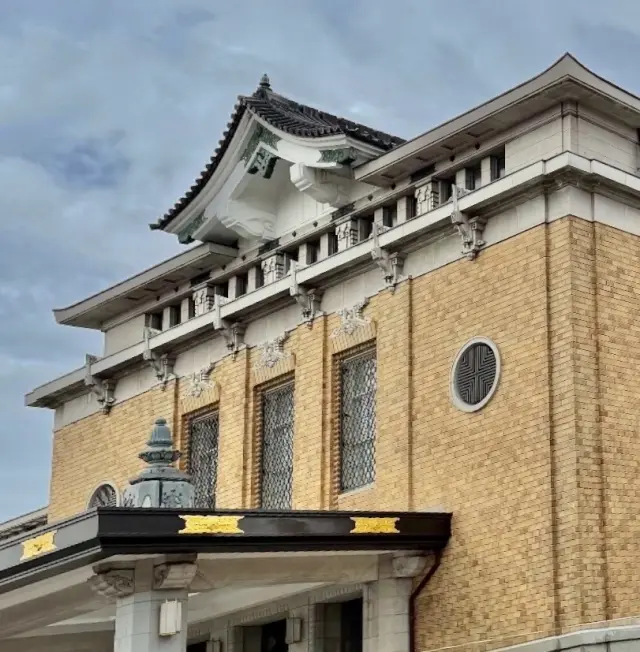
  • The exterior retains the architectural style of the museum’s original buildingPhoto: Koroda Takeru

    The exterior retains the architectural style of the museum’s original buildingPhoto: Koroda Takeru

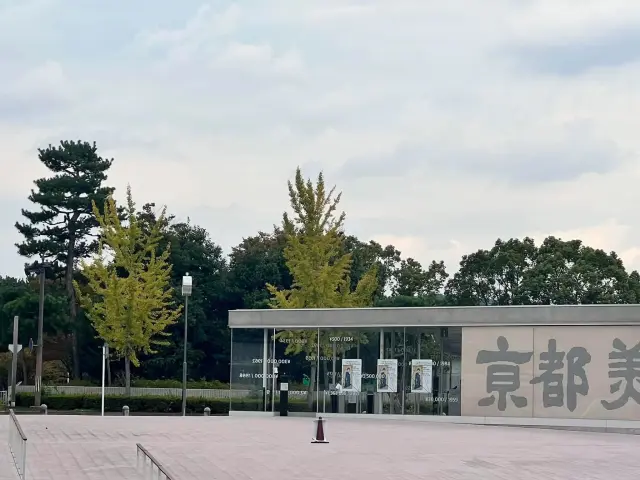
  • The Glass Ribbon main entrance houses a shop selling exclusive items and a caféPhoto: Koroda Takeru

    The Glass Ribbon main entrance houses a shop selling exclusive items and a caféPhoto: Koroda Takeru

  • The Central Hall impresses with its soaring ceiling and pure white wallsPhoto: Koroda Takeru

    The Central Hall impresses with its soaring ceiling and pure white wallsPhoto: Koroda Takeru

  • The Atrium was created by adding a glass roof over a former courtyard in the Main BuildingPhoto: Koroda Takeru

    The Atrium was created by adding a glass roof over a former courtyard in the Main BuildingPhoto: Koroda Takeru

  • The Japanese Garden offers changing seasonal scenery throughout the yearPhoto: Koroda Takeru

    The Japanese Garden offers changing seasonal scenery throughout the yearPhoto: Koroda Takeru

Reviews

5

Some reviews are AI-translated.

  • See More

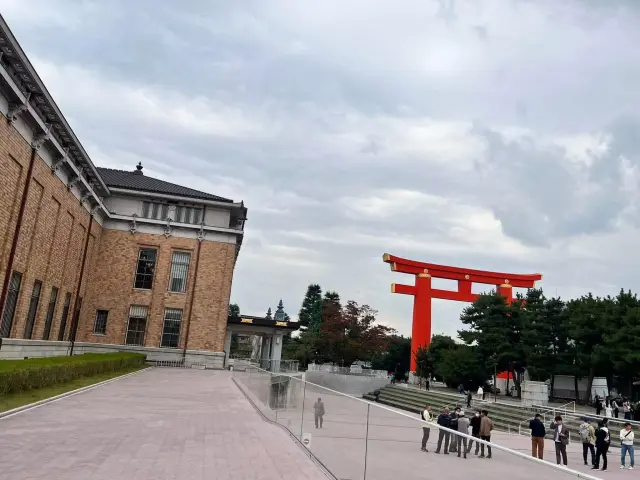
    Recently, the Kyoto City Museum of Art, located next to the large red torii gate of Heian Jingu Shrine and also one of Japan’s oldest public art museum buildings, announced that after three years of renovation, it would reopen to the public in spring 2020 with a new identity as the Kyoto City KYOCERA Museum of Art (京都市京セラ美術館), becoming a new pilgrimage spot for visitors to Kyoto!

    The Kyoto City Museum of Art has a long history. It was completed in 1933 in Okazaki, one of Kyoto’s most important cultural districts, and its overall exterior was designed in the classic Imperial Crown Style of the time, blending Japanese and Western architectural elements. In 2017, the museum temporarily closed for renovations. The project was officially estimated to cost more than JPY 10 billion, so the government introduced a naming-rights system that allowed the largest corporate sponsor to acquire the naming rights. They were secured by Kyocera Corporation, a major company headquartered in Kyoto.

    Located within Kyoto’s Okazaki Park, the Kyoto City KYOCERA Museum of Art ultimately selected a collaborative proposal by renowned Japanese architects Jun Aoki and Tezzo Nishizawa for its redesign. Jun Aoki remains a well-known architect internationally and is also a noted artist. After participating in the museum’s reconstruction project, he was appointed director of the Kyoto City Museum of Art.

    The Kyoto City KYOCERA Museum of Art is located in the Okazaki area of Kyoto’s Sakyo Ward, while the large red torii gate in the background is a symbol of Heian Jingu Shrine. This area is a well-known center for arts, culture, recreation, and walking in Kyoto.
    Walking route around the Okazaki museum area
    * Where art, culture, and nature come together: Starting from the Kyoto City KYOCERA Museum of Art, nearby attractions include Okazaki Park, Heian Jingu Shrine, and the Lake Biwa Canal. The route features broad walkways, greenery, and waterside scenery, making it ideal for a stroll.
    * Nearby attractions: Within walking distance are Kyoto City Zoo, the Lake Biwa Canal Museum, and Nanzen-ji Temple, a famous spot for autumn foliage.
    Recommended Blue Bottle Coffee location
    The closest and most distinctive location near the museum is:
    * Blue Bottle Coffee - Kyoto Cafe (Nanzenji location):
    * About a 10- to 15-minute walk from the museum and Nanzen-ji Temple.
    * Converted from a century-old traditional Kyoto machiya townhouse, it combines minimalist modern design with the look of a Japanese garden.
    * An excellent place to rest and enjoy a cup of pour-over coffee after walking around Okazaki, visiting the shrine, or touring the museum.

  • See More

    The architecture itself is very distinctive, with a strong sense of modern Japanese design on the exterior. During this trip to Kyoto, I made a special trip here to walk around. The surrounding area is very pleasant and relaxing to stroll through.

    The exhibitions inside the museum change depending on the season, so every visit feels different. In addition to enjoying the artwork, I also really liked the museum's simple, well-designed spaces. Even casual photos have a great atmosphere.

  • See More

    If you love historic architecture or photography, the Kyoto City KYOCERA Museum of Art is a must-add to your itinerary. The overall atmosphere is quiet and elegant, with a strong retro charm. Every angle feels like a scene from a movie.

  • See More

    The exterior looks beautiful and has a modern vibe. It takes a little over 10 minutes to walk to the museum from the station.

  • See More

    The exhibitions are really diverse, and the space is spacious and comfortable. There's also a café and a shop to check out.

Details

Name in Japanese
京都市京セラ美術館
Postal Code
606-8344
Address
124 Okazaki Enshoji-cho, Sakyo-ku, Kyoto, Kyoto Prefecture
Phone
075-771-4334
Closed on
Mondays (open when Monday is a public holiday) and the New Year holidays
Hours
10:00 a.m.–6:00 p.m. (last admission 30 minutes before closing)
Admission
Varies by exhibition
Access
1) About an 8-minute walk from Higashiyama Station on the Subway Tozai Line
2) About a 16-minute walk from Sanjo Station on the Keihan Main Line
3) About a 16-minute walk from Sanjo Keihan Station on the Subway Tozai Line
Credit Cards
Accepted (Visa and Mastercard)
Official website
Official website (Japanese)
Hokkaido Tohoku Kanto Chubu Hokuriku Kansai Chugoku Shikoku Kyushu Okinawa