








A Sightseeing Guide to Heian Jingu Shrine, Where You Can Experience Deep History and Natural Beauty
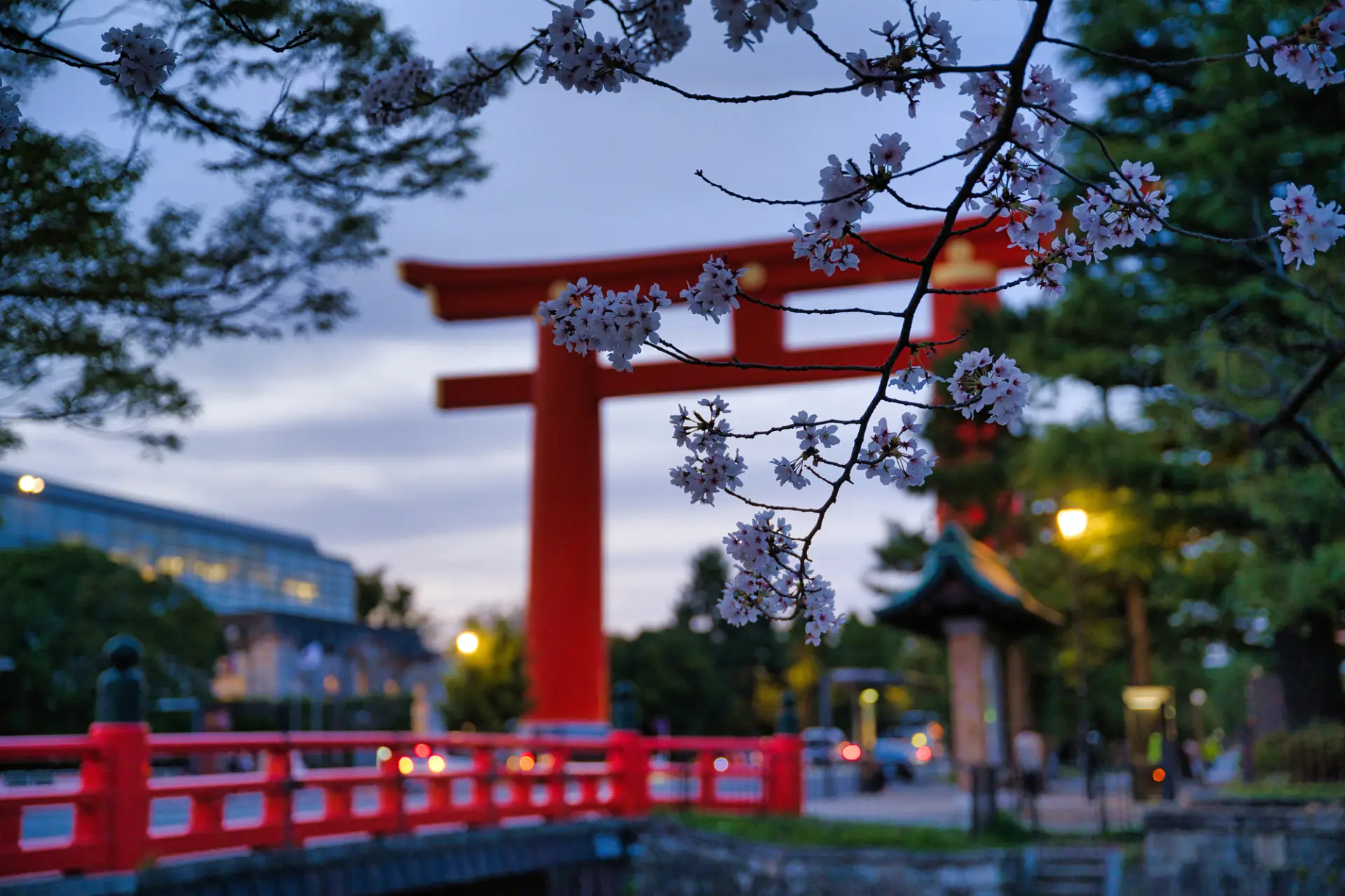
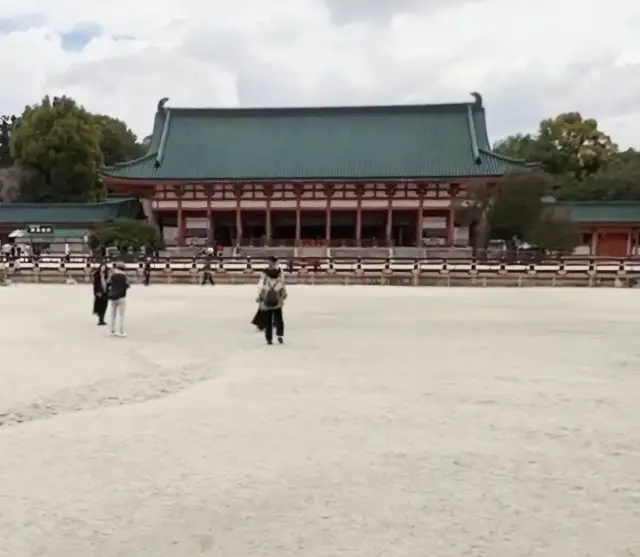
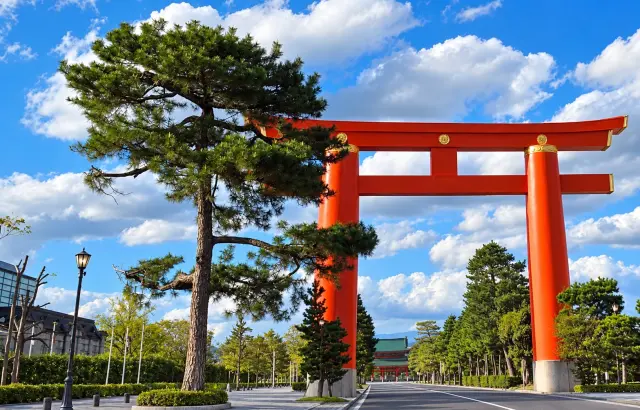
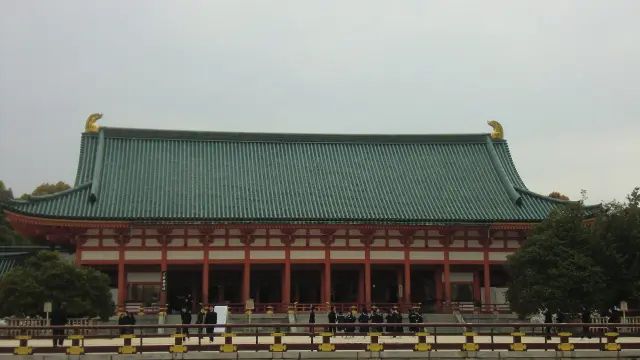
Heian Jingu Shrine is known for its beautiful, vividly vermilion buildings. Among Kyoto’s many shrines and temples, it is one of the sightseeing spots you should especially make time to visit. In addition to its historic buildings designated as Important Cultural Properties, it also features a Japanese garden with appeal in every season, offering plenty to see. This article introduces the basic information, highlights, and more about Heian Jingu Shrine in detail. We’ll also cover nearby sightseeing spots and local food, so use this as a guide when visiting Heian Jingu Shrine.


![[Kyoto Cherry Blossom Viewing Tour] Spring in full bloom!](https://static.gltjp.com/glt/data/article/21000/20242/20230302_124808_ae25aeb2_w640.webp)
![[Nanzen-ji Travel Guide] Explore a serene and beautiful space where history and nature exist in harmony](https://static.gltjp.com/glt/data/article/21000/20450/20230929_094348_e326797b_w640.webp)


