Ginkaku-ji

Verified [Verified] denotes information that has been published with confirmation of its owing parties.

Ginkaku-ji

The serene atmosphere is the essence of Higashiyama culture.

3.45 10

Last update :
Supervised by :  Ginkaku-ji

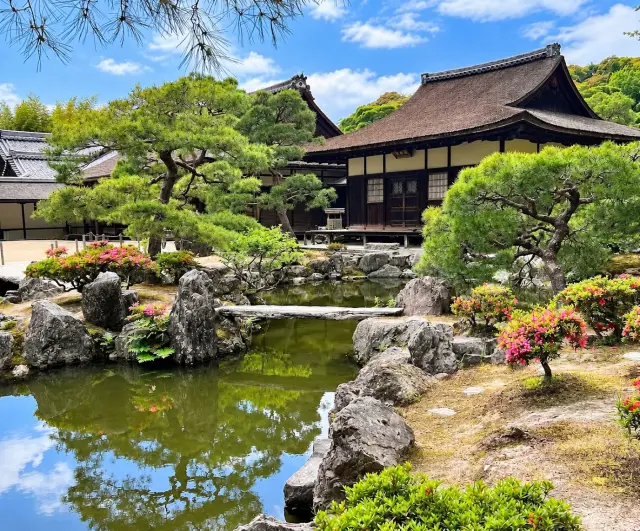
This temple was built by Ashikaga Yoshimasa, the eighth shogun of the Muromachi Shogunate, as a villa called "Higashiyama-den". Along with Kinkakuji Temple, this temple is a pagoda temple outside of Shokokuji Temple (i.e., a hermitage built in a different location from the main temple after his retirement). After Yoshimasa's death, the temple was named Jishoji after his Buddhist name.

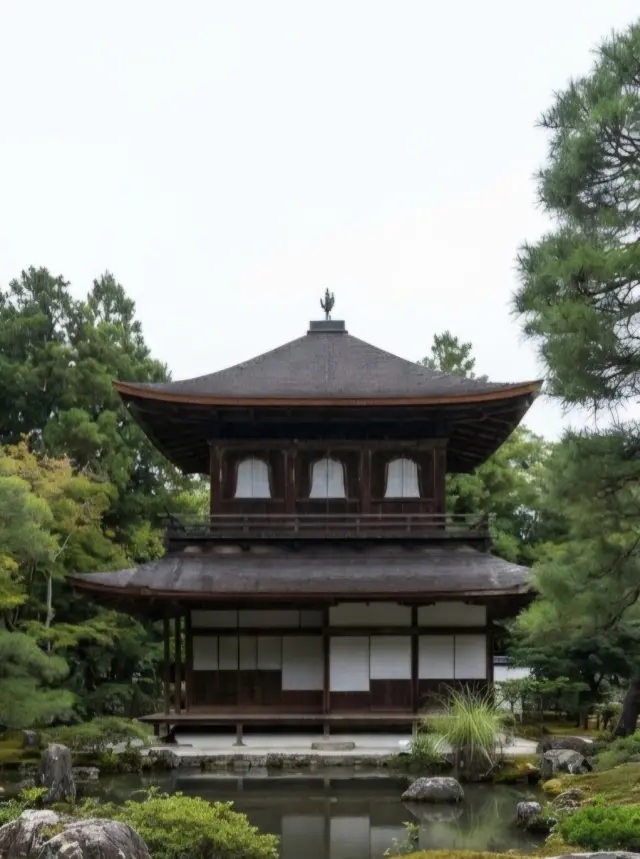
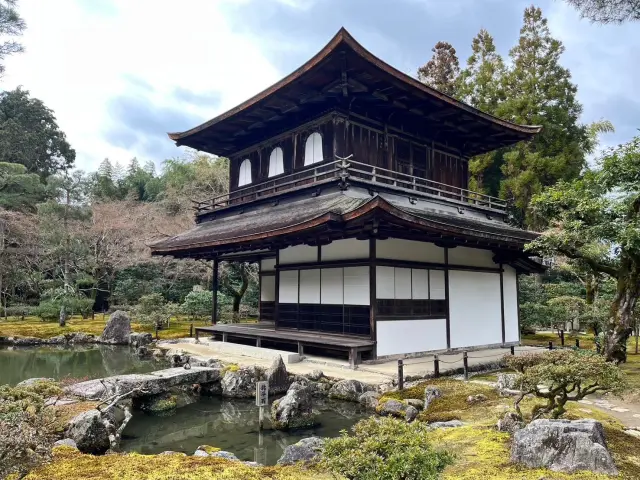
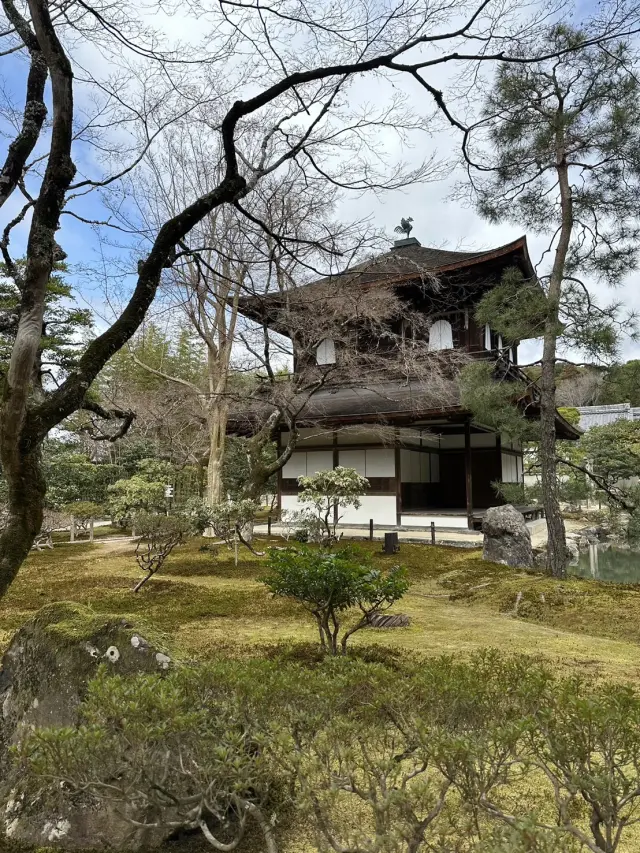
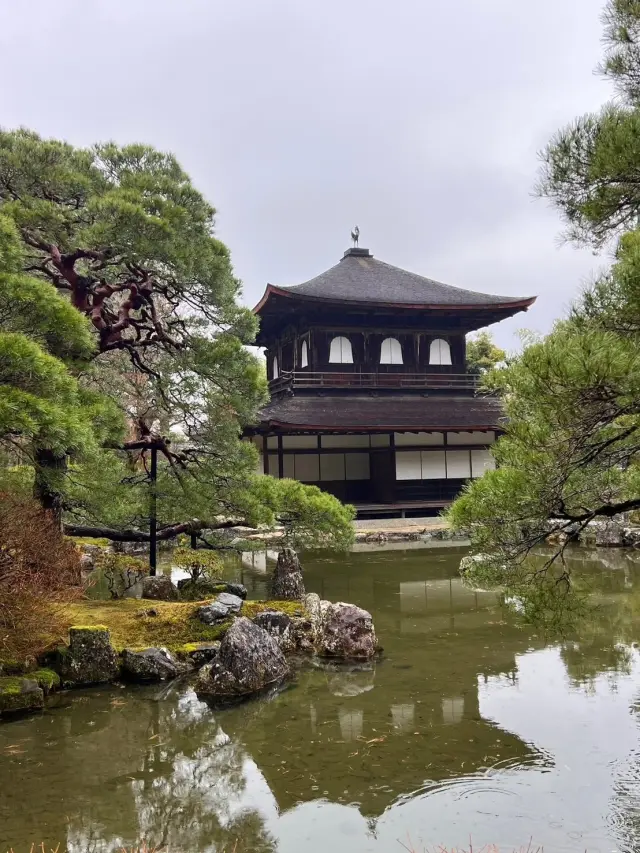
In contrast to Kinkakuji Temple, which has lost most of its original buildings, Ginkakuji Temple retains the original Kannon Hall and Tougudou Hall, conveying the Higashiyama culture to the present. After passing through the entrance gate and turning to the right, the approach to the temple, surrounded by the temple fence, leads straight to the middle gate.

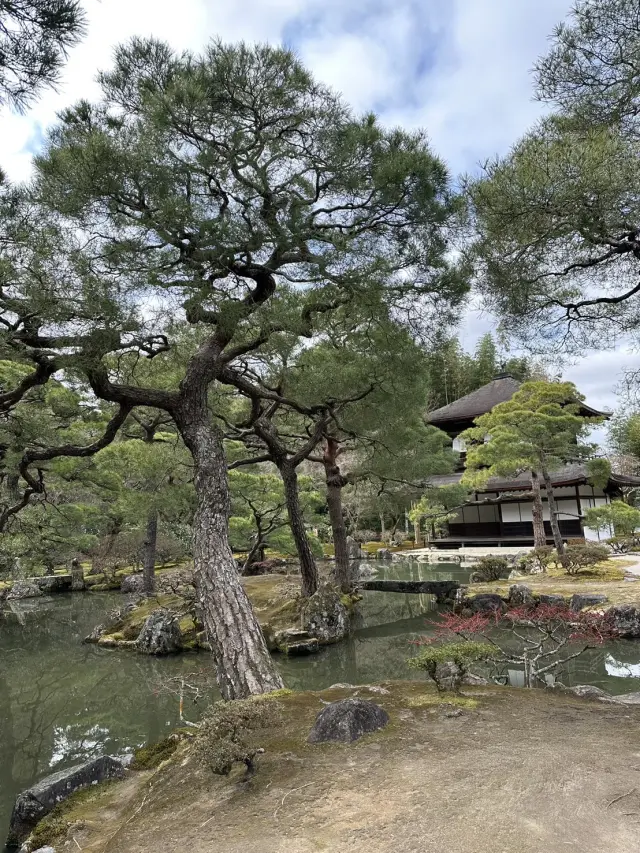
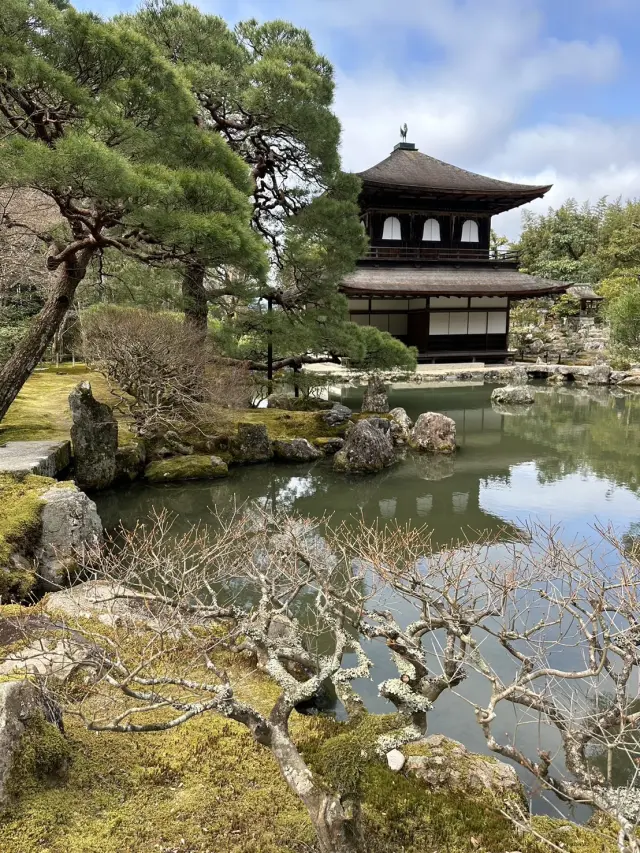
The main hall, Hojo, was built in the mid-Edo period, and features sliding door paintings by Yosa Buson and Ike Taiga. Tougudou is an Amida hall dedicated to Amida Nyorai, and the inscription on the plaque is written by Yoshimasa himself. The Kannon Hall has a beautiful view of the wavy garden and the "Ginshadan".

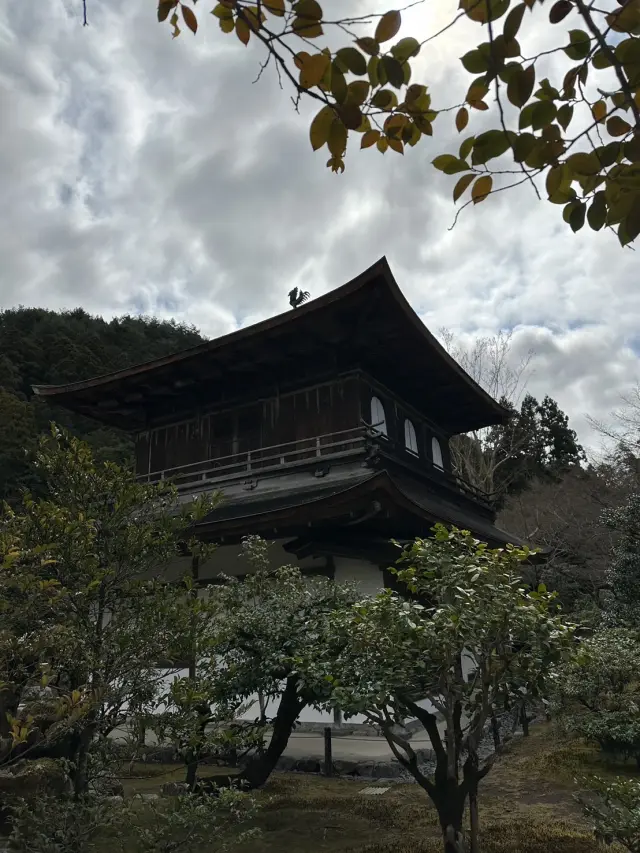
Incidentally, the Kannon Hall, which gave rise to the name "Ginkaku," was never actually covered with silver leaf. From the middle of the Edo period, the name "Ginkaku," which is analogous to Kinkaku, became established.

Highlights

  • The view of Kannonden from the observatory called Tsukihayasan is beautiful.
  • A circular garden with sand-filled gardens such as Ginshadan and Kougetsudai is also a must-see.
  • The route to the shrine is one-way, so once you go, you can't come back.
  • Don't miss the Dojinsai in Tougudou, which is said to have been used by Yoshimasa.

Photos

  • Ginkaku-ji (Photo Credit: PIXTA)

    Ginkaku-ji (Photo Credit: PIXTA)

Reviews

10

Some reviews are AI-translated.

  • See More

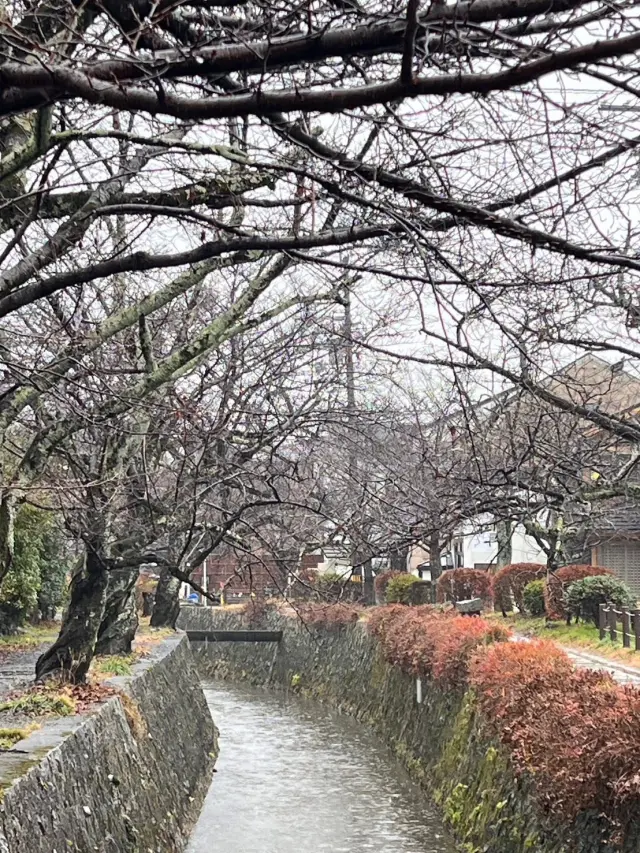
    I walked along the Philosopher's Path to Ginkaku-ji. Although it was still some distance away, taking a leisurely walk and looking at the streets along the way was actually very pleasant. Outside Ginkaku-ji is a shopping street full of small shops and snacks, so you can browse around before going in. Admission is JPY 500, and the moment I stepped into the temple grounds, I was genuinely struck by how beautiful it was.

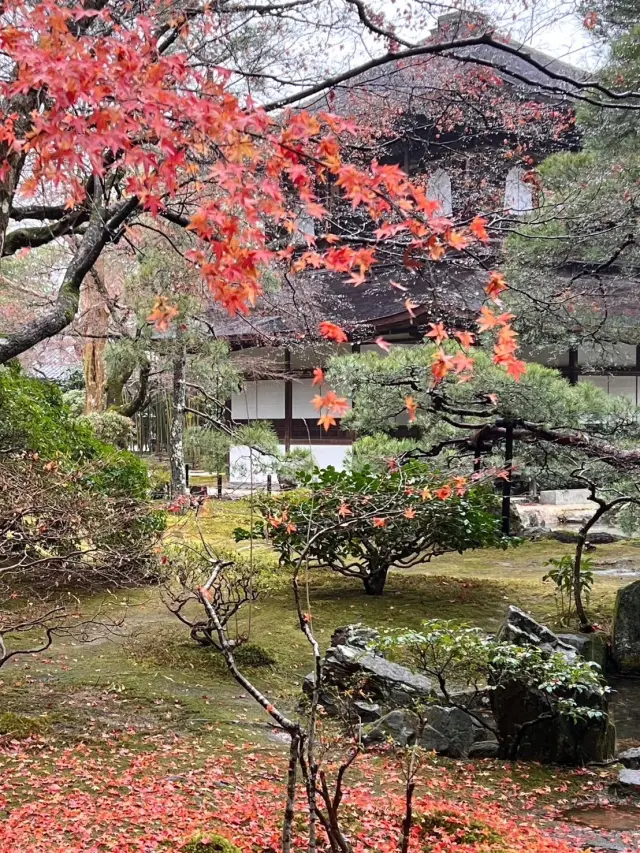
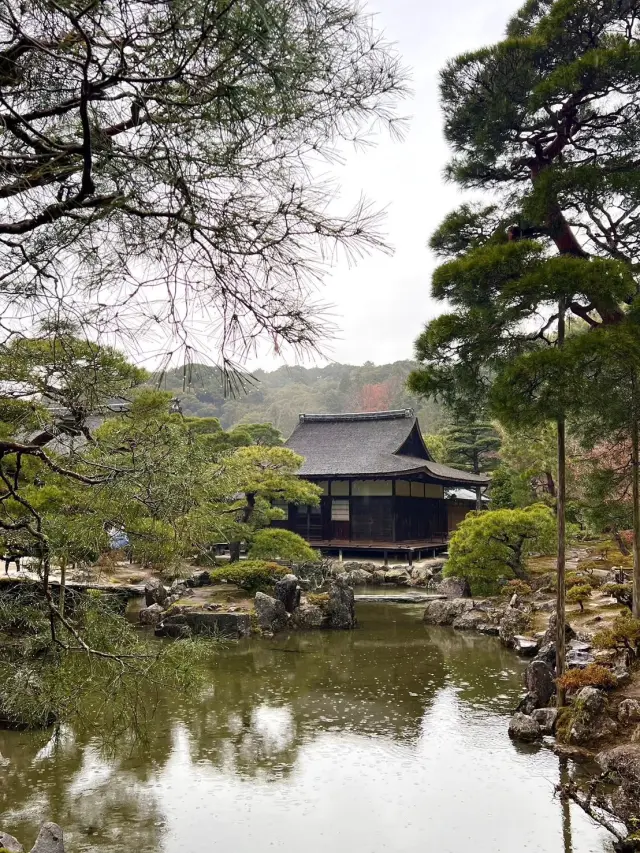
    It doesn't have the dazzling splendor of Kinkaku-ji. Instead, it feels peaceful, understated, and elegant. The carefully maintained garden, pond, moss, and neatly trimmed trees, paired with the traditional architecture, naturally make you slow down. The grounds aren't very large, and it takes about 30 minutes to 1 hour to follow the route around. There's also a path in the back that leads uphill. From the top, you can look back and take in the entire garden and the scenery of Kyoto, offering a different kind of view.

    There were definitely a lot of visitors, but that didn't take away from the peaceful and comfortable atmosphere. Also, throughout this walk, I kept hearing familiar Taiwanese accents. It really seems like Taiwanese travelers love Kyoto!

  • See More

    Compared with the dazzling golden exterior of Kinkaku-ji, Ginkaku-ji is not actually covered in silver leaf. Its understated, elegant wooden architecture gives a stronger sense of the Japanese beauty of wabi-sabi. The Ginshadan sand garden and Kogetsudai platform are also quite distinctive, creating a quiet and serene atmosphere alongside the scenery of the four seasons. If Kinkaku-ji represents splendor, Ginkaku-ji showcases another side of Kyoto’s aesthetic—simple and understated.

  • See More

    Once you enter Ginkaku-ji, the whole area feels quiet and peaceful, creating a striking contrast with Kyoto's bustling streets. The gardens are meticulously maintained, and the white sand garden and greenery complement each other, giving it the distinctive beauty of a Japanese garden. As you slowly walk along the path, you can also look out over the entire temple grounds, which feels very relaxing.

  • See More

    It has a completely different feel from Kinkaku-ji.
    A simple, unpretentious place.

  • See More

    Ginkaku-ji feels more like you’re strolling through a beautifully refined garden, not the kind of place that blows you away at first glance.
    Everything is calm and quiet, with less noise from other visitors. Once you’re inside, you naturally slow down.

Details

Name in Japanese
銀閣寺(慈照寺)
Postal Code
606-8402
Address
2 Ginkakujicho Sakyo-ku, Kyoto City, Kyoto
Telephone
075-771-5725
Closed
Open every day
Hours
Summer (3/1-11/30): 8:30 a.m. - 5:00 p.m.
Winter (12/1-2/28): 9:00 a.m. - 4:30 p.m.
Admission
Adults (high school students and older): 1,000 yen, Elementary and junior high school students: 500 yen
Directions
From JR Kyoto Station, take Kyoto City Bus No. 17 via Shijo-Kawaramachi Station on the Hankyu Kyoto Line or Demachiyanagi Station on the Keihan Kamoto Line, get off at Ginkakuji-michi, and walk for 10 minutes.
Official Website
Official Website (English)
Hokkaido Tohoku Kanto Chubu Hokuriku Kansai Chugoku Shikoku Kyushu Okinawa