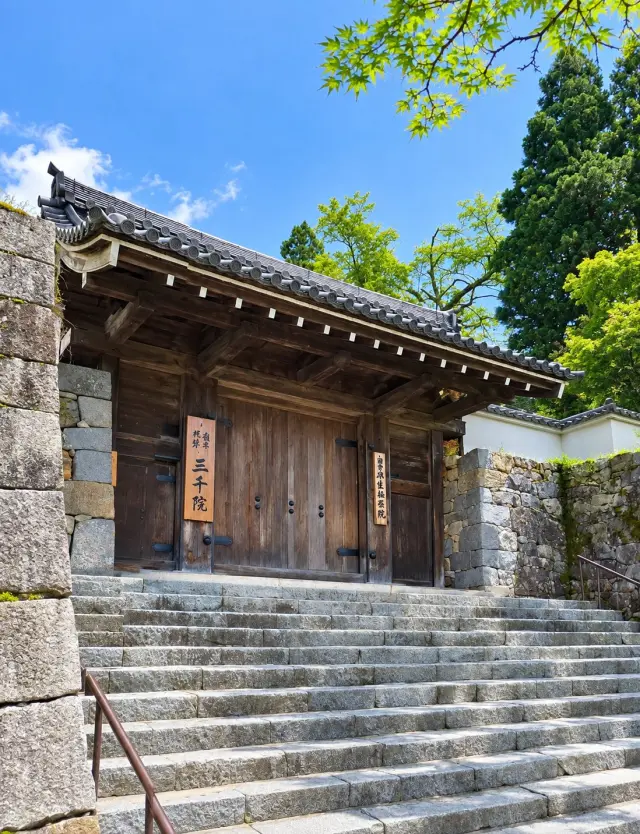
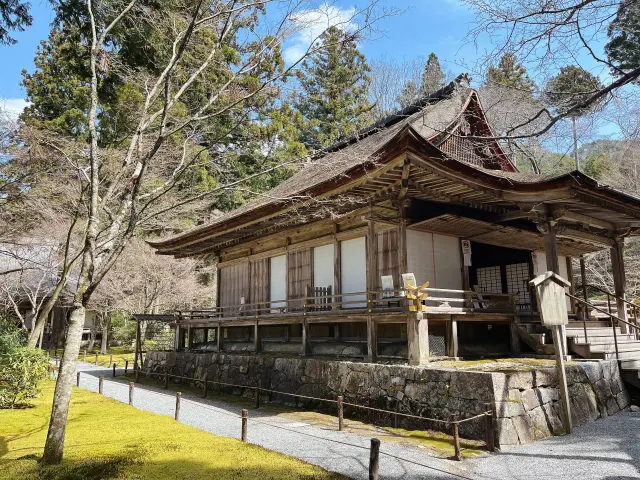
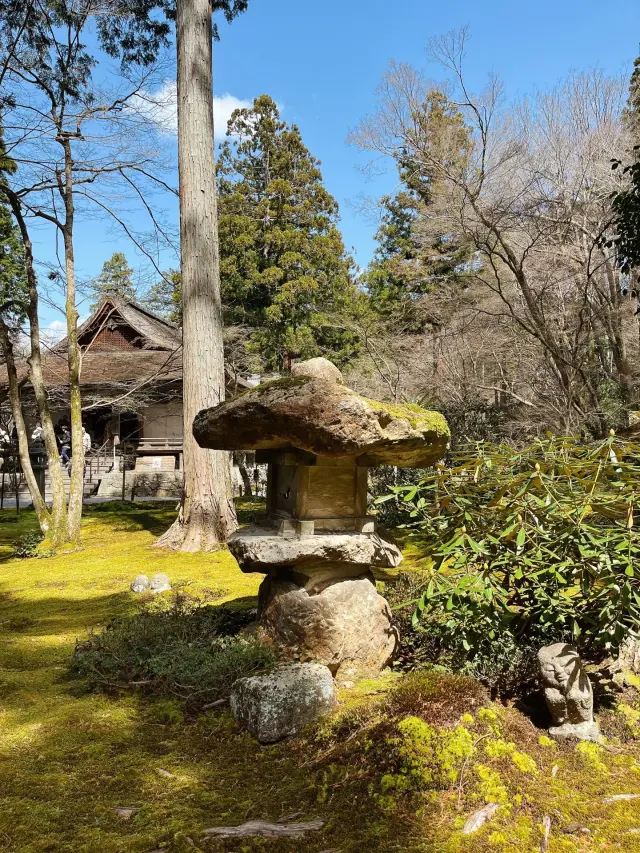
Hidden away from the world, Sanzen-in Temple is a peaceful sanctuary far from Kyoto's bustling city center. As soon as you enter the grounds, you're greeted by the scenery it is known for: towering cedar trees and carpets of moss. Several innocent-looking little Jizo statues recline and smile on the lush green moss, creating an incredibly soothing scene.
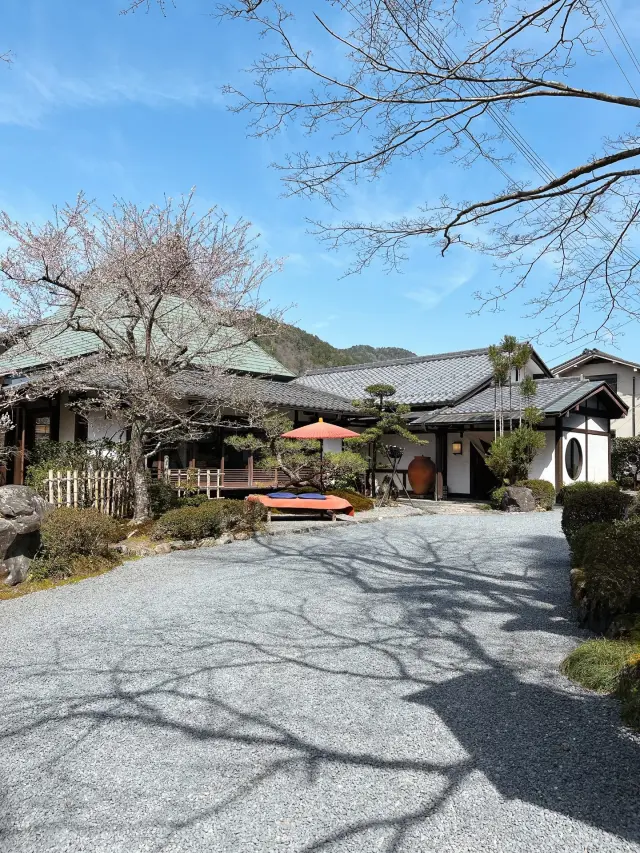
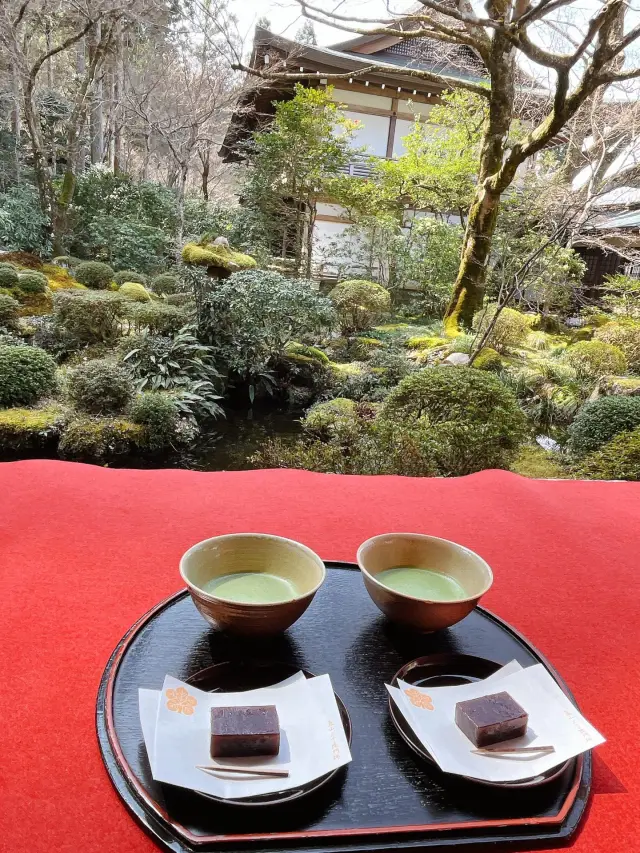
In early March, Kyoto's mountain forests still have a slight chill. At this time, there's nothing better than ordering a tea set in the reception hall. Sitting cross-legged on red felt over tatami, holding warm, slightly bitter matcha with wagashi, and quietly gazing at the picturesque garden framed by the surrounding landscape, it feels as if time has stopped.
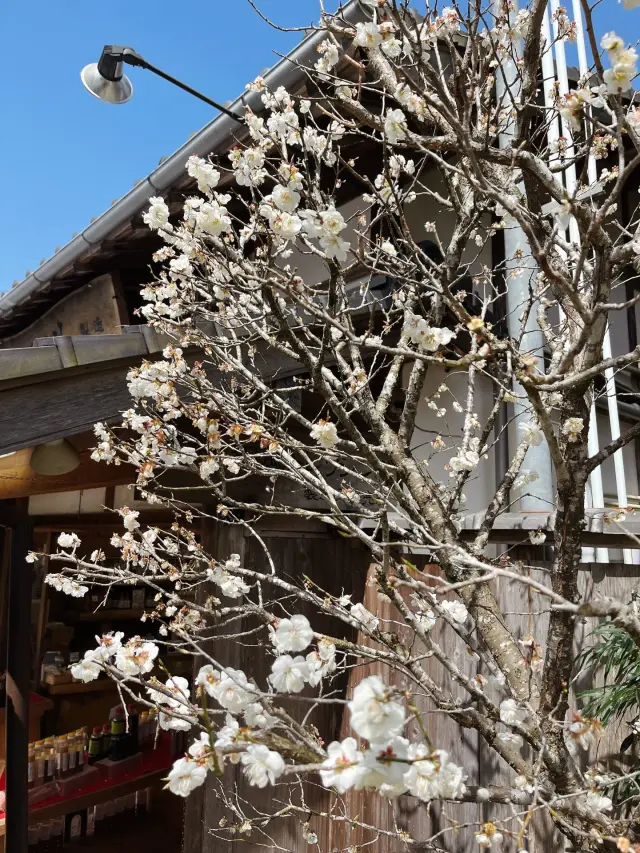
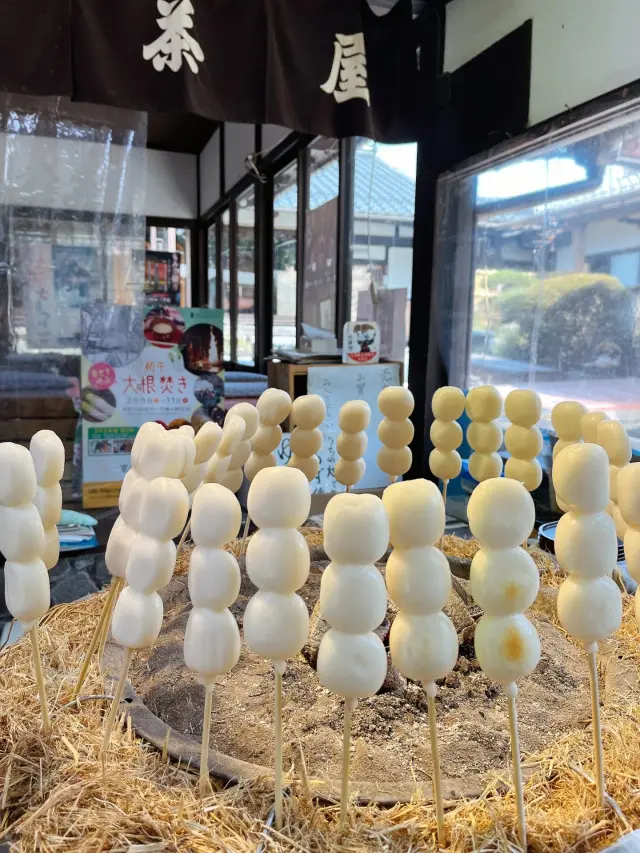
After the visit, I walked back along the mountain road toward the bus stop, where the savory aroma of toasted soy sauce drifted from the roadside shops. I couldn't resist buying a skewer of freshly grilled Japanese dango from an elderly Japanese woman. It was piping hot, crisp outside, and tender inside. One sweet-and-savory bite instantly warmed my hands and stomach, bringing this quiet, meditative journey to a warm close.







![[Kifune Shrine Travel Guide] Pray for Love and Good Matches in a Scenic Setting](https://static.gltjp.com/glt/data/article/21000/20459/20231003_103234_7ec4e9cf_w640.webp)