Shoren-in Monzeki Temple

Verified [Verified] denotes information that has been published with confirmation of its owing parties.

Shoren-in Monzeki Temple

A monzeki temple with ties to the Imperial Family, home to the National Treasure Ao Fudo and strolling pond gardens.

3.00 1

Last update :
Supervised by :  Shoren-in Monzeki Temple

One of the Tendai school’s monzeki temples, Shoren-in has long-standing ties to the Imperial Family. Its principal image is the Shijoko Nyorai Mandala, and it houses the National Treasure Ao Fudo Myoo, one of Japan’s three great Fudo Myoo images. The temple originated as living quarters for monks of Enryaku-ji Temple on Mount Hiei and was once home to prominent monks, including Saicho and Ennin.

A monzeki temple is one whose head priests traditionally came from the Imperial Family or court nobility. Shoren-in is said to have become a monzeki temple in the late Heian period, when the retired Emperor Toba built a residence on its present site. It is also known as Awata Gosho, or Awata Imperial Residence, because it served as a temporary Imperial Palace after the palace was destroyed by fire during the Edo period.

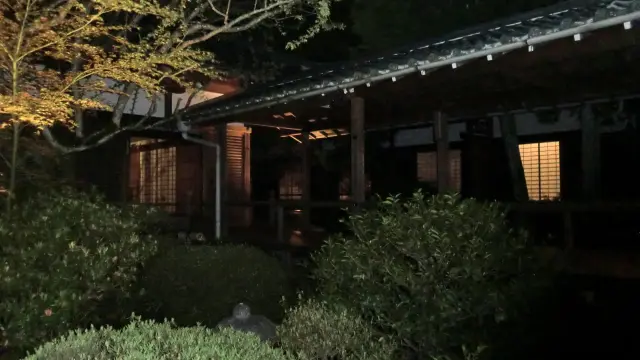
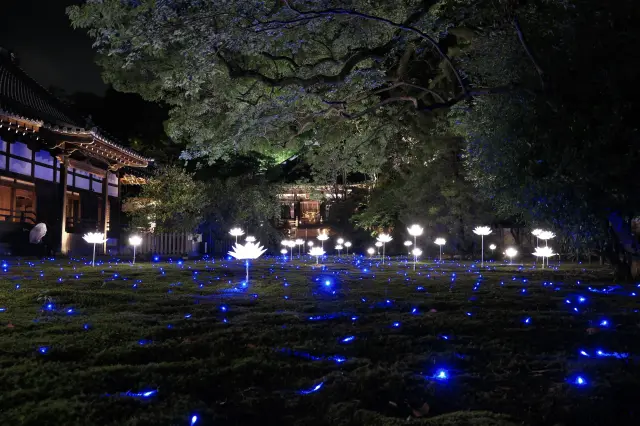
The temple is known for its gardens, including the Soami Garden, attributed to the Muromachi-period garden designer Soami, and the Kirishima Garden, designed by Kobori Enshu. These strolling pond gardens take on a different character with each season. Special nighttime illuminations are held in spring and fall, allowing visitors to explore the temple halls and gardens in an ethereal atmosphere.

Highlights

  • A historic monzeki temple with ties to the Imperial Family.
  • Beautiful gardens, including the Soami Garden.
  • Home to the National Treasure Ao Fudo Myoo.
  • Nighttime illuminations are held in spring and fall.

Photos

  • Located in Kyoto’s Higashiyama area, directly north of Chion-in Temple

    Located in Kyoto’s Higashiyama area, directly north of Chion-in Temple

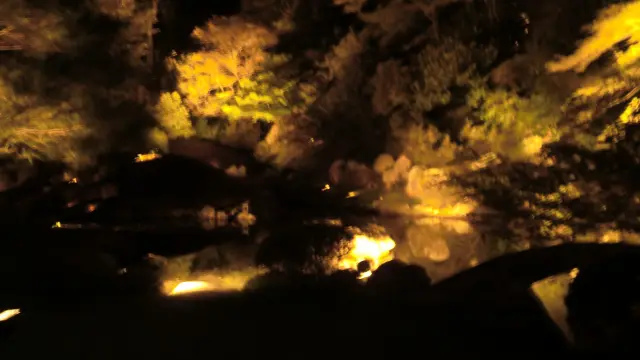
  • The main garden is attributed to the Muromachi-period garden designer Soami

    The main garden is attributed to the Muromachi-period garden designer Soami

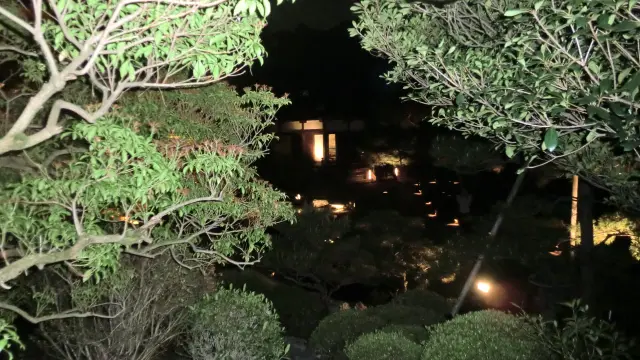
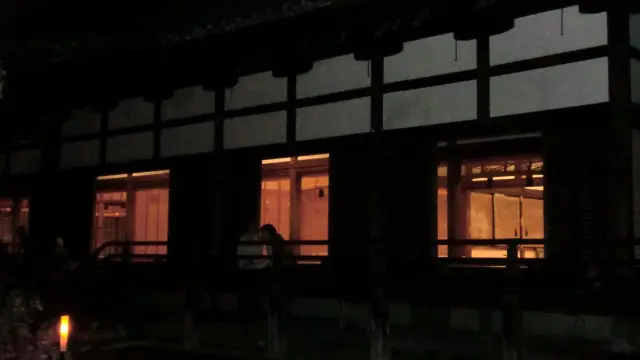
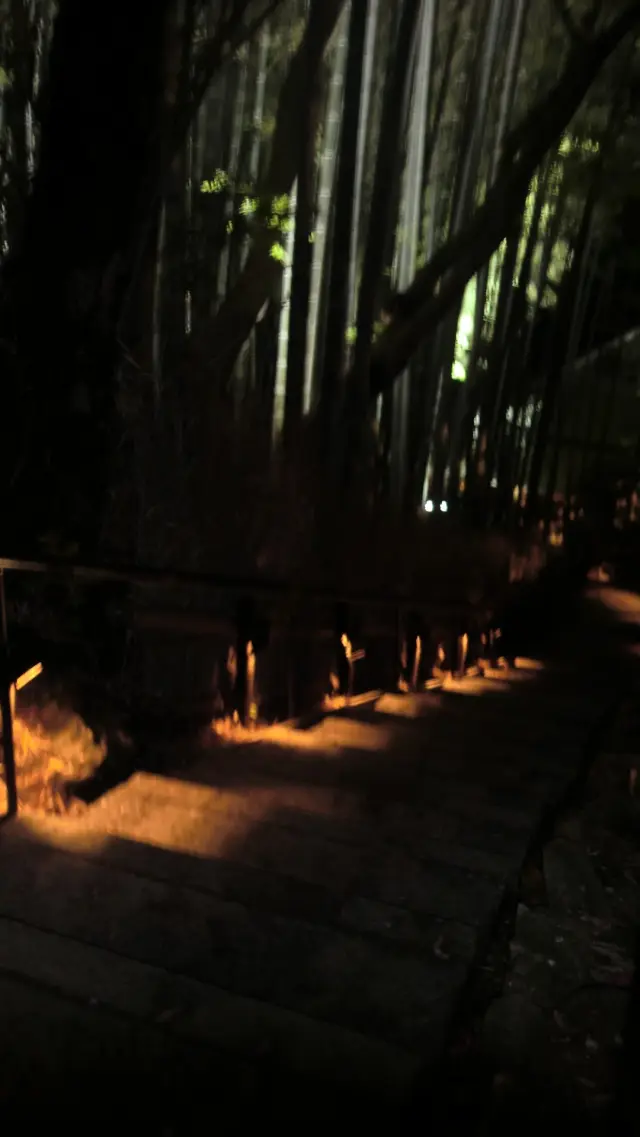
  • During special nighttime visits, the entire temple grounds are illuminated by 1,000 lighting fixtures of various sizes

    During special nighttime visits, the entire temple grounds are illuminated by 1,000 lighting fixtures of various sizes

Official FAQs

Frequently Asked Questions have been vetted and answered directly by each listing.

Q

Are goshuin temple stamps available?

A

Yes.

Q

Is parking available?

A

Yes.

Q

Are coin lockers available?

A

No.

Reviews

1

Some reviews are AI-translated.

  • Holly
    See More

    If you want to collect goshuin at Shoren-in Monzeki Temple, I would personally recommend visiting during the day. During special nighttime viewings, the goshuin available at the temple office are more likely to be prewritten. If you want one written for you on the spot, you have a better chance during the day.
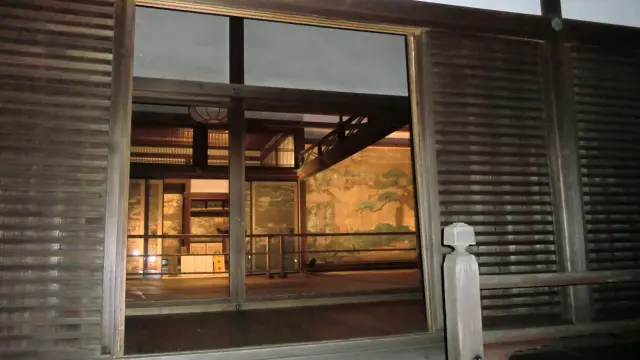
    The nighttime illumination is certainly beautiful, and the garden and buildings take on a very quiet, mysterious atmosphere under the dim lighting. However, the drawback is also obvious: many of the architectural details are difficult to see. If your main purpose is to appreciate Shoren-in itself, including its temple buildings, painted sliding panels, and gardens, I would actually recommend visiting during the day.
    In addition to Kachoden Hall, Kogosho, the Main Hall, and Shinden Hall, Shoren-in’s grounds include a strolling pond garden centered on Ryujin Pond, traditionally said to have been designed by Soami. There is also the Kirishima Garden, which is traditionally associated with Kobori Enshu. These are all better appreciated slowly during the day, especially the details of the gardens, the proportions of the buildings, and the borrowed scenery, much of which is lost under the nighttime lighting.
    Special nighttime viewings also usually cost a little more than regular daytime admission, so unless you are visiting specifically for the illumination, I personally think the overall value is better during the day. Of course, if you really enjoy the quiet and slightly mysterious atmosphere of temples at night, Shoren-in’s illumination is still worth experiencing once.
    At the time, I did not have enough photography experience, and looking back now, I feel like I did not make the most of the illumination that evening. Shoren-in’s nighttime lighting is dim to begin with. In many areas, instead of lighting up an entire building, it uses localized lighting to create atmosphere. So if you want to take photos, it is best to prepare a camera or phone with good low-light capabilities. If there is not even much moonlight that day, the demands on your equipment and your ability to hold it steady will be even greater.

Details

Name in Japanese
青蓮院門跡
Postal Code
605-0035
Address
69-1 Sanjobozancho, Awataguchi, Higashiyama Ward, Kyoto City, Kyoto Prefecture
Phone
075-561-2345
Closed on
Open year-round
Hours
9:00 a.m.–5:00 p.m. (last admission at 4:30 p.m.)
Admission
Adults: ¥600; junior high and high school students: ¥400; elementary school students: ¥200
Access
About a 5-minute walk from Higashiyama Station on the subway
Official website
Official website (Japanese)
Hokkaido Tohoku Kanto Chubu Hokuriku Kansai Chugoku Shikoku Kyushu Okinawa