
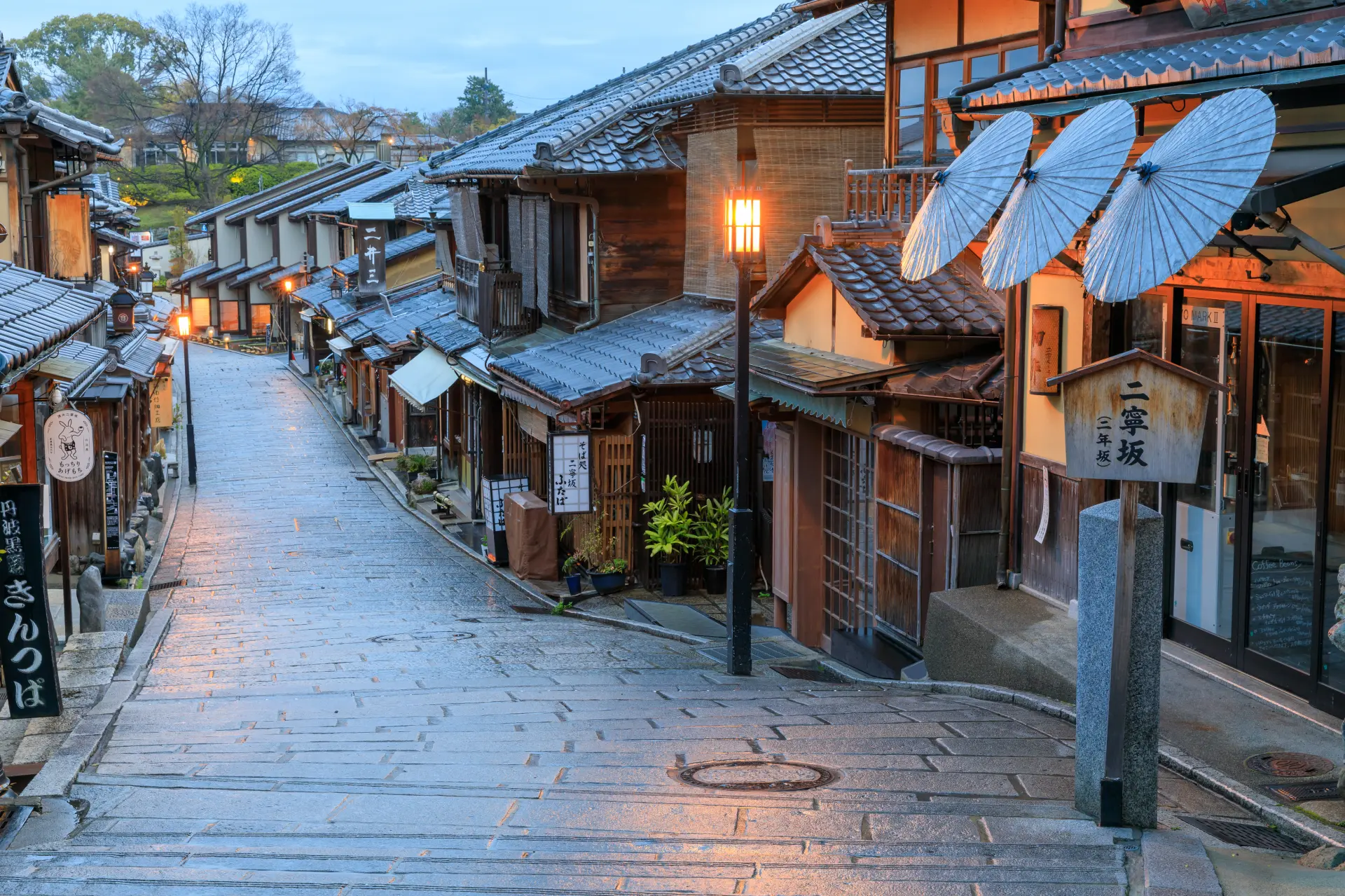
19 Kyoto Spots to Visit on a Rainy Day: Gardens, Art, and the Quiet Beauty of Kyoto
Kyoto has many places worth taking your time to explore on a rainy day, including the Kyoto International Manga Museum, Kyoto City KYOCERA Museum of Art, Murin-an, and Kodai-ji Temple. Discover culture and art indoors or stroll through rain-soaked gardens and historic streets. By choosing attractions that are less affected by the weather, even a change of plans can become part of the fun.
Spend a peaceful day exploring a side of Kyoto that looks a little different from when the sun is shining.
Take It Easy with Art and Entertainment
Museums and theaters offer shelter from the sound and weather of the rain while providing an ideal introduction to the depth of Kyoto's culture. Their wide-ranging attractions cover everything from manga and fine art to history and the performing arts, each with a character distinctly its own.
Forget about the weather for a while as you browse exhibitions or immerse yourself in another world.
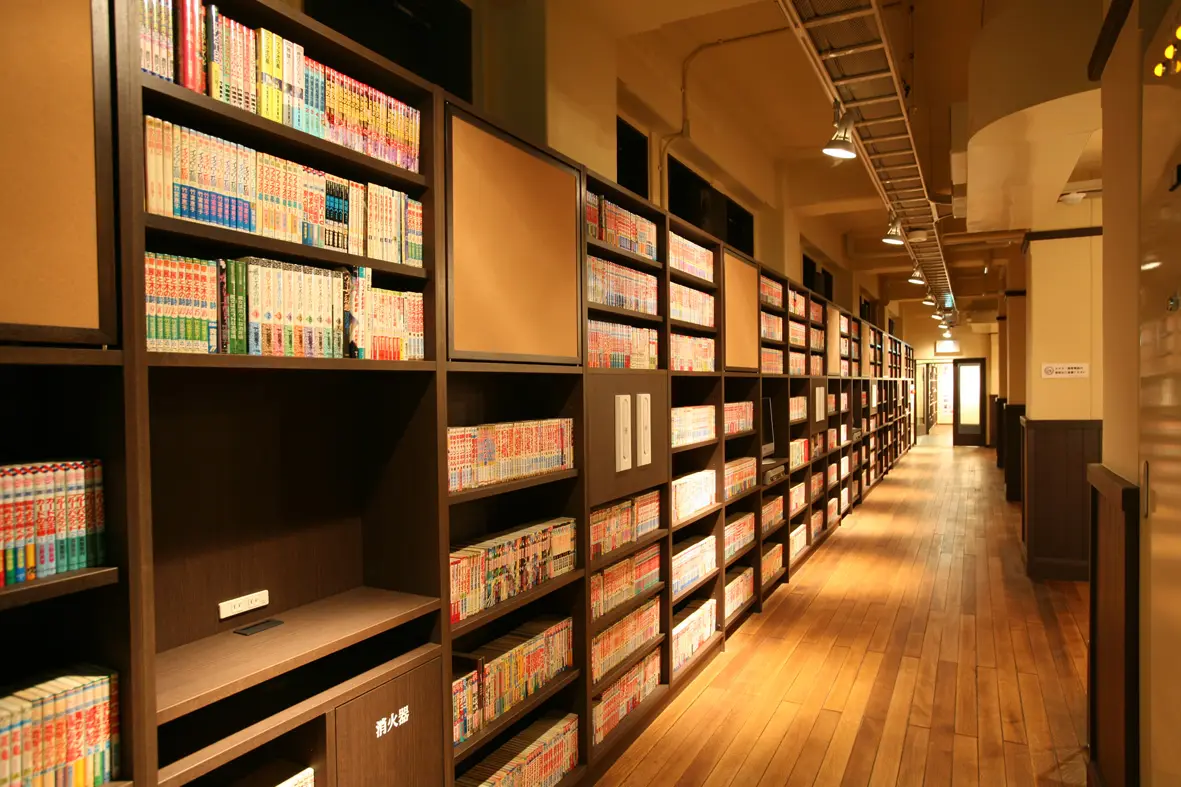
1. Kyoto International Manga Museum (Nakagyo Ward, Kyoto City)
Japan's first comprehensive facility dedicated to every aspect of manga culture. Its collection contains more than 300,000 manga-related items, ranging from satirical ukiyo-e prints of the Edo period to magazines from the Meiji, Taisho, and early Showa eras, postwar rental manga, contemporary popular titles, and works from overseas.
Visitors are free to read around 50,000 collected manga volumes and can also use the search terminals to look for particular titles. Talk events and live drawing sessions are held as well, providing plenty of opportunities to immerse yourself in stories that have captivated readers for generations.
2. Kyoto City KYOCERA Museum of Art (Sakyo Ward, Kyoto City)
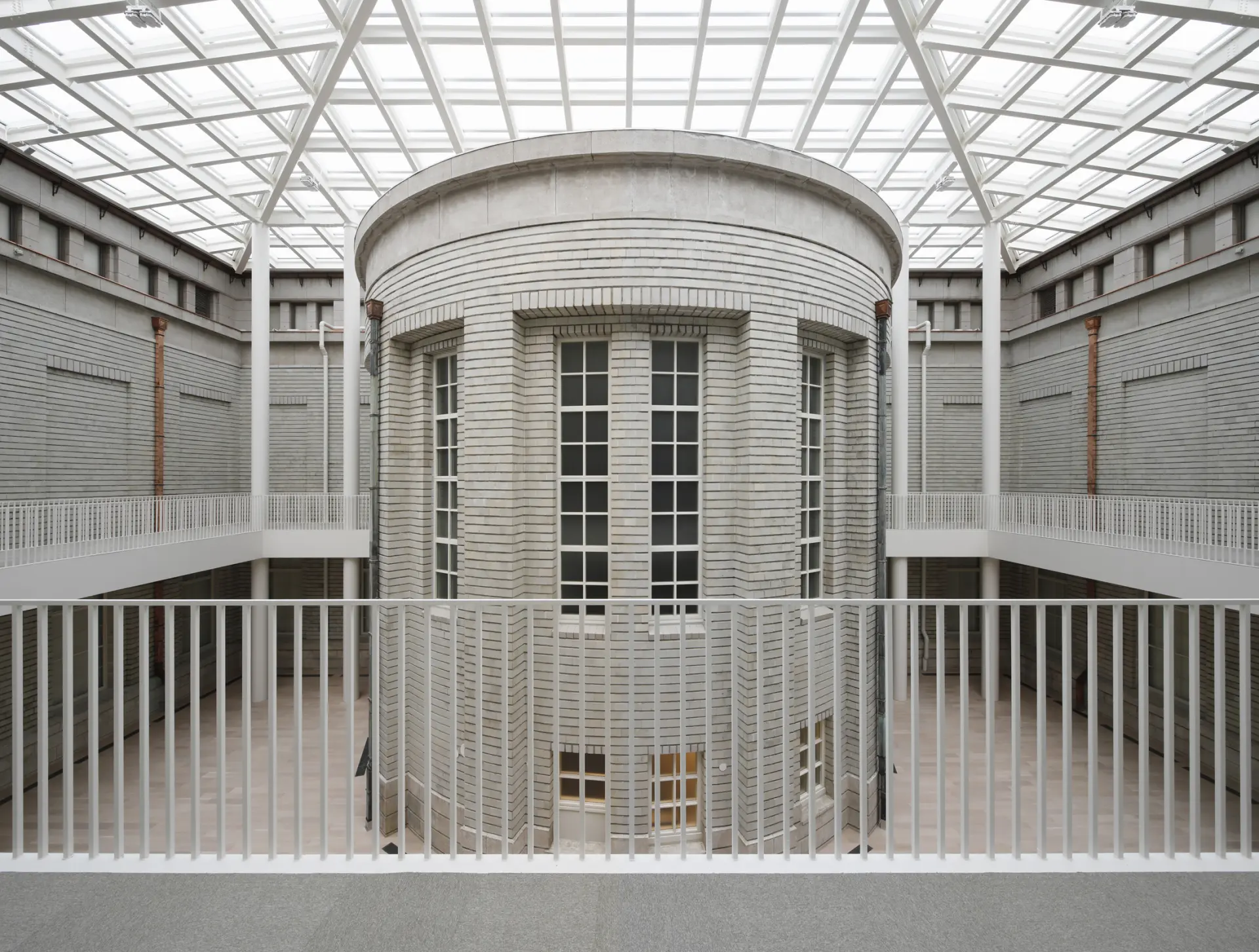
This leading museum in the Okazaki area is worth visiting for the architecture alone. Its collection contains more than 3,800 works, primarily by artists of the modern Kyoto painting tradition, as well as Japanese-style and Western-style paintings, sculptures, prints, crafts, and calligraphy.
Each exhibition space has a different character, including the Higashiyama Cube and The Triangle, allowing visitors to appreciate both art and architecture as they explore the museum.
3. Kyoto National Museum (Higashiyama Ward, Kyoto City)
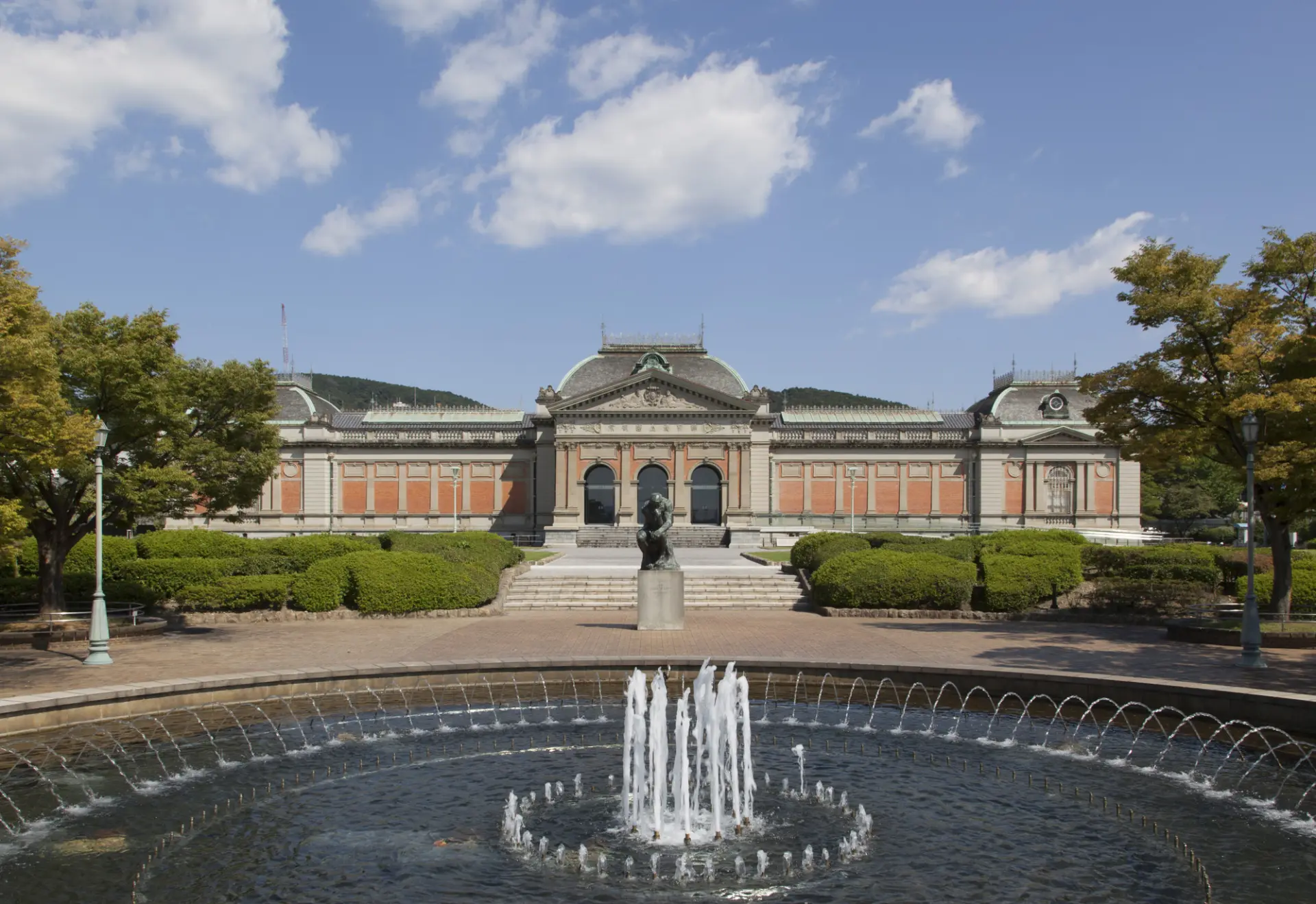
This essential cultural institution offers an introduction to Kyoto's history and art. It houses approximately 14,600 objects, primarily artworks and cultural properties closely associated with Kyoto, along with Japanese and East Asian antiquities and archaeological materials.
Other highlights include the red-brick Meiji Kotokan Hall and the surrounding gardens. After viewing the exhibitions, stop at the museum café to reflect on the refined artistic sensibility that Kyoto has cultivated over the centuries.
4. GEAR (Nakagyo Ward, Kyoto City)
For a memorable rainy day in Kyoto, visit this nonverbal theater production created in Japan. Set in an old toy factory, the story draws audiences into a performance that combines mime, magic, juggling, and breakdancing.
Over the course of 10 years, the show has given more than 3,000 performances and welcomed over 250,000 audience members. Before or after the performance, take a moment to admire the venue's Art Deco details.

Explore Kyoto's Streets on a Rainy-Day Detour
Covered shopping arcades and atmospheric streets are especially well suited to exploring Kyoto in the rain.
Walking with an umbrella in hand may draw your attention to storefronts and details of the cityscape that are easy to overlook on a sunny day. Beyond shopping and sampling local foods, take in the aromas, history, and rhythms of everyday life in Kyoto.
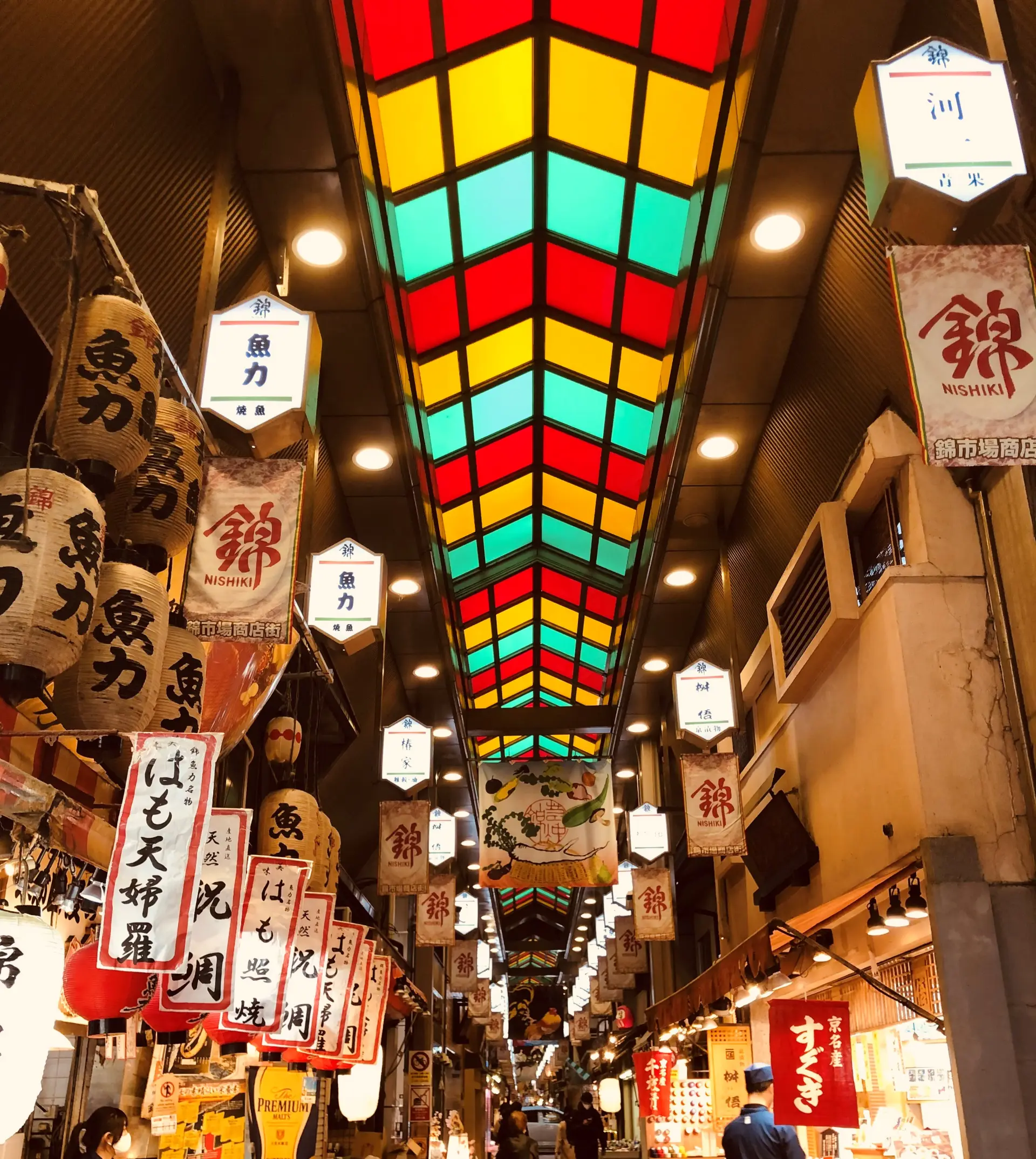
5. Kyoto Nishiki Market (Nakagyo Ward, Kyoto City)
This market, which has long supported Kyoto's culinary culture, is a dependable destination for a rainy-day stroll. Approximately 130 stores line both sides of its covered arcade, which extends about 1,280 feet (390 meters) from east to west.
There is no shortage of casual foods to sample, including soy milk doughnuts and yuba cream croquettes. The market is also known for its connection to artist Ito Jakuchu. After the stores close, their shutters reveal artwork depicting his paintings.
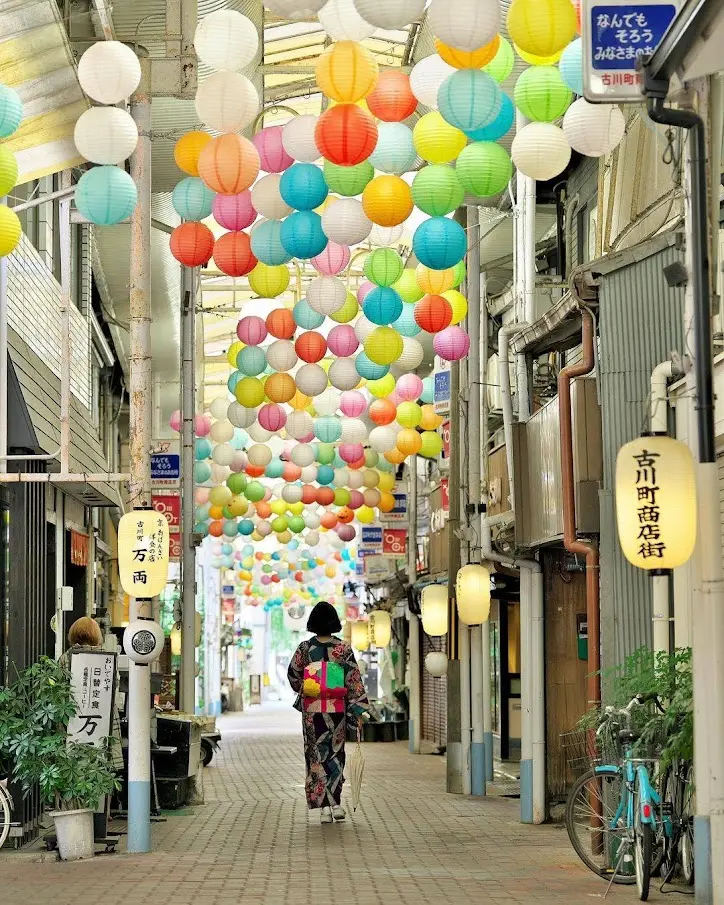
6. Furukawacho Shopping Arcade (Higashiyama Ward, Kyoto City)
This small covered shopping street makes an inviting stop while exploring Higashiyama. Around 1,000 colorful pastel lanterns hang from the retro arcade, creating a distinctive atmosphere that blends nostalgia with contemporary style.
The approximately 820-foot-long (250-meter) street is dotted with long-established stores, cafés, galleries, and craft shops. Walk through on your way to Chion-in Temple or Gion for a glimpse of everyday life in Higashiyama.
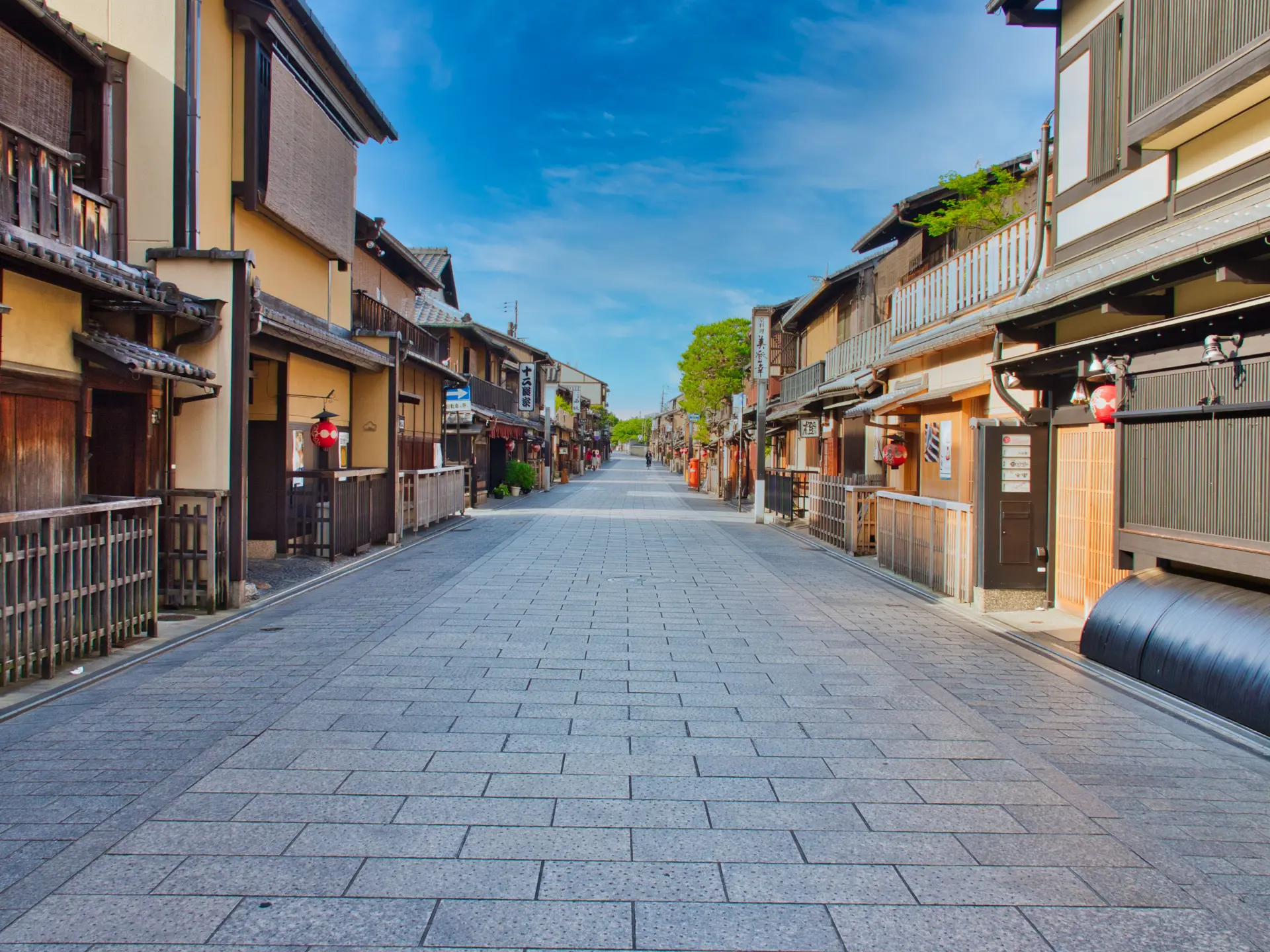
7. Hanamikoji Street (Higashiyama Ward, Kyoto City)
One of Gion's best-known streets, Hanamikoji becomes even more atmospheric in damp weather. Although its name means “flower-viewing lane,” it is a relatively broad and lively street lined with businesses and frequented by many visitors.
Walking south from Shijo Street takes you past rows of traditional teahouses and restaurants, with stone-paved streets and distinctly Gion scenery extending ahead. Other highlights include Ichiriki-tei, which has appeared in kabuki plays, and the area around Tatsumi Bridge on Shirakawa-suji Street.

Deepen Your Journey Through Kyoto Cultural Experiences
A trip to Kyoto is not only about looking. Experiences that let you create, taste, and learn are equally rewarding.
Spending time with traditional crafts, Japanese sweets, and the tea ceremony can make Kyoto's culture feel more accessible. On a rainy day, walk a little less and take your time with a single experience.
8. Nishijin Textile Center (Kamigyo Ward, Kyoto City)
This facility offers opportunities to learn about and experience one of Kyoto's best-known traditional crafts. Nishijin-ori is a general term for yarn-dyed figured textiles produced in northwestern central Kyoto. It is characterized by intricate patterns woven from thread dyed before weaving.
Inside, visitors can watch artisans demonstrate hand weaving and tapestry weaving, observing up close as complex patterns take shape. A hands-on weaving program lets participants create their own pieces. There is also a kimono experience with more than 150 garments to choose from, offering another way to engage directly with traditional culture.

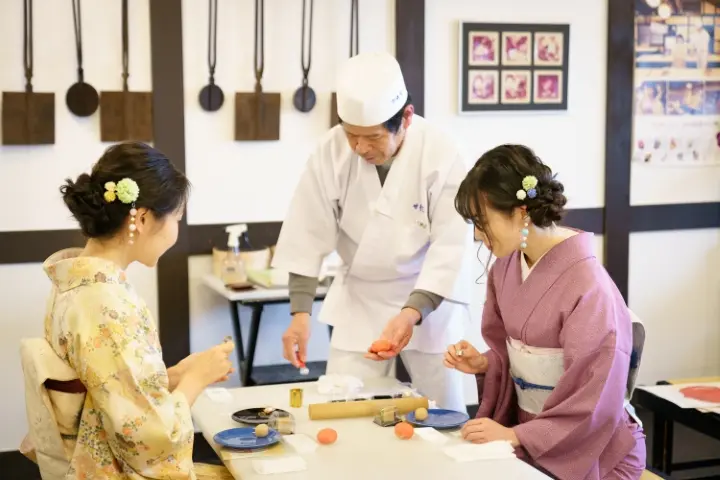
9. Kanshundo East Store (Higashiyama Ward, Kyoto City)
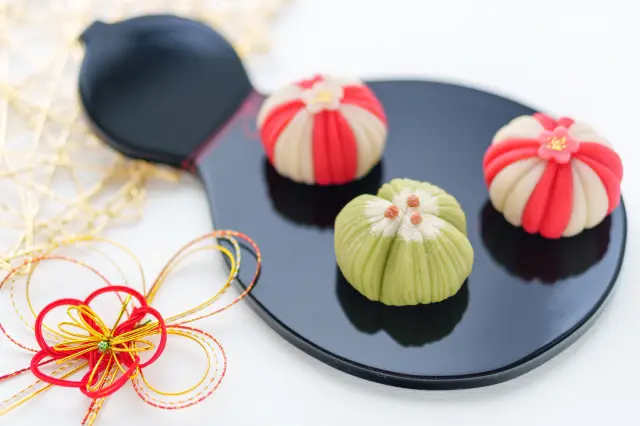
This long-established confectionery offers hands-on Japanese sweet-making experiences. Its products include the signature Chajuki, designed to resemble a ceramic matcha bowl, as well as seasonal fresh sweets and dry sweets.
Under the guidance of an artisan, participants make seasonal Japanese confections using techniques and styles such as nama-zato, nerikiri, and kinton. Afterward, you can enjoy the sweets you made with a bowl of matcha. The store is also close to Toyokuni-jinja Shrine and Sanjusangen-do Temple, making it easy to combine with a day of sightseeing in Higashiyama.
10. Kyo-Yuzen Workshop Marumasu-Nishimuraya (Nakagyo Ward, Kyoto City)
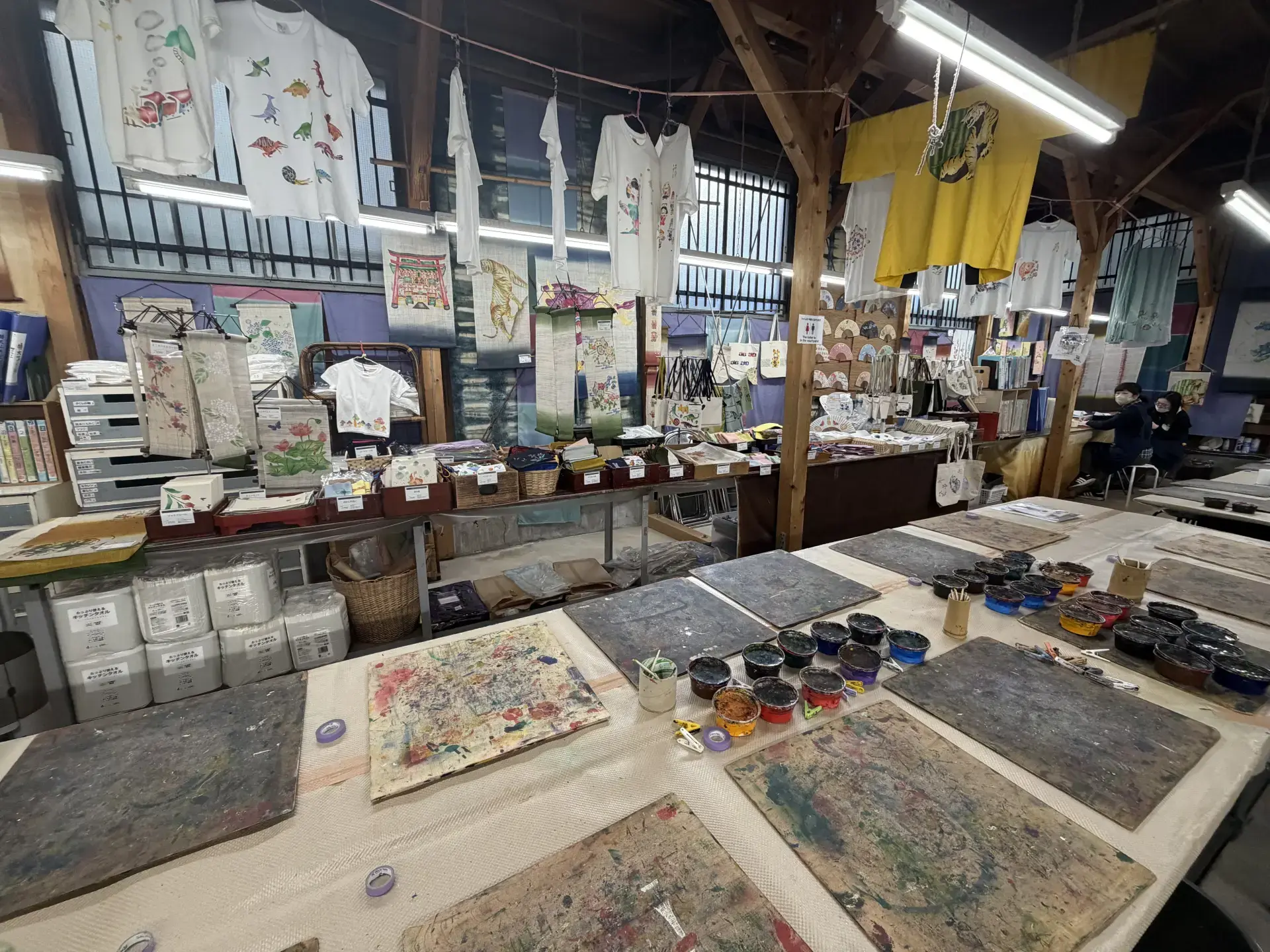
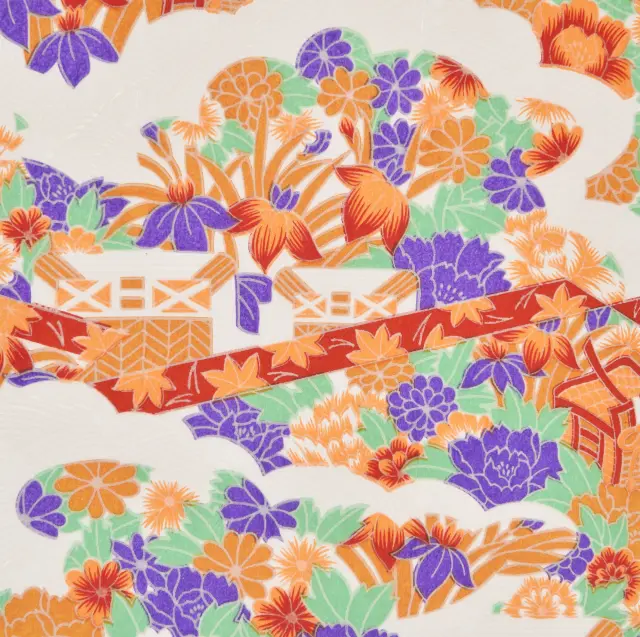
This workshop offers hands-on experience with Kyo-yuzen, a dyeing tradition that supports Kyoto's kimono culture. Participants practice surikomi yuzen, a stencil-dyeing technique within kata yuzen that uses brushes to apply dye through stencils.
Choose from dozens of items to decorate, including handkerchiefs, small shoulder bags, pencil cases, and T-shirts. More than 3,000 stencils are available, featuring animals, flowers and other plants, and designs associated with Kyoto. Combine them freely to create your own original Kyo-yuzen piece.
11. Shoyeido Kunjyukan (Nakagyo Ward, Kyoto City)
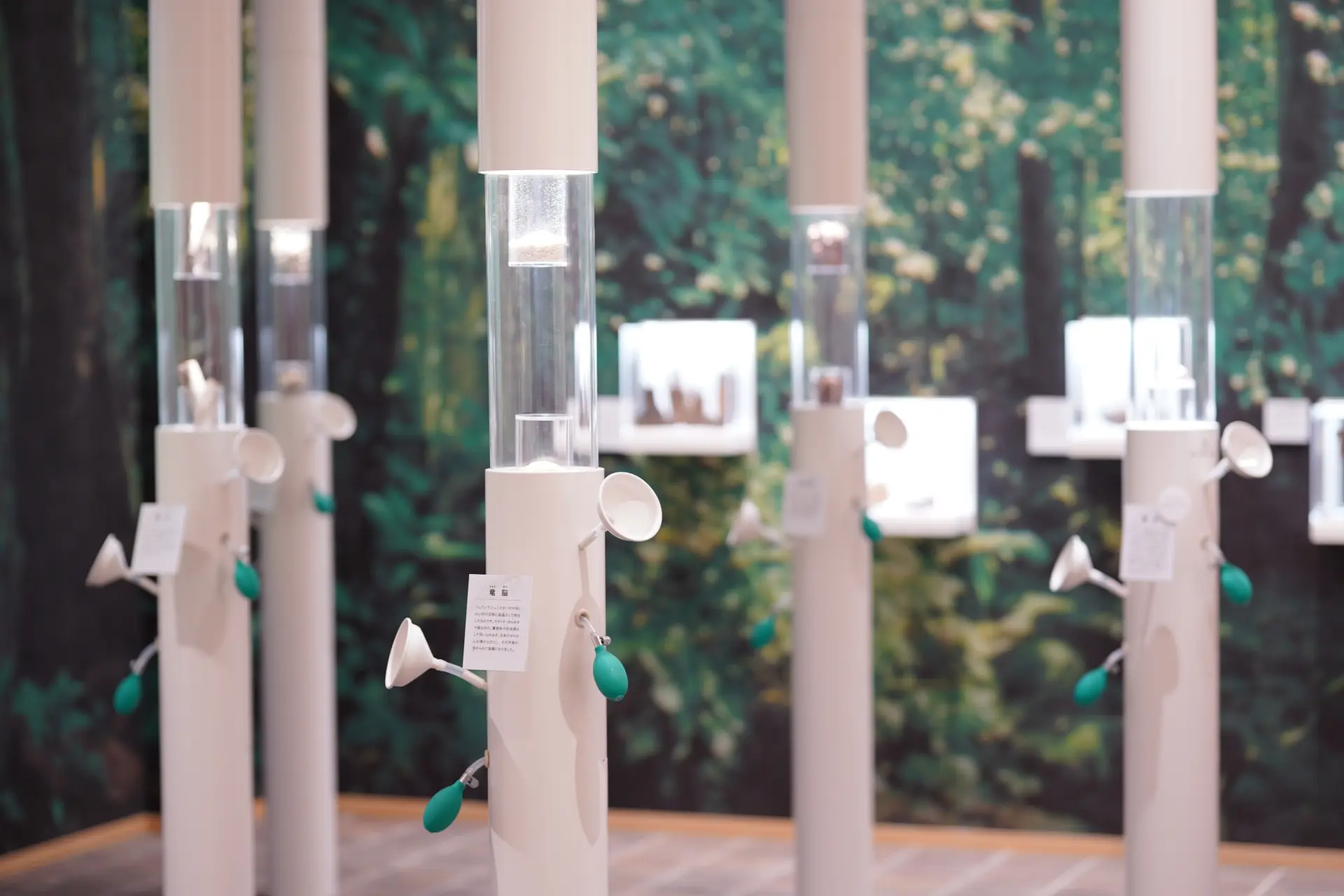
This distinctive facility provides an interactive introduction to the culture of fragrance. The 1st floor is home to the “koh-labo Fragrance Walk,” where a variety of installations offer opportunities to experience different aromas.
At the “Fragrance Boxes” suspended from the ceiling, visitors place their upper bodies inside individual boxes to encounter a different aromatic world in each one. Explore a large sandalwood tree, the Fragrance Pillar, and displays explaining the incense-making process to deepen your understanding of Japan's long-cultivated fragrance culture.

12. Asahiyaki Pottery Studio (Uji City)
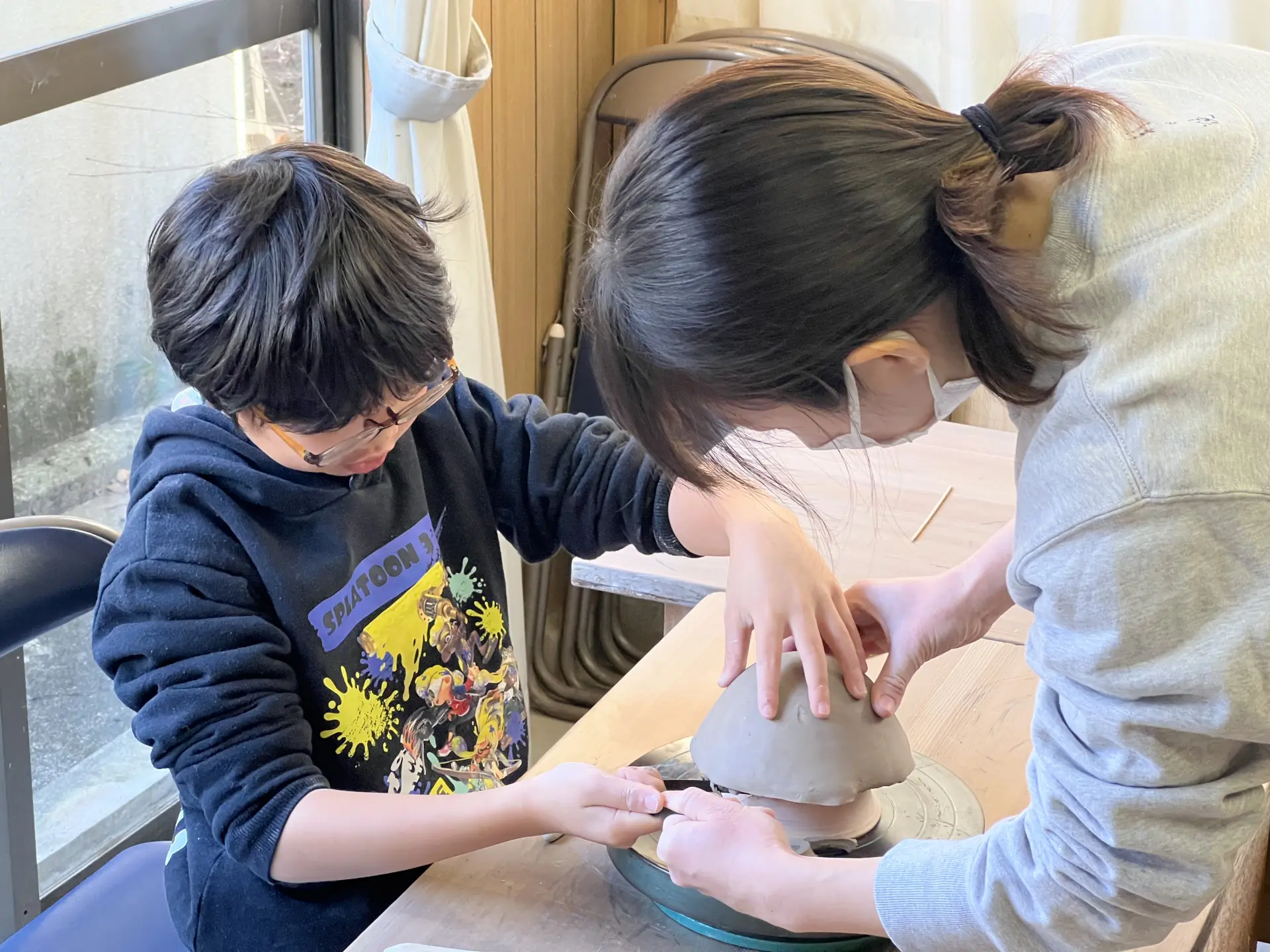
This long-established pottery studio beside the Uji River offers an accessible introduction to the pleasures of ceramics. The kiln continues to produce vessels used mainly for the tea ceremony and sencha tea, and it also offers pottery-making experiences.
Working with clay in the studio, turning an electric potter's wheel, or painting a vessel can become a memorable part of your trip. Another highlight is shaping a piece with your own hands while learning about the approximately 400-year history of Asahiyaki pottery.
13. Taiho-an Municipal Tea House (Uji City)
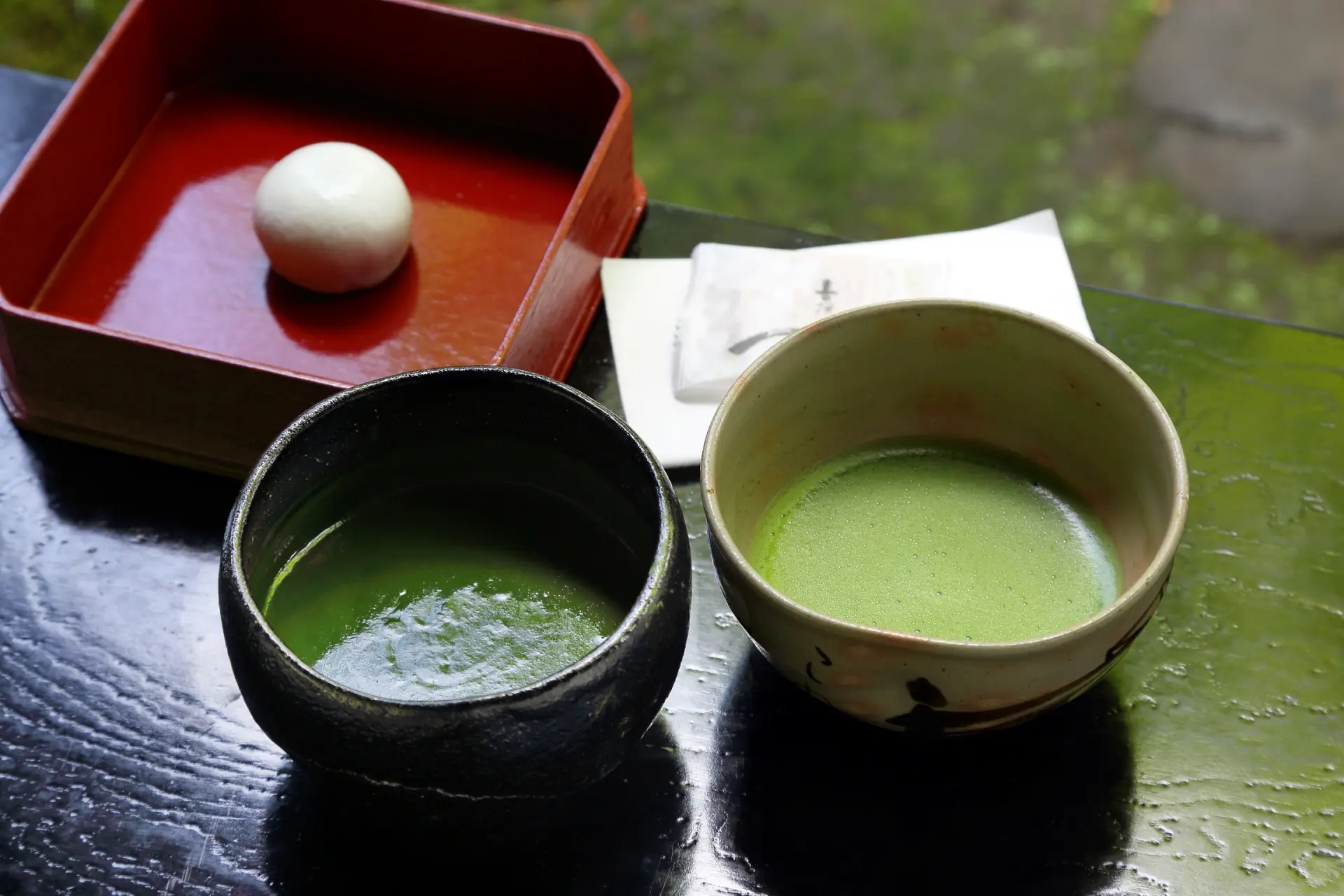
This tea house is recommended for visitors who want to take their time appreciating Uji tea. Located beside the Uji River with a view toward Byodoin Phoenix Hall, it offers tea preparation demonstrations by tea ceremony instructors.
No knowledge of formal etiquette is required, making this an accessible place to experience the tea ceremony. In addition to usucha, or thin matcha, koicha, gyokuro, and sencha may also be served depending on the season. During the hands-on program, visitors can prepare their own tea. Settle into a peaceful moment focused on the aroma and flavor of Uji tea.

Visit Gardens and Historic Temples Made More Beautiful by Rain
Rain-dappled moss and trees, wet stone paths, and softly misted gardens reveal a beauty distinctly associated with Kyoto.
Historic temples and gardens take on a different sense of stillness than they have on sunny days, bringing their architecture and landscaping into sharper focus. Visit places where simply pausing to take in the scenery can become a lasting travel memory.
14. Murin-an (Sakyo Ward, Kyoto City)
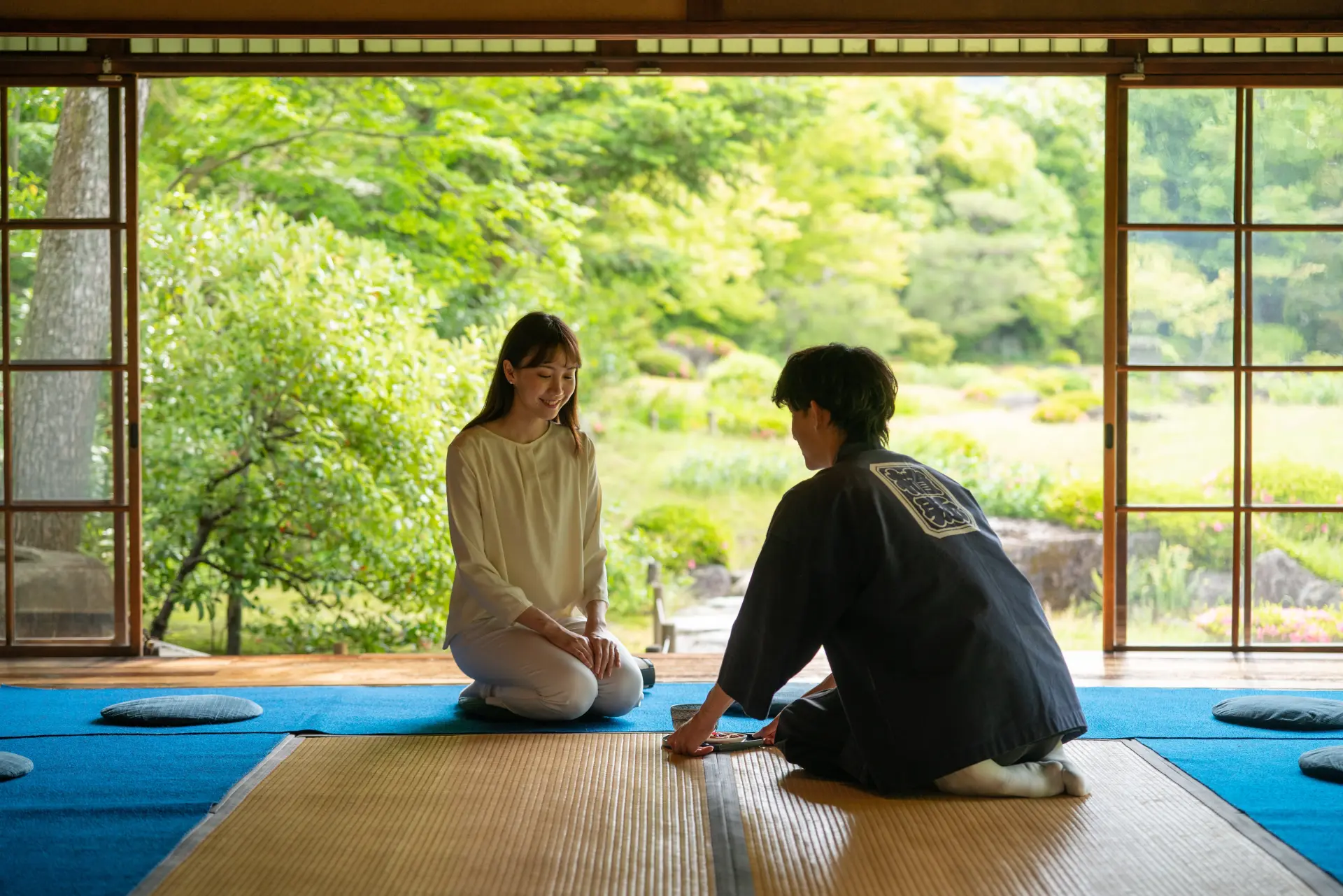
This garden was created as the former villa of Aritomo Yamagata, an influential statesman of the Meiji period. Designed by seventh-generation landscape gardener Jihei Ogawa, it is highly regarded as a pioneering example of the modern Japanese garden.
The garden features an open lawn that uses the Higashiyama mountains as borrowed scenery, along with a lively stream supplied by water from the Lake Biwa Canal. On rainy days, the greenery and flowing water become even more vivid, providing time to appreciate the scenery that Yamagata cherished.
15. Nanzen-ji Temple (Sakyo Ward, Kyoto City)
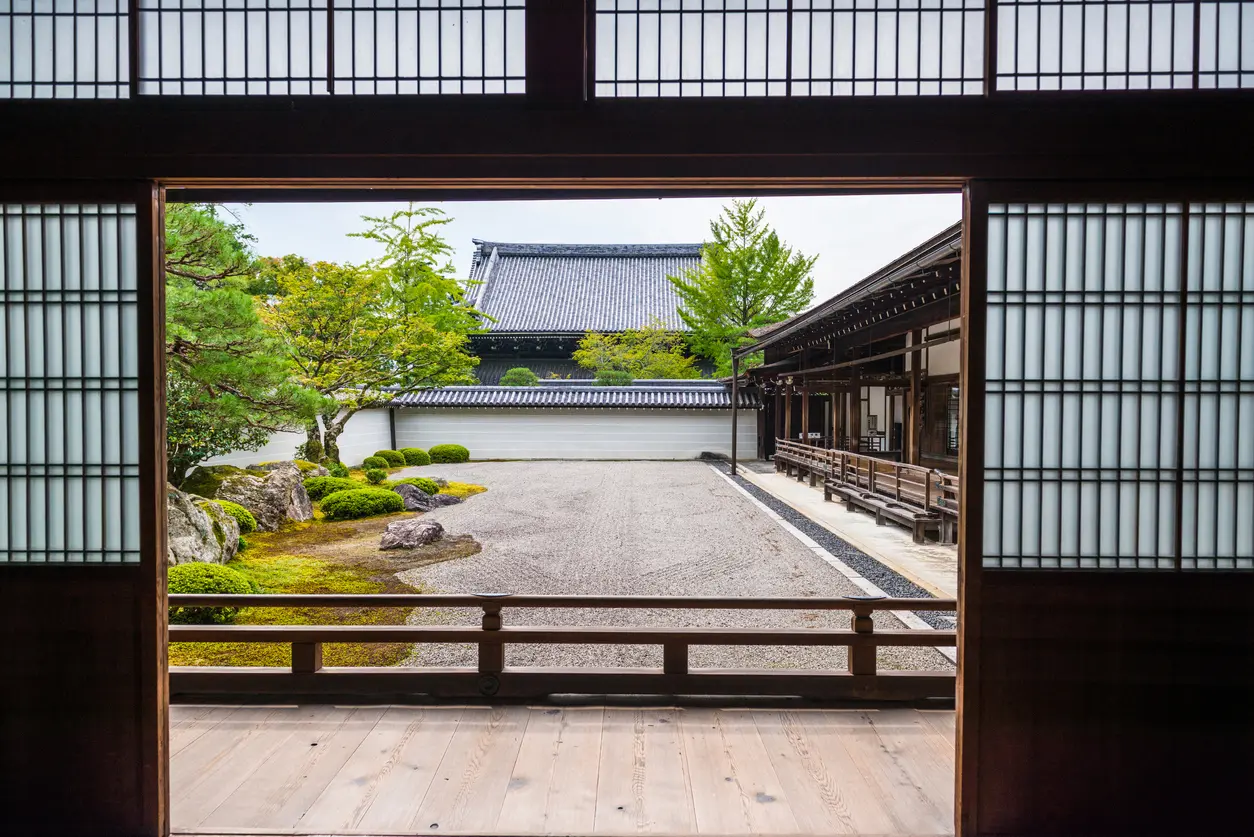
At Nanzen-ji, one of Kyoto's most prominent Zen temples, an imposing complex unfolds beyond the enormous Sanmon Gate. Many of the buildings standing today were constructed during or after the Edo period.
In the National Treasure Hojo, visitors can view wall and sliding-door paintings by the Kano school and a rock garden designed by Enshu Kobori. The Hatto Dharma Hall also retains a ceiling painting by Tanyu Kano. Farther into the grounds stands the brick Suirokaku Aqueduct, creating an unusual landscape where Zen temple architecture coexists with modern civil engineering from the Meiji period.
16. Shoren-in Monzeki Temple (Higashiyama Ward, Kyoto City)
This monzeki temple with ties to the Imperial family stands in a quiet corner of Higashiyama. As you walk through the Shinden and Kogosho halls while looking out over the gardens, the dignity of a temple with Imperial connections becomes apparent.
Its origins lie in residences for monks of Enryaku-ji Temple on Mount Hiei, where eminent priests including Saicho and Ennin once lived. Highlights include the Garden of Soami and the Kirishima Garden designed by Enshu Kobori. The strolling pond garden presents different scenery with each season, while the rain-soaked trees and moss leave a particularly strong impression.
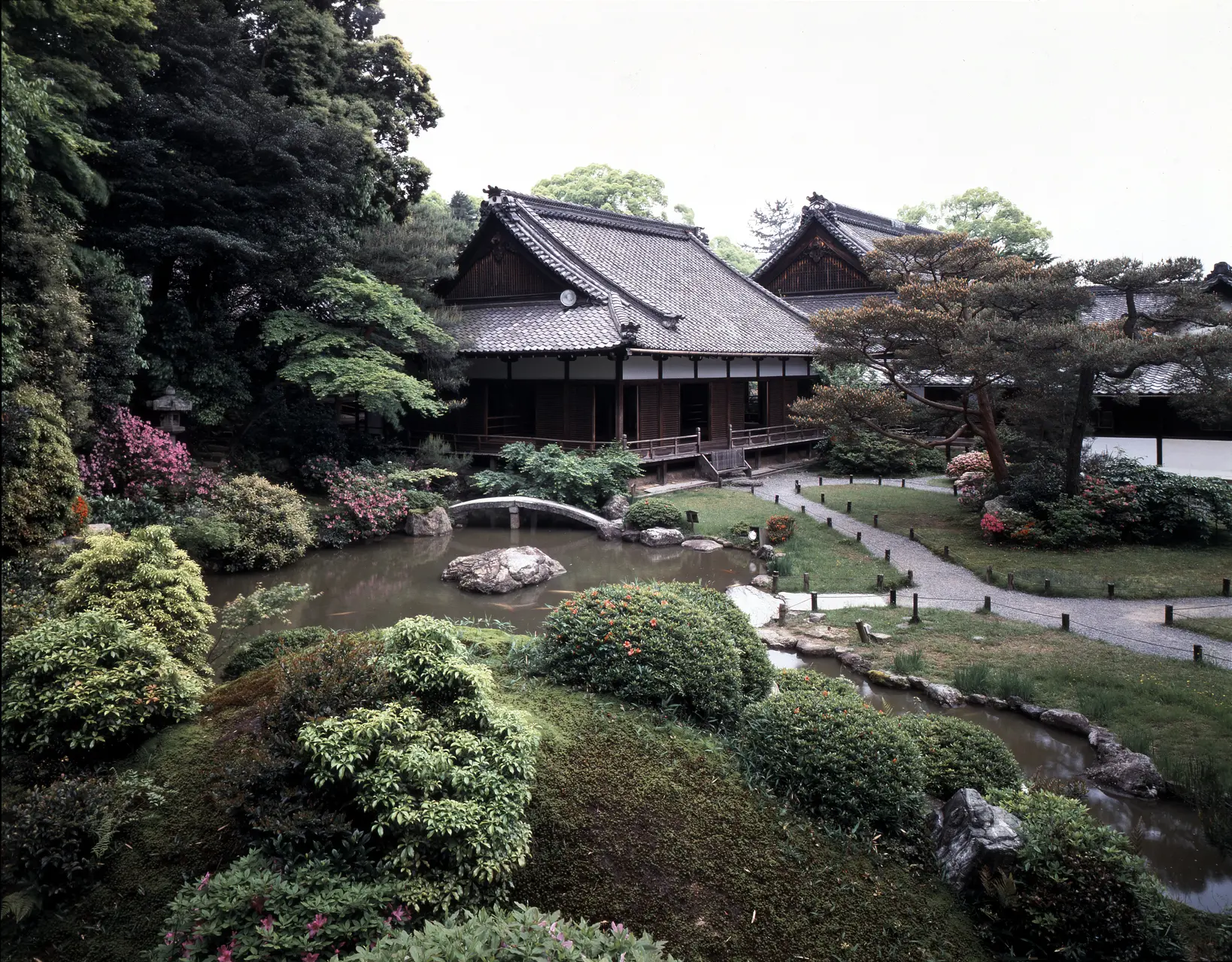
17. Kodai-ji Temple (Higashiyama Ward, Kyoto City)
This celebrated temple was founded by Nene to pray for the repose of Toyotomi Hideyoshi. Walking through the grounds reveals carefully preserved architecture from the Azuchi-Momoyama period, including the Kaisando Hall, Kangetsudai Moon-Viewing Pavilion, Kasatei Teahouse, and Shiguretei Teahouse.
The mausoleum is decorated with elaborate ornamentation known as Kodai-ji maki-e, reflecting the artistic sensibilities of Momoyama culture. The temple is also renowned for its autumn foliage. The gradations of color created by approximately 1,000 maple trees are a remarkable sight.
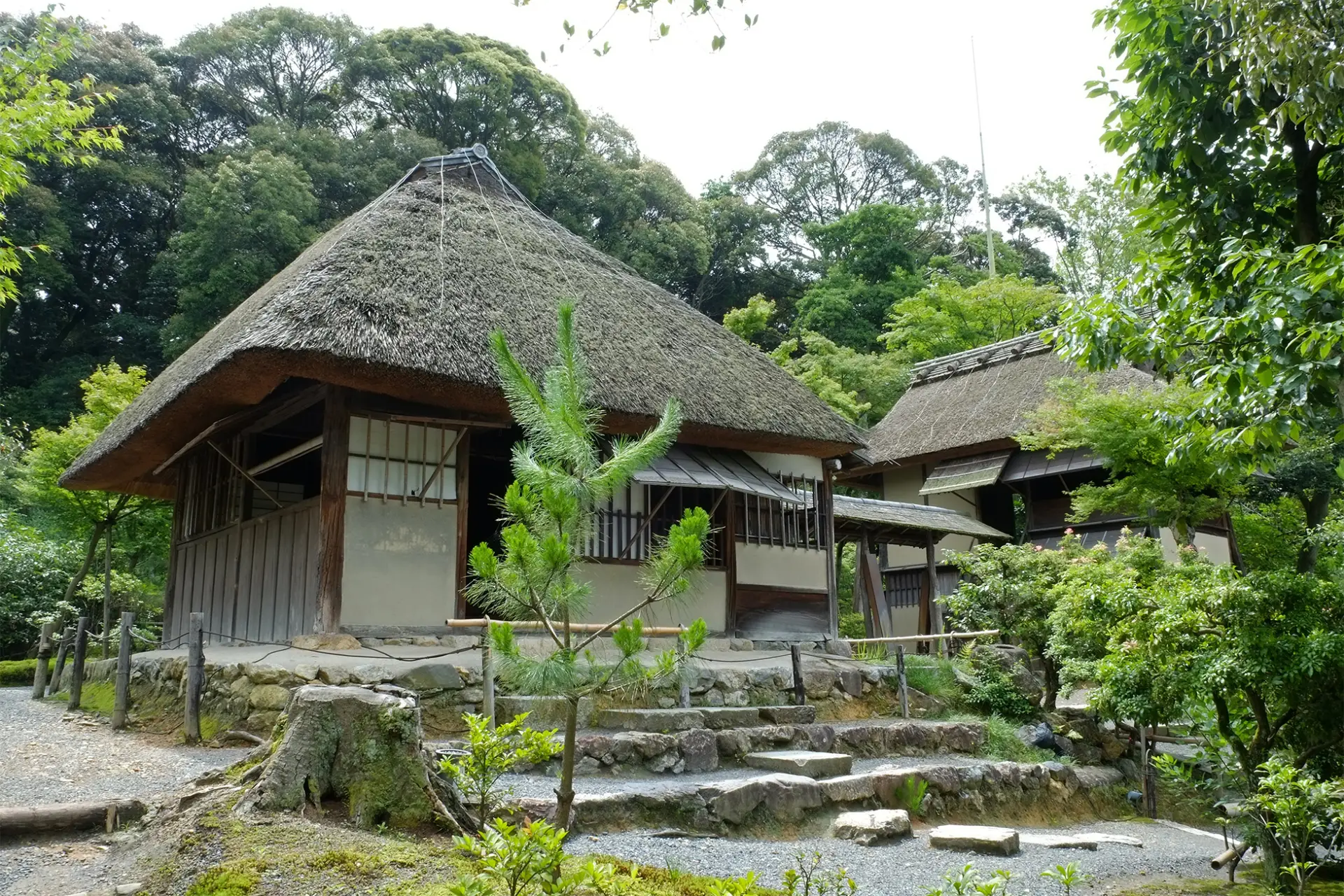
18. Ryoan-ji Temple (Ukyo Ward, Kyoto City)
This Zen temple of the Myoshin-ji branch of the Rinzai school is registered as a UNESCO World Heritage Site as part of the Historic Monuments of Ancient Kyoto.
The Hojo Garden, designated both a Historic Site and a Special Place of Scenic Beauty, is renowned for its rock garden: a flat, dry landscape garden enclosed on three sides by earthen walls. After Queen Elizabeth II praised it during an official visit to Ryoan-ji in 1975, the garden became widely known in Japan and overseas as a pinnacle of abstract design. Its 15 stones are arranged from east to west in groups of 5, 2, 3, 2, and 3. It is also known as the “Seven-Five-Three Garden” and the “Tiger Cubs Crossing the River Garden.” Intriguingly, however, its layout makes it impossible to see all 15 stones at once from any viewing angle.
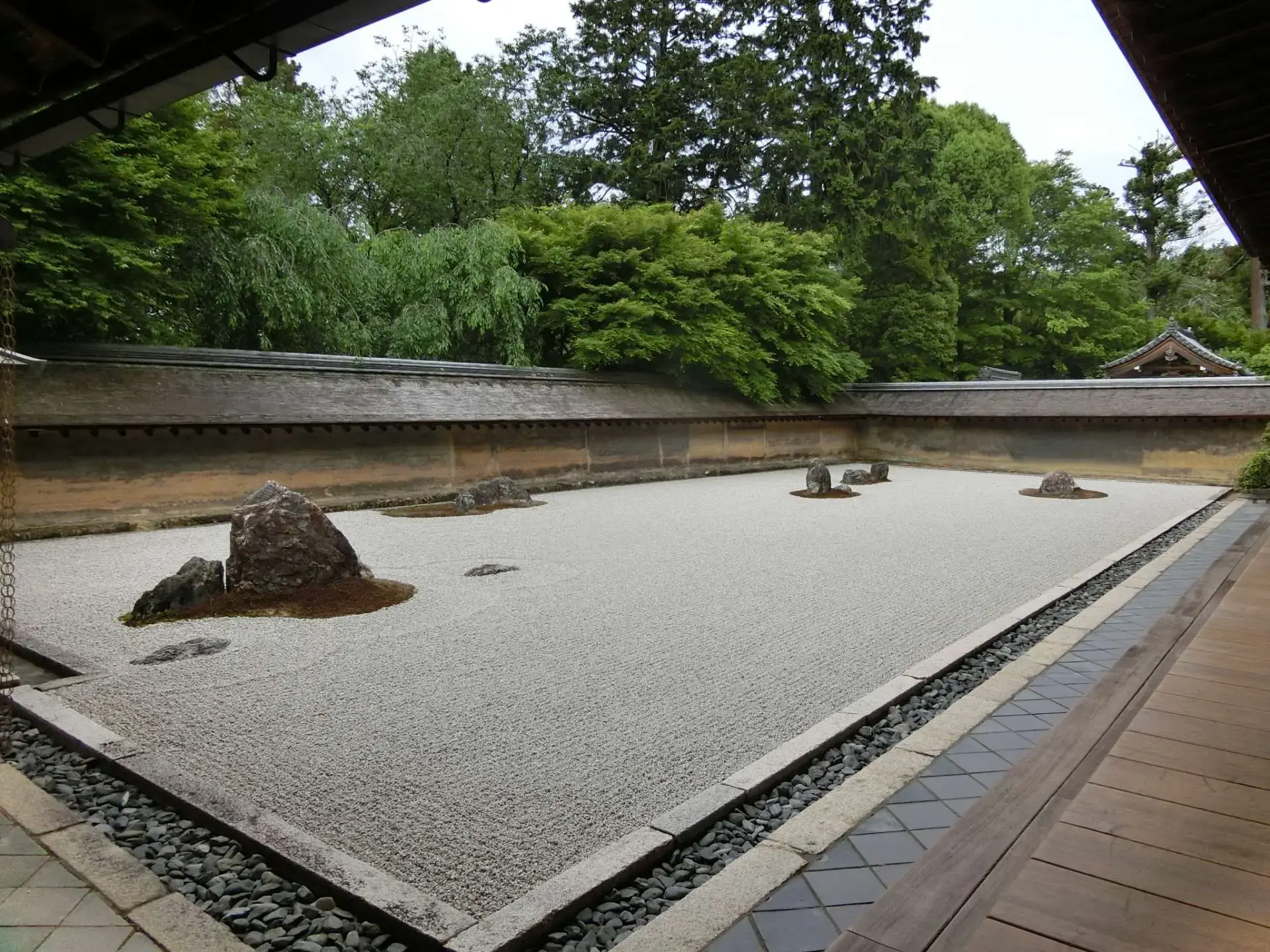

19. Kennin-ji Temple (Higashiyama Ward, Kyoto City)
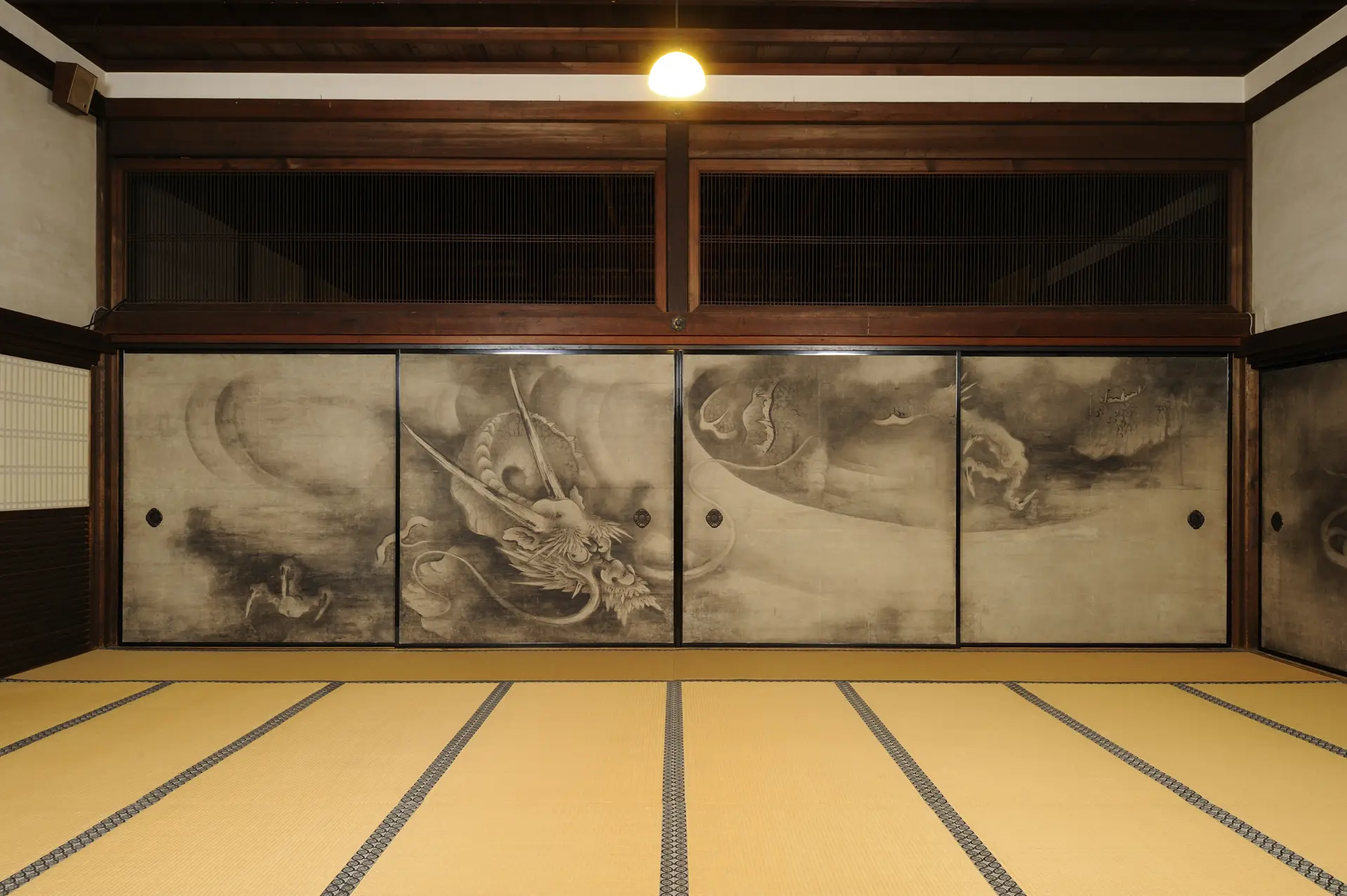
Known as Kyoto's oldest Zen temple, Kennin-ji is a head temple of its school. Its famous ceiling painting, “Twin Dragons,” was created by artist Junsaku Koizumi in 2002 to commemorate the 800th anniversary of the temple's founding. The monumental work covers approximately 1,925 square feet (179 square meters).
Visitors can also view sliding-door paintings by Yusho Kaiho in the Hojo and a reproduction of Sotatsu Tawaraya's “Wind God and Thunder God Screens” in the main temple building. It is a place where Zen temple architecture and masterpieces of Japanese art can be appreciated together.
Frequently Asked Questions About Sightseeing in Kyoto on a Rainy Day
Q
Can I still enjoy sightseeing in Kyoto on a rainy day?
Yes. Kyoto has many indoor attractions, including art museums, history museums, and facilities offering traditional cultural experiences, so there is plenty to enjoy even when it rains. Gardens and temples also reveal a different kind of beauty, with rain making their moss and trees appear especially vivid.
Q
Which areas are recommended for sightseeing in Kyoto on a rainy day?
The Okazaki area is easy to explore on foot and brings together attractions such as the Kyoto City KYOCERA Museum of Art, Murin-an, and Nanzen-ji Temple. In the Higashiyama area, you can combine visits to Kodai-ji Temple, Kennin-ji Temple, and Hanamikoji Street.
Q
Can I enjoy gardens and temples even when it rains?
Kyoto's gardens and temples have a quiet atmosphere that is especially appealing on rainy days. The greens of the moss and trees become more vivid, while water surfaces and stone paths take on a different appearance, revealing a beauty unlike that of a sunny day.
Summary
Kyoto has so many appealing rainy-day destinations that it can feel like a shame to change your plans because of the weather.
Immerse yourself in culture at the Kyoto International Manga Museum or Kyoto City KYOCERA Museum of Art, stroll through Nishiki Market and Hanamikoji Street, or experience Nishijin weaving and the tea ceremony. A visit to gardens and historic temples such as Murin-an and Kodai-ji will also reveal a side of Kyoto that differs from what you see on a sunny day.
Set out and enjoy the calm, rain-softened atmosphere of Kyoto.