Byodoin Temple

Verified [Verified] denotes information that has been published with confirmation of its owing parties.

Byodoin Temple

Striking symmetry and an ethereal hall evoking the Buddhist Pure Land

3.88 16

Last update :
Supervised by :  Byodoin Temple

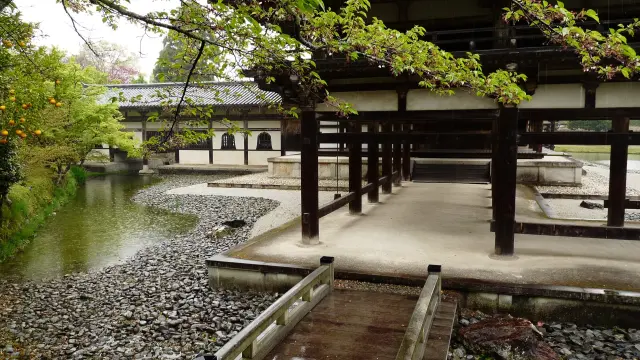
The site was originally used as a villa by Fujiwara no Michinaga, a powerful figure during the Heian period. His son, Yorimichi, inherited the property and converted it into a temple in 1052. It was registered as a World Heritage Site in 1994. Following renovations completed in 2014, it is said to have regained an appearance closer to its original form.
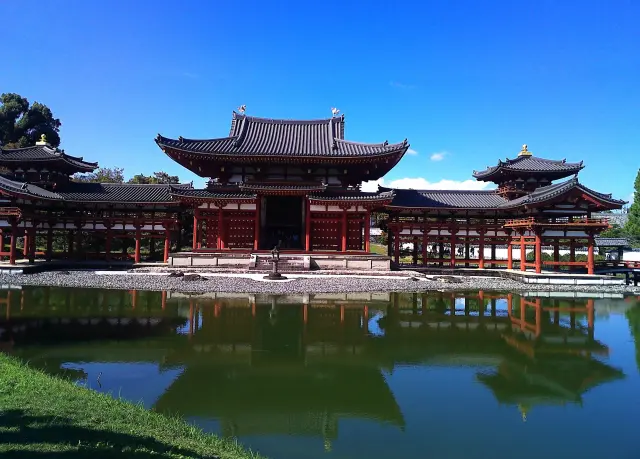
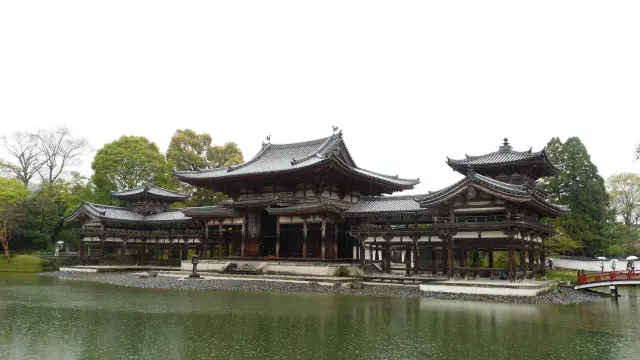
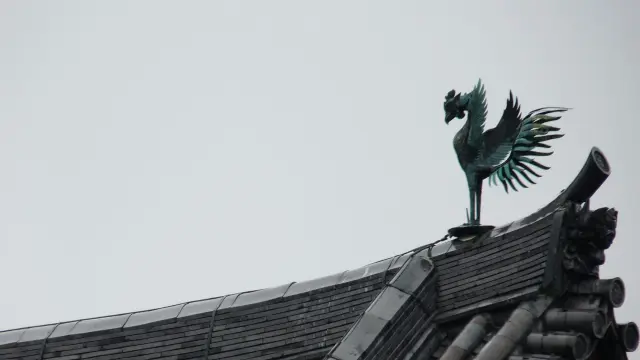
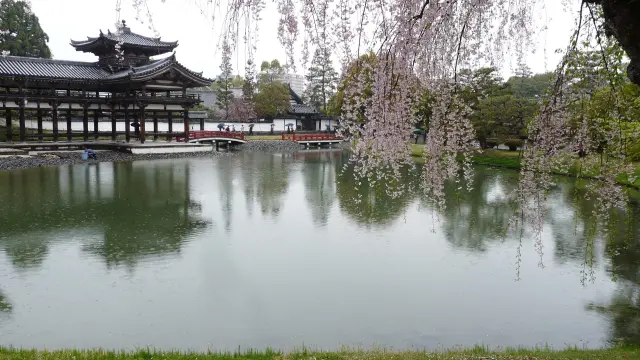
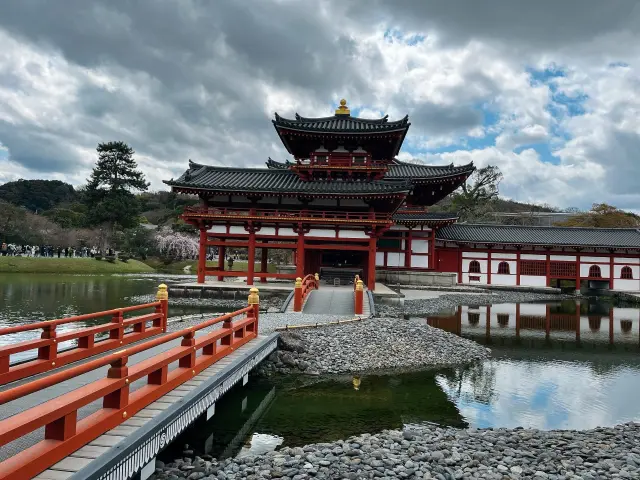
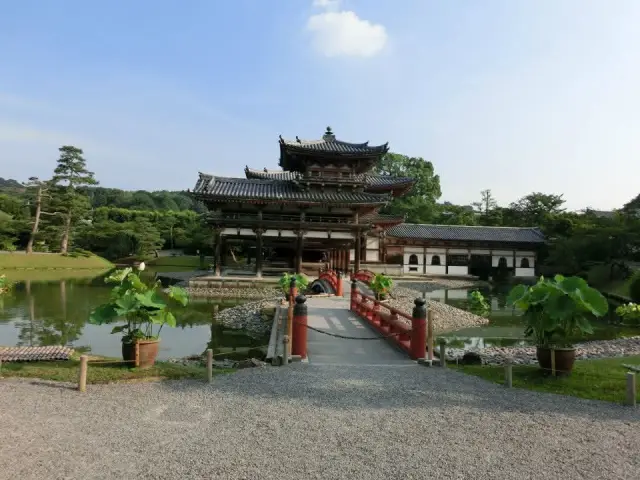
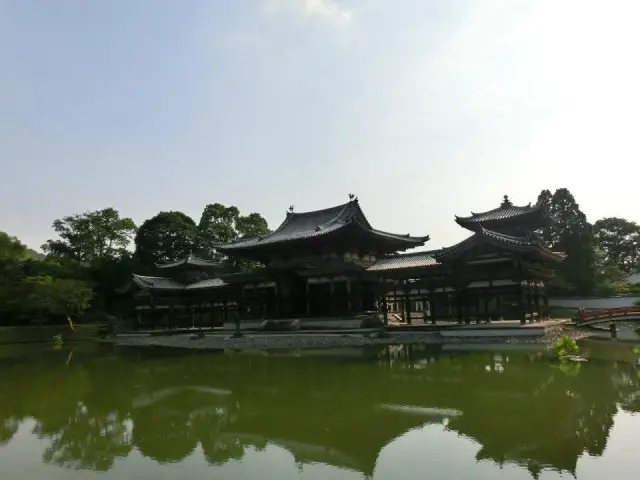
The Amida Hall, which houses the principal image of Amida Buddha, is a highlight. Its magnificent symmetry is sure to captivate visitors. At the time of its construction, belief in rebirth in the Pure Land was widespread, and the hall was designed to evoke a palace in the Buddhist Pure Land. Viewed from the front, it resembles a bird spreading its wings, and a pair of phoenixes stands on the roof. For these reasons, it came to be known as the Phoenix Hall around the beginning of the Edo period. It is designated a National Treasure.

Byodoin Temple Museum Hoshokan displays many treasures handed down at Byodoin Temple, including the temple bell, phoenixes, and statues of Worshiping Bodhisattvas on Clouds. Visitors can also see a recreation of the richly colored interior decorations of the Phoenix Hall produced using the latest digital technology.

The temple grounds are also home to Tea Room Sabo Toka, a Japanese tea shop serving matcha, sencha, and other teas with traditional Japanese sweets. Since Byodoin Temple is located in Uji, a region renowned for its tea, the shop uses Uji-grown tea leaves in an original blend available exclusively at the temple. Take the opportunity to savor a cup that is served nowhere else in this special setting.

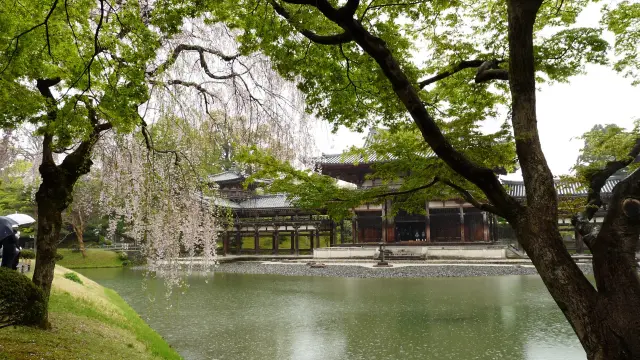
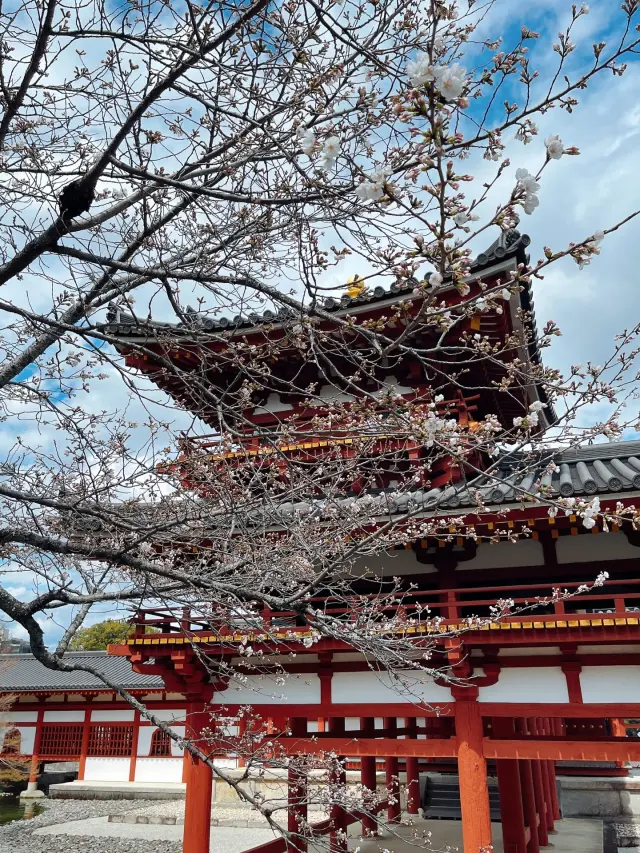
The temple grounds also offer seasonal scenery, including cherry blossoms and fall foliage. From late April to early May, approximately 10,000 clusters of wisteria bloom. Known for its wisteria, the temple attracts many visitors every year.

Highlights

  • Admire the striking symmetry of the Phoenix Hall, which houses Amida Buddha.
  • See a variety of National Treasures at Byodoin Temple Museum Hoshokan.
  • Try an original tea blend at Tea Room Sabo Toka on the temple grounds.
  • Experience the changing seasons, from cherry blossoms in spring to colorful leaves in fall. The wisteria blooming from late April to early May is particularly impressive.

Photos

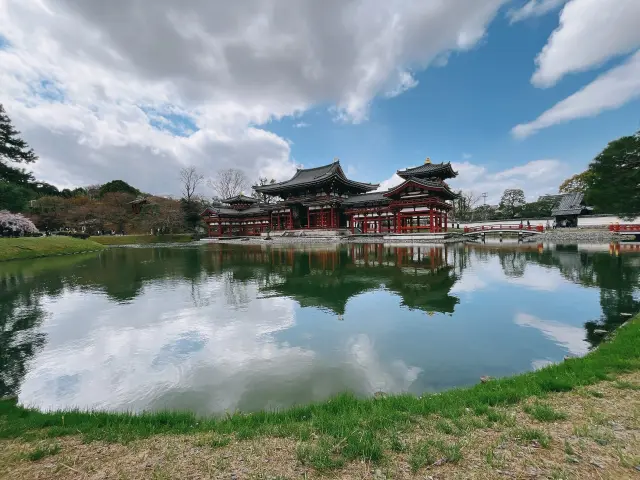
  • The Phoenix Hall, built on an island in the pond, appears to float on the water© Byodoin Temple

    The Phoenix Hall, built on an island in the pond, appears to float on the water© Byodoin Temple

  • Amida Buddha is enshrined inside the Phoenix Hall© Byodoin Temple

    Amida Buddha is enshrined inside the Phoenix Hall© Byodoin Temple

  • The museum displays many valuable artifacts, including the National Treasure temple bell© Byodoin Temple

    The museum displays many valuable artifacts, including the National Treasure temple bell© Byodoin Temple

  • The museum also features a recreation of the Phoenix Hall's original interior colors© Byodoin Temple

    The museum also features a recreation of the Phoenix Hall's original interior colors© Byodoin Temple

  • Tea Room Sabo Toka serves an exclusive original matcha blend© Byodoin Temple

    Tea Room Sabo Toka serves an exclusive original matcha blend© Byodoin Temple

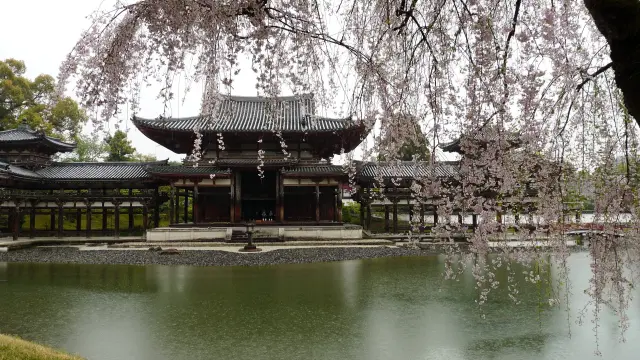
  • When nearly 10,000 clusters of wisteria bloom, the Phoenix Hall can be viewed through the flowers© Byodoin Temple

    When nearly 10,000 clusters of wisteria bloom, the Phoenix Hall can be viewed through the flowers© Byodoin Temple

Official FAQs

Frequently Asked Questions have been vetted and answered directly by each listing.

Q

Is free Wi-Fi available in the area?

A

The area is covered by Kyoto Wi-Fi and Japan Free Wi-Fi KYOTO.

Q

Are coin lockers available?

A

Coin lockers are available at the main gate reception desk. If the lockers are full or your luggage is too large, it can be stored at the reception desk.

Q

Are restrooms available?

A

There are two restrooms on the temple grounds, both of which are wheelchair accessible.

Q

Is reentry permitted?

A

Reentry is not permitted.

Q

Is there a smoking area?

A

There is no designated smoking area.

Q

Is parking available?

A

Byodoin Temple does not have a dedicated parking lot. Please use a privately operated parking lot nearby.

Q

How long does a visit take?

A

Allow approximately 40–60 minutes for the garden and Byodoin Temple Museum Hoshokan. This does not include a visit to the interior of the Phoenix Hall.

Reviews

16

Some reviews are AI-translated.

  • See More

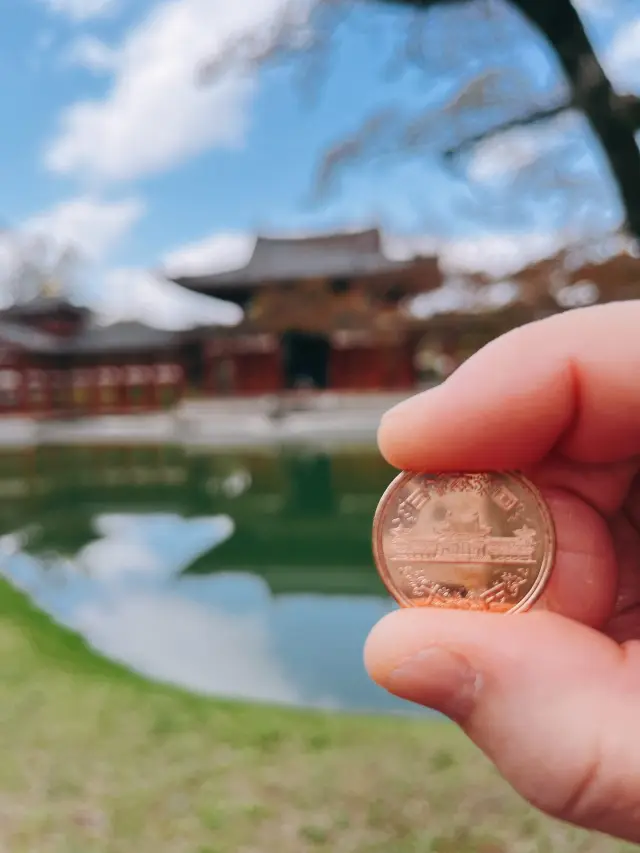
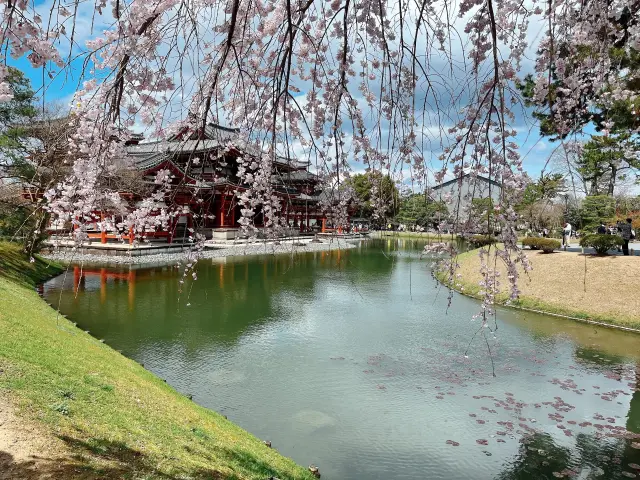
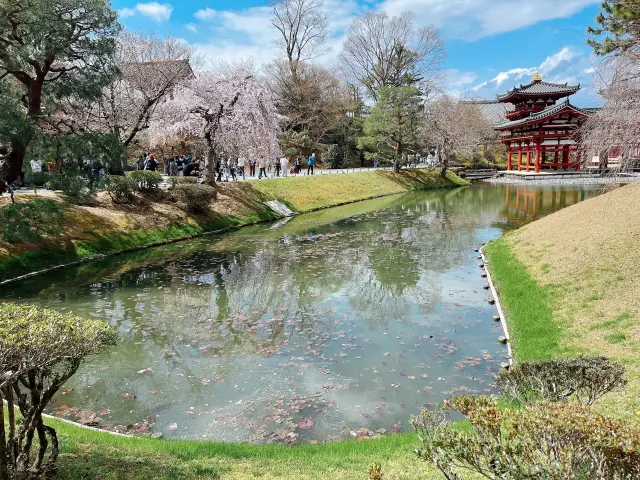
    Byodoin's Phoenix Hall is depicted on the JPY 10 coin. Seeing it in person, I was captivated by its elegant architecture and beautiful reflection on the surface of Aji Pond. The dreamlike scenery made it easy to understand why the temple is said to represent the Buddhist Pure Land.

  • See More

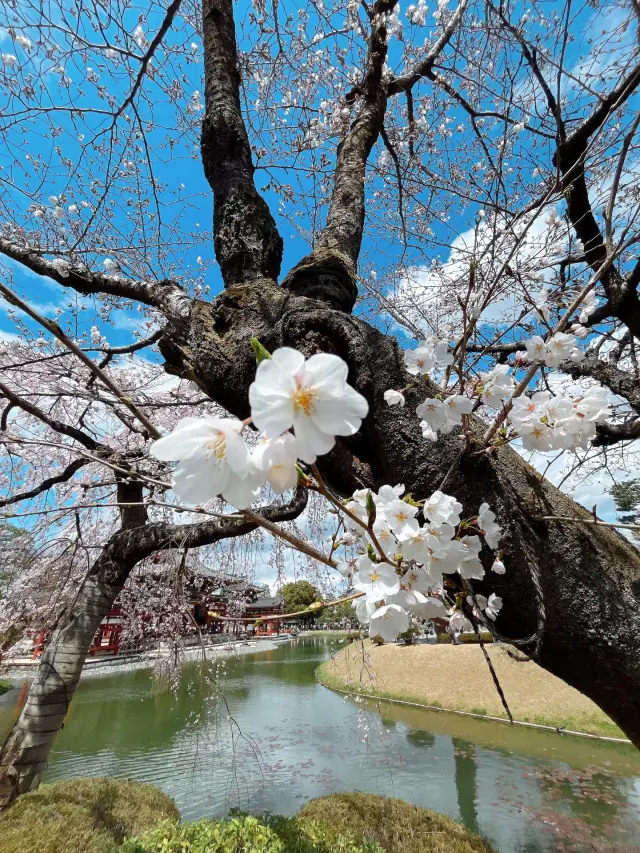
    It happened to be raining when I visited Byodoin this time. Maybe there were fewer visitors because of the rain, so even though it's a popular attraction, it wasn't very crowded. The grounds have gravel paths, so they were still fairly easy to walk on in the rain. My visit also happened to fall during cherry blossom season. Although the rain had already caused some of the blossoms to fall, it also meant there wasn't the usual cherry blossom season congestion. The cherry blossoms, pond, and Heian-period-style architecture in the gloomy rain instead created a more tranquil beauty, making the entire visit unexpectedly pleasant.
    It only started raining after I arrived in Kyoto, so I bought a clear umbrella at a convenience store at the last minute. Because of my budget, I chose the cheapest umbrella there, which happened to be clear. I didn't realize how convenient it was until I actually used it. Especially when taking photos under the cherry trees or in front of Byodoin, the clear umbrella didn't block the scenery in front of me. It was only then that I truly understood why clear umbrellas are so common on the streets of Japan.
    The grounds of Byodoin were larger than I had originally imagined. Once inside, I found that it wasn't just Phoenix Hall itself that was worth seeing. The surrounding gardens, pond, and views from different angles were also very interesting. The architecture has a very distinctive Heian-period style, especially the sight of Phoenix Hall standing in front of the pond, which easily brings to mind the ideal residences sought by aristocrats at the time. Byodoin was originally created when Fujiwara no Yorimichi converted his villa in Uji into a temple. With that background in mind, it's easy to understand why the entire setting has such a strong atmosphere of Heian aristocratic culture.
    If time allows, I also highly recommend visiting the Byodoin Museum Hoshokan. It houses many important cultural properties and precious artifacts from Byodoin, where you can learn historical details that aren't directly apparent from outside Phoenix Hall. Still, this part depends on your personal interest in historical artifacts, since there is an admission fee, but I personally thought it was well worth it.
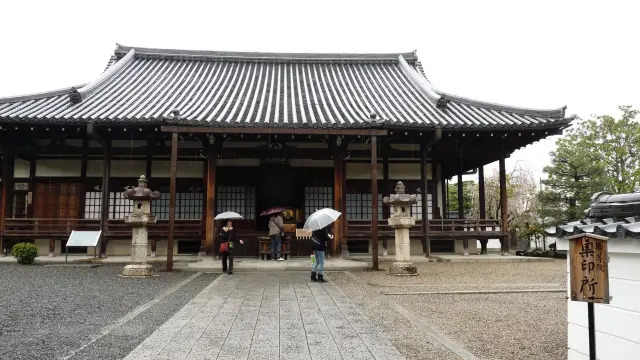
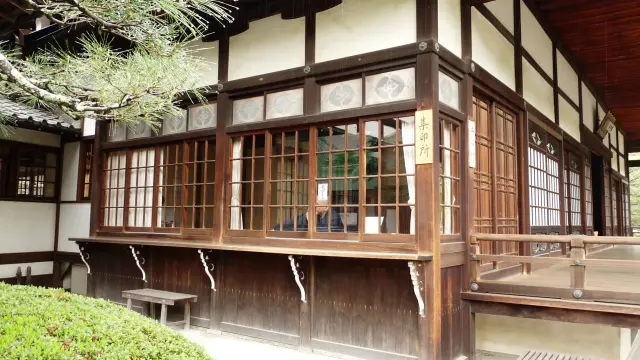
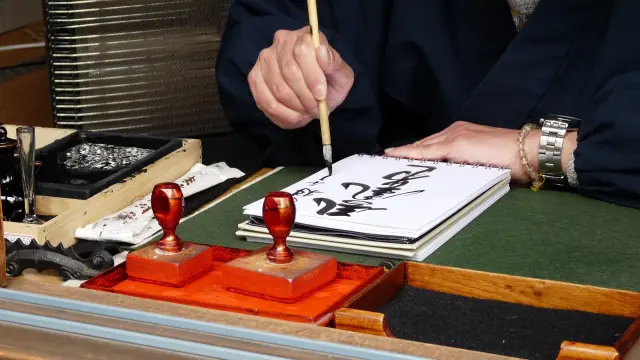
    Byodoin also has a very special meaning for me. I received my first goshuin here, and you could say that visit began my later habit of collecting goshuin.
    Overall, although it rained during this visit to Byodoin and some of the cherry blossoms had already fallen, I actually really liked this less-than-perfect spring scenery. It left a completely different impression from a sunny-day visit. On top of that, the clear umbrella unexpectedly became a useful prop for taking photos, adding another interesting memory to this rainy-day trip.

  • See More

    We visited the famous World Cultural Heritage Site Byodoin, a classic masterpiece of the Heian-period aristocracy.

    When we visited in early spring, the cherry blossoms by the pond were in full bloom. The snow-white and pale pink petals swayed in the breeze, complementing the blue sky and the vermilion hall reflected on the water, creating an exquisite, breathtaking scene. The famous Phoenix Hall is featured on the Japanese 10-yen coin, so travelers shouldn't forget to pull a coin from their pocket, line it up with the hall in the distance, and take a classic overlapping photo.

    Besides admiring the grandeur of the hall from afar, the Hoshokan Museum on the grounds is also worth exploring quietly. Each National Treasure radiates a thousand years of solemnity and purity. It's a perfect place to slow down and quietly take in this timeless historical beauty amid the fragrance of flowers and the gentle breeze.

  • See More

    The sunlight sparkles on the water, and Phoenix Hall is reflected in the pond, gently swaying with the ripples stirred by the breeze. The scenery is very beautiful and makes you stop to admire the exquisite design and aesthetics of ancient Japanese architecture. Don't forget to take out a 10-yen coin and compare the image on it.

  • See More

    Byodoin is a World Heritage Site, and the Phoenix Hall is elegant and beautiful, reflected in the pond like a painting.
    The grounds are peaceful and filled with a sense of history and culture. It’s a relaxing place and a Kyoto landmark that’s well worth taking your time to appreciate.

Details

Name in Japanese
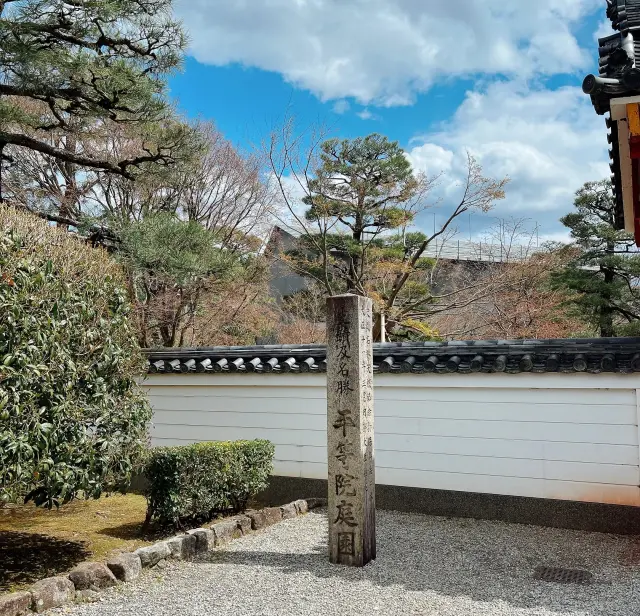
平等院
Postal Code
611-0021
Address
116 Uji Renge, Uji City, Kyoto Prefecture
Phone
0774-21-2861
Closed on
Open daily; Tea Room Sabo Toka is closed Monday through Wednesday but remains open on public holidays
Hours
Phoenix Hall interior: 9:30 a.m.–4:10 p.m. (every 20 minutes, with a capacity of 50 visitors per session; reception begins at 9:10 a.m. on a first-come, first-served basis)
Byodoin Temple Museum Hoshokan: 9:00 a.m.–5:00 p.m. (last admission at 4:45 p.m.)
Museum Shop: 9:00 a.m.–5:00 p.m.
Tea Room Sabo Toka: 10:00 a.m.–4:30 p.m. (last order at 4:00 p.m.)
Goshuin Reception: 9:10 a.m.–5:00 p.m. (reception closes at 4:45 p.m.)
Garden: 8:45 a.m.–5:30 p.m. (last admission at 5:15 p.m.)
Admission
Adults: ¥700; middle and high school students: ¥400; elementary school students: ¥300. Includes admission to Byodoin Temple Museum Hoshokan.
An additional fee of ¥300 is required to visit the interior of the Phoenix Hall.
Access
10-minute walk from Uji Station on the JR Nara Line or Keihan Uji Line
Credit Cards
Not accepted
Official website
Official website (Japanese)
Hokkaido Tohoku Kanto Chubu Hokuriku Kansai Chugoku Shikoku Kyushu Okinawa