Shoju-in Temple

Verified [Verified] denotes information that has been published with confirmation of its owing parties.

Shoju-in Temple

A historic temple in Ujitawara founded around 800 years ago. Its Wind Chime Festival is held in summer.

3.20 3

Last update :
Supervised by :  Shoju-in Temple

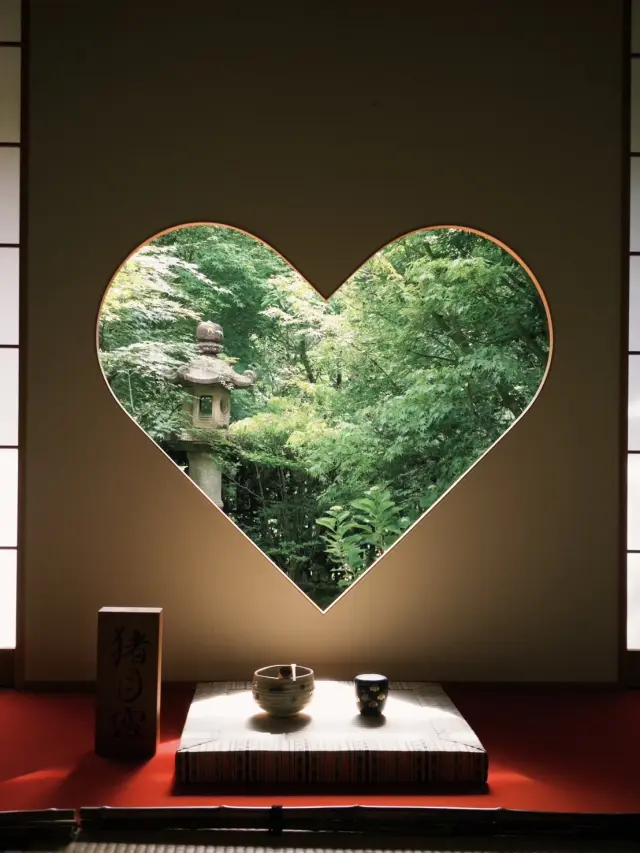
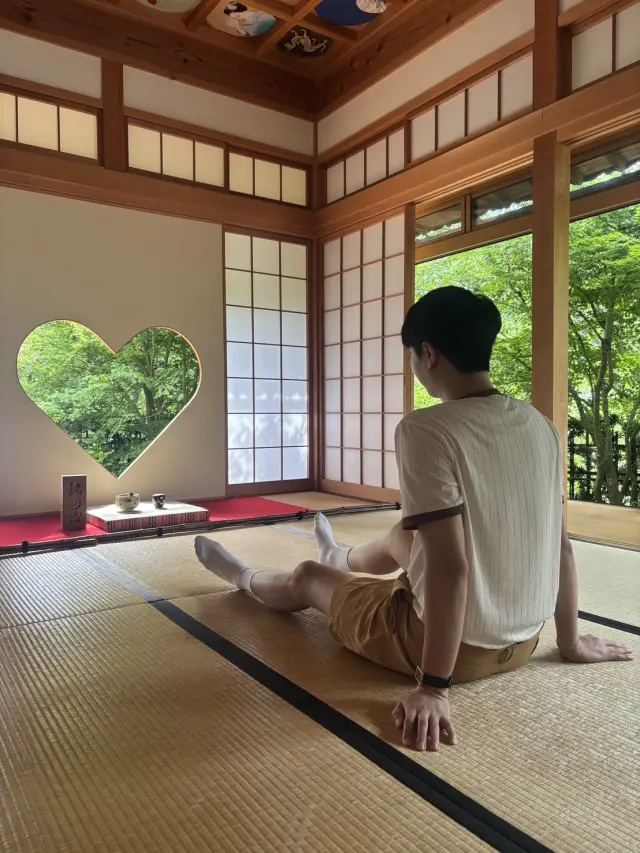
Shoju-in Temple, said to have been established in 1200 as a sub-temple of Iozan Iokyo-ji Temple, is a historic temple in Ujitawara, known as the birthplace of green tea in Kyoto. Its principal image is the Eleven-Faced Kannon Bodhisattva, a hidden Buddhist statue unveiled only once every 50 years. The temple has many highlights, including a seated statue of Fudo Myoo created by Kaikei during the Kamakura period and designated a National Important Cultural Property, as well as 160 ceiling paintings in the guest hall depicting flowers and scenes from across Japan.

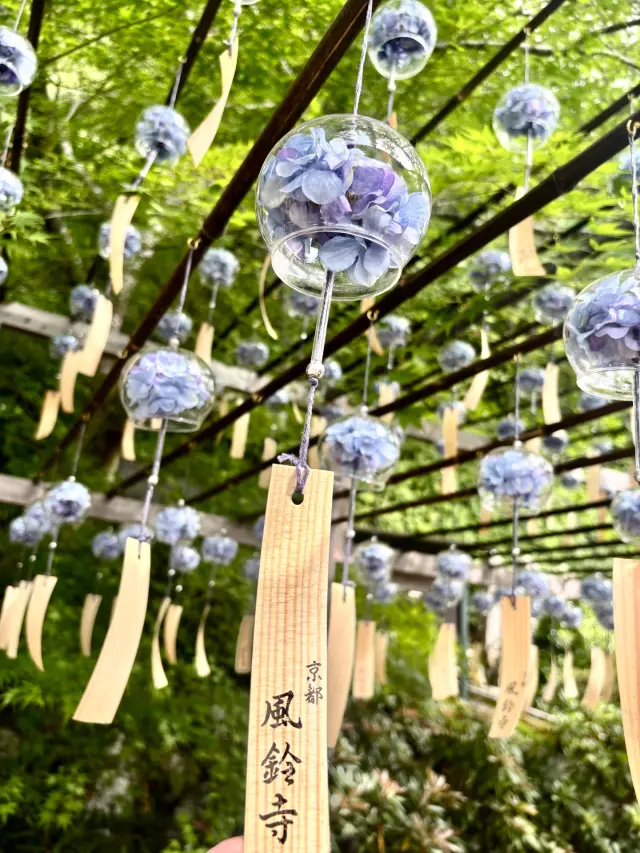
From June through September, the temple holds its Wind Chime Festival, when 2,000 wind chimes hung throughout the grounds create a refreshing summer atmosphere. This has earned Shoju-in the nickname “Kyoto’s Wind Chime Temple.” Decorated with colorful designs inspired by flowers and Japan’s 47 prefectures, the wind chimes are also a visual delight. Visitors can also take part in wind chime painting workshops.

Other activities are held throughout the year, including yoga overlooking the garden, making a one-of-a-kind prayer bead bracelet by selecting natural stones according to their meanings, copying the Heart Sutra, and tracing an image of either the Eleven-Faced Kannon or Fudo Myoo. Each activity requires an additional fee and advance reservations. Some activities may not be available during certain periods, so check the official website for details.

Highlights

  • A temple founded around 800 years ago in Ujitawara, known as the birthplace of green tea in Kyoto.
  • Its principal image is the Eleven-Faced Kannon Bodhisattva, a hidden Buddhist statue unveiled only once every 50 years.
  • The seated statue of Fudo Myoo by Kaikei, one of Japan’s foremost Buddhist sculptors, is designated a National Important Cultural Property.
  • The Wind Chime Festival is held from June through September, with 2,000 wind chimes hung throughout the temple grounds.
  • A variety of activities are available, including wind chime painting, yoga, and prayer bead bracelet making.

Photos

  • Cherry blossoms in full bloom brighten the temple grounds in spring. The temple is also popular as a cool retreat in summer.

    Cherry blossoms in full bloom brighten the temple grounds in spring. The temple is also popular as a cool retreat in summer.

  • The Wind Chime Festival fills the temple grounds with the refreshing sound of wind chimes.

    The Wind Chime Festival fills the temple grounds with the refreshing sound of wind chimes.

  • Ceiling paintings created as a recreation of the approximately 300-year-old ceiling paintings in the inner sanctuary of the main hall.

    Ceiling paintings created as a recreation of the approximately 300-year-old ceiling paintings in the inner sanctuary of the main hall.

Reviews

3

Some reviews are AI-translated.

  • See More

    If you're visiting Kyoto in the summer, I highly recommend adding the Shojuin Temple Wind Chime Festival to your itinerary. Besides enjoying the beautiful wind chimes, you can also experience the unique tranquility and seasonal atmosphere of a Japanese temple. It left a very lasting impression on me.

  • See More

    Shojuin Temple is surrounded by tea fields! It's pretty special and gives you a unique sense of tranquility. 👍

Details

Name in Japanese
正寿院
Postal Code
610-0211
Address
149 Kawakami, Okuyamada, Ujitawara Town, Tsuzuki District, Kyoto Prefecture
Phone
0774-88-3601
Closed on
Third Sunday in April and August 17
Hours
9:00am–4:30pm (10:00am–4:00pm from December through March). Last admission is 15 minutes before closing.
Admission
JPY 600 (includes sweets)
Access
Immediately after getting off at the Okuyamada Shoju-in-guchi Keihan Bus stop.
Credit Cards
Not accepted
Official website
Official website (Japanese)
Hokkaido Tohoku Kanto Chubu Hokuriku Kansai Chugoku Shikoku Kyushu Okinawa