

Approx. 20 Minutes from Kyoto Station! 10 Popular Uji Sightseeing Spots You Can Enjoy on a Day Trip
Uji is known for its historic townscape and two World Heritage sites.
It can be reached in under 20 minutes from Kyoto Station, and its sightseeing spots are clustered within walking distance, making it a great destination for a day trip from Kyoto City.
Here, we introduce popular sightseeing spots, recommended local food, and the best seasons to visit so you can make the most of a day trip from Kyoto City.
Use this article as a guide, and you can enjoy Uji in half a day if you're in a hurry, or in a full day if you prefer to explore at a slower pace.
What is Uji Like?
Uji City is located in southern Kyoto.
During the Heian period (794–1185), Uji flourished as a villa area for aristocrats thanks to its close proximity to Heian-kyo, the capital at the time (present-day Kyoto City), and its rich natural surroundings.
Built up by Heian-period aristocrats, Uji still preserves the culture of the Heian nobility and many historic sites.
Ujigami Shrine and Byodoin Temple, both World Heritage sites, are among its most popular attractions.
Another highlight is the historic townscape centered around the Uji River, designated as an Important Cultural Landscape of Japan, along with tea fields scattered throughout the surrounding area.
Uji is also famous as the setting of The Tale of Genji, the long novel by Murasaki Shikibu that depicts aristocratic society in the Heian period.
It is also widely known for Uji tea, one of Japan’s three most famous teas, and food made with Uji tea is something you should not miss when visiting Uji.
From sweets such as parfaits and wagashi to tea soba and tea porridge, enjoy the wide variety of dishes made with Uji tea.
Since Uji is only Approx. 20 minutes from Kyoto City, head a little farther out and enjoy Heian-period culture and Uji tea.


When is the best season to visit Uji?
If you're visiting Uji, spring or summer is recommended.
In spring, Approx. 2,000 cherry trees bloom along the banks of the Uji River, letting you stroll through a distinctly Japanese setting while visiting sightseeing spots.
From late March to early April, yakatabune pleasure boats operate, and it is also recommended to enjoy the cherry blossoms from the boat with tea and Japanese sweets.
Summer in Uji is also appealing, as you can watch the Uji River cormorant fishing, one of Kyoto’s signature summer traditions. This classical fishing method has continued since the Heian period over 1,000 years ago, and is a must-see.
Seasonal clothing guide for Uji
- Spring (March - May): Light jacket and a lightweight sweater
- Summer (June - August): Light clothing, short sleeves
- Fall (September - November): Light jacket, coat
- Winter (December - February): Coat, thick sweater or jacket
How do you get to Uji?
From JR Kyoto Station, the main gateway to Kyoto, it takes Approx. 20 minutes to reach Uji by rapid train.
It is also accessible from Osaka in under an hour.
Since Uji can be enjoyed on a day trip from Kyoto City or Osaka, be sure to add it to your travel plans.
Main ways to get around Uji
The main ways to get around Uji are on foot and by bus.
Uji’s popular sightseeing spots are concentrated in areas accessible on foot from JR Uji Station and Keihan Uji Station.
For that reason, we recommend exploring the sightseeing spots on foot while taking in Uji’s natural scenery. If you get tired of walking, use the buses that run around the city.
Enjoy Uji’s History, Culture, and Natural Scenery! 15 Carefully Selected Sightseeing Spots in Uji
Uji has continued to preserve its historic and cultural scenery.
Centered around the Uji River, the city offers beautiful scenery and is dotted with impressive sightseeing spots designated as World Heritage sites and nationally designated Important Cultural Properties.
As mentioned earlier, these attractions are clustered within walking distance, so half a day to one full day is enough to fully enjoy Uji’s popular sightseeing spots.
Since Uji is also easy to access from Kyoto City and Osaka in a short time, try visiting the sightseeing spots introduced below on a day trip.
1. Byodoin Temple
Originally used as a villa by the Heian-period political leader Fujiwara no Michinaga, it was inherited by his son Yorimichi, who converted it into a temple in 1052.
It was registered as a World Heritage site in 1994. Following renovations in 2014, it is said to have come closer to its original appearance.
The Amida Hall, which enshrines a statue of Amida Nyorai, is a must-see. Its magnificent symmetry is sure to captivate you.
At the time it was founded, the belief in rebirth in the Pure Land was popular, and the hall was built to evoke a palace in the Pure Land paradise.

2. Byodoin Museum Hoshokan
This museum stands within the grounds of the World Heritage site Byodoin, famous for its magnificent Phoenix Hall, which recreates the Pure Land paradise in this world.
To harmonize with the elegant garden scenery designated as a Historic Site and Place of Scenic Beauty, most of the building is underground.
By skillfully incorporating natural light and carefully designing the lighting, it creates a dramatic space that hardly feels underground.

3. Byodoin Omotesando
This historic approach leads to the main gate of the World Heritage site Byodoin.
It is a 10-minute walk from JR Uji Station and just across Uji Bridge from Keihan Uji Station, making it easy to access from either station.
Long-established Uji tea shops dating back to the Muromachi period line both sides of the street, filling the area with the aroma of tea.

4. Ujigami Shrine
An ancient shrine registered as part of the UNESCO World Heritage site Historic Monuments of Ancient Kyoto.
It is said to have been built in 1060 as the guardian shrine of Byodoin in Uji, which was constructed in 1053.
As a tutelary deity protecting the land of Uji, it has long been worshipped by everyone from commoners to aristocrats, and it still draws deep reverence today.

5. The Tale of Genji Museum, Uji City
A public museum themed around The Tale of Genji, the timeless classic written by Murasaki Shikibu in the Heian period and still read today more than a thousand years later.
Through models and videos, it clearly introduces the Uji Chapters, which are set mainly in Uji, as well as the protagonist Hikaru Genji.

6. Uji Shrine
The tutelary shrine of Uji, with a history of 1,710 years since its founding in 313, when Emperor Nintoku ascended the throne.
The shrine grounds at the eastern end of Asagiri Bridge over the Uji River are said to be the site of a detached palace of Emperor Ojin, father of Emperor Nintoku, and the residence of Emperor Nintoku’s younger brother, Prince Uji no Wakiiratsuko.

7. Uji Bridge
A landmark of Uji that is the first thing you see when you exit the ticket gate at Keihan Uji Station.
According to the Ujibashi Danpi monument at Hashidera Hoshoin Temple, the bridge is said to have been built in 646 by the monk Dotō of Gangoji Temple in Nara, and is counted among Japan’s three oldest bridges alongside Seta no Karahashi Bridge and Yamazaki Bridge.


8. Koshoji Temple
Koshoji Temple in Uji City was the first Zen temple in Japan, founded by Dogen, the founder of the Soto school.
It was originally established in Fukakusa, Fushimi Ward, in 1236, fell into ruin during times of war, and was rebuilt at its current location in 1645 in the early Edo period.
Its appearance changes beautifully with the seasons, including cherry blossoms in spring and autumn leaves in fall, and it has also been designated as a Place of Scenic Beauty by Kyoto Prefecture.

9. Uji City Botanical Park
A botanical park of Approx. 10 hectares spread across the hilly southwestern area of Uji City.
The “Tapestry of Flowers and Water” at the front entrance is Japan’s largest three-dimensional flower bed, with 3,675 planters arranged on a grand stepped display 62 meters wide and 18 meters high.
This giant flower bed, depicting motifs associated with Uji City in a style reminiscent of traditional Japanese brocade prints using seasonal plants, is both striking and beautiful.

10. Nintendo Museum
A Nintendo PR facility that opened on October 2, 2024. Renovated from the former Nintendo Uji Ogura factory, it offers a look at Nintendo’s history and dedication to craftsmanship through a variety of exhibits.
The first area you visit displays the many products Nintendo has released over the years. From the Family Computer to the latest Nintendo Switch, the sight of hardware and software from every generation lined up is truly impressive!
The shop selling official goods and museum-exclusive items, as well as the café where you can customize your hamburger ingredients and toppings, are also popular.
Tickets must be requested in advance and can only be purchased if you are selected in the lottery. Since there is no parking, please visit by public transportation other than taxi.


11. Koshoji Temple
Koshoji Temple in Uji City was the first Zen temple in Japan, founded by Dogen, the founder of the Soto school.
It is especially known for Kotosaka, the Approx. 200-meter approach leading to the Ryuguzukuri-style temple gate. It is said to have been named because the murmuring stream flowing beside the gentle slope sounded like a koto harp. Its appearance changes beautifully with the seasons, including cherry blossoms in spring and autumn leaves in fall, and it has also been designated as a Place of Scenic Beauty by Kyoto Prefecture.
12. Obakusan Manpukuji Temple
The head temple of the Obaku school, one of Japan’s three major Zen schools alongside the Rinzai and Soto schools. Founded in 1661 by the eminent Chinese monk Ingen Zenji, it allows visitors to fully experience Chinese culture of the time through its buildings, rituals, and cuisine.
The buildings are arranged symmetrically around the main hall, Daiyuhoden, and incorporate architectural styles and designs that were popular in China during the late Ming dynasty, when Ingen Zenji came to Japan.
The Chinese-style Buddhist vegetarian cuisine known as fucha ryori, served at the temple, is also popular (reservation required).

13. Uji City Botanical Park
A botanical park of Approx. 10 hectares spread across the hilly southwestern area of Uji City. The “Tapestry of Flowers and Water” at the front entrance is Japan’s largest three-dimensional flower bed, with 3,675 planters arranged on a grand stepped display 62 meters wide and 18 meters high. This giant flower bed, depicting motifs associated with Uji City in a style reminiscent of traditional Japanese brocade prints using seasonal plants, is both striking and beautiful. It is also an excellent photo spot.
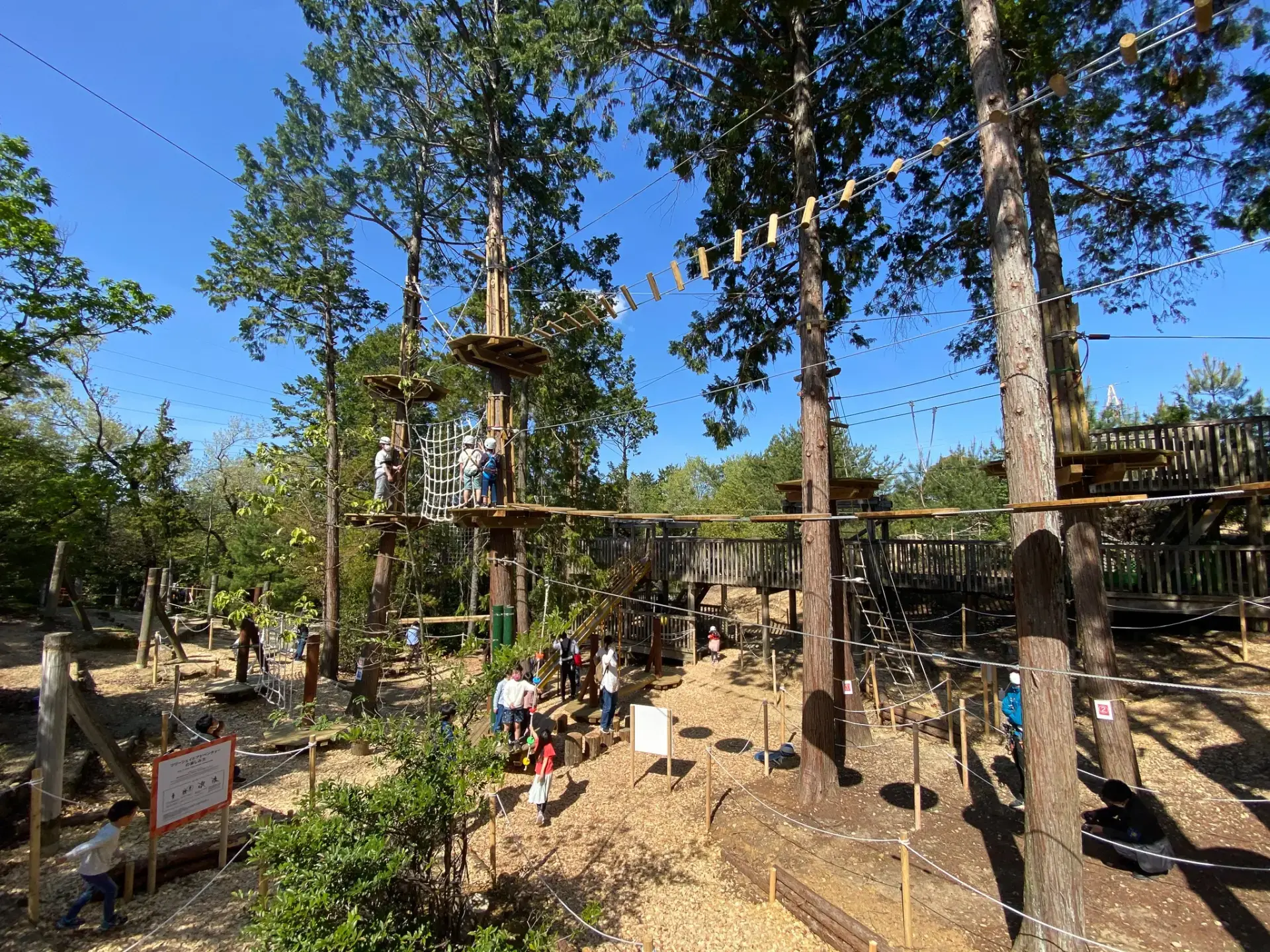
14. Kyoto Prefectural Yamashiro Sports Park Taiyo ga Oka
A large leisure spot in the hilly area of Uji, Kyoto, covering a total area of Approx. 108 hectares, where nature and sports come together. The park includes natural forest areas divided by themes such as Adventure Forest, Play Forest, and Fureai Forest, with giant athletic equipment and field playgrounds scattered throughout, making it easy to forget the bustle of the city.
15. Tea and Uji Town History Park
A facility in Uji, known as a tea-producing area, that shares the appeal of Uji tea as well as Uji’s history and culture. Its vast site of Approx. 2.5 hectares preserves and makes use of the remains of the Ujigawa Taikotei Ruins, excavated in 2007, and is divided into a Historic Site Zone and an Exchange Zone.
Various tea-related hands-on programs are also held every day, including a matcha-making experience where you grind matcha yourself with a tea mill and compare freshly ground matcha with commercially available matcha, a tea-tasting experience comparing different Uji teas, and craft workshops.

Enjoy the Aroma and Flavor of Uji Tea! 5 Popular Places to Eat and Drink
Uji in Kyoto is famous as a tea-producing area.
Matcha food and sweets made with mellow-tasting Uji matcha are something you should not miss when visiting Uji.
Ujibashi-dori Shopping Street and Byodoin Omotesando are lined with many Japanese tea specialty shops and matcha cafés.
If you want to enjoy Uji tea, be sure to stop by the places introduced below.
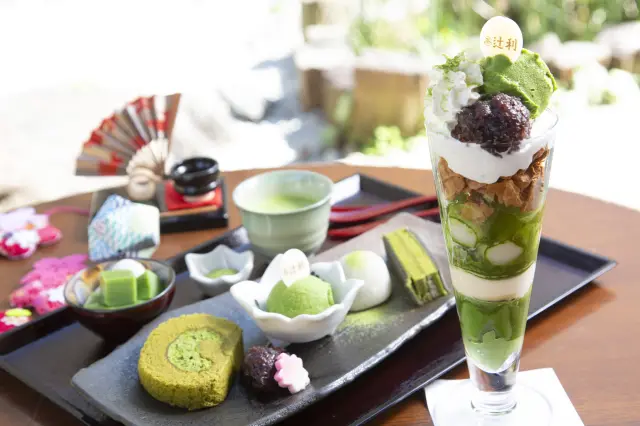
1. Tsujiri Uji Honten
Tsujiri Uji Honten in Uji, Kyoto, is a long-established Uji tea shop with a history of more than 165 years. Carrying on the tradition of Uji tea, one of Japan’s most celebrated teas, it offers high-quality matcha and tea leaves. It also inherits the spirit of Tsuji Riemon, who contributed to the development of Uji tea in the late Edo period (around 1850 to 1860).
In addition to selling Uji tea, the shop also has a tearoom where you can enjoy matcha sweets. Popular matcha parfaits and Japanese sweets let you casually experience the authentic flavors of a long-established shop.

2. Nakamura Tokichi Honten
A Japanese tea specialty shop founded in 1854 in Uji, which is known throughout Japan as a producer of high-quality Japanese tea.
It continues to offer outstanding teas that are delicious to drink regardless of shape or appearance, including its secret original Japanese tea “Nakamura-cha,” which is mellow yet refreshing, as well as “sencha” with a clean, crisp character and “gyokuro” with a rich umami flavor.

3. Itoh Kyuemon Uji Main Store Sabo
A long-established tea shop founded in 1832 with its main store in Uji, one of Japan’s leading producers of high-quality tea leaves.
While cherishing the traditions passed down since its founding, it continues to develop new matcha sweets one after another and share new value in tea.

4. Tatsumiya
Tea is indispensable not only to food, but also to Japanese culture.
Located in southeastern Kyoto Prefecture, Uji is one of the top tea-producing regions in Japan.
Uji tea, made through a distinctive cultivation method in which the tea plants are shaded before harvest to enhance the umami of the leaves, along with excellent tea processing and blending techniques, is widely known in Japan and abroad as a premium tea.

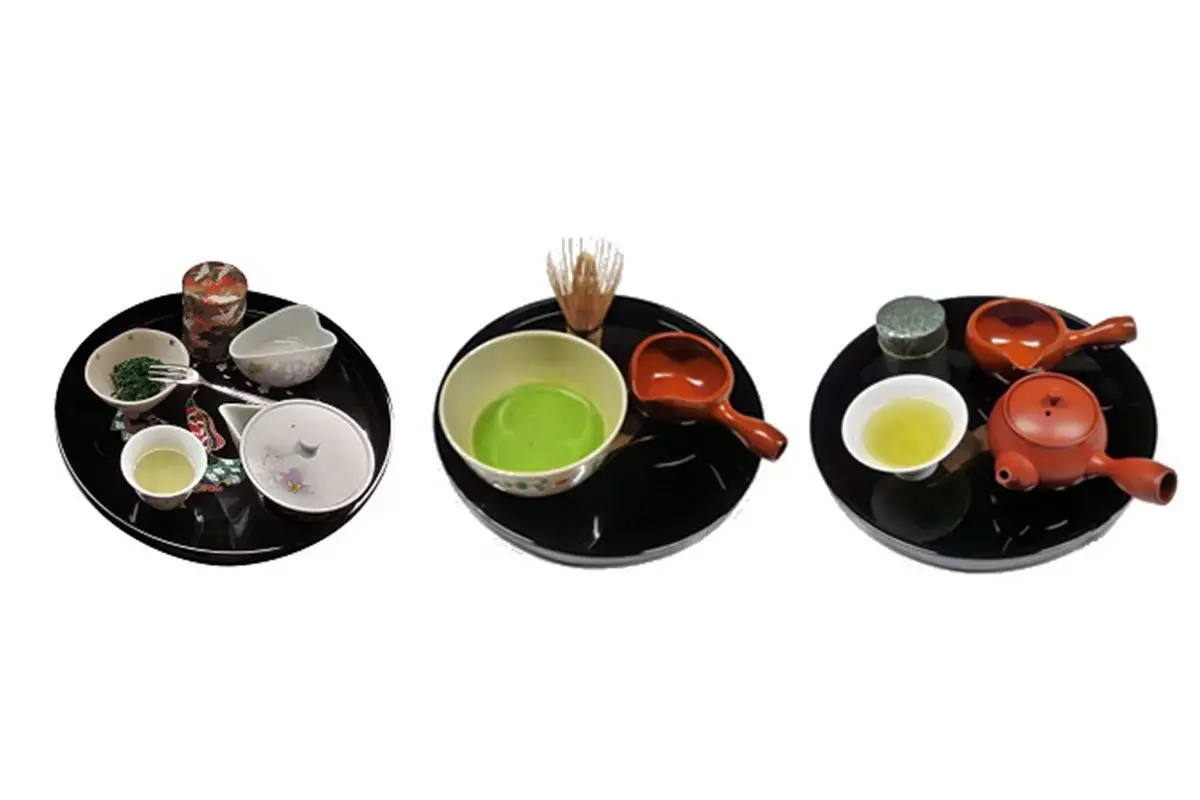
5. Uji Tea Dojo Takumi no Yakata
A tea specialty café where you can enjoy Uji tea, a local specialty of Uji, while looking out over the Uji River. You can choose your favorite Uji tea from the café menu and brew it yourself while being guided by staff certified as Japanese tea instructors. Since each step is explained carefully, even first-timers can feel at ease. You can also learn the unusual way of enjoying the tea leaves after brewing by eating them with ponzu sauce or salt. The café menu includes three options, each served with sweets: Uji gyokuro, Uji matcha, and Uji sencha.
3 Recommended Places to Stay in Uji
Accommodation options are clustered around Uji Station, and all offer both convenience and comfort. From casual hotels to whole-building rental inns, there is a range of options to suit different preferences. If you are planning to stay one night in Uji, consider the hotels introduced below.
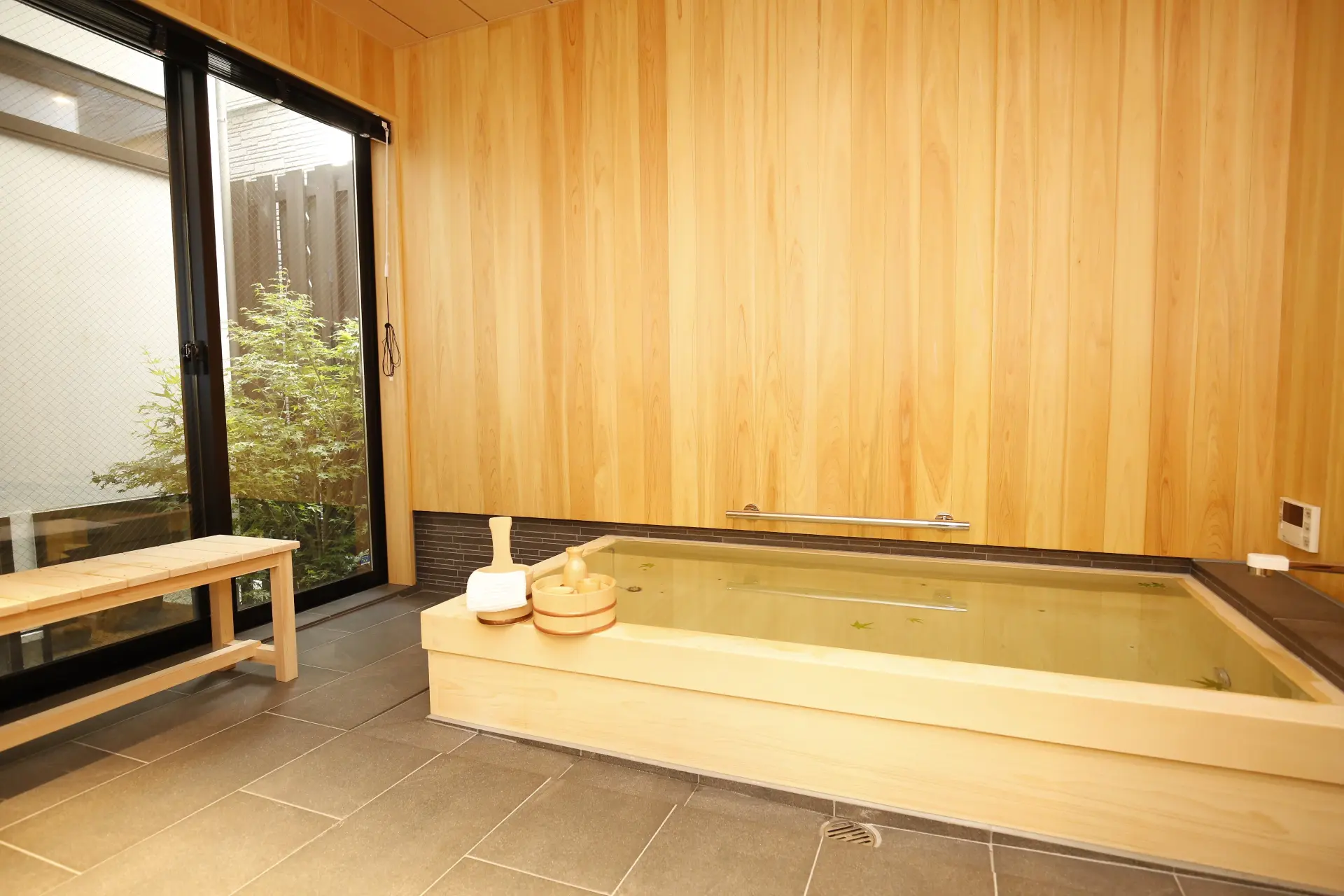
1. Uji Ichiban Yado Nigauri
A whole-building rental inn in Uji City, Kyoto Prefecture, where you can stay as if you were spending time at a private villa.
Limited to one group per day and accommodating up to four guests, the inn charms with its tasteful Japanese-Western style interior and natural hinoki cypress bath.
The spacious guest room area consists of one Japanese-style room and one Western-style room, meeting a variety of needs including families with children and long stays.
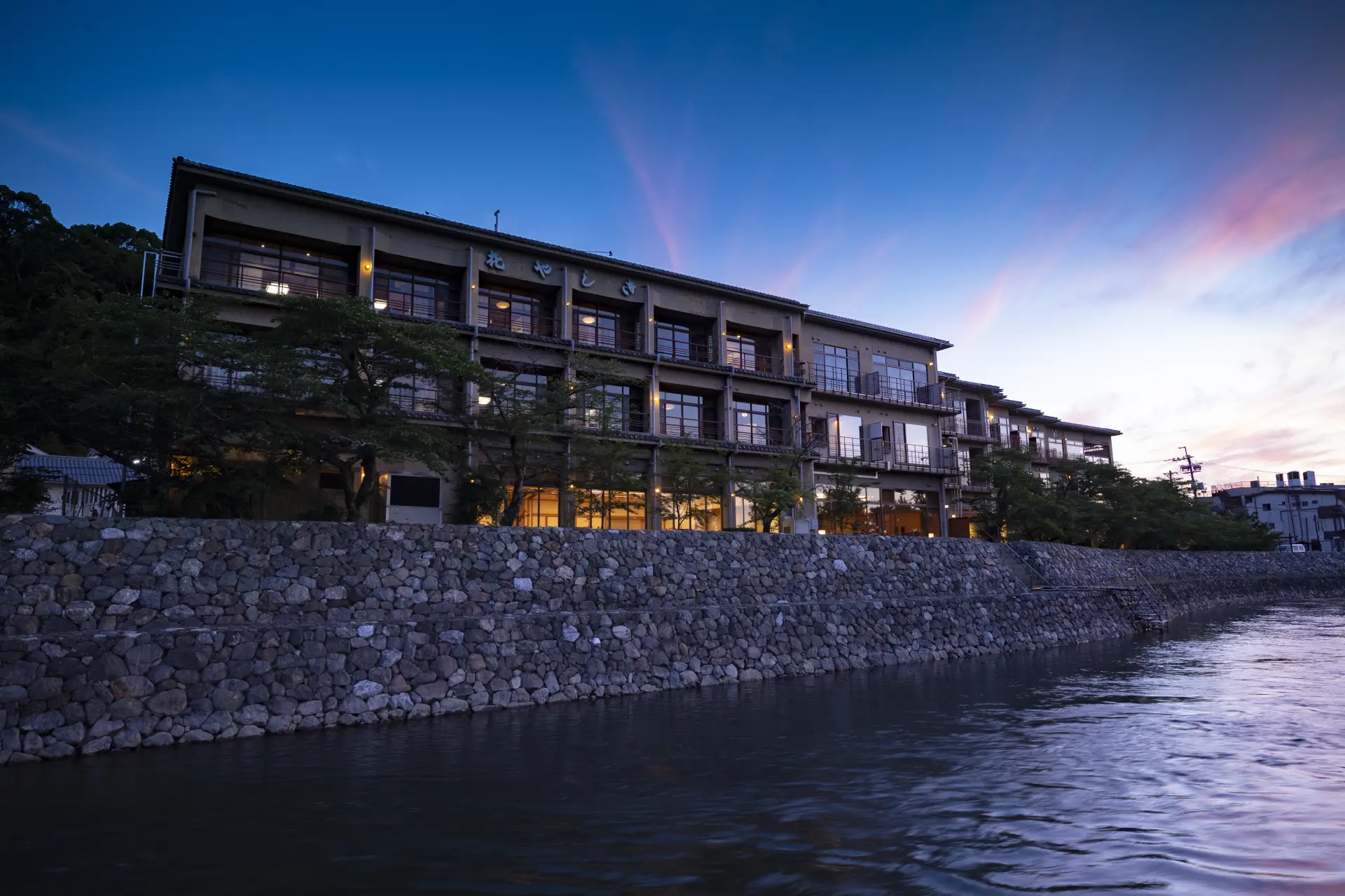
2. Hanayashiki Ukifune-en
Approx. 5 minutes by car from JR Uji Station.
This ryokan stands near the Uji River and offers easy access to Uji’s World Heritage sites, Ujigami Shrine and Byodoin, in this area rich with historical charm.
All guest rooms overlook the Uji River, and guests can also view Tonoshima Island in the middle of the river.
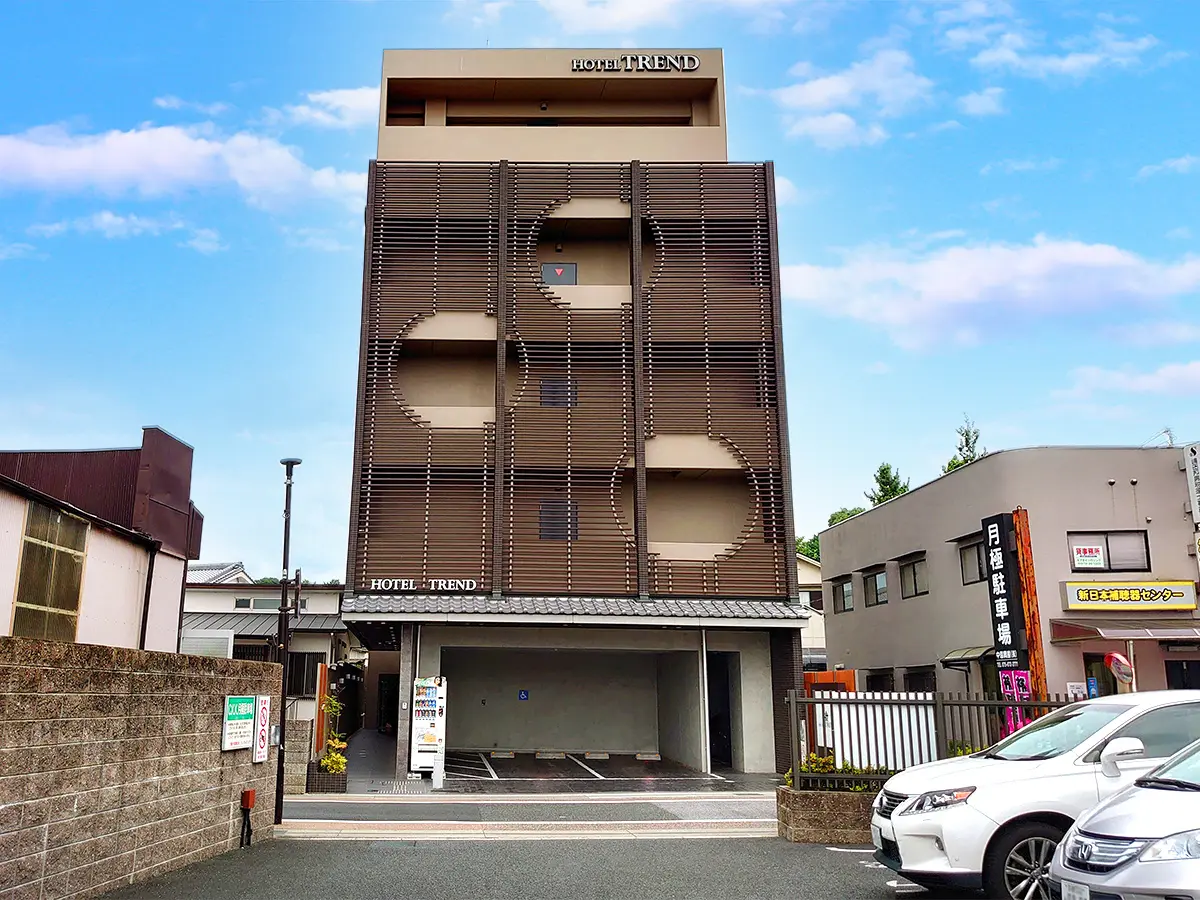
3. Hotel Trend JR Uji Ekimae
A conveniently located hotel about a 3-minute walk from the south exit of JR Uji Station.
It is Approx. 9 minutes on foot to the World Heritage site Byodoin, and Ujigami Shrine, The Tale of Genji Museum, and the Nintendo Museum are all within a 25-minute walk, making it ideal for sightseeing around Uji.
It also offers easy access to both Kyoto City and Nara City, making it a convenient base for efficiently exploring both ancient capitals.
Uji Sightseeing Map
FAQ about Uji Sightseeing
Q
How do you get to Uji from JR Kyoto Station?
Take the Miyakoji Rapid Service bound for Nara from JR Kyoto Station. You can get there in under 20 minutes.
Q
What is Uji famous for?
Food and sweets made with Uji matcha are especially famous.
Summary
We’ve introduced sightseeing spots and local food in Uji where you can experience Japan’s history and culture.
Stroll through its atmospheric streets, where historic townscapes and beautiful nature come together, and visit the spots introduced above.
With access of Approx. 20 minutes from Kyoto City and Approx. 50 minutes from Osaka, plus sightseeing spots concentrated in a compact area, Uji is perfect for a day trip.
If you want to make your Kyoto trip even more fulfilling, be sure to check out this article featuring Kyoto’s classic sightseeing spots as well.