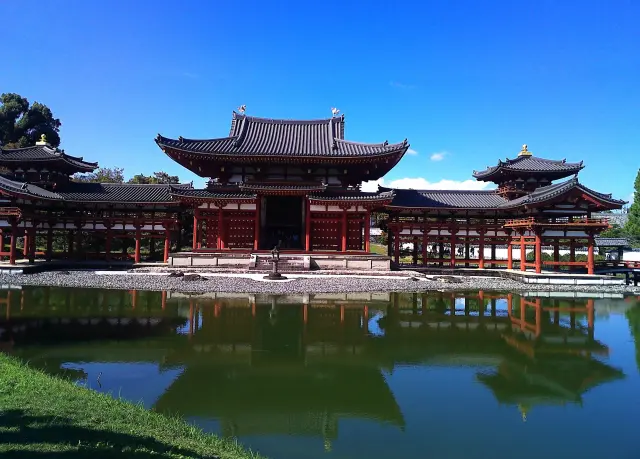
Byodoin's Phoenix Hall is depicted on the JPY 10 coin. Seeing it in person, I was captivated by its elegant architecture and beautiful reflection on the surface of Aji Pond. The dreamlike scenery made it easy to understand why the temple is said to represent the Buddhist Pure Land.
Byodoin | Review by tamanitabi
Other Reviews by tamanitabi
-
Mt. Otowa Kiyomizu-dera Temple
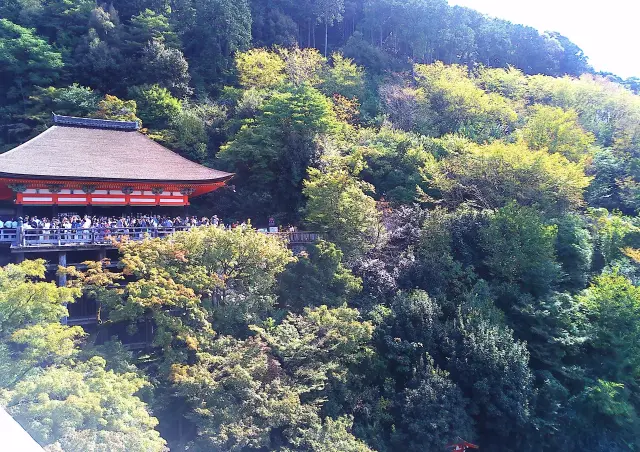
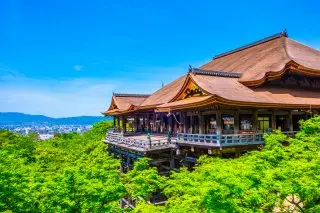
Opened in the year 778, the temple was registered as a UNESCO World Cultural Heritage Site in 1994. In the 130, 000 m2 area of the precincts spread out on the hillside of Mt. Otowa, there are more than 30 cathedrals and monuments, including national treasures and important cultural properties.
Kiyomizu-dera Temple is a must-see sightseeing spot when visiting Kyoto. The 13-meter-high “Kiyomizu Stage” is built with interlocking wood and is said to have been constructed without using any nails. I was deeply impressed by the wisdom and technical skill of the people who came before us.
-
-
Kinkaku-ji
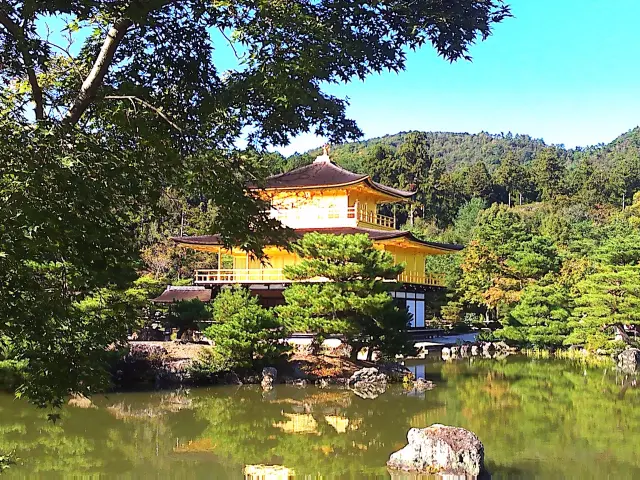
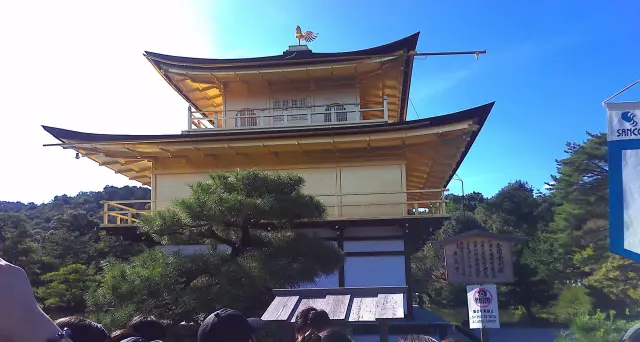
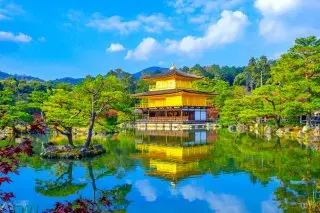
During the Muromachi Period, the 3rd Ashikaga shogun, Yoshimitsu, made an abode in this temple called Kitayamadono. It was named as Rokuon-ji after the posthumous name of Yoshimitsu. He had also built Shokoku-ji Temple, and Rokuon-ji, his retirement home, was turned into a branch temple of Shokoku-ji.
The view was very artistic, including the reflection of Kinkaku-ji on the surface of Kyoko-chi Pond. I visited in mid-October, and although the leaves had not yet changed color, there were still many tourists.
-
-

Kanemori Red Brick Warehouse - Kanemori Yobutsukan
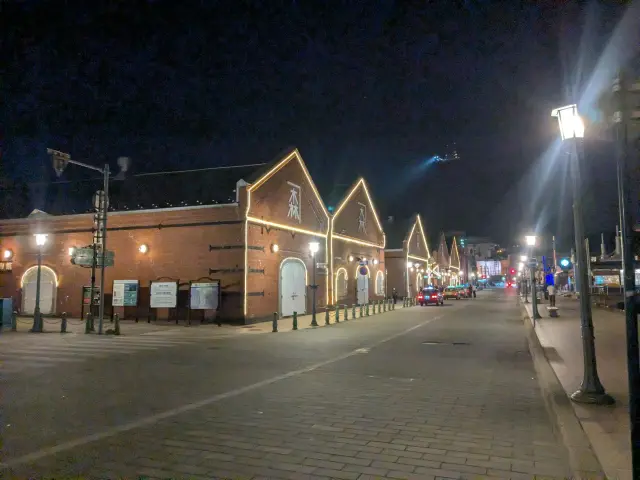
This shopping mall is located within Kanemori Red Brick Warehouse, a popular spot in Hakodate’s Bay Area. The facility’s name traces back to the origins of the red brick warehouses and comes from Kanemori Yobutsukan, a shop opened about 160 years ago by Kumashiro Watanabe, the founder of the Kanemori warehouses, as “a place that sells dreams of foreign lands.”
It’s nice to walk around and shop during the day, but at night it’s illuminated and looks incredibly beautiful!
-