
![[Daigoji Temple Visitor Guide] A Famous Flower Spot Where You Can Experience Japan’s History, Culture, and Timeless Charm](https://static.gltjp.com/glt/data/article/21000/20561/20231222_100928_01e2daed_w1920.webp)
[Daigoji Temple Visitor Guide] A Famous Flower Spot Where You Can Experience Japan’s History, Culture, and Timeless Charm
Daigoji Temple is the head temple of the Daigo school of Shingon Buddhism, one of Japan’s Buddhist sects.
Its vast grounds, which are also registered as a World Heritage Site, feature historic structures such as Japanese gardens and a five-story pagoda.
It is also known as a famous cherry blossom spot and is popular as a place where you can experience Japanese history and culture.
In this article, we’ll introduce basic information about Daigoji Temple, along with its highlights and the key areas of the temple grounds you should know.
We’ll also introduce nearby sightseeing spots, so you’ll find the information you need before visiting Daigoji Temple.
What is Daigoji Temple Like?
Daigoji Temple is a temple located in Fushimi Ward, Kyoto City.
With a history of more than 1,100 years, it is registered as a UNESCO World Cultural Heritage Site as one of the Historic Monuments of Ancient Kyoto.
The entire Mt. Daigo area makes up the temple grounds, covering an enormous area of Approx. 2 million tsubo.
The temple houses a large number of treasures passed down through the temple, including precious National Treasures and Important Cultural Properties, totaling Approx. 100,000 items.
Some of them are displayed to the public with seasonal exhibition changes, so you can actually see them in person.
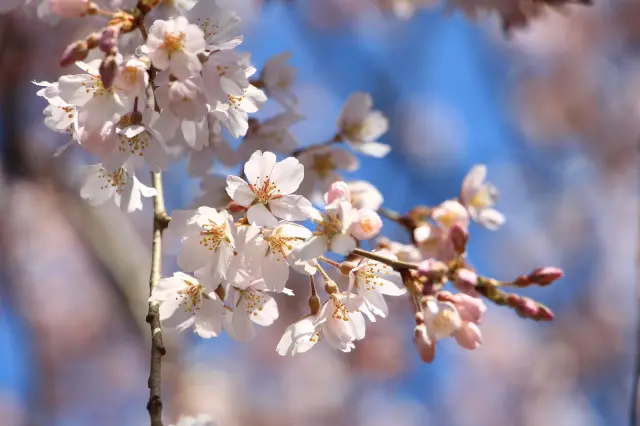
Daigoji Temple is also famous for its cherry blossoms and is known as “Hana no Daigo.”
It is also famous as the site where Toyotomi Hideyoshi held a grand cherry blossom viewing party.

The Origins of Daigoji Temple
Daigoji Temple was founded in 874, more than 1,100 years ago.
Mt. Daigo, where Daigoji Temple now stands, was originally revered in mountain worship as a sacred mountain inhabited by deities.
A monk named Shobo was the founder of Daigoji Temple, and he was also a disciple of Kukai’s disciple, Kukai being also known as Kobo Daishi.
Shobo encountered Yokoo Myojin, the guardian deity of the place that later became Mt. Daigo, and was granted this land.
After that, he built a hall, enshrined Buddhist statues, and named the place “Daigosan,” which is said to mark the beginning of Daigoji Temple.
Access to Daigoji Temple
Here’s how to get to Daigoji Temple starting from JR Kyoto Station, a major transportation hub for sightseeing in Kyoto.
- Route
-
1. Take the Tokaido-Sanyo Line from JR Kyoto Station and get off at Yamashina Station
2. Transfer to the Kyoto Municipal Subway Tozai Line at Yamashina Station and get off at Daigo Station
3. Walk for Approx. 10 minutes from Daigo Station - Hours
- Approx. 30 minutes
Daigoji Temple Hours and Admission
Please refer to the table below for Daigoji Temple’s Hours and Admission.
Please note that Hours and Admission vary depending on the area of the grounds and the building.
- Hours
-
・March 1–the first Sunday of December: 9:00 am–5:00 pm
・The day after the first Sunday of December–the last day of February: 9:00 am–4:30 pm
※Reception closes 30 minutes before closing time
【Kami-Daigo】
・March 1–the first Sunday of December: 9:00 am–3:00 pm
・The day after the first Sunday of December–the last day of February: 9:00 am–2:00 pm - Admission
-
Samboin Garden and Garan: Adults 1,000 yen, junior high and high school students 700 yen
Special admission to Samboin Palace: 500 yen
Special exhibitions at the Reihokan Main Building and Heiseikan: at least 500 yen,
Kami-Daigo: mountain entry fee 600 yen (500 yen for visitors to Samboin, Reihokan, and Garan)
※Free for elementary school students and younger
What Is the Best Season to Visit Daigoji Temple?
If you’re planning to visit Daigoji Temple, the best seasons are spring and fall.
That’s because Daigoji Temple is famous not only for cherry blossoms, but also for autumn leaves.
If you can choose when to go, spring or fall is highly recommended.
Spring at Daigoji Temple: Enjoy the Scenery and Atmosphere Created by Toyotomi Hideyoshi
Daigoji Temple is known as a “famous flower spot” and is also famous for Daigo no Hanami, hosted by Toyotomi Hideyoshi.
Daigo no Hanami refers to the banquet Hideyoshi held in 1598 after planting 700 cherry trees and creating Samboin and its garden.
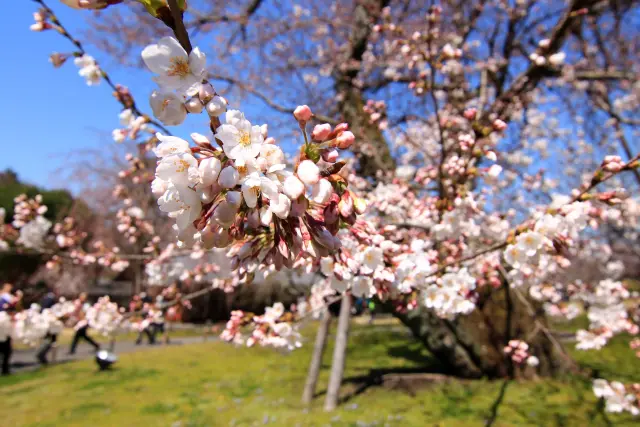
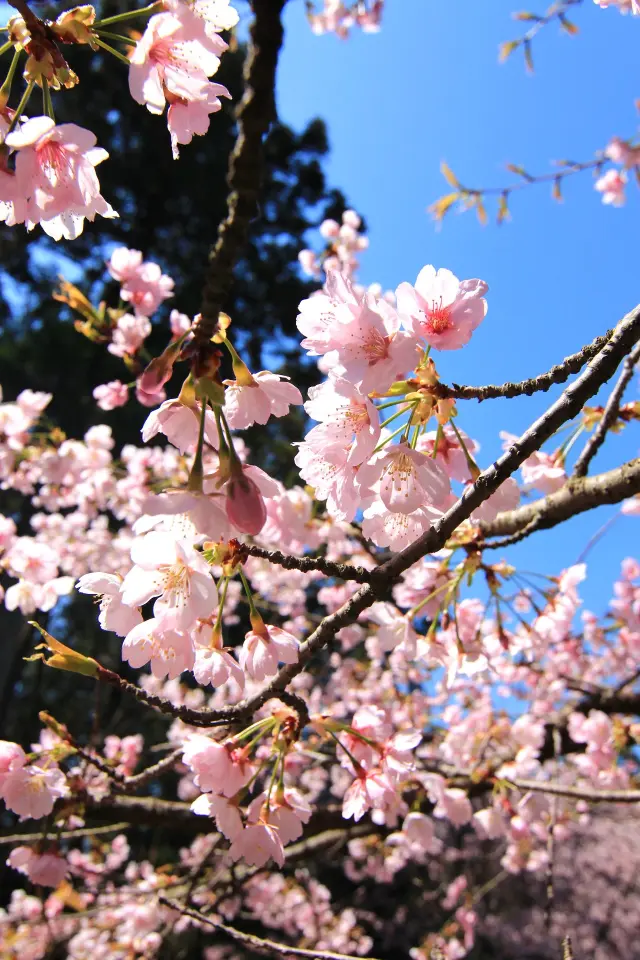
It remains a famous cherry blossom destination today, and when the blossoms are at their best, Approx. 700 cherry trees of various kinds bloom across the grounds.
The scenery created by the harmony of the temple buildings, gardens, and glamorous white and pale pink blossoms is truly a spectacular spring view.
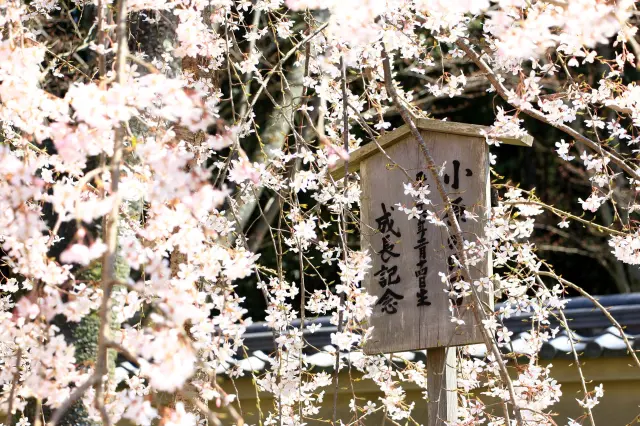
One of the main highlights is the “Taiko Shidarezakura,” said to be 150 years old, which combines elegance with a sense of strength.
There is also a limited-time illumination event, so you can enjoy the magical sight of cherry blossoms at night.
The best time to see the cherry blossoms is from late March to early April.


Don’t Miss the Magical Reflections on the Water! Fall at Daigoji Temple
Daigoji Temple is also famous for autumn leaves, and when they reach their peak, the grounds are wrapped in beautiful shades of red and orange.
Benten Pond in the temple garden offers an especially stunning view.
The magical sight of illuminated fall leaves and temple halls reflected on the water is not to be missed.
Be sure to visit from mid-November to early December, when the fall colors are at their best.

4 Areas to Know When Visiting Daigoji Temple
Daigoji Temple has vast grounds and many highlights, so you may find it hard to decide where to start.
However, if you understand the grounds by dividing them into the four areas introduced below, it should be easier to narrow down where to explore.
Samboin: Historic Architecture and Beautiful Gardens
Samboin is located on the left after passing through the main entrance gate.
Samboin serves as the head priest’s residence at Daigoji Temple, and many of the buildings there are designated Important Cultural Properties.
The Omote Shoin, designated a National Treasure and preserving the shinden-zukuri architectural style, is one of the attractions of Samboin, where you can admire many historically valuable buildings up close.
We hope you’ll experience a uniquely Japanese cultural atmosphere and reflect on its deep history.

Reihokan: Home to National Treasures and Important Cultural Properties
Reihokan is located across from Samboin.
It opened in 1935 as a facility for preserving and exhibiting Daigoji Temple’s many precious temple treasures.
It houses more than 75,000 National Treasures and Important Cultural Properties, and Approx. 100,000 temple treasures in total including undesignated items.
Its greatest appeal is the chance to view many precious cultural assets, including crafts and paintings, that could truly be called one of a kind.
The special exhibitions held in spring and fall are also one of the highlights.

Shimo-Daigo (Garan): Enjoy the Appeal of Buddhist Architecture
Go straight ahead from the main gate and pass through the Nio Gate (Sai-Daimon) to arrive at Shimo-Daigo.
Shimo-Daigo is also called the Garan, a term that refers to a place where monks gather to train.
One of the main attractions of Shimo-Daigo is the chance to see many examples of Buddhist architecture.
The Kondo, designated a National Treasure and the central building of Daigoji Temple, is a key highlight.
It burned down twice in the past, and the current Kondo was relocated from Wakayama Prefecture by Toyotomi Hideyoshi.
The five-story pagoda, the oldest wooden building in Kyoto, is another highlight and is also designated a National Treasure.

Kami-Daigo: The Birthplace of Daigoji Temple
Kami-Daigo is located deeper beyond Shimo-Daigo, about a 1-hour walk along a mountain path.
It is the birthplace of Daigoji Temple, and Yakushido, located at the center of Kami-Daigo, is a National Treasure founded by Emperor Daigo.
Daigo Water in Kami-Daigo has continued to spring forth since 847, when Daigoji Temple was founded.
It also appears in the tale of founder Shobo meeting Yokoo Myojin, and even today, you can actually drink it.
Combined with its mountain setting, one of Kami-Daigo’s attractions is the mysterious energy you can feel there.
The area is filled with an atmosphere that makes it easy to understand why it has long been an object of mountain worship.

5 Highlights of Daigoji Temple Where You Can Experience Japanese Culture and History
One of Daigoji Temple’s great appeals is the chance to deeply experience Japanese culture through historic buildings full of atmosphere and traditional Japanese gardens.
From here, we’ll introduce a carefully selected list of must-see spots among the many highlights at Daigoji Temple.
Use these spots as the basis for planning your visit to Daigoji Temple.
1. The Oldest Wooden Building in Kyoto: The Five-Story Pagoda
The five-story pagoda was begun by Emperor Suzaku, the first imperial prince, to pray for the repose of Emperor Daigo, and was completed during the reign of Emperor Murakami, the second imperial prince.
It is not only a precious cultural property designated as a National Treasure, but also the oldest wooden building in Kyoto.
It is an impressive structure with a stately yet refined appearance.

2. Samboin Garden, Designed by Toyotomi Hideyoshi Himself
Samboin Garden is located within Samboin.
It is a distinctive garden for which Toyotomi Hideyoshi personally created the basic design when he held Daigo no Hanami.
Its appeal lies in the unique atmosphere found only in Samboin Garden, with many distinctive features including Kamejima, an island shaped like a turtle’s shell.

3. Kondo, the Central Building of Daigoji Temple
The Kondo enshrines the seated statue of Yakushi Nyorai, the principal object of worship at Daigoji Temple.
Its beautiful appearance combines a dignified sense of history with vivid vermilion, and in spring, cherry blossoms bloom all around it, making it even more beautiful. It is also designated a National Treasure.

4. Omote Shoin, Known for Its Unique Design
Omote Shoin was relocated from Nara Prefecture during Toyotomi Hideyoshi’s Daigo no Hanami and is now designated a National Treasure.
Originally a backstage area for Noh theater, it can also be used as a Noh stage.
Its appeal lies in its unique design, which incorporates the shinden-zukuri style of the Heian period (794–1185).
The fusuma paintings, designated Important Cultural Properties, are also a highlight, so be sure not to miss them.

5. Bentendo, Beautiful with Autumn Leaves
Bentendo was built to enshrine Benzaiten, and its striking vermilion color is beautiful.
Benzaiten is also counted among the Seven Lucky Gods as the goddess of music, art, and knowledge.
The reflection of Bentendo on the surface of Benten Pond is especially impressive, and the autumn leaves at their peak are one of the highlights.
Together with the bridge in front, it also makes an excellent photo spot.

3 Nearby Sightseeing Spots Around Daigoji Temple
From here, we’ll introduce sightseeing spots you should also visit after enjoying Daigoji Temple.
The area around Daigoji Temple includes popular shrines and temples as well as local landmark spots.
There are also many photogenic places, so you’ll be able to enjoy Kyoto sightseeing from a different angle than at Daigoji Temple.
1. Fushimi Inari Taisha Shrine
Founded in 711, this is the head shrine of the approximately 30,000 Inari shrines said to exist across Japan, beloved as a deity of bountiful harvests, prosperous business, family safety, recovery from illness, and the fulfillment of wishes.
Its most famous attraction is the Senbon Torii, where vermilion torii gates line up like a tunnel behind the main shrine building.
They began as offerings dedicated by worshippers with prayers and gratitude, and there are said to be more than 10,000 across all of Mt. Inari.

2. Ujibashi Bridge
When you get off at Keihan Uji Station and leave the ticket gates, this is the first Uji landmark that catches your eye.
According to the Ujibashi Danpi monument at Hashidera Hoshoin Temple, it is said to have been built in 646 by the monk Doto of Nara Gangoji Temple, and it is counted as one of Japan’s three oldest bridges alongside Seta no Karahashi Bridge and Yamazaki Bridge.

3. Byodoin Temple
Originally used as a villa by the Heian-period statesman Fujiwara no Michinaga, it was inherited by his son Yorimichi and converted into a temple in 1052.
It was registered as a World Heritage Site in 1994. After renovations in 2014, it is said to have come closer to its original appearance.
The Amida Hall, which enshrines the principal image of Amida Nyorai, is a must-see.
You’re sure to be captivated by its magnificent symmetry.
At the time of its founding, belief in rebirth into the Pure Land was widespread, and the hall was built to evoke a palace in the Pure Land paradise.

3 Popular Restaurants Near Daigoji Temple
Here are some restaurants near Daigoji Temple where you can enjoy a warm bowl to gently ease your travel fatigue or try local specialties with ease.
Each is an easy stop during a stroll and a beloved local favorite.
1. Nezameya
A dining spot located right beside the torii gate at the entrance to the back approach of Fushimi Inari.
The first thing you’ll notice is the fragrant eel being grilled in front of the shop. In addition to grilled eel fillets, they also offer reasonably priced eel rice bowls.
The key to the flavor is the shop’s secret homemade sauce, which is also used for their grilled quail skewers.
Since it stands in the monzenmachi area of Inari-san, easy-to-eat inari sushi is also popular.

2. Ra-men Hi wa Mata Noboru Fushimi Inari Ekimae Main Store
Located just a 1-minute walk from Keihan Fushimi Inari Station, this ramen shop is also popular with international visitors to Fushimi Inari.
It is often mentioned as one of Kyoto’s notable ramen shops in a city known for fierce ramen competition, and lines often form at lunchtime.
The signature dish is the “Tori Tonkotsu Ramen.” As the name suggests, it features a rich soup made by simmering large amounts of carefully selected fresh chicken bones and pork bones for 2 days, perfectly matched with homemade noodles and topped with oven-roasted chashu pork, Kujo green onions, and menma.

3. Teuchi Udon Kendonya
A hand-made udon shop located just steps from Keihan Fushimi Inari Station. Since opening in 1995 after 10 years of training, the owner has built a beloved local favorite with more than 25 years of popularity. The shop’s name comes from the phrase “humbly and wholeheartedly making udon.”
The udon is made fresh every morning by the owner using an original flour blend. Boiling it in a pressure cooker creates its distinctive chewy and smooth texture.

3 Recommended Places to Stay Near Daigoji Temple
A little farther on from Daigoji Temple, you’ll find refined accommodations wrapped in Kyoto-style elegance and tranquility.
From atmospheric inns with a relaxing ambiance to luxury hotels known for polished hospitality, and even a special sukiya-style detached retreat, here are places to stay that will deepen the lingering memories of your trip.
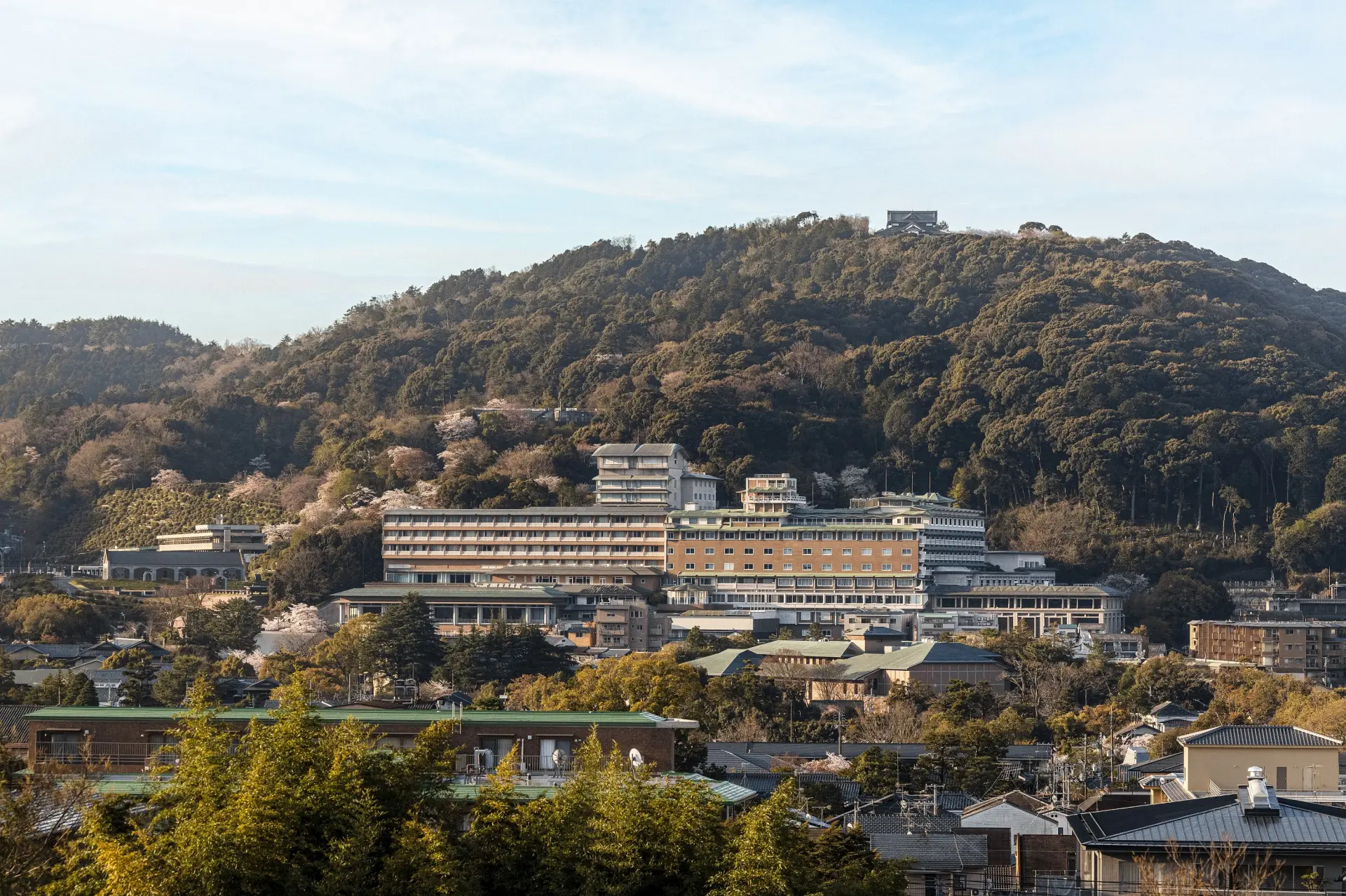
1. The Westin Miyako Kyoto
A long-established luxury hotel standing on a hill in Kyoto’s Higashiyama area.
In April 2021, the year it marked its 130th anniversary, a major renovation was completed under the concept “THE QUEEN OF ELEGANCE,” transforming it into an even more luxurious destination.
The number of guest rooms was reduced to about half of the pre-renovation total, while the average room size was expanded from Approx. 35 square meters to Approx. 50 square meters. The design is inspired by the nature of Higashiyama, and seasonal scenery unfolds outside the windows.
2. The Westin Miyako Kyoto Sukiya-style Annex “Kasuien”
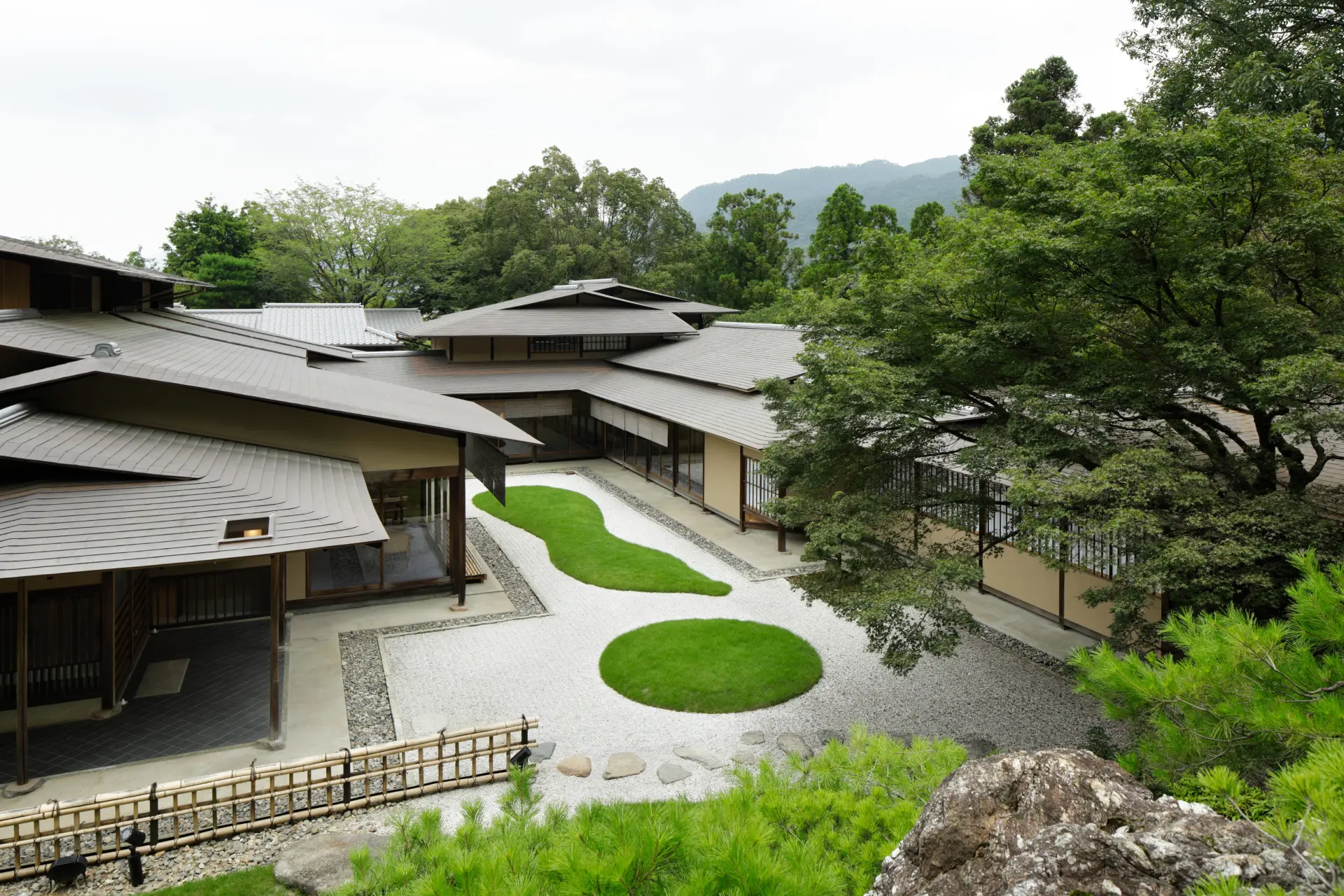
At the end of a private corridor on the 7th floor of the luxury hotel The Westin Miyako Kyoto in Higashiyama stands Kasuien, a sukiya-style annex filled with traditional Japanese charm.
This celebrated sukiya-style building, originally designed by architect Togo Murano in 1959, was renovated in 2020 and reborn as a new space while preserving its original atmosphere.
All 12 guest rooms are spacious layouts with separate living rooms and bedrooms, and each room has a different style.
3. Uji Ichiban Yado Nigauri
A private rental-style inn in Uji City, Kyoto Prefecture, where you can stay as if you were spending time at a villa.
Limited to one group per day and accommodating up to 4 guests, this inn charms with its tasteful Japanese-Western interior and bath made of natural hinoki cypress.
The guest space is roomy and consists of 2 rooms, one Japanese-style and one Western-style, making it suitable for a range of needs including families with children and long stays.
The bath is a spacious tub made entirely of natural hinoki, filled with the soothing scent of wood and large enough for several people to relax in comfortably.

Reviews
Some reviews are AI-translated.
-
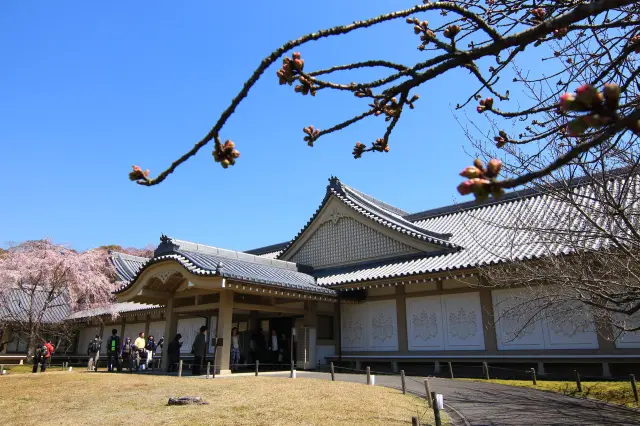
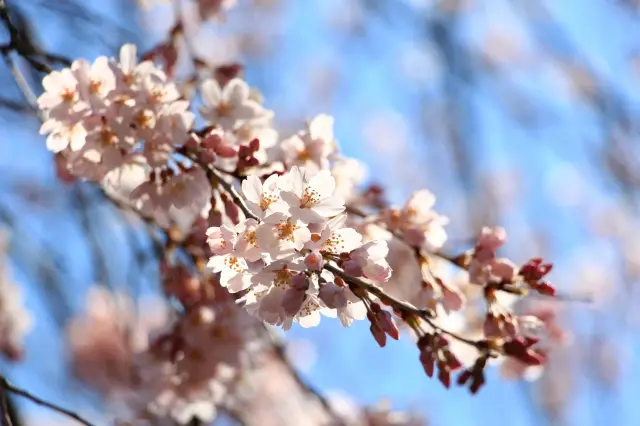
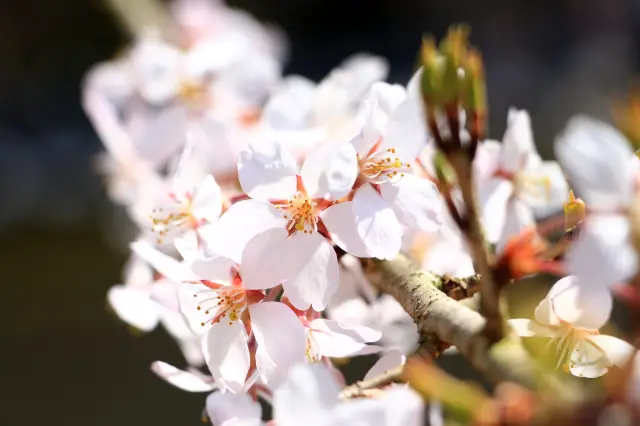
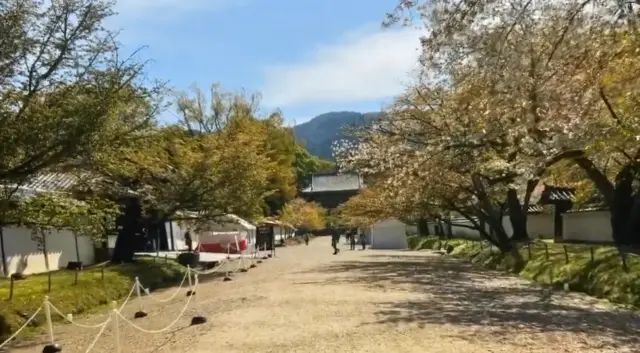
The place that surprised me the most and left the deepest impression on this trip to Kyoto was definitely Daigoji Temple. The moment I entered the expansive temple grounds, I was captivated by the many tall, lush cherry trees before me. As a gentle breeze blew, petals from different varieties of cherry blossoms looked especially delicate and beautiful against the blue sky, white clouds, and green lawns. When the wind picked up, it even created a shower of cherry blossoms—it was incredibly dreamy.
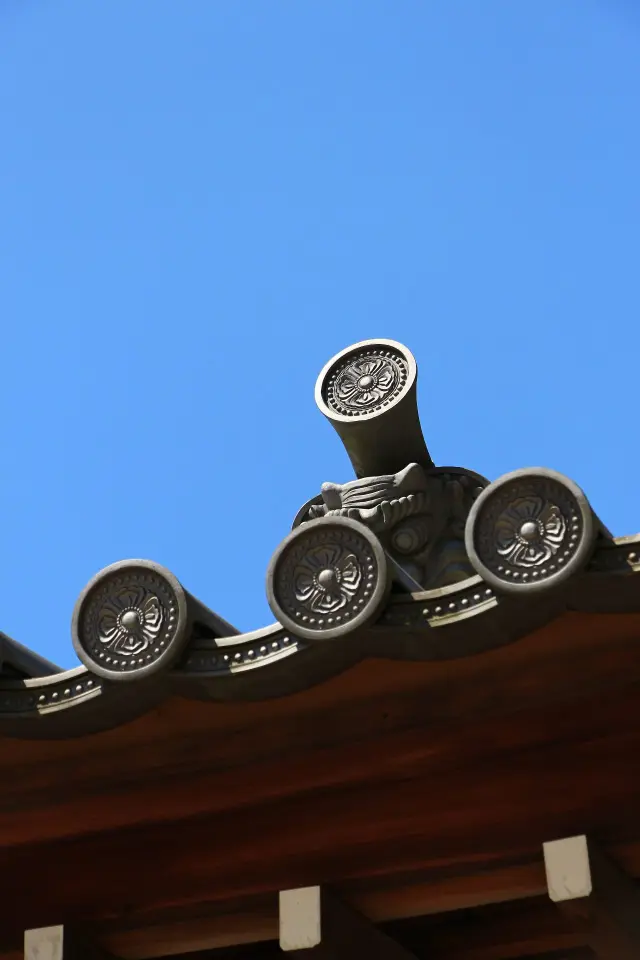
While strolling around, I unexpectedly came across a charming outdoor tea area where visitors could sit beneath the romantic cherry trees, sip tea, and enjoy the annual cherry blossom viewing season. It felt like stepping into a Japanese TV drama. As for Daigoji Temple's history, it has deep ties to the famous Japanese historical figure Toyotomi Hideyoshi. He once held the grand and renowned Daigo cherry blossom viewing banquet here, and thousands of precious cherry blossom varieties have been passed down at the temple. If you look closely, you can even find the hidden Toyotomi family crest on the roof tiles of the old buildings. Traces of its rich history are everywhere.
Daigoji Temple covers a vast area, combining magnificent natural scenery with historically and culturally significant architecture. It is well worth setting aside an entire day to stroll around at a leisurely pace, fully appreciate the cherry blossoms throughout the grounds, and enjoy an incredibly relaxing spring day in Kyoto filled with cultural heritage.
-
-
This time I visited Daigoji Temple in Kyoto, originally just planning to walk around and have a look, but it was more relaxing than I expected. Unlike Kiyomizudera Temple and Fushimi Inari Shrine, it isn't always packed with people. There weren't many visitors on a weekday, and the whole area was very quiet, so I could take my time exploring and taking photos.
I wasn't in any particular rush, so I slowed down and strolled around, listening to the wind rustling through the leaves. It felt very soothing. Although I didn't visit during the peak cherry blossom season, the lack of crowds made it easier to appreciate the temple's tranquility and historic simplicity. -
-
Sitting under the cherry blossoms, enjoying a special bento, you can really feel the spirit of spring in Kyoto.
-



FAQ about Daigoji Temple
Q
What blessings is Daigoji Temple said to offer?
It is said to offer various blessings, mainly good fortune, success in relationships, and safe childbirth.
Q
When is the best time to see the cherry blossoms at Daigoji Temple?
They are said to be at their best from late March to early April.
Q
When is the best time to see the autumn leaves at Daigoji Temple?
From mid-November to early December.
Summary
In this article, we’ve introduced basic information about Daigoji Temple, its highlights, and the key areas of the grounds to know before your visit.
One of Daigoji Temple’s greatest appeals is its wide variety of attractions, from seasonal natural scenery in spring and fall to historic buildings where you can fully experience Japanese culture.
If you’re sightseeing in Kyoto, be sure to visit Daigoji Temple as well.
For more ideas, check out the article below, which carefully selects and introduces Kyoto’s sightseeing spots, and make the most of your time in Kyoto.