Daigoji Temple

Verified [Verified] denotes information that has been published with confirmation of its owing parties.

Daigoji Temple

One of Kyoto’s largest temples, with a history spanning more than 1,100 years since its founding. It houses a wealth of National Treasures and Important Cultural Properties and is also known for its cherry blossoms associated with Toyotomi Hideyoshi.

3.33 7

Last update :
Supervised by :  Daigoji Temple

Daigoji Temple was founded in 874 (Jogan 16), during the early Heian period, by Shobo, also known as Rigen Daishi. A grand-disciple of Kobo Daishi Kukai, he is regarded as a key figure in the revival of Shugendo. Daigoji is the head temple of the Daigo school of Shingon Buddhism. Its grounds cover approximately 1,630 acres across Mount Daigo, making it one of the largest temple complexes in Kyoto. The grounds are divided into Kami-Daigo at the top of the mountain and Shimo-Daigo at its foot, with more than 80 halls and pagodas scattered throughout. The temple initially developed around Kami-Daigo. It later received the strong patronage of Emperor Daigo as an imperial temple, and an extensive temple complex was established at the foot of the mountain.

Over its history of more than 1,100 years, this ancient temple has preserved an enormous collection of treasures. These include wooden cultural properties such as temple architecture and Buddhist sculptures, as well as paper works such as sutras, documents, and paintings. Many have been designated National Treasures or Important Cultural Properties, with the collection totaling approximately 75,000 items. In 1994, Daigoji was inscribed as a UNESCO World Cultural Heritage site as part of the Historic Monuments of Ancient Kyoto.

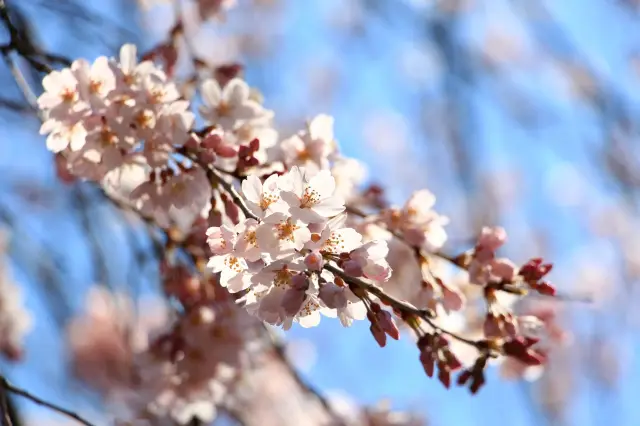
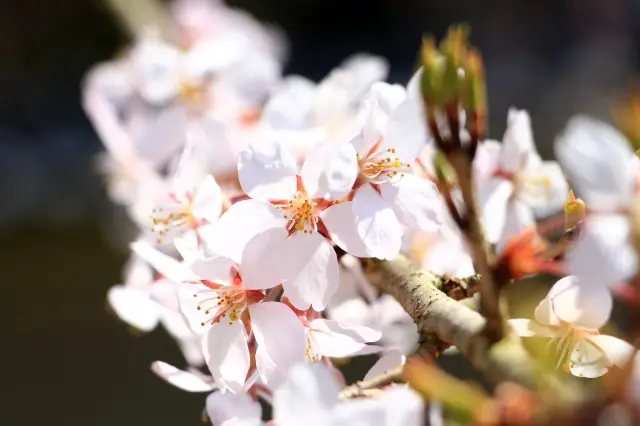
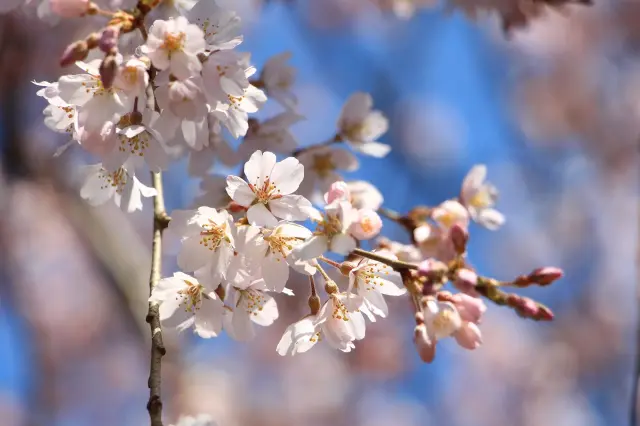
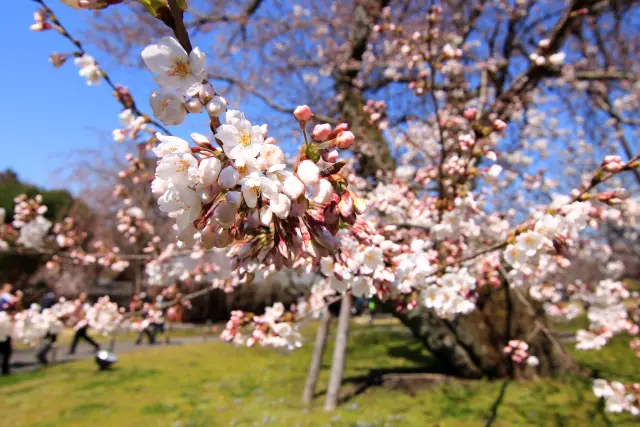
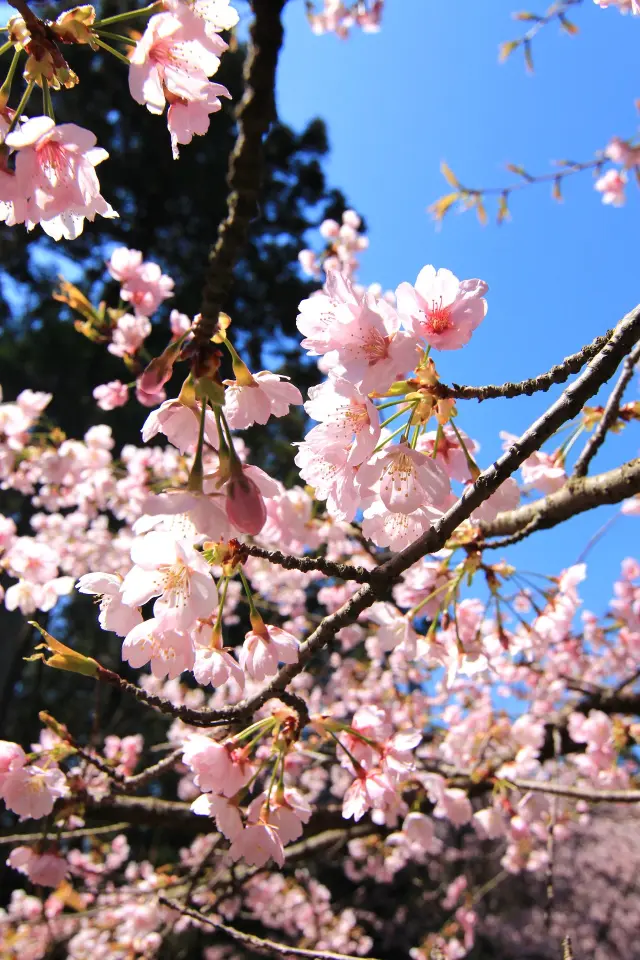
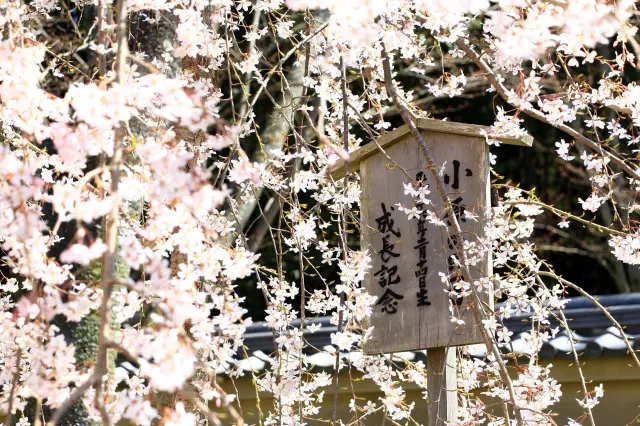
Daigoji has also long been known as “Daigo of Flowers” and is celebrated for its seasonal blossoms. Toyotomi Hideyoshi, who unified the country after an age of warfare, is said to have transplanted 700 cherry trees from across the region. In the spring of 1598 (Keicho 3), he hosted the Daigo Cherry Blossom Viewing, a lavish celebration renowned in Japanese history. In commemoration of this event, the Hotaiko Hanami Procession is held every year on the second Sunday in April, drawing large numbers of visitors.

Highlights

  • A major temple with the largest grounds in Kyoto.
  • A repository of National Treasures, Important Cultural Properties, and other cultural assets.
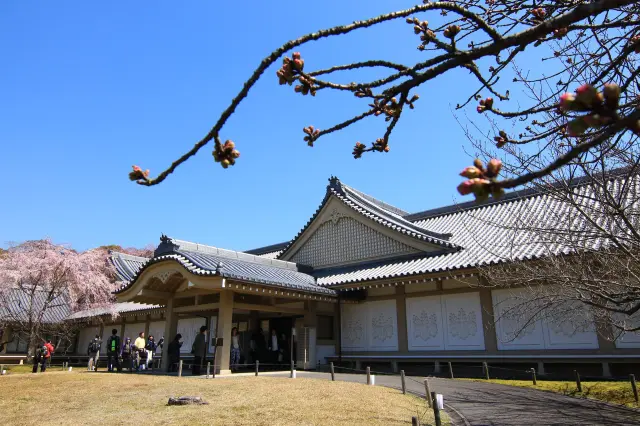
  • The Reihokan Museum houses and displays many of the temple’s treasures.
  • Striking scenery throughout the seasons, including cherry blossoms, fresh greenery, fall foliage, and snow-covered landscapes.

Photos

  • The five-story pagoda, built in 951 (Tenryaku 5), is a National Treasure and the oldest surviving wooden structure in Kyoto Prefecture

    The five-story pagoda, built in 951 (Tenryaku 5), is a National Treasure and the oldest surviving wooden structure in Kyoto Prefecture

  • The Kondo, or Main Hall, is a National Treasure said to have been relocated from Yuasa in Kishu at the order of Toyotomi Hideyoshi

    The Kondo, or Main Hall, is a National Treasure said to have been relocated from Yuasa in Kishu at the order of Toyotomi Hideyoshi

  • Fall scenery in the Sanboin Garden, said to have been designed in its basic form by Toyotomi Hideyoshi himself

    Fall scenery in the Sanboin Garden, said to have been designed in its basic form by Toyotomi Hideyoshi himself

  • The Nio Gate marks the entrance to the main temple complex and houses statues of the Nio guardians designated as Important Cultural Properties

    The Nio Gate marks the entrance to the main temple complex and houses statues of the Nio guardians designated as Important Cultural Properties

  • The Sanboin Karamon Gate, a National Treasure said to have been opened only to receive messengers from the Imperial Court

    The Sanboin Karamon Gate, a National Treasure said to have been opened only to receive messengers from the Imperial Court

  • Benten Pond, known as one of the best places to see fall foliage at Daigoji

    Benten Pond, known as one of the best places to see fall foliage at Daigoji

Reviews

7

Some reviews are AI-translated.

  • See More

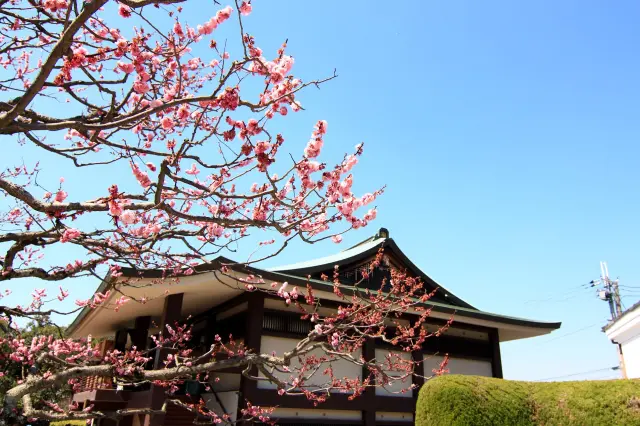
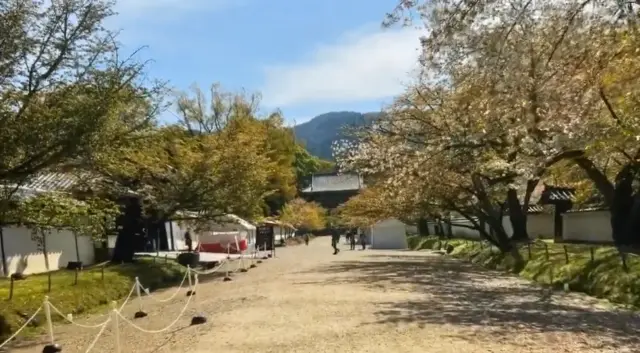
    The place that surprised me the most and left the deepest impression on this trip to Kyoto was definitely Daigoji Temple. The moment I entered the expansive temple grounds, I was captivated by the many tall, lush cherry trees before me. As a gentle breeze blew, petals from different varieties of cherry blossoms looked especially delicate and beautiful against the blue sky, white clouds, and green lawns. When the wind picked up, it even created a shower of cherry blossoms—it was incredibly dreamy.

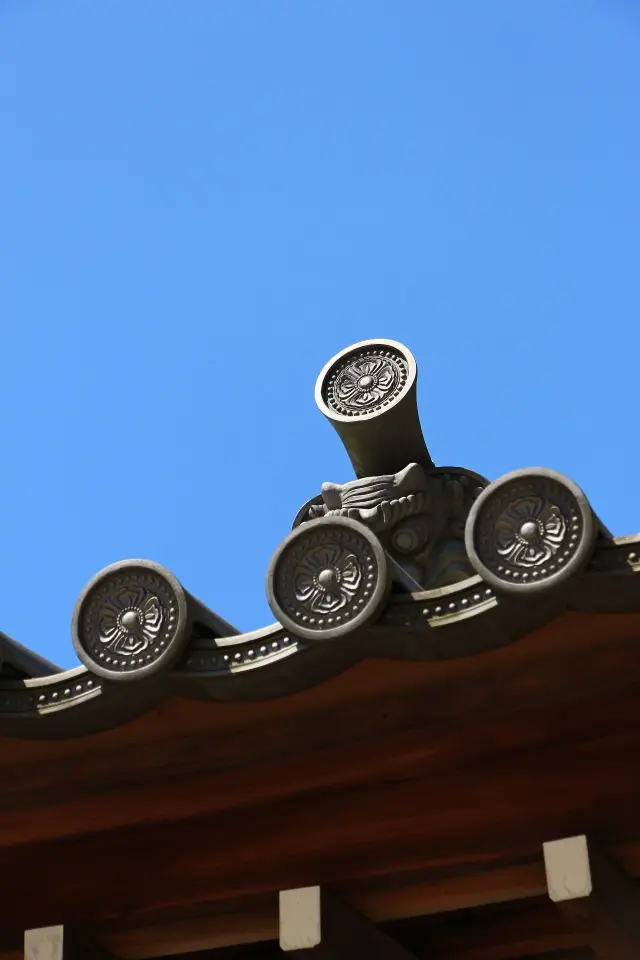
    While strolling around, I unexpectedly came across a charming outdoor tea area where visitors could sit beneath the romantic cherry trees, sip tea, and enjoy the annual cherry blossom viewing season. It felt like stepping into a Japanese TV drama. As for Daigoji Temple's history, it has deep ties to the famous Japanese historical figure Toyotomi Hideyoshi. He once held the grand and renowned Daigo cherry blossom viewing banquet here, and thousands of precious cherry blossom varieties have been passed down at the temple. If you look closely, you can even find the hidden Toyotomi family crest on the roof tiles of the old buildings. Traces of its rich history are everywhere.

    Daigoji Temple covers a vast area, combining magnificent natural scenery with historically and culturally significant architecture. It is well worth setting aside an entire day to stroll around at a leisurely pace, fully appreciate the cherry blossoms throughout the grounds, and enjoy an incredibly relaxing spring day in Kyoto filled with cultural heritage.

  • See More

    This time I visited Daigoji Temple in Kyoto, originally just planning to walk around and have a look, but it was more relaxing than I expected. Unlike Kiyomizudera Temple and Fushimi Inari Shrine, it isn't always packed with people. There weren't many visitors on a weekday, and the whole area was very quiet, so I could take my time exploring and taking photos.
    I wasn't in any particular rush, so I slowed down and strolled around, listening to the wind rustling through the leaves. It felt very soothing. Although I didn't visit during the peak cherry blossom season, the lack of crowds made it easier to appreciate the temple's tranquility and historic simplicity.

  • See More

    Sitting under the cherry blossoms, enjoying a special bento, you can really feel the spirit of spring in Kyoto.

  • See More

    Many of the buildings in the temple are designated as National Treasures and World Heritage Sites. The area you can visit is pretty big, so you'll need an hour or two to see everything.

  • See More

    I visited when there were no cherry blossoms or autumn leaves, so I could really relax and enjoy the scenery without the crowds.

Details

Name in Japanese
醍醐寺
Postal Code
601-1325
Address
22 Daigo Higashioji-cho, Fushimi Ward, Kyoto
Phone
075-571-0002
Closed on
Open year-round
Hours
March 1 to the first Sunday in December: 9:00 a.m. to 5:00 p.m.; the day after the first Sunday in December through the last day of February: 9:00 a.m. to 4:30 p.m. (last admission 30 minutes before closing)
Kami-Daigo mountain entry reception: March 1 to the first Sunday in December: 9:00 a.m. to 3:00 p.m.; the day after the first Sunday in December through the last day of February: 9:00 a.m. to 2:00 p.m.
Admission
Sanboin Garden and Garan temple complex: ¥1,000 (in spring, admission to Sanboin Garden, the Garan temple complex, and the Reihokan Garden is ¥1,500); special admission to Sanboin Palace: ¥500; special exhibitions in the Reihokan Main Building and Heiseikan: ¥500 or more; Statue Hall: free
Kami-Daigo: ¥600 mountain entry fee
Access
1) A 10-minute walk from Exit 2 of Daigo Station on the Kyoto Municipal Subway Tozai Line
2) From JR Kyoto Station, take Keihan Bus Route 301 to Daigoji; the temple is a short walk from the bus stop
3) From JR Yamashina Station on the Biwako or Kosei Line, take Keihan Bus Route 22 or 22A to Daigoji-mae; the temple is a short walk from the bus stop
4) From JR Rokujizo Station on the Nara Line, take Keihan Bus Route 22 or 22A to Daigoji-mae; the temple is a short walk from the bus stop
Official website
Official website (Japanese)
Hokkaido Tohoku Kanto Chubu Hokuriku Kansai Chugoku Shikoku Kyushu Okinawa