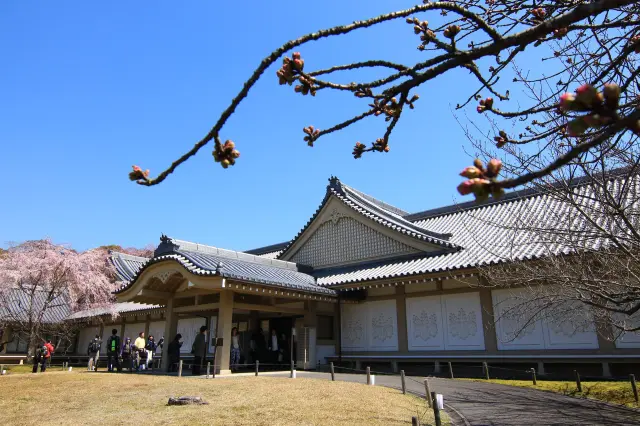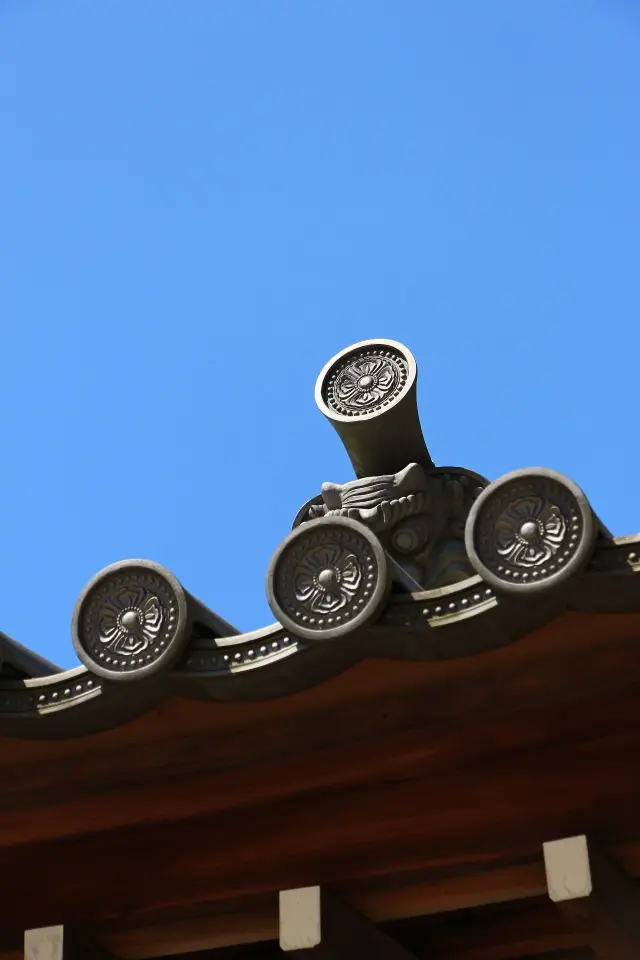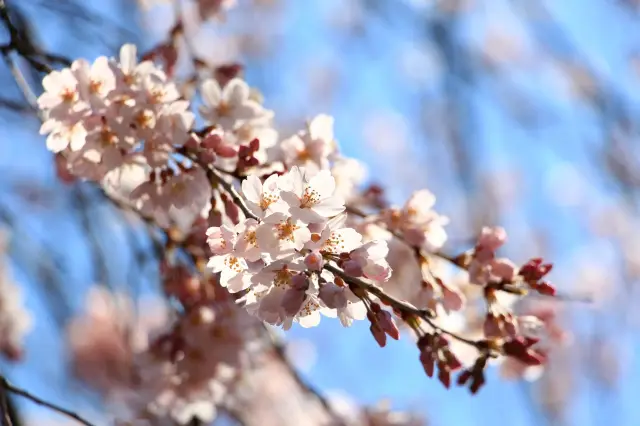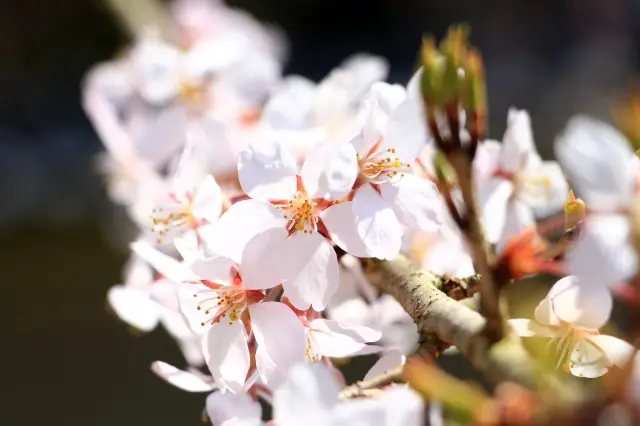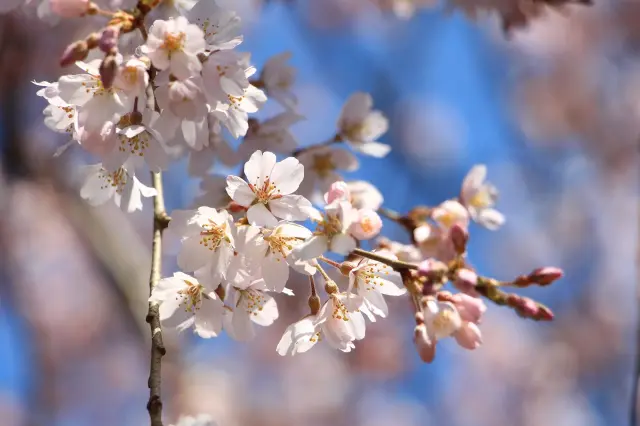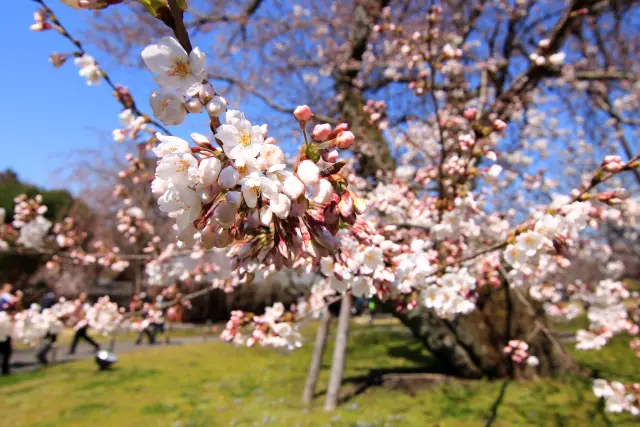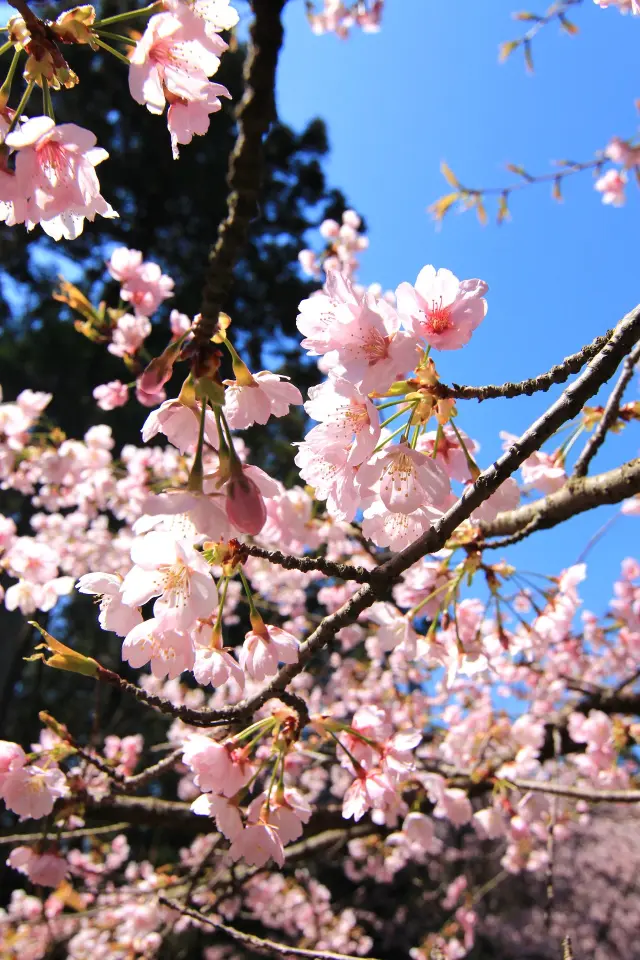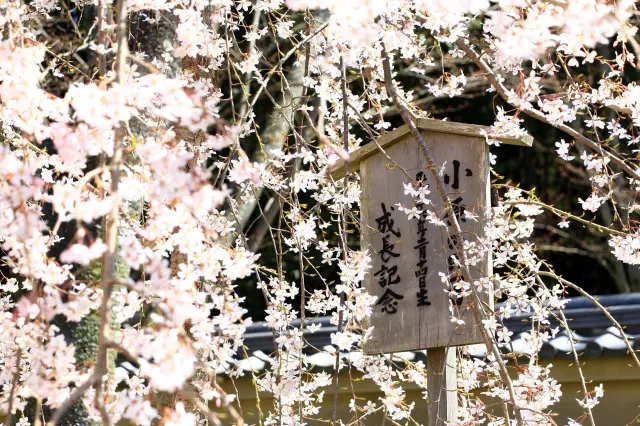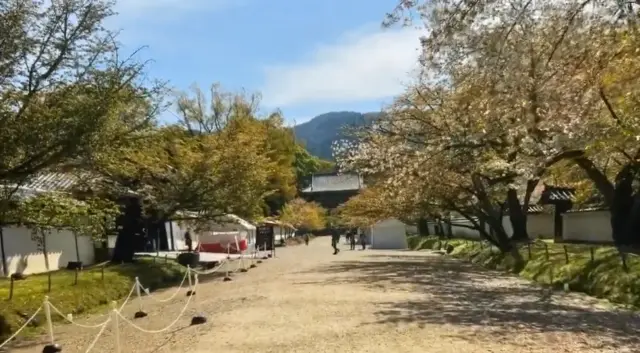
This time, I happened to catch Daigoji Temple’s annual “Godairiki-san” festival (Godairiki Son Ninno-e), so even though it wasn’t cherry blossom season, I made a special trip to attend. This festival has continued for over a thousand years and is also one of Daigoji Temple’s most important annual events. When traveling in Japan, most traditional festivals you encounter are Shinto rituals held at shrines, so having the chance to personally experience a large-scale Buddhist prayer ceremony at a temple was quite rare.
The Godairiki Son Ninno-e mainly offers prayers for peace throughout the country, the happiness of its people, and protection from misfortune. Before the main festival, Daigoji Temple holds seven consecutive days of preliminary services, during which monks chant sutras and offer prayers. On the day of the festival, visitors receive blessed “Godairiki Son sacred images,” which are talismans believed to protect against disasters and theft. They can be seen posted at the entrances of many long-established shops and private homes in Kyoto. Many people were also lined up to receive one that day, and seeing the long line, I almost wanted to join it too.
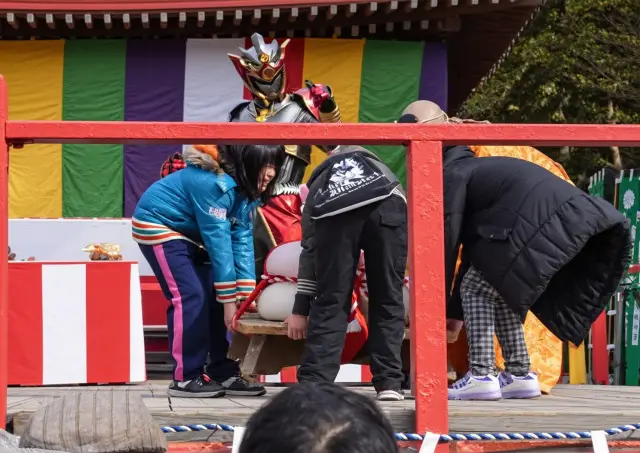
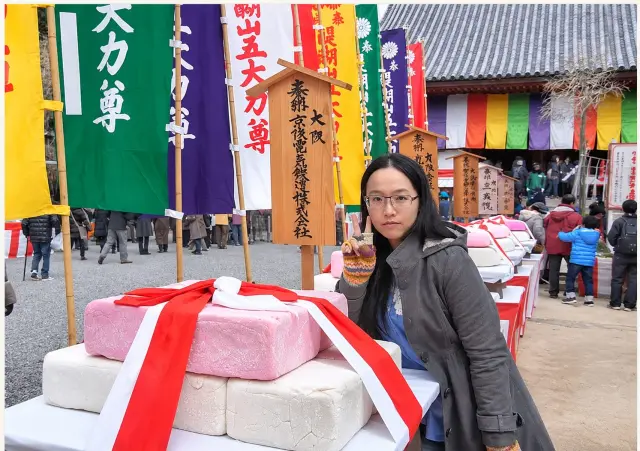
One of the festival’s most distinctive events is the “Mochi-Lifting Strength Offering” held in front of the Kondo Hall. Participants must lift and hold enormous red-and-white kagami mochi, offering their strength to the Five Great Wisdom Kings and praying for good health and protection from misfortune. The competition has divisions for elementary school students, men, and women. I looked it up afterward, and the kagami mochi used at the event are truly heavy: 150 kilograms for the men’s division and 90 kilograms for the women’s division. They certainly aren’t easy to lift, though I’m not sure whether advance registration is required.
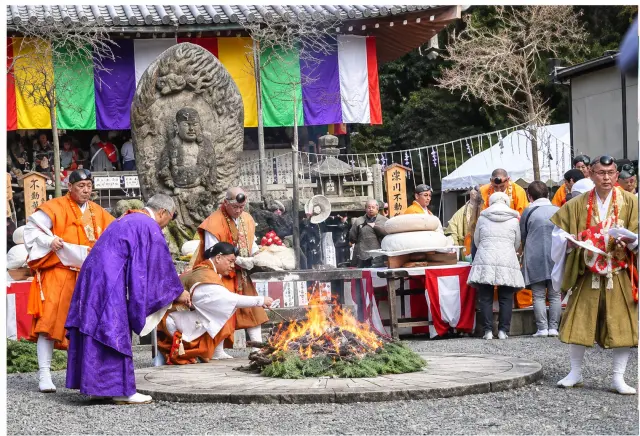
There were also many large kagami mochi specially offered by worshippers in front of the Kondo Hall. The sight of them neatly lined up was quite impressive. These were all offerings made by worshippers specifically for the Godairiki Son Ninno-e. Seeing the astonishingly large kagami mochi arranged one after another in front of the hall really showed how important this festival is to local worshippers.
In front of Fudodo Hall on the other side, a Saito Goma prayer ceremony is held, with monks offering prayers through a ritual in which wooden goma prayer sticks are burned. From sutra-chanting services and the goma ritual to the lively mochi-lifting event, being able to see several different forms of Buddhist prayer ceremonies all at once is one of the things that makes this festival so special.
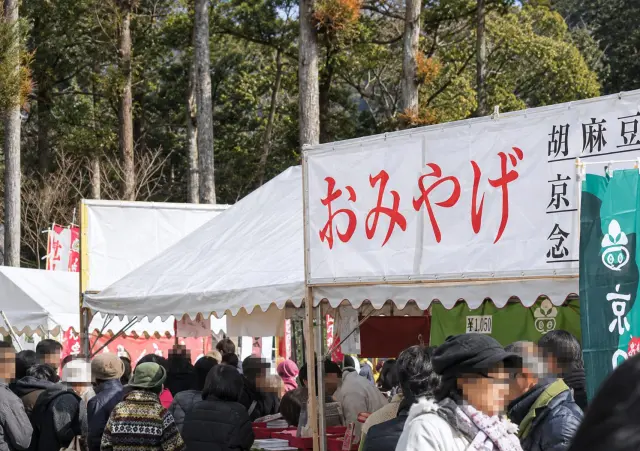
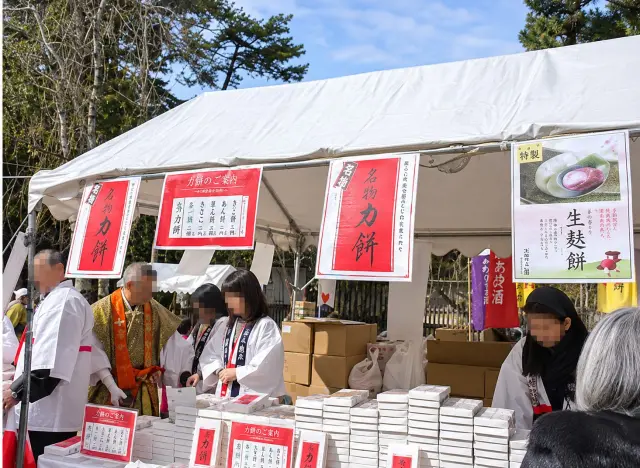
Besides the religious events, the temple grounds also had plenty of seasonal products and food stalls, including five-colored sweets, limited-edition brown rice tea created in collaboration between Daigoji Temple and Ito En, and Heian porridge offered free to worshippers. These added an extra sense of lively festivity to the event. The item most worth noting was the Godairiki mochi sold only during the festival. It’s actually a type of mochi. I bought two bags at the time, planning to take them back to Taiwan and grill them little by little. I even went out of my way to buy a special grilling rack for mochi, but unexpectedly, they were all moldy the day after I got home! If I’d known, I would have grilled and eaten them in the hotel kitchenette while I was still in Japan. The grilling rack ended up being a wasted purchase too, which was really frustrating QQ.
Overall, the Godairiki Son Ninno-e is a large-scale event that combines religious culture, traditional rituals, and the character of a local festival. It offers an experience different from the Japanese shrine festivals that most tourists are more familiar with. If you have the chance to catch it, it’s well worth making a special trip to Daigoji Temple to experience this traditional festival that has continued for a thousand years.