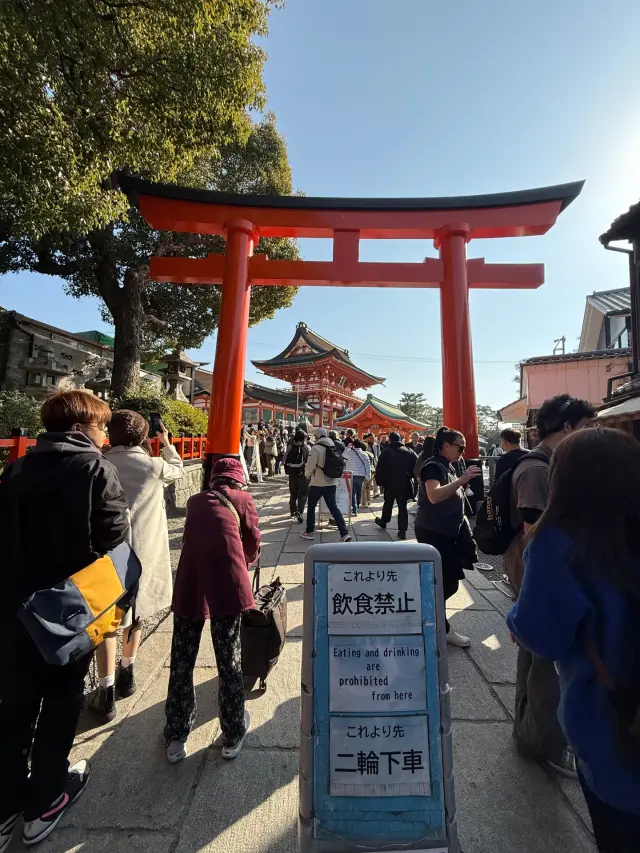
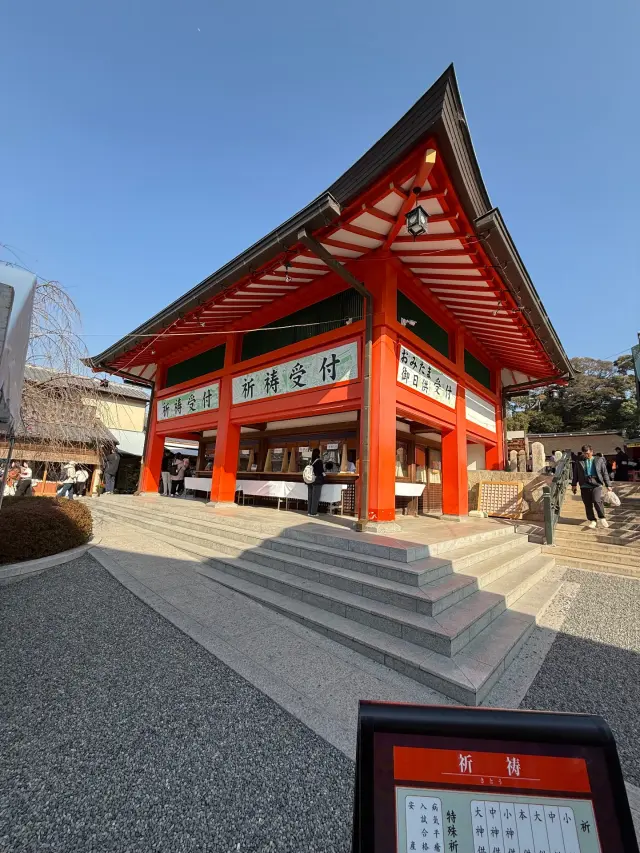
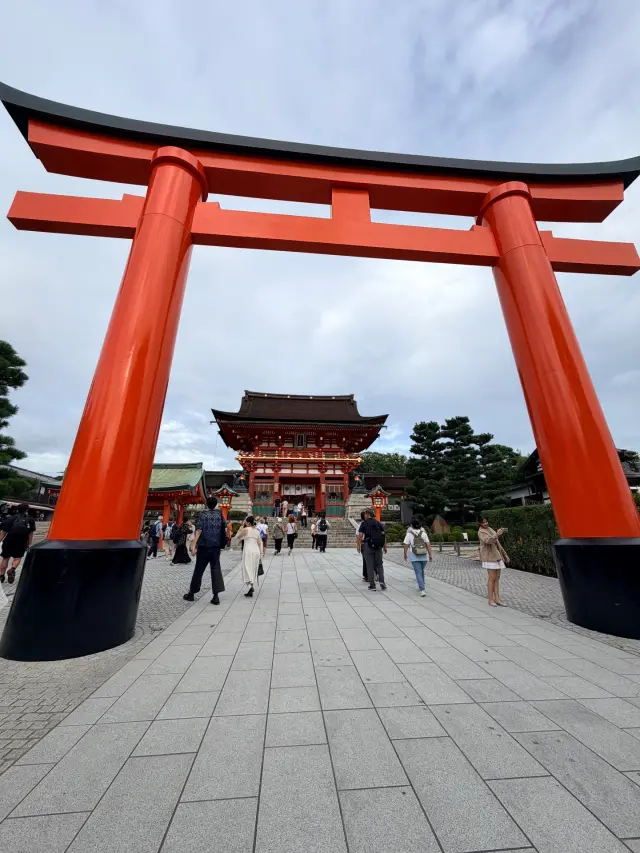
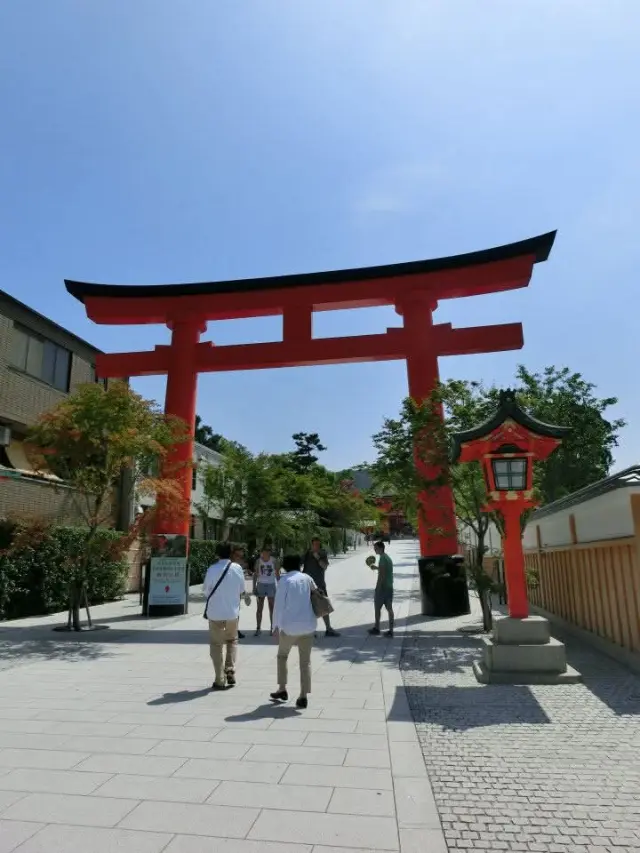
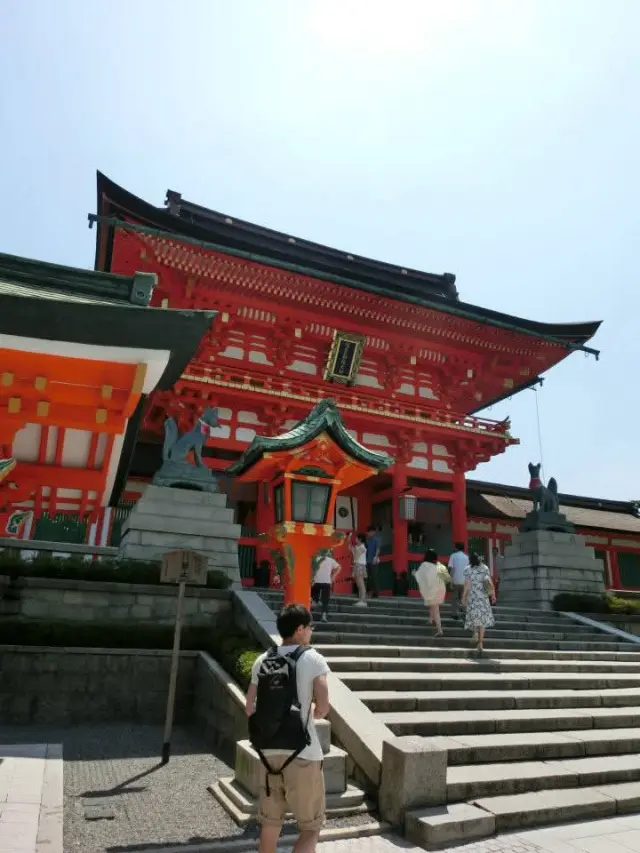
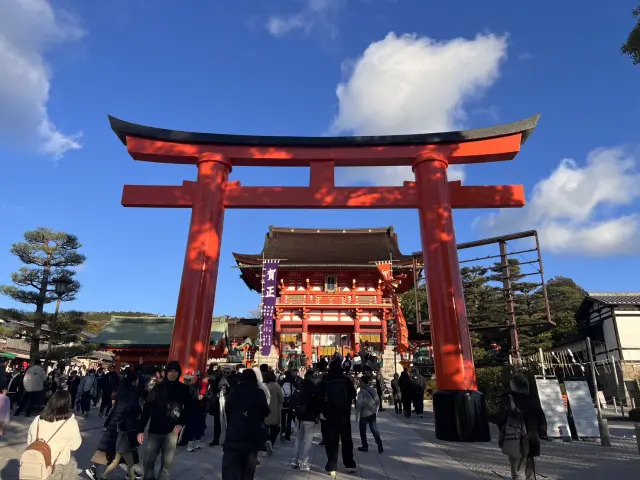
Fushimi Inari Taisha really is one of Kyoto’s classic sights and is well worth visiting at least once. Probably because it’s so famous, the approach and shopping street at the foot of the mountain are almost always bustling. If you want a quieter visit, I highly recommend coming early, seeing the shrine and walking through the Senbon Torii first. By the time you come back down, the shops will be starting to open, so you can grab something to eat, recharge, and then continue with your next activity.
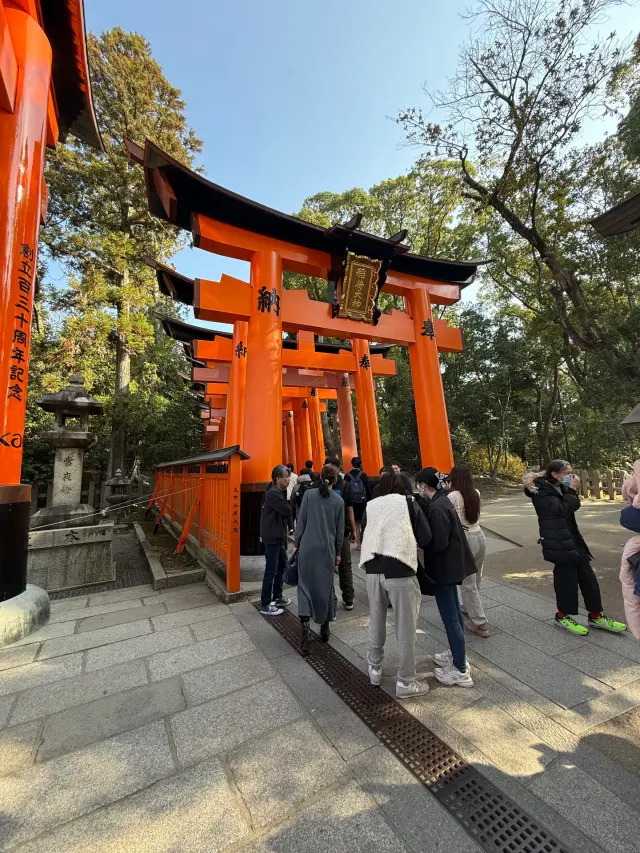
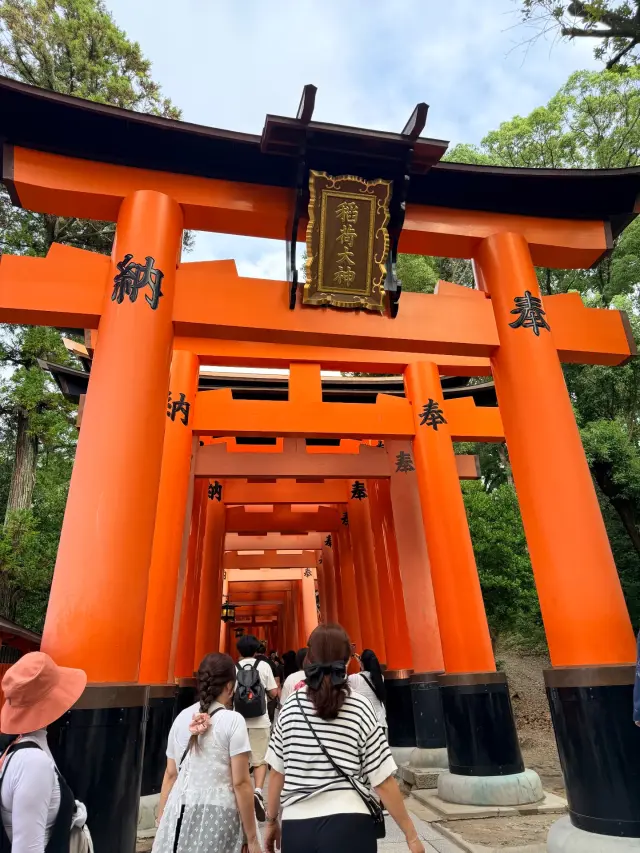
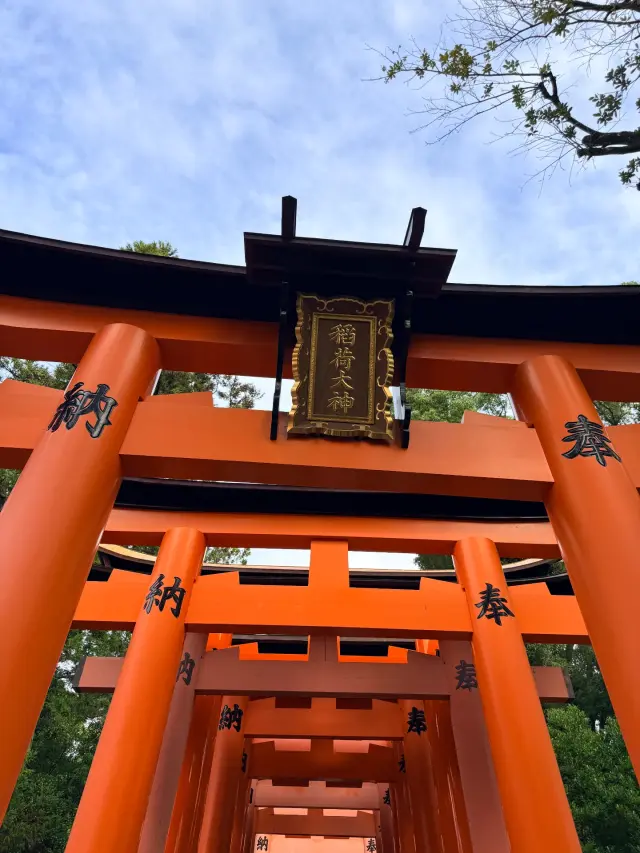
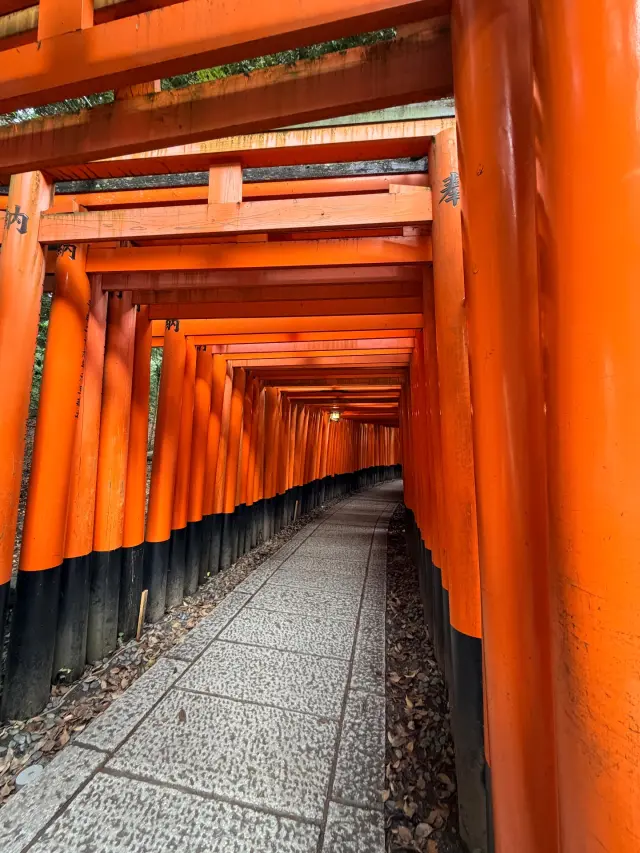
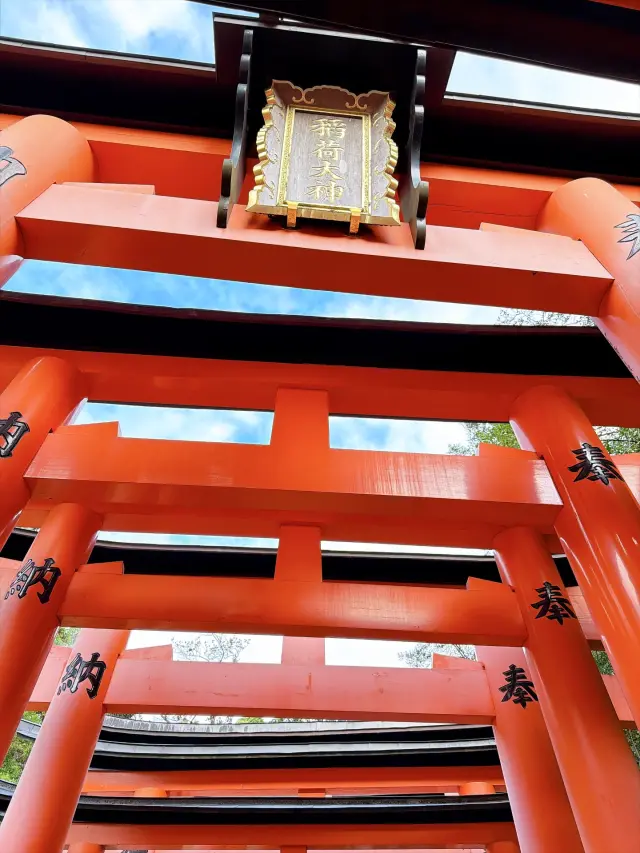
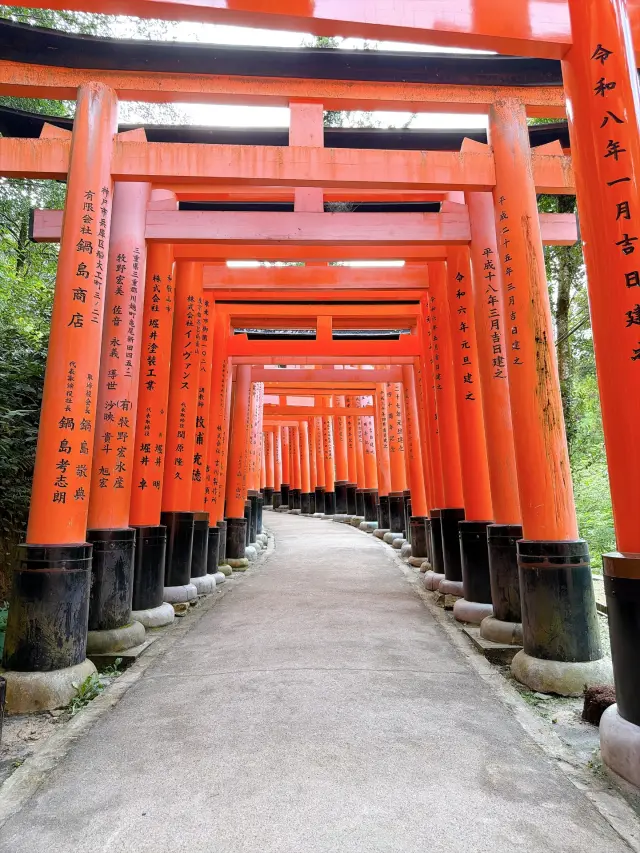
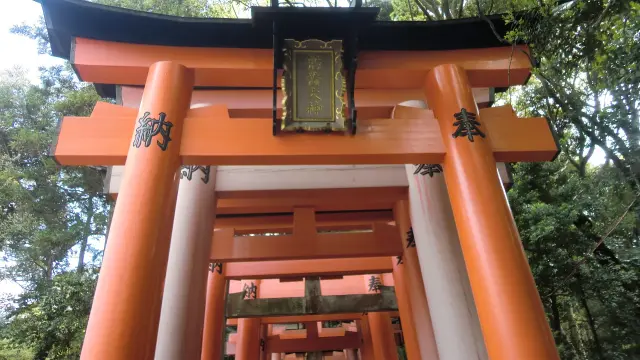
The shrine’s most iconic feature is, of course, the Senbon Torii. Rows of vermilion torii gates stretch all the way into the mountain, and actually walking through them is still very impressive. Once, I really did climb all the way up Mount Inari to the area around Ichinomine, near the summit. I have to say, the scenery on the mountain itself isn’t especially spectacular, but the atmosphere is completely different from below. At the bottom, there are still tourists, shops, and bustling crowds, but it gets quieter the higher you go. Eventually, all that’s left is the forest, torii gates, and small shrines, creating an even stronger sense of mystery.
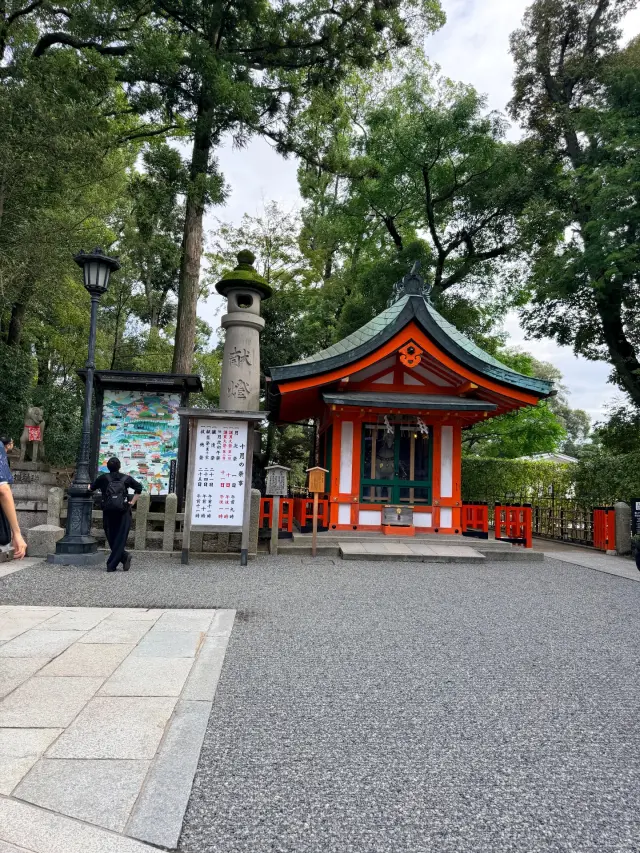
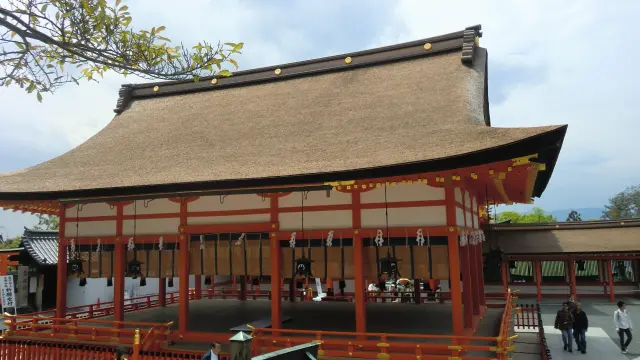
There’s also the famous “Omokaru Stone” next to the Okusha Hohaisho. First, make a wish in front of the stone lantern, then lift the round stone on top. If it feels lighter than you imagined, it means your wish is more likely to come true. If it feels heavier than expected, it means you may need to put in more effort. When I lifted it, all I could think was that it was pretty heavy. Apparently, the problem wasn’t the stone—my wish was just too heavy.
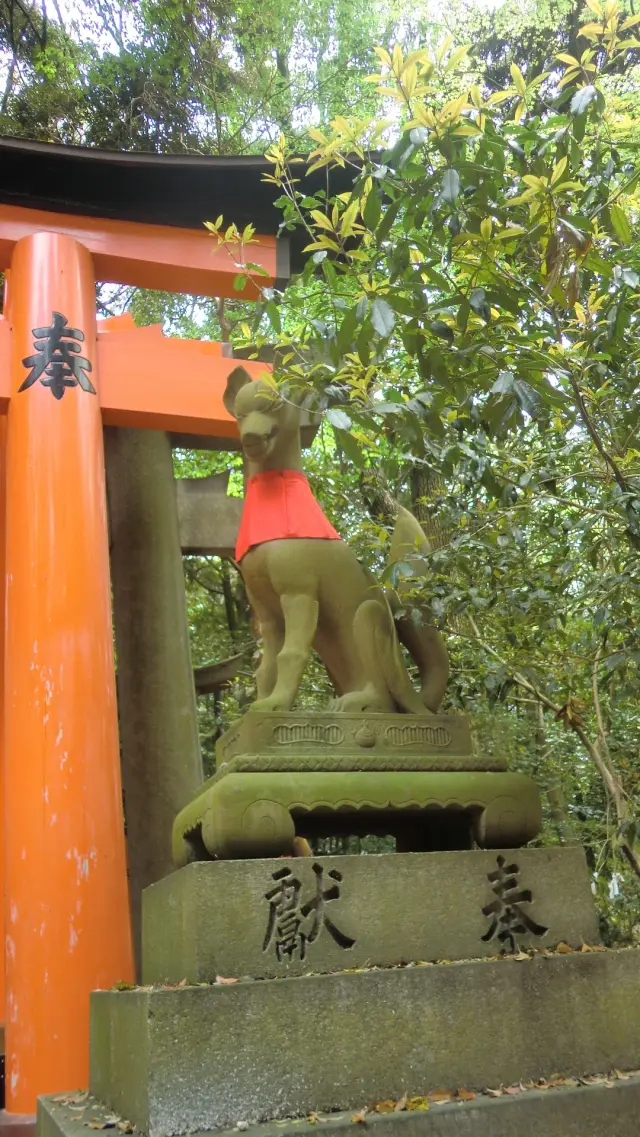
What truly makes Fushimi Inari Taisha special isn’t just the Senbon Torii itself, but also the fox messengers seen everywhere. If time and energy allow, I recommend not stopping at the first section of the Senbon Torii. Walk at least a little farther up, and you’ll see a completely different side of Fushimi Inari Taisha.




![[Fushimi Inari Taisha Visitor Guide] One of Kyoto’s Top Spiritual Spots, Famous for Its Endless Torii Gates](https://static.gltjp.com/glt/data/article/21000/20446/20231103_002420_2ca43a23_w640.webp)



![[Daigoji Temple Visitor Guide] A Famous Flower Spot Where You Can Experience Japan’s History, Culture, and Timeless Charm](https://static.gltjp.com/glt/data/article/21000/20561/20231222_100540_446dba78_w640.webp)


![[21 Popular Date Spots in Kyoto] Heart-Stirring Moments in a City Full of Charm](https://static.gltjp.com/glt/data/article/22000/21060/20250626_201054_40f9fabe_w640.webp)