• See More

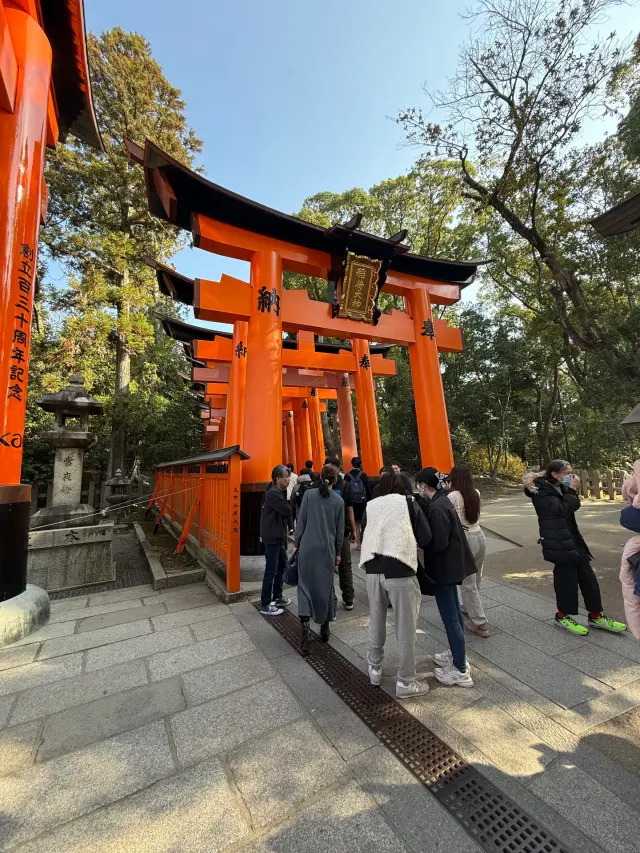
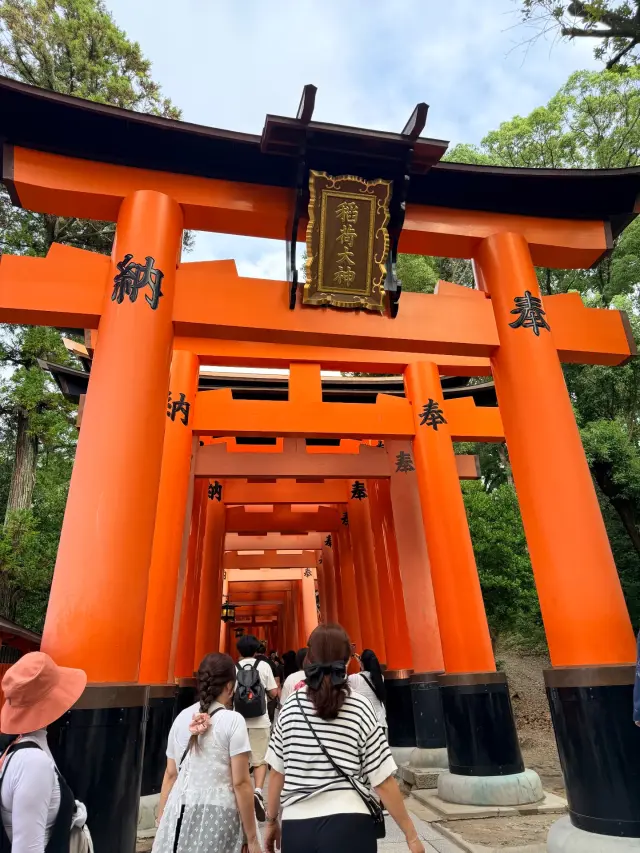
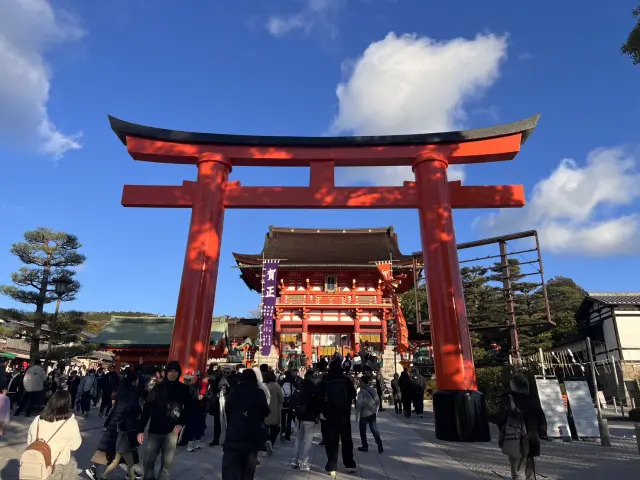
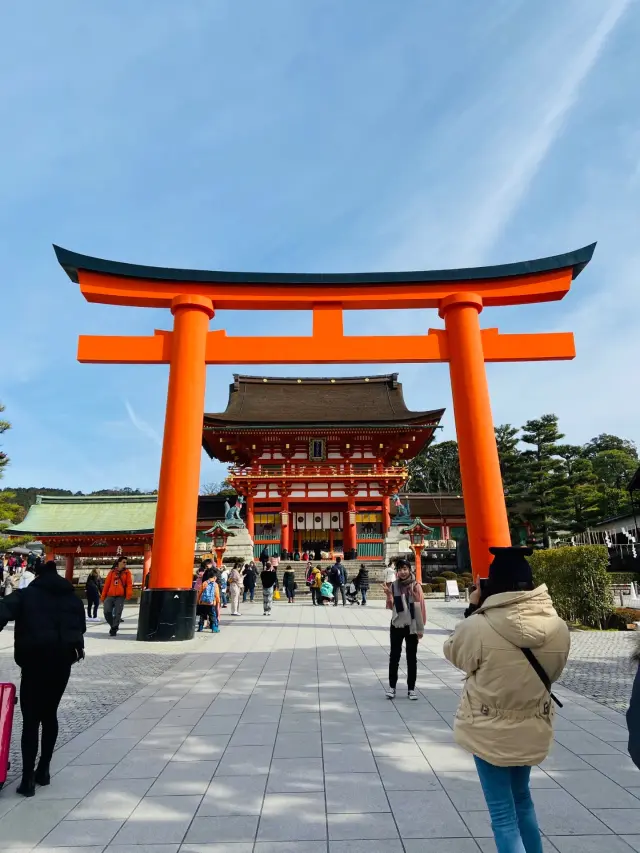
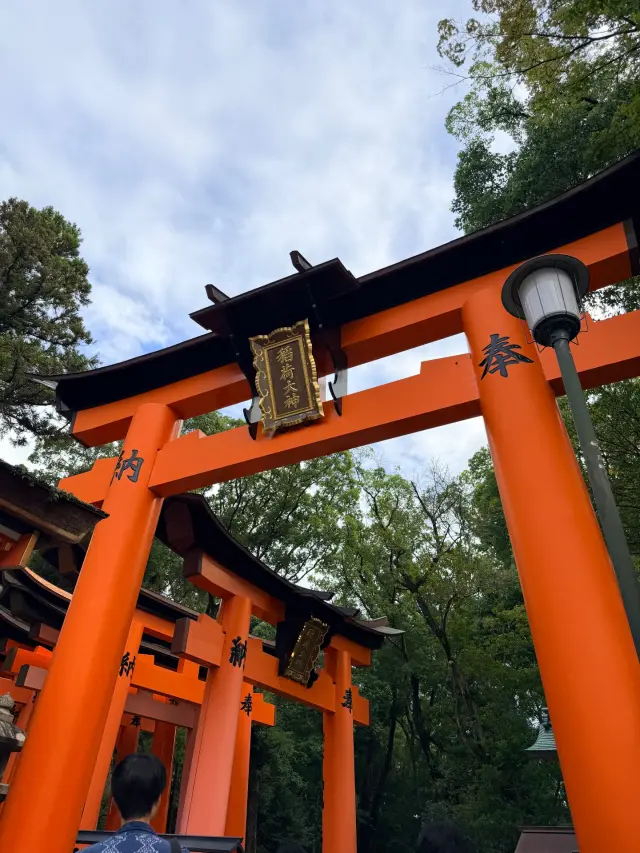
    At Fushimi Inari, there were just so many people that it was really hard to take a photo without anyone else in it 😂 Sometimes, just as I found a good angle, someone would step into the frame the next second. I took quite a few photos, but in the end, there were only a handful that I actually wanted to keep.

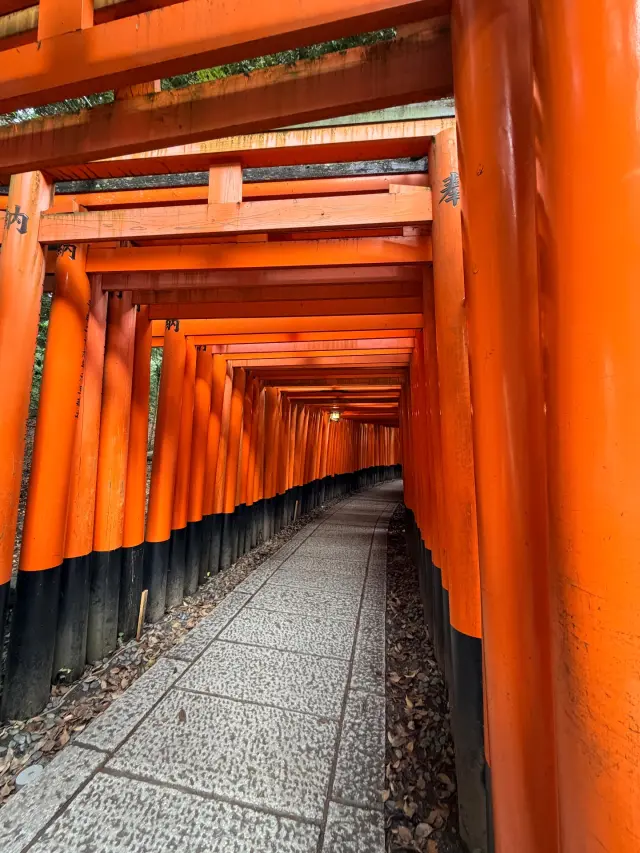
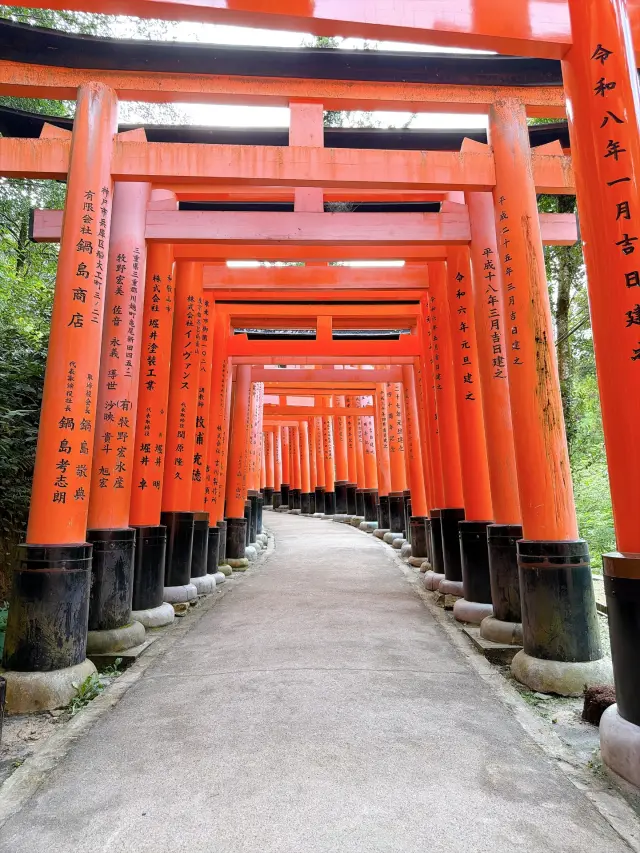
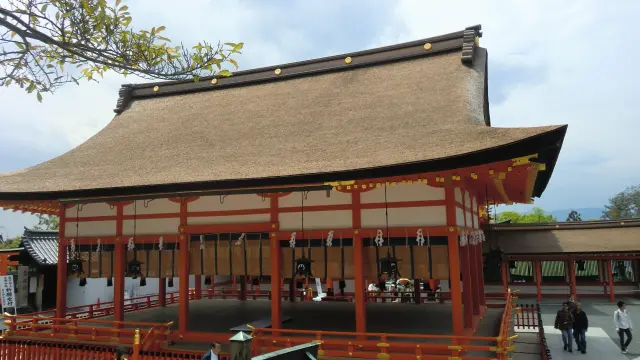
    Still, it was only after walking through it in person that I could truly appreciate the charm of Fushimi Inari. The vermilion torii gates form a long, continuous path stretching into the mountain, and the sight is truly spectacular. I walked slowly along the way. Although it was crowded and I got a little tired after walking for a while, passing between the torii gates still felt very special.

    Some places are hard to capture in photos, but seeing them in person can still be breathtaking. Especially when you turn around and look back at that vast stretch of torii gates, you can't help but stop for a little longer. Maybe that's what makes Fushimi Inari so appealing. Whether the photos turn out well isn't really that important. It's only after walking through and seeing it for yourself that you understand why this has always been such a popular attraction in Kyoto.
  • See More

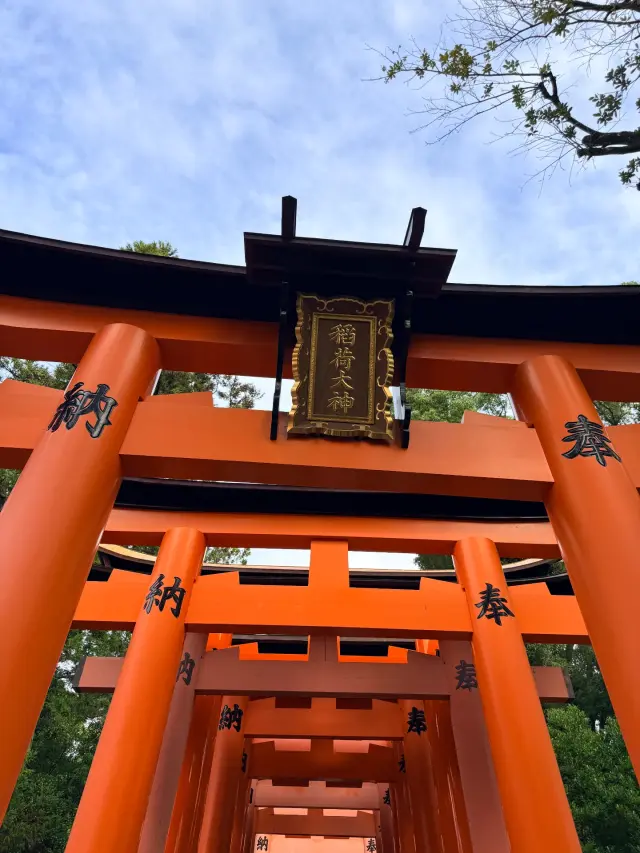
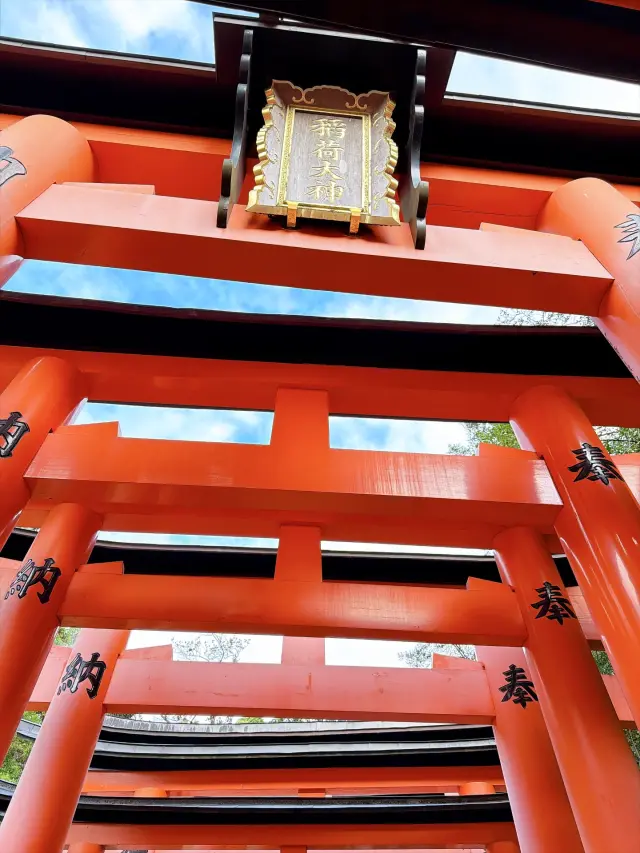
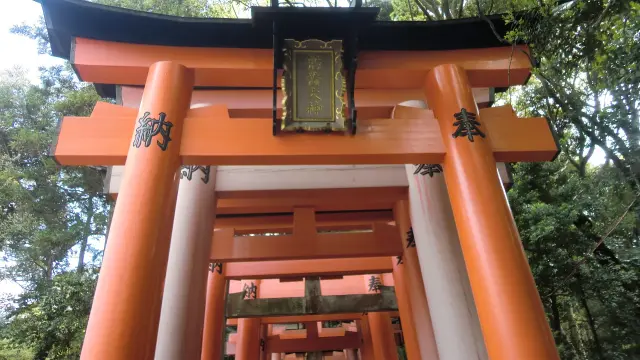
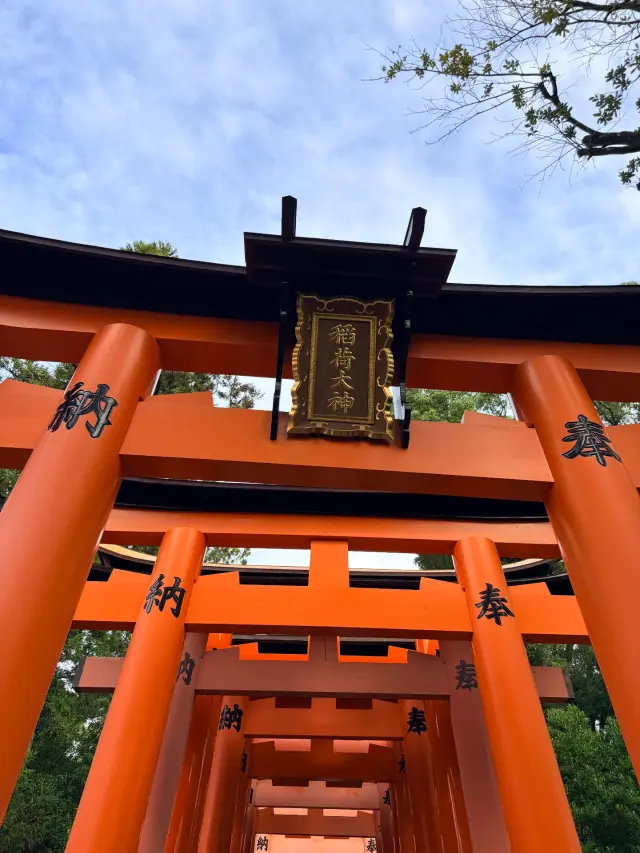
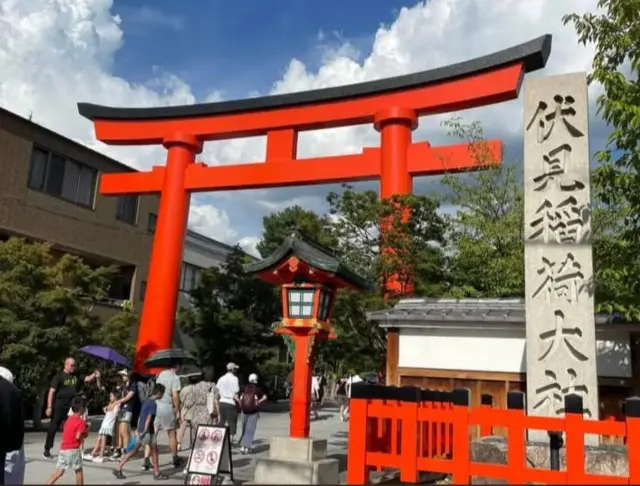
    When I came to Fushimi Inari Taisha in Kyoto, what I looked forward to most was seeing the famous “Senbon Torii” in person. As soon as you enter the shrine, you can see rows of bright red torii gates stretching into the mountain. The sheer number is astonishing, and actually walking through them is even more impressive than it looks in photos.

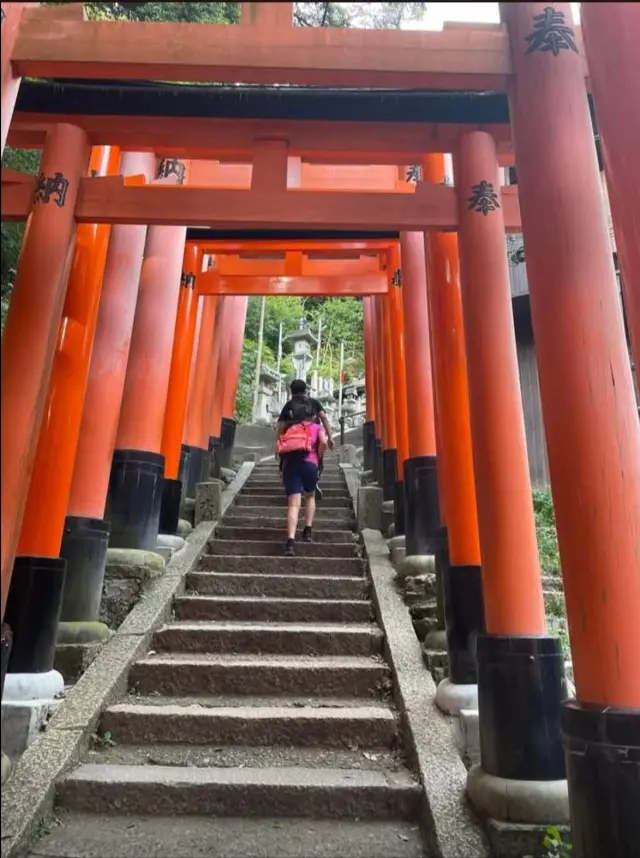
    As you follow the torii gates up the mountain, there are orange-red gates almost everywhere on both sides. Sunlight filters through the gaps, creating a mysterious and solemn feeling as you walk. Along the way, you’ll also see many fox-shaped ema plaques and amulets. Since foxes are regarded as messengers of the Inari deity, the entire shrine is filled with distinctive elements of Japanese culture.

    This isn’t just a place for taking photos. Once you enter the Senbon Torii, you can also feel the peaceful atmosphere of a traditional Kyoto shrine. Although the climb becomes more physically demanding as you go higher, the scenery keeps changing along the way, making the walk feel very worthwhile.

    Fushimi Inari Taisha is one of Kyoto’s most iconic attractions in my opinion, and the Senbon Torii is especially memorable. If it’s your first time in Kyoto, you should definitely walk through it yourself to truly experience the impressive sight of one torii gate after another stretching into the mountain forest.

  • See More

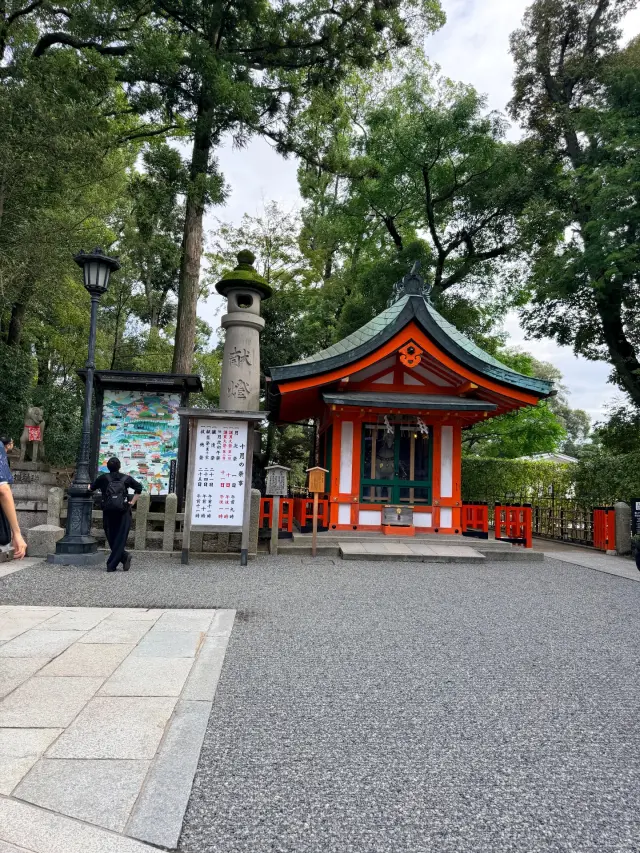
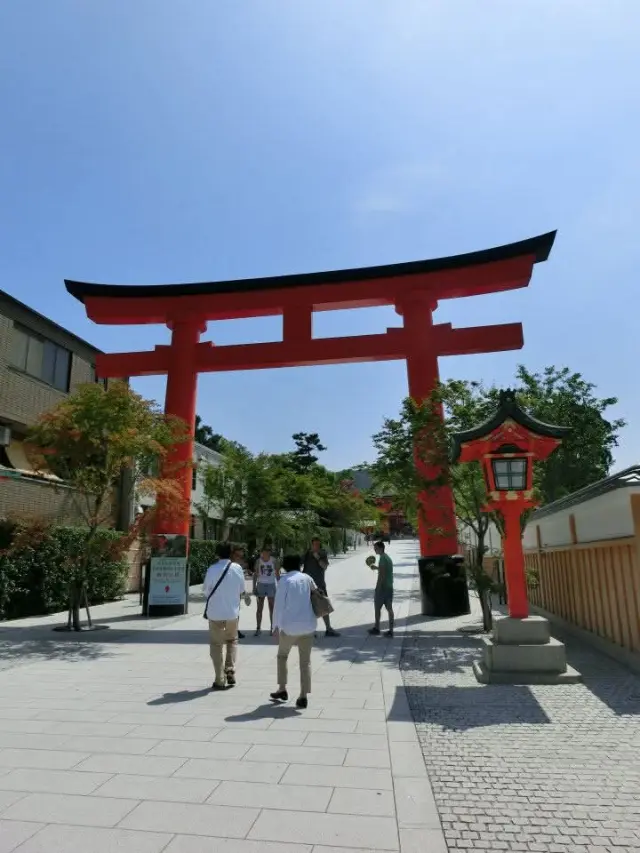
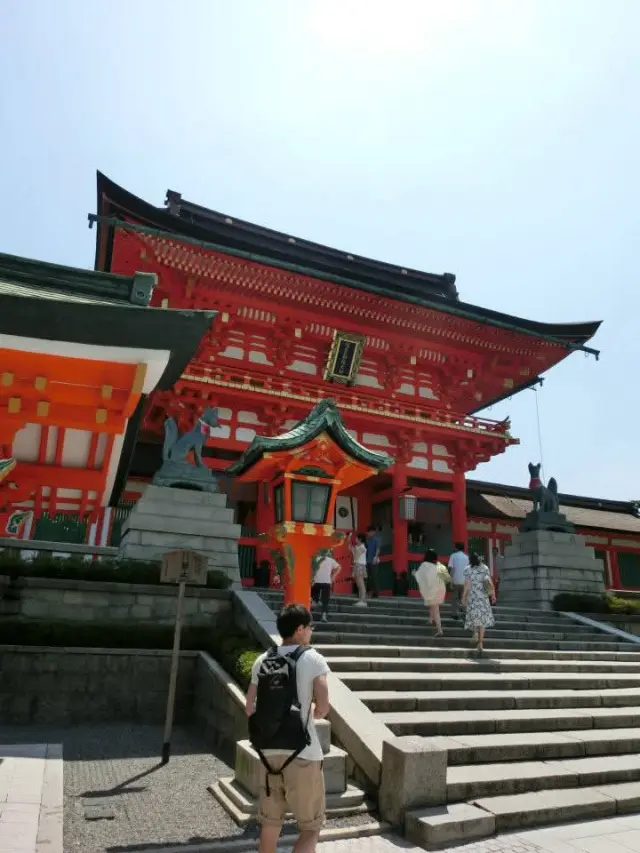
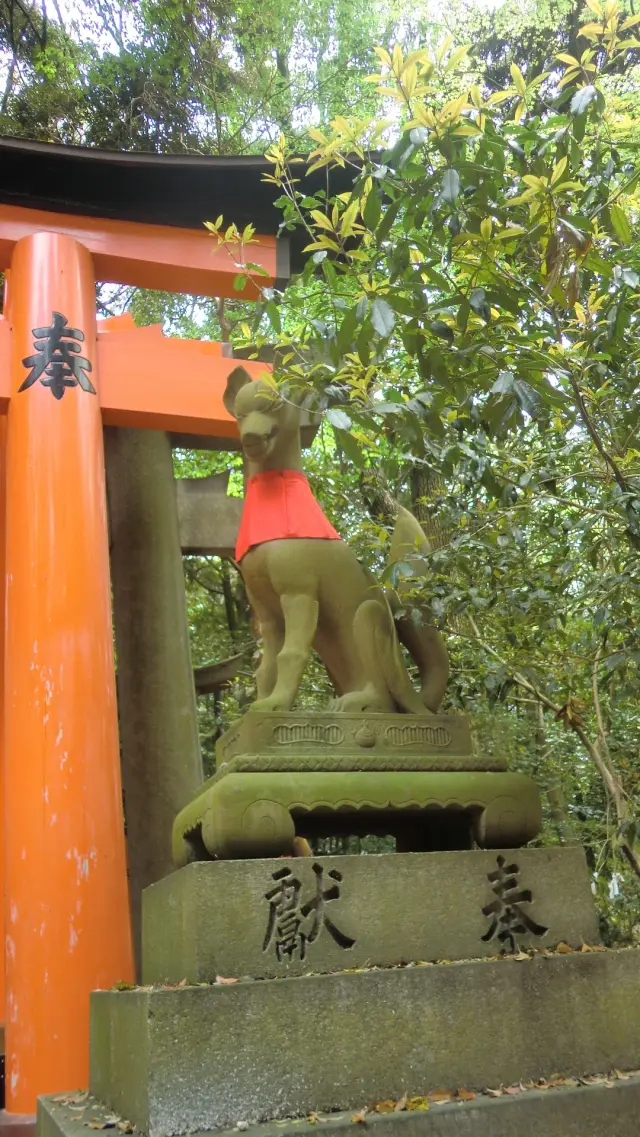
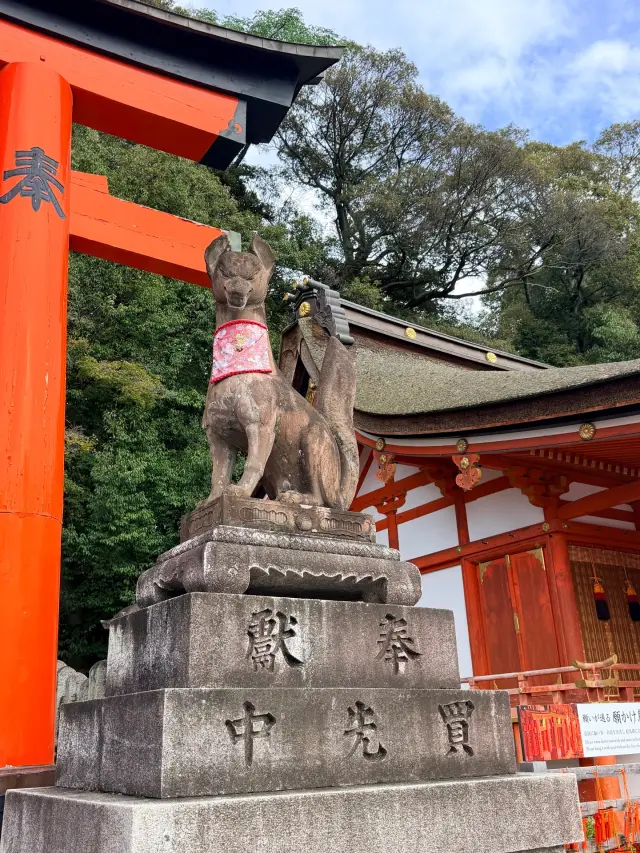
    Fushimi Inari Taisha in Kyoto is a classic attraction that many people consider a must-visit when they come to Kyoto. The shrine has a long history and primarily enshrines Inari Okami, who is associated with abundant harvests, thriving businesses, and prosperity. As you enter the shrine, you can see many stone fox statues along the way. Foxes are considered messengers of Inari Okami and seem to welcome worshippers at the entrance.

    The biggest draw is undoubtedly the famous Senbon Torii. One vermilion torii gate after another stretches along the mountain path, creating a very distinctive sight and making it a popular spot for photos. However, it does get very crowded, so if you want to worship and take photos at a leisurely pace, I recommend arriving early to avoid peak hours.

    After your visit, you can also browse the nearby shopping street. I still remember visiting last winter, when it was so cold that I just wanted to find somewhere to warm up. I went into a shop to enjoy the heat and ordered a piping-hot bowl of zenzai, sweet red bean soup with mochi. Its sweet, warm flavor was especially memorable.

  • See More

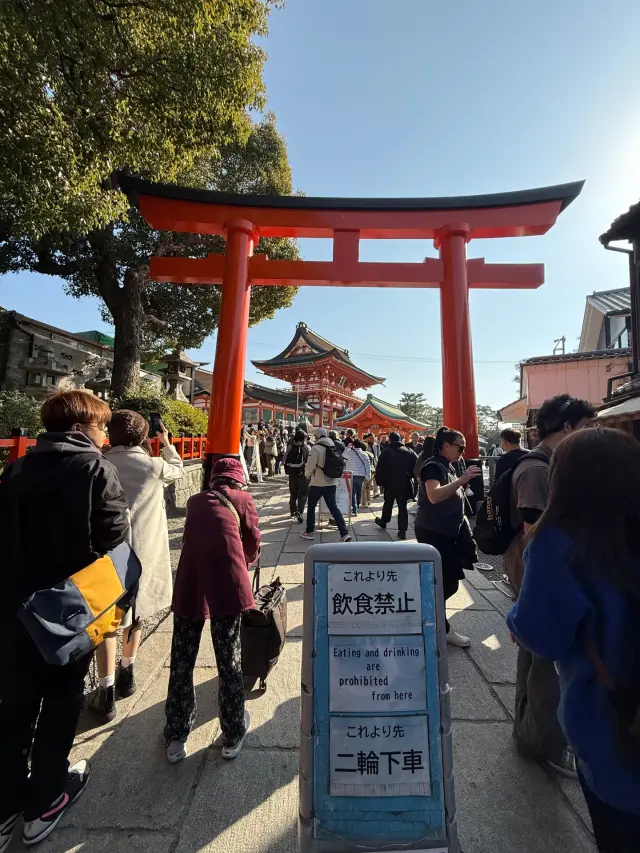
    Fushimi Inari Taisha really is one of Kyoto’s classic sights and is well worth visiting at least once. Probably because it’s so famous, the approach and shopping street at the foot of the mountain are almost always bustling. If you want a quieter visit, I highly recommend coming early, seeing the shrine and walking through the Senbon Torii first. By the time you come back down, the shops will be starting to open, so you can grab something to eat, recharge, and then continue with your next activity.
    The shrine’s most iconic feature is, of course, the Senbon Torii. Rows of vermilion torii gates stretch all the way into the mountain, and actually walking through them is still very impressive. Once, I really did climb all the way up Mount Inari to the area around Ichinomine, near the summit. I have to say, the scenery on the mountain itself isn’t especially spectacular, but the atmosphere is completely different from below. At the bottom, there are still tourists, shops, and bustling crowds, but it gets quieter the higher you go. Eventually, all that’s left is the forest, torii gates, and small shrines, creating an even stronger sense of mystery.
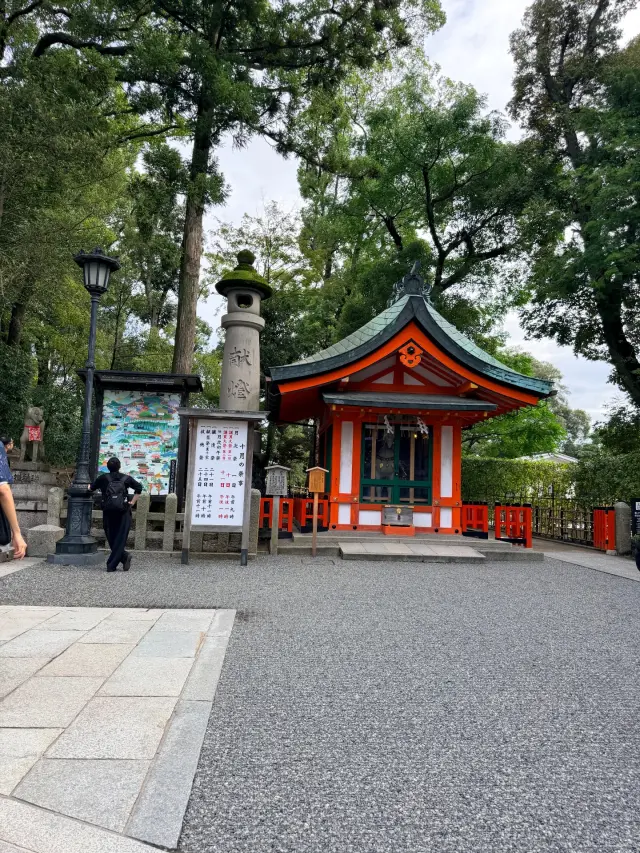
    There’s also the famous “Omokaru Stone” next to the Okusha Hohaisho. First, make a wish in front of the stone lantern, then lift the round stone on top. If it feels lighter than you imagined, it means your wish is more likely to come true. If it feels heavier than expected, it means you may need to put in more effort. When I lifted it, all I could think was that it was pretty heavy. Apparently, the problem wasn’t the stone—my wish was just too heavy.
    What truly makes Fushimi Inari Taisha special isn’t just the Senbon Torii itself, but also the fox messengers seen everywhere. If time and energy allow, I recommend not stopping at the first section of the Senbon Torii. Walk at least a little farther up, and you’ll see a completely different side of Fushimi Inari Taisha.

  • See More

    After 10 years, I returned to this classic must-visit spot in Kyoto.
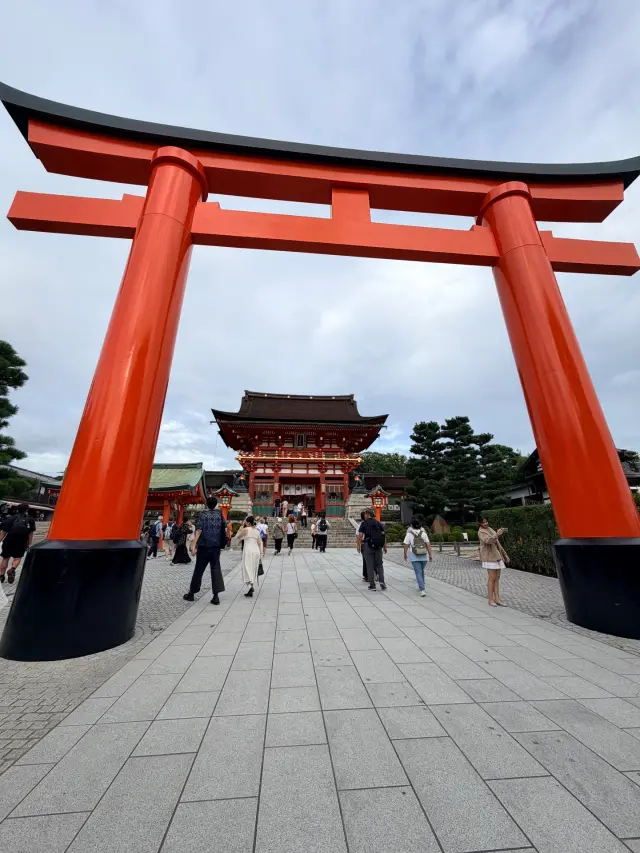
    Although it was already close to evening when I arrived, there was still a steady stream of people, and it was very lively!
    Getting a good photo of the torii gates really comes down to being quick and precise—you have to catch that brief moment when there are the fewest people and quickly press the shutter.
    Unfortunately, I had other plans afterward, so I couldn't follow the torii gates all the way up this time. I look forward to trying next time!

  • See More

    The shrine is famous for its “Senbon Torii,” made up of thousands of vermilion torii gates. They wind through Mount Inari, creating a spectacular and mysterious trail that attracts countless visitors who come to worship and take photos. The grounds also feature many stone fox statues symbolizing the messengers of the god Inari, adding a strong cultural character. Walking along the mountain paths, you can not only enjoy the beautiful natural scenery but also experience the peaceful and solemn atmosphere. Whether you’re praying for career success and financial prosperity or looking to immerse yourself in Japanese shrine culture, Fushimi Inari Taisha offers unforgettable travel memories and is a classic Kyoto attraction that shouldn’t be missed.

  • See More

    A classic Kyoto attraction! The long rows of Senbon Torii stretching all the way up the mountain are really unique.

  • See More

    The hike to the top is a bit tiring, but you get an amazing view of Kyoto city. Totally worth it!

  • See More

    The endless rows of torii gates stretching up the mountain are truly impressive. It definitely lived up to my expectations.

  • See More

    I arrived at Fushimi Inari Taisha in the evening and was surprised to see so many visitors. Since it was already dark, I didn't go further up.

Hokkaido Tohoku Kanto Chubu Hokuriku Kansai Chugoku Shikoku Kyushu Okinawa