Kamogawa (Kyoto)

Verified [Verified] denotes information that has been published with confirmation of its owing parties.

Kamogawa (Kyoto)

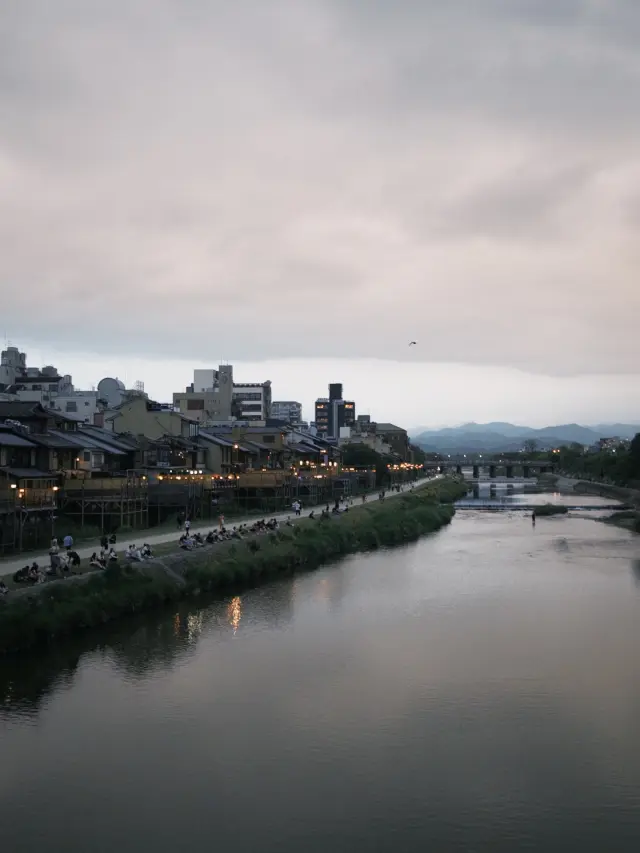
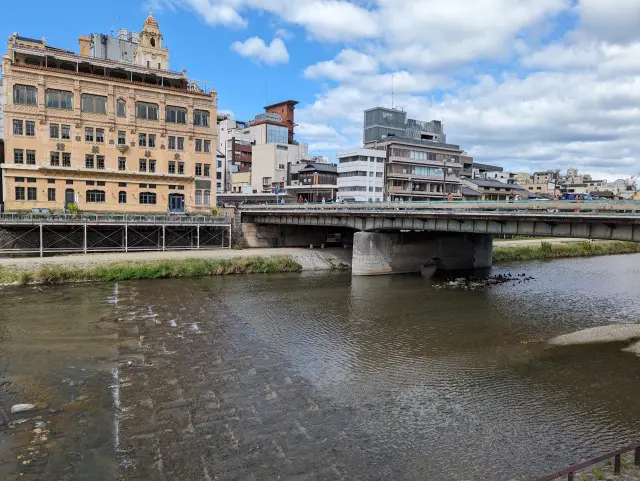
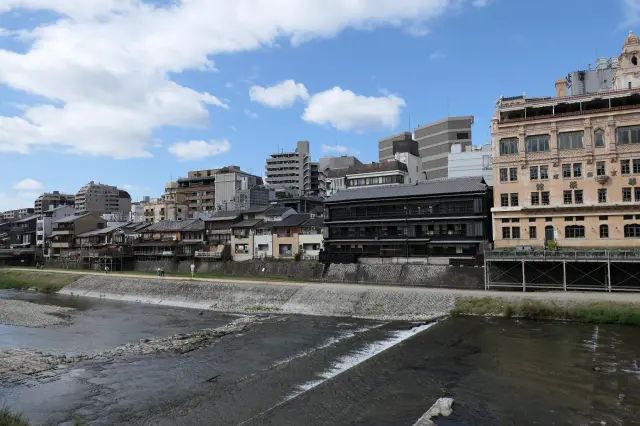
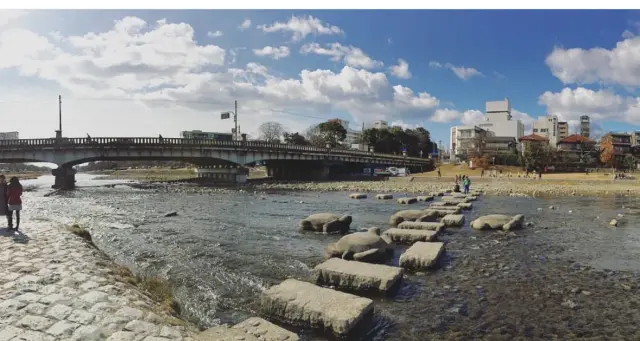
The townscape on either side of the river is the scenery symbolizes Kyoto.

4.42 6

Last update :
Supervised by :  Kyoto Prefecture

Kamogawa has its head in Mt. Sajikigatake, runs through Kyoto north to south, and merges into Katsura River in Toba. Near Shijo, there is downtown such as Gion on the east side and Kawaramachi on the west, the main commercial area representing Kyoto.

The riverside is the relaxing spot for the residents. For the name’s sake (Kamo=duck, Gawa=river), there are mallard, spot-billed and pintail ducks of course, as well as wild birds such as herons and cormorants. In the middle of populated city, it is rare to see a river teaming with wildlife.

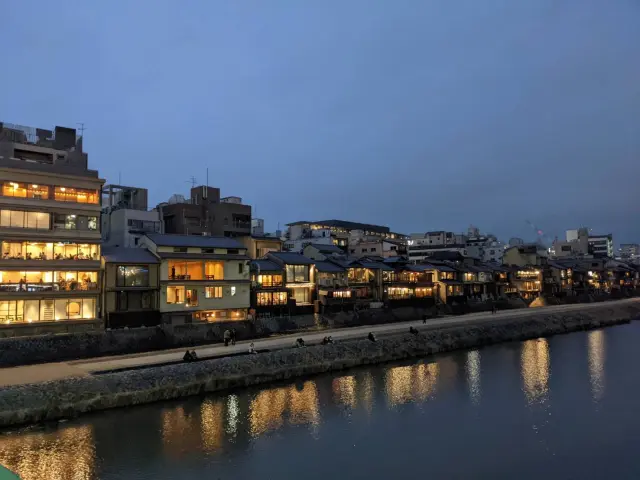
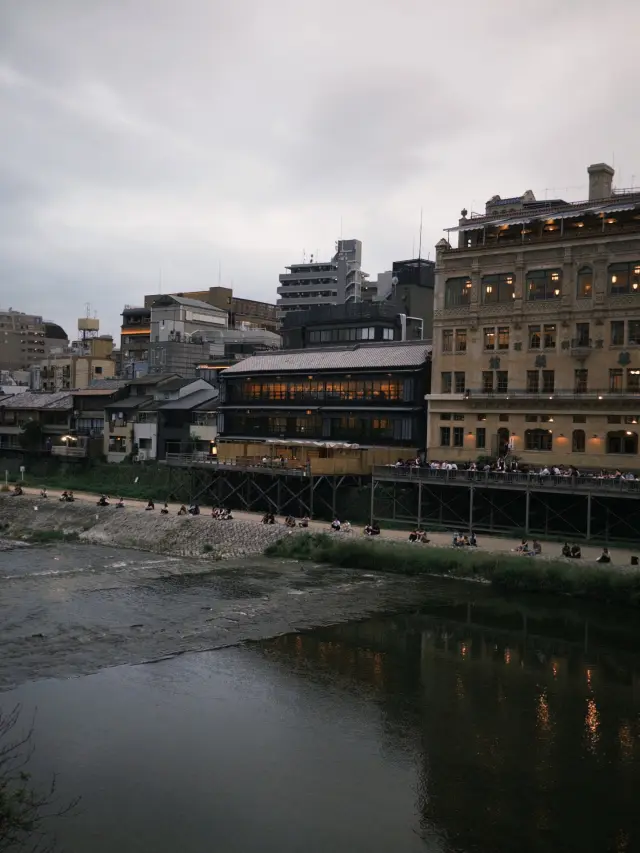
Around Nijo through Gojo along the west bank of Kamo River, Noryo-Yuka is set up from May to September. They are generally called “Yuka,” which traces back to early Edo Period. You can enjoy meals and drinks in the cool breeze. Popular restaurants always have a long list of reservations. Although they are mostly open in the evening when the temperatures come down, they do business in day time during cooler May, June and September.

Highlights

  • You get to see a variety of wild birds in the middle of a city.
  • Kamogawa Park in Demachiyanagi is a relaxing spot for residents, called Kamogawa Delta. Walking from here toward Shijo area can be fun.
  • From Sanjo Ohashi Bridge to Shichijo Ohashi Bridge is called the Flower Hallway, amazing during the cherry blossom season. (east side of Kamo River)
  • Noryo-Yuka basically does not cancel reservation even when it rains. Make sure to call them ahead.

Photos

  • Fall foliage along Kamo River banks
©Kyoto Media Support Center

    Fall foliage along Kamo River banks ©Kyoto Media Support Center

  • Kamogawa Delta near Demachiyanagi Station 
©Kyoto Media Support Center

    Kamogawa Delta near Demachiyanagi Station ©Kyoto Media Support Center

  • Noryo-Yuka is set up in summer along Kamo River 
©Kyoto Media Support Center

    Noryo-Yuka is set up in summer along Kamo River ©Kyoto Media Support Center

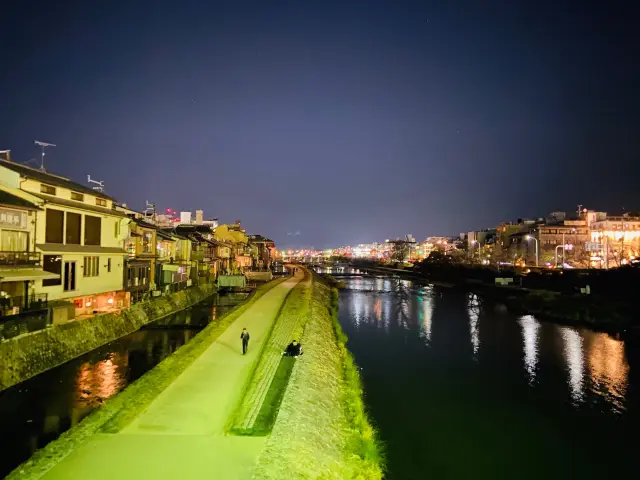
  • Evenings bring out visitors seeking cool air 
©Tratto Brain

    Evenings bring out visitors seeking cool air ©Tratto Brain

  • In the early August tradition “Tanabata in Kyo,” chime lanterns are lit on the riversides
©Tratto Brain

    In the early August tradition “Tanabata in Kyo,” chime lanterns are lit on the riversides ©Tratto Brain

Reviews

6

Some reviews are AI-translated.

  • See More

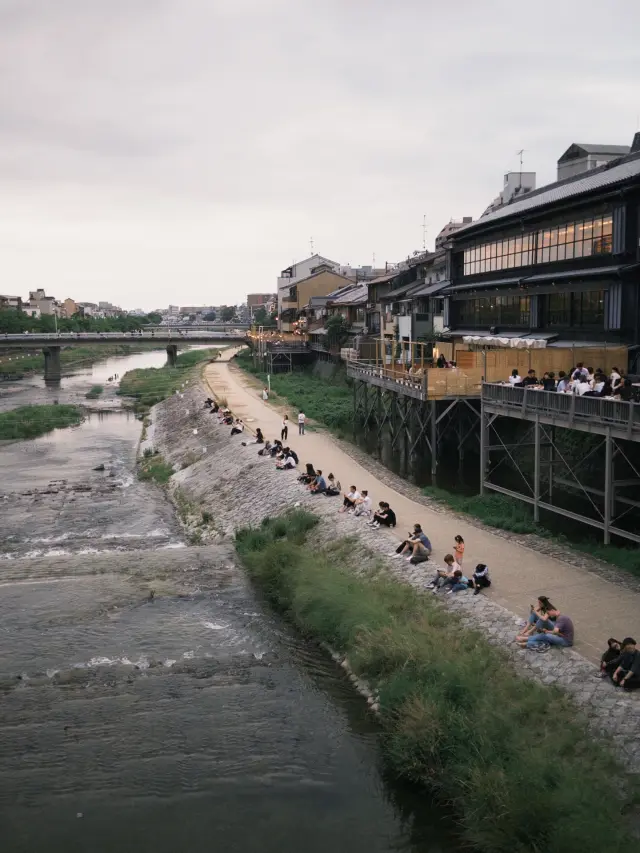
    I took a walk to the area near Shijo Ohashi Bridge on the Kamogawa River and went down the steps. The famous “evenly spaced seating” was right in front of me. Couples, students out for a walk—everyone really seemed to have an unspoken agreement to sit at just the right distance from each other.

    The weather was perfect, so I joined in too. I originally planned to stay for just 10 minutes, but with the gentle breeze, chatting with my friend and zoning out while looking at the river, I ended up sitting there for half an hour. It became the most relaxing and memorable part of my trip to Kyoto.

  • See More

    If you come to Kyoto’s Kamogawa River, you have to try the super popular “turtle hopping” experience!
    Near the Kamogawa Delta, just a few minutes from Demachiyanagi Station, the stream is crystal clear. Huge stones are lined up neatly across the river. Besides the regular square stepping stones, the cutest ones are carved in the shapes of turtles and plovers.
    Spreading your arms out and hopping step by step across the big turtle stones, with the cool river breeze in your face and the sound of flowing water below, is seriously so much fun and a great way to cool off. Lots of locals sit along the riverbank to relax, picnic, and watch people hop across the river. Whether you’re an adult or a kid, the moment you step onto these adorable turtle stones, your mood instantly gets better. It’s one of the most relaxing and local-feeling little experiences you can have in Kyoto!

  • See More

    Next to Sanjo Ohashi on the Kamogawa, there’s a traditional specialty shop called Naito Shoten that has been operating since 1818.

    It has 200 years of history and sells palm scrubbers, brooms, and brushes.
    Someone in our group had recommended it before.

    I stopped by today to buy a pot brush for my mom.
    The owner was super nice.
    She even explained things in English.
    They also gave me a Gion Festival postcard today.

    After shopping, you can grab a coffee at Ogawa Coffee on the corner.

  • See More

    Both sides of the Kamo River are lined with park areas. Kyoto summers are hot, so lots of kids come here to play in the water. The stepping stones in the riverbed are a really fun touch.

  • See More

    This river is so clear, and it's really a symbol of Kyoto.

Details

Name in Japanese
鴨川
Postal Code
606-0801
Address
Shimogamomiyakawacho, Sakyo-ku, Kyoto City, Kyoto
Hours
Walk anytime
Directions
Keihan Main Line and Oto Line run along Kamo River’s east bank. Convenient to get off at Shichijo, Kiyomizu-Gojo, Gion-Shijo, Sanjo, Jingu-Marutamachi, and Demachiyanagi Stations.
Official Website
Kyoto Prefecture (Japanese)
Kyoto Kamogawa Noryo-Yuka Union (Japanese)