

Enjoy Every Highlight to the Full! A Sightseeing Guide to Kyoto’s Kamo River
Kamo River is one of Kyoto’s most iconic landscapes.
The surrounding area is dotted with popular sightseeing spots such as shrines and temples, as well as some of Kyoto’s busiest downtown districts, so many visitors include Kamo River in their Kyoto itinerary.
If you do not look into its charms and highlights in advance, your visit may end with just casually taking in the scenery.
If you are going to visit Kamo River, you will want to fully enjoy what makes it special.
This article focuses on the charms and features of Kamo River, while also introducing ways to enjoy it and nearby sightseeing spots, so use it as a guide.
What is Kamo River Like?
Kamo River is a river that runs north to south through Kyoto City for about 23 km.
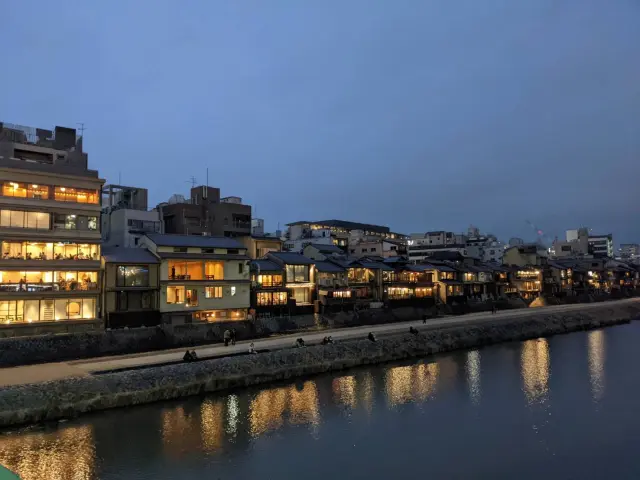
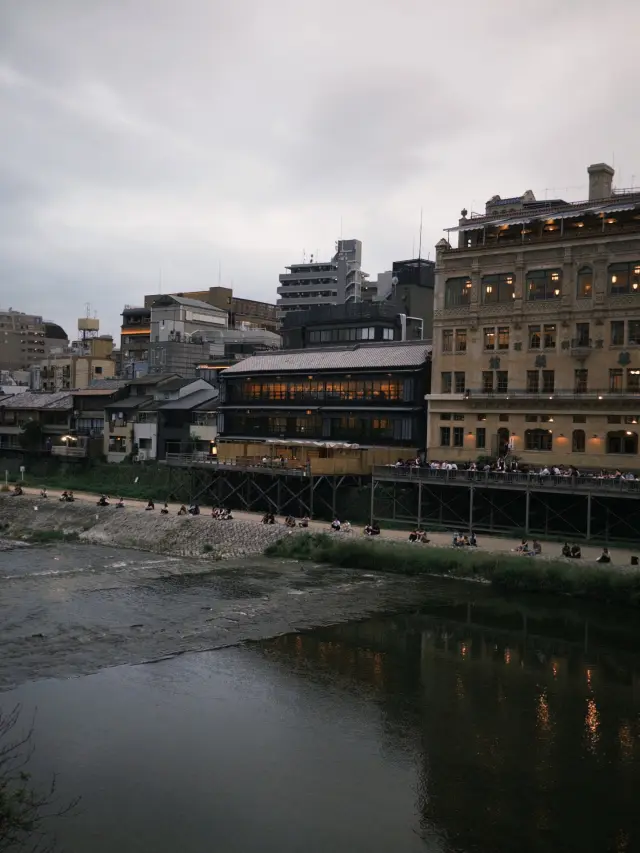
The area around Shijo is considered central Kyoto, as it lies between Gion and Kawaramachi, two of the city’s leading entertainment districts, and offers one of Kyoto’s most iconic cityscapes.
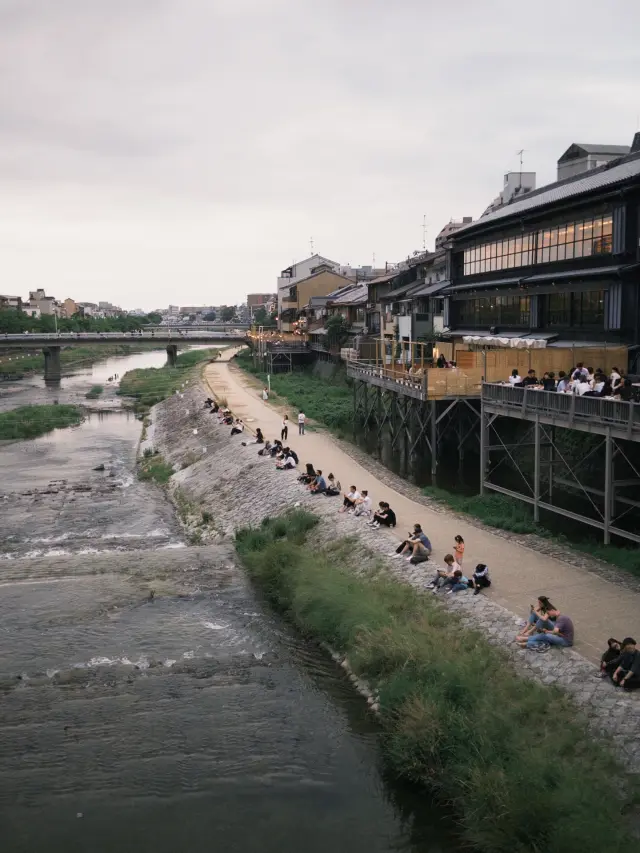
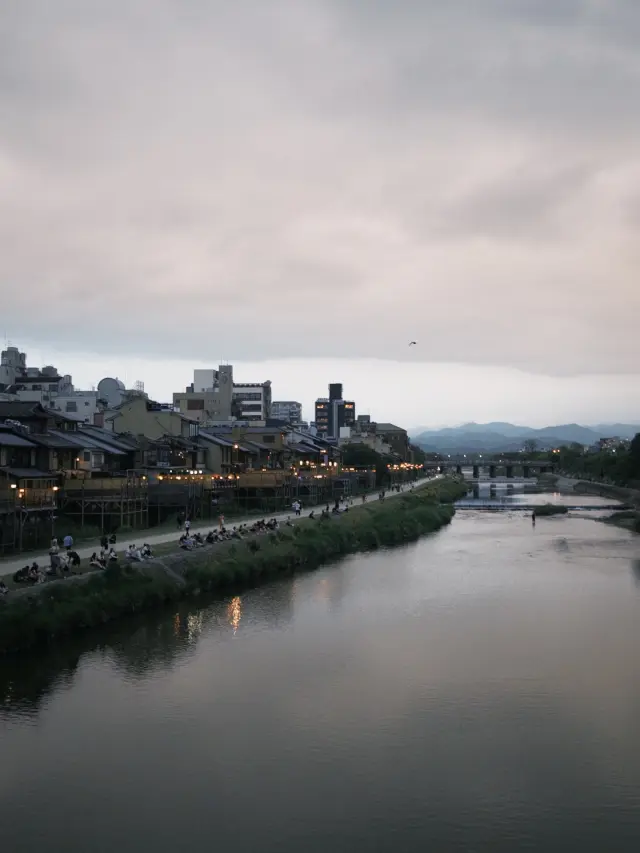
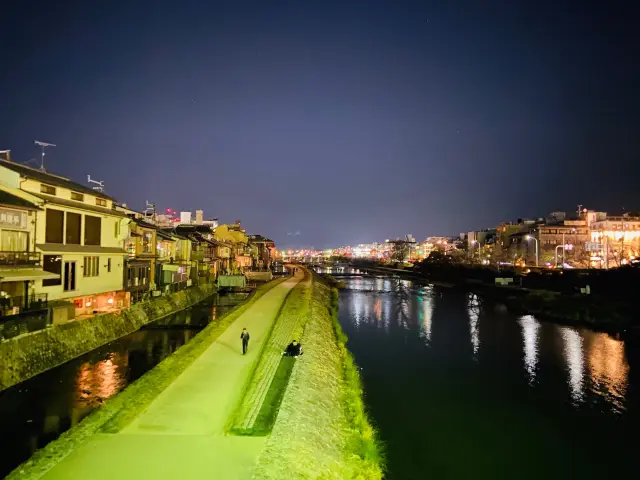
You can enjoy a walk while listening to the gentle sound of the river and taking in seasonal scenery, or relax on a bench by the water, making it a place of rest not only for tourists but also for locals.
It has also been used as a filming location and setting for movies, TV dramas, and anime, and many people visit the Kamo River stepping stones for commemorative photos.
The Kamo River Noryo-yuka is another highlight. The rows of riverside dining platforms built out over the river create a scene full of Kyoto charm.
There are also many shrines, temples, and sightseeing spots nearby beyond the downtown area, so you can make the Kamo River your main sightseeing route.


Access to Kamo River
Here is how to get to Kamo River starting from JR Kyoto Station, a major transportation hub for sightseeing in Kyoto.
Since Kamo River covers a wide area, this guide uses Kamogawa Delta as the destination.
This triangular sandbar lies at the confluence of the Kamo River and Takano River and is an unmissable spot when visiting the Kamo River area.
If you are not sure where to start, head to Kamogawa Delta first.
- Route
-
1. Take a bus from Kyoto Station, then get off at Demachiyanagi-ekimae bus stop.
2. It is a short walk from Demachiyanagi-ekimae. - Travel time
- Approx. 40 minutes
What Is the Best Season to Visit Kamo River?
Kamo River offers beautiful scenery in every season.
It is lovely year-round, but spring and fall are especially recommended.
Cherry blossoms color the area in spring, while autumn leaves create beautiful scenery in fall.


3 Ways to Fully Enjoy Kamo River to the Fullest
One of the charms of Kamo River is that you can spend a calm, relaxing time while soaking up Kyoto’s unique atmosphere.
Take a walk at your own pace and enjoy the beauty of Japan’s four seasons.
From here, we will introduce ways to make the most of the many highlights Kamo River has to offer.
1. Enjoy the Beautiful Scenery of Kamogawa Delta, a Relaxing Spot for Locals
Kamogawa Delta is located at the confluence of the Kamo River and Takano River in Sakyo Ward, Kyoto City.
It is a triangular sandbar named after its shape, which resembles the Greek letter delta.
Filled with rich nature, it is beloved as a place where locals come to relax.
Kamogawa Delta is also well known as a filming location for movies and TV dramas, and many people visit for commemorative photos.
It is a perfect place to rest after walking and enjoy the scenery.

2. Perfect for Photos! The Uniquely Shaped Stepping Stones of Kamo River
Several sets of stepping stones are placed along Kamo River, and they are one of its well-known features.
The most famous stepping stones are at the Kamogawa Delta mentioned above.
A little north of Nijo Ohashi Bridge, you will find stepping stones shaped like plovers and small boats, while near Kojin Bridge there are stepping stones modeled after turtles.
They are more than just a way to cross the river, and reflect a playful spirit that turns them into unique attractions.
The stepping stones of Kamo River have also appeared in movie locations and anime works produced by Kyoto Animation, making them a kind of pilgrimage spot for fans.
They are one of Kamo River’s famous sights, so it is worth taking a commemorative photo.

3. Experience Kamo River Noryo-yuka, a Summer Tradition
Kamo River Noryo-yuka, open from May to the end of October, is a seasonal tradition of summer along the Kamo River.
During this period, the riverbanks take on a charming atmosphere and become one of Kyoto’s representative seasonal sights.
Noryo-yuka are dining platforms built out over the river, where you can enjoy the breeze and views close to the water while dining. Depending on the area, they are also called kawadoko.
In the past, it was common to eat traditional kaiseki cuisine on tatami seating, but today more places offer table seating and a wide variety of food including Italian cuisine.
It is a one-of-a-kind experience, so be sure to try noryo-yuka for yourself.


7 Sightseeing Spots Around Kamo River
The area around Kamo River is home to many of Kyoto’s famous must-visit sightseeing spots, as well as entertainment districts and main streets where you can experience Kyoto-style streetscapes and culture.
Enjoy a walk along the Kamo River while exploring these nearby attractions.
1. Shimogamo Shrine (Kamomioya Shrine)
Because it is located downstream along the Kamo River that flows through Kyoto City, it is affectionately known as “Shimogamo-san” or “Shimogamo Shrine.”
The main hall, made up of two buildings standing east and west, is designated a National Treasure, and the shrine is one of the oldest in Kyoto. It was also registered as a UNESCO World Heritage Site in 1994.
It is Approx. 1 km from the entrance to the main hall. Before reaching it, you will pass through the lush Tadasu no Mori forest, where nearly 600 trees estimated to be 200 to 600 years old create a sacred atmosphere.

2. Nishiki Market
Nishiki Market is located on Nishikikoji Street, just north of Shijo Street, Kyoto’s main street.
Known as “Kyoto’s Kitchen,” this arcade street stretches for Approx. 390 m from east to west and is lined with about 130 shops on both sides.
Inside, you will find so many Kyoto specialties that it is hard to choose, including soy milk donuts, fresh fu manju, tempura fish cakes, and yuba cream croquettes.

3. Yasaka Shrine
This is the head shrine of Approx. 2,300 related shrines across Japan, including Yasaka shrines and shrines that enshrine Susanoo-no-Mikoto.
Its origins are said to date back to 656, when the deity of Mt. Gozu in the ancient kingdom of Silla was enshrined here.
It was long revered under the names Gion Kanshin-in and Gion-sha, and locals still affectionately call it “Gion-san.”
The spacious grounds are dotted with auxiliary shrines and highlights.
Standing at the eastern end of Shijo Street, one of Kyoto City’s most prominent avenues, the West Gate is an iconic structure of the Higashiyama area and is designated an Important Cultural Property of Japan.

4. Pontocho Street
Pontocho Street runs north to south between the Kamo River and Takase River, and was originally a sandbank in the Kamo River.
When the Takase River was dug in the early Edo period and connected to Fushimi, the area began to prosper as a logistics hub. By the late Edo period it had become an entertainment district, and in the Meiji era, performances of “Kamogawa Odori” were held to promote it outwardly, firmly establishing its status as a geisha district.
The street is lined with restaurants set in former okiya and ochaya buildings, and with many kinds of dining options, it is easy to choose a place that suits the occasion.
Held every year from May 1 to 24, “Kamogawa Odori” takes place at the Pontocho Kaburenjo Theater, where you can watch elegant dances by maiko up close.

5. Hanamikoji Street
Hanamikoji Street is Gion’s main street, running north to south from Sanjo to Kennin-ji Temple.
Despite the word “koji,” meaning alley, it is a fairly wide street lined with shops and lively with many visitors.
The area south of Shijo Street in particular retains the traditional atmosphere of an old tea-house district.
At the corner of Shijo Street and Hanamikoji Street stands Ichiriki-tei, a prestigious tea house used by many notable figures and also appearing in the kabuki play Kanadehon Chushingura.
From here to Kennin-ji Temple, the street is lined with tea houses, traditional restaurants, cafes, and restaurants, and farther on stands the Gion Kobu Kaburenjo Theater, where the Miyako Odori is performed.


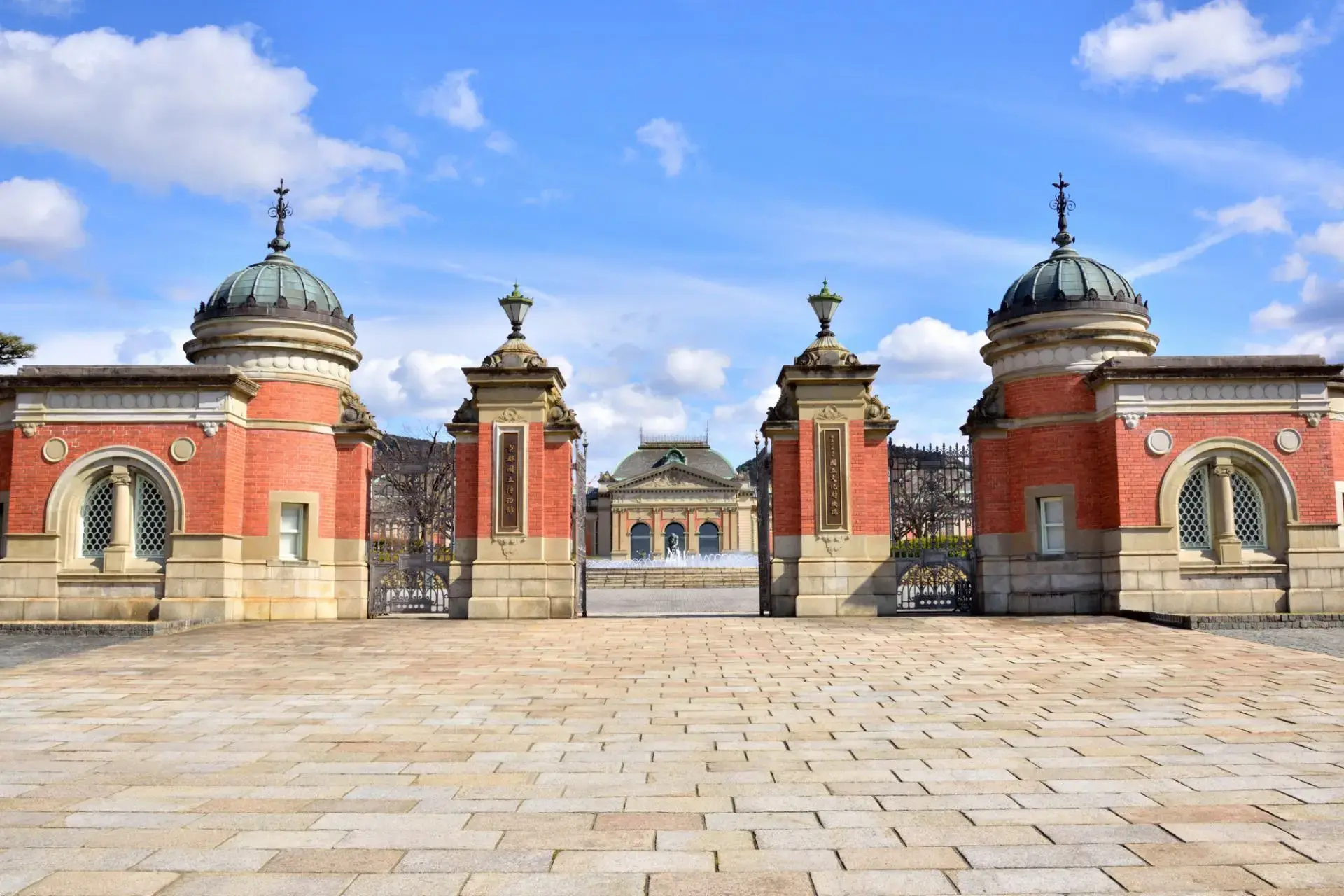
6. Kyoto National Museum
Kyoto National Museum, located in Higashiyama Ward, Kyoto City, preserves and passes on traditional culture.
The Heisei Chishinkan Wing displays a wide range of artworks, including paintings, sculptures, textiles, Buddhist paintings, lacquerware, metalwork, and picture scrolls.
There is also a sukiya-style tea house, where you can get a glimpse of aristocratic culture from the Edo period.
The museum also hosts lectures on cultural property restoration, archaeology, rituals, and sutra copying, allowing visitors to learn about Japan’s traditional culture while having fun.

7. Toji Temple (Kyo-o-gokoku-ji Temple)
This temple was built together with Saiji Temple two years after the capital was moved to Heian-kyo in 794.
Saiji fell into ruin by the end of the Heian period, but Toji’s buildings, though destroyed by fire many times, were repeatedly rebuilt.
Its Kondo Hall, rebuilt by Toyotomi Hideyori, and its five-story pagoda, rebuilt by Tokugawa Iemitsu, still remain, and both are designated National Treasures.
This central area, centered on the Kondo and Kodo halls, requires an admission fee. The Kodo Hall directly ahead of the entrance was rebuilt in the Muromachi period, and inside are 21 Buddhist statues, including National Treasures and Important Cultural Properties made from the Heian through Edo periods, arranged to form a mandala.


Reviews
Some reviews are AI-translated.
-
The Kamogawa River is definitely one of Kyoto's most iconic sights. You can see it as you walk across Shijo Bridge. During the day, it's a great place to stroll along the riverbank, sit by the water, enjoy the breeze, and experience Kyoto's relaxed way of life. Summer is even more special, when riverside restaurants set up “noryo-yuka” platforms where guests can dine above the river while enjoying the cool breeze. This tradition is said to date back to the Edo period. It originally began as a way for people to escape the summer heat and gradually became a signature part of Kyoto's summer dining culture. At night, the bridges and lights along the river are reflected on the water, creating a different kind of romantic view. I love the beautiful summer scenery along the Kamogawa River the most.
-
-
Kyoto's Kamogawa River is a great place to slow down.
We strolled along the riverbank, watching the gently flowing water. We didn't have anything special planned, but we naturally found ourselves slowing down.
The kids watched the little fish in the river along the way, and then unexpectedly spotted an otter. It became the most delightful surprise of our walk. 🦦 -
-
Kyoto’s Kamogawa River is a beautiful, relaxing spot and a favorite place for visitors to walk and unwind. On my first visit, the gently flowing water, well-maintained riverside paths, and distant mountain views gave me a sense of Kyoto’s unique tranquility and elegance.
As you stroll along the river, you can see locals sitting by the water chatting or reading, while visitors enjoy the scenery. The whole area has a wonderfully laid-back atmosphere. In spring, cherry blossoms bloom along both banks, and their reflections on the water create a romantic view. Even simply sitting quietly by the river brings a sense of happiness and peace.
-


FAQ about Kamo River
Q
What is the difference between Kamogawa and Kamo River?
There is no strict definition, but in general, the section upstream from the confluence with the Takano River is called Kamogawa, while the downstream section is called Kamo River.
Q
When is Kamo River Noryo-yuka open?
It is open from May 1 to the end of October.
Summary
This article has introduced the charms of Kamo River, along with ways to enjoy it.
Another of its appeals is that while enjoying seasonal scenery and the gentle sound of the river, you can also go a little farther to reach sightseeing spots such as shrines and temples, along with Kyoto’s representative entertainment districts and main streets.
If you visit in summer, be sure to experience Kamo River Noryo-yuka as well.
To fully enjoy Kyoto’s scenery and atmosphere, make sure to visit Kamo River.
The article below introduces classic sightseeing spots in Kyoto, so be sure to check that as well.