





Gion Travel Guide: Discover Japanese Aesthetics and Tradition in One of Kyoto’s Top Entertainment Districts
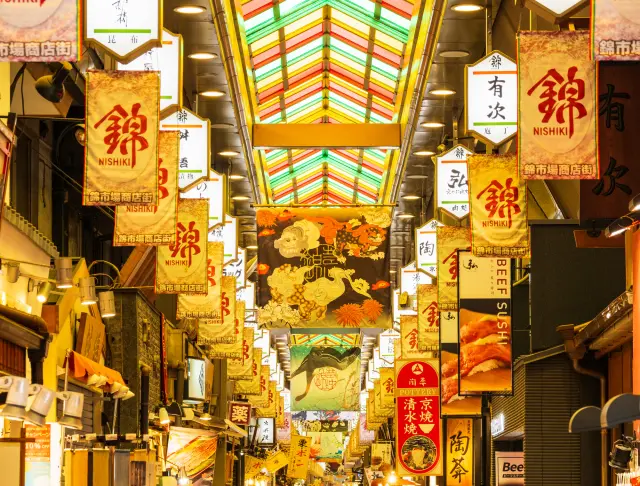
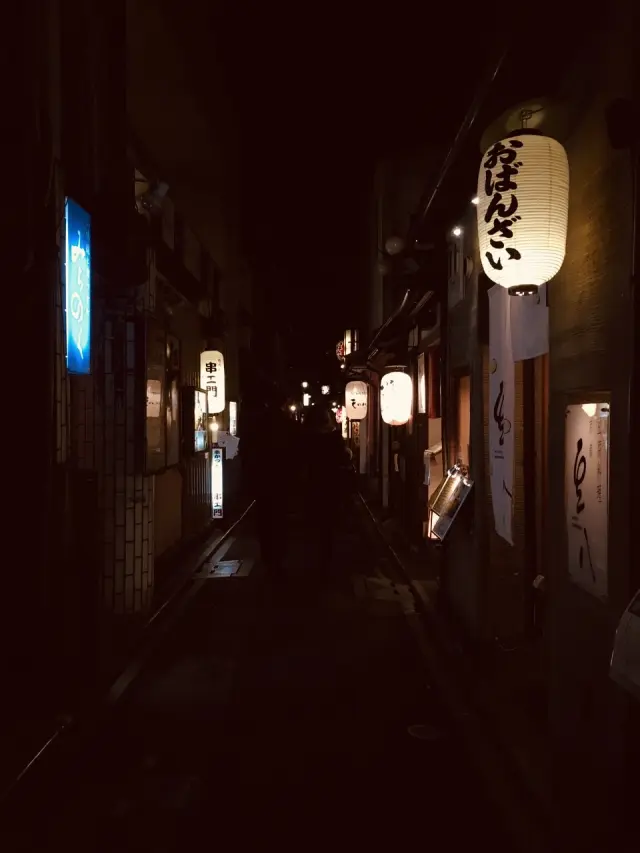
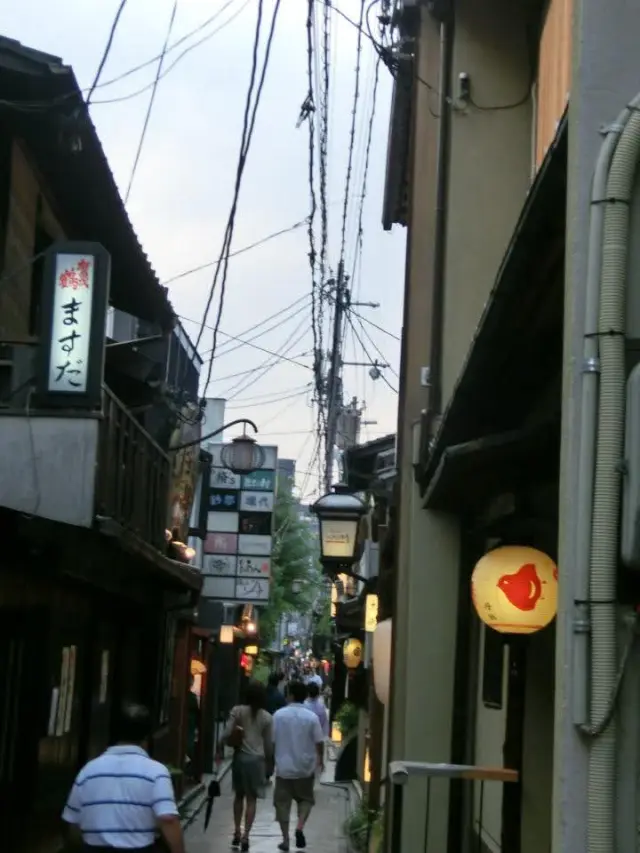
Gion is one of Japan’s most renowned sightseeing districts, known for its beautifully preserved traditional streetscapes. Step into the area and you’ll be surrounded by the timeless scenery of old Kyoto, making you feel as though you’ve traveled back in time. This guide explores Gion’s history, unique appeal, and the many ways to experience the district, while highlighting its must-see attractions. We’ll also introduce popular sightseeing destinations, recommended places to shop, and accommodations in the area.