


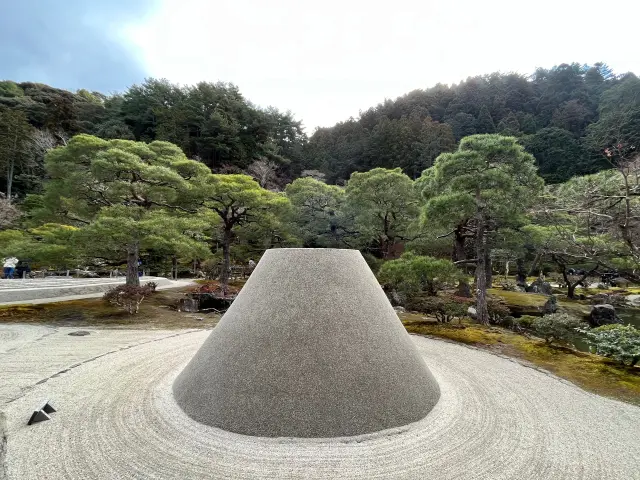
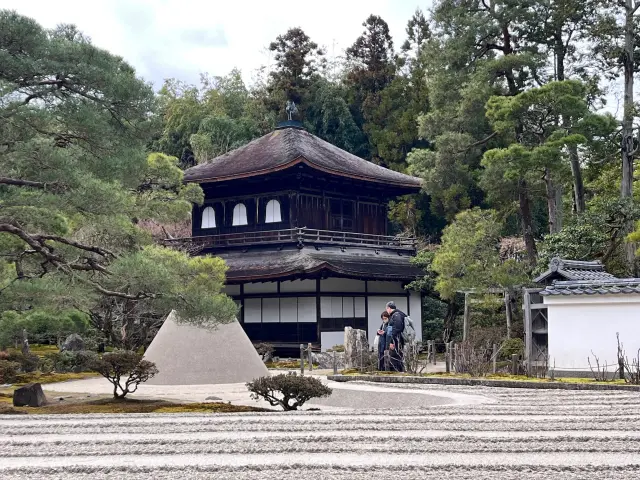
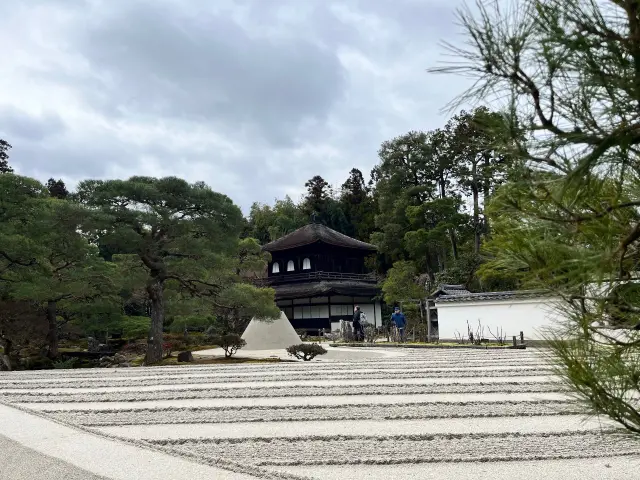
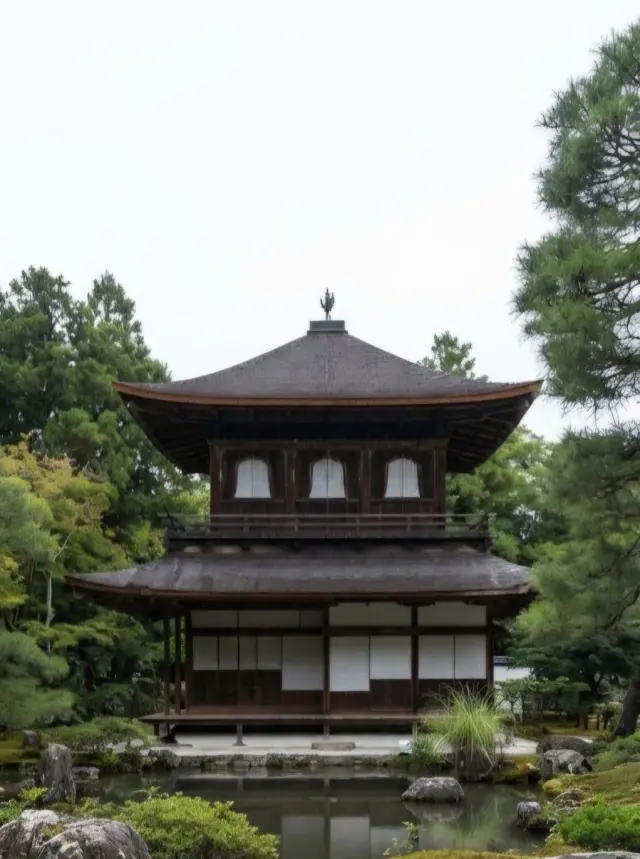
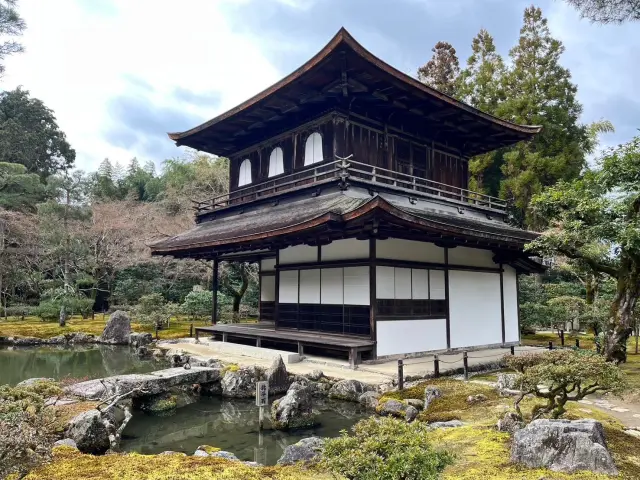
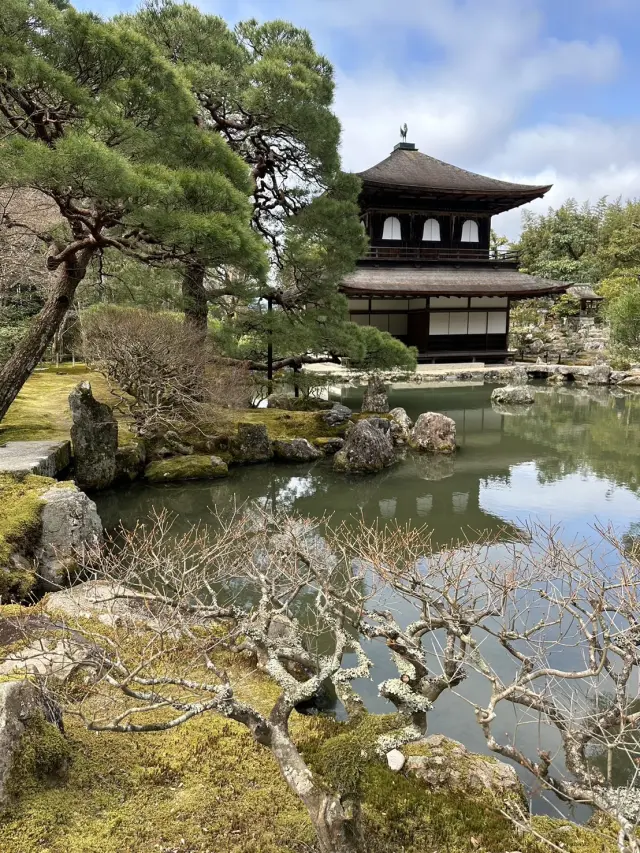
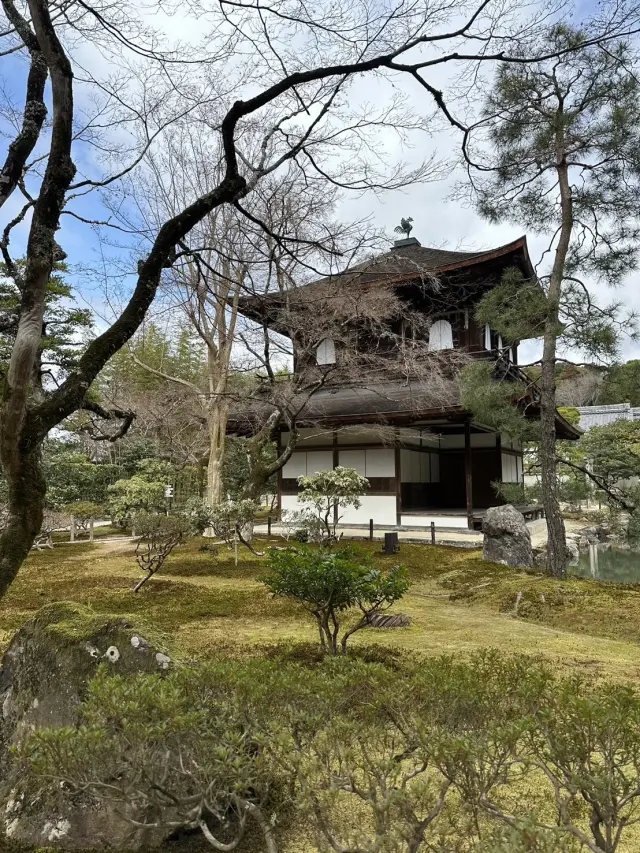
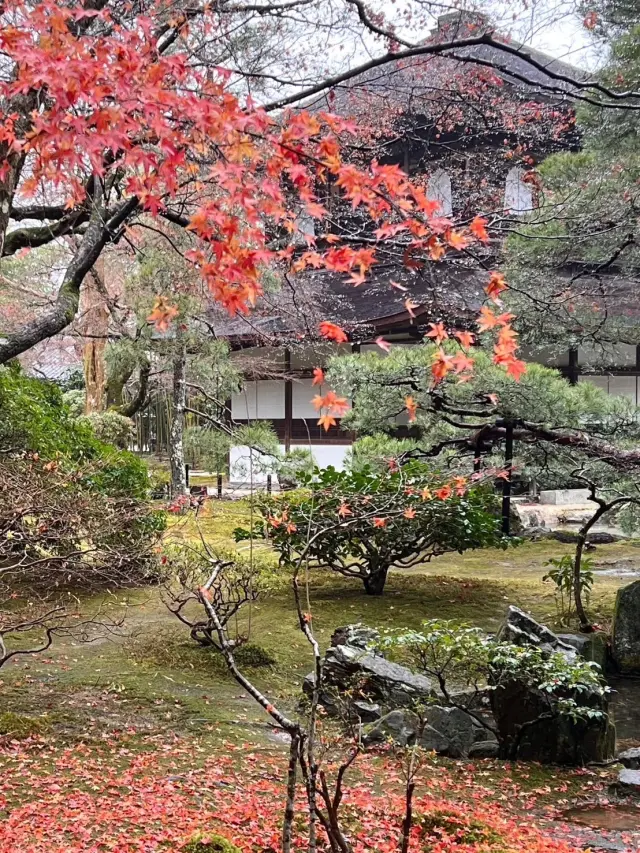
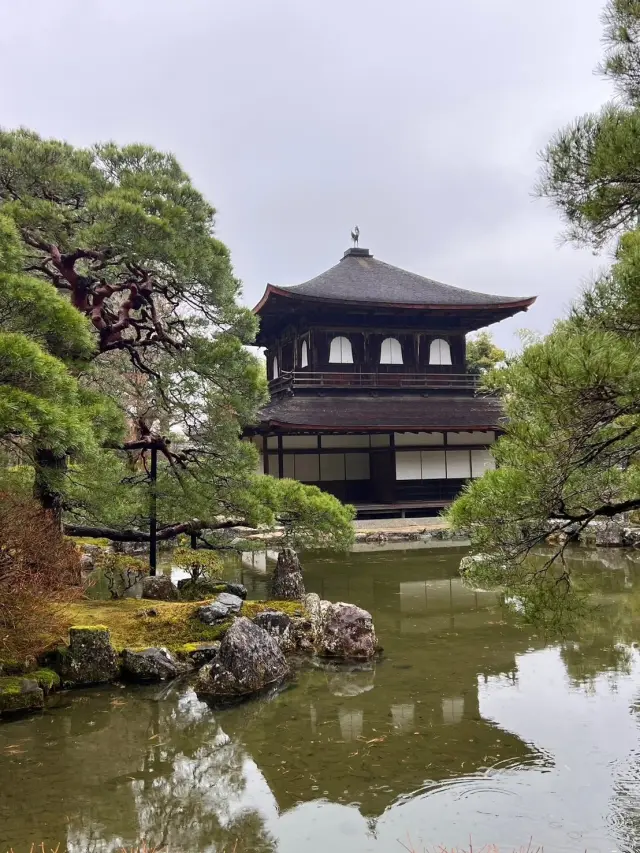
Although it is called the Silver Pavilion, the exterior is not covered in silver leaf. Instead, it is known for its calm, understated wabi-sabi style. The garden is very peaceful, and with the “Silver Sand Sea” raked from fine white sand and the dry landscape garden, I think it is well worth a visit. After arriving at the bus stop, you have to walk a short distance, so it is fairly convenient to get to!
All Reviews of Ginkaku-ji
3.60
13
- Overview
- Photos
- Reviews
- Basic Information
- Newest
- With Photos
- Most Liked
Showing 1–10 of 13
-
-
On this visit to Ginkaku-ji, known for its understated simplicity, I was deeply moved by its quiet wabi-sabi beauty.
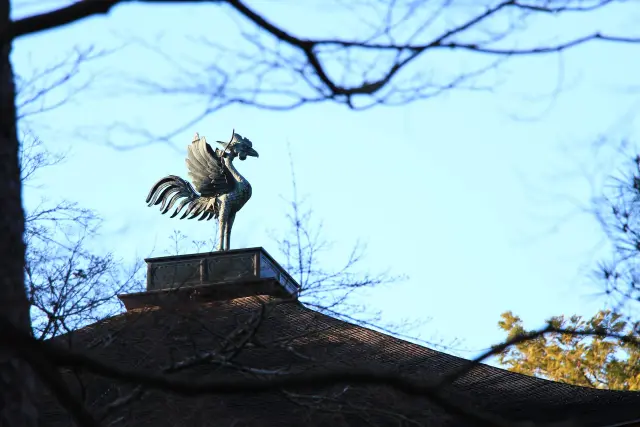
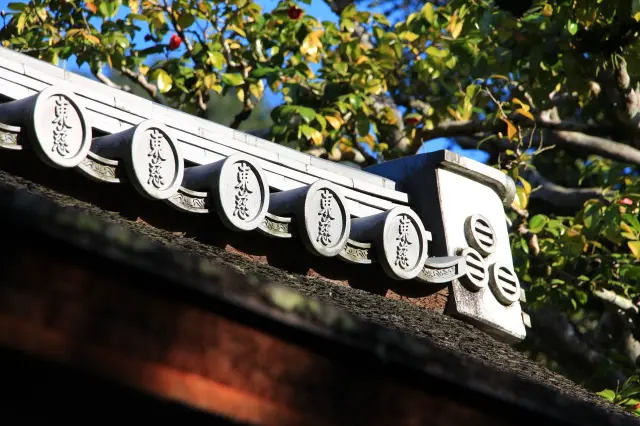
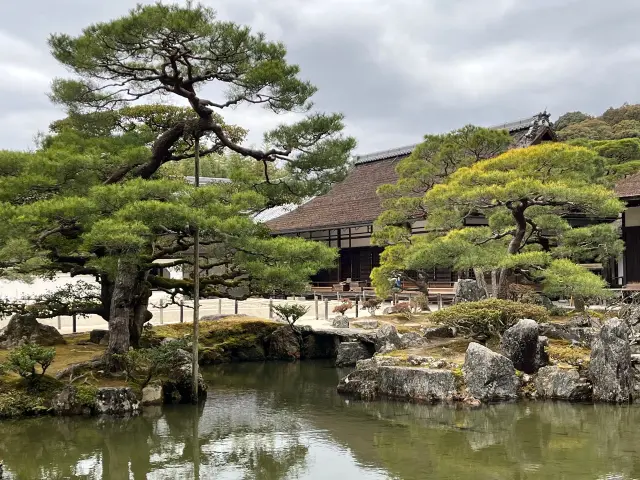
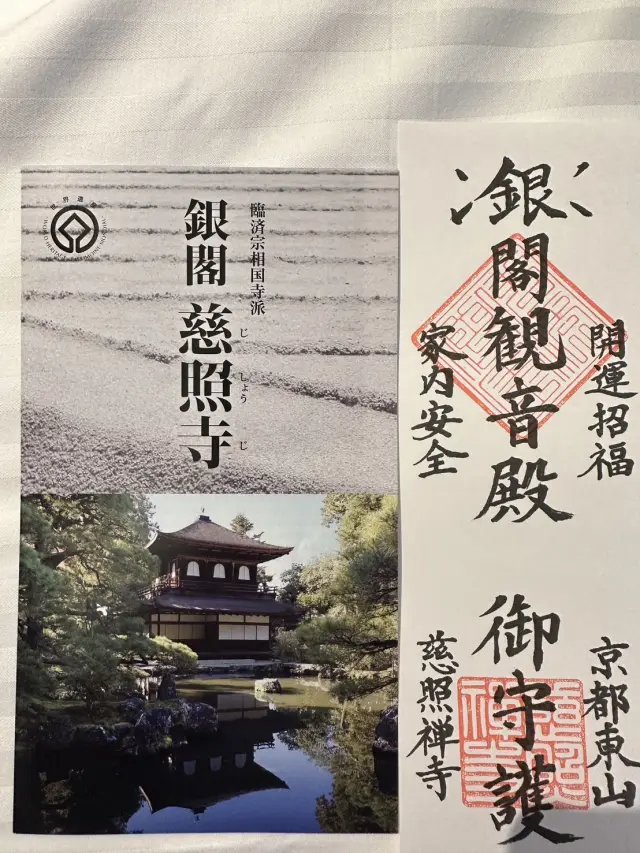
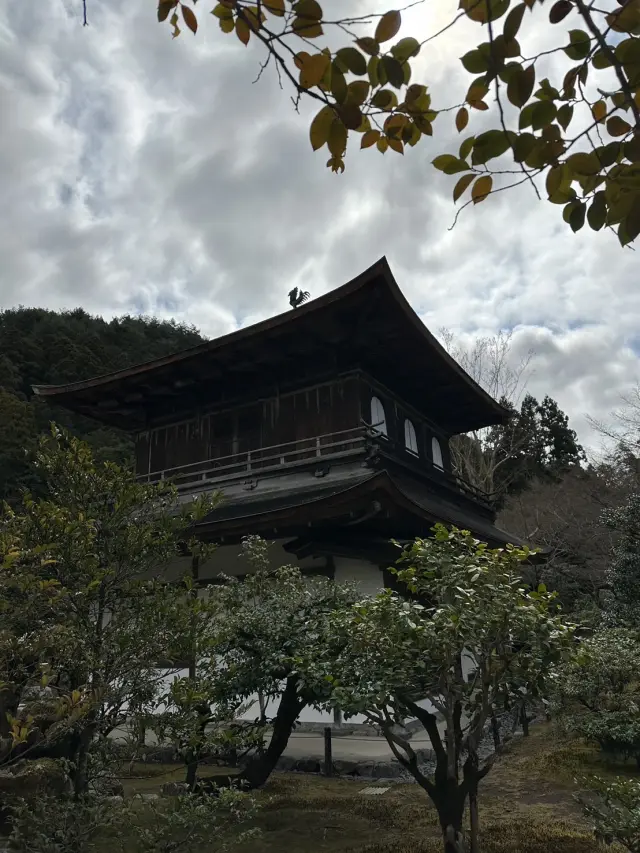
Completely unlike the lavish gold-leaf-covered exterior of Kinkaku-ji, Ginkaku-ji is not actually covered in silver leaf. Its official name is Higashiyama Jisho-ji, and the characters “東慈” can also be seen on the roof tiles. What is most captivating here is the understated way the buildings blend perfectly into nature. As you stroll through the grounds, you can admire not only the exquisite Zen rock garden, but also the beautifully arranged gardens. The copper phoenix standing discreetly on the roof has also developed a rustic beauty with the passage of time.
The entire temple has very little ornamentation, yet it exudes a calm, understated depth everywhere. Its unique charm is incredibly subtle, yet brings an incomparable sense of peace. It is definitely a classic Kyoto attraction that should not be missed.
-
-
Ginkaku-ji in Kyoto is one of the city's most iconic historic sites and is as famous as Kinkaku-ji. Although it doesn't glitter like Kinkaku-ji, Ginkaku-ji has an understated, elegant beauty and is filled with the spirit of Japanese Zen. As soon as you enter the temple grounds, you can feel the peaceful, relaxed atmosphere.
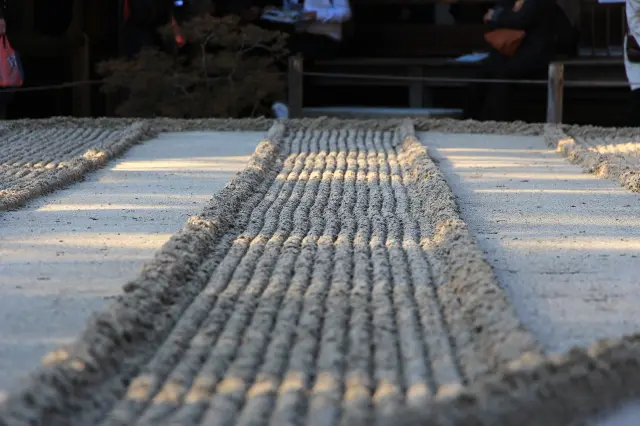
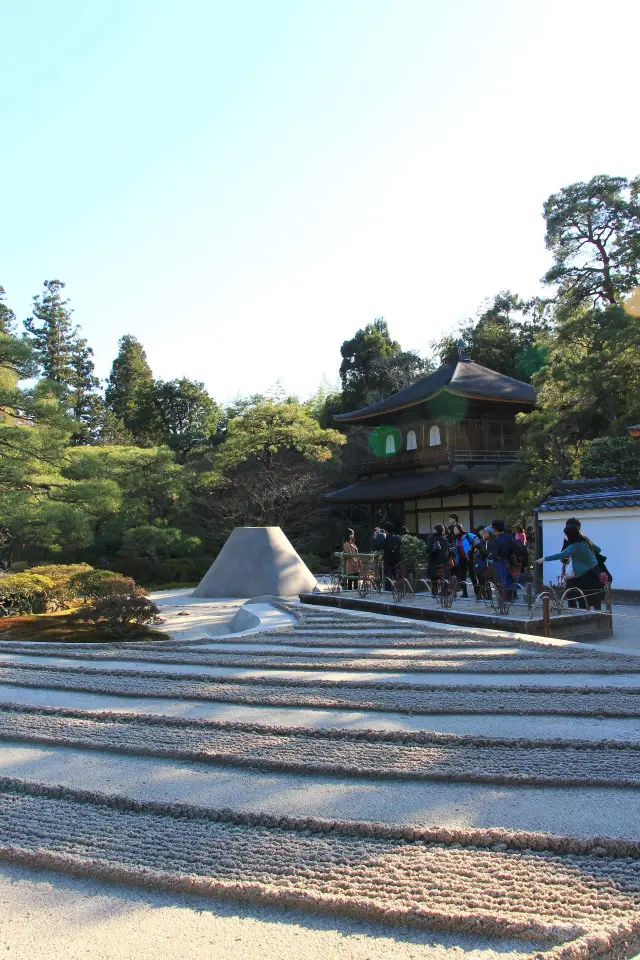
The temple's most distinctive features are the Ginshadan, made of piled white sand, and the tall Kogetsudai. Their simple shapes are full of artistic beauty. Together with the surrounding gardens, moss, and green trees, the entire scene looks very elegant, making you want to slow down and take in the beauty of the Japanese garden.
-
-
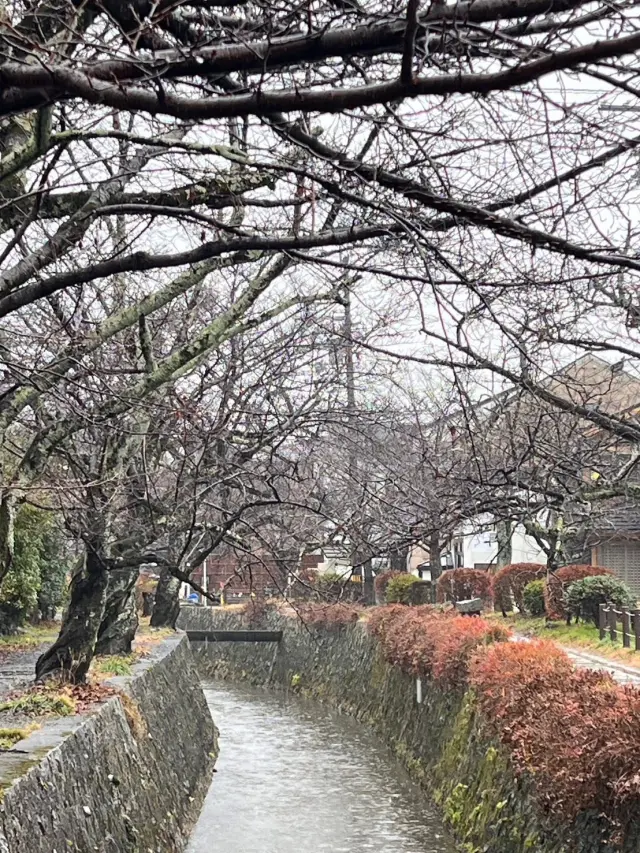
I walked along the Philosopher's Path to Ginkaku-ji. Although it was still some distance away, taking a leisurely walk and looking at the streets along the way was actually very pleasant. Outside Ginkaku-ji is a shopping street full of small shops and snacks, so you can browse around before going in. Admission is JPY 500, and the moment I stepped into the temple grounds, I was genuinely struck by how beautiful it was.
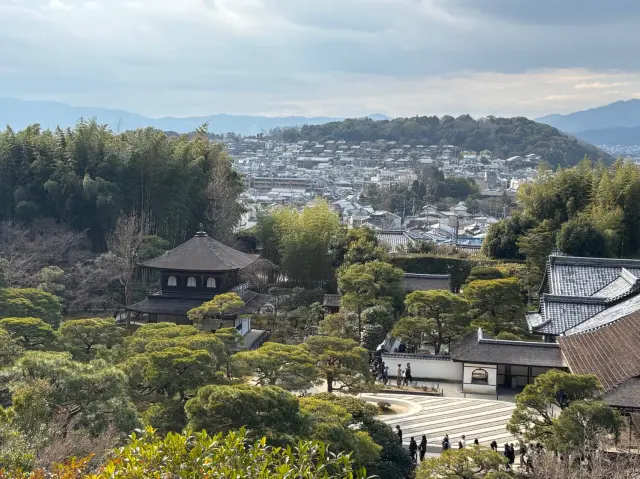
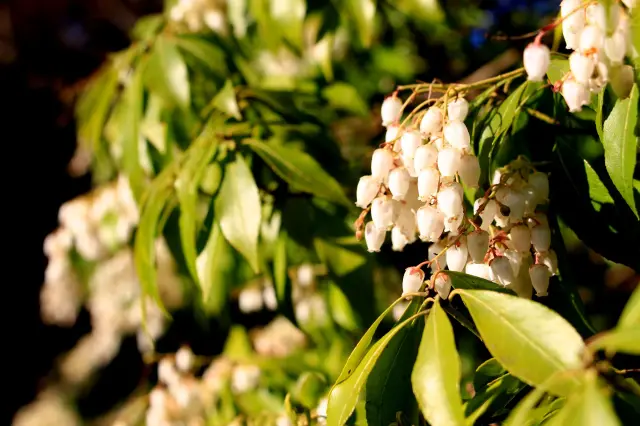
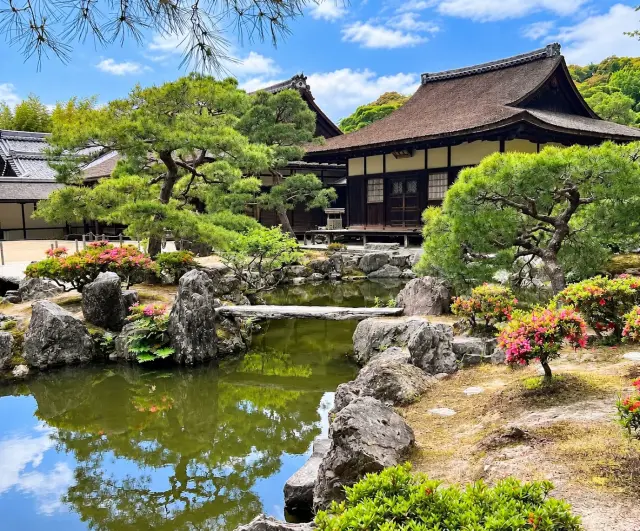
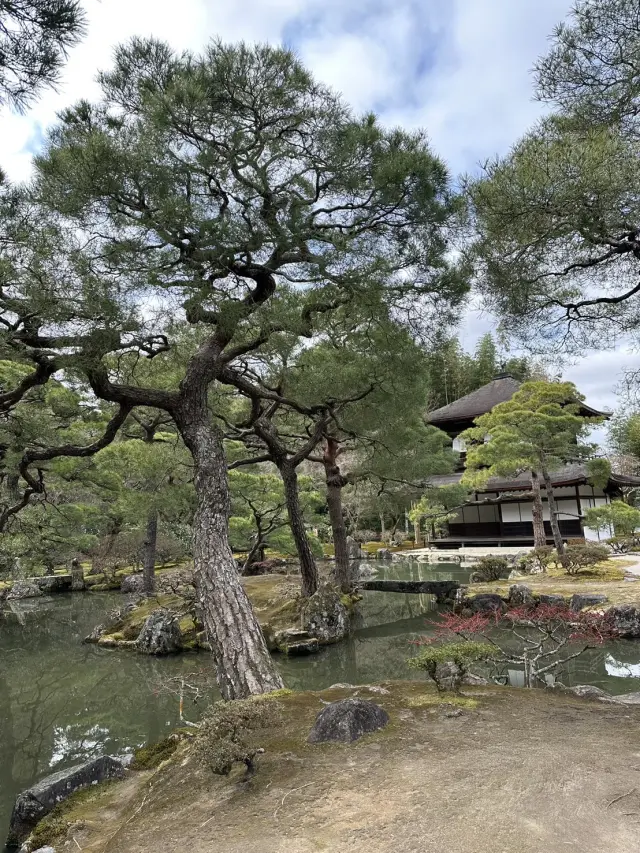
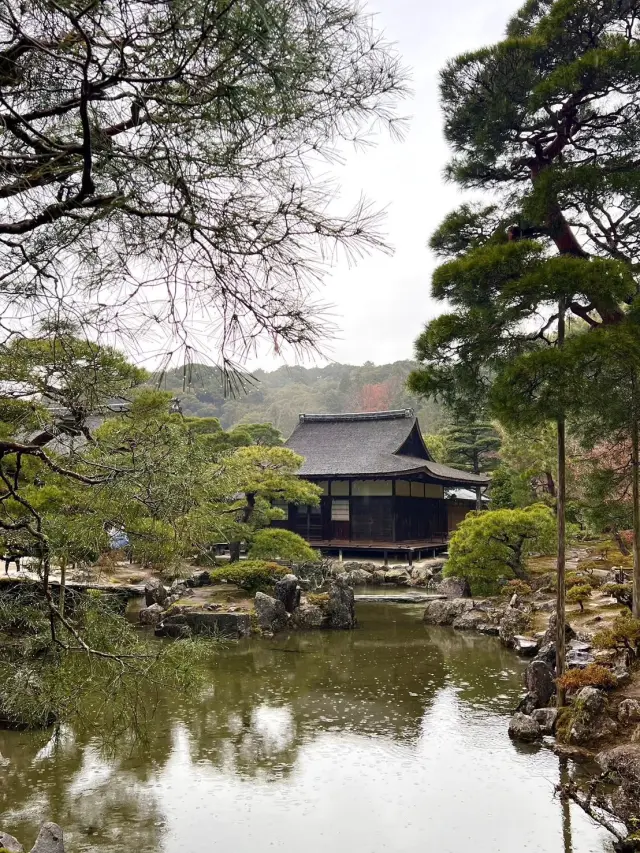
It doesn't have the dazzling splendor of Kinkaku-ji. Instead, it feels peaceful, understated, and elegant. The carefully maintained garden, pond, moss, and neatly trimmed trees, paired with the traditional architecture, naturally make you slow down. The grounds aren't very large, and it takes about 30 minutes to 1 hour to follow the route around. There's also a path in the back that leads uphill. From the top, you can look back and take in the entire garden and the scenery of Kyoto, offering a different kind of view.
There were definitely a lot of visitors, but that didn't take away from the peaceful and comfortable atmosphere. Also, throughout this walk, I kept hearing familiar Taiwanese accents. It really seems like Taiwanese travelers love Kyoto!
-
-
Compared with the dazzling golden exterior of Kinkaku-ji, Ginkaku-ji is not actually covered in silver leaf. Its understated, elegant wooden architecture gives a stronger sense of the Japanese beauty of wabi-sabi. The Ginshadan sand garden and Kogetsudai platform are also quite distinctive, creating a quiet and serene atmosphere alongside the scenery of the four seasons. If Kinkaku-ji represents splendor, Ginkaku-ji showcases another side of Kyoto’s aesthetic—simple and understated.
-
-
Once you enter Ginkaku-ji, the whole area feels quiet and peaceful, creating a striking contrast with Kyoto's bustling streets. The gardens are meticulously maintained, and the white sand garden and greenery complement each other, giving it the distinctive beauty of a Japanese garden. As you slowly walk along the path, you can also look out over the entire temple grounds, which feels very relaxing.
-
-
It has a completely different feel from Kinkaku-ji.
A simple, unpretentious place. -
-
Ginkaku-ji feels more like you’re strolling through a beautifully refined garden, not the kind of place that blows you away at first glance.
Everything is calm and quiet, with less noise from other visitors. Once you’re inside, you naturally slow down. -
-
The garden design is so creative, blending perfectly with the dry landscape style. Every angle and season shows off a different kind of beauty.
-
-
As soon as you enter, you see the whole dry landscape garden—it's truly a masterpiece of art. Really impressive.



- 1
- 2