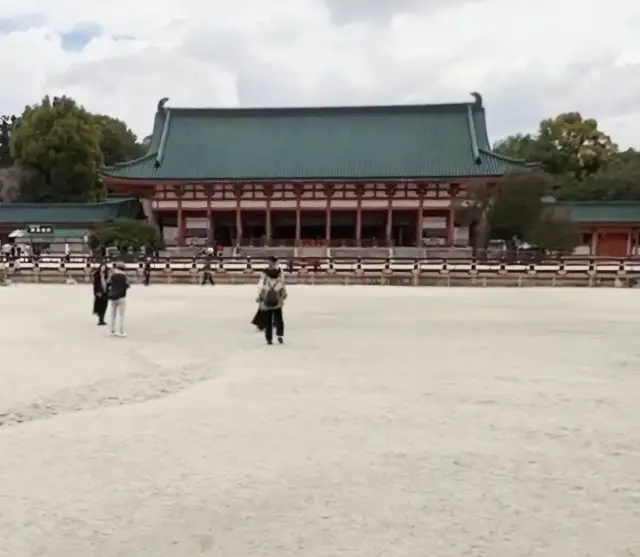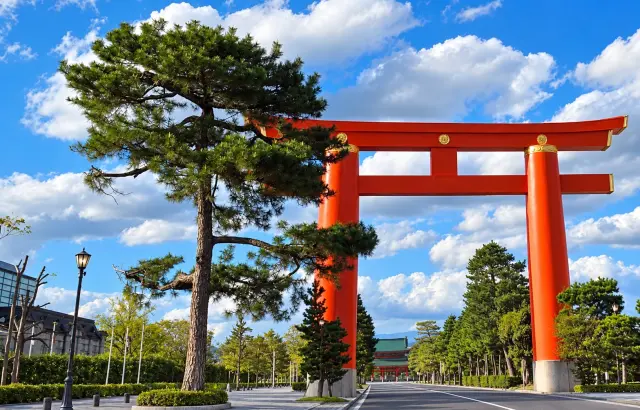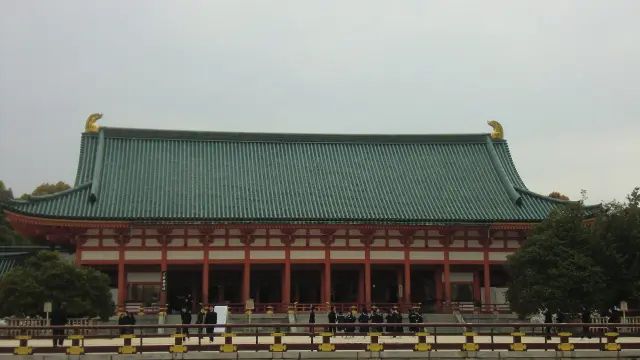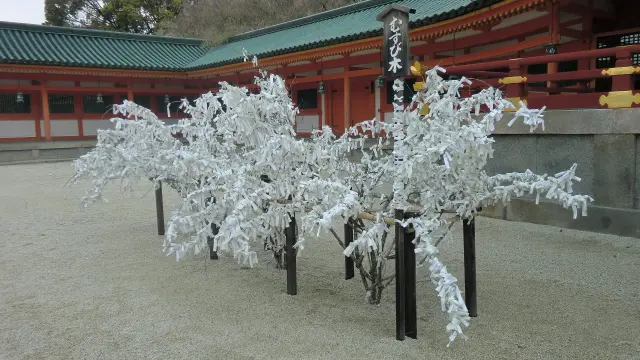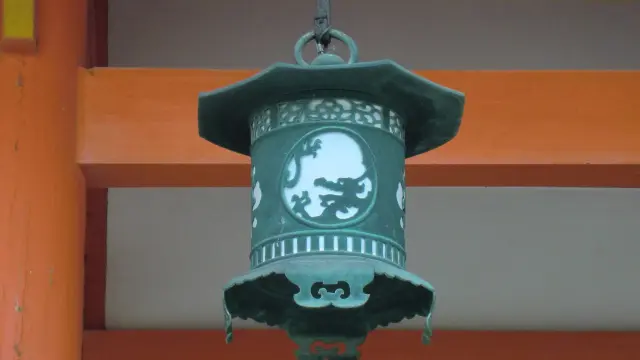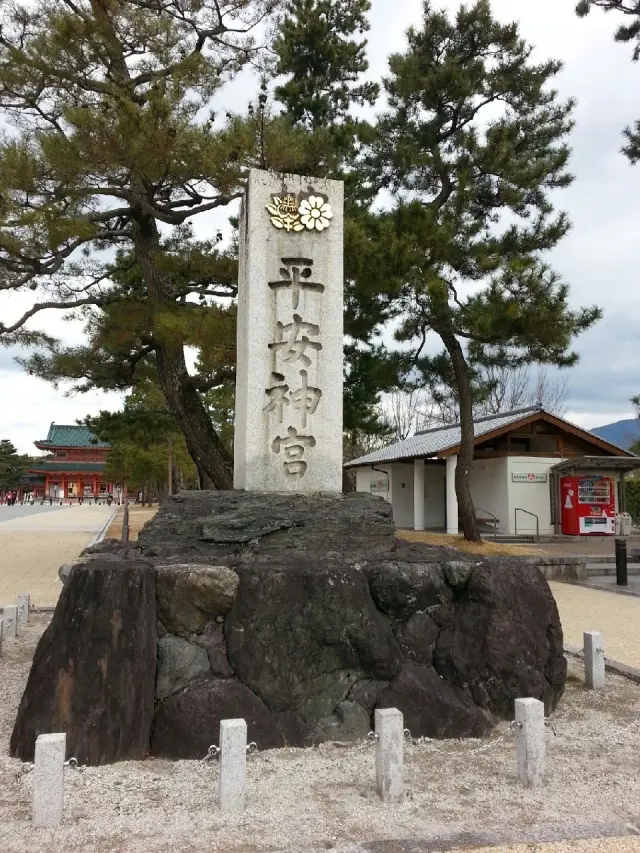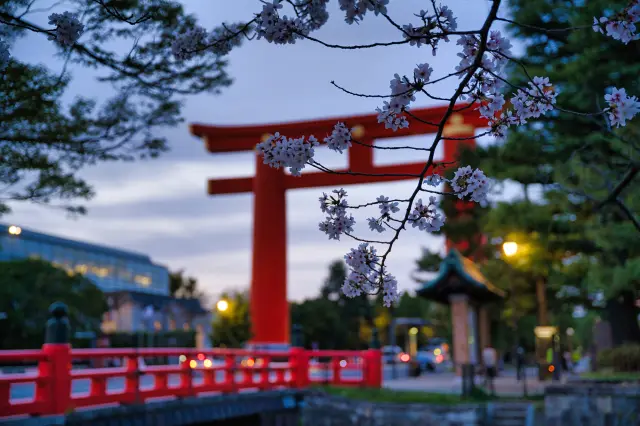
The first impression Heian Jingu Shrine gives is one of grandeur. The enormous vermilion torii gate and brightly colored shrine buildings are very eye-catching, while the spacious white gravel courtyard inside evokes the solemn atmosphere of the Heian period. Heian Jingu Shrine was built in 1895, with its buildings modeled after the Imperial Palace complex of Heian-kyo. Behind them is a shrine garden covering about 30,000 square meters. After visiting in person, I felt that the architecture and gardens each had their own distinctive character, making it a great place for a leisurely stroll.
All Reviews of Heian Jingu Shrine
3.39
8
- Overview
- Photos
- Reviews
- Basic Information
- Newest
- With Photos
- Most Liked
Showing 1–8 of 8
-
-
One of Kyoto’s most iconic attractions, its most eye-catching feature is the vivid vermilion color, which makes the entire shrine look especially magnificent and solemn. This time, I headed out early in the morning before sunrise and arrived before the large crowds. Heian Jingu Shrine was exceptionally quiet in the early morning. Without the bustling tourists, I could better appreciate the impressive architecture and easily take clean, beautiful photos. As the sunlight gradually fell on the vermilion buildings, the colors became even more vivid, and every photo had that distinctive Kyoto feel. Getting up early was truly worth it for this rare tranquility!
-
-
Although Heian Jingu Shrine was only established during the Meiji era, its architecture recreates the Chodo-in, the imperial government complex of Heian-kyo. As a result, its sense of scale and space feels very different from Kyoto's typical temples and machiya townhouses. In particular, the vermilion buildings around Otenmon Gate and Daigokuden Hall, paired with the expansive courtyard, offer a relatively direct sense of the grandeur of Heian-kyo's imperial architecture. It remains quite distinctive among Kyoto's many temples and shrines.
There aren't many complete, full-scale structures where you can experience what a large Heian-period palace looked like today. Much of it can only be imagined through ruins, reconstructed models, or later reconstructions, so even though Heian Jingu itself is a modern building, I still think it's well worth seeing.
Unfortunately, I didn't have time to visit the shrine garden in the back on this trip. The garden was designed by Meiji-era landscape architect Ogawa Jihei and is especially famous for its weeping cherry blossoms in spring. I'd like to go inside and see it next time I have the chance.
Also, anyone who collects goshuin shouldn't miss it. There is an amulet office on the grounds of Heian Jingu where you can receive goshuin and omamori charms, making it convenient to stop by after worshiping. -
-
Heian Jingu Shrine is known for its vivid vermilion shrine buildings. The architecture is grand and elegant, showcasing Kyoto’s unique historical and cultural charm.
The shrine garden is beautiful in every season, and walking through it lets you soak in a peaceful atmosphere. It’s a popular place to visit and pray in Kyoto.
-
-
Heian Jingu Shrine was built to honor the emperor. The huge torii gate outside is a symbolic landmark.
-
Kyoto has so many shrines and temples, but Heian Jingu really stands out with its unique appearance.
-
The huge red torii gate standing on the straight road is the most iconic symbol of Heian Jingu Shrine.
-
-
You can freely explore the shrine. The inner garden is definitely worth visiting, but you'll need to buy a separate ticket. The double weeping cherry blossoms are stunning during sakura season.