• See More

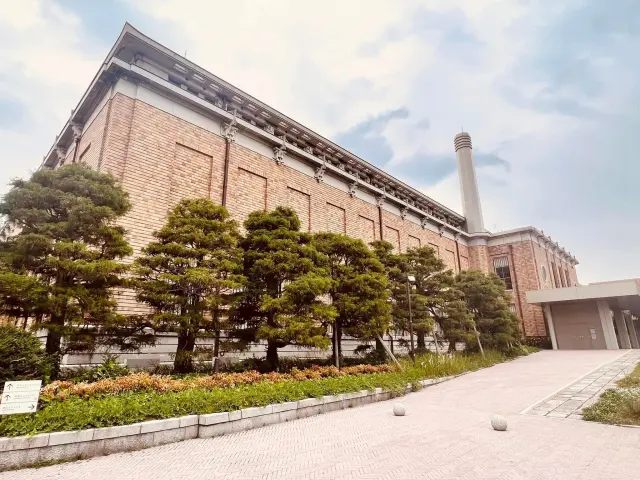
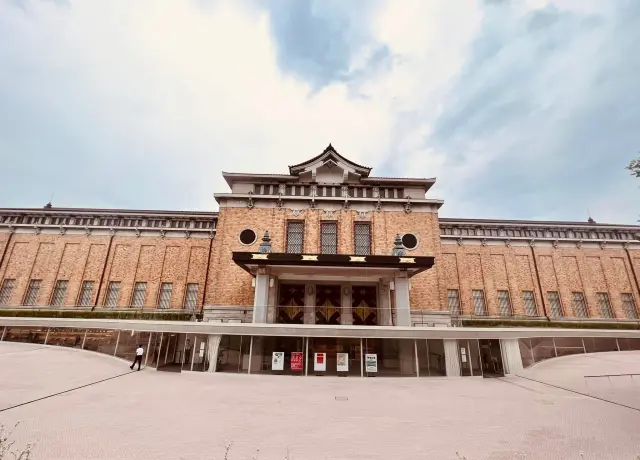
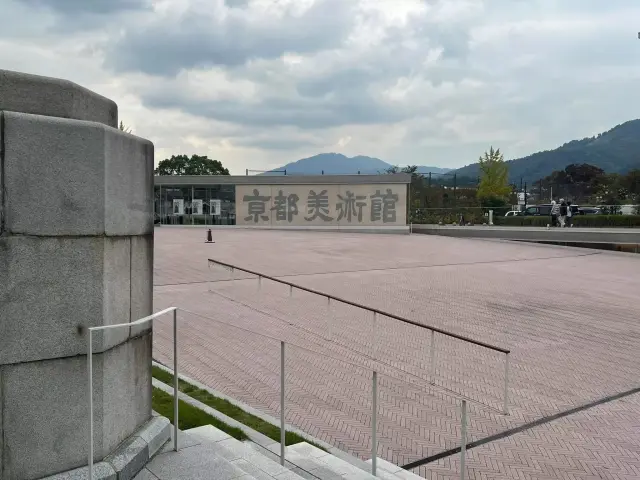
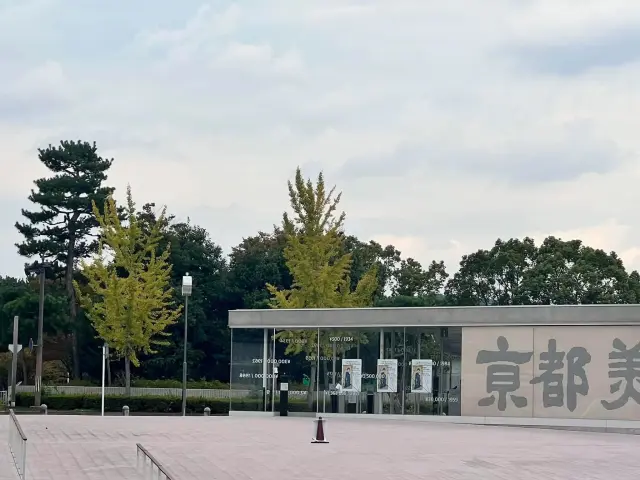
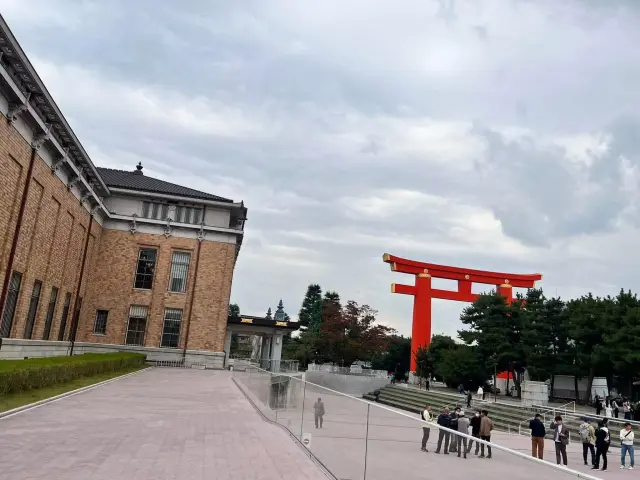
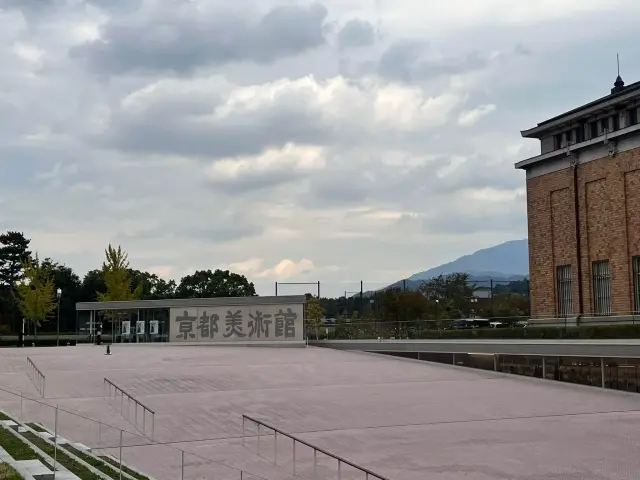
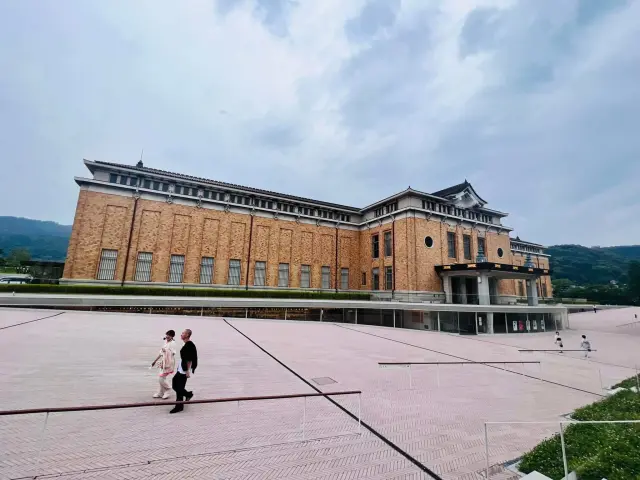
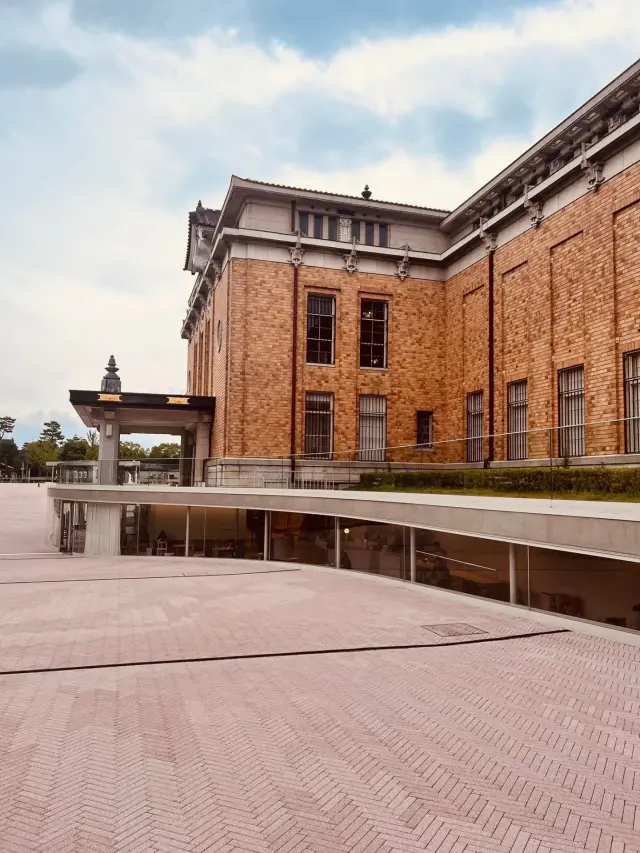
    Recently, the Kyoto City Museum of Art, located next to the large red torii gate of Heian Jingu Shrine and also one of Japan’s oldest public art museum buildings, announced that after three years of renovation, it would reopen to the public in spring 2020 with a new identity as the Kyoto City KYOCERA Museum of Art (京都市京セラ美術館), becoming a new pilgrimage spot for visitors to Kyoto!

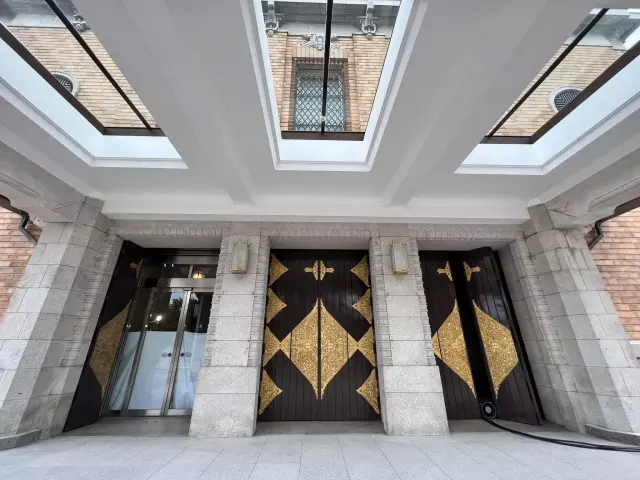
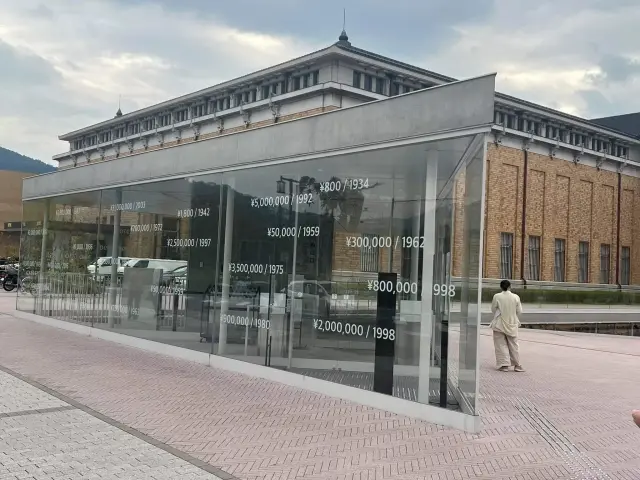
    The Kyoto City Museum of Art has a long history. It was completed in 1933 in Okazaki, one of Kyoto’s most important cultural districts, and its overall exterior was designed in the classic Imperial Crown Style of the time, blending Japanese and Western architectural elements. In 2017, the museum temporarily closed for renovations. The project was officially estimated to cost more than JPY 10 billion, so the government introduced a naming-rights system that allowed the largest corporate sponsor to acquire the naming rights. They were secured by Kyocera Corporation, a major company headquartered in Kyoto.

    Located within Kyoto’s Okazaki Park, the Kyoto City KYOCERA Museum of Art ultimately selected a collaborative proposal by renowned Japanese architects Jun Aoki and Tezzo Nishizawa for its redesign. Jun Aoki remains a well-known architect internationally and is also a noted artist. After participating in the museum’s reconstruction project, he was appointed director of the Kyoto City Museum of Art.

    The Kyoto City KYOCERA Museum of Art is located in the Okazaki area of Kyoto’s Sakyo Ward, while the large red torii gate in the background is a symbol of Heian Jingu Shrine. This area is a well-known center for arts, culture, recreation, and walking in Kyoto.
    Walking route around the Okazaki museum area
    * Where art, culture, and nature come together: Starting from the Kyoto City KYOCERA Museum of Art, nearby attractions include Okazaki Park, Heian Jingu Shrine, and the Lake Biwa Canal. The route features broad walkways, greenery, and waterside scenery, making it ideal for a stroll.
    * Nearby attractions: Within walking distance are Kyoto City Zoo, the Lake Biwa Canal Museum, and Nanzen-ji Temple, a famous spot for autumn foliage.
    Recommended Blue Bottle Coffee location
    The closest and most distinctive location near the museum is:
    * Blue Bottle Coffee - Kyoto Cafe (Nanzenji location):
    * About a 10- to 15-minute walk from the museum and Nanzen-ji Temple.
    * Converted from a century-old traditional Kyoto machiya townhouse, it combines minimalist modern design with the look of a Japanese garden.
    * An excellent place to rest and enjoy a cup of pour-over coffee after walking around Okazaki, visiting the shrine, or touring the museum.
Other Reviews by Norton Liang

  • Nakanoshima

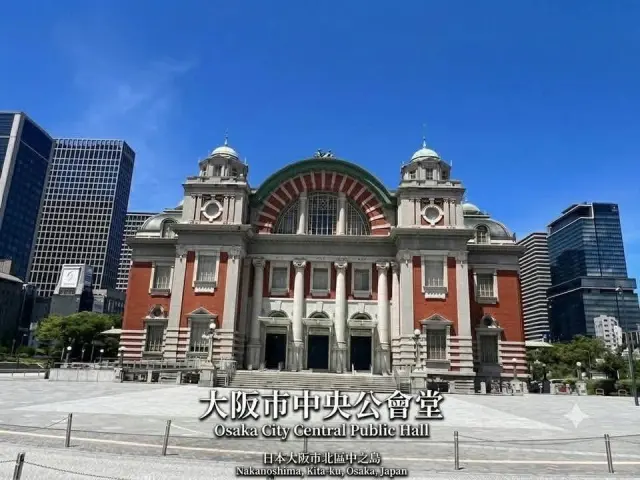
    Nakanoshima is a lush, green and iconic city area known for Aqua Metropolis Osaka that’s tucked between the Dojima and Tosabori Rivers. Home to one of Osaka’s known business districts, the area is lined with a mixture of skyscrapers, modern architecture and office buildings.
    • Umeda, Osaka Station, Nakanoshima Area (Kita)
    • Famous Places
    See More

    After exploring Nakanoshima, Osaka's urban oasis,
    I highly recommend coming to
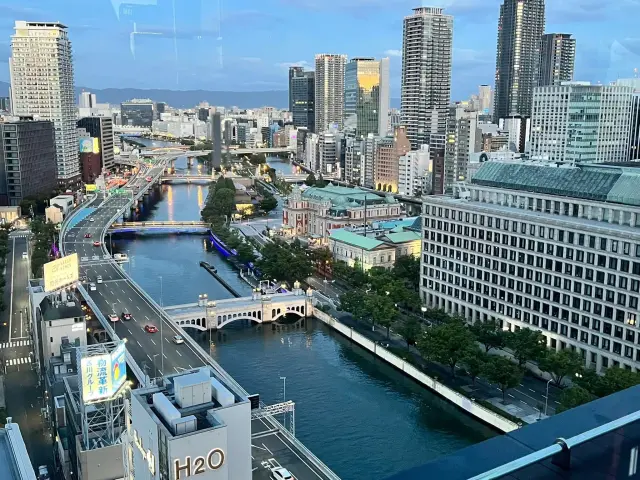
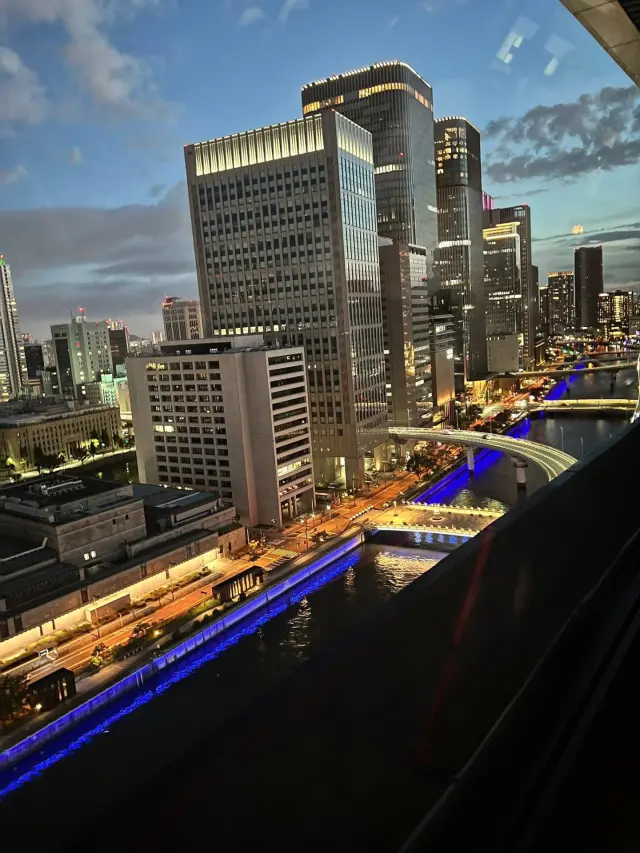
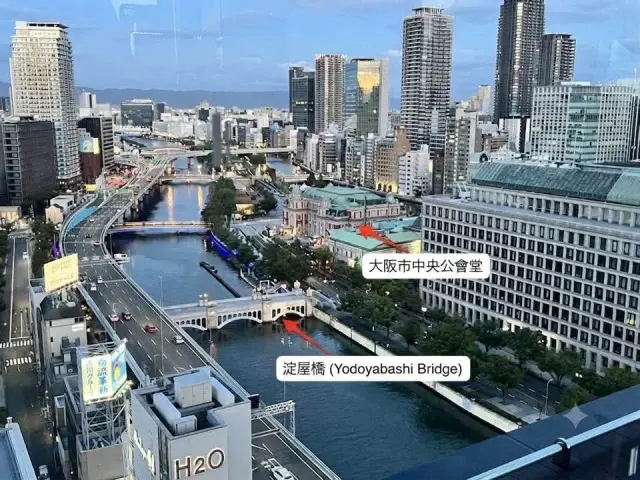
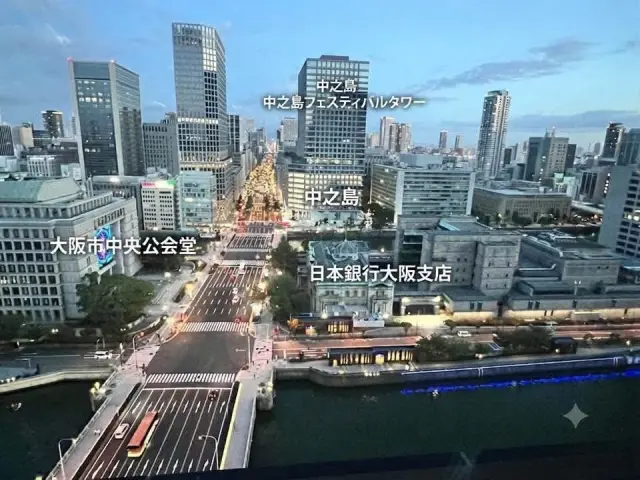
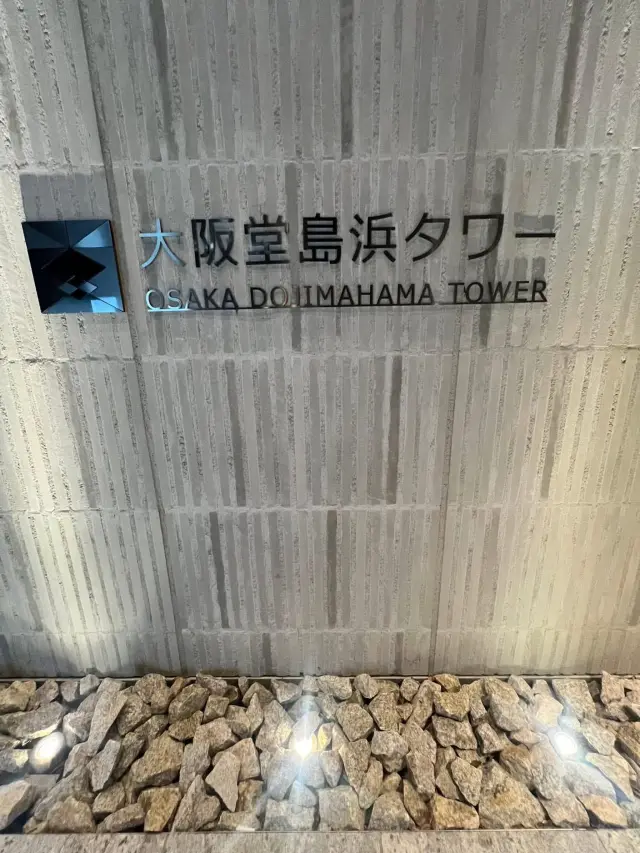
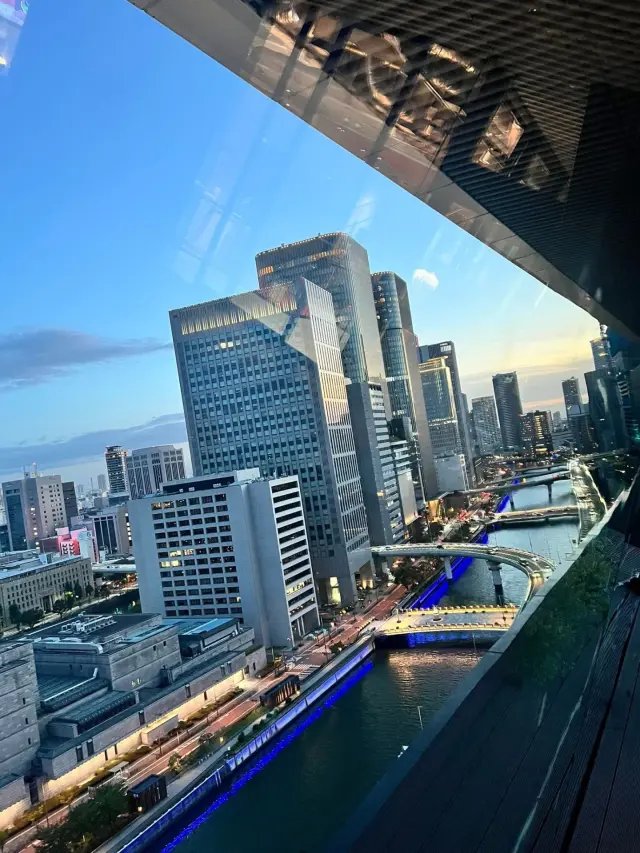
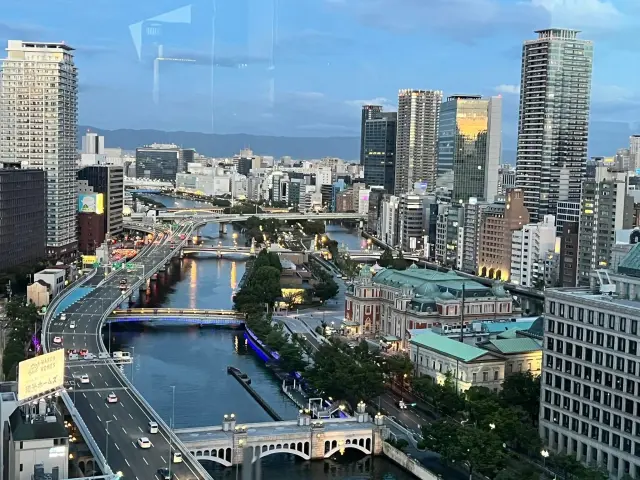
    Osaka Dojimahama Tower, located in Osaka's Kita Ward. It is a mixed-use building with offices, a hotel, and commercial facilities. The tower's main feature is WowUs (ワオアス), a free observation area on the 16th floor where visitors can enjoy city views of Dojima, Nakanoshima, and Midosuji.
    Free observation area “WowUs”
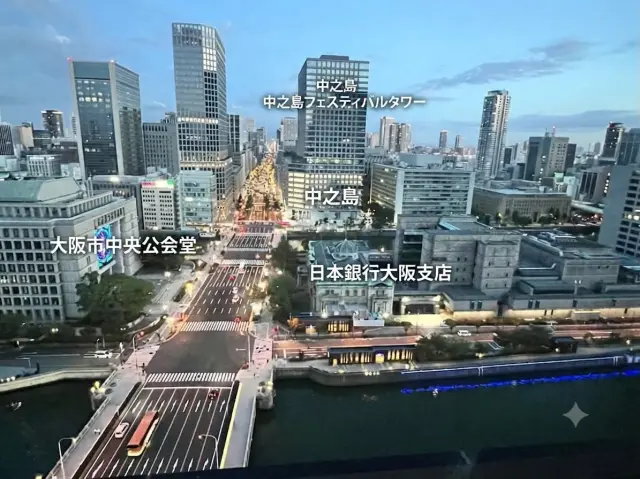
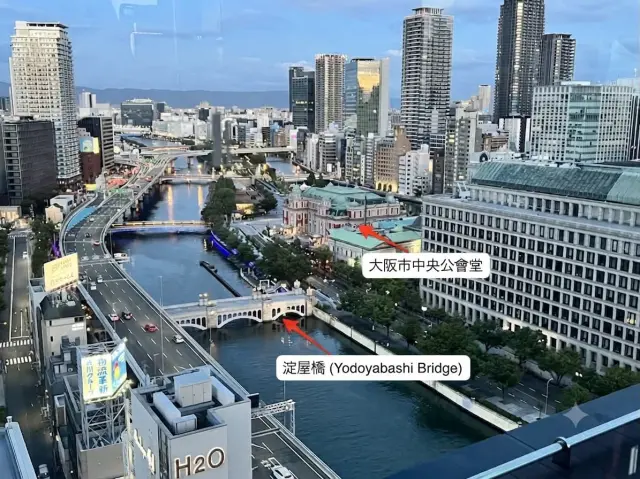
    View: The observation deck on the 16th floor offers an expansive 180-degree city view overlooking the Dojima River, Nakanoshima Park, and Midosuji, with clear views of busy traffic and the waterfront.
    Facilities: The observation deck has large floor-to-ceiling windows, a seating area with wooden flooring, and a small café. The comfortable atmosphere makes it a good place to rest while shopping or sightseeing.
    Access: Conveniently located, it is a 2-minute walk from Oebashi Station on the Keihan Nakanoshima Line, or a 4-minute walk from Yodoyabashi Station on the Osaka Metro and Keihan lines.
    Hours: Open daily from 09:00 to 21:00. Admission is free.
    Other architectural features
    Mixed-use facilities: Floors 17 through 31 house CANDEO HOTELS OSAKA THE TOWER.
    Surrounding area: The Osaka Dojimahama Tower development also included the redevelopment of Dojima Park and the integration of Dojimahama Pier, improving access to the waterfront and making the surrounding area more comfortable.

  • GRAND GREEN OSAKA

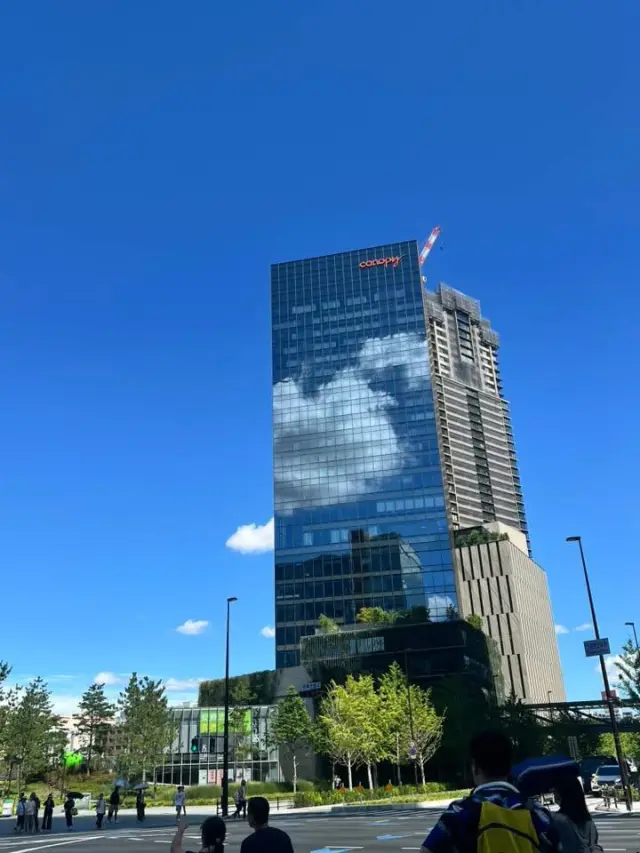
    A large-scale complex built on the former Umeda Freight Station site, GRAND GREEN OSAKA is located just steps from JR Osaka Station. It consists of the South Building, North Building, and Umekita Park. Part of the facility opened in September 2024, with the grand opening scheduled for March 21, 2025, and the full completion planned for FY2027.

    • Umeda, Osaka Station, Nakanoshima Area (Kita)
    • Commercial Buildings
    See More

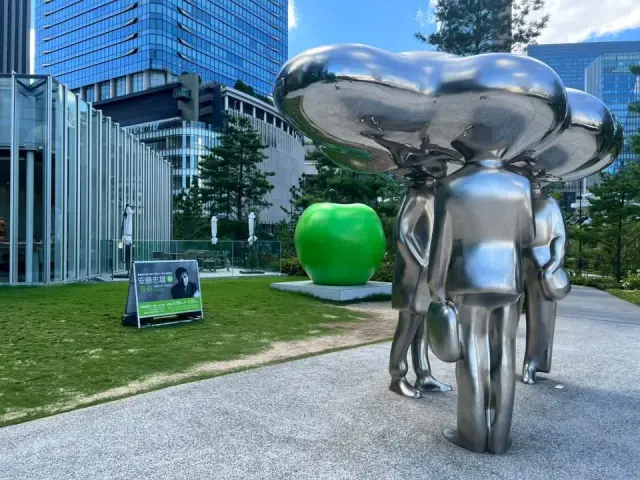
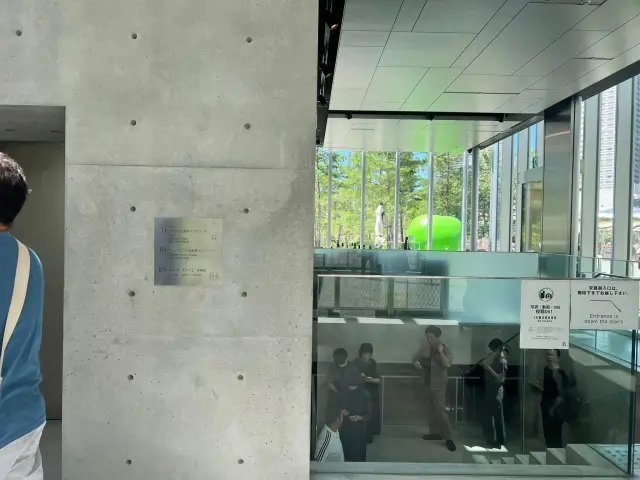
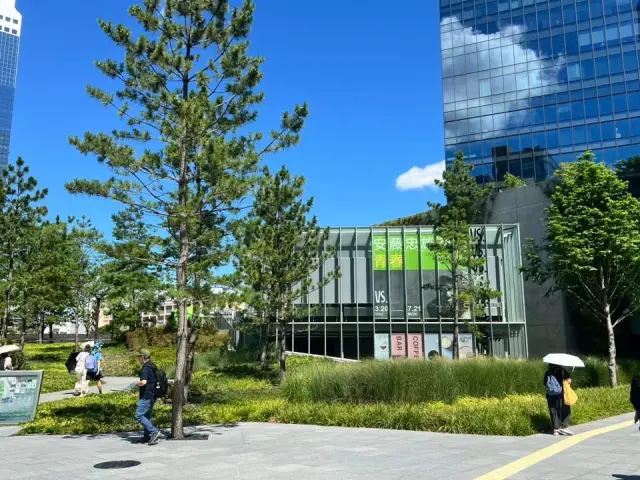
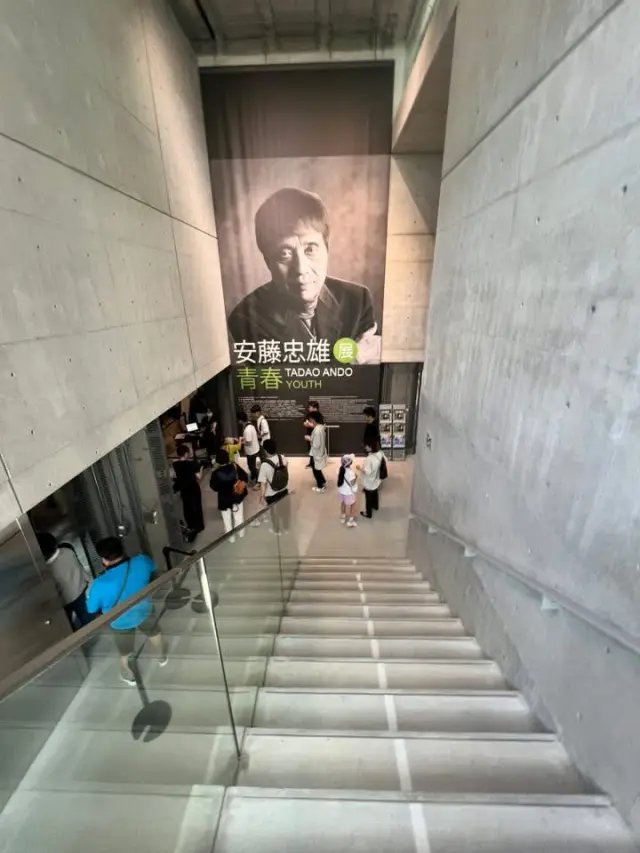
    I came here for master architect Tadao Ando's special exhibition “Youth.”
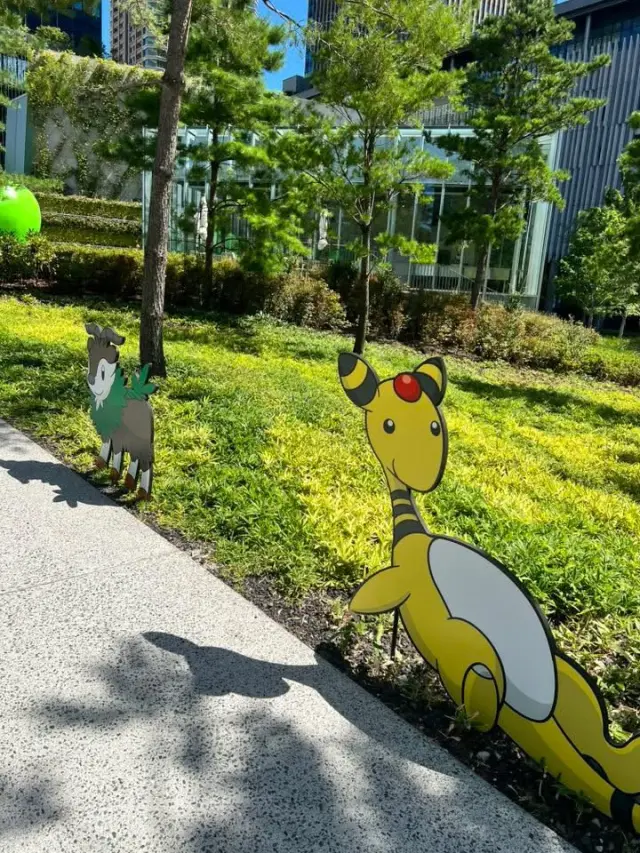
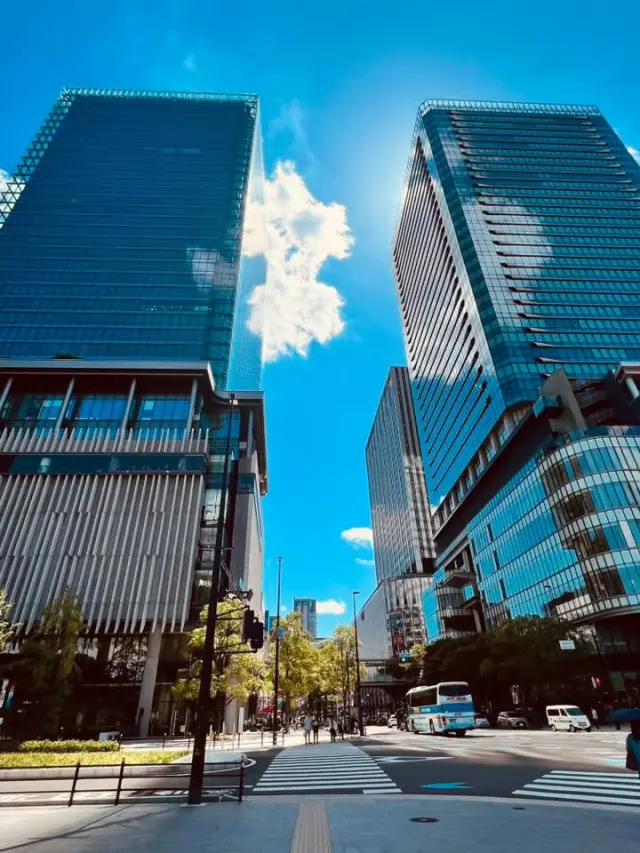
    This area was designed as an urban oasis, with a water play area next to it. Osaka truly is a city that thrives on water!
    A very relaxing 😌 area where you can shop 🛍️, see exhibitions, play in the water, and even stay at a luxury hotel!
    “VS.” is a new cultural hub within the GRAND GREEN OSAKA redevelopment project in Umeda, Osaka. GRAND GREEN OSAKA is a large-scale urban development that integrates facilities such as the station, department stores, and office buildings, and “VS.” is one of its major cultural facilities.
    “VS.”
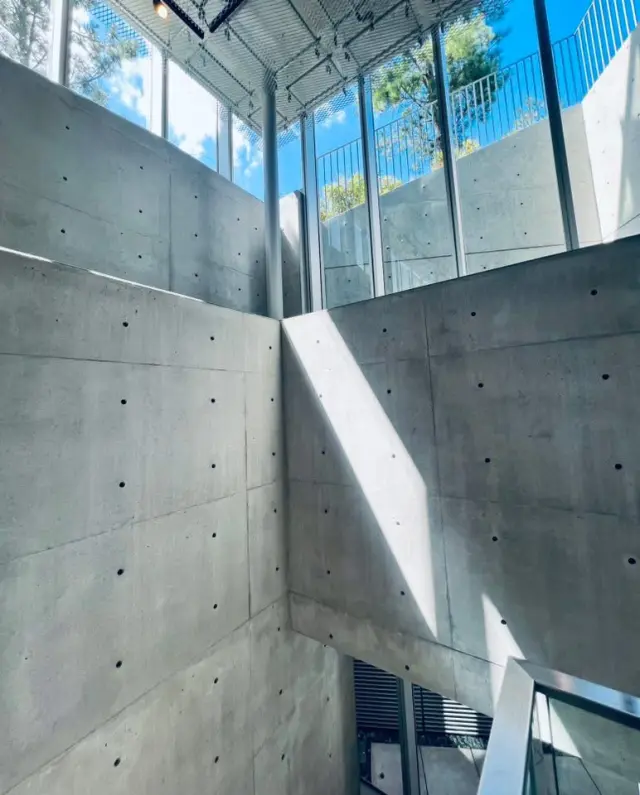
    Type: A cultural hub and digital exhibition space designed and supervised by Tadao Ando.
    Purpose: It aims to bring together technology, arts and humanities, traditional culture, and innovative thinking, providing a space where different creative groups can inspire one another.
    Features:
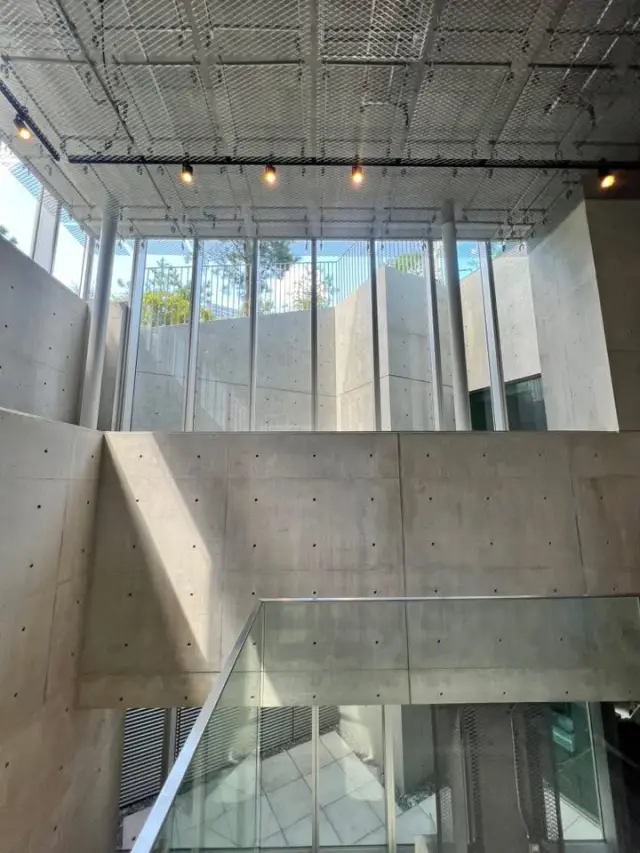
    It has an exhibition space with a ceiling height of up to 15 meters, suitable for immersive visual art performances and large-scale installations.
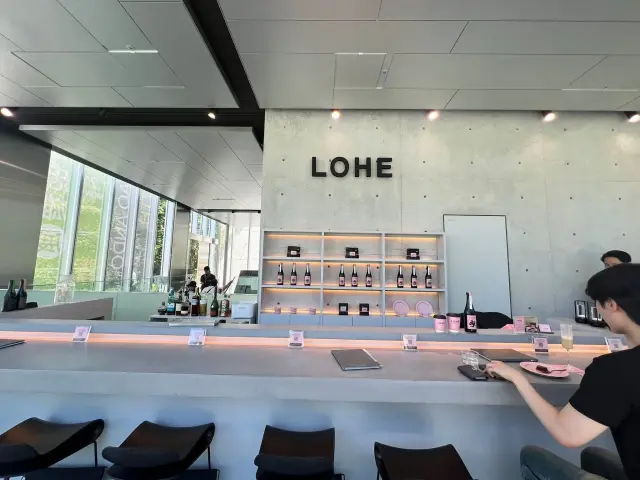
    It has studios of different sizes, as well as a multipurpose area called “V Space,” with a café and bar suitable for various events.
    It has no permanent exhibits or specific theme. Instead, it regularly hosts world-class special exhibitions and innovative projects.

    ⭐️⭐️⭐️⭐️⭐️
    I especially recommend LOHE Cafe inside.

  • Gion Shopping Street

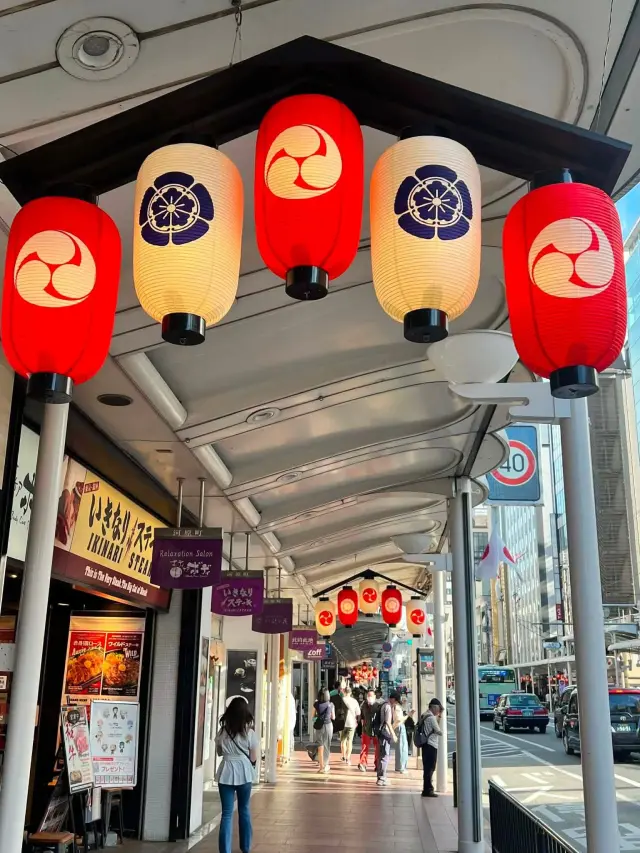
    A shopping street located along the approach from Shijo Ohashi Bridge and Gion-Shijo Station to Yasaka Shrine. Centered on Shijo Street, long-established shops and specialty stores line Yamatooji Street, Hanamikoji Street, Higashioji Street, and more. This local shopping district values Gion’s long history and is deeply involved in traditional events such as the Gion Festival. Many of its shops are popular not only with tourists but also with locals, making it a great place to enjoy dining, shopping, and strolling while experiencing Kyoto’s traditions.

    • Gion, Higashiyama, Yamashina
    • Shopping Streets
    See More

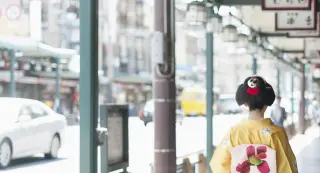
    Shijo Street in Kyoto’s Gion district (Gion Shopping Street) connects Yasaka Shrine with the Kamo River and is filled with the historic charm of the ancient capital and long-established shops.
    1. Century-old and classic shops on Gion Shopping Street
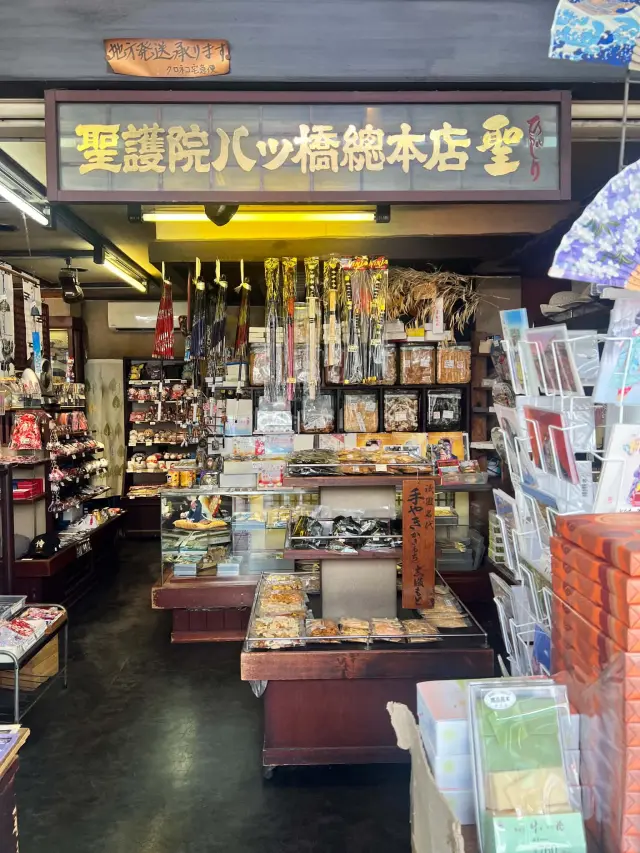
    * Shogoin Yatsuhashi Sohonten (Gion location)
    Founded in 1689 (Genroku 2), this shop has a history of more than 300 years and is one of Kyoto’s most iconic traditional makers of yatsuhashi sweets.

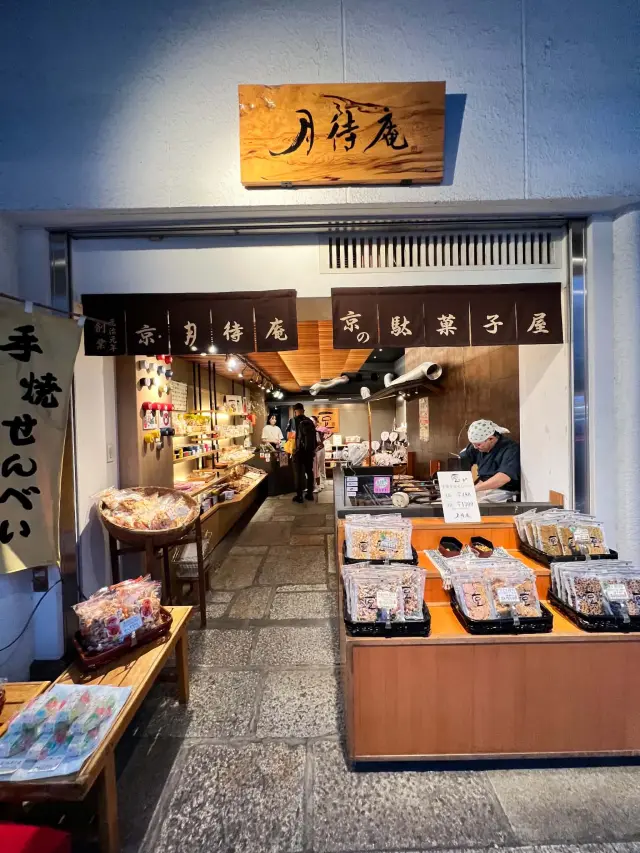
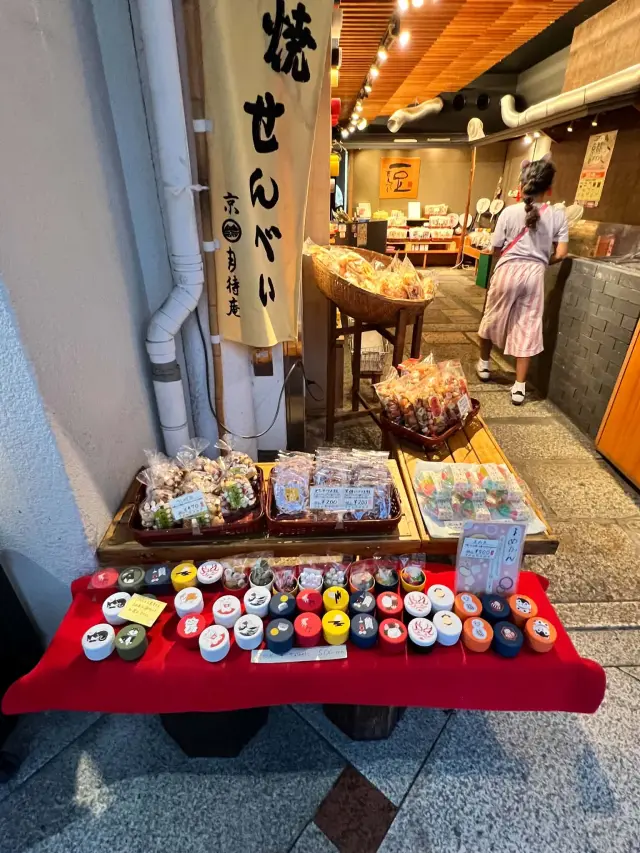
    * Kyo Tsukimachi-an (Gion location):
    A specialty shop for Kyoto dagashi candy and hand-grilled rice crackers with a tradition dating back to the first year of the Meiji era.
    * Highlights: The shop specializes in freshly grilled, handmade bean crackers (teyaki senbei). Artisans can often be seen turning the crackers over the grill at the storefront, filling the air with the aroma of charcoal and beans. The shop’s signature Fukudaruma mini cookies are also very popular and make nostalgic gifts for friends and family.
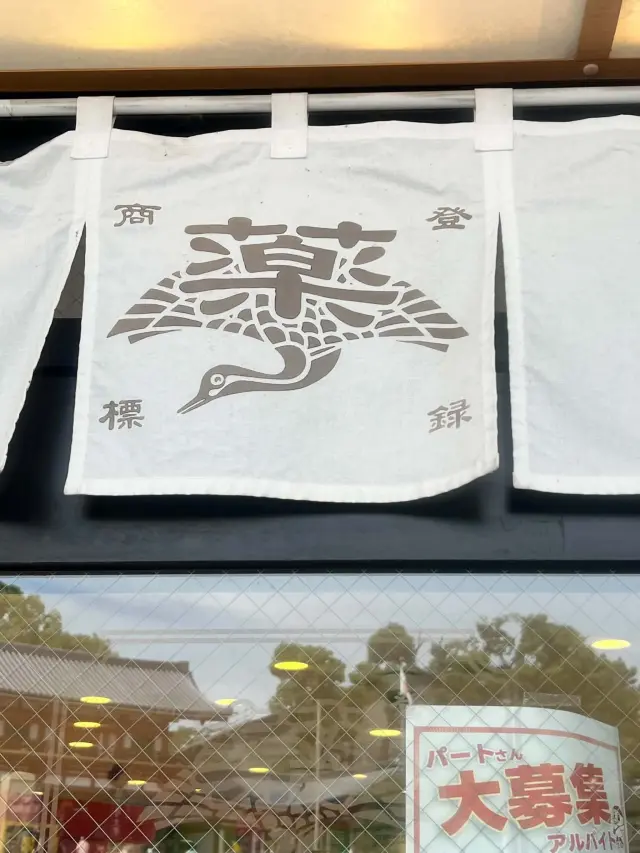
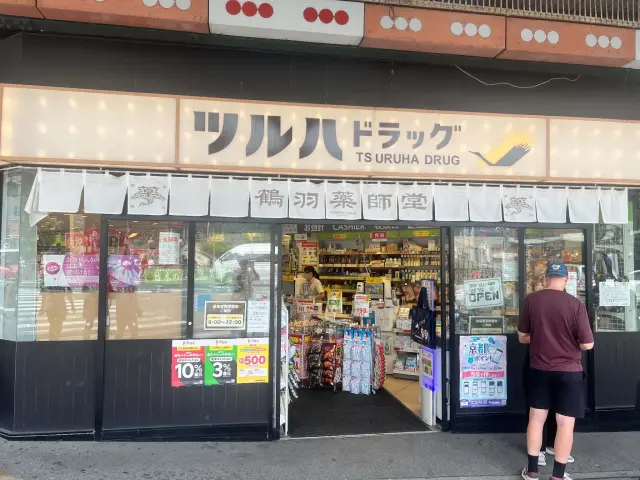
    * Tsuruha Yakushido (Tsuruha Drug Gion location)
    * Highlights: This store blends the modern Tsuruha Drug pharmacy chain into Gion’s traditional streetscape. A sign reading “Tsuruha Yakushido,” featuring the traditional crane logo and a noren curtain, hangs at the entrance, giving it a distinctly old-fashioned feel among Kyoto’s many drugstores.

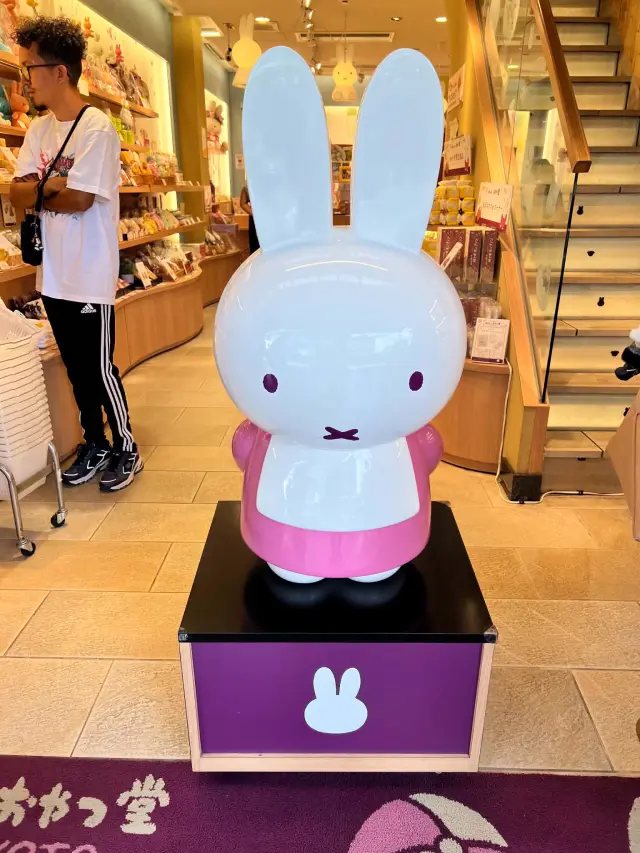
    * miffy à la maison Miffy Oyatsu-do (Gion location)
    * Highlights: A Miffy-themed shop offering Kyoto wagashi and selected goods, with a cute, large Miffy figure welcoming visitors at the entrance. The shop sells a variety of exclusive Miffy products incorporating traditional Kyoto crafts, Japanese-style patterns, and wagashi-inspired packaging.

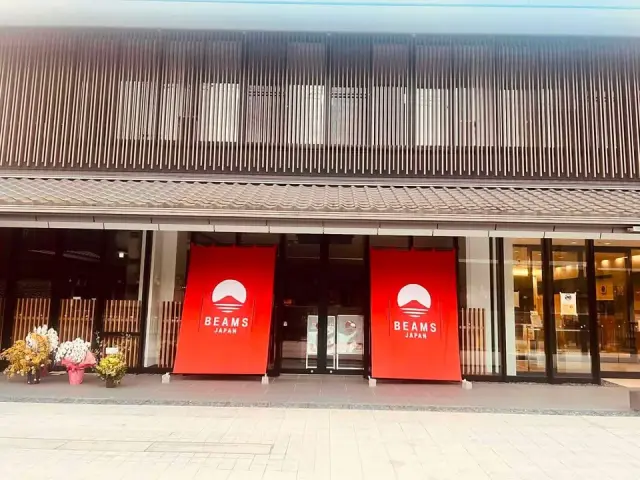
    2. BEAMS JAPAN in Kyoto’s Gion district
    * BEAMS JAPAN Gion
    * Location: On the first floor of the Kanji Museum along Shijo Street in Gion (551 Gionmachi Minamigawa, Higashiyama Ward, Kyoto).
    * What makes it distinctly Kyoto and Gion:
    * Traditional noren curtains and historic Kyoto atmosphere: Unlike a typical modern fashion store, the Gion location has a strongly Japanese-style entrance and wooden facade that blend into Gion’s traditional streetscape.
    * Japanese crafts and locally exclusive selections: Centered on the “BEAMS JAPAN” concept, it promotes traditional Japanese crafts, renowned products, and subcultures. The Gion location offers many exclusive collaborations, souvenirs, and limited-edition clothing created with traditional Kyoto artisans and inspired by the local culture of Kyoto and Gion.
    * A combination of culture and sightseeing: Located along the main approach to Yasaka Shrine, it seamlessly connects visits to historic sites with contemporary fashion trends.
    While strolling through Gion Shopping Street, you can enjoy freshly grilled rice crackers and traditional yatsuhashi while visiting BEAMS JAPAN, which incorporates the character of the ancient capital. It’s a great way to deeply experience Kyoto’s unique blend of tradition and modernity!
    ⭐️⭐️⭐️⭐️⭐️
    Highly recommended
    You have to visit BEAMS JAPAN Gion
    to admire this masterpiece

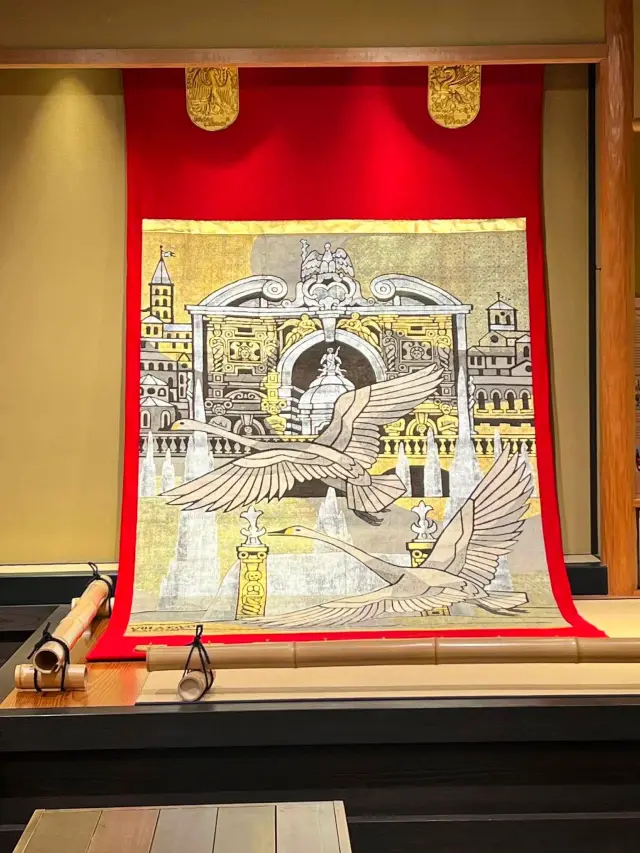
    The dazzling gold artwork inside BEAMS—Taizo Minagawa’s “Venice”
    : This imposing and brilliantly golden hanging decoration displayed inside the store is the renowned work “Venice,” created in 1979 (Showa 54) by the late, celebrated Kyoto textile artist Taizo Minagawa.
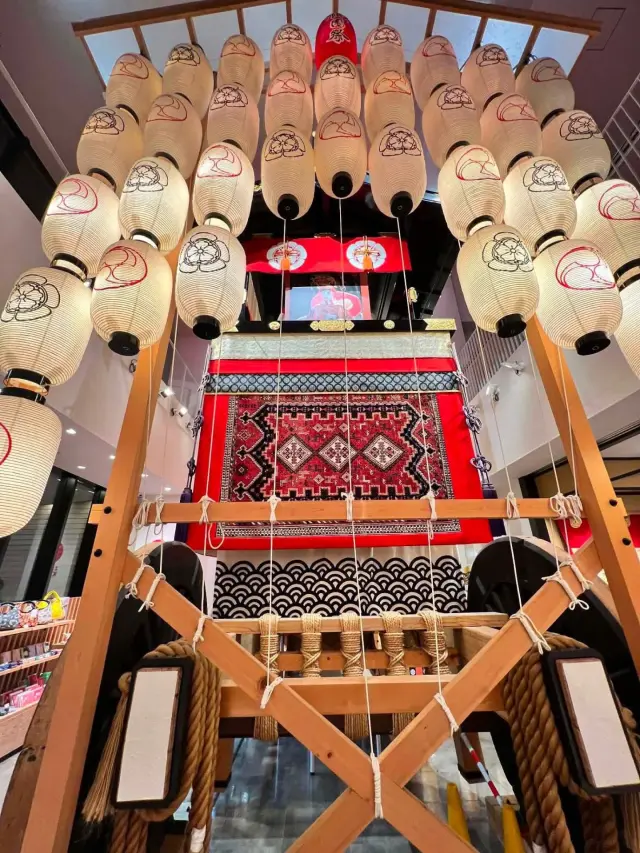
    Bullet point Deep ties to the Gion Festival: This work actually has great historical significance—it was originally used as the miokuri, a large decorative textile hung at the back of a festival float, on Iwatoyama, one of the yamahoko floats in the early procession of Kyoto’s famous Gion Festival.
    Bullet point Artistic features:
    Bullet point Technique: It uses the exquisite traditional roketsuzome wax-resist dyeing technique, combining linen fabric with brilliant, gold-leaf-like colors to create a distinctive sense of coolness and depth.
    Bullet point Imagery: With the classical architecture and waterways of Venice as the background, the foreground depicts elegant white birds (swans) standing and spreading their wings, perfectly blending European exoticism with traditional Japanese textile craftsmanship.
    Bullet point Display at BEAMS: Through its product selections and interior design, BEAMS JAPAN frequently introduces the public to top-quality crafts and local cultures from across Japan. Displaying this valuable textile artwork, which originally belonged to a Gion Festival float, not only reflects Kyoto’s deep historical heritage but also allows visitors to experience up close the powerful blend of traditional and modern aesthetics.

Hokkaido Tohoku Kanto Chubu Hokuriku Kansai Chugoku Shikoku Kyushu Okinawa