Norton Liang's Reviews Page 1/10

Norton Liang’s Profile Page
  • Hokkaido University

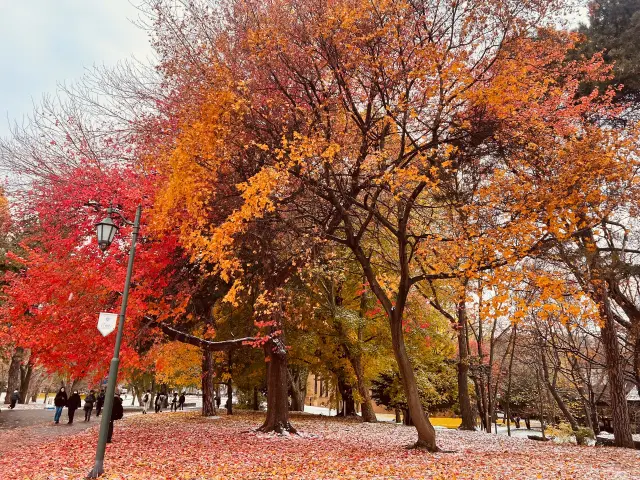
    Hokkaido University has a huge campus and an unconstrained space. A location of the ground is accessible on foot from the Sapporo station. The campus is open to the public for tours and walking as well as students or staff do.

    • Sapporo Station, Odori, Susukino
    • Tourist Attractions
    See More

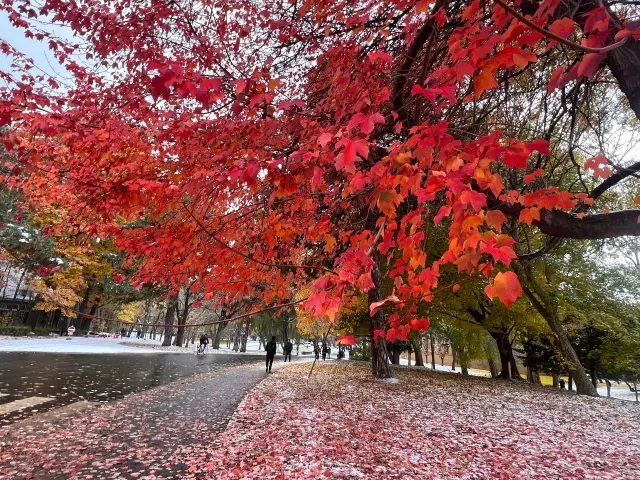
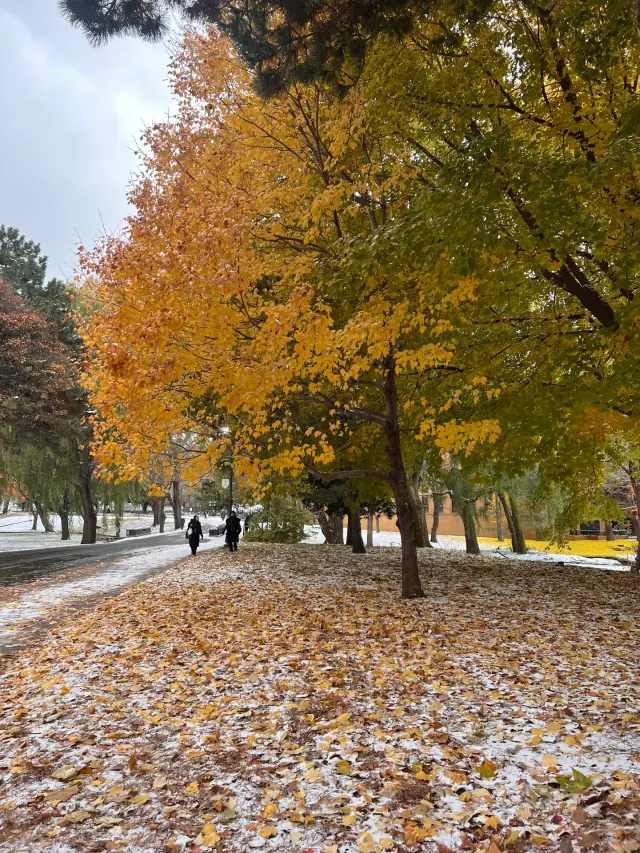
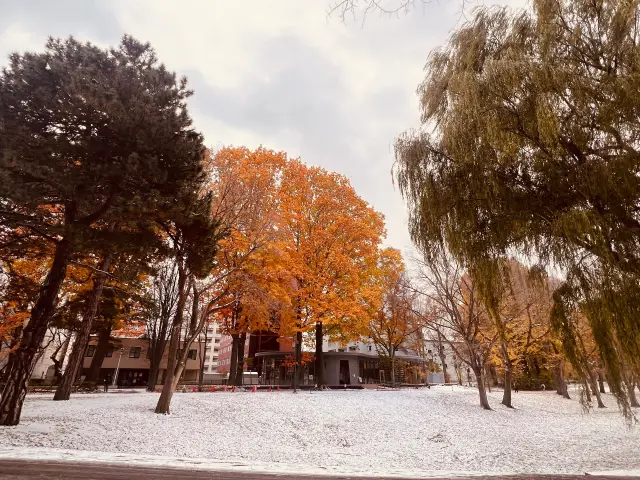
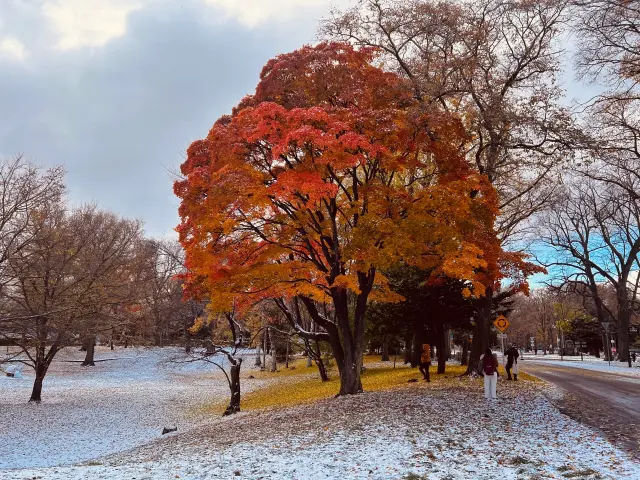
    The Central Avenue (#メインストリート / Main Street) on #北海道大學札幌校區, especially the section around #中央食堂, #古河講堂, and the university library.

    This avenue is the main north-south road running through Hokkaido University, extending from the main gate all the way to the north side. It is not the east-west “#銀杏並木(北13条通),” known specifically for its ginkgo trees.

    Many maple, rowan, and elm trees grow along this section, which is also right next to the lawns and the “#サクシュコトニ川” (#SakushukotoniRiver), a stream flowing through the campus:

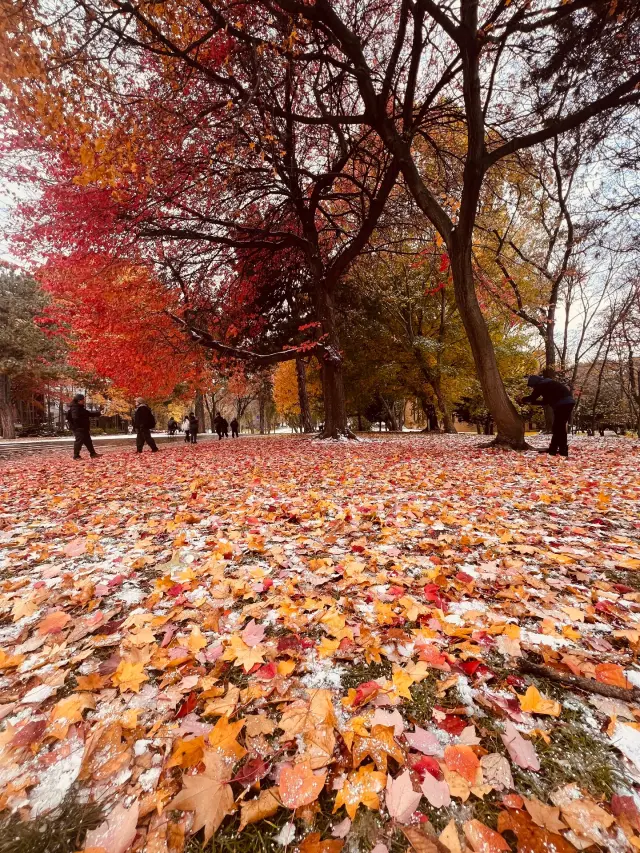
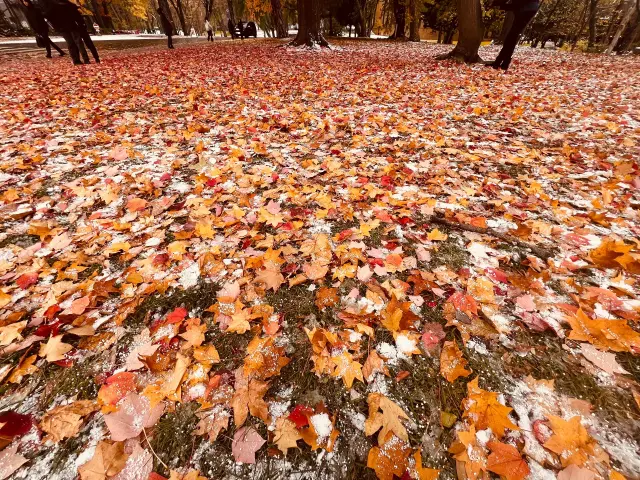
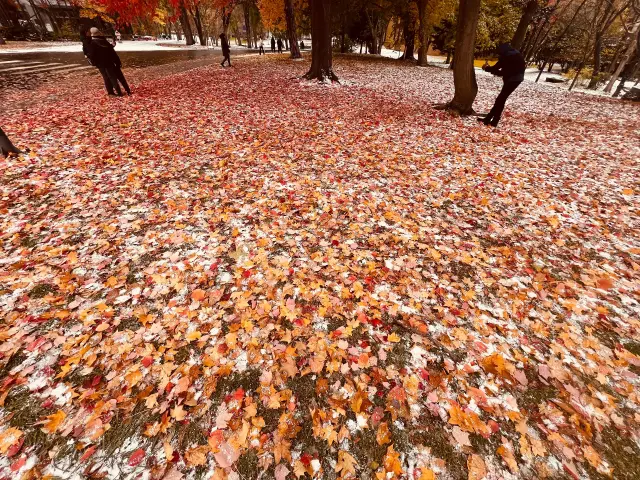
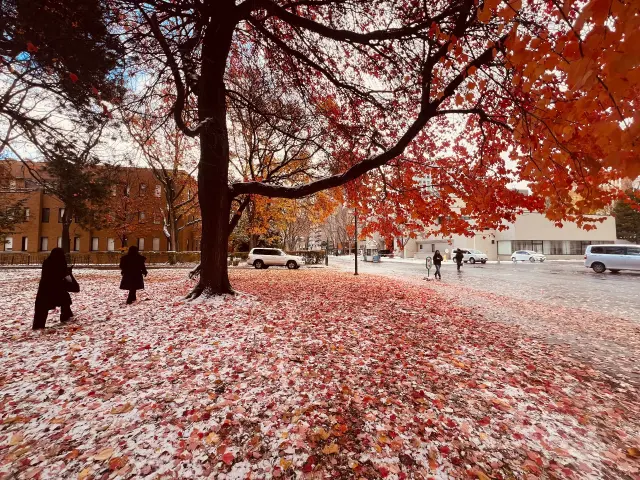
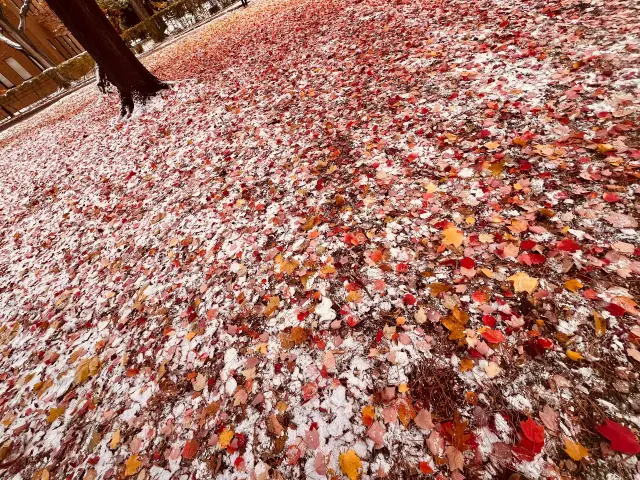
    * In front of the Central Cafeteria and monument: The red-orange maple leaves, mainly Japanese maples and Ezo maples, and the thick layer of fallen leaves on the ground can be found beside the Central Cafeteria, along the lawn paths near the “#クラーク博士胸像 (Bust of Dr. Clark)” and Furukawa Hall.
    * In front of #北海道大學附屬圖書館: The orange-yellow brick building in the background is the Hokkaido University Library (Main Library), while the stream flowing beside it is the “サクシュコトニ川.” When the first snow falls and the maple and ginkgo leaves overlap, the combination of red, yellow, and white in one scene is a classic view here.

    Compared with the ginkgo avenue covered in gold at its peak, this “snow-covered autumn leaves” scenery, with the first snow blanketing the red-orange fallen leaves, can only be seen for a few short days each year in Sapporo. It really is especially poetic.

    Filming 🎬 date: 1110/2026

  • Hakodate Station

    Hakodate Station's commercial zone was renovated in 2016 with the opening of the Hokkaido Shinkansen. On the first floor is the "Hokkaido Shikisaikan JR Hakodate Store" offering a variety of local specialties and products, while the second floor features restaurants and an observation deck called the "Rotunda Deck" where visitors can take pictures of trains arriving and departing on the platforms.

    • Hakodate and Matsumae
    • Train Stations
    See More

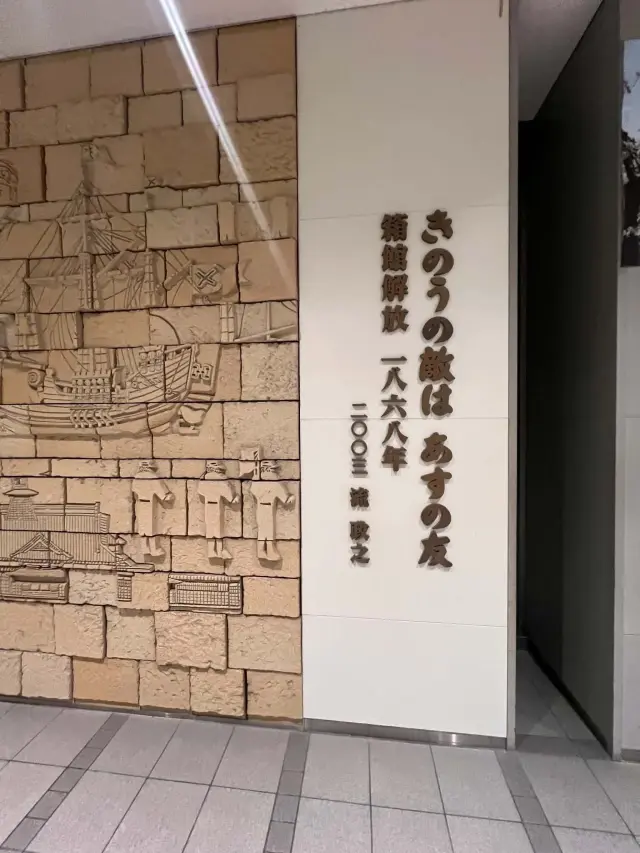
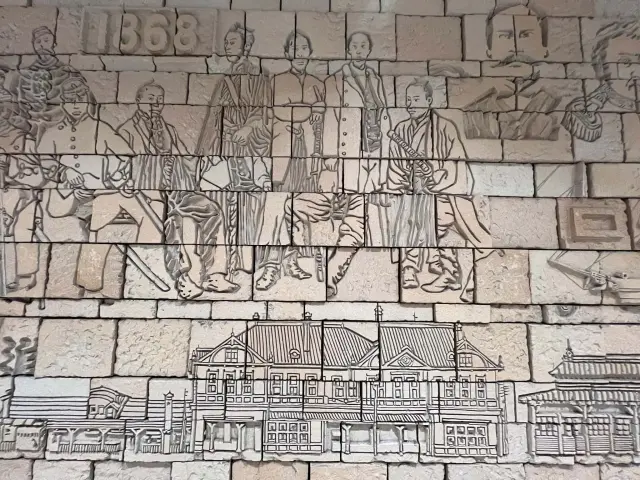
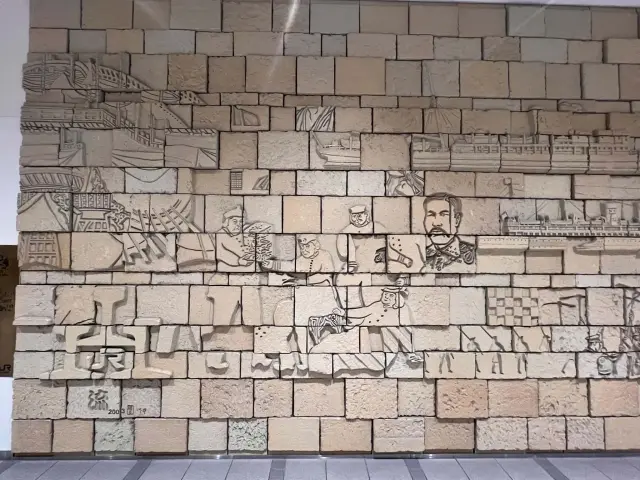
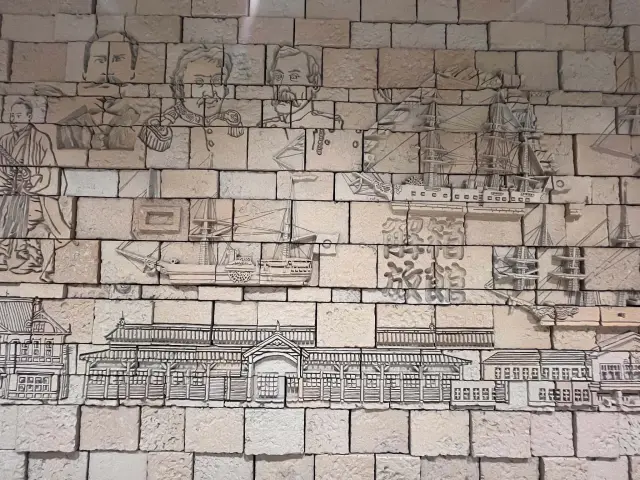
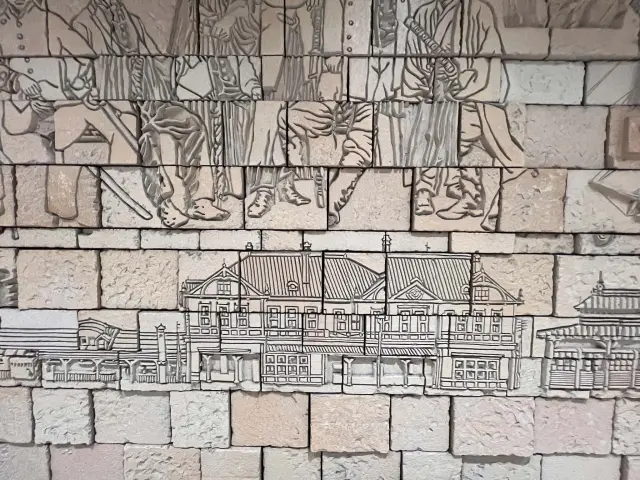
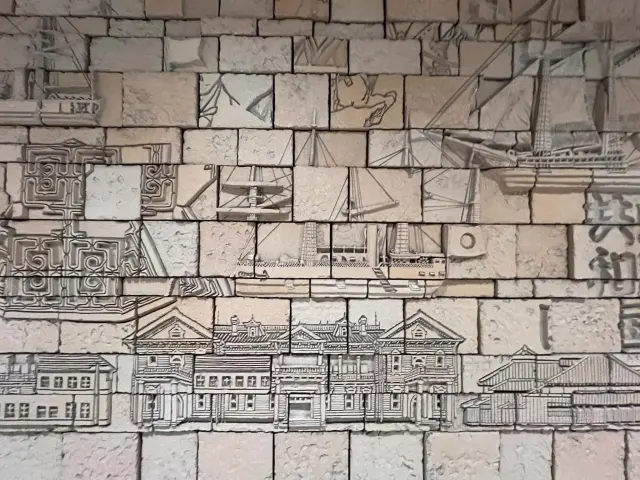
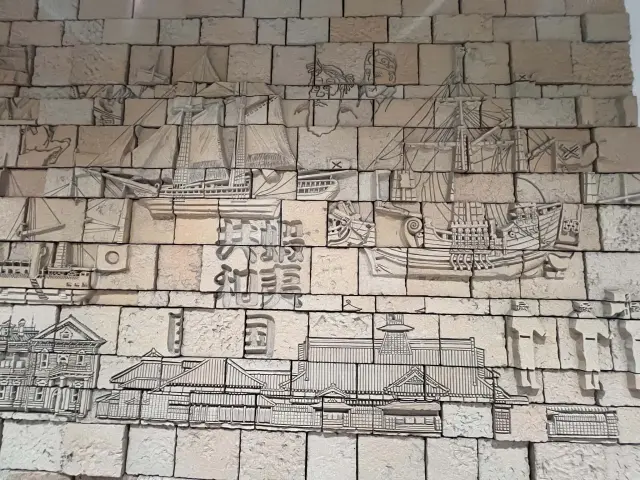
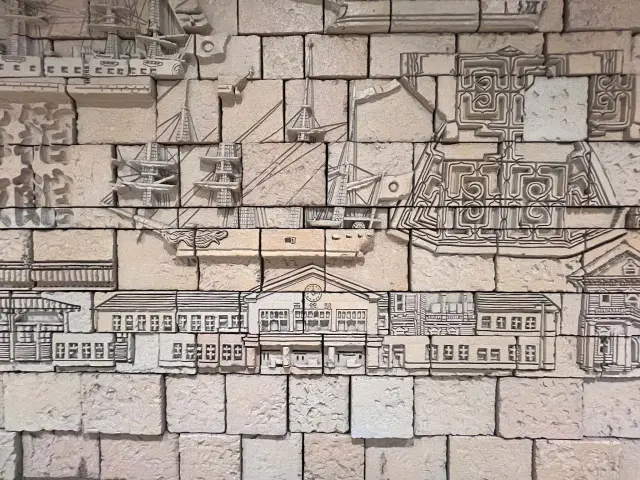
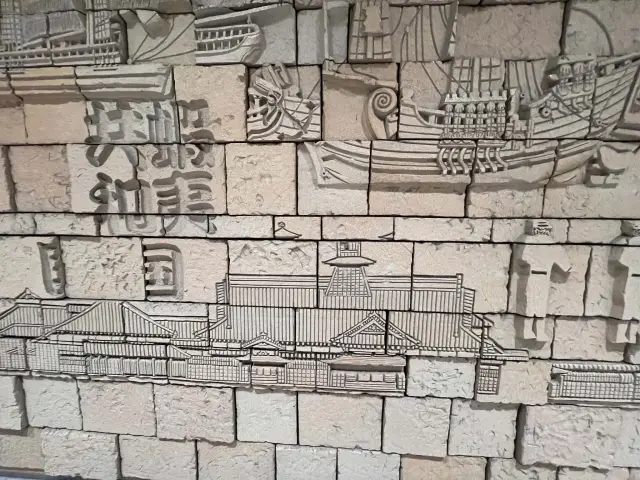
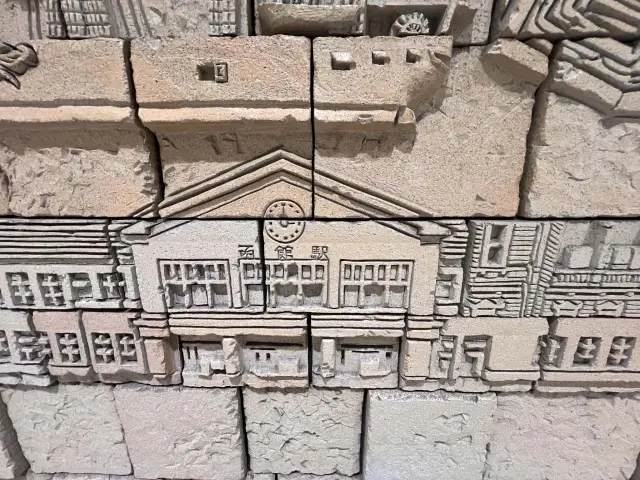
    This stone relief mural, located in the concourse leading to the platforms at JR Hakodate Station, is a public artwork created in 2003 by renowned Japanese sculptor Masayuki Nagare, when the new Hakodate Station building was completed. Its title is “きのうの敵は あすの友” (“Yesterday’s Enemy Is Tomorrow’s Friend”), with the subtitle “#箱館解放 一八六八年” (“The Liberation of Hakodate, 1868”).
    The mural’s theme is “the history of the #幕末維新, the #箱館戰爭 (the final battle of the Boshin War), and the opening of the port of #函館.” Through a mosaic of stone tiles, it depicts #函館’s journey from turmoil to peace, openness, and modernization.

    The entire wall is like a three-dimensional picture scroll of Hakodate’s modern history, allowing every traveler about to depart or just arriving to experience, before reaching the platforms, the city’s historical journey from war to peace and prosperity.

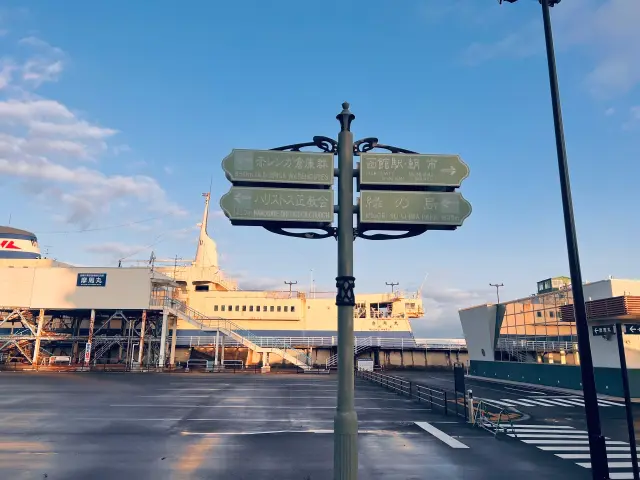
  • Hakodate Port (Tsugaru Strait Ferry Hakodate Terminal)

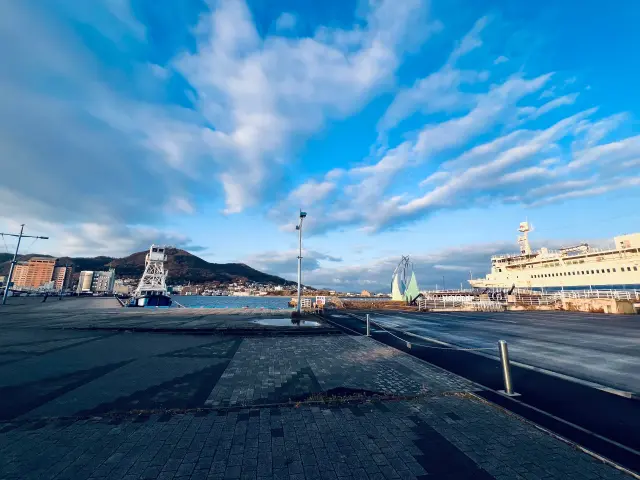
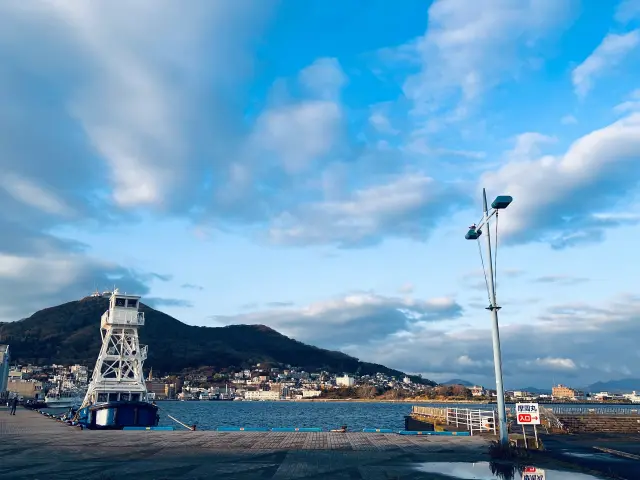
    Hakodate Port has been at the center of Hakodate's development since it opened in 1859 (Ansei 6). As one of the first ports to open in Japan, it has greatly contributed to the development of Hakodate as a tourist city. The dynamic landscape of the deep bay and Mount Hakodate, combined with the modern atmosphere and exotic streetscape of the 19th century, make the area 360-degree photogenic!

    • Hakodate and Matsumae
    • Tourist Attractions
    See More

    ⚓ Hakodate Bay
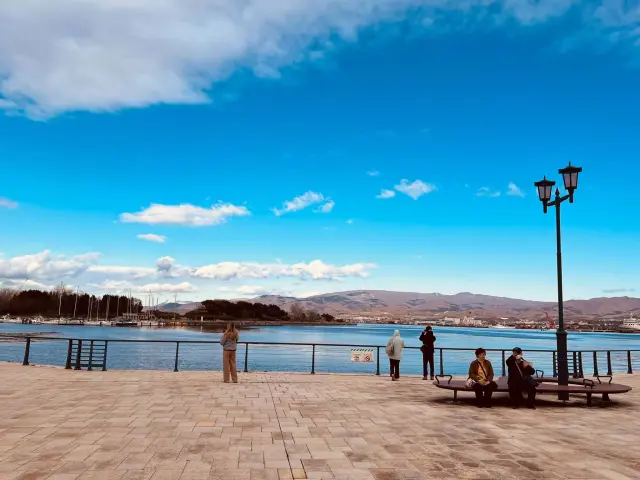
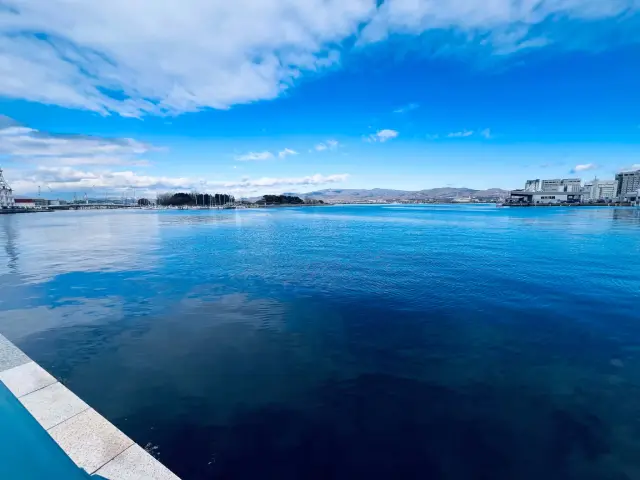
    A waterfront area full of historic romance and an exotic atmosphere. There’s no rushing around, only a gentle sea breeze blowing toward you. It’s a “super chill” spot where you can completely relax and enjoy the slower pace.
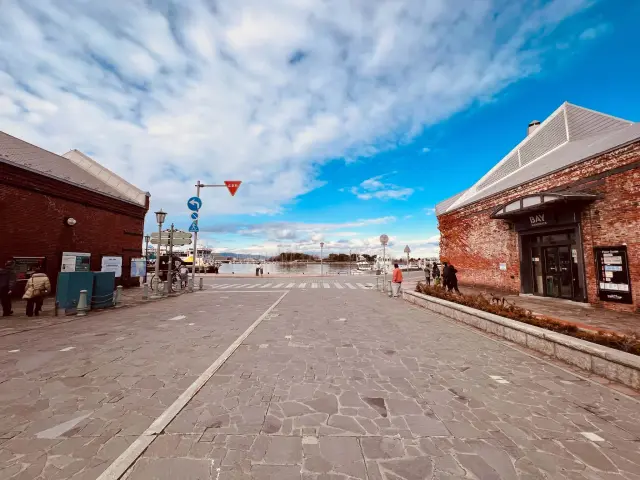
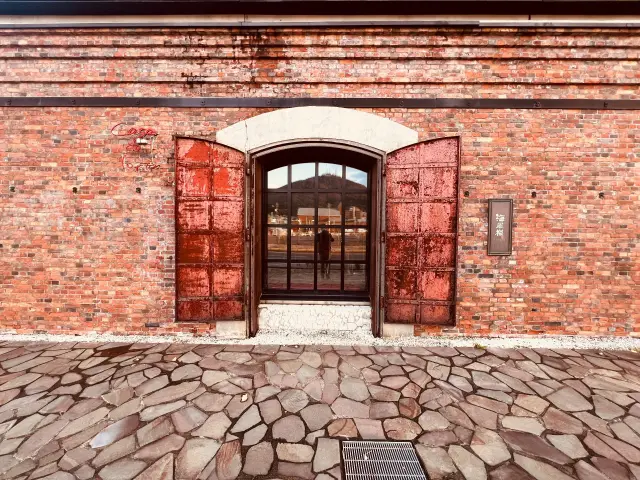
    🧱 Nishi Hatoba and the Red Brick Warehouses:
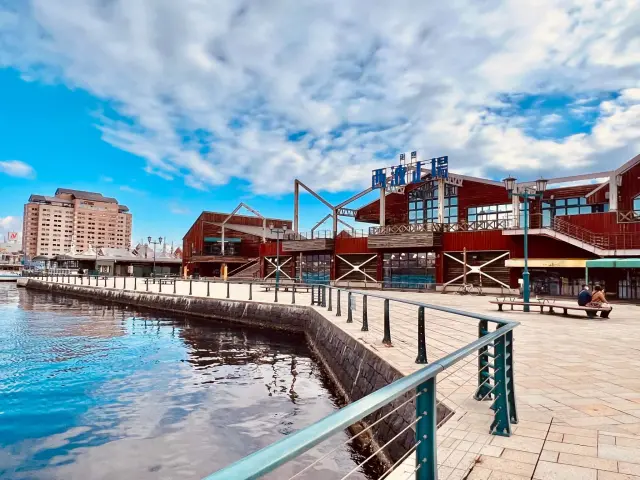
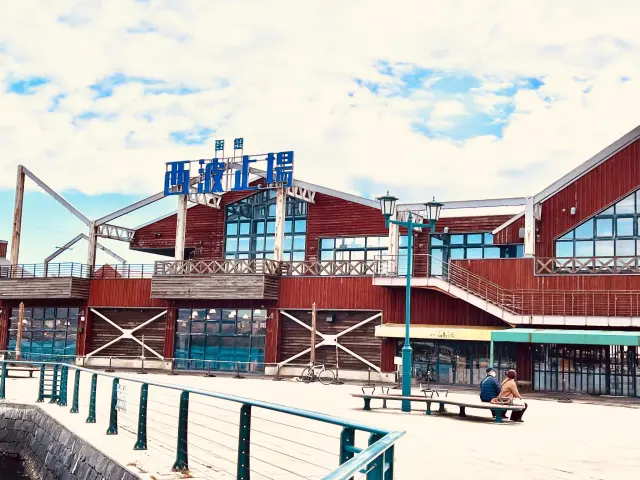
    The striking reddish-brown wooden building of Nishi Hatoba and the nearby Kanemori Red Brick Warehouse complex are landmarks of the bay area. Inside, there are plenty of seafood markets, souvenir shops, and restaurants. You can pick up some snacks, order a local beer or coffee, and sit on the outdoor wooden boardwalk, looking out at the sea while soaking up the sun.
    🚶♀️ Strolling Along the Boardwalk and Waterfront Plaza:
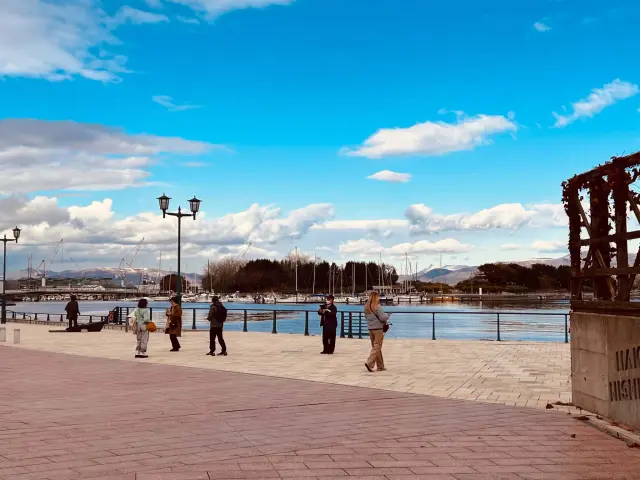
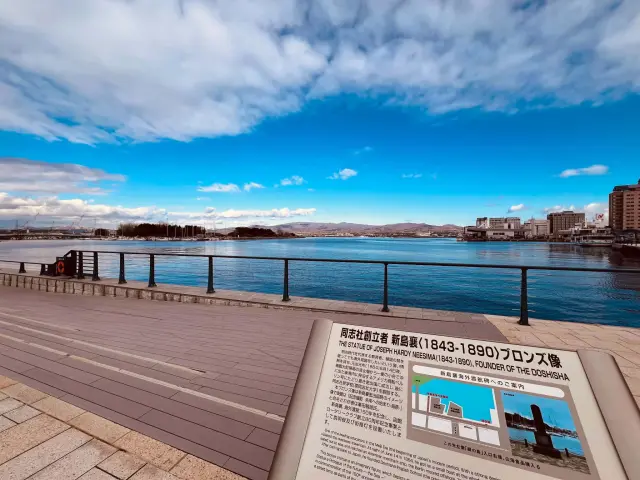
    The spacious plaza and wooden boardwalk extending along the harbor have plenty of benches. Whether it’s local residents walking their dogs, travelers leaning against the railing and looking at the sea, or people simply sitting on a bench and zoning out, everything feels incredibly relaxing.

    ⛰️⚓️ Harbor Scenery and Mountain Views Across the Water:
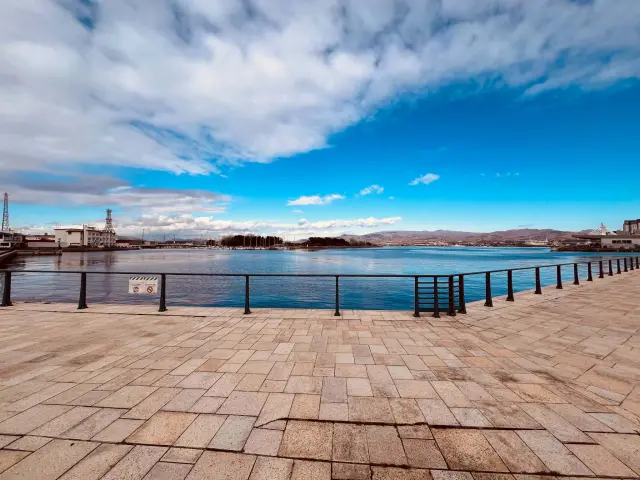
    Looking out over the water, you can see white yachts and sightseeing boats, such as the Blue Moon, slowly cruising by. In the distance is the long ridgeline of Mount Hakodate, where you can even faintly see the ropeway. The blue sky, white clouds, and sparkling water blend together, and in the evening, vintage-style streetlights come on, adding a warm and romantic touch.

    🌟 Traces of History and Photo Spots ⭐️

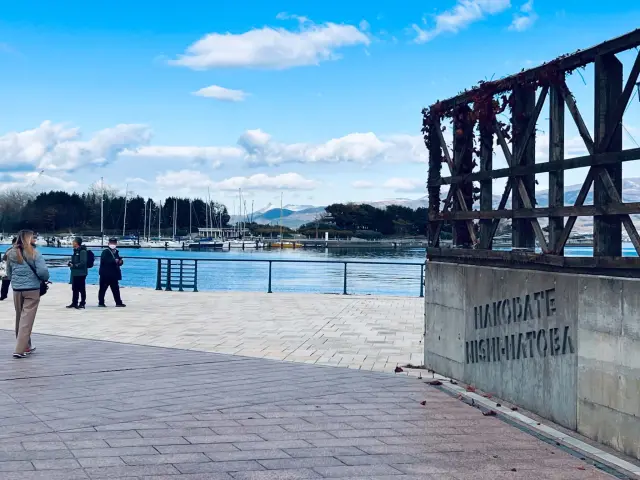
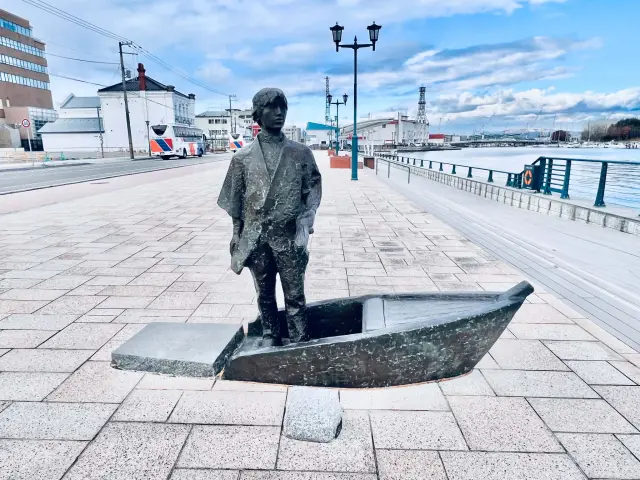
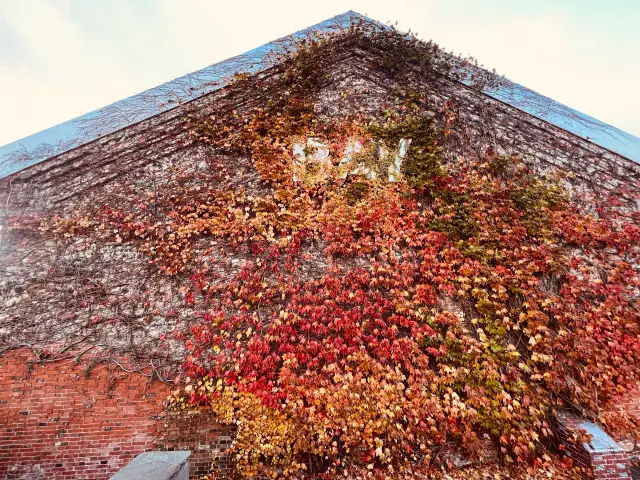
    Beside the “Hakodate Nishi Hatoba” sign and the fence covered in red leaves, or in front of the historic statue and information board for Jo Niijima, casually exploring the story of how this port city opened to the world while strolling around is also part of the fun.

    Here, the best itinerary is “no itinerary.” Buy some snacks, find a bench by the sea, sit down, listen to the waves, and watch the seagulls—that’s the most relaxing way to spend time in Hakodate! I hope this illustration and introduction bring you plenty of vacation vibes!

  • Hachimanzaka Slope

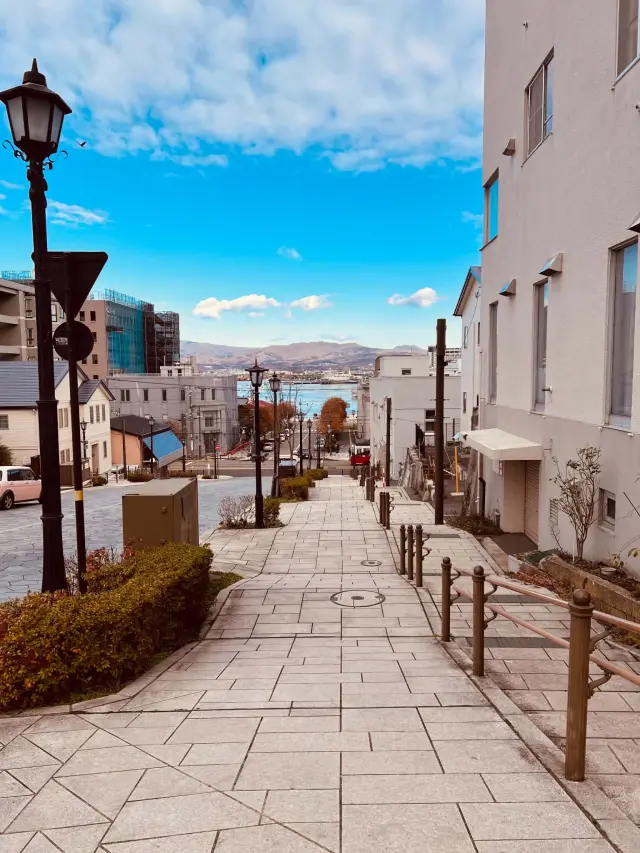
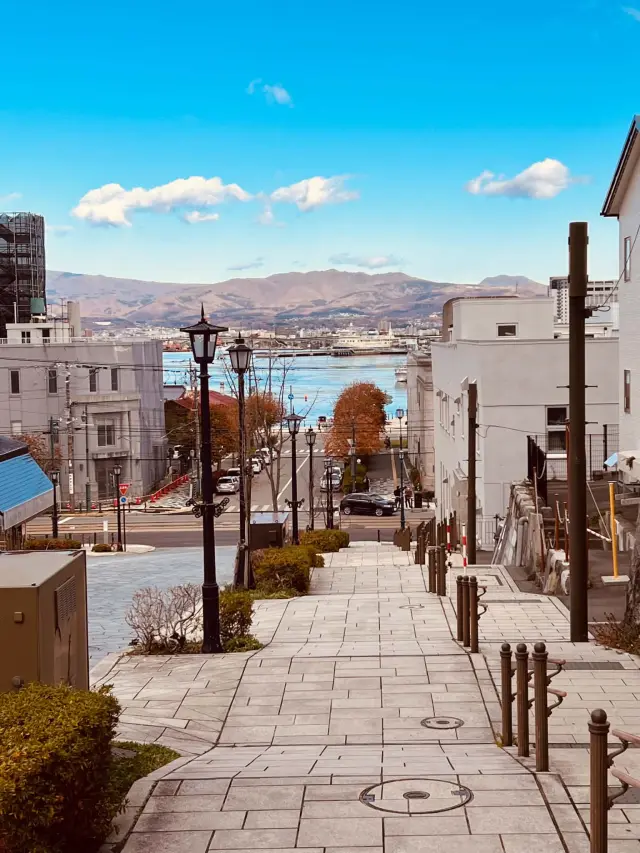
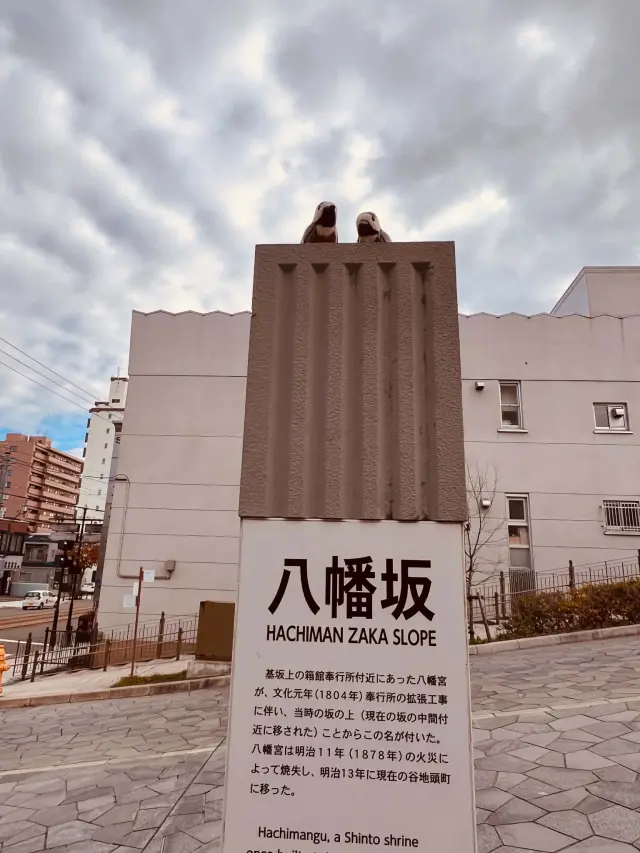
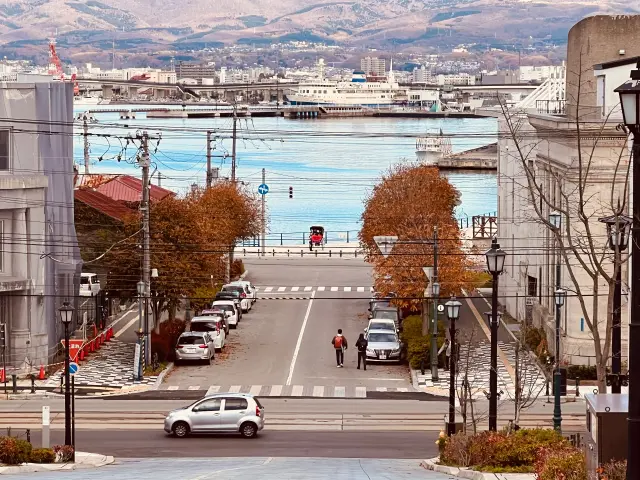
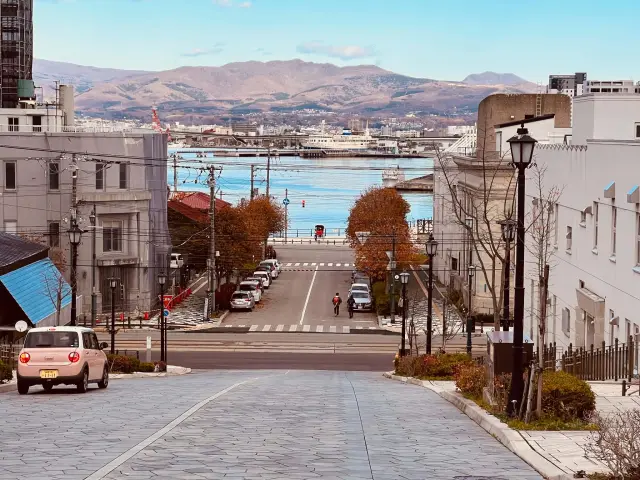
    Hachimanzaka, named after the Hakodate Hachiman Shrine that once stood at the top of the hill. The beautiful cobblestone street stretches straight out to sea, lined on both sides by neatly maintained roadside trees, and offers a view of Hakodate Bay and the Mashu Maru, the memorial to the Seikan-Hakodate Liaison Ship, both of which are moored and on display.

    • Hakodate and Matsumae
    • Tourist Attractions
    See More

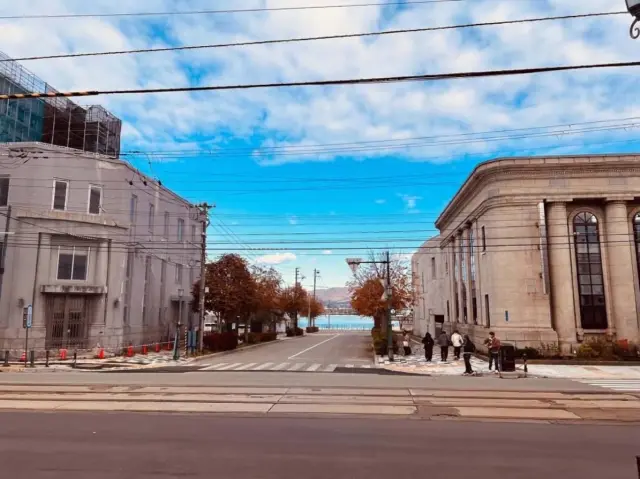
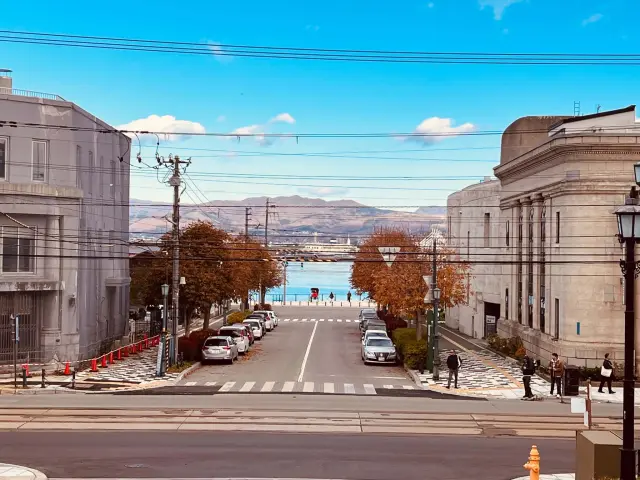
    Walking all the way up the beautiful stone-paved slope, with neatly lined roadside trees on both sides, I looked down Hachimanzaka toward the harbor.
    The expansive view of the sea and Hakodate Bay was deeply moving,
    and then I discovered
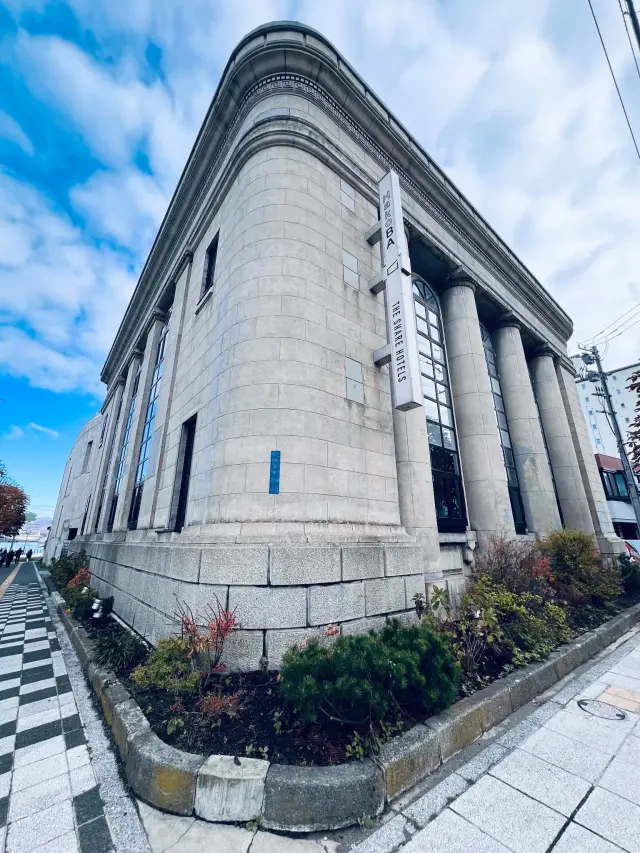
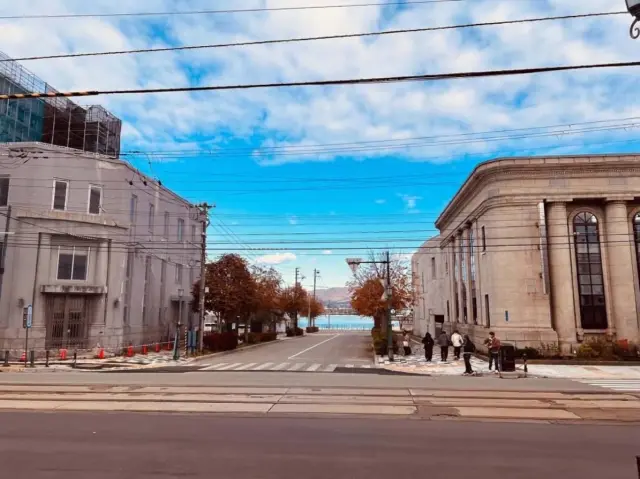
    two symmetrical historic bank buildings with a strong classical Western style standing on either side of the intersection:
    * On the left is the former head office of Hakodate Savings Bank (now the SEC Suehiro Building)

    The reinforced-concrete building has stately classical twin columns and relief decorations at the entrance, showcasing the grandeur of a financial institution from the early Showa period. It is now registered by Hakodate as a “Registered Landscape Building.”
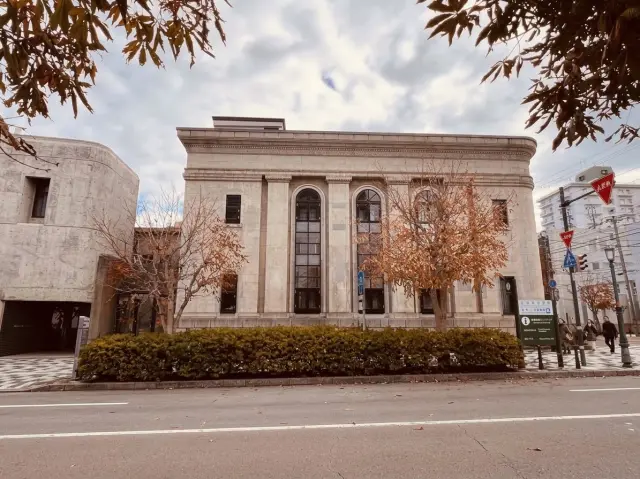
    * On the right is the former Hakodate branch of Yasuda Bank (now the hotel “HakoBA Hakodate by THE SHARE HOTELS”)
    The building’s exterior features tall arched windows, rounded corners, and classical pilasters, giving it a substantial blend of modernist and neoclassical styles. The interior has now been renovated and revitalized, turning it into a distinctive place to stay that combines a historic atmosphere with modern design (the BANK wing).

    A walking route with so much atmosphere and historic romance

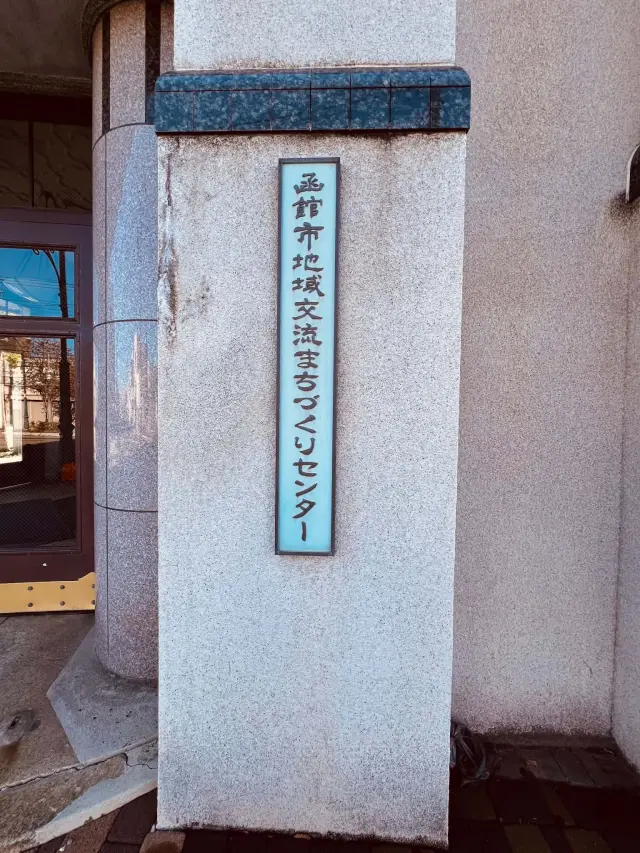
  • Hakodate City Chiiki koryu Machizukuri Center

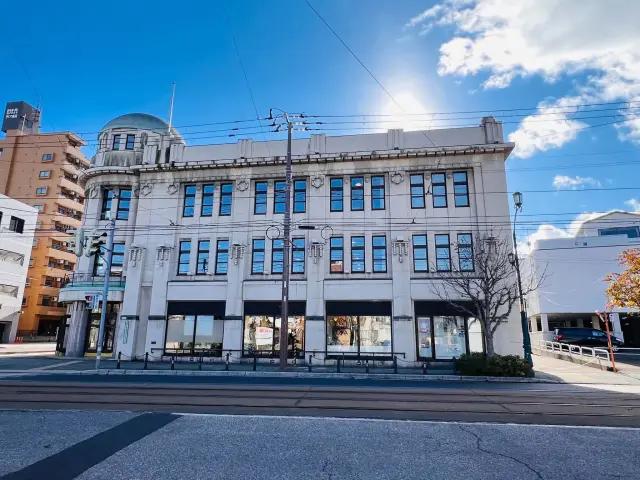
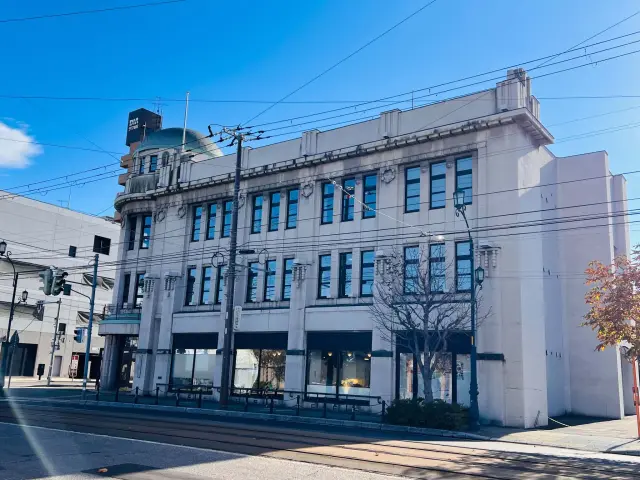
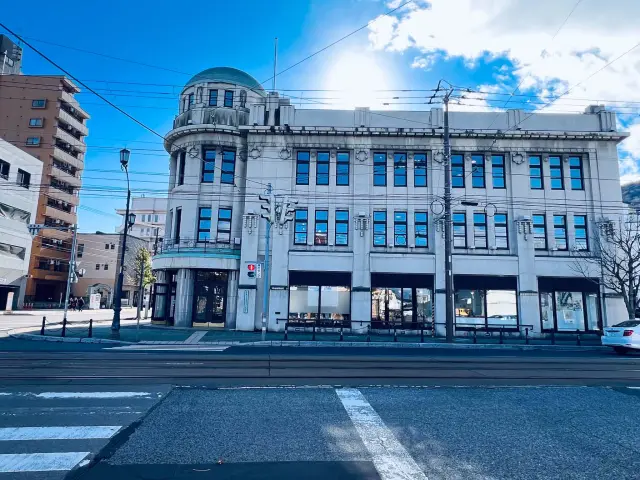
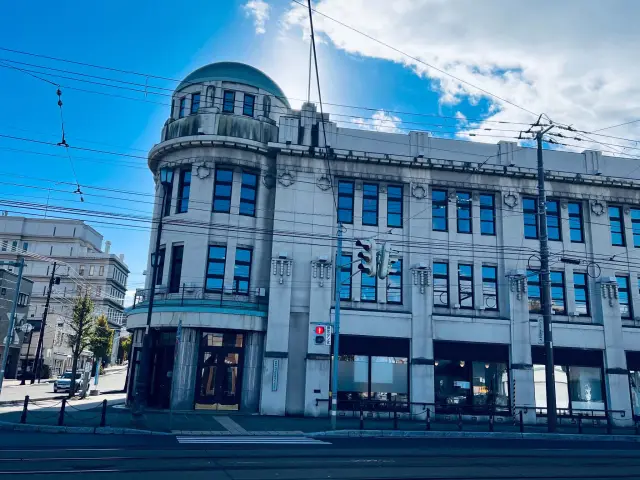
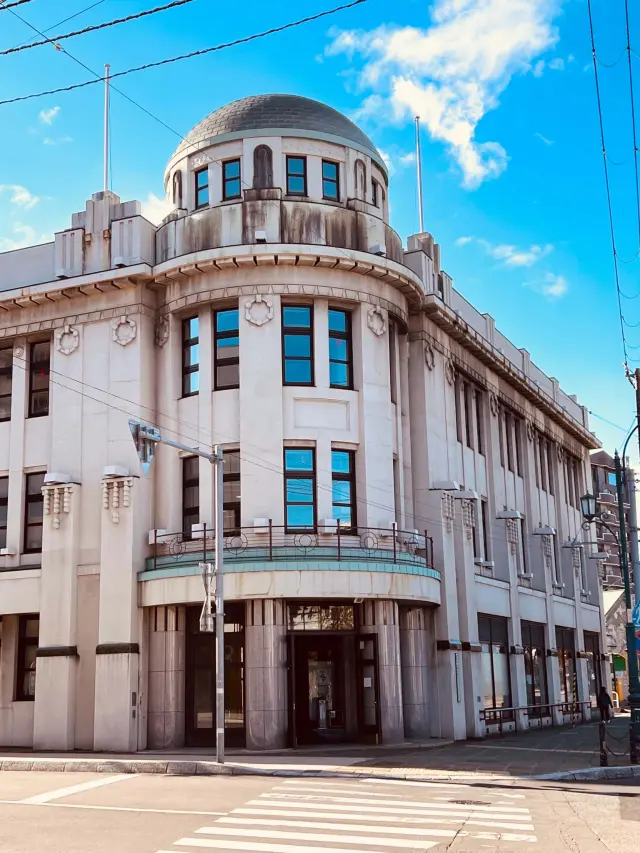
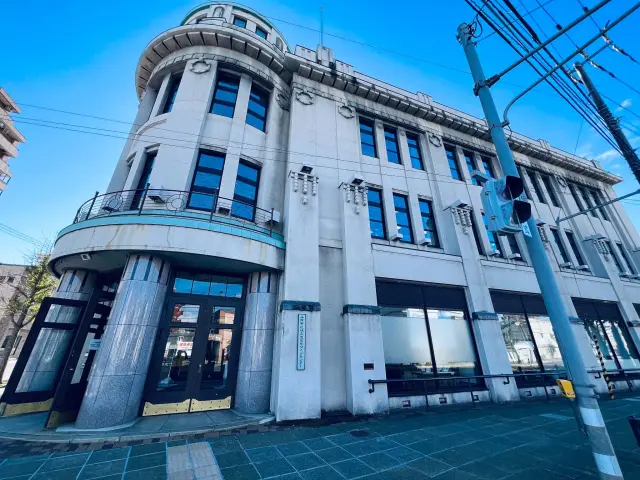
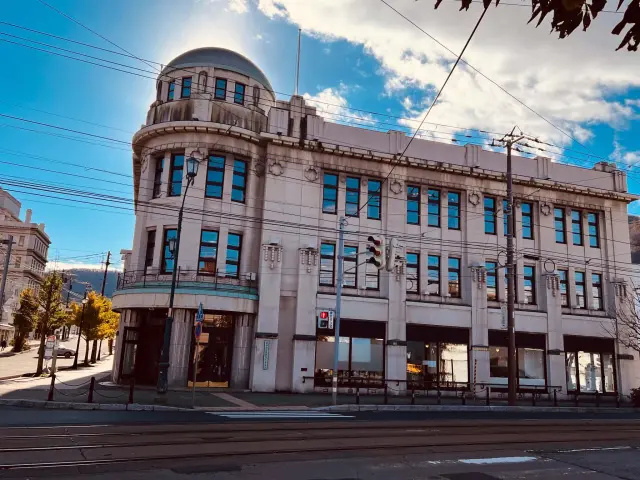
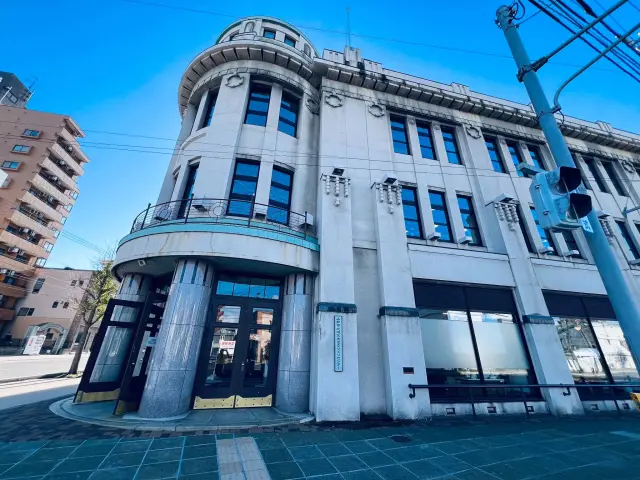
    Hakodate City Chiiki koryu Machizukuri Center with a domed roof is designated as Hakodate’s landscape forming architecture. Having been in use since 1923, this building went through a massive renovation into the design similar to the former Marui Imai kimono shop’s Hakodate branch.

    • Hakodate and Matsumae
    • Roadside Stations & Tourist Information Centers
    See More

    Strolling along and admiring Hakodate's historic buildings
    As soon as I got off the streetcar 🚋, I was immediately drawn to the Renaissance-style reinforced concrete building, with its eye-catching round corner tower and green dome, as well as the imposing stone columns at the first-floor entrance 🤩

    Anyone who likes architecture 🏘️ should definitely make a pilgrimage here.
    I hadn't done enough research and thought it was some kind of upscale place, so I didn't go inside to see northeastern Japan's most historic 👋 hand-operated elevator 🛗. I hope I'll have another chance to go inside and explore next time!

    Also, at the intersection outside the building,
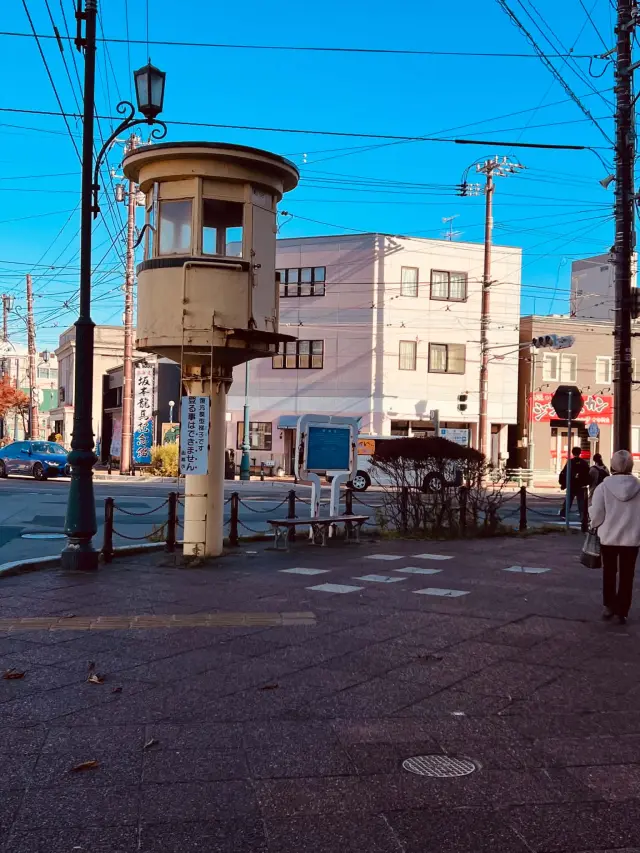
    there is a historic-looking little iron tower (Jujigai Streetcar Control Tower).
    Bullet point Function and history: It isn't an ordinary iron tower, but a “control tower” once used to direct the operation of Hakodate's streetcars. Before automated systems became widespread, staff would climb into the small control room high above, observe streetcar movements at the intersection, and manually switch the tracks and signals.
    Bullet point Current status: Built in 1938 (Showa 13), it remained in service until it was retired in 1995. It is now preserved at its original location as a historical exhibit (the sign on the pillar identifies it as a restored display model and says climbing is prohibited), bearing witness to the years when Jujigai was the heart of Hakodate's transportation network.

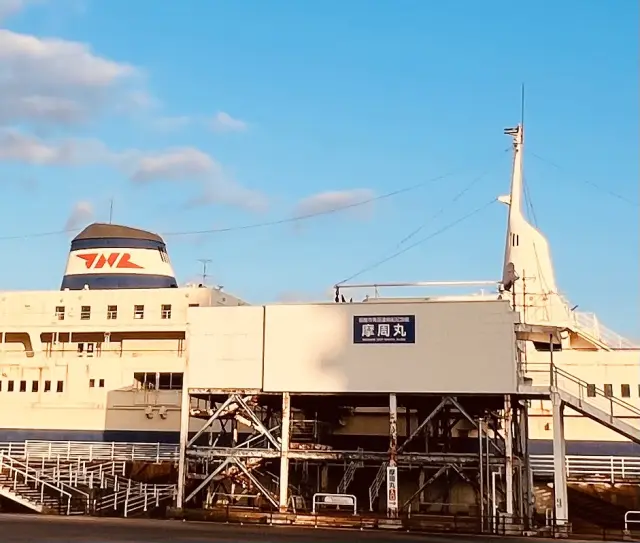
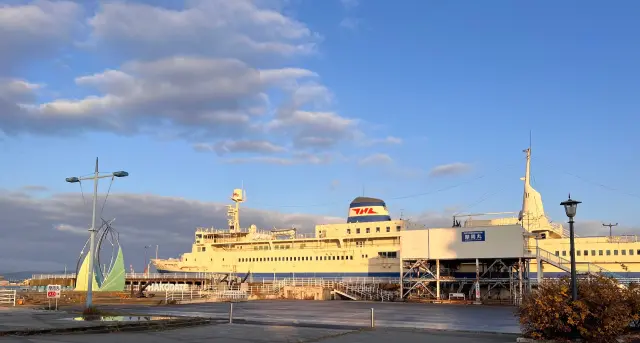
  • Hakodate City Seikan Ferry Memorial Museum “Mashu-maru”

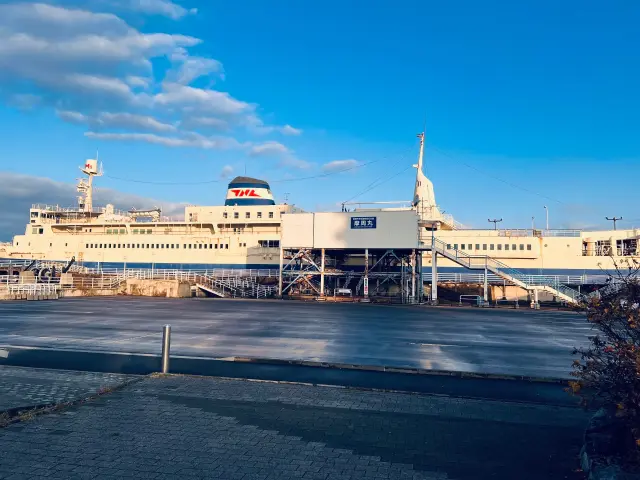
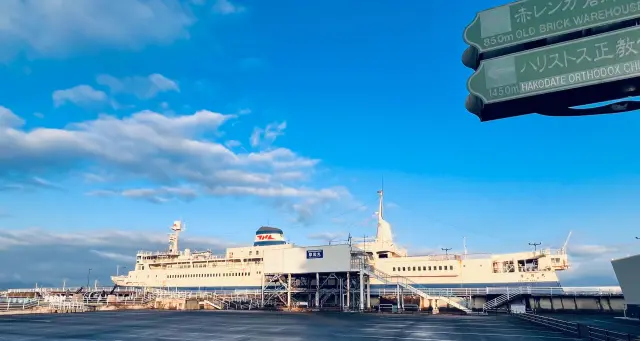
    A museum ship housed in the second-generation Mashu-maru, a Tsugaru Maru-class vessel that served as a Seikan Ferry and was known as the “bullet train of the sea.” After its final voyage in 1988, the vessel was converted into an exhibition ship and opened to the public as a memorial ship. It was renovated and reopened in 2003 as the Hakodate City Seikan Ferry Memorial Museum “Mashu-maru.”

    • Hakodate and Matsumae
    • Museums
    See More

    From a hotel near Hakodate JR Station, I thought I’d take advantage of the nice weather and go for a walk by the harbor 🚶♀️ This huge vessel
    The Hakodate City Seikan Ferry Memorial Museum “Mashu-maru” is a maritime museum converted from the legendary passenger and cargo ferry Mashu-maru, which once traveled between Hakodate, Hokkaido, and Aomori on Honshu.

    Eye-catching 🤩
    If you’re a pretty good walker,
    it’s about a 10-minute walk to the Kanemori Red Brick Warehouse area.
    A very comfortable route that’s great for a walk.

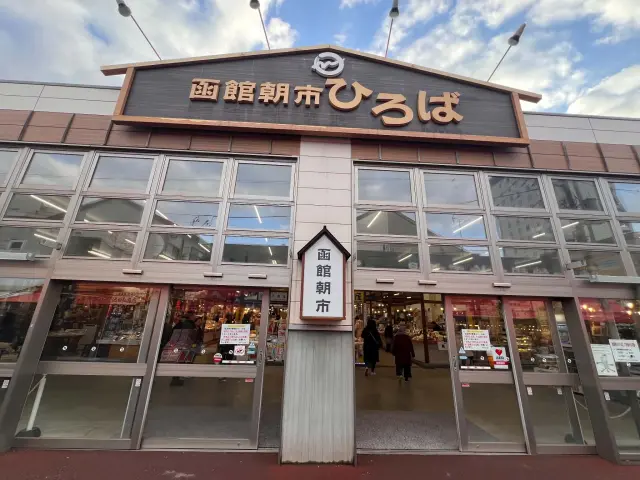
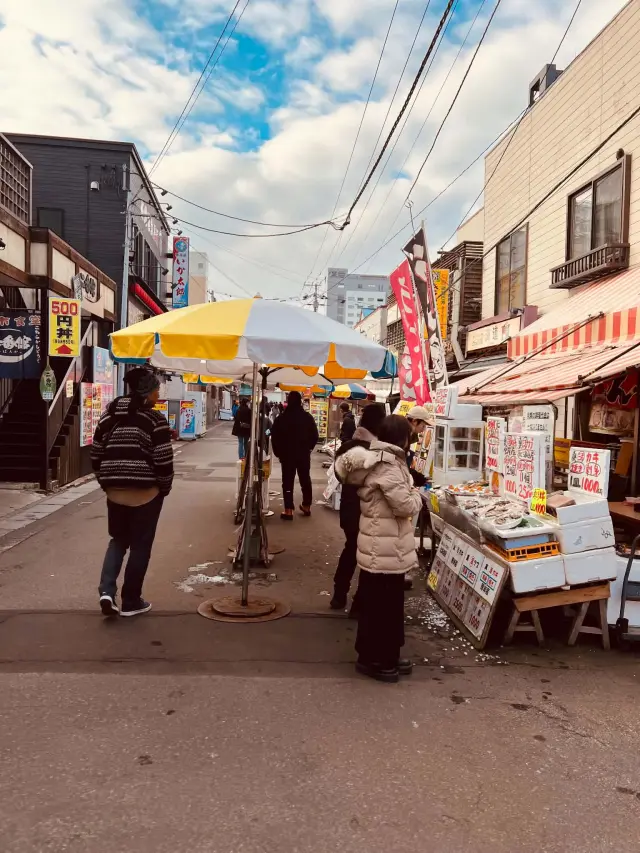
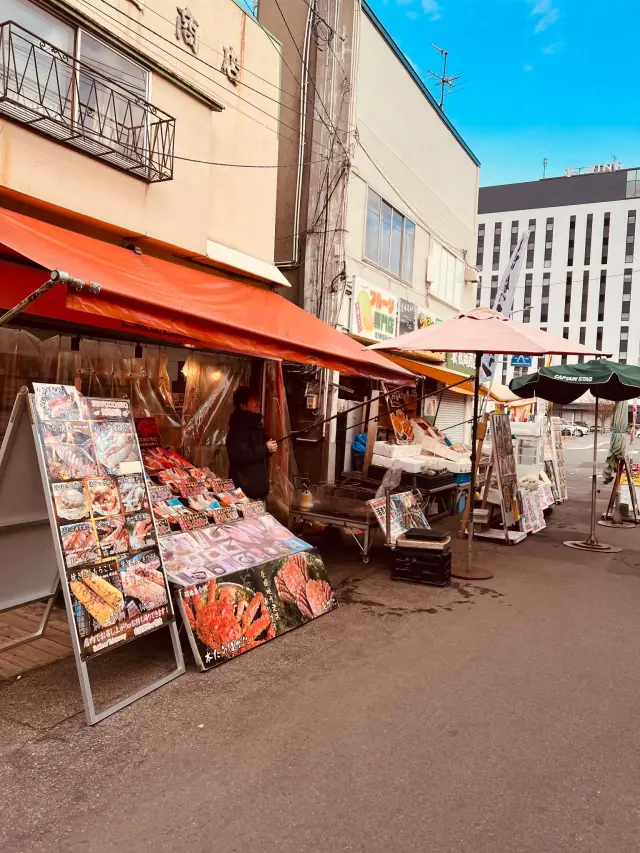
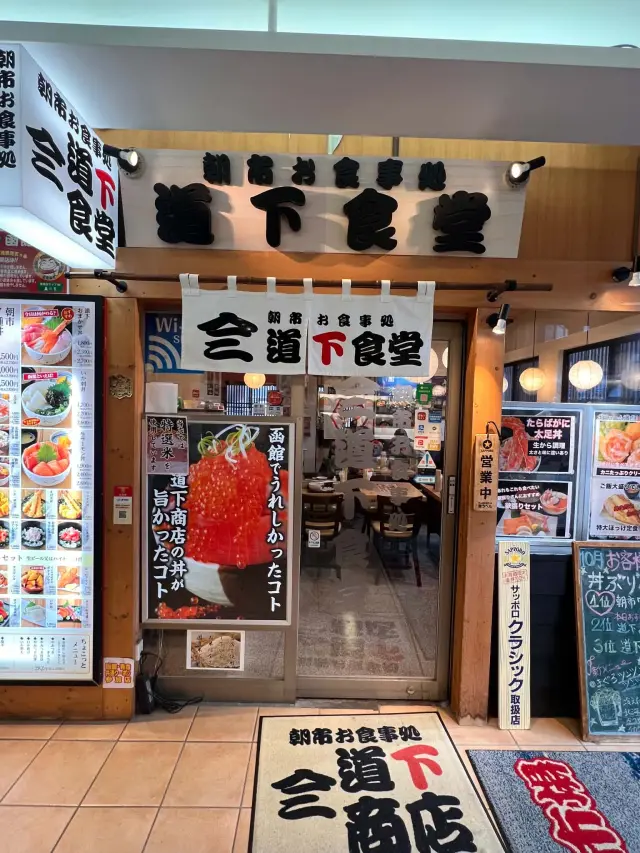
  • Hakodate Morning Market

    Hakodate Asaichi is a huge market of about 33,000㎡. Some 250 stores, including about 150 member stores of the federation and 100 other stores, sell and serve Hokkaido foodstuffs. Member stores display a sticker of "Asaitchan ," the mascot of the Hakodate market, as their recommended store sign.

    • Hakodate and Matsumae
    • Shopping Streets
    See More

    I especially recommend two places I actually tried,
    with very welcoming ❤️ owners and delicious 😋 food.

    On my last day in Hakodate, I was looking for one of Tokyu Stay's partner breakfast places.
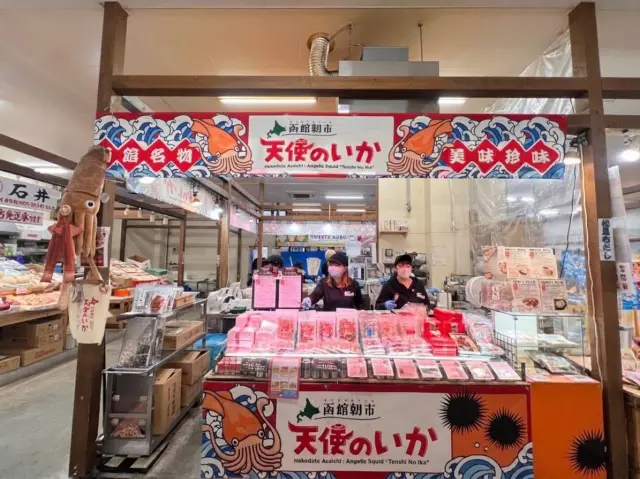
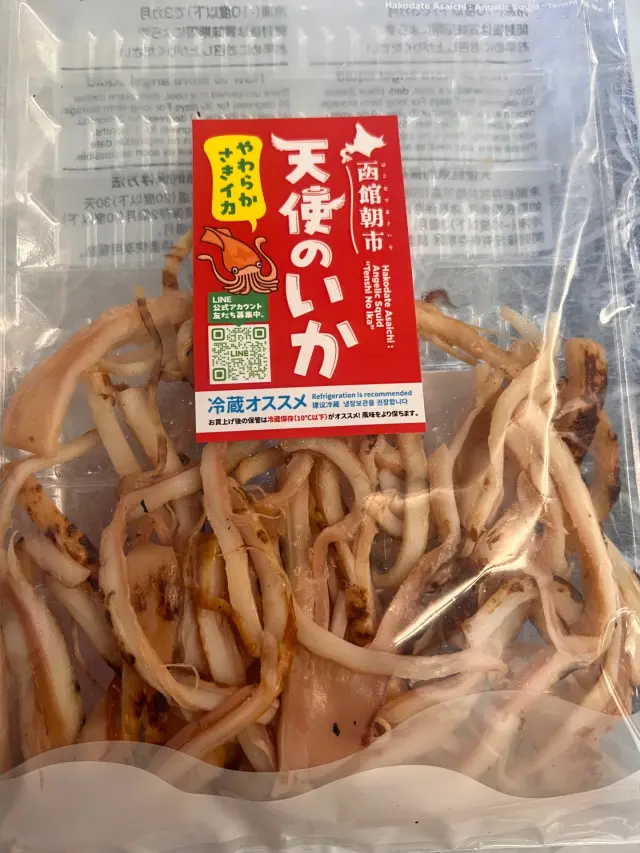
    I walked in here, and the aroma of grilled squid 🦑 immediately filled the air.
    The owner of this place was so welcoming
    and kept giving me samples.
    I hadn't even had time to fully savor the squid in my mouth
    before the owner held out a second kind of freshly grilled squid 🦑.
    It was crazy. (He kept feeding me until the sixth kind,
    when I finally said, “Daijobu!” because I was really full!)
    I'll recommend this place for life!

    Then, after returning to Taiwan, I opened the only bag I bought while on the train 🚞 back to Hualien.
    It was insanely delicious.
    I only kept it at room temperature,
    but the owner had reminded me that it needed to be refrigerated.
    Everyone, please keep that in mind‼️
    #天使のいか」 (Tenshi no Ika) is a very popular souvenir and squid products shop inside #北海道 #函館朝市 in Japan.
    Basic store information
    • Address: 9-22 Wakamatsucho, Hakodate, Hokkaido, inside Asaichi Hiroba Oshima Vegetable Agricultural Cooperative (about a 2-minute walk from the west exit of JR Hakodate Station)

    • Hours: 06:00–15:00 (closed on irregular days)

    The second place:
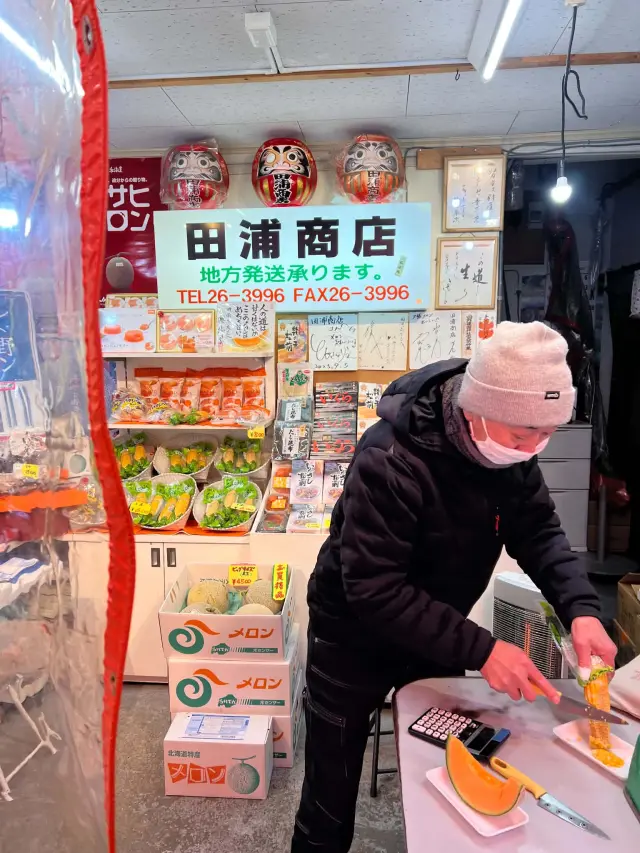
    Taura Shoten is a specialty shop mainly selling fruit and produce in Hakodate Morning Market (Wakamatsucho, Hakodate, Hokkaido).
    🍈The melon 🍈 was so sweet. An older man was running the shop by himself.
    He could say the prices in Chinese, which was very cute ☺️.
    He also cut up some corn 🌽 for me to try.
    I brought everything back to Taiwan.

    Highly recommended.
    Basic store information

    • Address: 11-15 (or 11-17) Wakamatsucho, Hakodate, Hokkaido
    • Access: About a 3-minute walk from the main entrance of JR Hakodate Station.
    • Hours: Opens at around 6:00 a.m. (actual hours may vary slightly depending on the day and season).
    • Main products: Primarily fresh fruit, such as Furano melons and Yubari melons, as well as vacuum-packed yellow sweet corn (とうきみ, such as Peter Corn/ピーターコーン, about JPY 500 each).
    • Payment: Mainly cash (Cash-only).

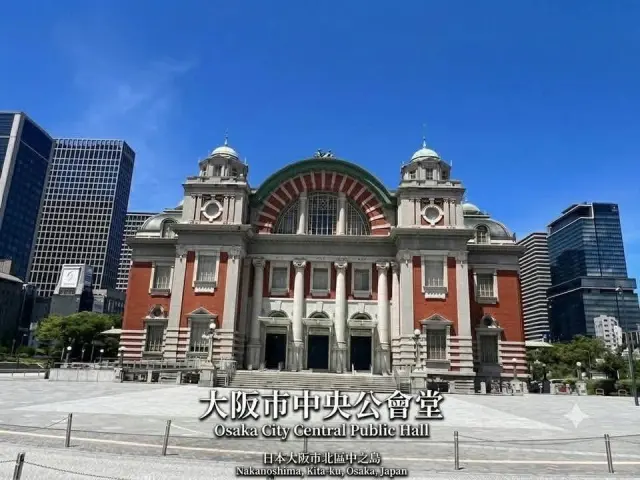
  • Nakanoshima

    Nakanoshima is a lush, green and iconic city area known for Aqua Metropolis Osaka that’s tucked between the Dojima and Tosabori Rivers. Home to one of Osaka’s known business districts, the area is lined with a mixture of skyscrapers, modern architecture and office buildings.

    • Umeda, Osaka Station, Nakanoshima Area (Kita)
    • Famous Places
    See More

    After exploring Nakanoshima, Osaka's urban oasis,
    I highly recommend coming to
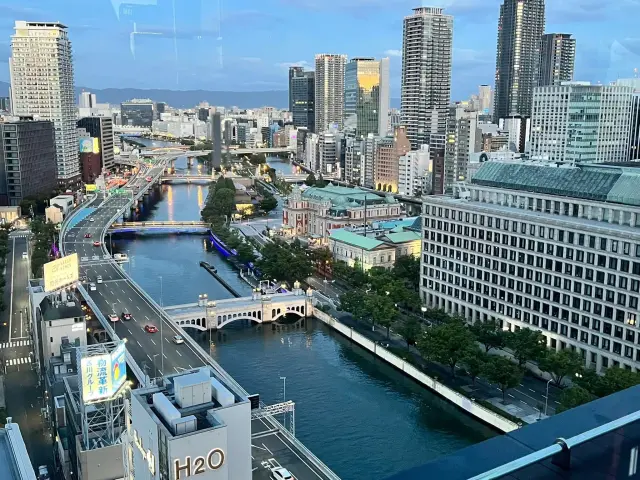
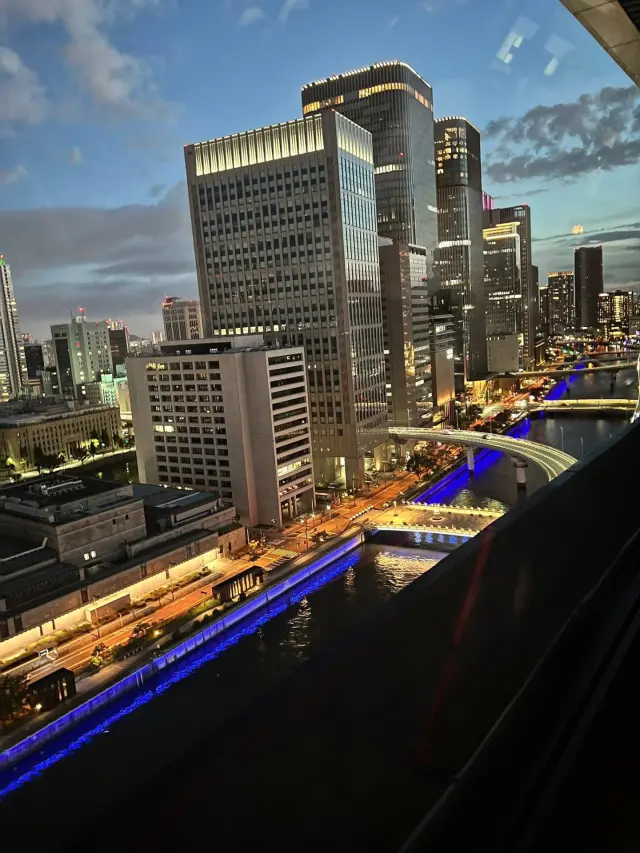
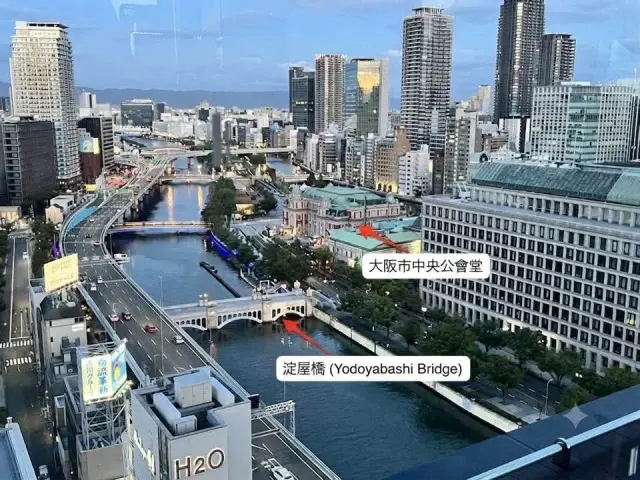
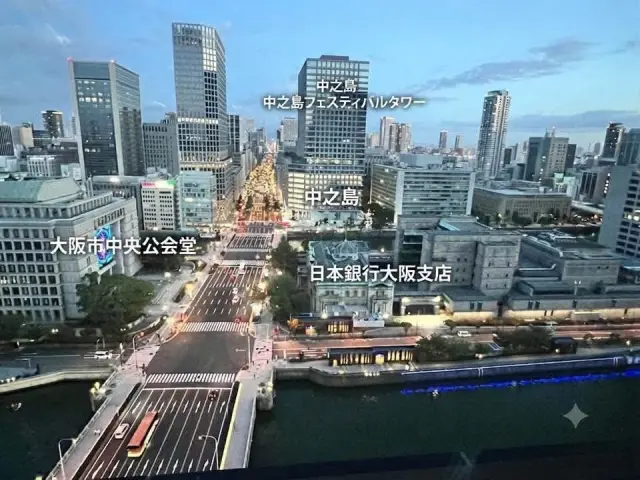
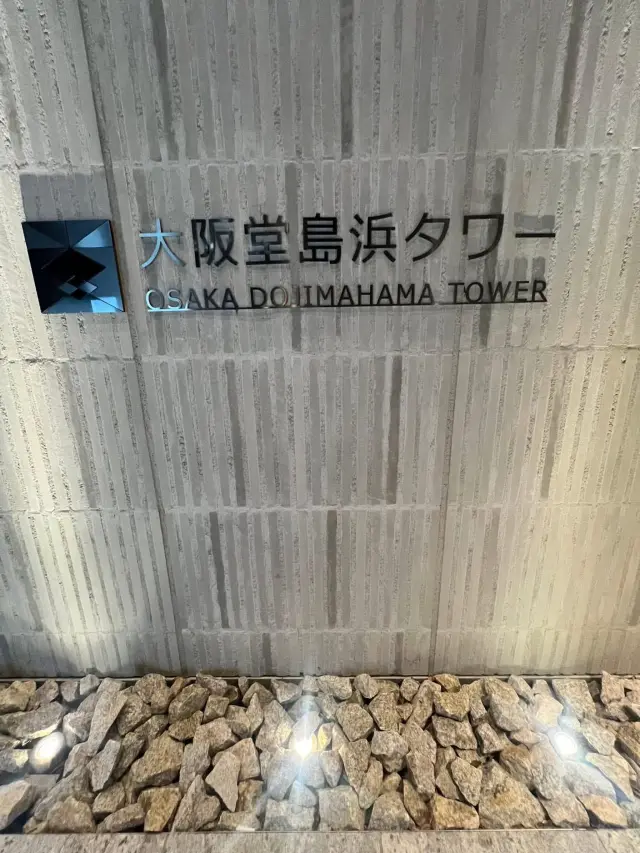
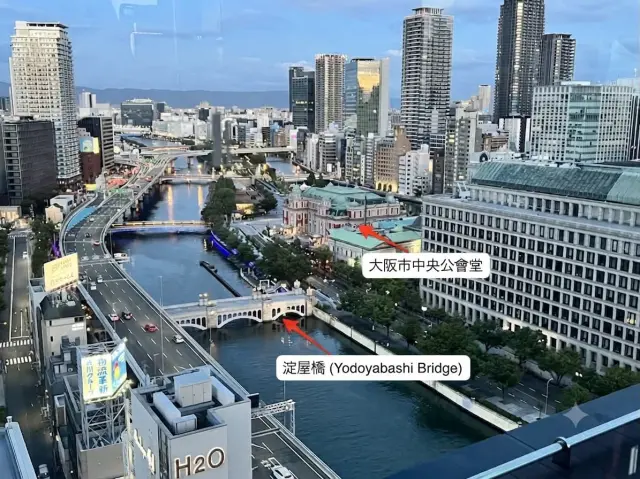
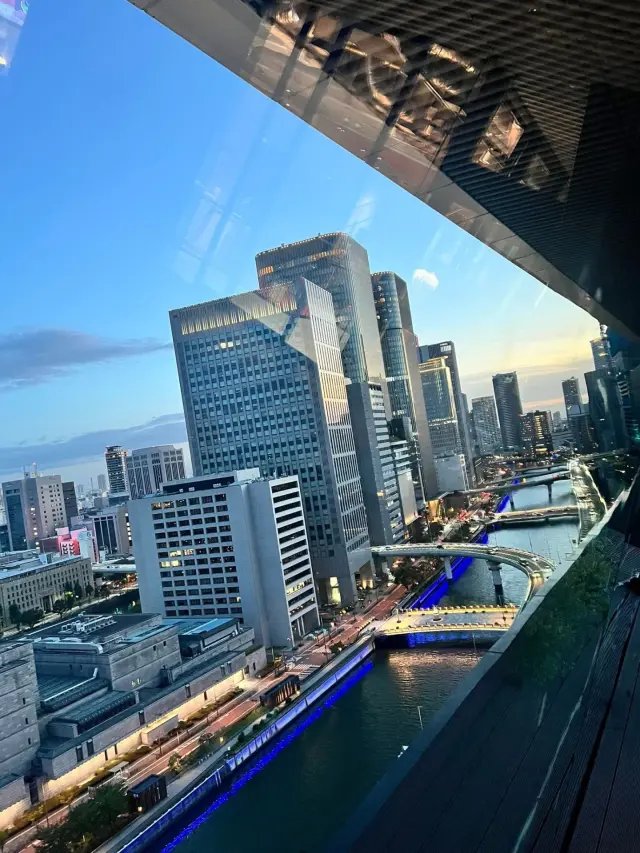
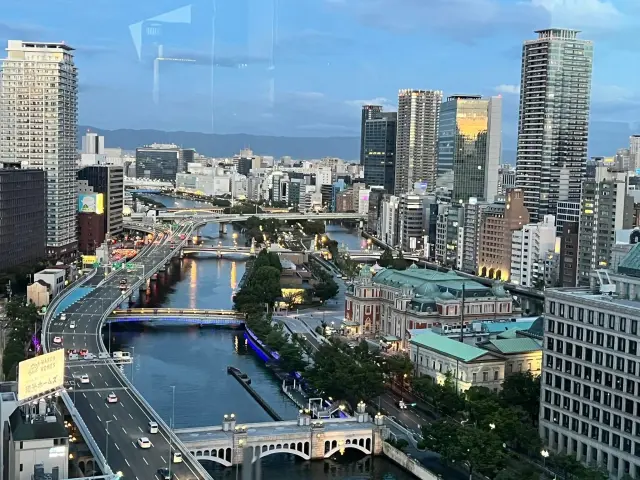
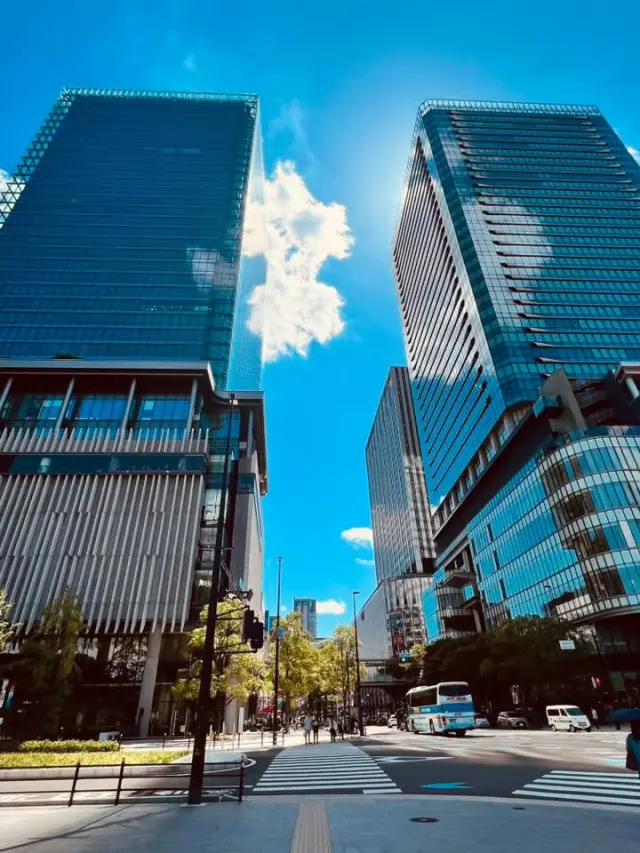
    Osaka Dojimahama Tower, located in Osaka's Kita Ward. It is a mixed-use building with offices, a hotel, and commercial facilities. The tower's main feature is WowUs (ワオアス), a free observation area on the 16th floor where visitors can enjoy city views of Dojima, Nakanoshima, and Midosuji.
    Free observation area “WowUs”
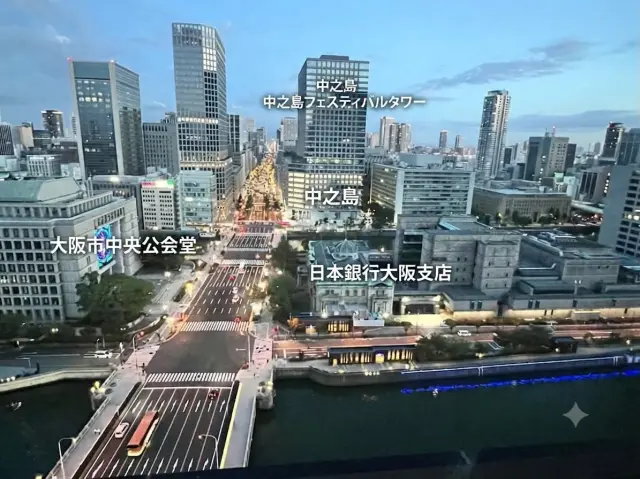
    View: The observation deck on the 16th floor offers an expansive 180-degree city view overlooking the Dojima River, Nakanoshima Park, and Midosuji, with clear views of busy traffic and the waterfront.
    Facilities: The observation deck has large floor-to-ceiling windows, a seating area with wooden flooring, and a small café. The comfortable atmosphere makes it a good place to rest while shopping or sightseeing.
    Access: Conveniently located, it is a 2-minute walk from Oebashi Station on the Keihan Nakanoshima Line, or a 4-minute walk from Yodoyabashi Station on the Osaka Metro and Keihan lines.
    Hours: Open daily from 09:00 to 21:00. Admission is free.
    Other architectural features
    Mixed-use facilities: Floors 17 through 31 house CANDEO HOTELS OSAKA THE TOWER.
    Surrounding area: The Osaka Dojimahama Tower development also included the redevelopment of Dojima Park and the integration of Dojimahama Pier, improving access to the waterfront and making the surrounding area more comfortable.

  • GRAND GREEN OSAKA

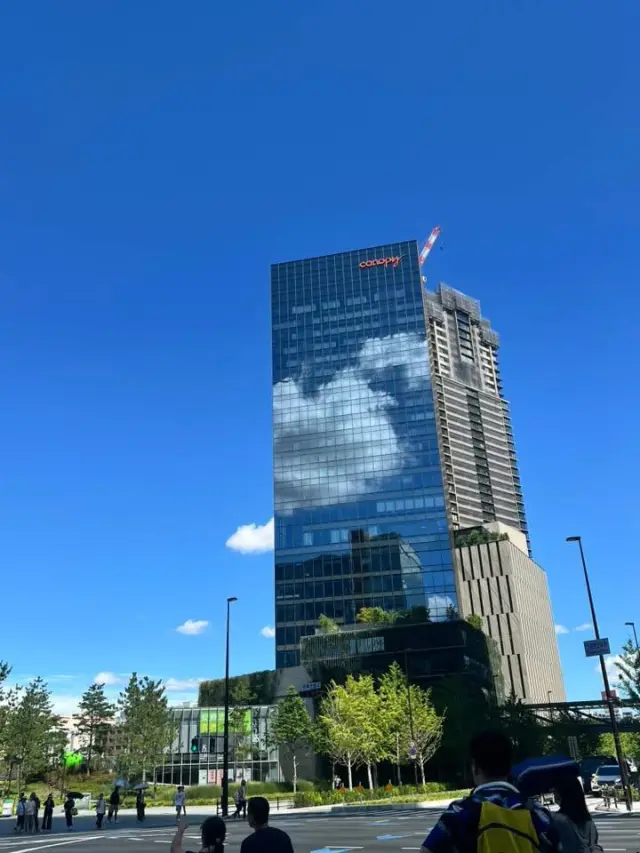
    A large-scale complex built on the former Umeda Freight Station site, GRAND GREEN OSAKA is located just steps from JR Osaka Station. It consists of the South Building, North Building, and Umekita Park. Part of the facility opened in September 2024, with the grand opening scheduled for March 21, 2025, and the full completion planned for FY2027.

    • Umeda, Osaka Station, Nakanoshima Area (Kita)
    • Commercial Buildings
    See More

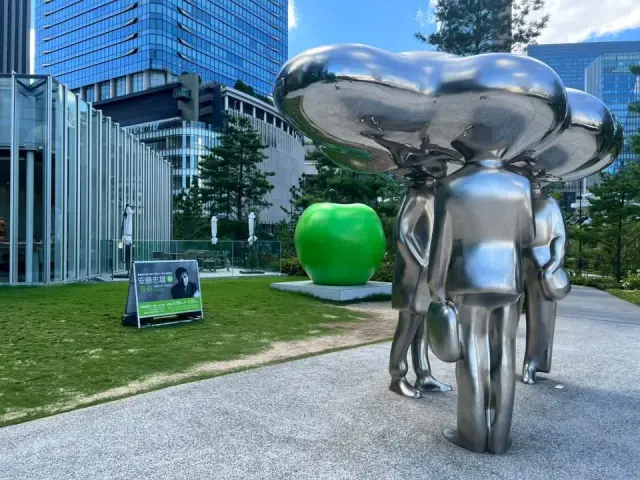
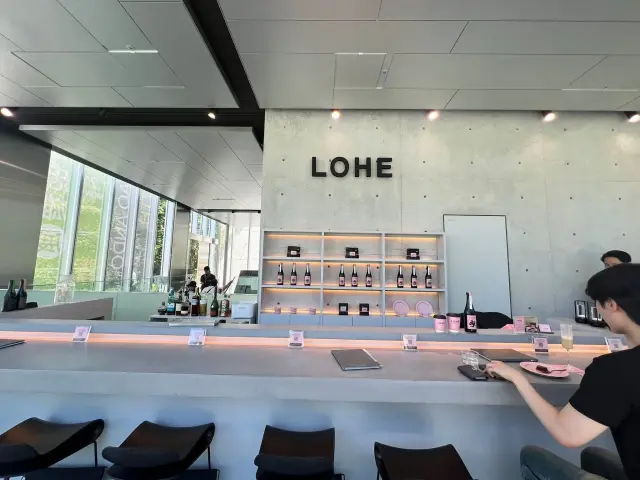
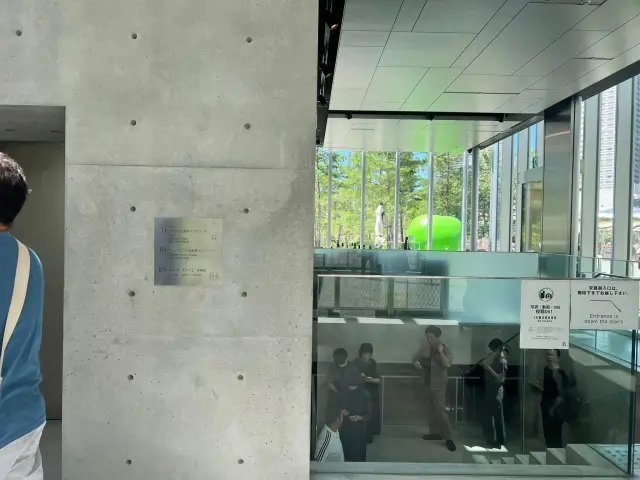
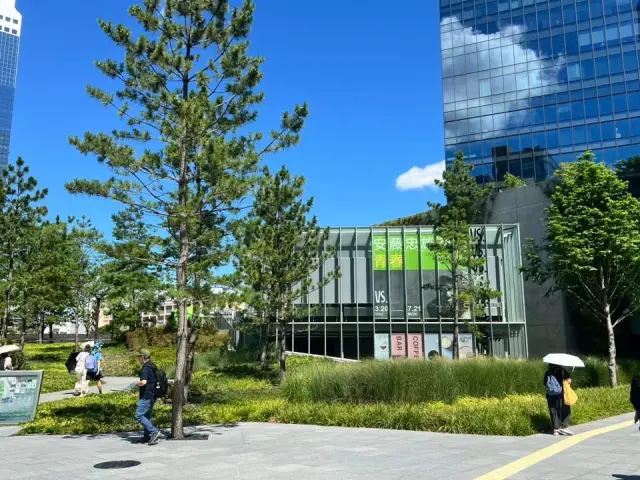
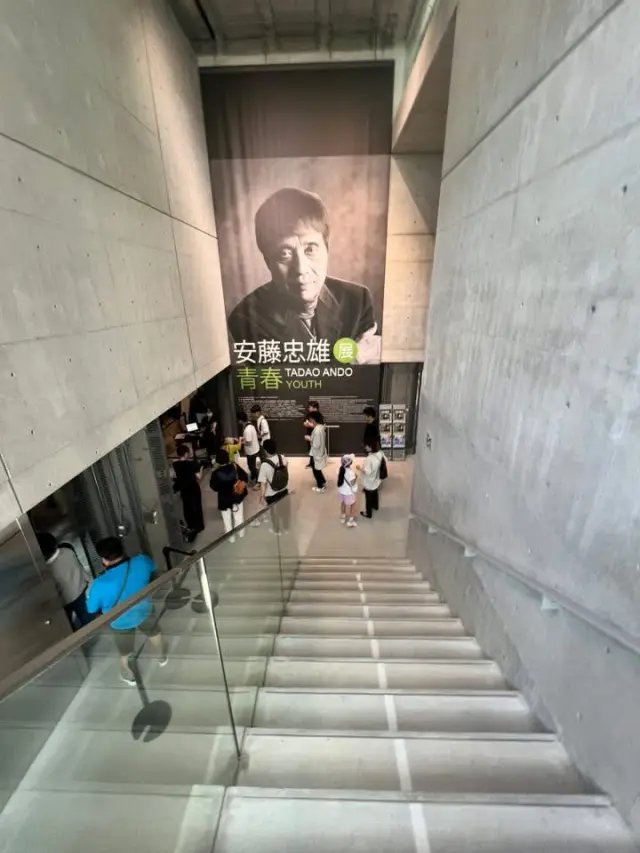
    I came here for master architect Tadao Ando's special exhibition “Youth.”
    This area was designed as an urban oasis, with a water play area next to it. Osaka truly is a city that thrives on water!
    A very relaxing 😌 area where you can shop 🛍️, see exhibitions, play in the water, and even stay at a luxury hotel!
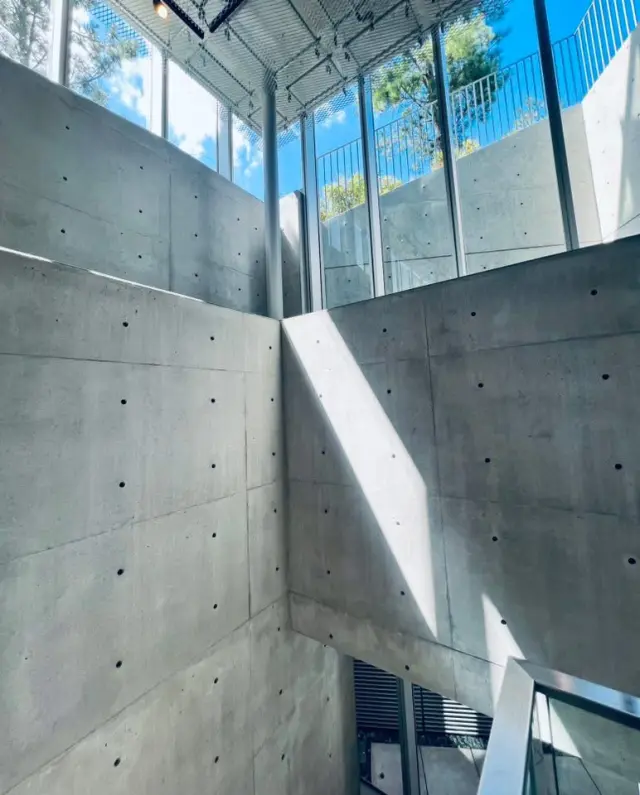
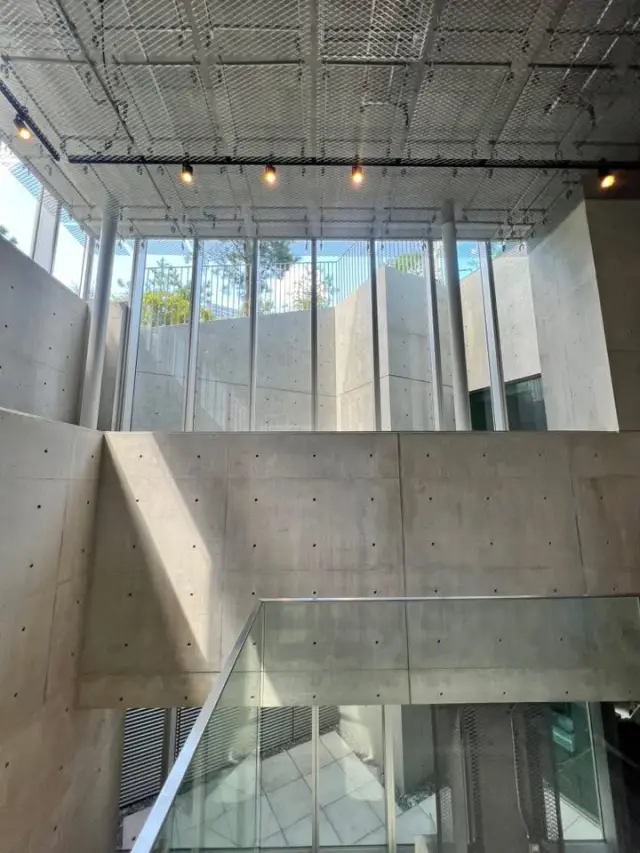
    “VS.” is a new cultural hub within the GRAND GREEN OSAKA redevelopment project in Umeda, Osaka. GRAND GREEN OSAKA is a large-scale urban development that integrates facilities such as the station, department stores, and office buildings, and “VS.” is one of its major cultural facilities.
    “VS.”
    Type: A cultural hub and digital exhibition space designed and supervised by Tadao Ando.
    Purpose: It aims to bring together technology, arts and humanities, traditional culture, and innovative thinking, providing a space where different creative groups can inspire one another.
    Features:
    It has an exhibition space with a ceiling height of up to 15 meters, suitable for immersive visual art performances and large-scale installations.
    It has studios of different sizes, as well as a multipurpose area called “V Space,” with a café and bar suitable for various events.
    It has no permanent exhibits or specific theme. Instead, it regularly hosts world-class special exhibitions and innovative projects.

    ⭐️⭐️⭐️⭐️⭐️
    I especially recommend LOHE Cafe inside.

  • Gion Shopping Street

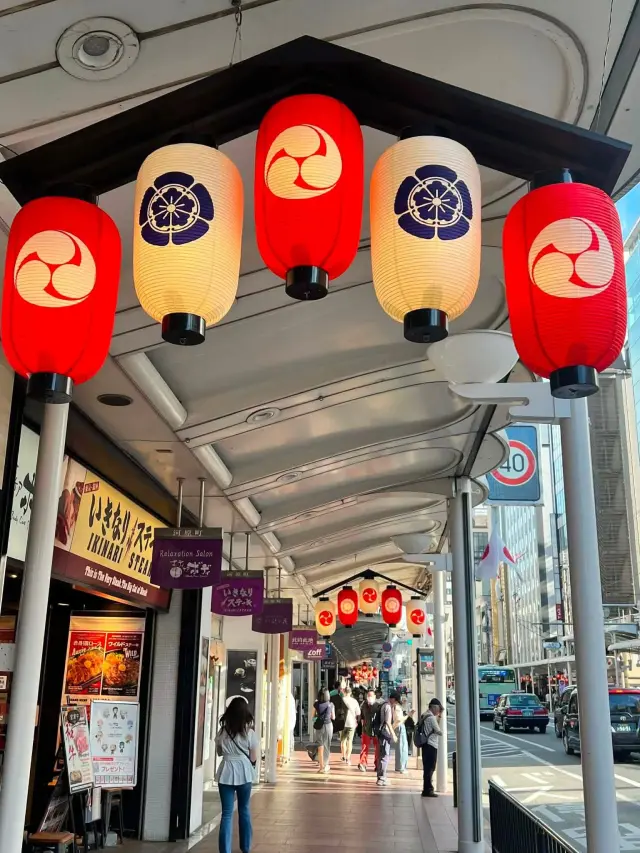
    A shopping street located along the approach from Shijo Ohashi Bridge and Gion-Shijo Station to Yasaka Shrine. Centered on Shijo Street, long-established shops and specialty stores line Yamatooji Street, Hanamikoji Street, Higashioji Street, and more. This local shopping district values Gion’s long history and is deeply involved in traditional events such as the Gion Festival. Many of its shops are popular not only with tourists but also with locals, making it a great place to enjoy dining, shopping, and strolling while experiencing Kyoto’s traditions.

    • Gion, Higashiyama, Yamashina
    • Shopping Streets
    See More

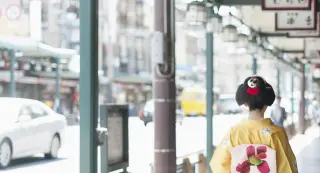
    Shijo Street in Kyoto’s Gion district (Gion Shopping Street) connects Yasaka Shrine with the Kamo River and is filled with the historic charm of the ancient capital and long-established shops.
    1. Century-old and classic shops on Gion Shopping Street
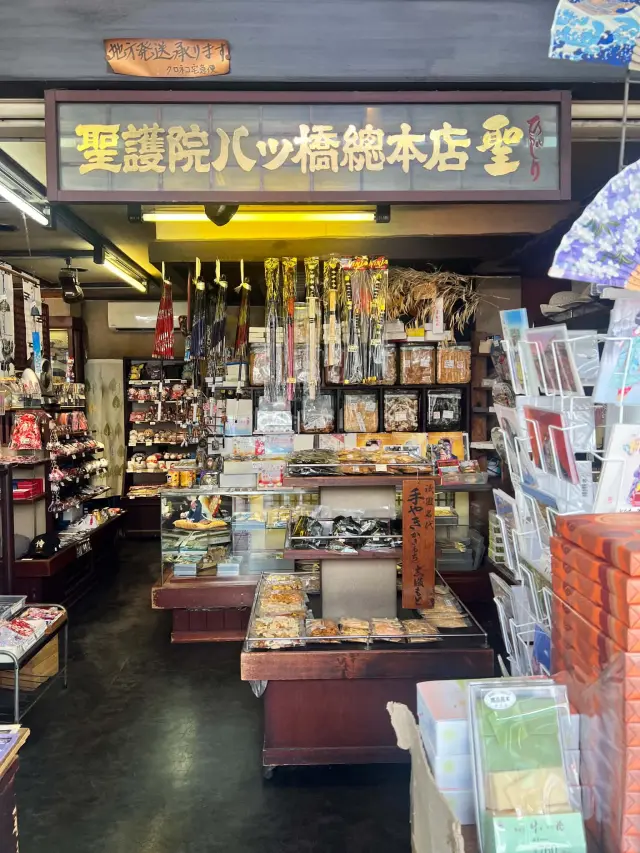
    * Shogoin Yatsuhashi Sohonten (Gion location)
    Founded in 1689 (Genroku 2), this shop has a history of more than 300 years and is one of Kyoto’s most iconic traditional makers of yatsuhashi sweets.

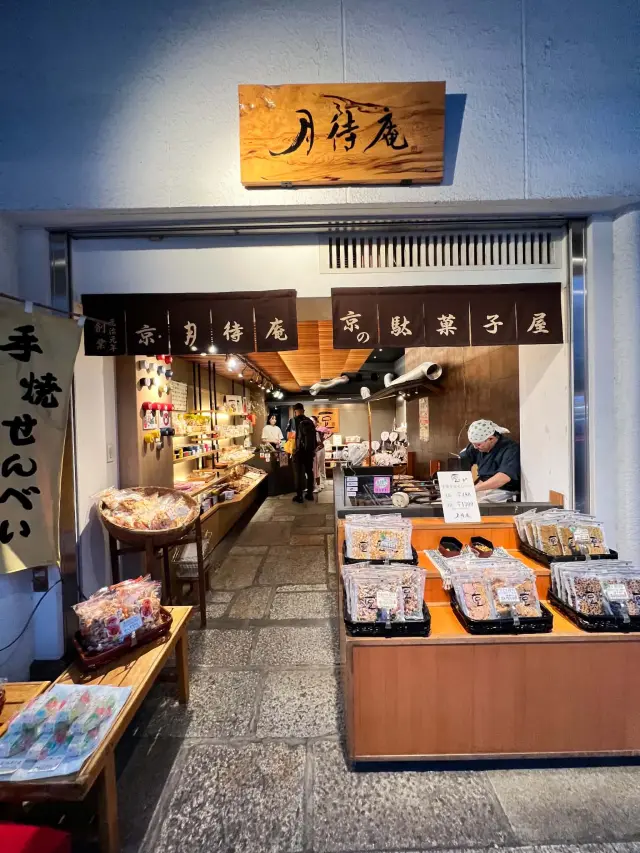
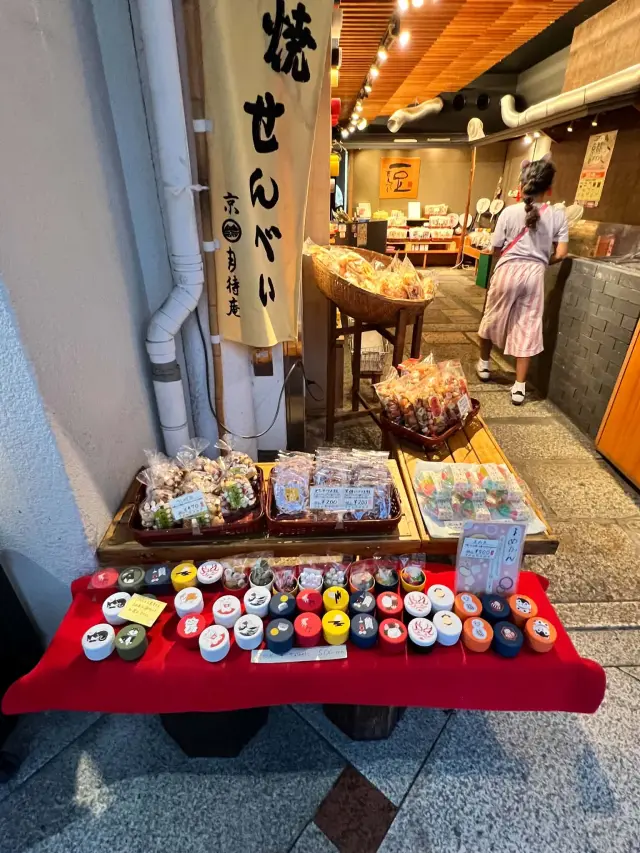
    * Kyo Tsukimachi-an (Gion location):
    A specialty shop for Kyoto dagashi candy and hand-grilled rice crackers with a tradition dating back to the first year of the Meiji era.
    * Highlights: The shop specializes in freshly grilled, handmade bean crackers (teyaki senbei). Artisans can often be seen turning the crackers over the grill at the storefront, filling the air with the aroma of charcoal and beans. The shop’s signature Fukudaruma mini cookies are also very popular and make nostalgic gifts for friends and family.
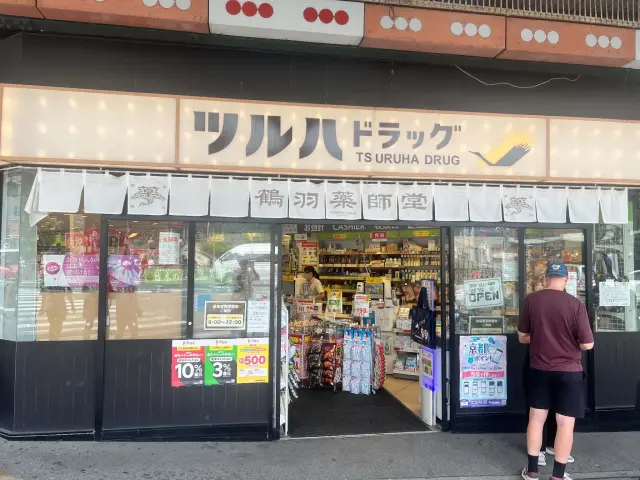
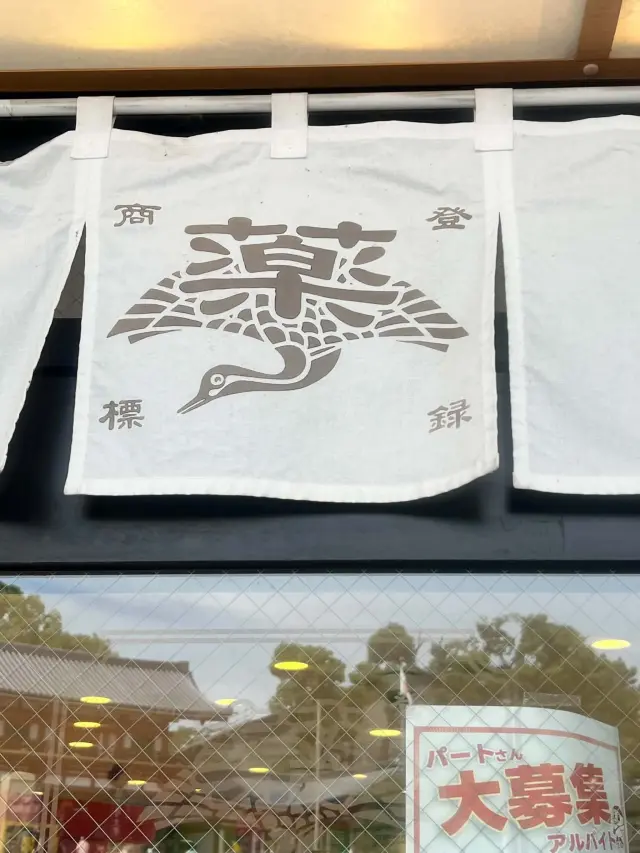
    * Tsuruha Yakushido (Tsuruha Drug Gion location)
    * Highlights: This store blends the modern Tsuruha Drug pharmacy chain into Gion’s traditional streetscape. A sign reading “Tsuruha Yakushido,” featuring the traditional crane logo and a noren curtain, hangs at the entrance, giving it a distinctly old-fashioned feel among Kyoto’s many drugstores.

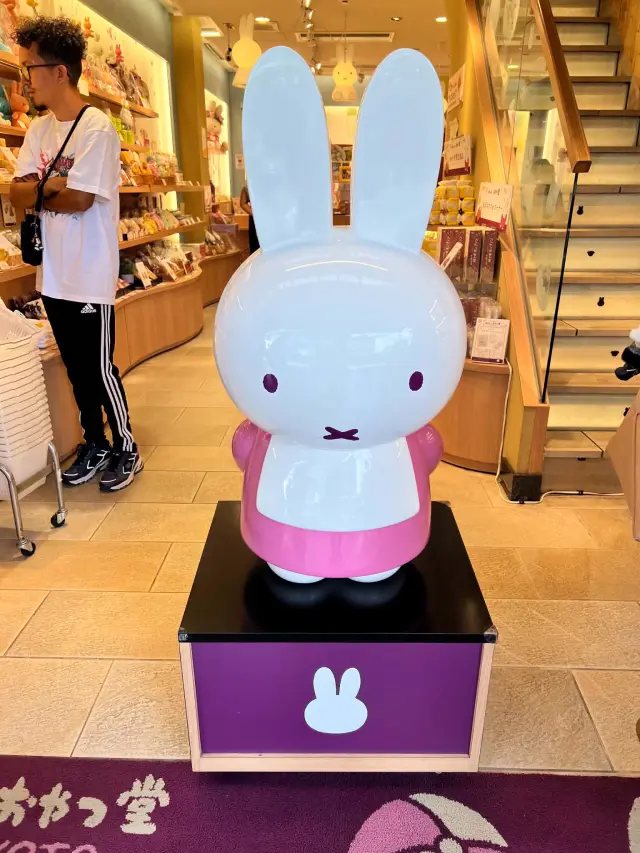
    * miffy à la maison Miffy Oyatsu-do (Gion location)
    * Highlights: A Miffy-themed shop offering Kyoto wagashi and selected goods, with a cute, large Miffy figure welcoming visitors at the entrance. The shop sells a variety of exclusive Miffy products incorporating traditional Kyoto crafts, Japanese-style patterns, and wagashi-inspired packaging.

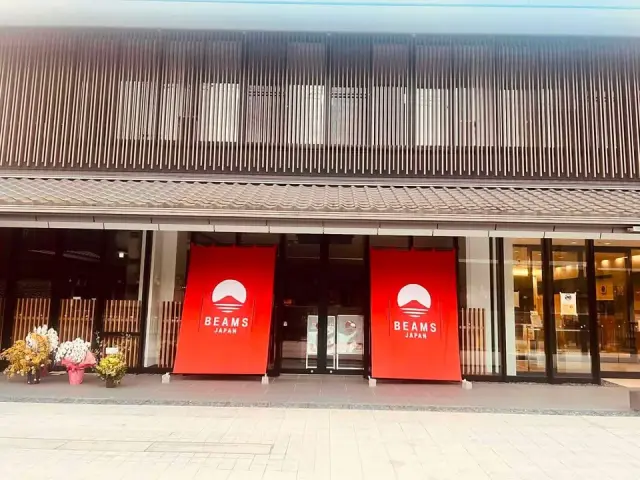
    2. BEAMS JAPAN in Kyoto’s Gion district
    * BEAMS JAPAN Gion
    * Location: On the first floor of the Kanji Museum along Shijo Street in Gion (551 Gionmachi Minamigawa, Higashiyama Ward, Kyoto).
    * What makes it distinctly Kyoto and Gion:
    * Traditional noren curtains and historic Kyoto atmosphere: Unlike a typical modern fashion store, the Gion location has a strongly Japanese-style entrance and wooden facade that blend into Gion’s traditional streetscape.
    * Japanese crafts and locally exclusive selections: Centered on the “BEAMS JAPAN” concept, it promotes traditional Japanese crafts, renowned products, and subcultures. The Gion location offers many exclusive collaborations, souvenirs, and limited-edition clothing created with traditional Kyoto artisans and inspired by the local culture of Kyoto and Gion.
    * A combination of culture and sightseeing: Located along the main approach to Yasaka Shrine, it seamlessly connects visits to historic sites with contemporary fashion trends.
    While strolling through Gion Shopping Street, you can enjoy freshly grilled rice crackers and traditional yatsuhashi while visiting BEAMS JAPAN, which incorporates the character of the ancient capital. It’s a great way to deeply experience Kyoto’s unique blend of tradition and modernity!
    ⭐️⭐️⭐️⭐️⭐️
    Highly recommended
    You have to visit BEAMS JAPAN Gion
    to admire this masterpiece

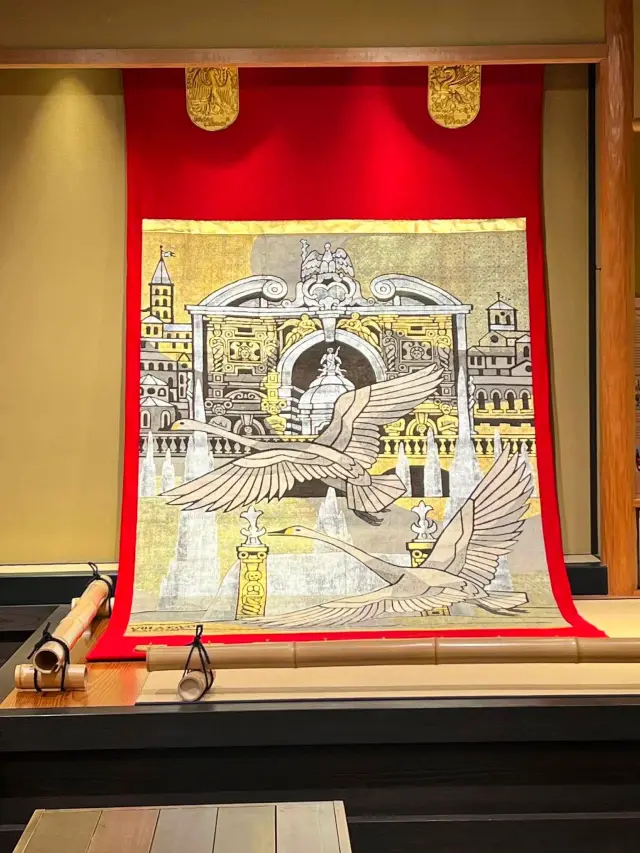
    The dazzling gold artwork inside BEAMS—Taizo Minagawa’s “Venice”
    : This imposing and brilliantly golden hanging decoration displayed inside the store is the renowned work “Venice,” created in 1979 (Showa 54) by the late, celebrated Kyoto textile artist Taizo Minagawa.
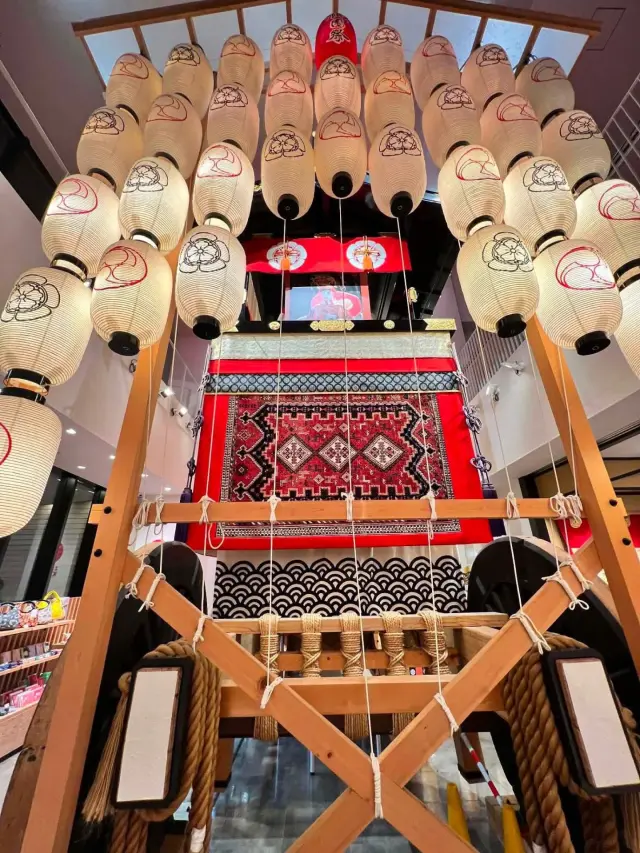
    Bullet point Deep ties to the Gion Festival: This work actually has great historical significance—it was originally used as the miokuri, a large decorative textile hung at the back of a festival float, on Iwatoyama, one of the yamahoko floats in the early procession of Kyoto’s famous Gion Festival.
    Bullet point Artistic features:
    Bullet point Technique: It uses the exquisite traditional roketsuzome wax-resist dyeing technique, combining linen fabric with brilliant, gold-leaf-like colors to create a distinctive sense of coolness and depth.
    Bullet point Imagery: With the classical architecture and waterways of Venice as the background, the foreground depicts elegant white birds (swans) standing and spreading their wings, perfectly blending European exoticism with traditional Japanese textile craftsmanship.
    Bullet point Display at BEAMS: Through its product selections and interior design, BEAMS JAPAN frequently introduces the public to top-quality crafts and local cultures from across Japan. Displaying this valuable textile artwork, which originally belonged to a Gion Festival float, not only reflects Kyoto’s deep historical heritage but also allows visitors to experience up close the powerful blend of traditional and modern aesthetics.

Hokkaido Tohoku Kanto Chubu Hokuriku Kansai Chugoku Shikoku Kyushu Okinawa