
Verified [Verified] denotes information that has been published with confirmation of its owing parties.
Yura River Bridge
A photogenic railway bridge where trains appear to glide across the water.
The Kyoto Tango Railway’s Miyatoyo Line connects Miyazu Station in Miyazu and Nishi-Maizuru Station in Maizuru, Kyoto Prefecture. Spanning the Yura River between Tango-Kanzaki and Tango-Yura stations is Kyoto Prefecture’s longest railway bridge, measuring 552 m.
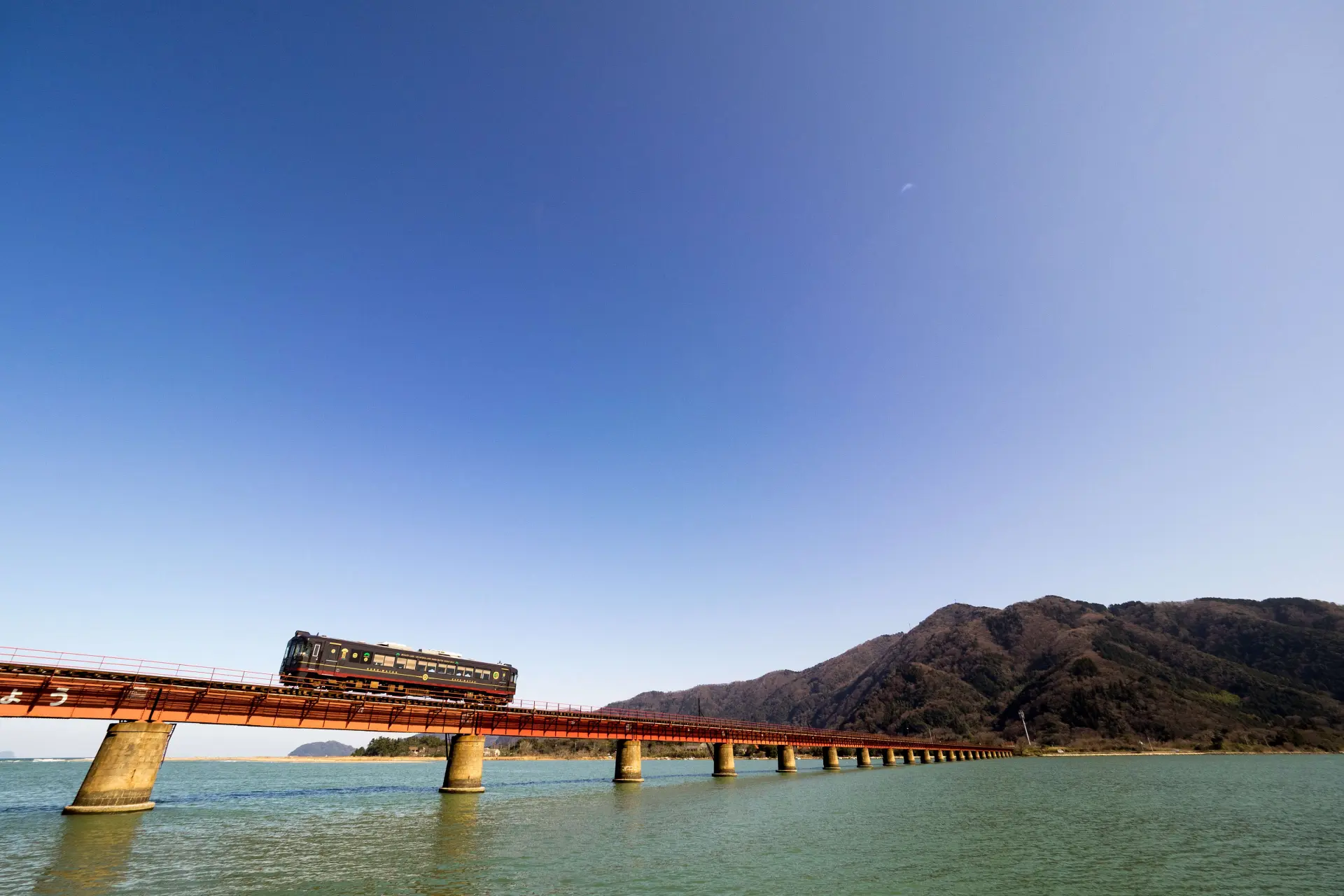
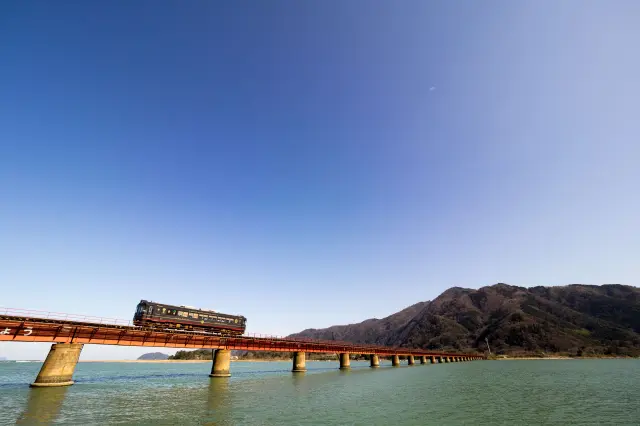
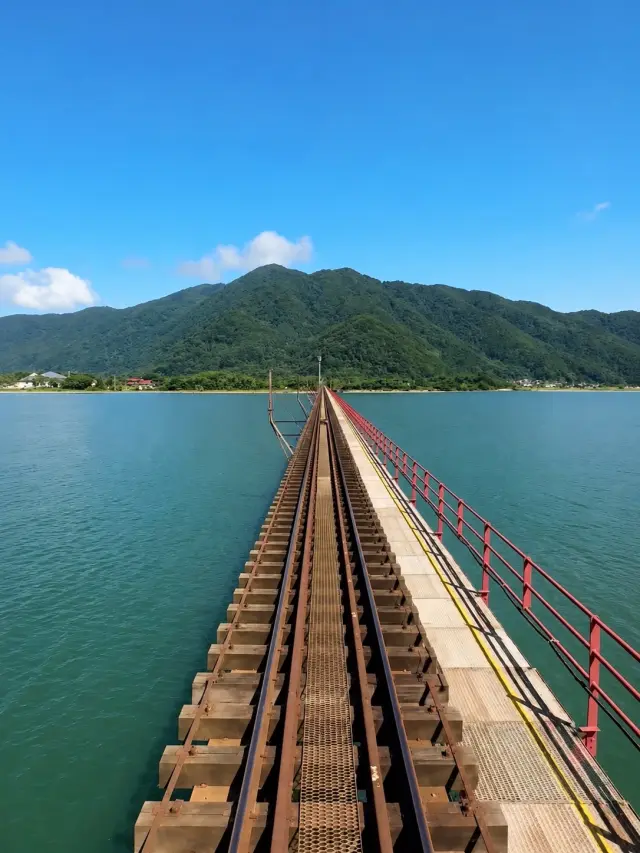
The bridge’s stonework-style piers rising from the broad river near its mouth create a nostalgic scene. With Wakasa Bay in the background and no utility poles or power lines to obstruct the view, the bridge is highly photogenic. On clear days, its red structure stands out against the blue sky and sea. This popular photo spot, a few minutes’ walk from Tango-Yura Station, draws many visitors hoping to catch one of the 1–2 trains that cross each hour.
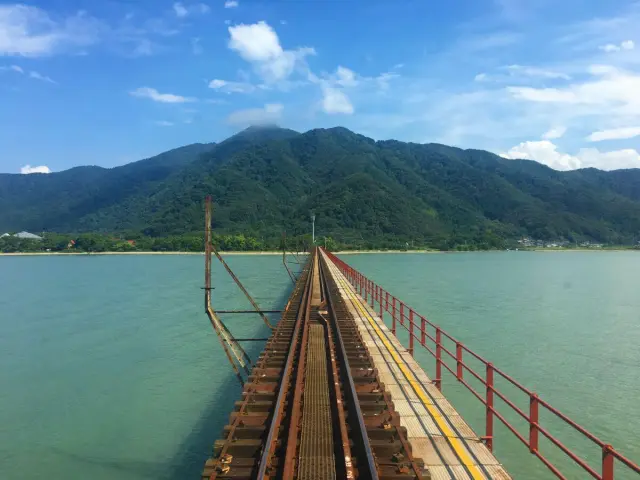
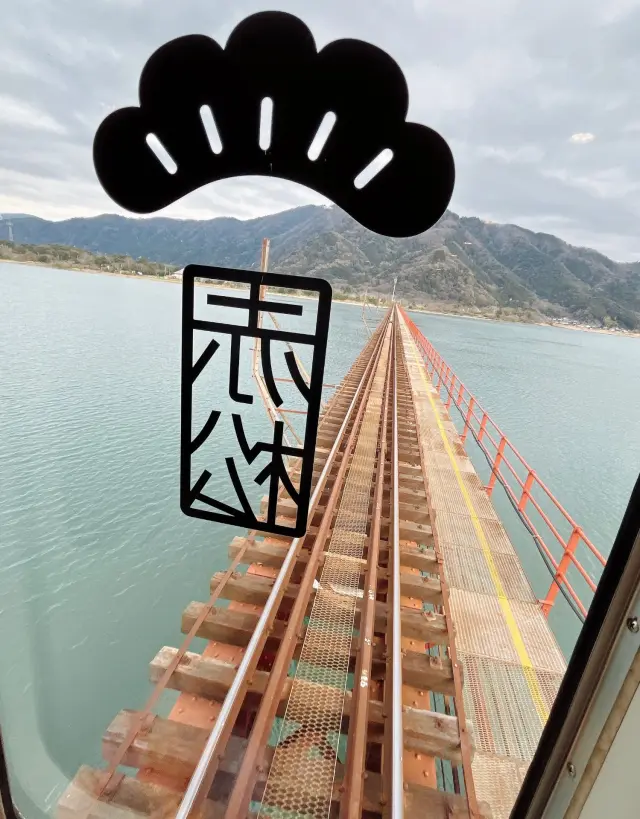
The bridge is worth experiencing aboard a train as well as viewing from below. The girders are only about 3 m above the water, creating the sensation of traveling directly across its surface. The bridge is also a component of the Japan Heritage site certified by the Agency for Cultural Affairs, “Naval Facilities in Yokosuka, Kure, Sasebo, and Maizuru.”
Highlights
-
A railway bridge spanning the Yura River between Miyazu and Maizuru in Kyoto Prefecture.
-
At 552 m long, it is Kyoto Prefecture’s longest railway bridge.
-
Because the girders are close to the water, passengers feel as if the train is traveling across the water.
-
Its location near the river mouth offers unobstructed views, making it a popular photo spot.
-
A component of the Japan Heritage site “Naval Facilities in Yokosuka, Kure, Sasebo, and Maizuru.”
Photos
-

The red railway bridge stands out against the blue sky and sea
-

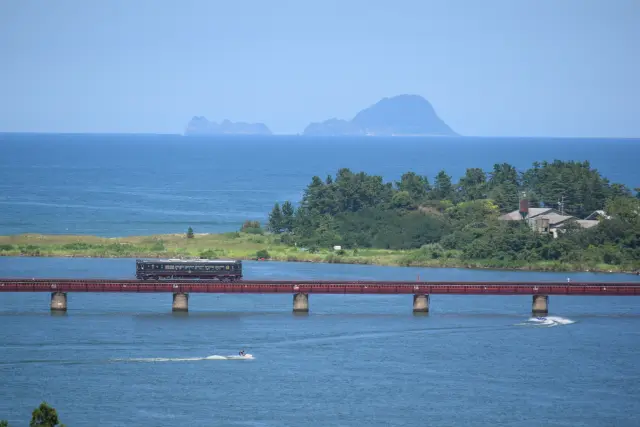
A picturesque view of a train traveling across the water
-

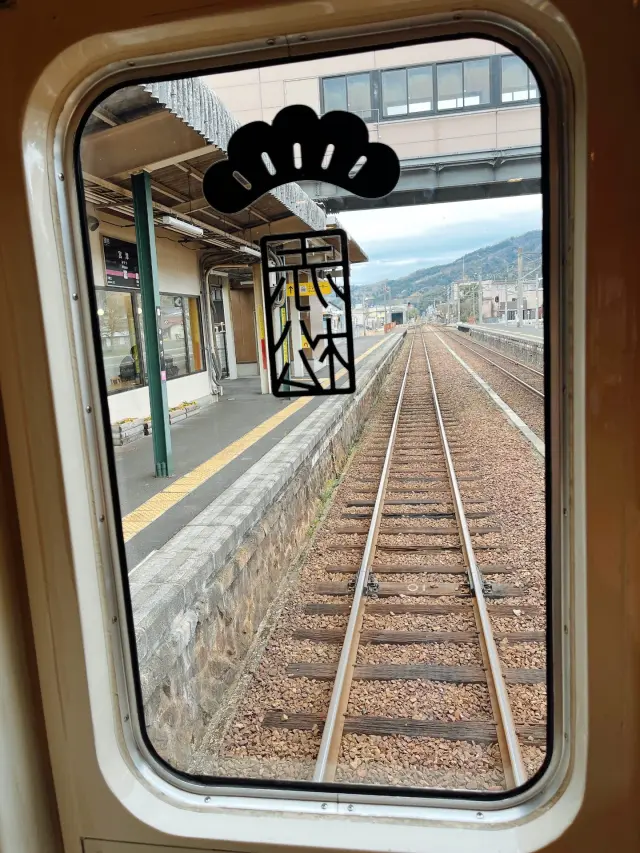
Scenic views from inside the train
Official FAQs
Frequently Asked Questions have been vetted and answered directly by each listing.
Q
Is free Wi-Fi available in the area?
Yes.
Details: Free public wireless LAN (Wi-Fi) is available aboard the Tango Kuromatsu and Tango Akamatsu sightseeing trains. Free Wi-Fi is also available in the concourses and waiting rooms of major transfer stations, including Amanohashidate, Miyazu, Nishi-Maizuru, and Fukuchiyama stations. (Connections may be poor in some sections, such as tunnels in mountainous areas, or depending on signal conditions.)
Q
Are coin lockers available?
Yes, they are available at major stations.
Details: Coin lockers are available at major stations serving as departure and arrival points for sightseeing trains, including Amanohashidate, Miyazu, Nishi-Maizuru, Fukuchiyama, and Toyooka stations. Stations such as Amanohashidate also have large lockers that can accommodate suitcases. Paid luggage storage is available at station tourist information centers and other facilities, allowing visitors to explore the sightseeing trains and surrounding attractions without carrying their bags.
Q
Are restrooms available?
Yes, restrooms are available aboard the trains and at stations.
Details: On board: The Kuromatsu, Akamatsu, and Aomatsu sightseeing trains have spacious, wheelchair-accessible Western-style restrooms. Designed by Eiji Mitooka, they also feature exceptionally clean and stylish interiors.
Stations: Public restrooms, including accessible facilities, are available at all staffed stations and major stations.
Q
Are there any nearby tourist attractions?
Yes, the area has many of Japan’s leading tourist attractions.
Amanohashidate area (Amanohashidate Station): Amanohashidate, one of Japan’s Three Scenic Views. Other attractions include Chionji Temple, Amanohashidate View Land, and Kasamatsu Park, where visitors can view Amanohashidate upside down through their legs.
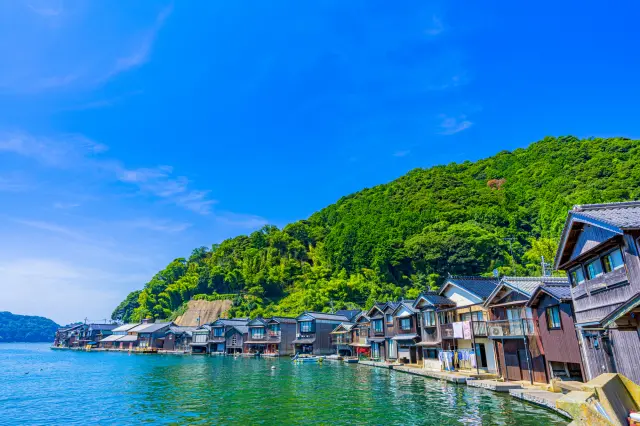
Ine area (by bus from Amanohashidate Station and other locations): The Ine Funaya boat houses, an Important Preservation District for Groups of Traditional Buildings, where boathouses line the waterfront.
Maizuru area (Nishi-Maizuru and Higashi-Maizuru stations): Maizuru Red Brick Park, which reflects the history of the Meiji and Taisho eras, and cruises offering close-up views of Japan Maritime Self-Defense Force destroyers.
Yura area (Tango-Yura Station): Hakurei Shuzo, the brewery behind the renowned Hakurei sake, and spring water from the Oeyama mountain range.
Q
Can wheelchairs and strollers be brought aboard?
Yes. The trains have wheelchair spaces and accessible restrooms. However, sightseeing trains—particularly the Kuromatsu and Akamatsu—have limited seating and specific layouts. Passengers wishing to remain in their wheelchairs are advised to contact a ticket counter or support center in advance for smoother assistance. Strollers may be brought aboard if folded.
Q
Can I ride a sightseeing train with only a regular ticket?
Requirements vary by train.
Aomatsu: Operates as a local train, so anyone may board with only a regular fare ticket.
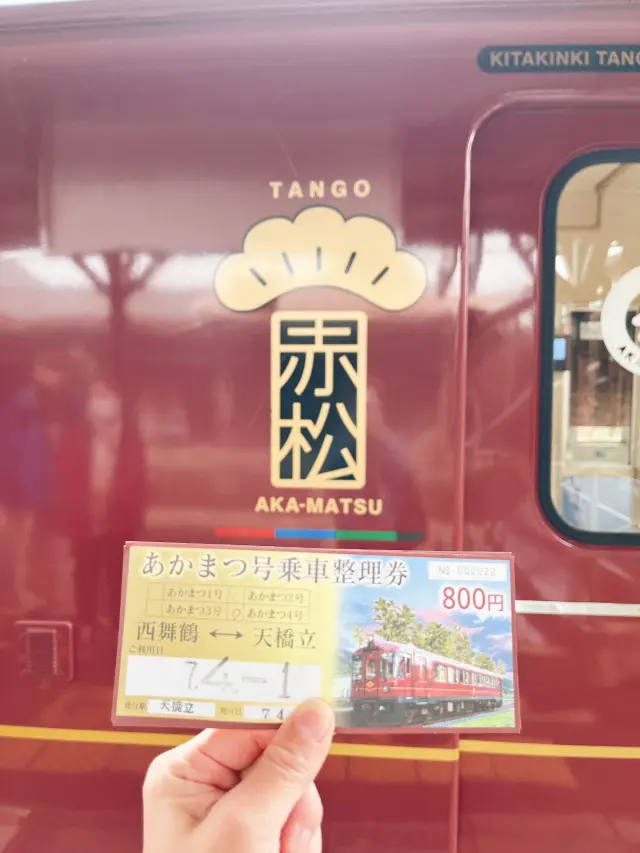
Akamatsu: In addition to the regular fare, a ¥550 boarding pass is required.
Kuromatsu: Advance reservations for a meal course are required through a dedicated all-inclusive plan.
Reviews
Details
- Name in Japanese
- 由良川橋梁
- Postal Code
- 626-0071
- Address
- Yura River Bridge, Miyazu and Maizuru, Kyoto Prefecture
- Phone
- 0772-25-2323 (Kyoto Tango Railway)
- Closed on
- Open year-round
- Hours
- Open for viewing at any time
- Admission
- Free to view
- Access
- Between Tango-Kanzaki and Tango-Yura stations on the Kyoto Tango Railway Miyatoyo Line
- Official website
- Official website (Japanese)