

8 Popular Tourist Spots in Matsumoto, a City Rich in Nature, History, and Culture
Matsumoto is a city full of charm, from magnificent natural scenery and streets that still preserve the atmosphere of the Edo period to local specialty foods you can only enjoy here.
This article introduces useful information you should know about Matsumoto, including popular tourist spots, local gourmet food, and accommodations.
Read it before your trip to Matsumoto, and you’ll be ready to make the most of everything the city has to offer.
What is Matsumoto Like?
Matsumoto City is located in central Nagano Prefecture.
It prospered as a castle town during the Edo period (1603–1868), and there are many places where you can enjoy the atmosphere and culture of that era.
Many tourists visit Matsumoto Castle, which is designated as a National Treasure, and Nakamachi Street, lined with storehouses featuring namako walls, plaster walls built during the Edo and Meiji periods to protect household goods and merchandise from fires.
Nawate Street, where you can feel the atmosphere of a castle town while enjoying shopping and food, is also a popular tourist spot.
Matsumoto is appealing not only for its history and culture, but also for its abundant natural beauty, including the stunning scenery created by the Hida Mountains and Kamikochi, one of Japan’s most famous mountain resort destinations.
The city is also packed with local specialties such as Shinshu soba made with cold highland water, as well as sanzoku-yaki and oyaki.
Because Matsumoto is a basin surrounded by high mountains, it has a relatively stable climate year-round, but temperatures can drop in the mornings and evenings in winter, so be sure to dress accordingly.

What is the best season to visit Matsumoto?
If you’re visiting Matsumoto, spring is recommended.
Approx. 300 cherry trees around Matsumoto Castle come into bloom from late March to early April.
At night, the Yozakurakai illumination event is held, where you can enjoy beautiful cherry blossoms at night together with the illuminated Matsumoto Castle.
What to wear in Matsumoto by season
- Spring (March - May): Light jacket, sweater
- Summer (June - August): Light clothing, short sleeves
- Autumn (September - November): Light jacket, coat
- Winter (December - February): Down jacket, coat
How do you get to Matsumoto?
Matsumoto is easily accessible from major cities such as Tokyo and Nagoya.
If you take the JR Limited Express Azusa from Shinjuku Station, it takes Approx. 2 hours 40 minutes with no transfers.
From Nagoya, taking the Chuo Main Line gets you to Matsumoto Station in Approx. 2 hours.
Main transportation options for sightseeing in Matsumoto
The main way to get around Matsumoto is by loop bus.
These buses, which stop at famous tourist spots, offer convenient one-day unlimited ride passes.
Showing your pass can also get you discounts on admission fees at major tourist attractions, making it a great deal.
One of the loop buses was designed by Yayoi Kusama, an artist from Matsumoto, so keep an eye out for it while you’re getting around.
8 Popular Tourist Spots Where You Can Enjoy Matsumoto’s History, Culture, and Nature
Matsumoto is full of attractions, from spots where you can experience the grand natural beauty of the Hida Mountains and the history of a castle town to art museums where you can enjoy contemporary art.
Here are some of the popular tourist spots you should not miss to fully enjoy the charms of Matsumoto.
1. Matsumoto City Museum of Art
Opened in April 2002, this museum is known for its striking polka-dot exterior and the eye-catching work Flowers of Illusion by world-famous avant-garde artist Yayoi Kusama, who was born in Matsumoto.
After completing large-scale renovation work that lasted for about one year, it reopened in April 2022, marking its 20th anniversary.
Inside, in addition to permanent exhibitions featuring everything from Yayoi Kusama’s early works to her latest series, as well as works by calligrapher Shinzan Kamijo and Western-style painter Kazuo Tamura, exhibitions from the museum’s own collection are also held.

2. Nawate Street
A shopping street about a 10-minute walk from JR Matsumoto Station, lined with distinctive shops in rowhouse-style buildings.
It begins along the embankment of the Metoba River, and came to be called Nawate because it was a “long embankment like a rope.”
It developed as the approach to Yohashira Shrine, built in 1879, and because it is close to Matsumoto Castle, it is also popular with tourists.

3. Matsumoto Castle
A castle built in 1593–1594. Among the existing five-tier, six-story castle keeps in Japan, it is the oldest, and it is also designated as a National Treasure. (Five-tier, six-story: it appears to have five levels from the outside, but the interior has six floors.)
With its striking black-and-white contrast, the castle has a dignified appearance and is loved by many people as a symbol of Nagano Prefecture.

4. Kamikochi
Because of its beautiful scenery, Kamikochi is one of Japan’s premier mountain scenic areas and has been given two distinctions: Special Place of Scenic Beauty and Special Natural Monument.
British missionary W. Weston praised Kamikochi in his 1896 book Mountaineering and Exploration in the Japanese Alps, which made it famous around the world.
From the well-maintained walking trails, you can view mountains rising to 3,000 meters, including the Hotaka range, up close.


5. Matsumoto Alps Park
An urban park located in the hills in the northwestern part of central Matsumoto City, Nagano Prefecture.
It has been developed to make use of its varied terrain at an elevation of Approx. 800 m, with views of the Northern Alps and Azumino to the west, and Utsukushigahara and central Matsumoto to the east.
The park has a variety of facilities including a zoo, observation deck, and athletic playgrounds, allowing visitors to enjoy nature in their own way.

6. Yohashira Shrine
Located in Ote, Matsumoto City, Yohashira Shrine enshrines four deities from Japanese mythology, Amenominakanushi-no-Kami, Takamimusubi-no-Kami, Kamimusubi-no-Kami, and Amaterasu Omikami. Because each is believed to have especially great divine virtues, the shrine is famous as a “god of wish-fulfilling bonds” said to grant all wishes.
Known as one of the leading spiritual spots in the prefecture, it attracts many worshippers seeking blessings.

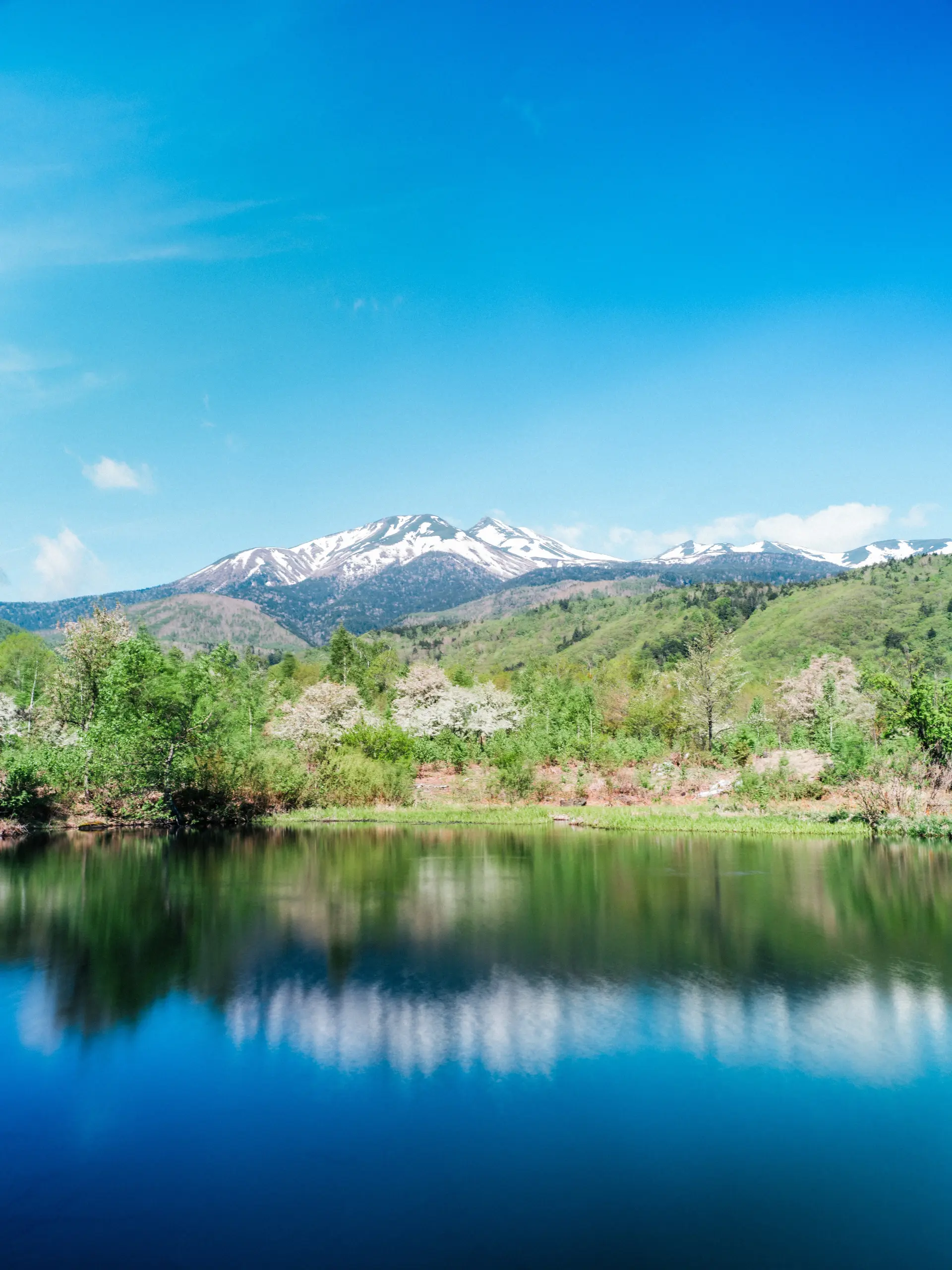
7. Norikura Kogen
A mountain resort spreading across the eastern foothills of Mt. Norikura, located at the southern end of the Northern Alps.
Situated at elevations of 1,200–1,800 m within Chubu Sangaku National Park, it offers a wide variety of outdoor experiences amid beautiful seasonal scenery, from spring and summer when alpine plants bloom, to autumn with vivid fall colors, and winter wrapped in powder snow.
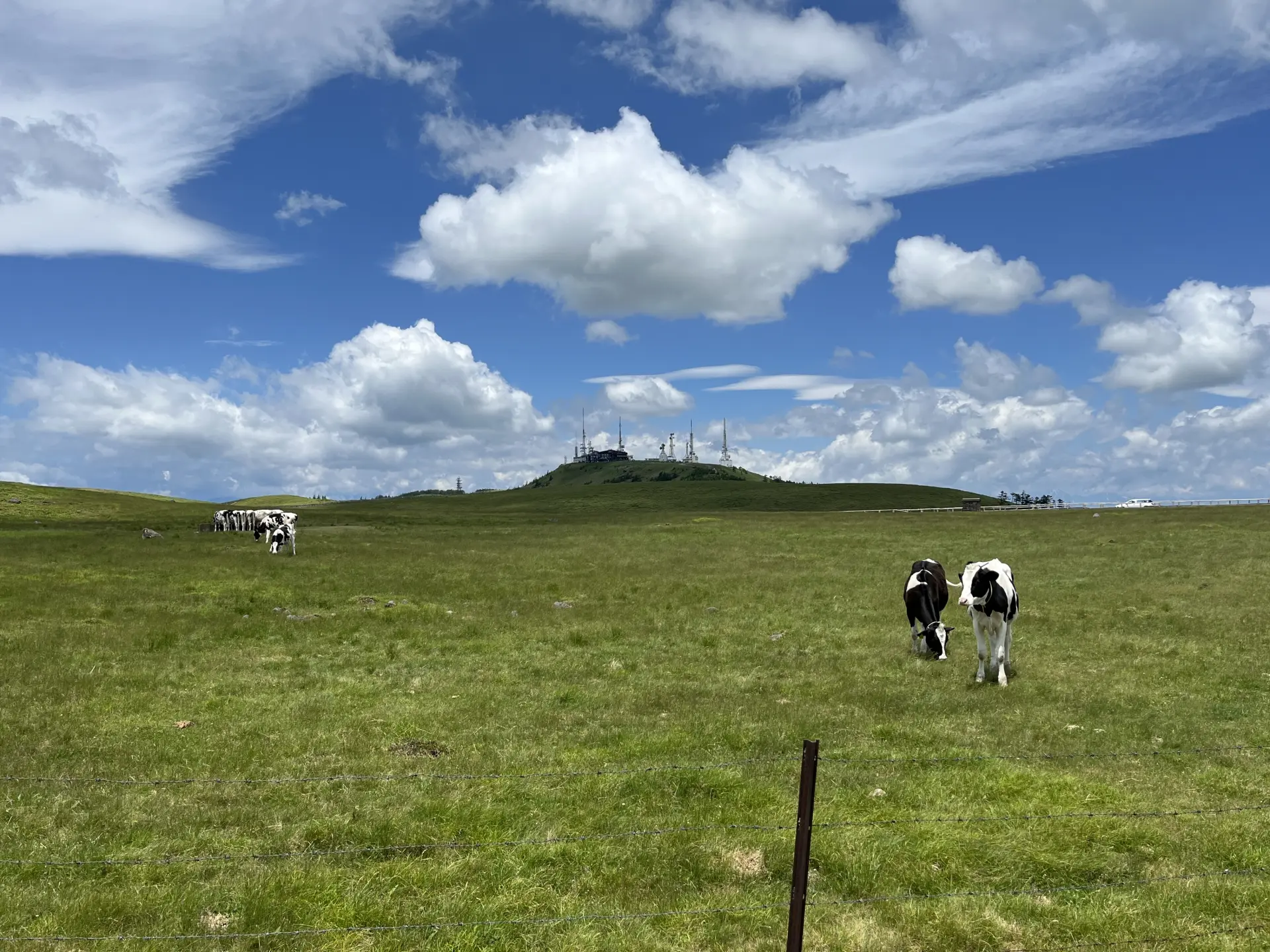
8. Utsukushigahara Highlands
A highland area at an elevation of 2,000 m spanning Matsumoto City, Ueda City, and Nagawa Town in Nagano Prefecture.
It is known as a scenic spot with spectacular 360-degree panoramic views of the Northern Alps, Southern Alps, Mt. Fuji, and the Yatsugatake mountain range.
Another attraction is the chance to enjoy beautiful seasonal scenery with as many as 300 kinds of alpine plants growing naturally.
Enjoy Local Food! 3 Popular Restaurants You Should Visit in Matsumoto
Because Matsumoto was a castle town, people used to say that Nagano’s gourmet food gathered here.
Even today, Matsumoto has many local specialties, so be sure to enjoy the food as well as the sightseeing.
From here, we’ll introduce a carefully selected list of places where you can taste food unique to Matsumoto.
1. Kamikochi Shokudo
A dining hall on the second floor of the Kamikochi Tourist Center, facing the Kamikochi Bus Terminal, which is bustling with many tourists and climbers during the busy season.
While looking out at the magnificent Hotaka mountain range, you can enjoy dishes made with ingredients from Shinshu.
It opens at 6:00am, making it especially convenient when heading out for a trek early in the morning.

2. Matsumoto Karaage Center
A karaage specialty restaurant with seven locations centered around Matsumoto City, Nagano Prefecture.
Its signature karaage, which has won consecutive gold prizes at the National Karaage Grand Prix, is made by carefully hand-preparing fresh domestic chicken and marinating it thoroughly in a secret aged sauce.
Because each order is fried right before serving, you can always enjoy it piping hot.

3. Kamonji Goya
A mountain lodge built in 1880 by Kamijo Kamonji, who served as a guide for Walter Weston, known as the father of modern mountaineering in Japan.
Long loved as a place of rest in Kamikochi, the base for climbing in the Northern Alps, it is now run by fifth-generation owner Mizuho Kamijo, who carries on its history and traditions while welcoming overnight guests and diners.

Relax in Nature and Hot Springs! 3 Recommended Places to Stay in Matsumoto
Matsumoto, which welcomes many visitors, has a wide range of accommodations.
Among them, here are some especially recommended hotels set in beautiful natural surroundings, as well as hotels where you can slowly soak in hot springs while enjoying the scenery.
They are ideal for anyone who wants to relax in nature and feel refreshed.
1. Kamikochi Imperial Hotel
Opened in 1933 as Japan’s first full-scale mountain resort hotel.
Its red triangular roof and log cabin-style exterior remain unchanged from the time it first opened, and beyond the doors is a warm wooden interior centered around the mantelpiece, the symbol of the hotel.
With well-equipped facilities including restaurants, guests can enjoy an elegant stay surrounded by magnificent nature.

2. Kamikochi Hotel Shirakabaso
A hotel standing right in front of Kappabashi Bridge, the central landmark of Kamikochi, one of Japan’s most scenic destinations, and only a 5-minute walk from the bus terminal.
It is also close to spots such as Taisho Pond and Myojin Pond, making it a convenient base for exploring Kamikochi.
The guest rooms come in various types to suit different travel styles, including rooms with spectacular views of the Hotaka mountain range filling the windows and sophisticated rooms blending Japanese and modern design.

3. Tobira Onsen Myojinkan
A long-established hot spring inn founded in 1931, standing in a valley about 30 minutes by car from central Matsumoto.
Located in a quasi-national park at an elevation of 1,050 m, it has welcomed guests for more than 90 years in a relaxing space surrounded by greenery.
In 2008, it joined Relais & Châteaux, whose membership is limited to properties that pass a strict screening process, and it has also received Kushi Macrobiotic certification and Green Key certification.

Matsumoto Bonbon, a Major Summer Event
One of the largest summer festivals in Nagano Prefecture, held every year on the first Saturday of August in the central area stretching from the east side of Matsumoto Station to Matsumoto Castle in Matsumoto City, Nagano Prefecture.
With the theme “Let the songs and dances of Matsumoto Bonbon echo through the Alps village and the castle town that recalls history!!”, it is a bon odori-style event where people dance to a song incorporating the names of local neighborhoods in the city.
If you have a chance to visit Matsumoto in summer, be sure to join in.

FAQ about Matsumoto Sightseeing
Q
Where should I go to enjoy Matsumoto in a short amount of time?
Nawate Street and Nakamachi Street are recommended, both close to the station and lined with specialty shops selling traditional crafts, food, and more.
Q
What are Matsumoto City’s local specialty foods?
Shinshu soba and oyaki, which are similar to steamed buns, are popular local specialties.
Summary
We’ve introduced Matsumoto’s tourist spots, popular restaurants, and recommended accommodations.
Use this article as your guide, and you’ll be able to fully enjoy the charms of Matsumoto, from its rich natural scenery and Japanese culture to its delicious local specialty foods.
Nagano Prefecture has many attractive destinations and tourist spots besides Matsumoto.
The article below carefully selects classic sightseeing spots, so reading it should help you plan a trip that lets you enjoy Nagano to the fullest.