
![[Zushi Travel Guide] Enjoy Spectacular Views of the Sea and Mt. Fuji on a Day Trip from Tokyo](https://static.gltjp.com/glt/data/article/22000/21188/20251030_110931_e72b68f9_w1920.webp)
[Zushi Travel Guide] Enjoy Spectacular Views of the Sea and Mt. Fuji on a Day Trip from Tokyo
About 1 hour by train from Tokyo, Zushi is an area known for its calm atmosphere and beautiful natural scenery.
It’s an ideal destination for anyone who wants to get away from the city and relax.
This article introduces popular sightseeing spots and restaurants in Zushi, along with nearby areas worth visiting.
Use it as your guide to enjoy Zushi’s unique scenic views and peaceful pace of life.
What is Zushi Like?
Zushi is located in the southeastern part of Kanagawa Prefecture, at the base of the Miura Peninsula.
Facing the calm waters of Sagami Bay to the west and lined with hills to the north, it is an area rich in nature.
It has been loved as a villa resort area since the Meiji era (1868–1912), and even today it retains a quiet atmosphere and relaxed streetscape.
Because it’s easy to visit on a day trip from Tokyo and enjoy beautiful natural scenery, many visitors come on weekends.
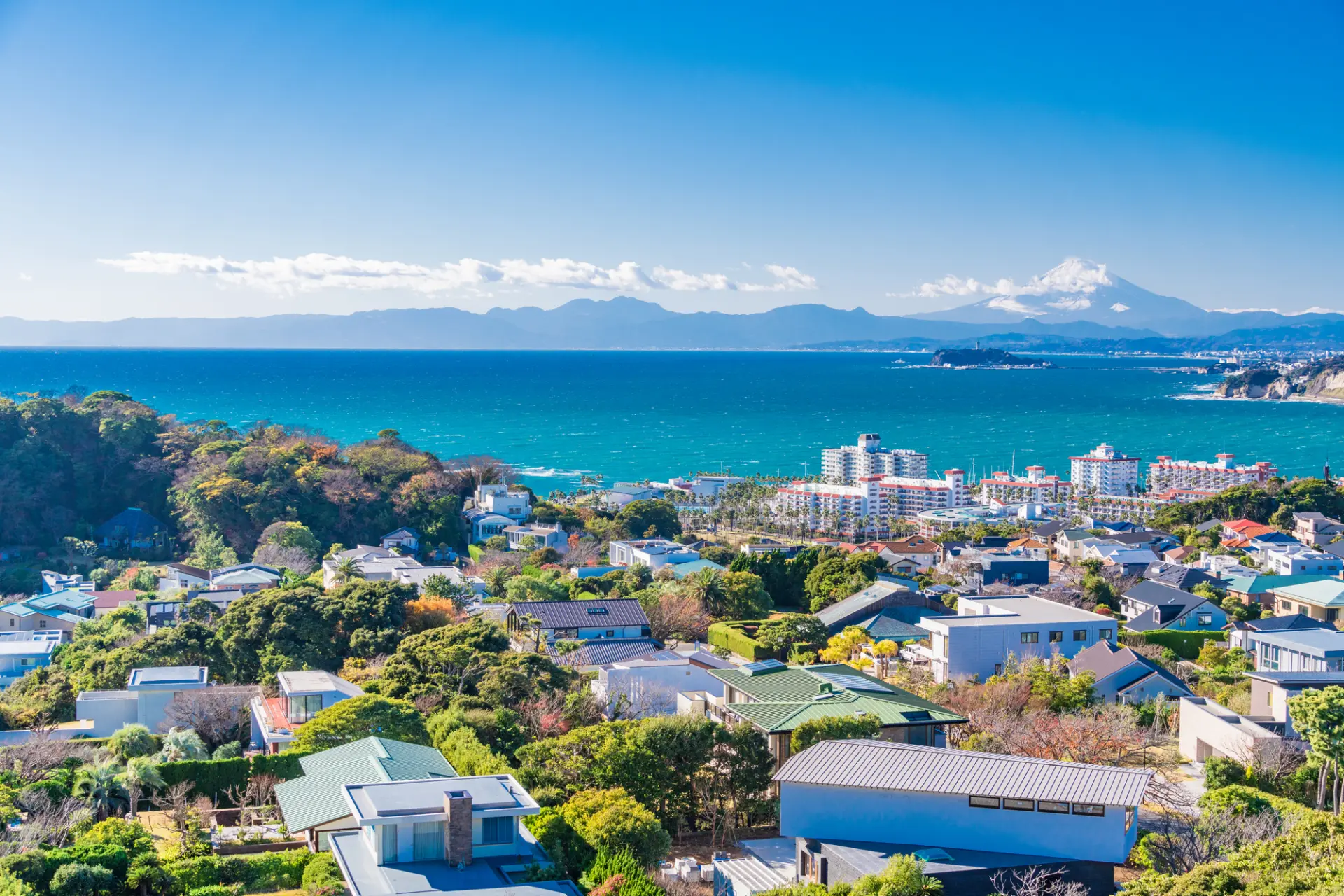
One of Zushi’s greatest charms is being able to admire beautiful views of the sea and Mt. Fuji, as well as the sea and sunset, in a setting where time seems to pass slowly.
Along the coast, cafes and restaurants with scenic views also serve dishes made with fresh seafood and local vegetables.
Another feature of Zushi is its many independently owned shops, which give the town a local feel.
What is the best season to visit Zushi?
If you’re planning a trip to Zushi, spring or summer is the best time to go.
Spring is relatively less crowded, and the mild weather makes it perfect for walking along the beach or exploring parks filled with nature.
It’s also a great season to try marine sports such as SUP, windsurfing, and kayaking.
In summer, you can fully enjoy swimming, floating athletic attractions on the water, and surfing.
Surrounded by the sparkling blue sea and an open, breezy atmosphere, you can soak up the lively feel of summer.
What to wear in Zushi by season
- Spring (March - May): A light jacket and a lightweight sweater
- Summer (June - August): Light clothing, short sleeves
- Fall (September - November): A light jacket, coat
- Winter (December - February): A coat, thick sweater or jacket
How do you get to Zushi?
If you’re heading to Zushi, JR Zushi Station is the most recommended destination station.
Keikyu Zushi-Hayama Station is also located in the city, but JR Zushi Station is easier to access from major stations in Tokyo.
Zushi is also close to Kamakura, another popular sightseeing area, and it takes Approx. 5 minutes by train.
Access to Zushi Station from major stations in Tokyo
- From JR Tokyo Station
-
Take the JR Yokosuka Line and get off at Zushi Station.
Travel time: Approx. 1 hour 5 minutes. - From JR Shinjuku Station
-
Take the JR Shonan-Shinjuku Line Special Rapid, transfer to the JR Tokaido Main Line at Ofuna Station, and get off at Zushi Station.
Travel time: Approx. 1 hour. - From JR Ueno Station
-
Take the JR Ueno-Tokyo Line, transfer to the JR Yokosuka Line at Totsuka Station, and get off at Zushi Station.
Travel time: Approx. 1 hour 10 minutes. - From JR Shinagawa Station
-
Take the JR Yokosuka Line and get off at Zushi Station.
Travel time: Approx. 55 minutes. - From JR Shibuya Station
-
Take the JR Shonan-Shinjuku Line Special Rapid, transfer to the JR Tokaido Main Line at Ofuna Station, and get off at Zushi Station.
Travel time: Approx. 55 minutes.
Access to Zushi Station from Kamakura Station
- Route
- From Kamakura Station, take a JR Yokosuka Line outbound train bound for Zushi or Kurihama, and get off at Zushi Station
- Travel time
- Approx. 5 minutes
Main ways to get around Zushi
When sightseeing in Zushi, Keihin Kyuko Bus is the main form of transportation.
You can reach major sightseeing spots and the Hayama area from JR Zushi Station and Keikyu Zushi-Hayama Station.
If you’d like to explore while enjoying the seaside and the atmosphere of the town, renting a bicycle is also recommended.
7 Popular Sightseeing Spots in Zushi to Enjoy Natural Beauty and Historic Charm
Blessed with both sea and mountains, Zushi is dotted with places where you can experience natural beauty and historic charm.
From peaceful seaside scenery and hilltops with panoramic views of the town to temples and old roads where you can connect with faith and history, these spots let you enjoy sightseeing at a relaxed pace.
1. Zushi Beach
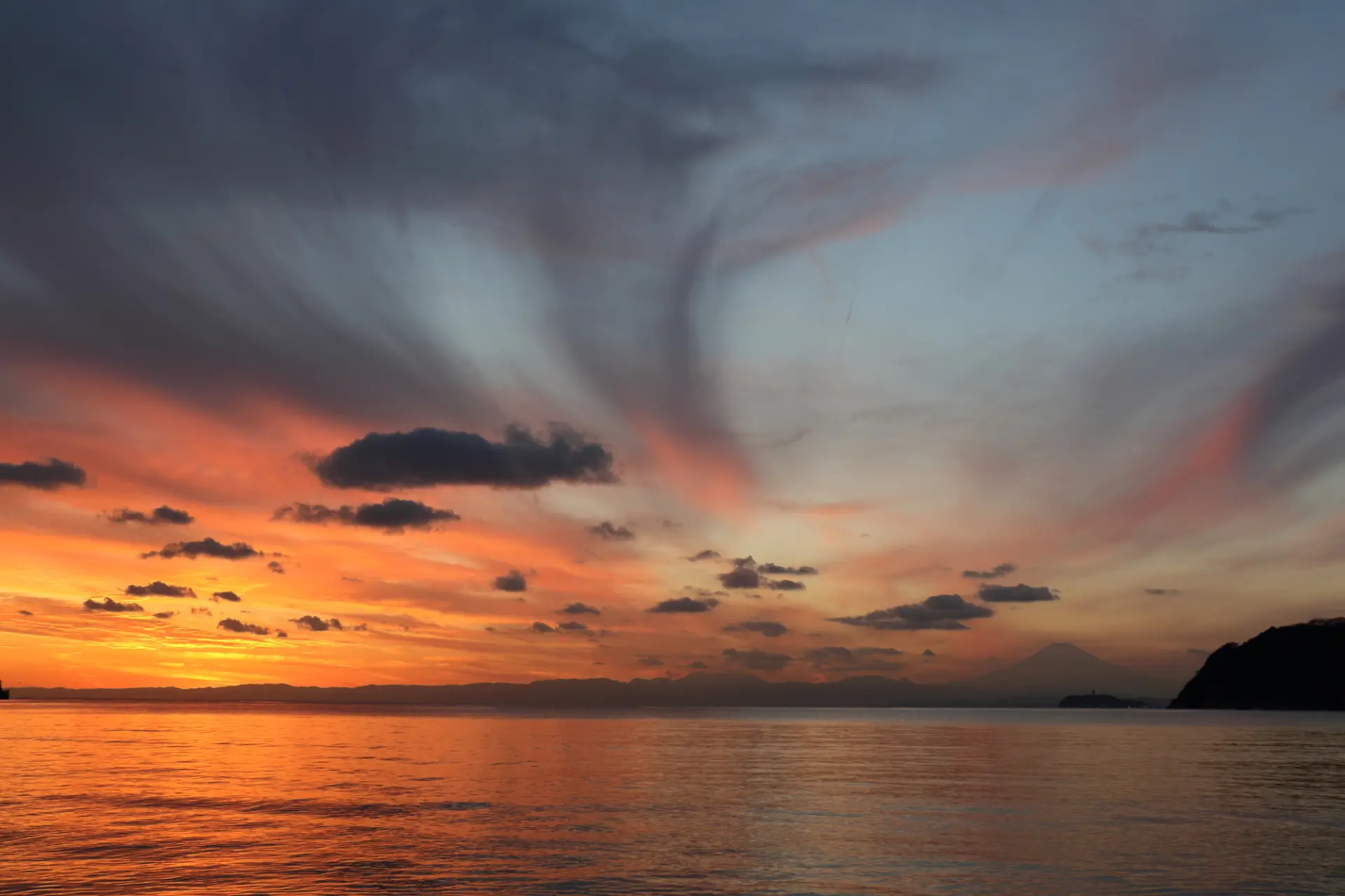
One of Zushi’s signature spots, stretching along Sagami Bay in the center of town.
You can see Mt. Fuji beyond the horizon, and at sunset the sky and sea are bathed in golden light.
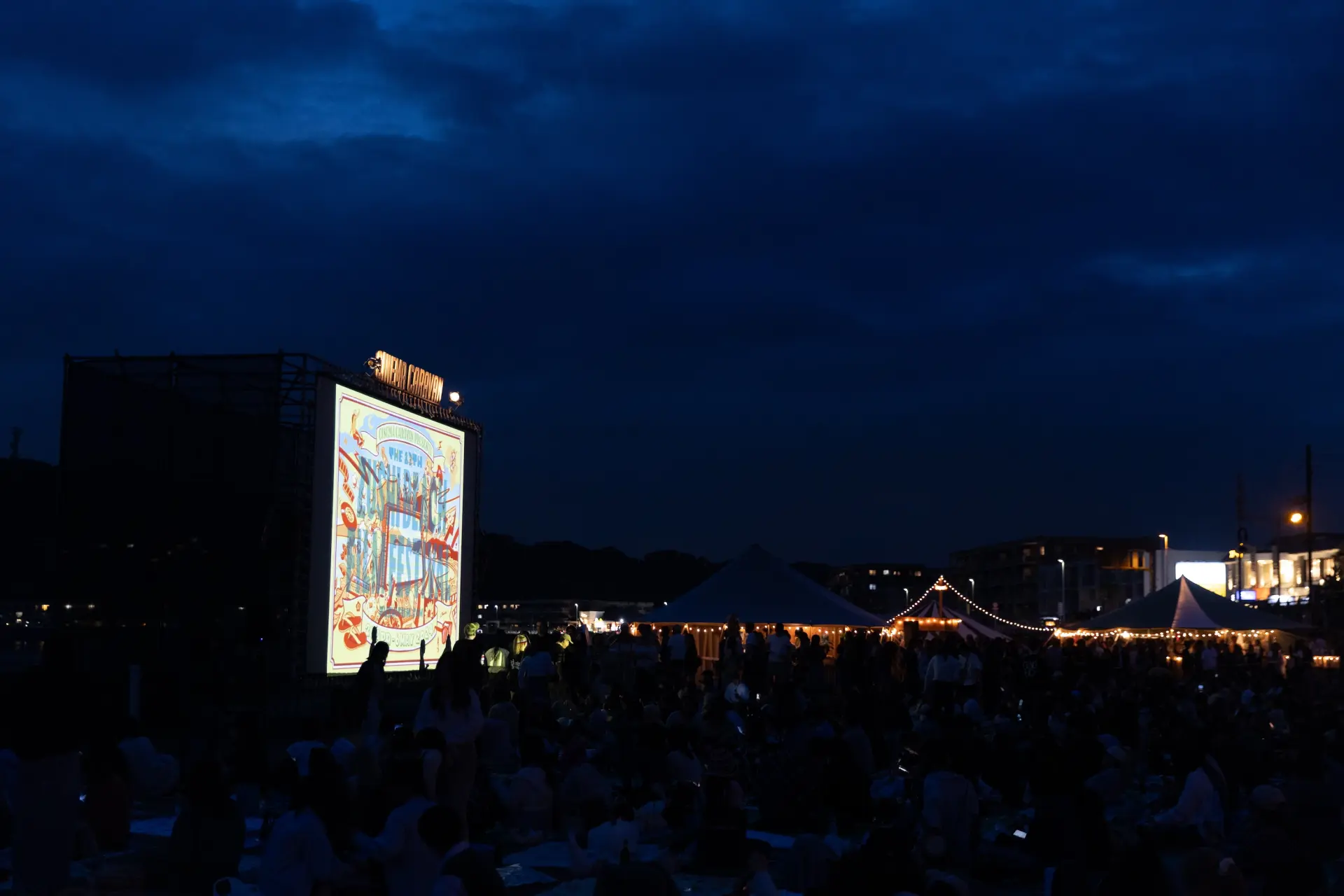
Various events are held here throughout the year, including the Zushi Beach Film Festival in spring, where movies are shown on a large screen set up on the beach, fireworks displays, and Night Wave in October, an art event featuring waves and light.
In summer, Zushi Beach is open for swimming, and many people come to enjoy the sea.
Marine sports such as windsurfing and sailing are also popular, so you can feel the appeal of the ocean year-round.
2. Riviera Zushi Marina
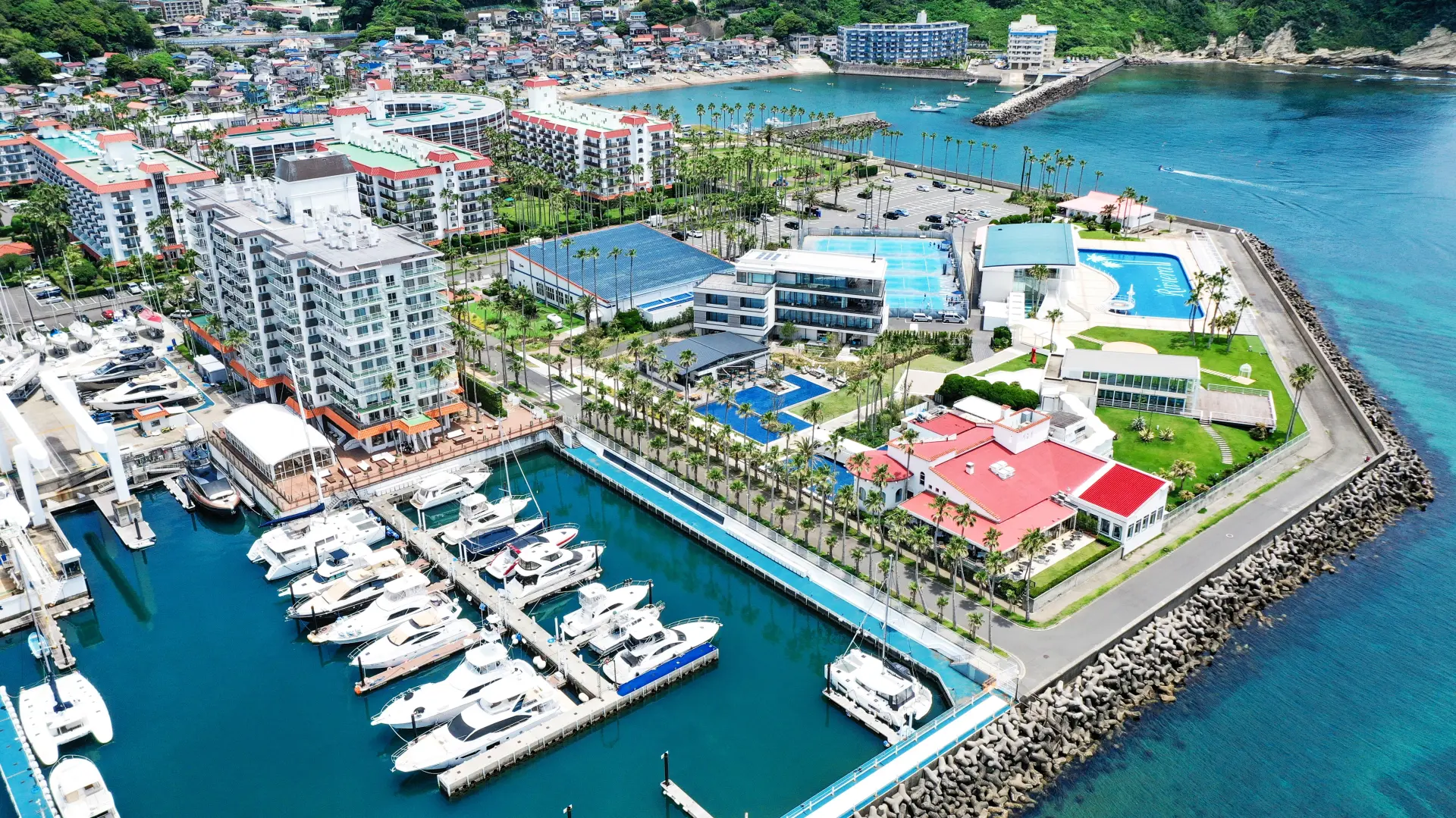
A resort with an extraordinary setting lined with palm trees, luxury pleasure boats, and yachts.
The spectacular view of Mt. Fuji across the Shonan sea is also known as a filming location for movies and TV dramas.
Its vast grounds of Approx. 50,000 tsubo include a yacht harbor, hotel, restaurants, cafes, event spaces, resort condominiums, tennis courts, and shops.
3. Hiroyama Park
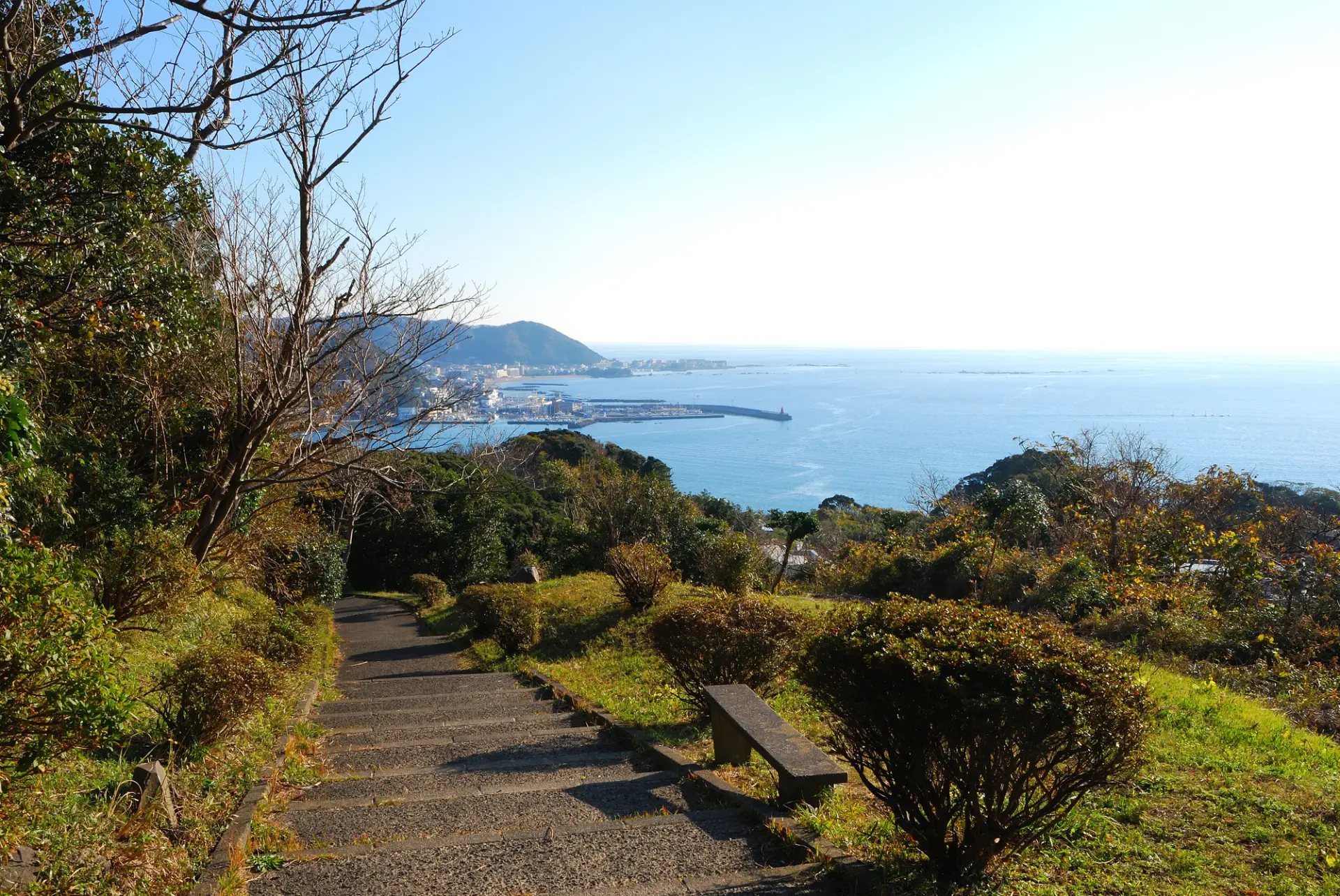
A park spread across the summit of Mt. Hiroyama, at an elevation of Approx. 90 meters.
From the observatory, you can enjoy panoramic views of the town of Zushi and Sagami Bay, and on clear days you can even see Mt. Fuji and Enoshima.
Cherry blossoms bloom in spring and hydrangeas in early summer, welcoming visitors with seasonal scenery throughout the year.
There is also a well-maintained hiking course leading to the summit of Namiko Fudo, where you can enjoy the scenery while walking through nature.
The park also has a small zoo with Japanese macaques and peacocks, making it a relaxing place for families to enjoy together.
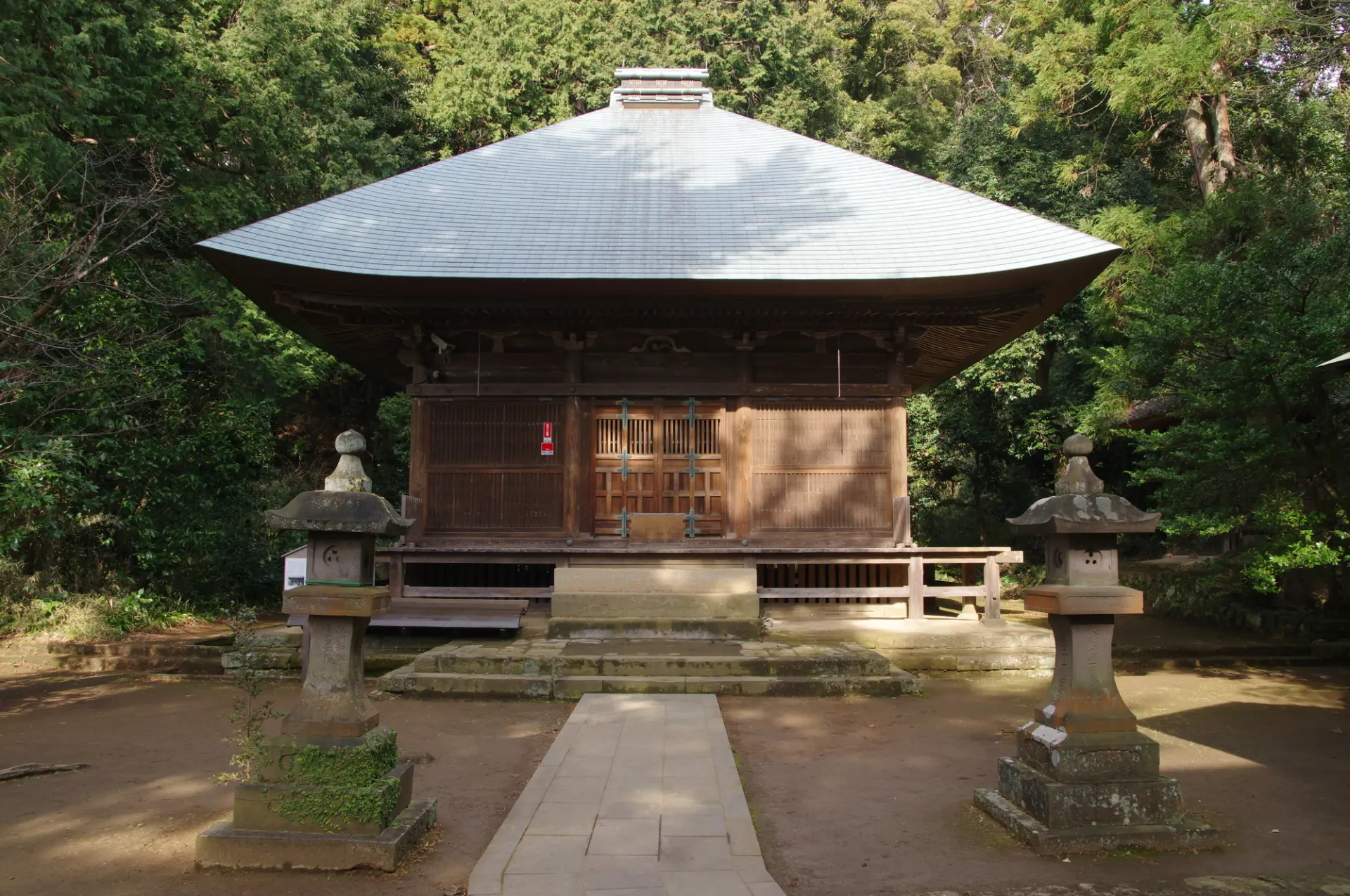
4. Jimmu-ji Temple
A historic Tendai temple said to have been founded in the Nara period (710–794).
Located along the Takatoriyama hiking course, it is a place where you can experience both faith and rich natural surroundings.
In the past, it prospered as a sacred site for mountain worship centered on Mt. Takatori rising behind it, and even today a sacred stillness remains in the air.
The temple forest, covering 13 hectares, retains the atmosphere of a mountain temple and has been selected as one of Kanagawa’s 50 Scenic Spots and 50 Beautiful Forests.
The grounds are home to many cultural properties, including Yakushido Hall, the prefecturally designated cultural properties Daiitokumyo-o-zu and Senju Kannon Bosatsu-zo, the city-designated important cultural properties Fudo Myo-o-zo and Yakushi Sanzon-zo, and Miroku Yagura.
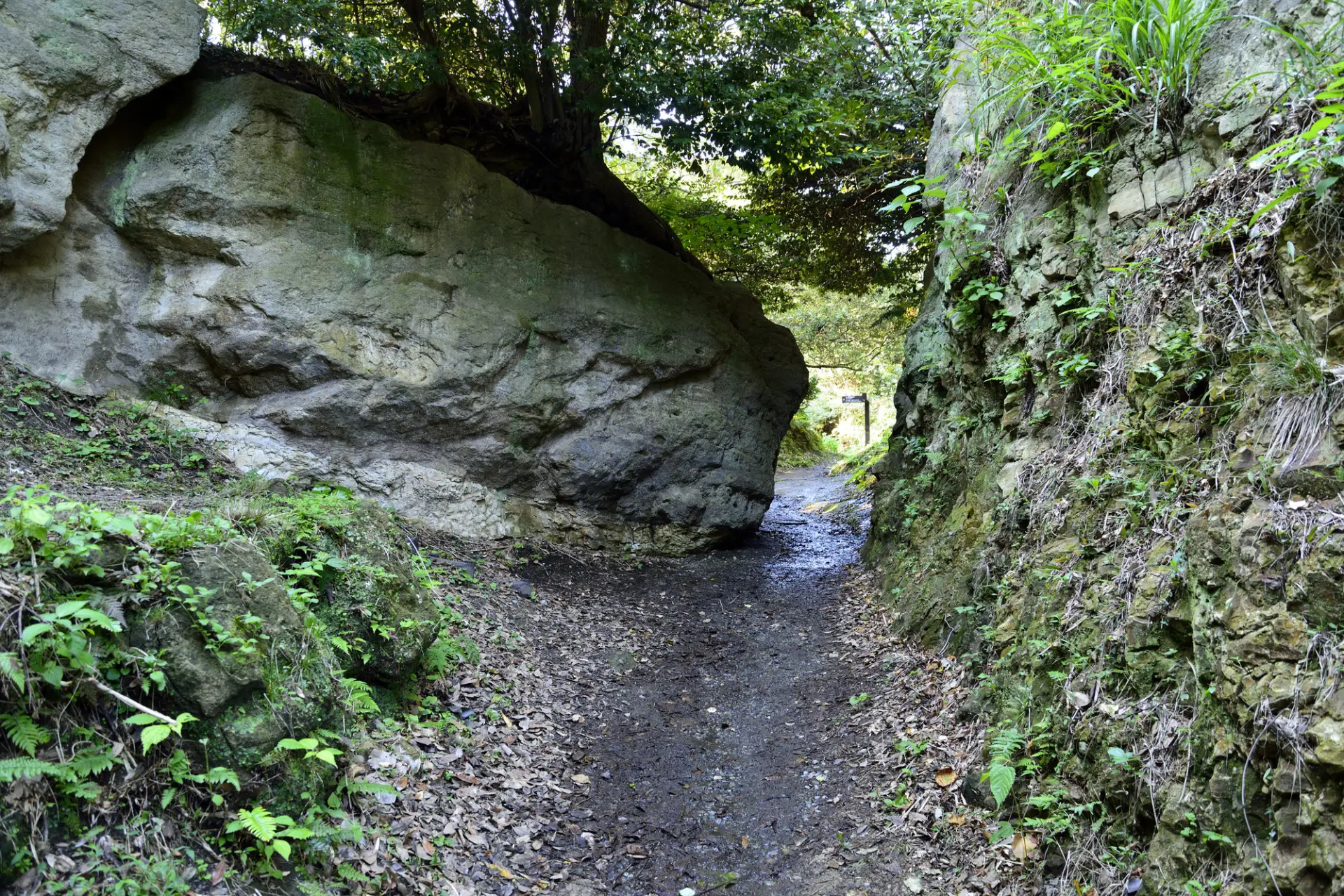
5. Nagoe Kiridoshi Pass
An old road carved through a ridge to connect Kamakura and the Miura Peninsula. It is designated as a National Historic Site and part of Japan Heritage.
Its exact opening date is unknown, but it is believed to have existed before 1233.
Along the route are scattered medieval remains, including the Mandarado Yagura caves, a group of medieval horizontal tombs, and Osagiri-gishi, a defensive structure from the early Kamakura period (1185–1333).
One of its attractions is being able to enjoy a historical walk while passing through scenery that still preserves traces of the past.
There is also a viewpoint called Panoramadai with views as far as Enoshima, and today it is a popular hiking course visited by many people.
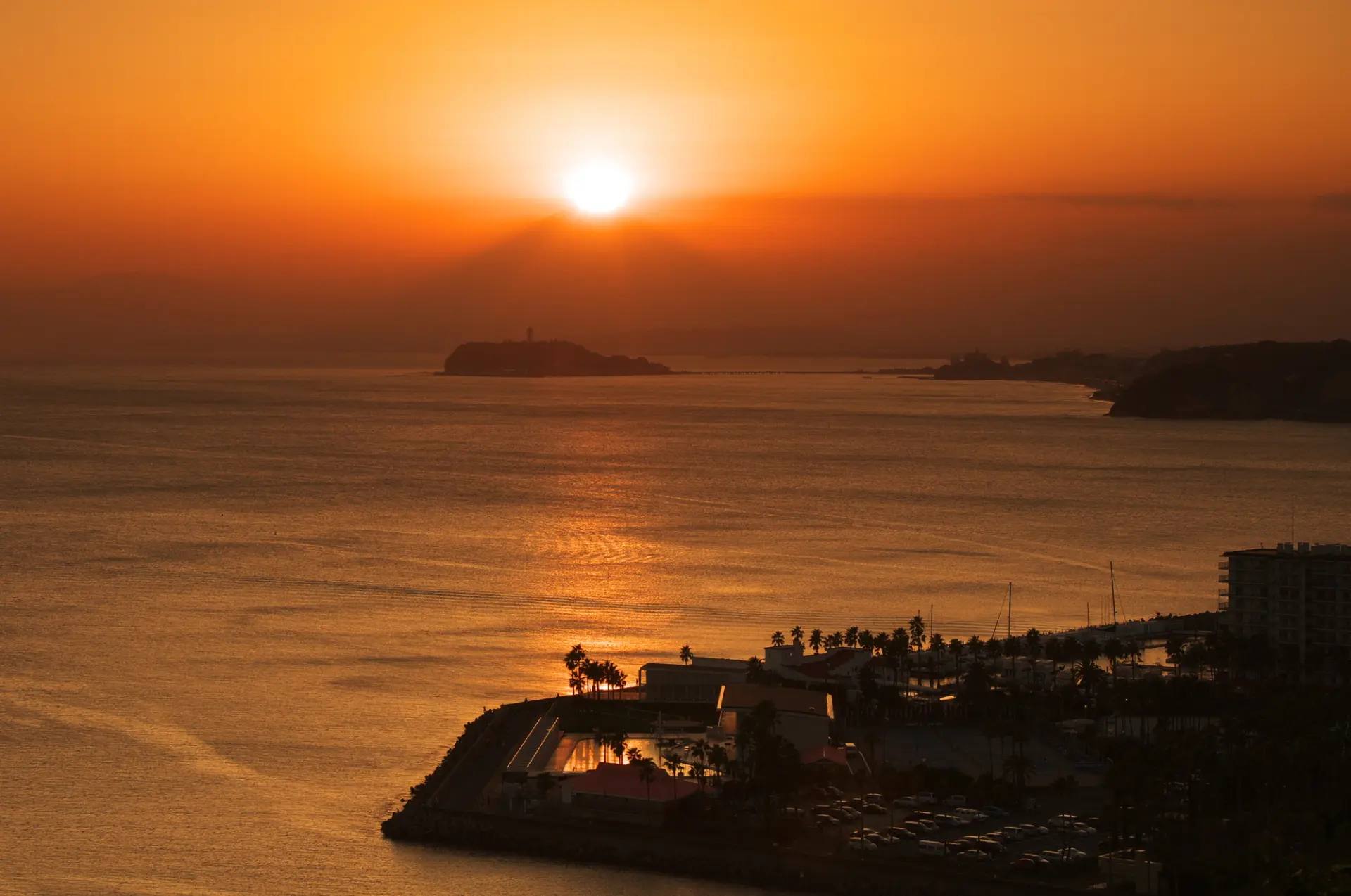
6. Osaki Park
An observation park located on top of a cape jutting out into Sagami Bay.
Close to Zushi Beach, this hilltop spot at an elevation of Approx. 77 meters offers sweeping views of Kotsubo Fishing Port and Zushi Marina, and on clear days, Mt. Fuji and Enoshima as well.
It is also known as a famous place for beautiful sunsets and has been selected as one of Kanto’s 100 Best Mt. Fuji Views.
Kawazu cherry trees, Oshima cherry trees, hydrangeas, sasanquas, and camellias are planted throughout the park, so seasonal flowers are another part of its appeal.
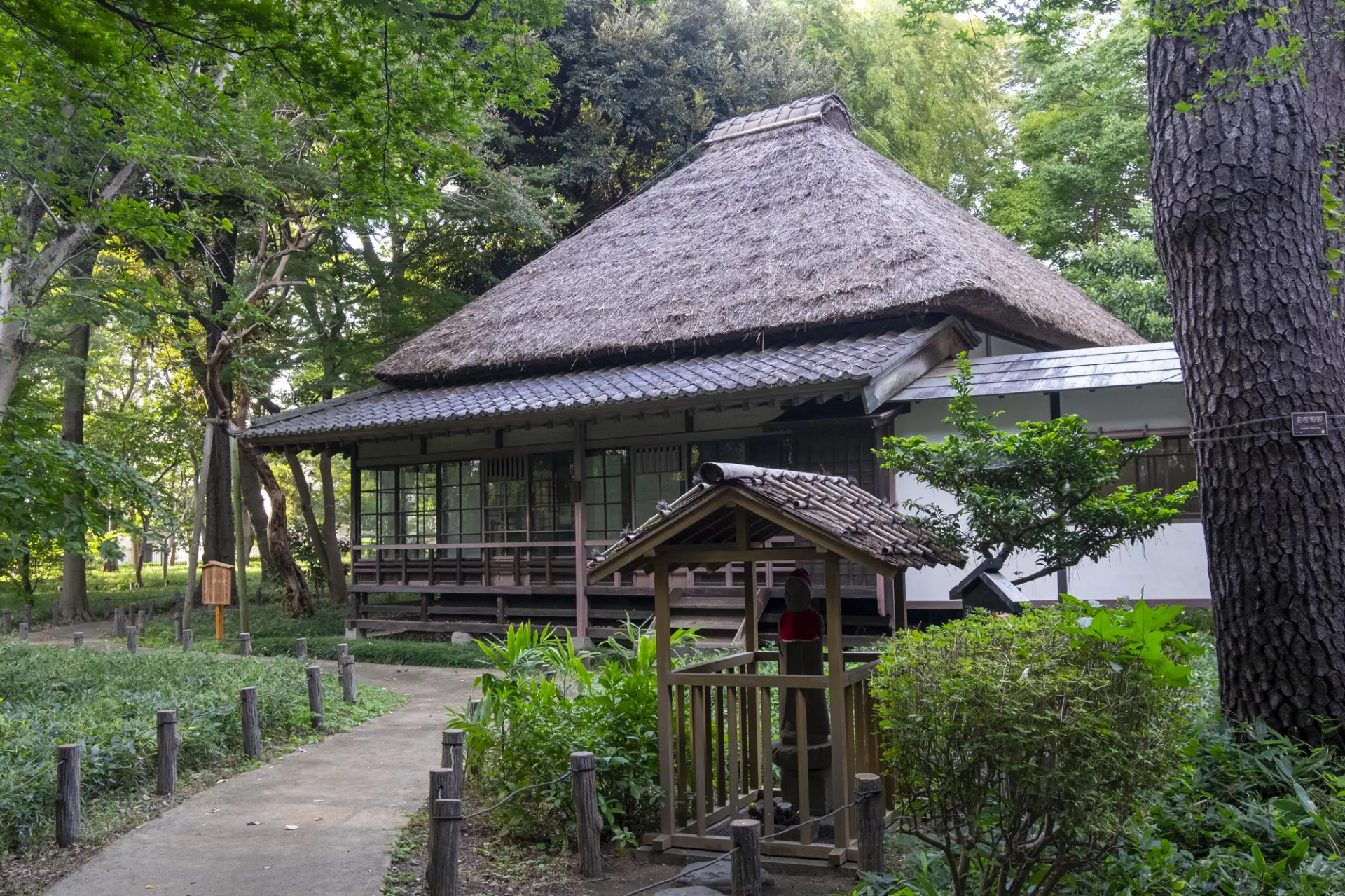
7. Roka Memorial Park
A nature-rich park in Sakurayama known as a place associated with the Meiji-era literary figure Tokutomi Roka.
At the end of its walking paths surrounded by greenery, you’ll find viewpoints overlooking Sagami Bay, Mt. Fuji, and Enoshima.
Historical buildings such as the Former Tokugawa Iesato Villa and the Former Wakimura Residence, along with rest areas using traditional Japanese houses, are scattered through the park, giving visitors a sense of the Meiji-era atmosphere when the area flourished as a villa district.
It is especially recommended to visit in autumn, when the fall colors add to the park’s distinctly Japanese charm.
5 Popular Restaurants in Zushi Where You Can Enjoy the Town’s Unique Atmosphere and Scenery
If you’re exploring Zushi, don’t miss the chance to enjoy its local food scene too.
From places where you can relax with an ocean view to restaurants serving dishes made with plenty of seasonal local ingredients, Zushi has a great selection of dining spots.
Here are some popular places that are easy to stop by during a stroll around town.
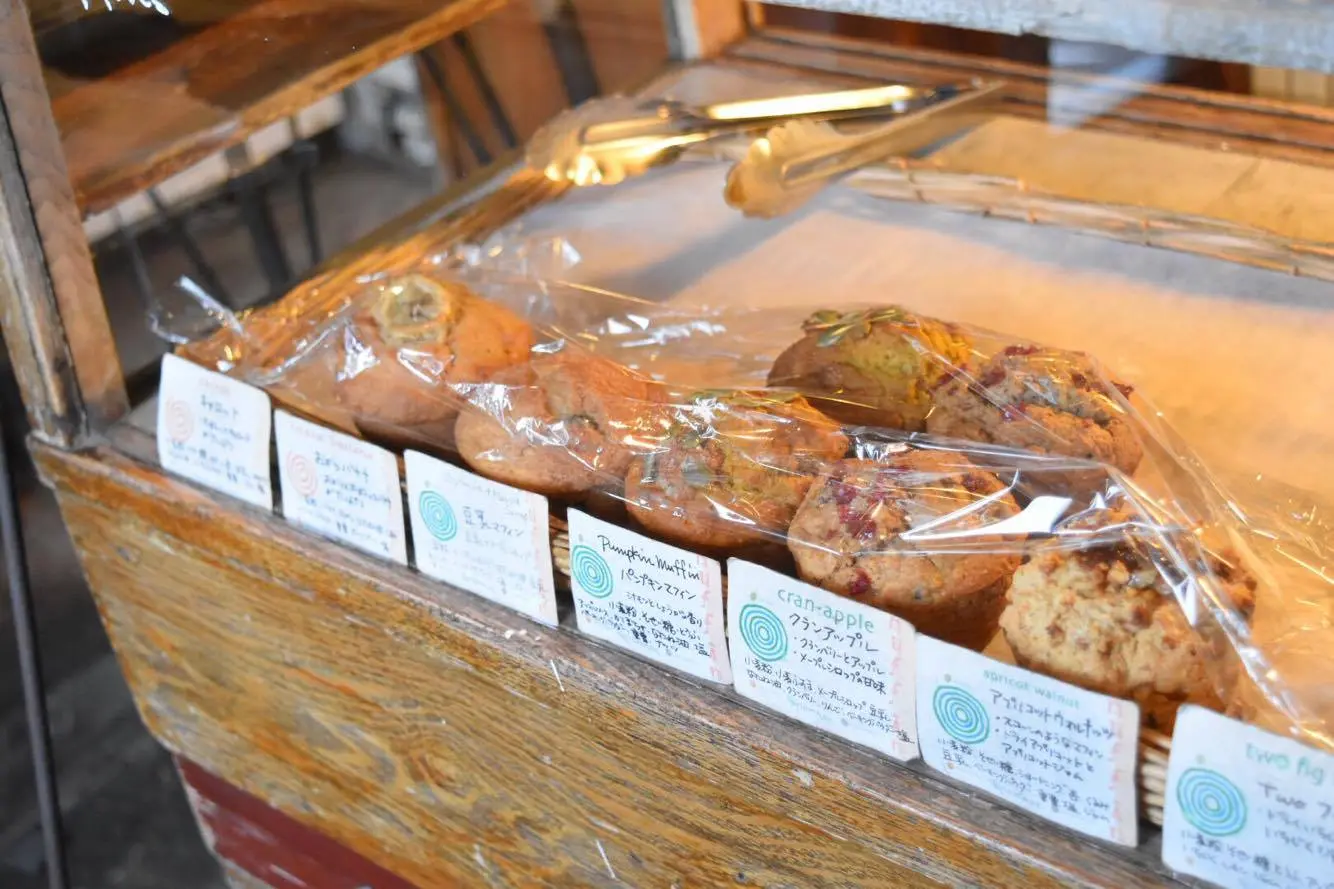
1. Beach Muffin
A cafe located Approx. 15 minutes on foot from the east exit of JR Zushi Station, set in a renovated traditional house that is over 90 years old.
It is popular for its vegan dishes made without animal products and its homemade muffins, known for their gentle flavor using whole wheat flour and organic fruit.
You can also enjoy the local craft beer Yorocco Beer.
The interior, filled with antique furniture and warm lighting, has a retro and relaxing atmosphere.
It’s a perfect place to enjoy the laid-back pace that feels so Zushi.
2. Hamayaki Izakaya Sakana Shokudo
A casual izakaya in a convenient location just a short walk from JR Zushi Station.
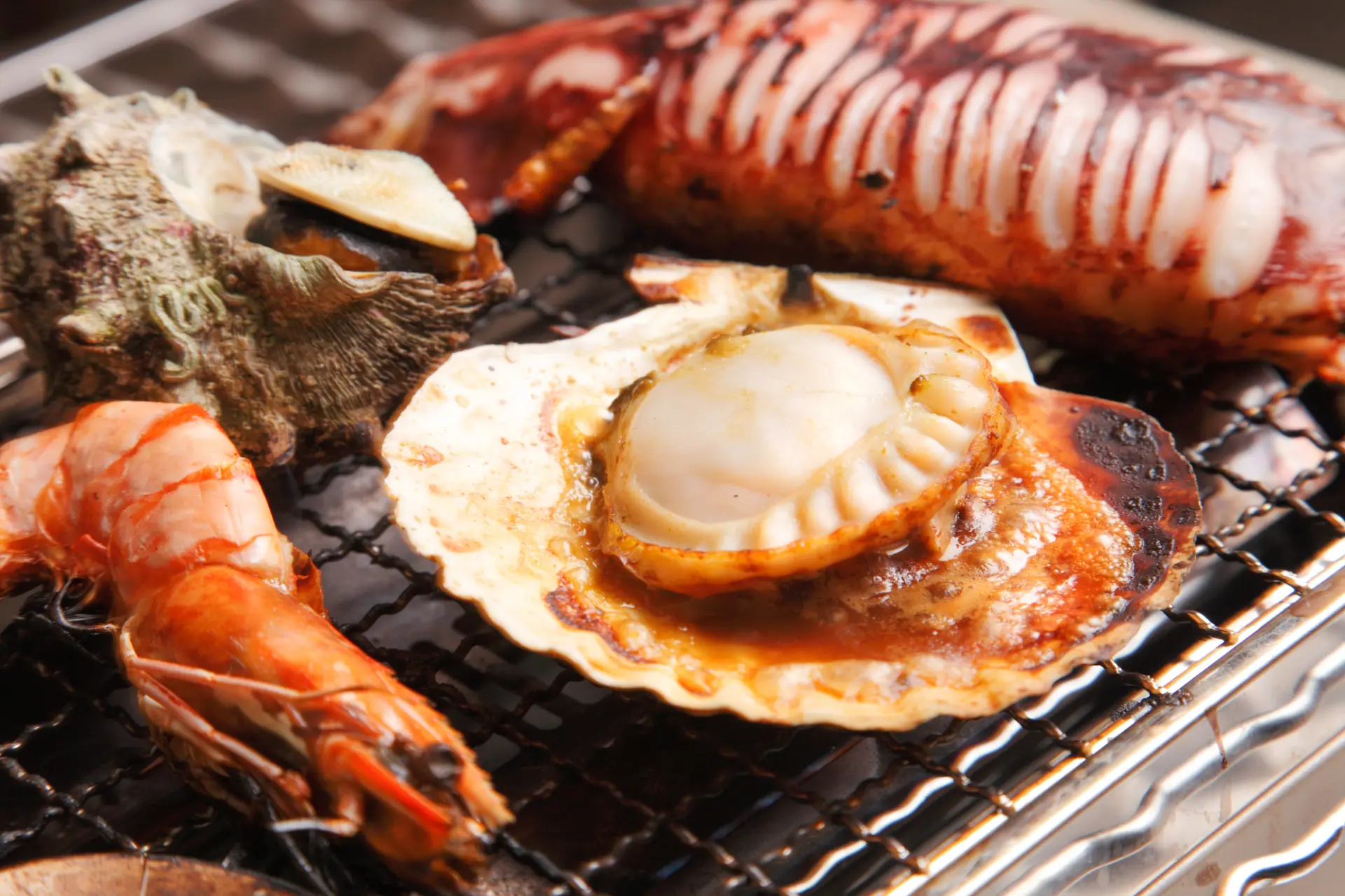
Its appeal lies in enjoying fresh seafood as sashimi or grilled hamayaki-style seafood.
Each table is equipped with a roaster, so you can grill the food yourself or have the staff grill it for you.
The lunch menu is also extensive, with options such as a mixed fried set meal, fried shrimp set meal, and daily grilled fish set meal.
Counter seating is available, making it easy to visit even on your own.
3. SOU
A ramen shop located in Zushi Ginza Street Shopping Arcade, just steps from JR Zushi Station and Keikyu Zushi-Hayama Station.
Its signature soup is made by slowly simmering carefully selected chicken bones, pork bones, and seafood from around Japan, bringing out the natural umami without using chemical seasonings.
It pairs perfectly with the shop’s homemade noodles, which have a smooth texture and a distinct wheat flavor.
Popular menu items include the light shio ramen that highlights seafood umami and the chewy Shonan wheat tsukemen served with dipping broth.
Handmade boiled dumplings are also popular, and many customers order them together with ramen.
With both counter and table seating, it’s easy to visit whether you’re alone or in a group.

4. Uokatsu
A long-established Japanese restaurant in central Zushi with a history of more than 90 years.
In a space filled with traditional Japanese charm, you can take your time enjoying seasonal fish dishes, sushi, and kaiseki cuisine.
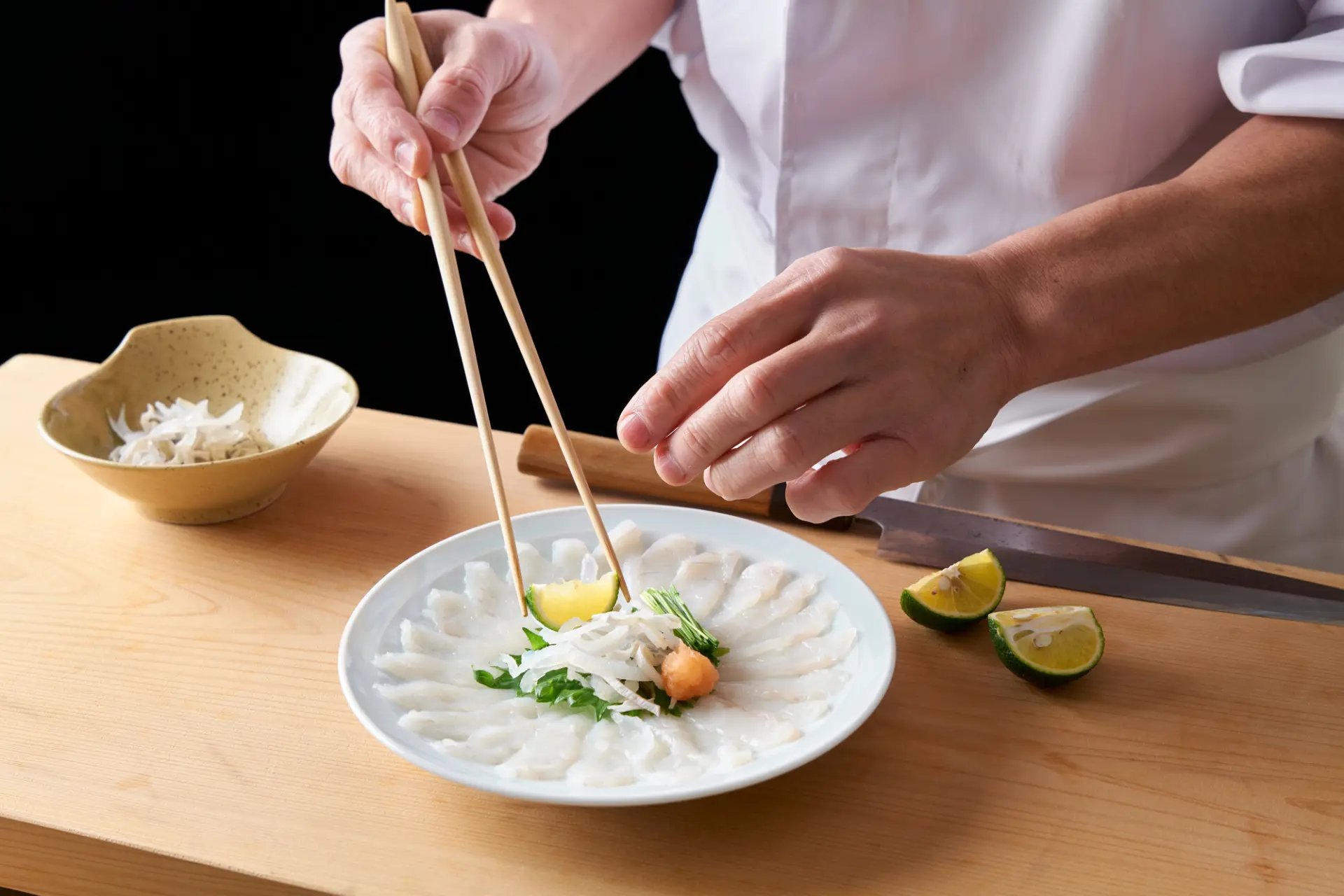
Its specialty is fugu dishes served from early November to March 31.
In addition to the winter-only natural tiger pufferfish course, there are also courses using shousai fugu, higan fugu, and kotora fugu caught in nearby waters.
Seasonal ingredients also shape the menu throughout the year, with sea bream and bamboo shoots in spring, sweetfish and eel in summer, and matsutake mushrooms in fall.
Along with classic Japanese dishes such as seafood rice bowls, sashimi, and tempura, the menu also includes Western-style options like wagyu steak and roast beef, making it suitable for a wide range of occasions.
5. Red Lobster Zushi
An American-born seafood restaurant chain within walking distance of JR Zushi Station.
The American-style interior includes counter seats where you can enjoy your meal while looking out over Sagami Bay.
On clear days, the sweeping view extends as far as Enoshima and Inamuragasaki.
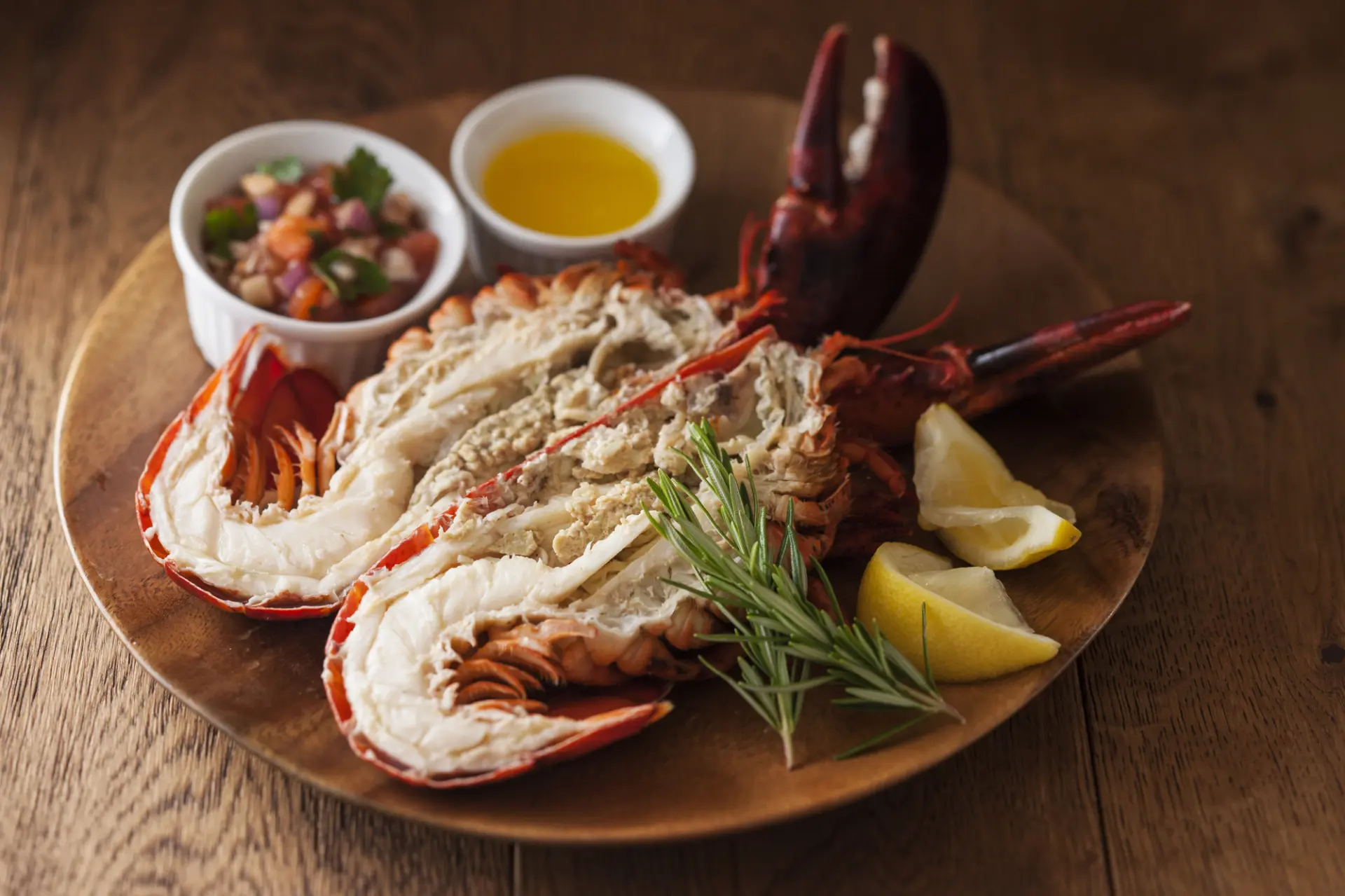
Seasonal lobsters are kept in dedicated tanks inside the restaurant and served while maintaining high quality.
The signature dish is Lobster no Koganeyaki, grilled until fragrant after being brushed with a special mayonnaise sauce.
Seafood paella and European-style curry rich with shellfish flavor are also popular, and in addition to seafood dishes, you can also enjoy hearty steaks.
If the Timing Works Out, Don’t Miss Zushi’s “Zushi Beach Film Festival”
The Zushi Beach Film Festival is held each year at Zushi Beach from late April to early May.
After sunset, movies are screened on a large screen set up on the sand, letting you watch while listening to the sound of the waves and feeling the sea breeze.
The lineup ranges from documentaries to classic international films, and one of its appeals is the relaxed atmosphere that makes it easy to enjoy with family and friends.
The venue also features plenty of daily food stalls, a bazaar, and activities.
Spending this special time by the seaside as the sunset colors the sky will surely make your trip even more memorable.
Approx. 5 Minutes by Train from Zushi! 3 Popular Sightseeing Spots in the Ancient City of Kamakura
Kamakura is close to Zushi, just Approx. 5 minutes away by train, making it easy to visit as well.
The town, filled with the atmosphere of an ancient capital, is dotted with historic buildings and seasonal natural scenery.
By visiting its venerable shrines and temples, you can experience a dignified beauty in the quiet surroundings.
It’s possible to explore both Zushi and Kamakura on a day trip from Tokyo, so be sure to visit the spots introduced below as well.
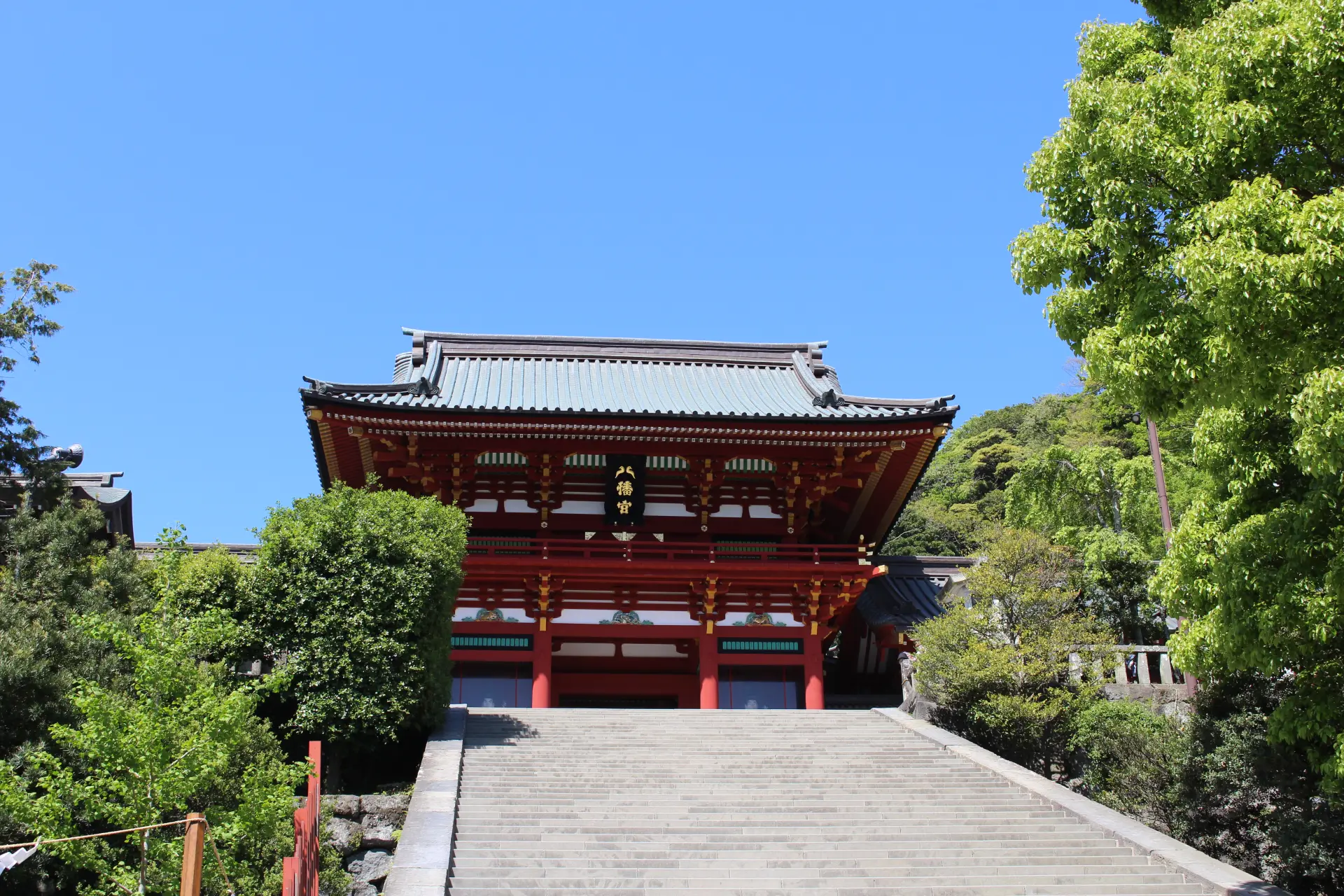
1. Tsurugaoka Hachimangu Shrine
Located in the center of Kamakura, Tsurugaoka Hachimangu Shrine has long been beloved as a symbol of the city.
It is also known as a shrine associated with Minamoto no Yoritomo, the first shogun of the Kamakura shogunate, and many worshippers visit every year.
The current main hall was built in 1828 and is designated as an Important Cultural Property of Japan.
It is also famous for its beautiful natural scenery, with cherry blossoms in spring and lotus flowers in summer at Genpei Pond.
2. Kamakura Daibutsu Kotoku-in
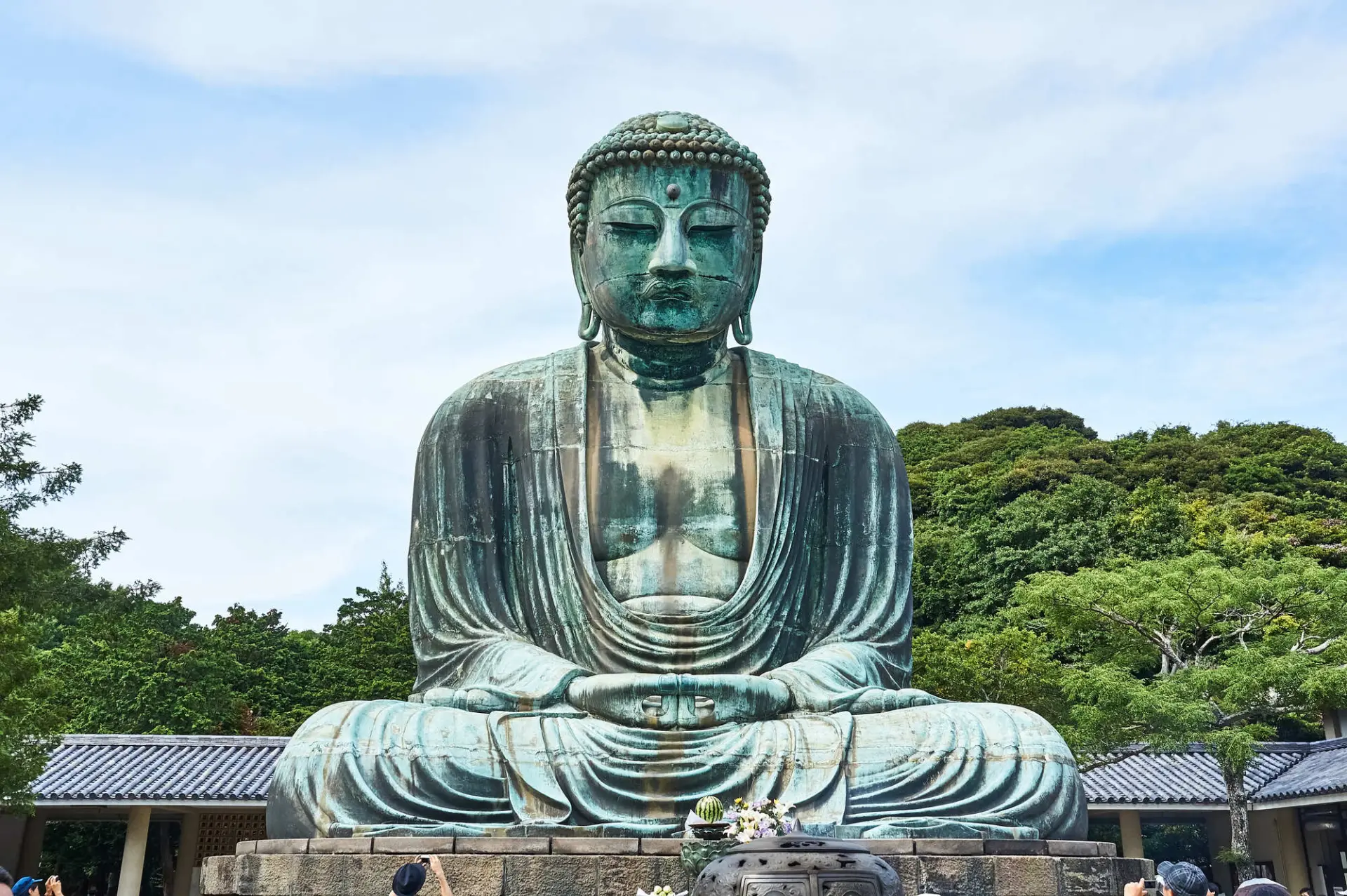
Among Kamakura’s many famous sights, the principal image of Kotoku-in, a statue of Amida Nyorai, is especially popular.
With its overwhelming presence, it is affectionately known as the Kamakura Daibutsu.
It stands Approx. 11.39 meters tall and weighs Approx. 121 tons. Its scale truly lives up to the name “Great Buddha” and leaves a powerful impression on visitors.
The statue also has an entrance, allowing visitors to go inside.
3. Hasedera Temple
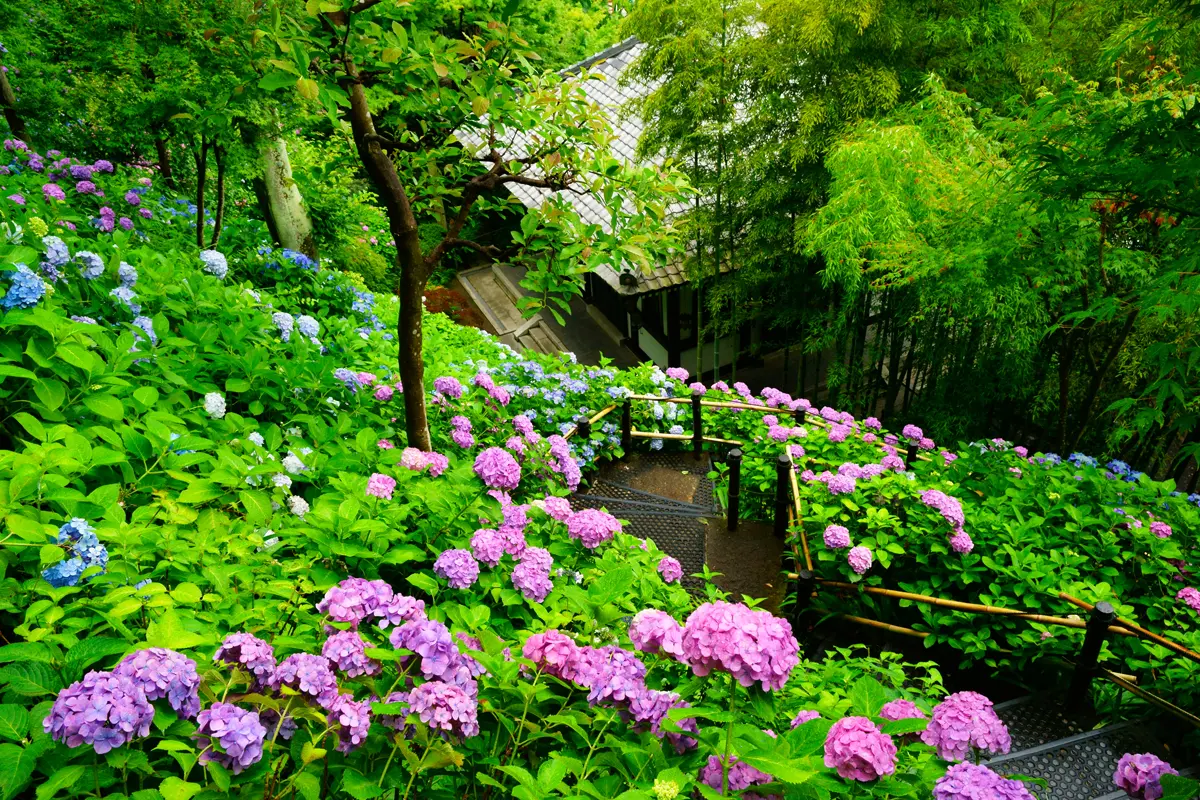
Known as one of Kamakura’s most scenic spots, Hasedera Temple is affectionately called Hase Kannon.
Its principal image is an Eleven-Headed Kannon statue. Standing 9.18 meters tall, it is one of the largest wooden Buddhist statues in Japan.
The flowers in the temple grounds are beautiful in every season, and the hydrangeas that bloom in June are especially famous.
The autumn leaves are also beautiful, and at night you can enjoy the illuminated foliage.

3 Popular Sightseeing Spots in Hayama to Enjoy Along with Zushi
About 20 minutes south by bus from Zushi brings you to Hayama, a town with a calm resort atmosphere.
Hayama is home to beautiful coastal scenery, parks surrounded by greenery, and historic shrines, with many spots wrapped in nature and tranquility.
By visiting the places introduced below, you can enjoy the beautiful scenery that defines Shonan.
Be sure to enjoy sightseeing in Hayama along with your trip to Zushi.
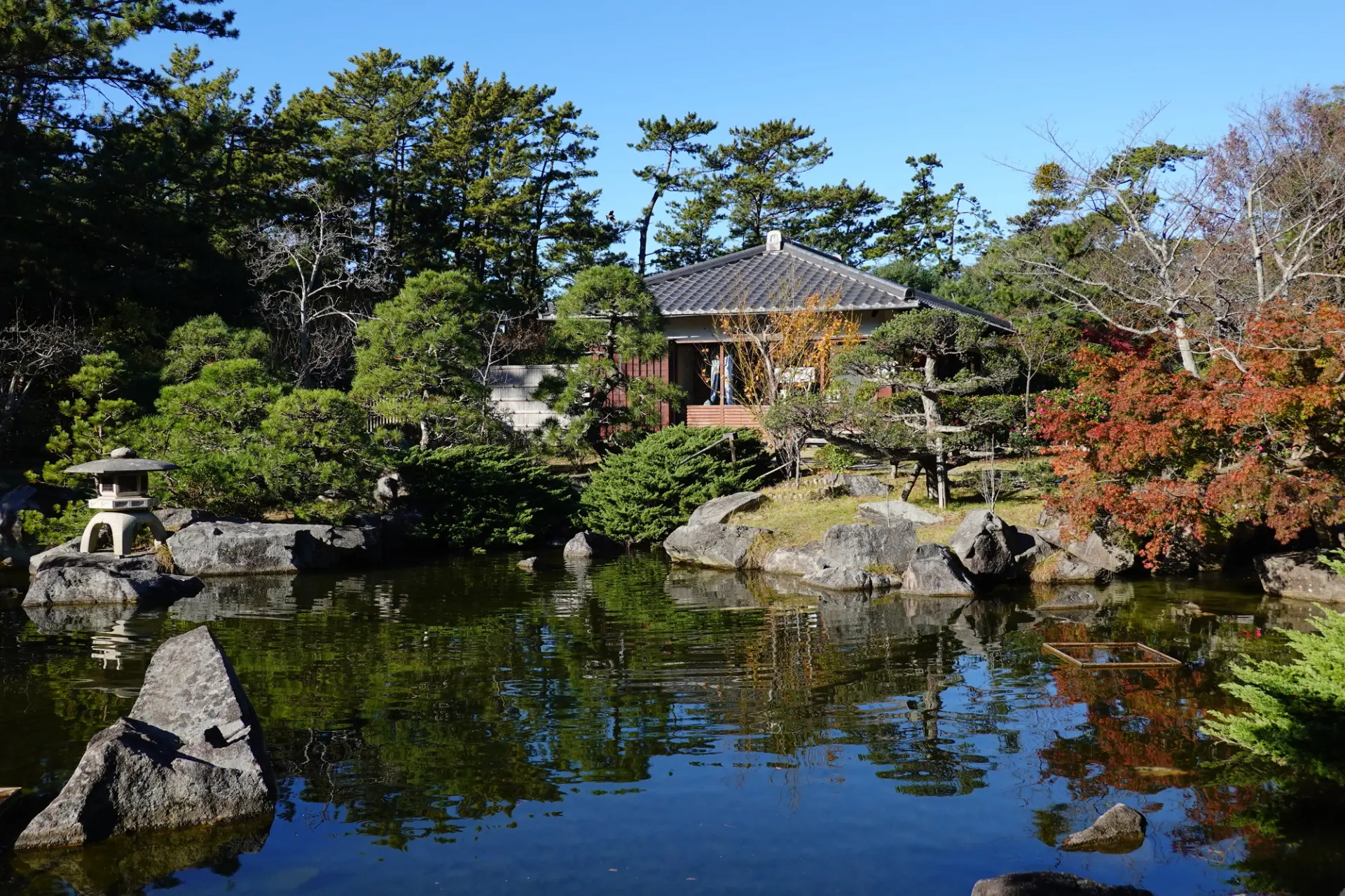
1. Hayama Shiosai Park
A park created on the former site of an annex to the Hayama Imperial Villa, once used as a place for the Emperor’s rest and retreat.
Located on a hill facing the sea, it features calm scenery created by black pine groves and a Japanese garden.
The stroll garden, centered around a pond, includes a koi-filled pond and a waterfall, offering a relaxing walk surrounded by nature.
The park also includes the Hayama Shiosai Museum, which displays marine specimens collected from Sagami Bay by Emperor Showa.
Another highlight is Shiomitei, a rest area in the garden where you can take a break while enjoying views of Sagami Bay.
2. Hayama Marina
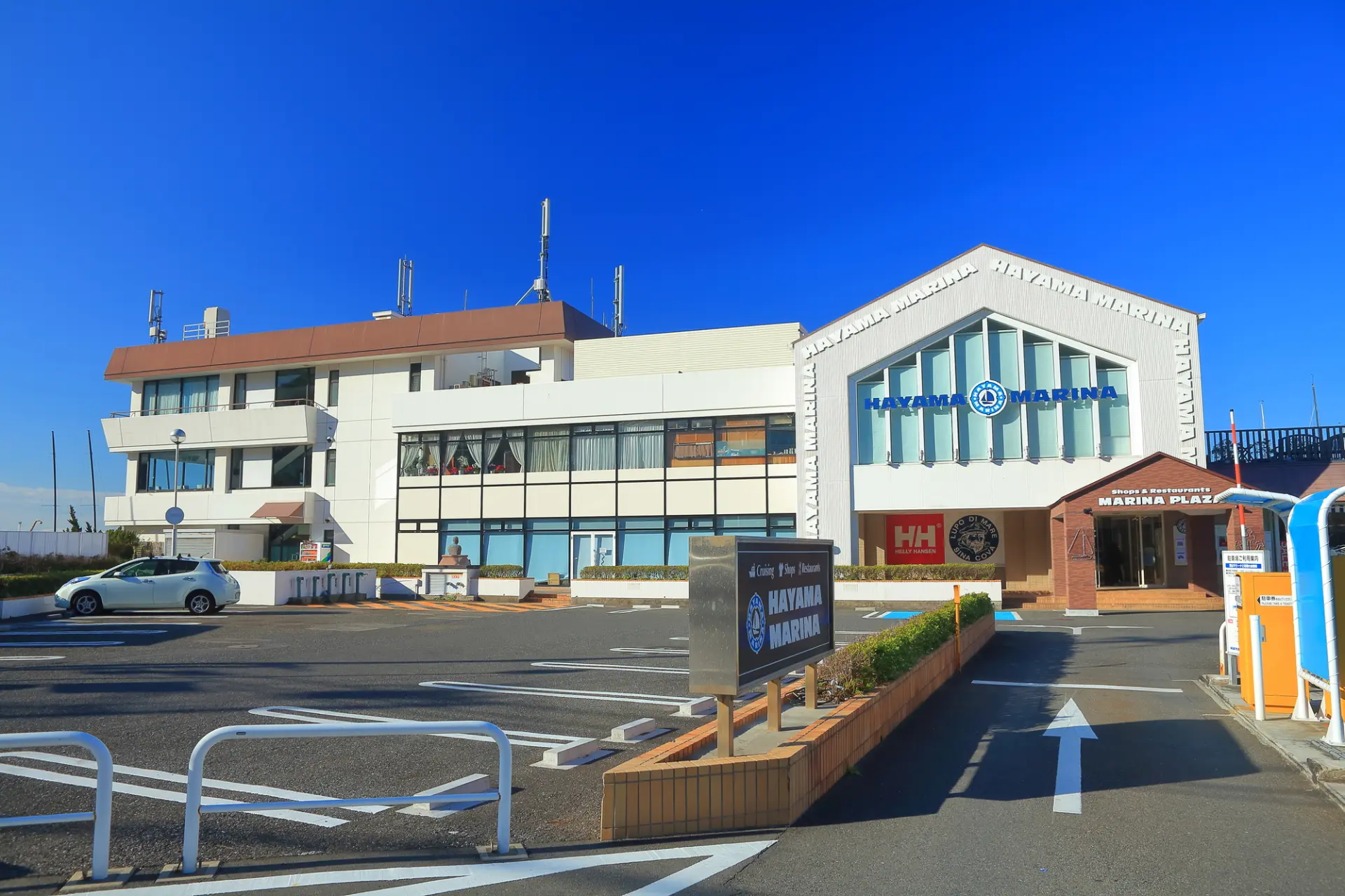
A landmark complex that represents Hayama, known as the birthplace of yachting in Japan.
It is also a harbor for yachts and boats, and on its Approx. 45-minute short cruise you can casually enjoy time out on the water.
With restaurants and shops inside the facility, you can enjoy dining and shopping while taking in spectacular views of the sea and Mt. Fuji.
Be sure to try MARLOWE’s handmade pudding served in a beaker, a popular Hayama specialty.
3. Morito Shrine
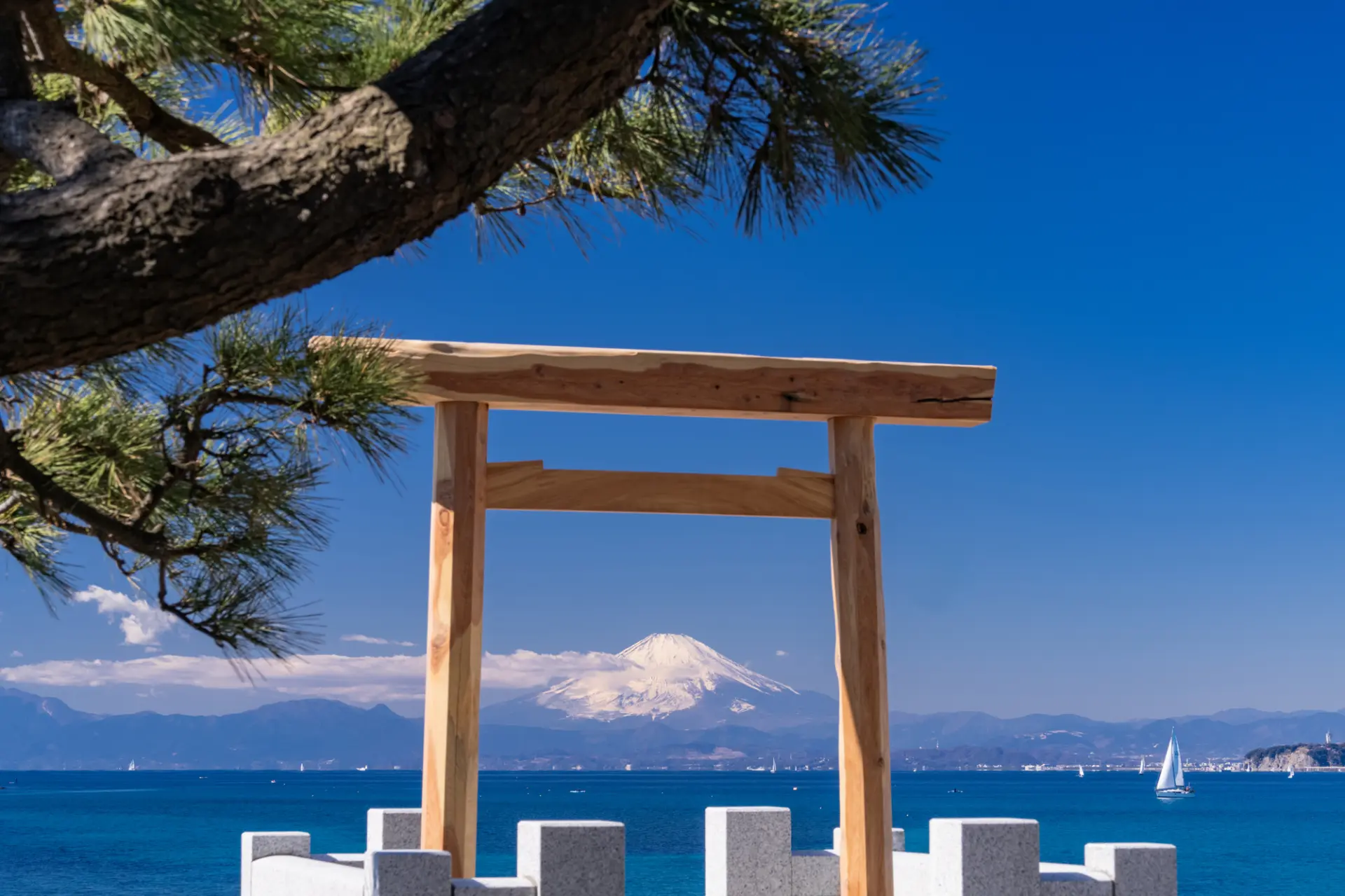
Morito Shrine is Hayama’s guardian shrine and is said to have been founded by the warrior Minamoto no Yoritomo.
Two deities, Oyamatsumi no Mikoto and Kotoshironushi no Mikoto, are enshrined here, and the shrine is believed to bring blessings for many things, including good fortune, protection from misfortune, and safe childbirth.
From behind the grounds of Morito Daimyojin, you can see Morito no Sekisho, a sunset view selected as one of Kanagawa’s 50 Scenic Spots.
The breathtaking view of Enoshima floating on the sea, rocky reefs, and distant Mt. Fuji glowing in the sunset is not to be missed.
FAQ about Zushi Sightseeing
Q
Where should I go if I want to enjoy Zushi in a short amount of time?
Zushi Beach, which is close to the station, is recommended. You can enjoy spectacular views of the calm sea and Mt. Fuji.
Q
What is Zushi’s local specialty food?
Seafood dishes made with fresh catches are the local specialty.
Summary
We’ve introduced popular sightseeing spots and restaurants in Zushi, as well as nearby areas worth visiting together with it.
From the spectacular views created by Sagami Bay and Mt. Fuji to local restaurants and shops with a relaxed atmosphere, enjoy spending peaceful time as you explore.
Beyond Zushi, Kamakura, and Hayama, Kanagawa still has many more attractive places to discover.
If you’d like to explore more of Kanagawa, be sure to check out the article below as well.