
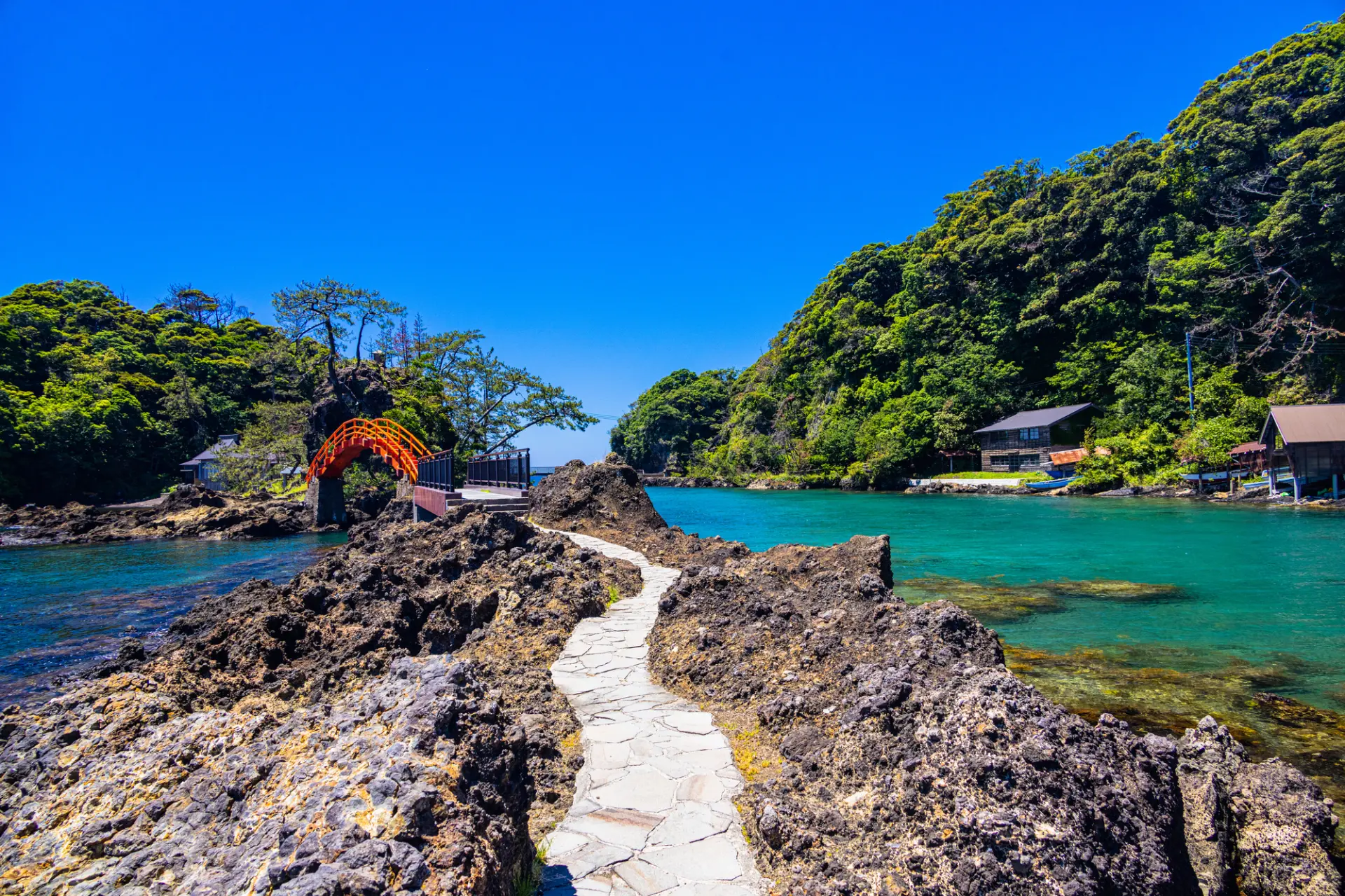
17 Must-Visit Spots for Sado Island Sightseeing
Sado Island (Sado-ga-shima, Sado-shima) is known for its unique culture and history, and is the largest offshore island on the Sea of Japan side of Japan, located in Niigata Prefecture.
With the Sado Island Gold Mines inscribed as a UNESCO World Cultural Heritage site in July 2024, the island has been drawing attention from Japan and abroad.
Blessed with rich nature and home to the Japanese crested ibis (Toki), a nationally designated Special Natural Monument, Sado is packed with one-of-a-kind highlights.
This guide focuses on an overview of Sado Island, popular attractions, and recommended places to stay.
It’s put together for first-time visitors too—use it to plan your route around the island.
What is Sado Island Like?
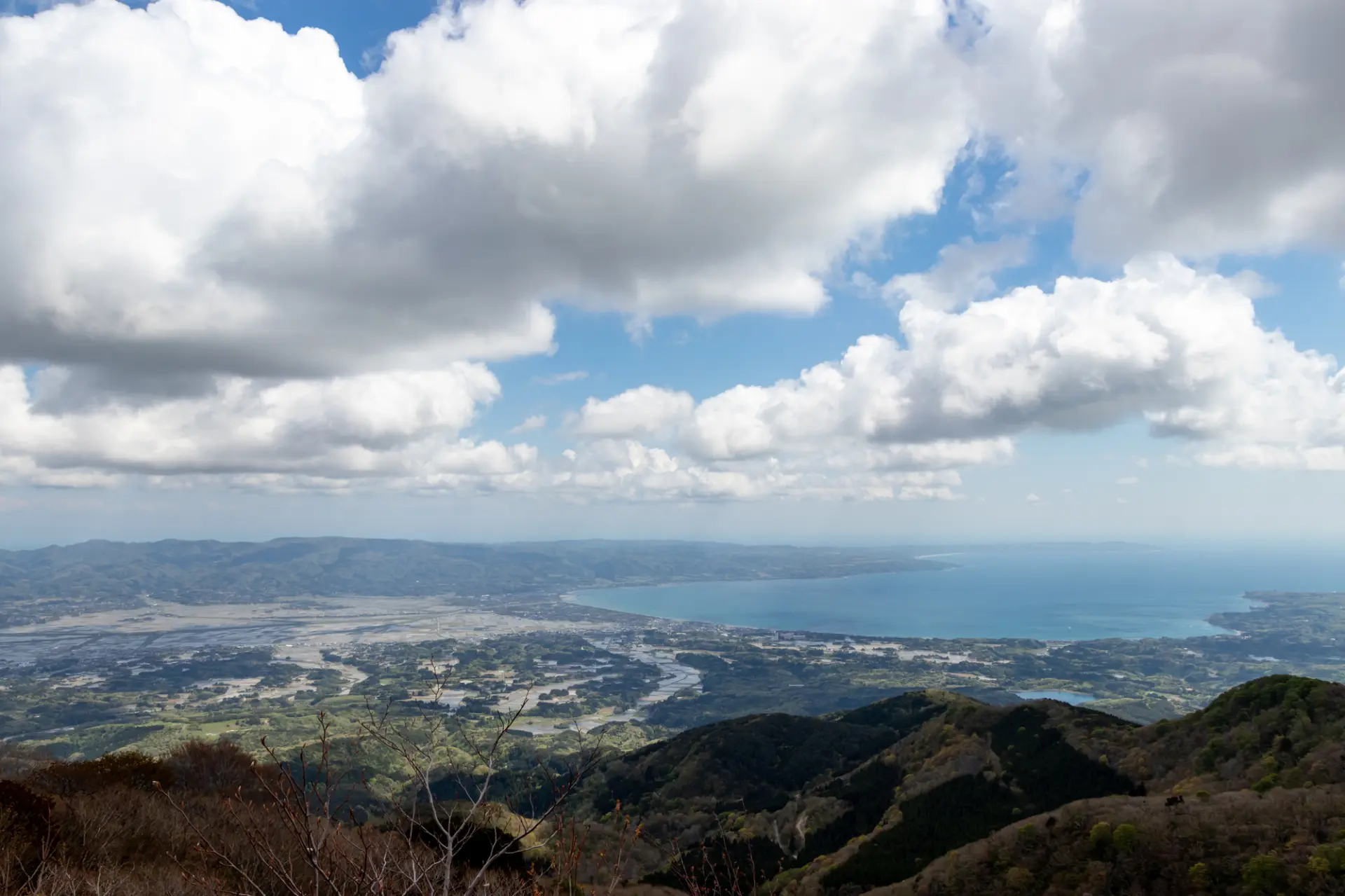
Sado Island, floating off the northwest of Niigata Prefecture, covers about 855 square kilometers and is the largest offshore island on the Sea of Japan side of Japan.
Made up of two mountain ranges running north to south and a central plain, its distinctive shape is often compared to the letter “S.”
The peaks are rugged, including the highest point, Mt. Kinpoku (Kinpoku-san), and the coastline stretches about 280 km, dotted with fjord-like landscapes.
Influenced by the Tsushima Warm Current, summers are cool and winters are mild, with less snowfall than mainland Japan.
Sado’s real charm is its unique atmosphere where nature, history, and culture blend together.
From the UNESCO-listed Sado Island Gold Mines that tell the story of gold and silver mining since the Edo period (1603–1868), to the Japanese crested ibis (Toki), there’s no shortage of things to see.
It’s also closely tied to traditional performing arts such as Noh and Onidaiko (demon drum), and includes places like the Shukunegi Village, a Preservation District for Groups of Traditional Buildings.
Local flavors are another highlight, with fresh seafood and satoyama produce—enjoy specialties like seafood rice bowls, buri katsu bowls, and local sake.
When is the best season to visit Sado Island?
Sado Island has something to offer in every season, so you can enjoy a visit any time of year.
The best time depends on your interests, but spring or autumn is especially recommended.
In spring, the island marks its official opening day on April 15, and festivals and events such as Onidaiko festivals and the Hase-dera Peony Festival take place across the island, offering a sense of local history.
Cherry blossoms in full bloom and delicate wildflowers are also highlights, and the mild weather makes it great for strolling.
In autumn, the summer heat fades and mountains, temples, and shrines are colored by vivid fall foliage.
It’s also the perfect season for food lovers, with autumn flavors like Sado rice and Okesa persimmons.
What to wear on Sado Island by season
- Spring (March - May): Jacket or sweater
- Summer (June - August): Light layers, short sleeves
- Autumn (September - November): Light jacket, coat
- Winter (December - February): Coat, down jacket, thick sweater or jacket
How do you get to Sado Island?
Sado Island has two main gateways: Ryotsu Port and Ogi Port.
There are no trains on the island, so most travelers arrive by sea from mainland Japan via car ferry or jetfoil (high-speed ferry).
The nearest port for Ryotsu Port is Niigata Port (near Niigata Station), and for Ogi Port it’s Naoetsu Port (near Naoetsu Station), with similar travel times from each port to Sado.
That said, many travelers use Niigata Port due to its convenience from Niigata City.
Below is a summary of routes to Sado Island (Ryotsu Port) starting from Tokyo Station, Shin-Osaka Station, Nagoya Station, and Niigata Airport.
| Starting Point | Route | Travel Time |
|---|---|---|
| Tokyo Station |
1. Take the JR Joetsu Shinkansen Toki to Niigata from JR Tokyo Station. Get off at Niigata Station, then go to the bus terminal in front of the station. 2. From Niigata Station bus stop No. 17, take the Niigata Kotsu bus (Sado Kisen Line). Get off at “Sado Kisen,” then walk to Niigata Port. 3. Board a car ferry or jetfoil at Niigata Port and disembark at Ryotsu Port on Sado Island. |
4–5 hours |
| Shin-Osaka Station |
1. Take the JR Tokaido Shinkansen Nozomi to Tokyo from JR Shin-Osaka Station. Get off at Tokyo Station. 2. From Tokyo Station, take the JR Joetsu Shinkansen Toki to Niigata. Get off at Niigata Station, then go to the bus terminal in front of the station. 3. From Niigata Station bus stop No. 17, take the Niigata Kotsu bus (Sado Kisen Line). Get off at “Sado Kisen,” then walk to Niigata Port. 4. Board a car ferry or jetfoil at Niigata Port and disembark at Ryotsu Port on Sado Island. |
6–8 hours |
| Nagoya Station |
1. Take the JR Tokaido Shinkansen Nozomi to Tokyo from JR Nagoya Station. Get off at Tokyo Station. 2. From Tokyo Station, take the JR Joetsu Shinkansen Toki to Niigata. Get off at Niigata Station, then go to the bus terminal in front of the station. 3. From Niigata Station bus stop No. 17, take the Niigata Kotsu bus (Sado Kisen Line). Get off at “Sado Kisen,” then walk to Niigata Port. 4. Board a car ferry or jetfoil at Niigata Port and disembark at Ryotsu Port on Sado Island. |
5–6 hours |
| Niigata Airport |
1. From bus stop No. 2 at Niigata Airport, take the Sakura Kotsu Mini Liner to Sado Kisen. Get off at “Sado Kisen,” then walk to Niigata Port. *Buses run about four times a day. 2. Board a car ferry or jetfoil at Niigata Port and disembark at Ryotsu Port on Sado Island. |
2–3 hours |
*1. Niigata Kotsu buses run about every 15–20 minutes.
*2. You can also take a taxi from Niigata Station to Sado Kisen (Approx. 10 minutes).
*3. Travel time between Sado Kisen and Niigata Port is 2 hours 30 minutes by car ferry, or 1 hour 7 minutes by jetfoil.
*4. The number of services and departure times vary by season for both ferries and jetfoils.
Main ways to get around Sado Island
The main way to get around Sado Island is by rental car, available around Ryotsu Port and Ogi Port.
The island is larger than many people expect, so having a car makes travel comfortable and efficient.
Depending on the season, renting a motorbike or bicycle is also a great option for an open-air ride.
Local buses connect major spots, but services are limited, so checking timetables is essential and your schedule may be restricted.
If you’re not comfortable driving or don’t have a license, consider a sightseeing taxi.
You can enjoy a custom route with commentary from a professional driver, which is ideal for small groups.
Choose the best option based on your travel style and budget.
17 Popular Attractions to Experience Sado Island’s History and Scenic Views
Here are must-visit spots for Sado Island sightseeing.
These recommended places let you enjoy rich natural scenery, deep historical and cultural heritage, and hands-on activities.
Pick what fits your interests, budget, and schedule, and you’ll be able to experience the best of Sado Island.
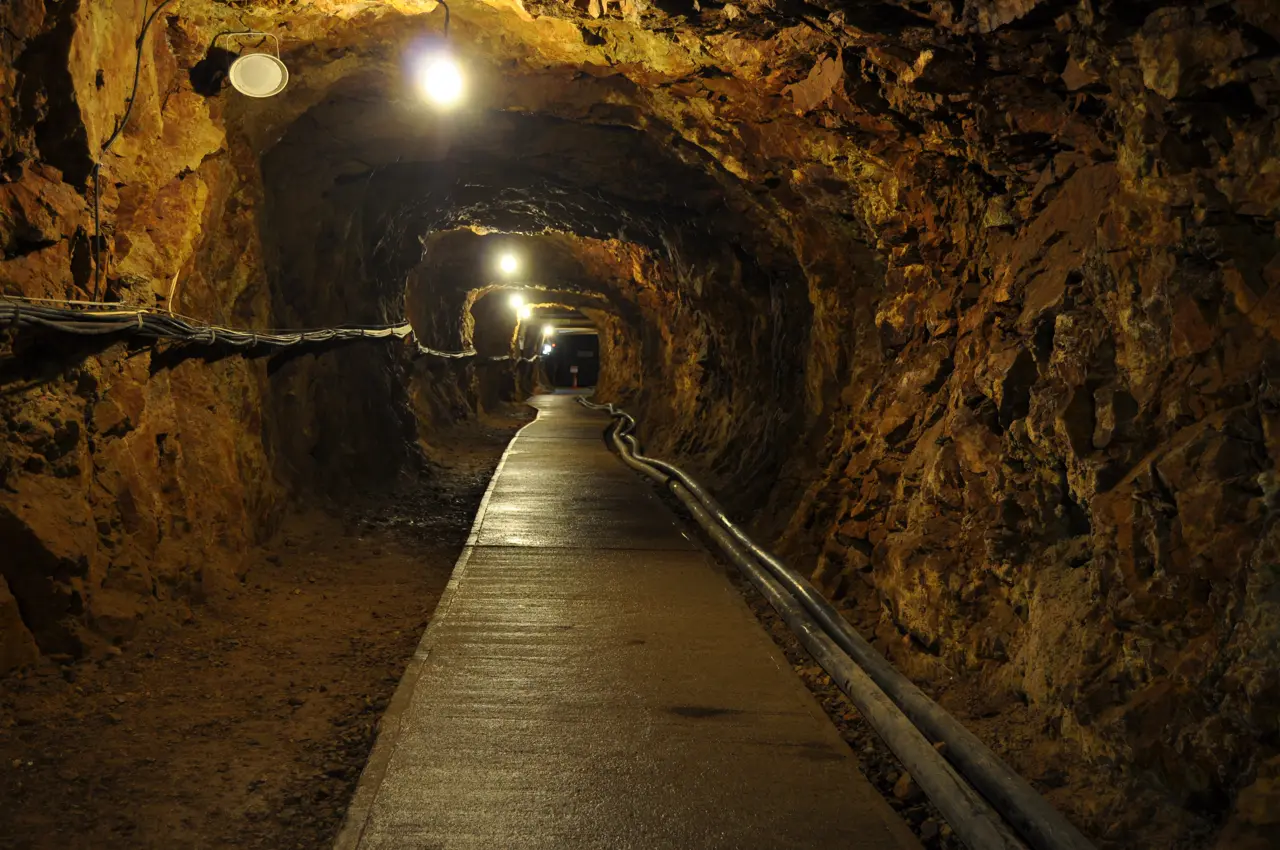
1. Sado Gold Mine
Opened in 1601, this mine produced gold and silver ore for 388 years.
The total length of the veins spreading like an ant nest is about 400 km. In total, it yielded 78 tons of gold and 2,330 tons of silver, long known as Japan’s largest gold and silver mine.
In July 2024, it was inscribed as a UNESCO World Cultural Heritage site.
Two tunnel courses are open for self-guided visits: the “Sotayu Tunnel,” hand-dug in the early Edo period (early 17th century), and the “Doyu Tunnel,” where mining continued until closure.
2. Senkakuwan Bay Agejima Yuen
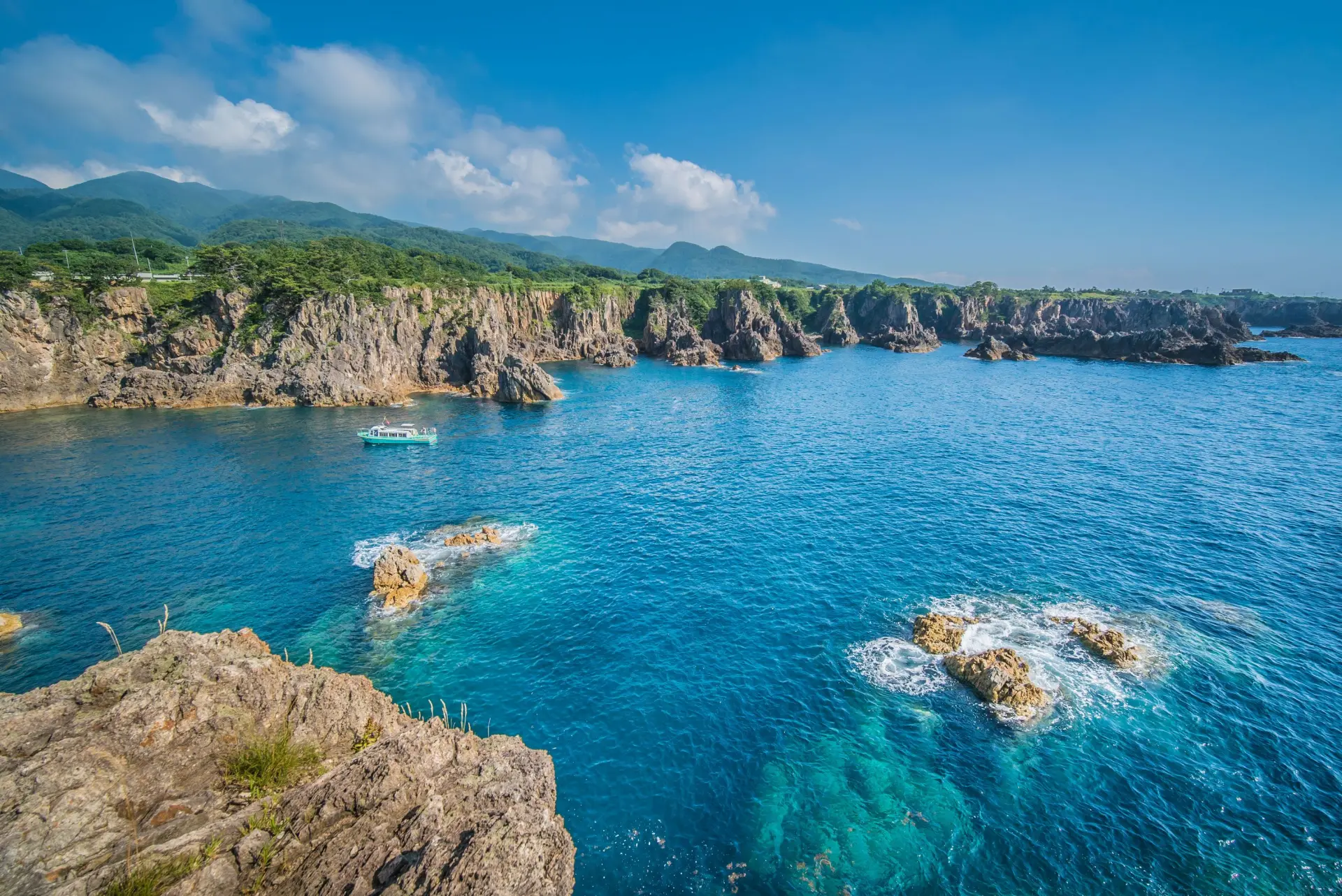
Senkakuwan Bay is one of Sado Island’s most scenic coastal areas, with five small inlets spread along about 3 km of shoreline.
Its dramatic cliffs rising around 30 meters are said to rival Norway’s famous Hardangerfjord, and the area is also selected as one of Japan’s Top 100 Beach Sceneries.
Senkakuwan Bay Agejima Yuen is a sightseeing facility with panoramic views over the bay. Cross the Machiko Bridge—known from the Showa-era film <i>Kimi no Na wa</i>—and you’ll reach Agejima Island, where an observation deck opens up to sweeping bay views.
3. Toki no Mori Park
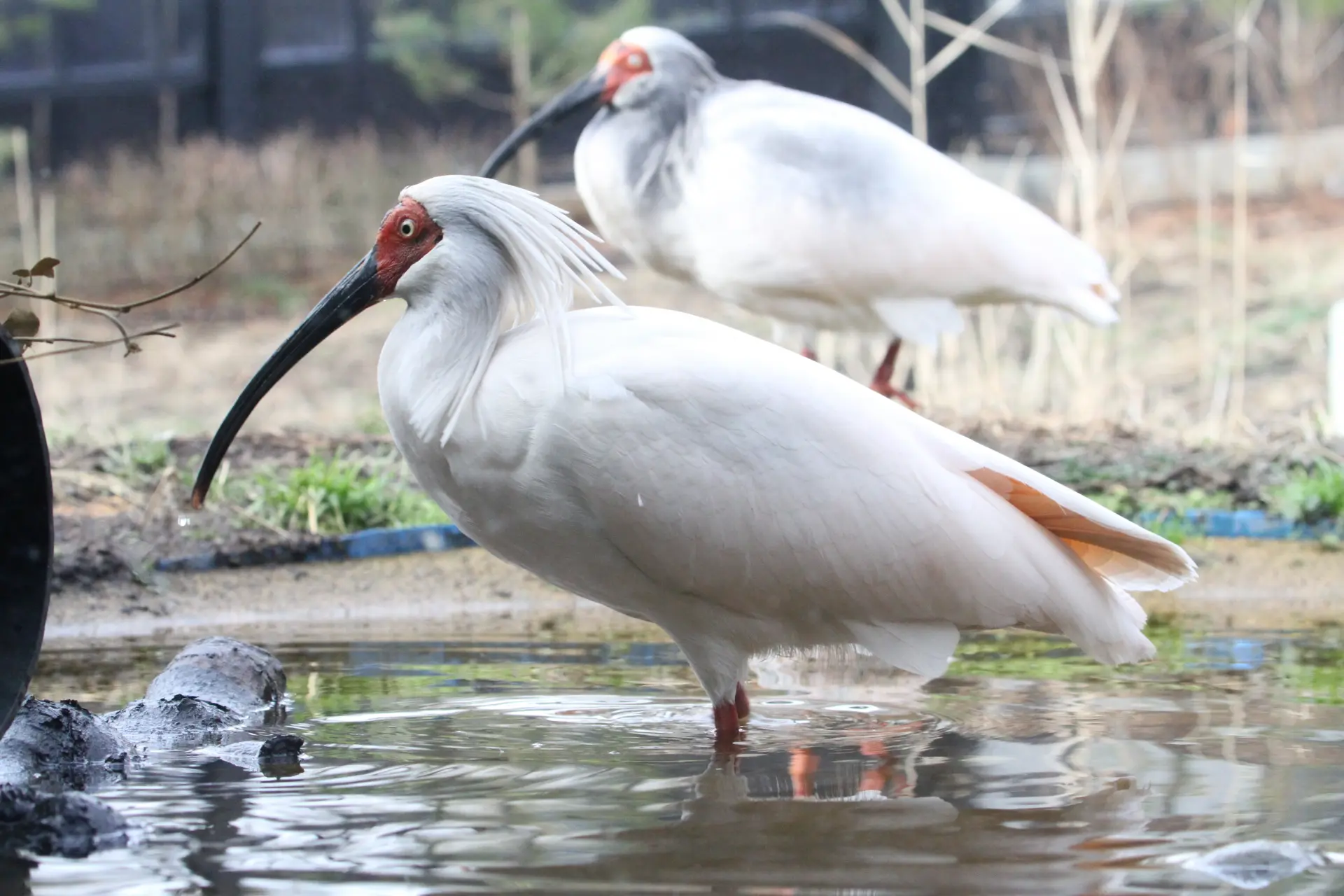
A facility where you can learn about the history and ecology of the Japanese crested ibis (Toki), a nationally designated Special Natural Monument, with exhibits including a taxidermy display of “Kin,” the last Japanese-born Toki.
At the Toki Fureai Plaza, a large aviary lets you observe behavior close to the natural environment, such as flying, foraging, and nest building.
You can also view the birds up close through observation windows. Feeding times in the morning and evening are especially worth catching for a close look—sometimes just centimeters away.
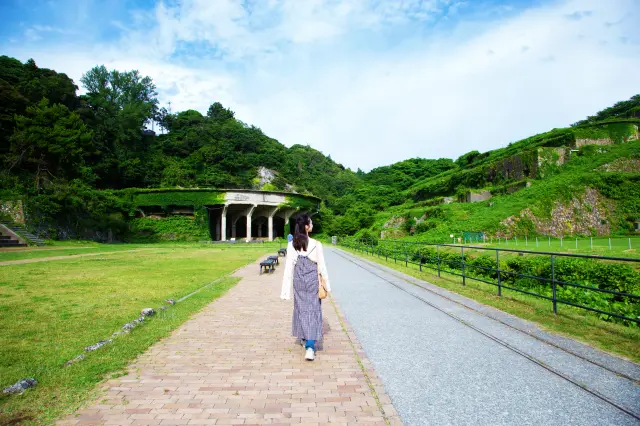
4. Kitazawa Flotation Plant Ruins
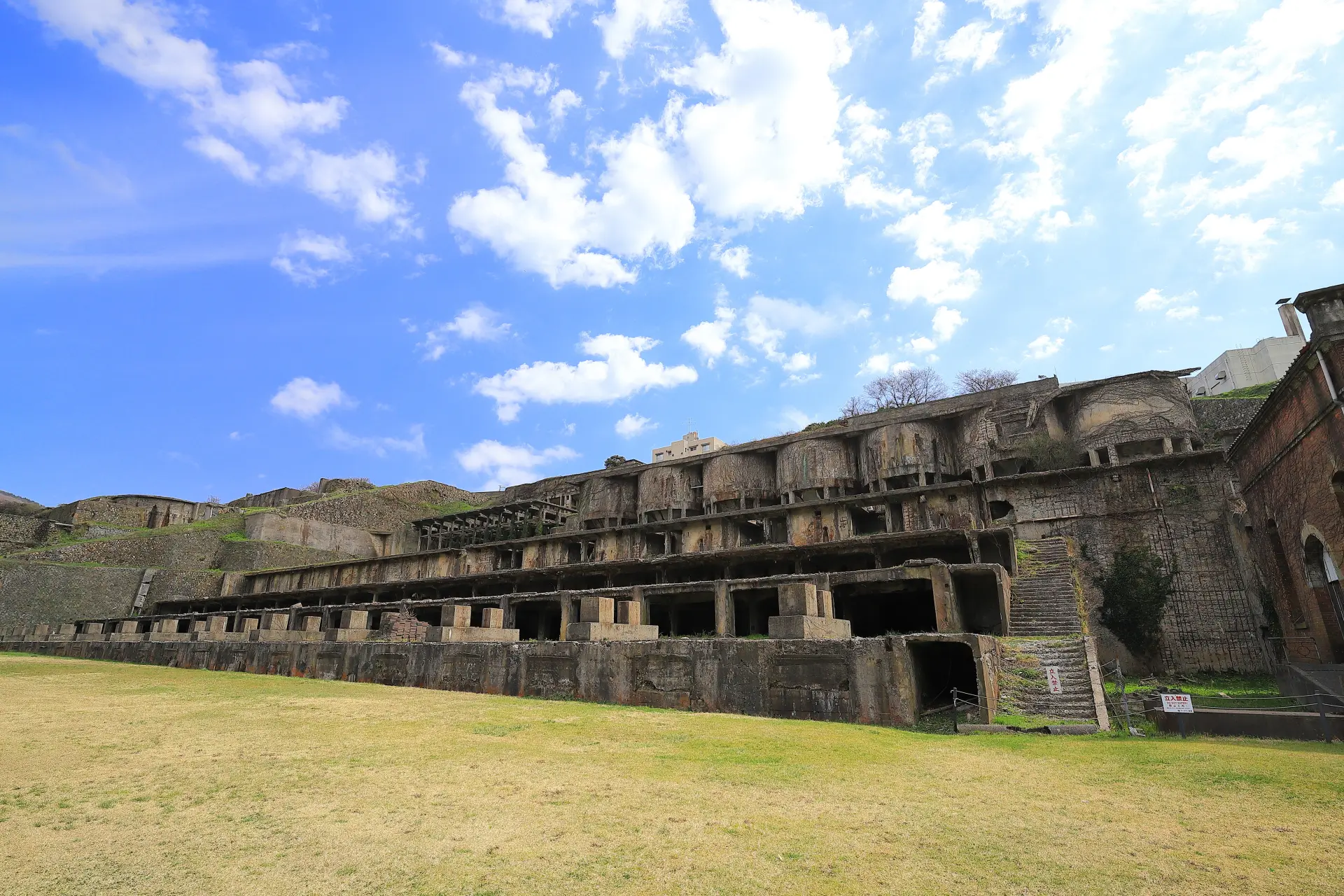
Among Sado’s gold mines, the Aikawa Gold and Silver Mine was the largest, with mining continuing from the early Edo period through 1989.
The Kitazawa Flotation Plant Ruins in the Kitazawa area are the remains of an ore-processing plant built to boost gold and silver production during wartime.
Early Showa-era structures still stand today, and the site is designated a National Historic Site as a valuable piece of industrial heritage.
5. Ogi Tarai-bune Tub Boats
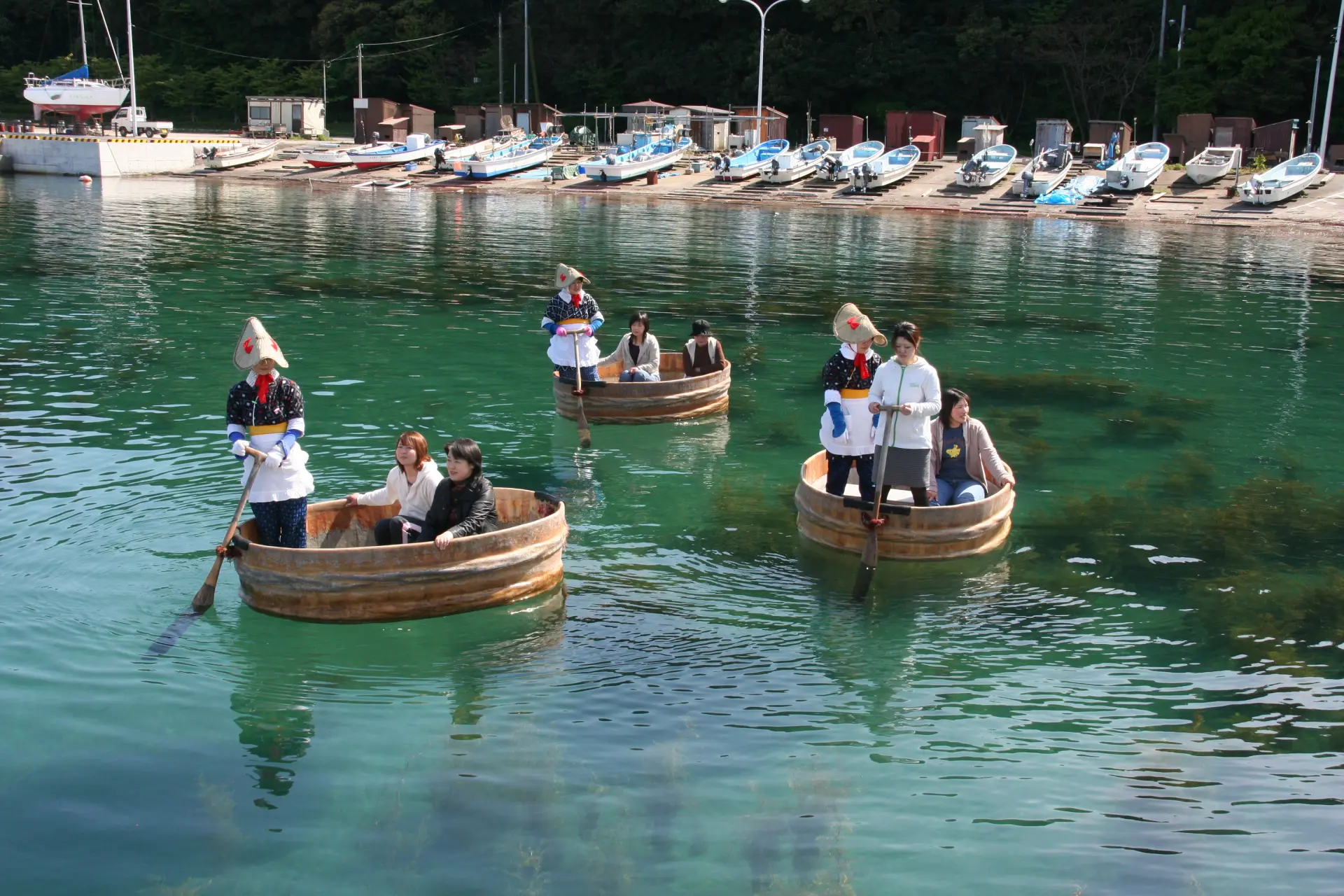
One of Sado’s iconic sights: the Tarai-bune tub boat. It was created in the Meiji era along the rocky Ogi Coast for harvesting turban shells, abalone, wakame seaweed, and more.
Compared to small boats, it’s said to be easier to maneuver and control freely.
Tarai-bune are made of cedar and bamboo in an oval shape—about 180 cm long, 140 cm wide, and 55 cm deep.
They’re surprisingly stable, and even with a female boat operator and three adults on board, they rarely tip over.
6. Sado Nishimikawa Gold Park
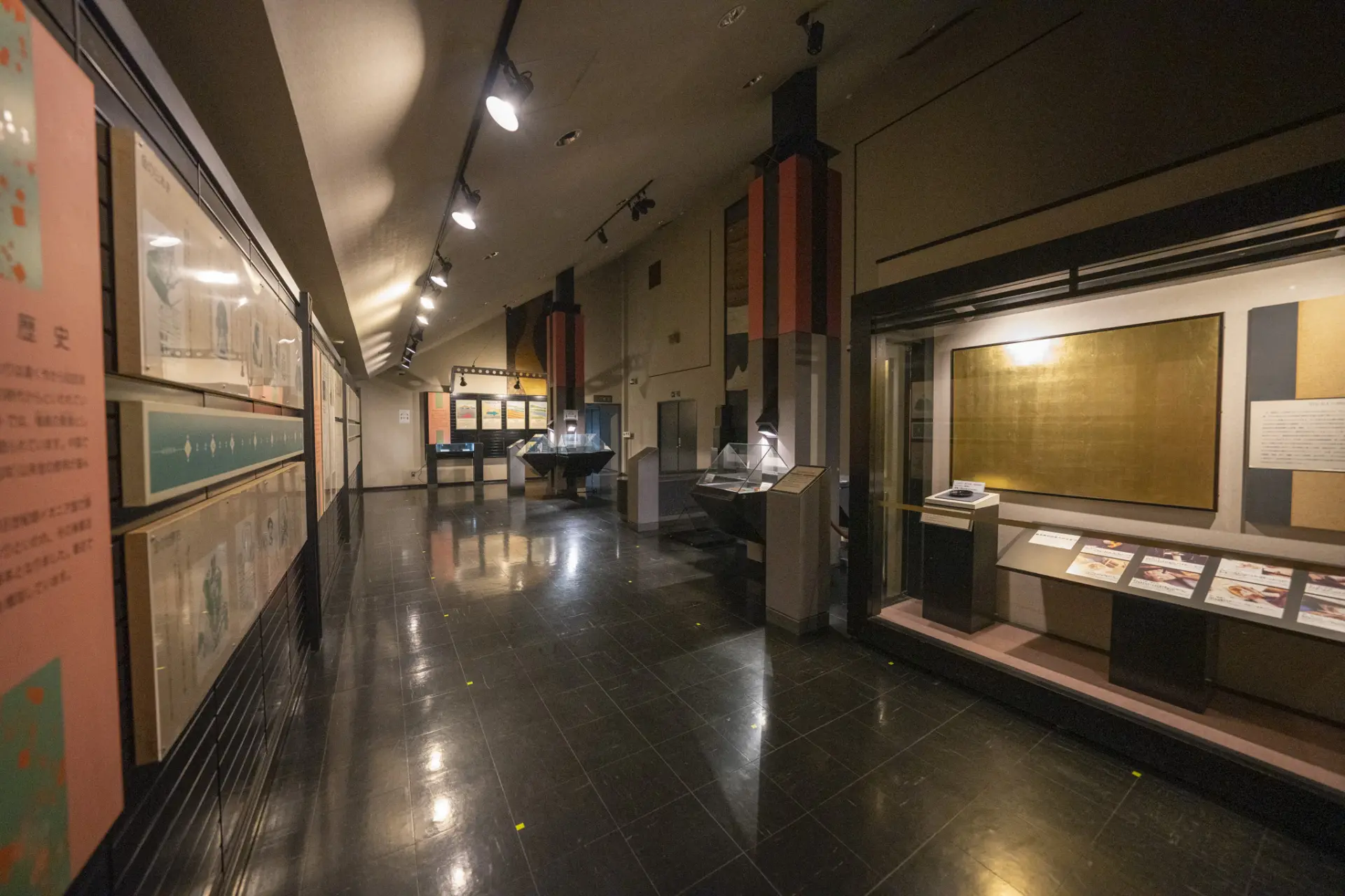
Sado Nishimikawa Gold Park is a hands-on facility where you can experience Sado’s legacy as a gold-producing island. It stands on the former site of the legendary Nishimikawa Placer Gold Mine, featured in stories from the Heian and Kamakura periods.
The area once supported Uesugi Kenshin’s war funds in the Sengoku era and later became a major financial source for the Tokugawa shogunate in the Edo period. You can learn about the dynamic “Onagashi” mining method through models and videos.
7. Ono-Kame
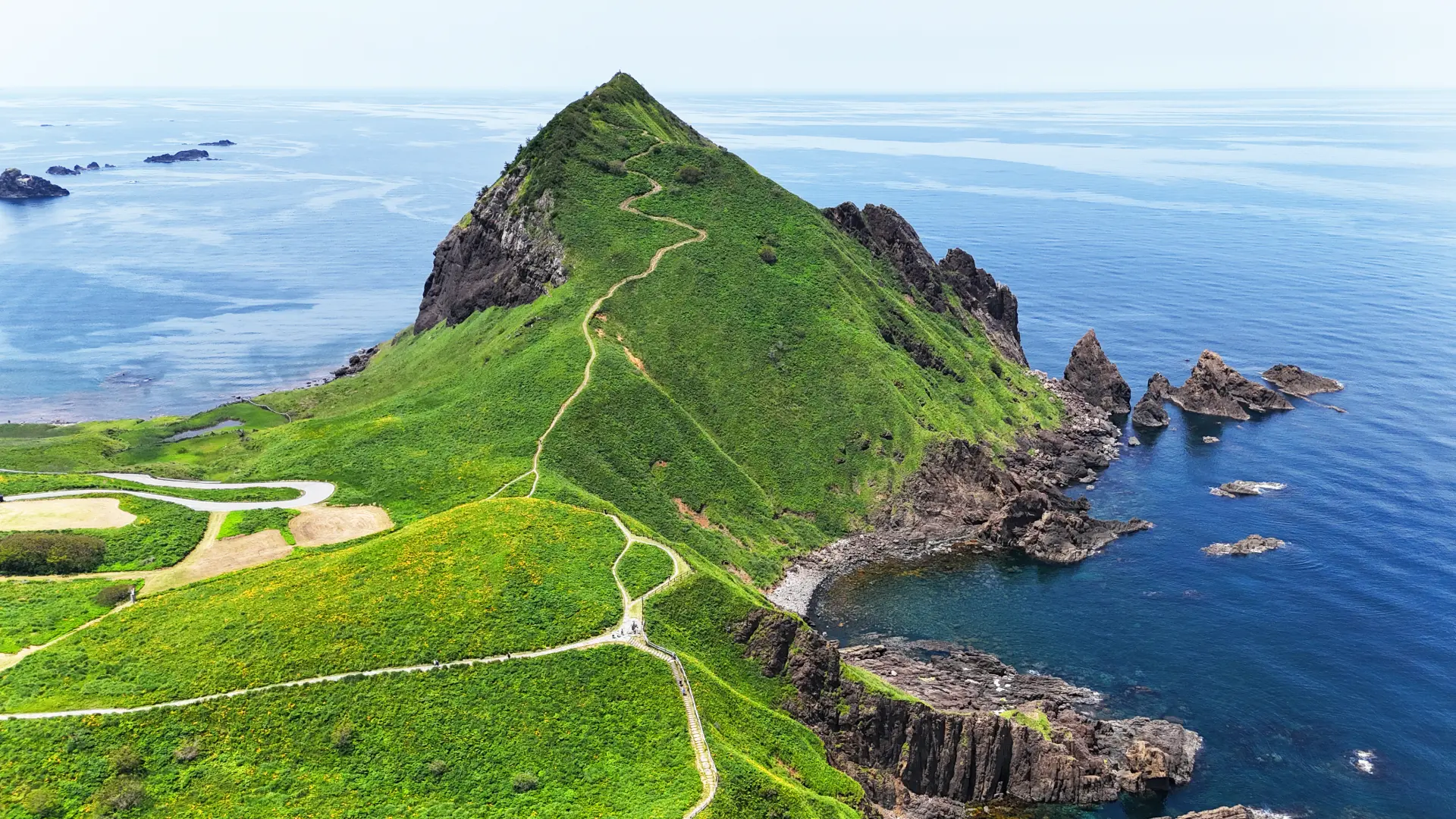
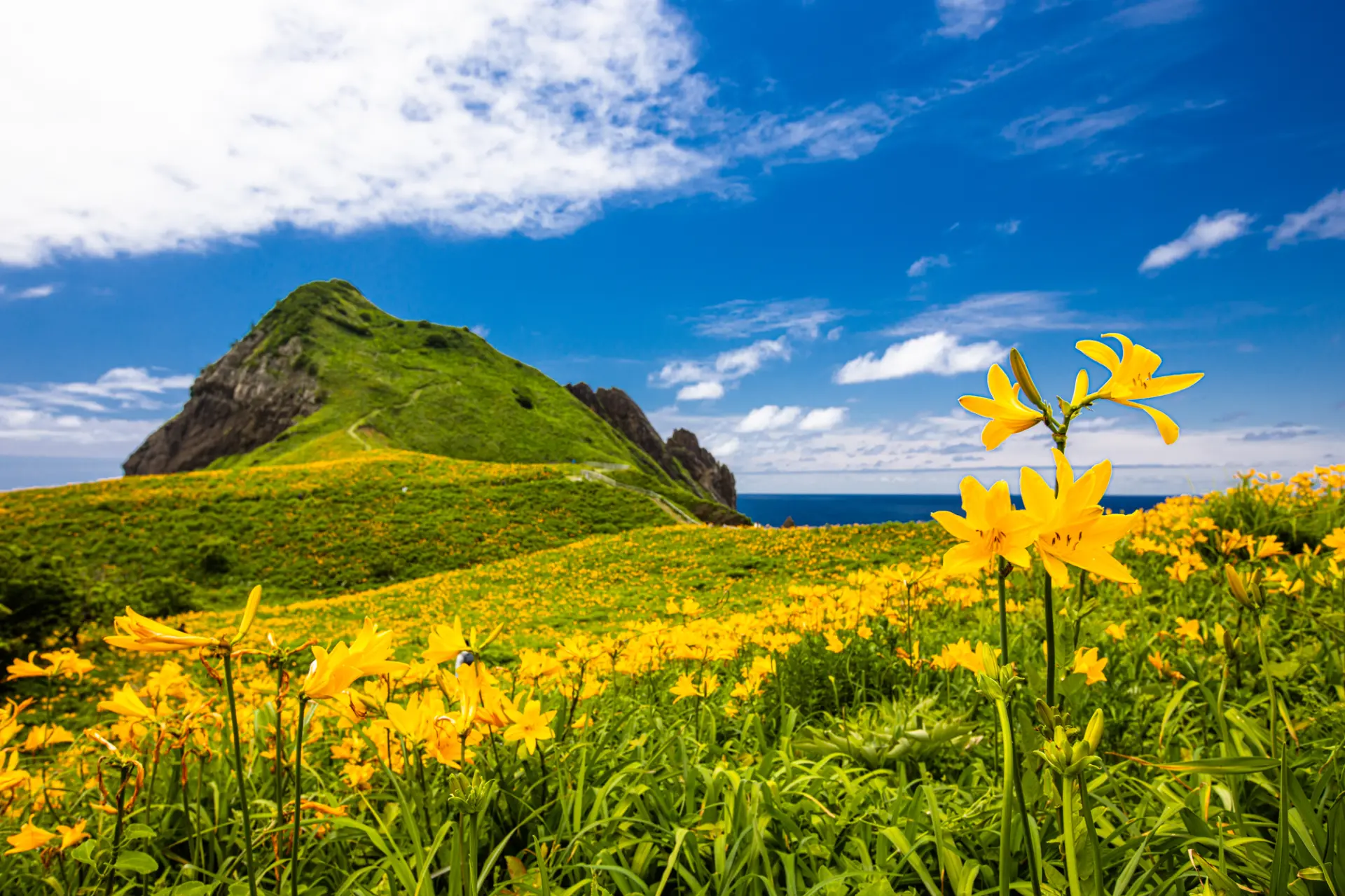
Ono-Kame, rising at the northern tip of Sado Island, is a massive monolith reaching 167 meters high, jutting toward the sea.
Its striking shape resembles a giant turtle crossing the ocean, and it’s known as a scenic spot awarded two stars in the Michelin Green Guide Japan.
Walking paths are well maintained, and from higher points you can enjoy sweeping views of daylilies, cliffs, and the horizon—great for photos. Some areas can be slippery, so sturdy shoes are essential.
8. Shukunegi
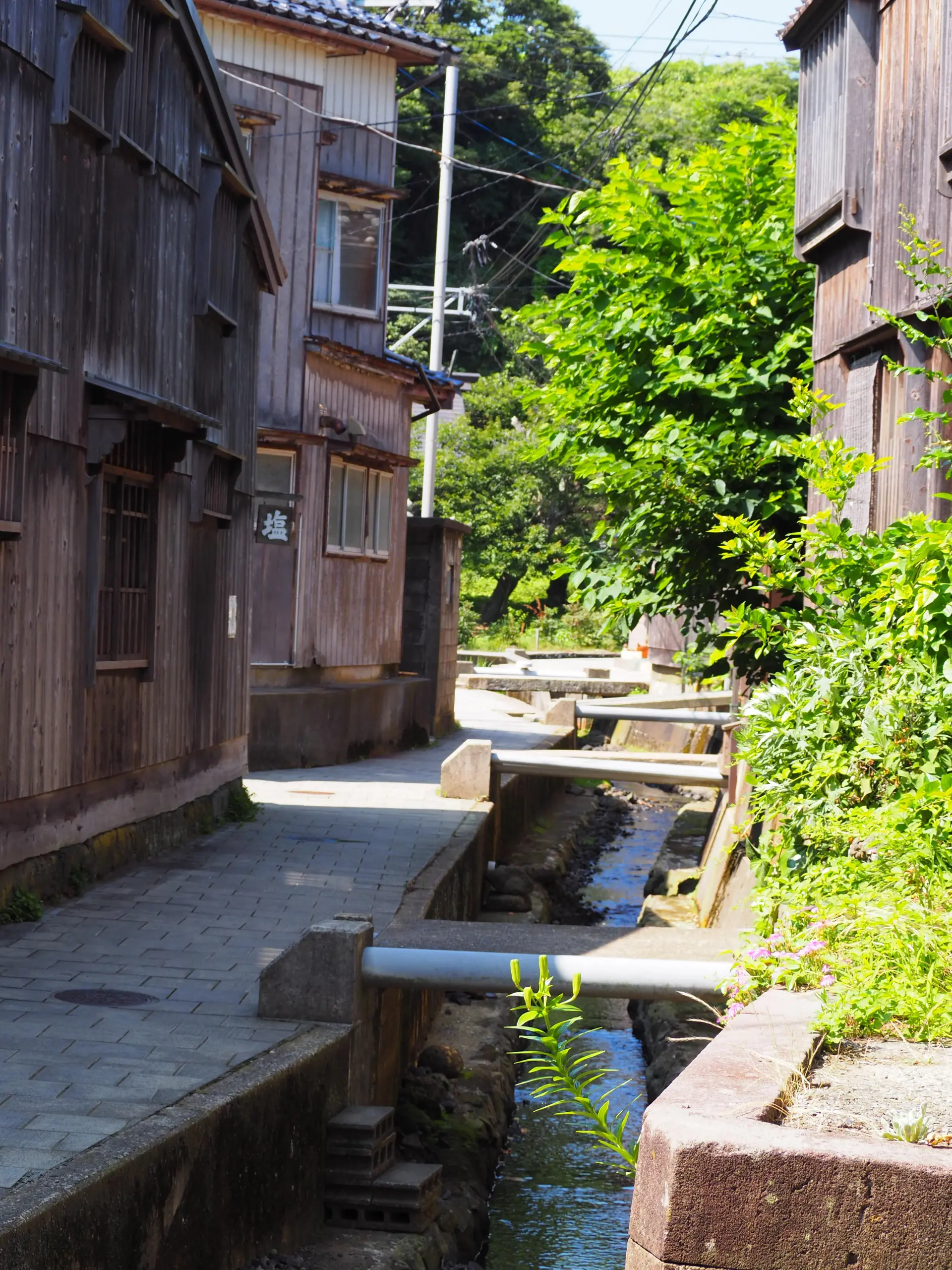
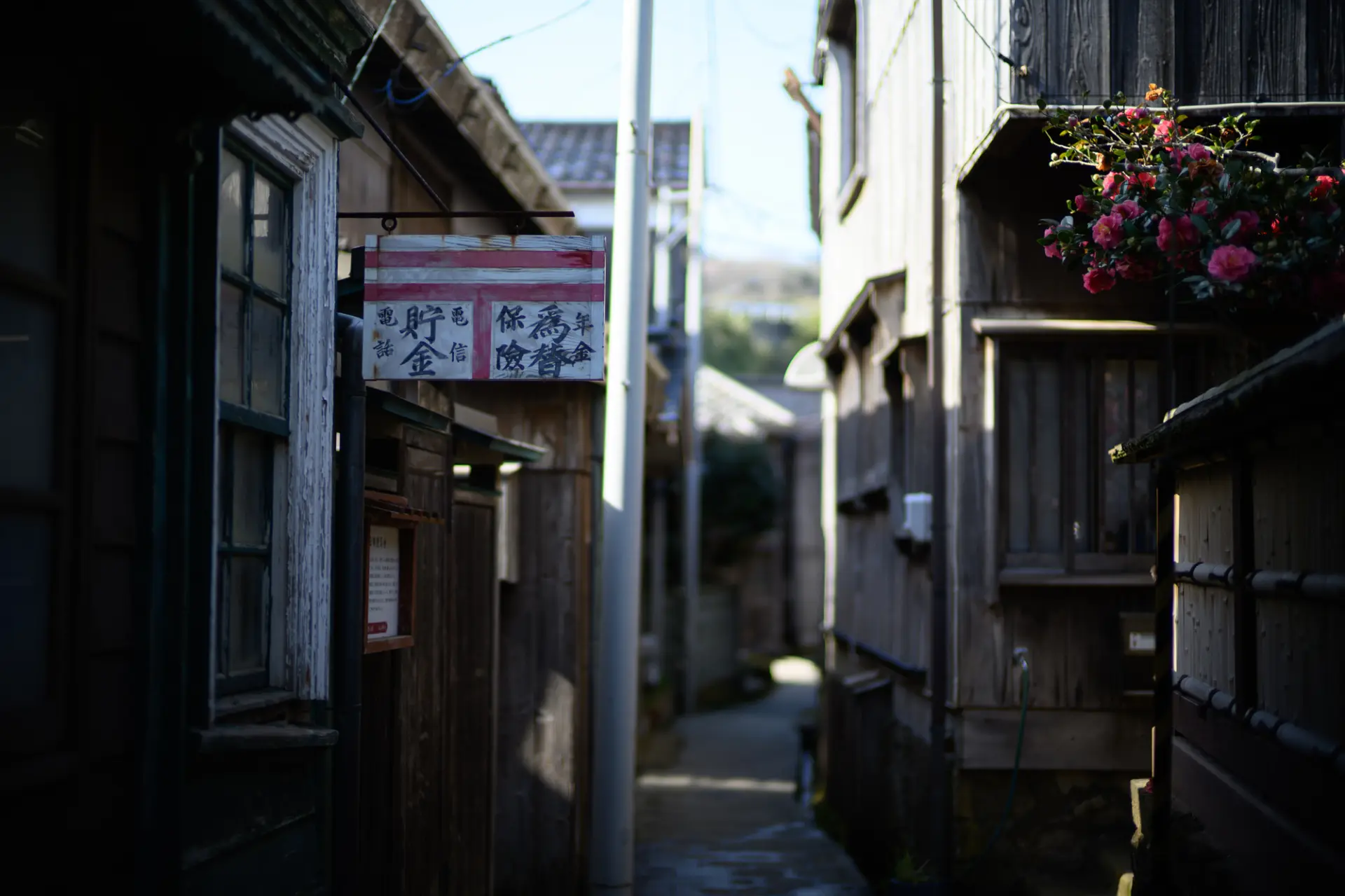
Shukunegi, on the southern tip of Sado Island along an inlet of Ogi Bay, is a port town that prospered in the Edo period through coastal shipping and shipbuilding.
More than 100 buildings stand closely packed within about one hectare, and the area is designated a Preservation District for Groups of Traditional Buildings.
Buildings along narrow alleys feature distinctive architecture shaped by shipwright techniques, such as using ship planks and nails for exterior walls.
9. Osado Skyline
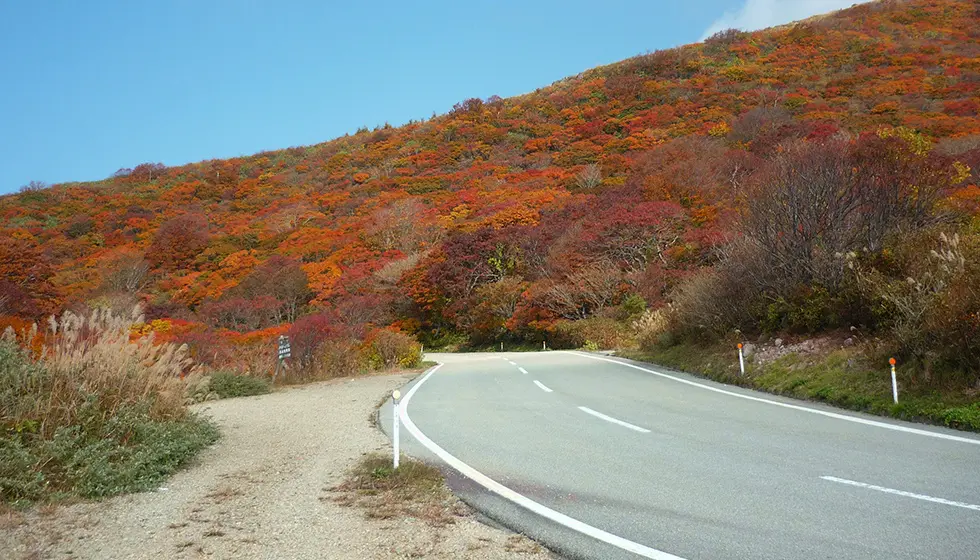
The Osado Skyline is a ridgeline road about 30 km long connecting Kanai in central Sado and Aikawa on the west coast.
As you drive through mountain roads over 900 meters above sea level, you’ll enjoy panoramic views of the entire island—Mano Bay, Ryotsu Bay, Kuninaka Plain, and the Kosado mountain range.
Shirakumodai, at about 850 meters, is a standout viewpoint with an observation deck. Enjoy sunrise and sunset, sparkling city lights at night, and a beautiful starry sky.
10. Sea Town Shopping Street
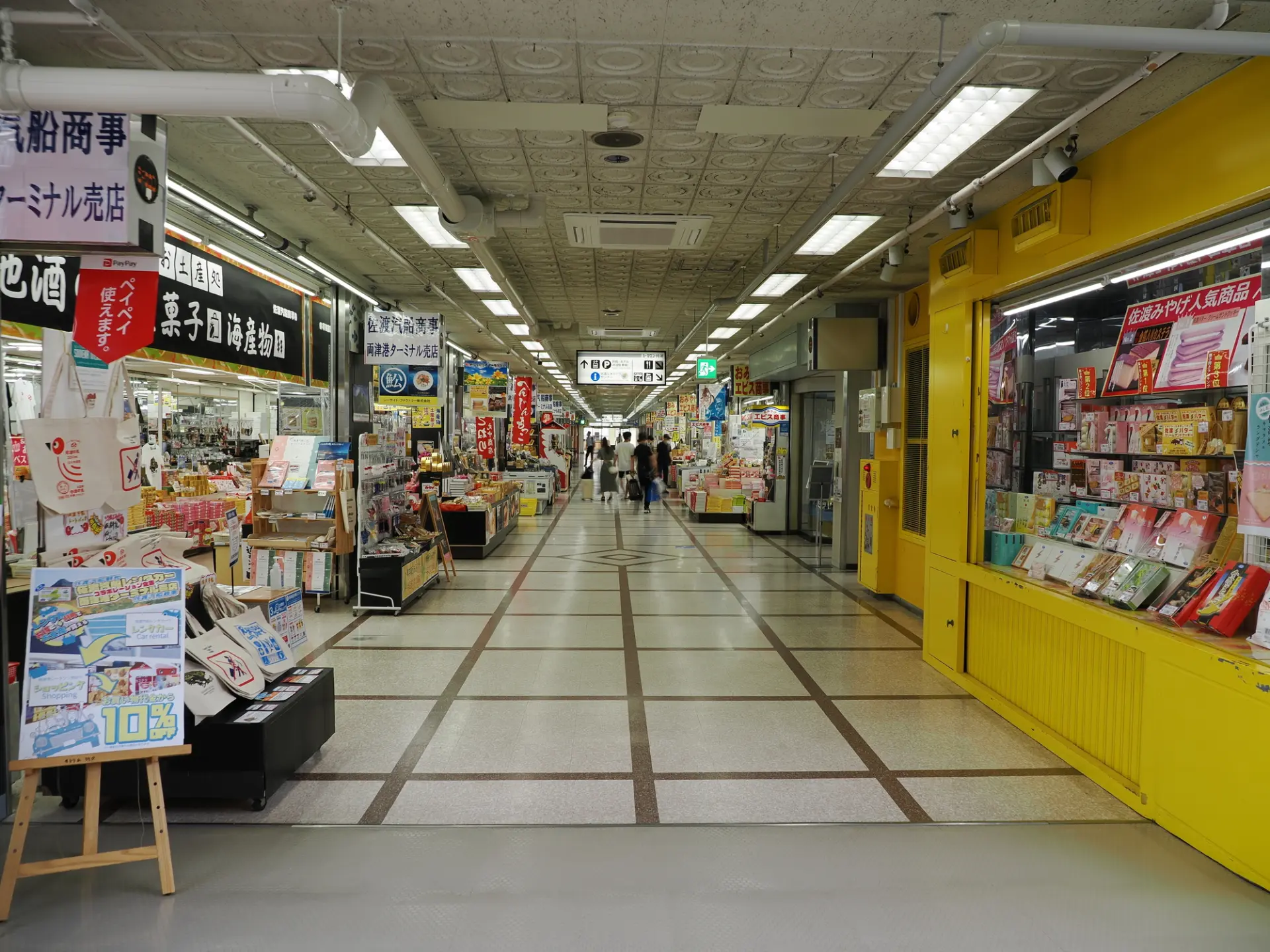
Connected directly to the Sado Kisen Ryotsu Terminal, Sea Town Shopping Street is one of the largest souvenir shopping areas in the prefecture.
As a classic stop at Sado’s main gateway, it’s ideal for shopping and meals right after arrival or just before departure.
It brings together Sado’s food culture and crafts, letting you compare local sake, seafood products, sweets, and more in one place.
One standout is the shopping-street-exclusive local retort curry “Buri Curry,” a popular choice for a Sado-style souvenir.
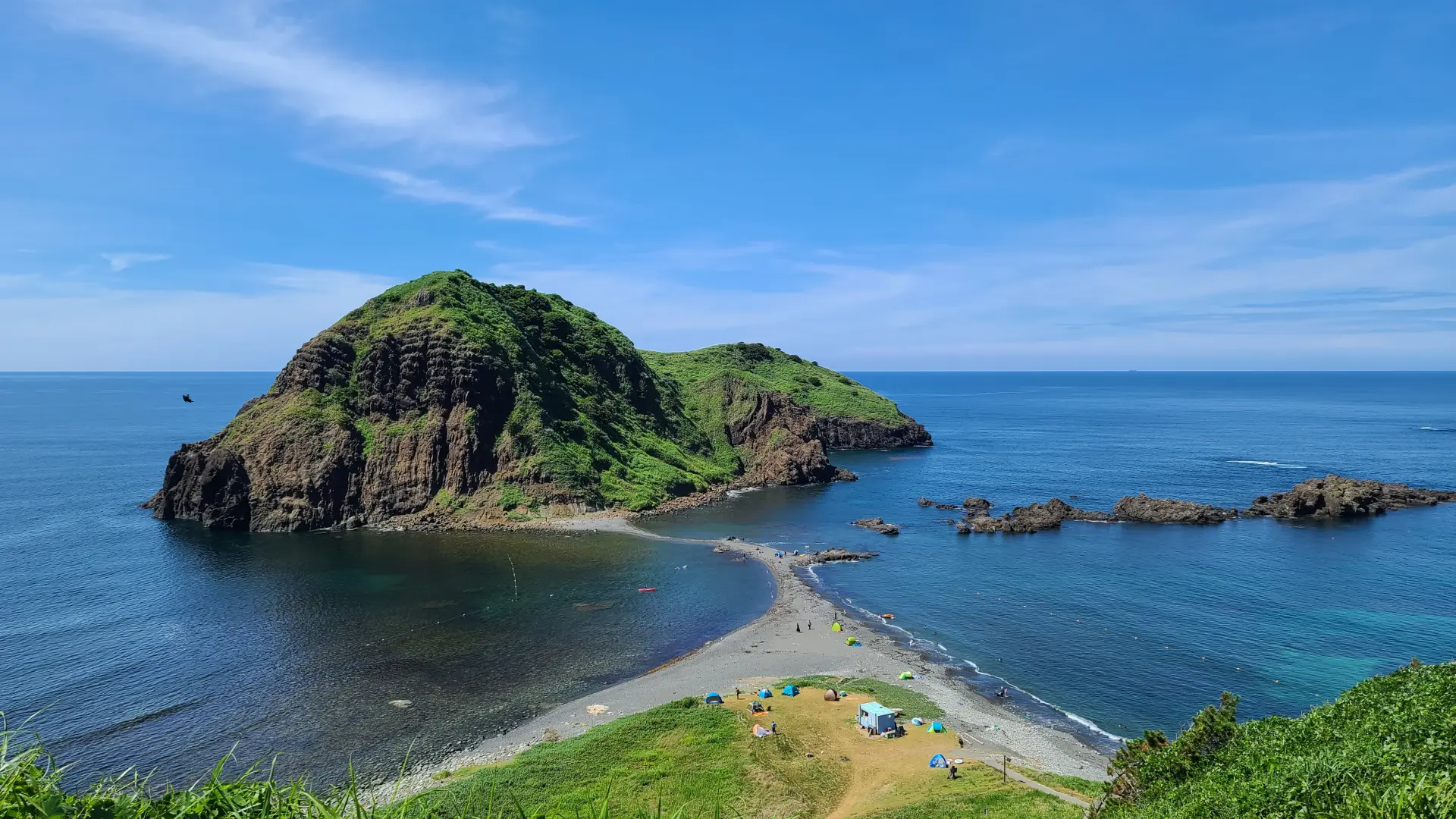
11. Futatsugame Beach
A beach located right in front of the scenic spot Futatsugame in Sado City, Niigata.
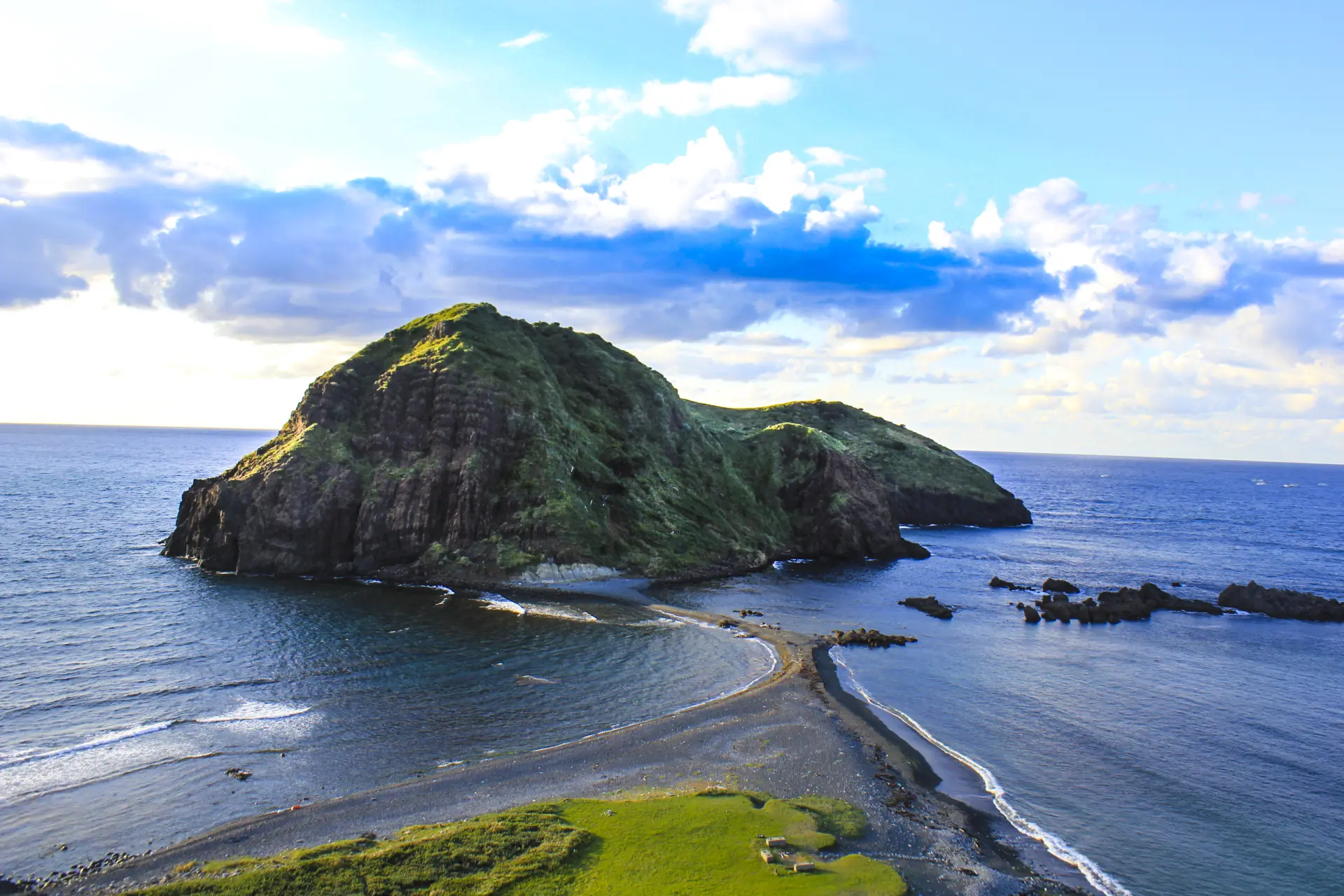
Swim in crystal-clear waters with the dramatic cliffs of Futatsugame—shaped like two turtles nestled together—as your backdrop.
It’s known for having some of the clearest water on Sado Island, selected as one of Japan’s Top 100 Swimming Beaches, and rated two stars in the Michelin Green Guide Japan.
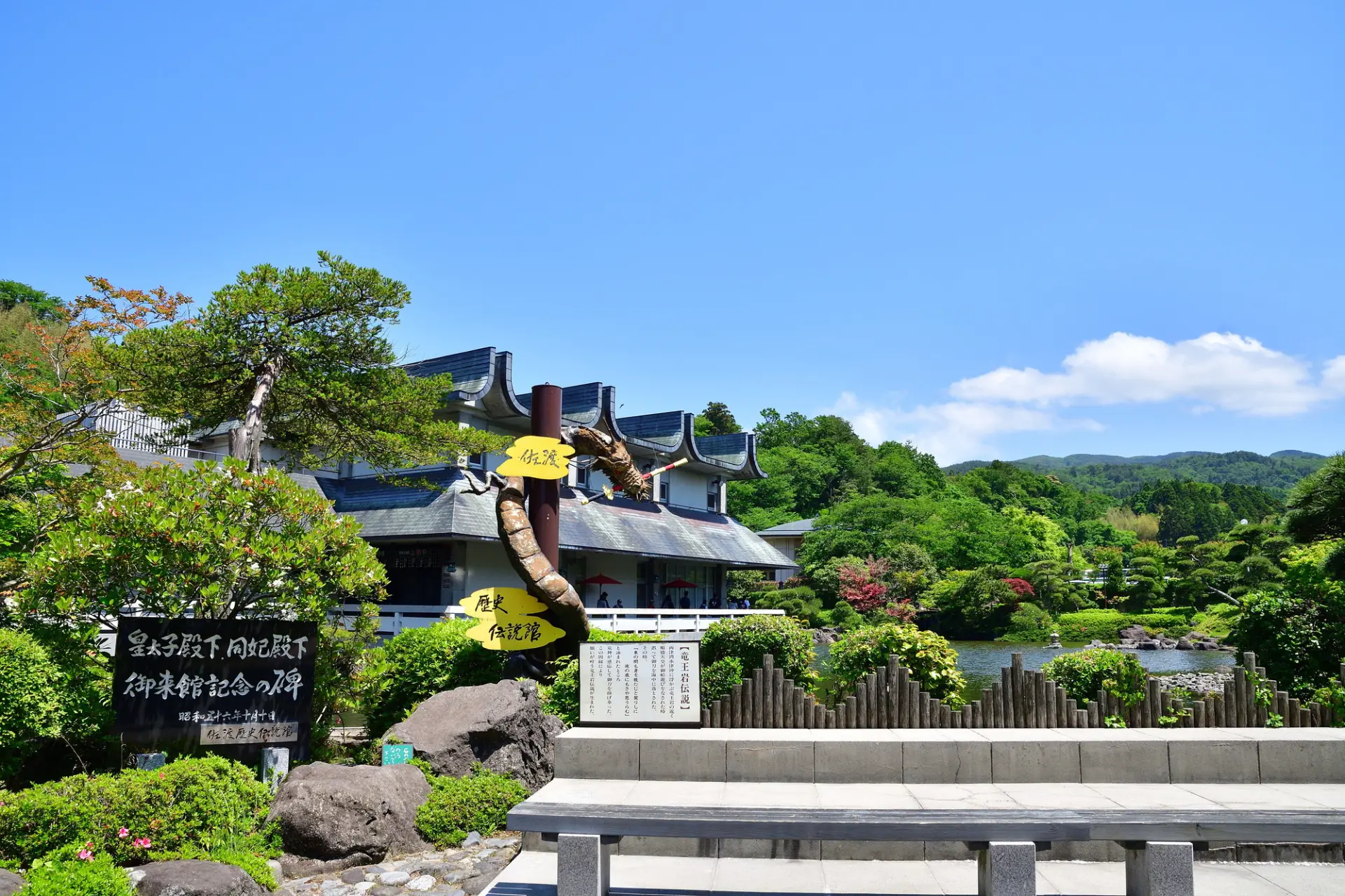
12. Sado History and Folklore Museum
The Sado History and Folklore Museum in Mano, Sado City, is an immersive history museum that recreates the island’s folktales and legends.
It depicts famous scenes featuring historical figures deeply tied to Sado, such as Emperor Juntoku’s exile, Nichiren’s Tsukahara Debate, and Zeami’s rain-prayer dance, with finely crafted movements.
The biggest draw is experiencing the stories in 3D using life-size robot figures and stage sets.
While the presentation is enjoyable for kids, the themes—exile and religion—are substantial, making it engaging for adults as well.
It’s a place to feel, with all five senses, the role Sado has played in Japanese history.
*Admission is in 15-minute intervals, with a limit of 40 people.
13. Daizen Shrine
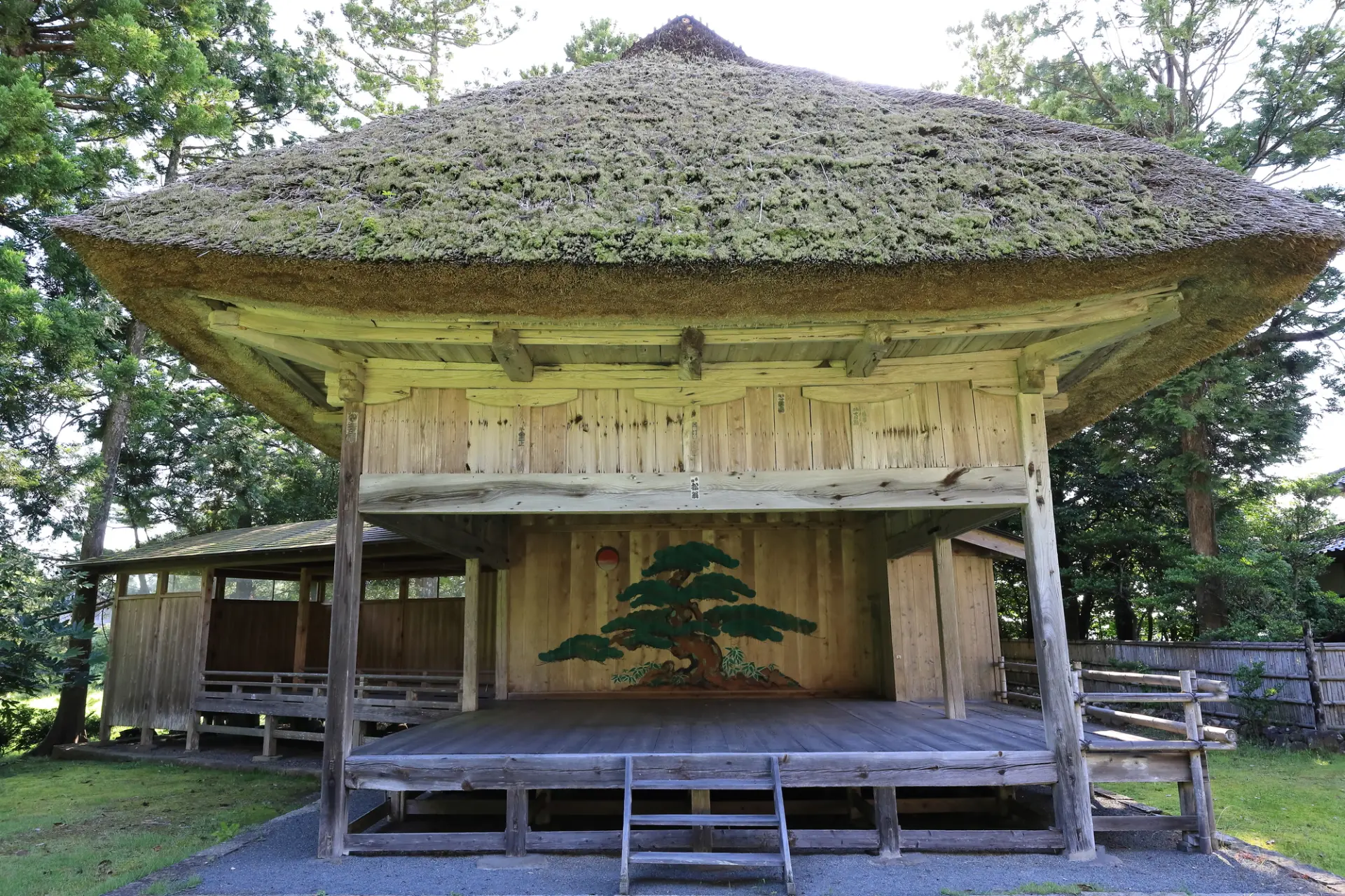
Daizen Shrine (Daizen Jinja) is an ancient shrine set in a rural area known as “Sado Asuka.”
Its founding date is unknown, but it’s said that by the late Kamakura period (late 12th–14th century), the local steward Homma Yamashiro-no-kami enshrined Hino Suketomo and Daizenbo here.
The highlight is its cultural landscape closely tied to the traditional performing art Noh.
Next to the shrine stands an elegant Noh stage, known as the oldest surviving Noh stage on Sado Island, designated as a Tangible Folk Cultural Property of Niigata Prefecture.
Its thatched roof and exposed beams create a simple yet powerful presence that blends with the surrounding mountains, offering a unique atmosphere where tradition and stage arts come together.
14. Myosenji Temple
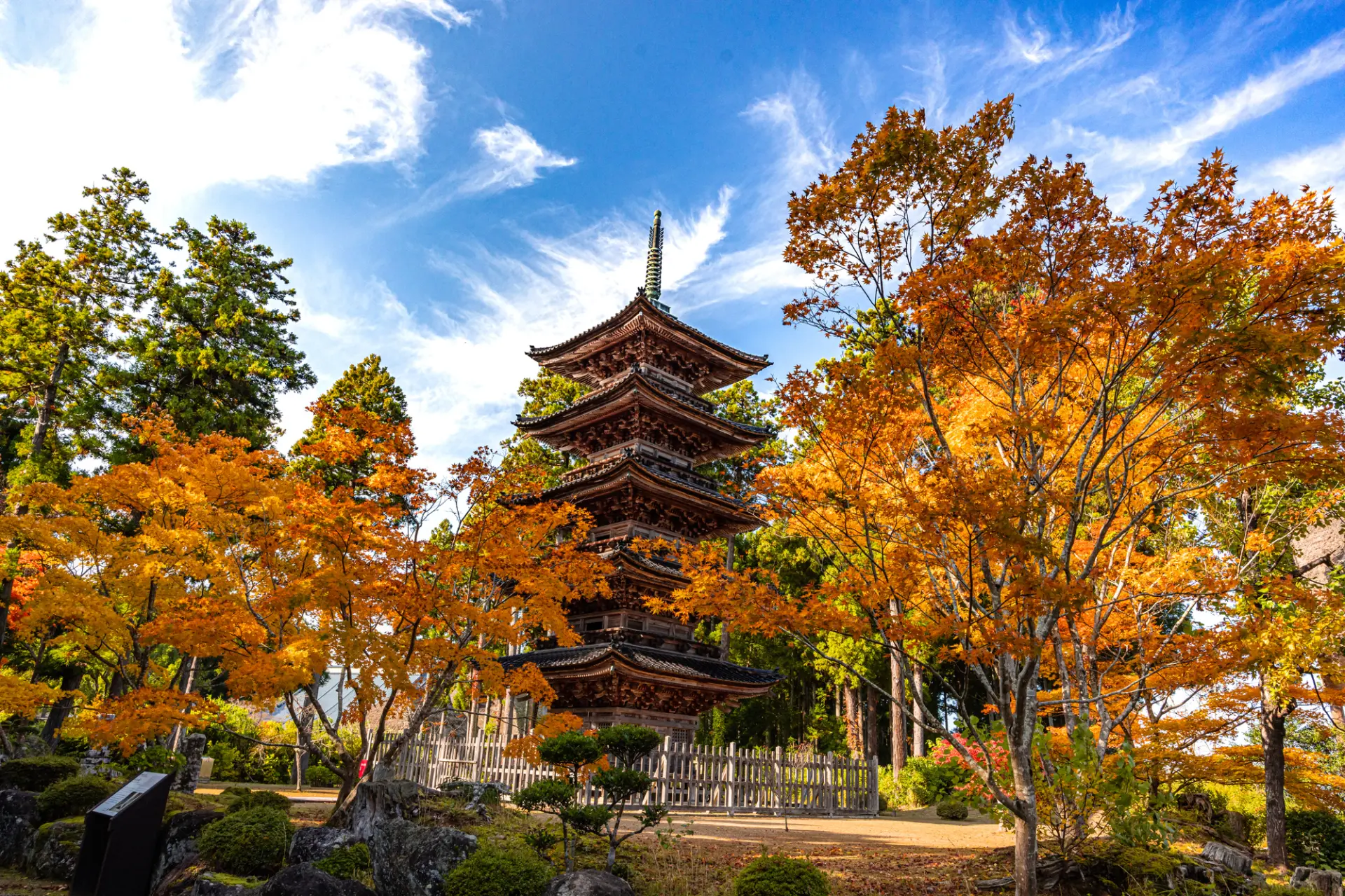
Myosenji is an old Nichiren Buddhist temple in Abutsubo, Sado City, Niigata.
It began when Nichiren believers Abutsubo Nittoku and his wife Sennichi Ama converted their home into a temple, and it’s counted as one of the three main Nichiren temples on Sado.
The biggest highlight is the Myosenji Five-Story Pagoda, built in 1825—an Important Cultural Property and the only five-story pagoda in Niigata Prefecture.
Rising quietly among cedar trees, it feels solemn and refined, with a calm beauty that stands out in every season.
It’s a great place to appreciate the craftsmanship of early modern Japanese wooden architecture.
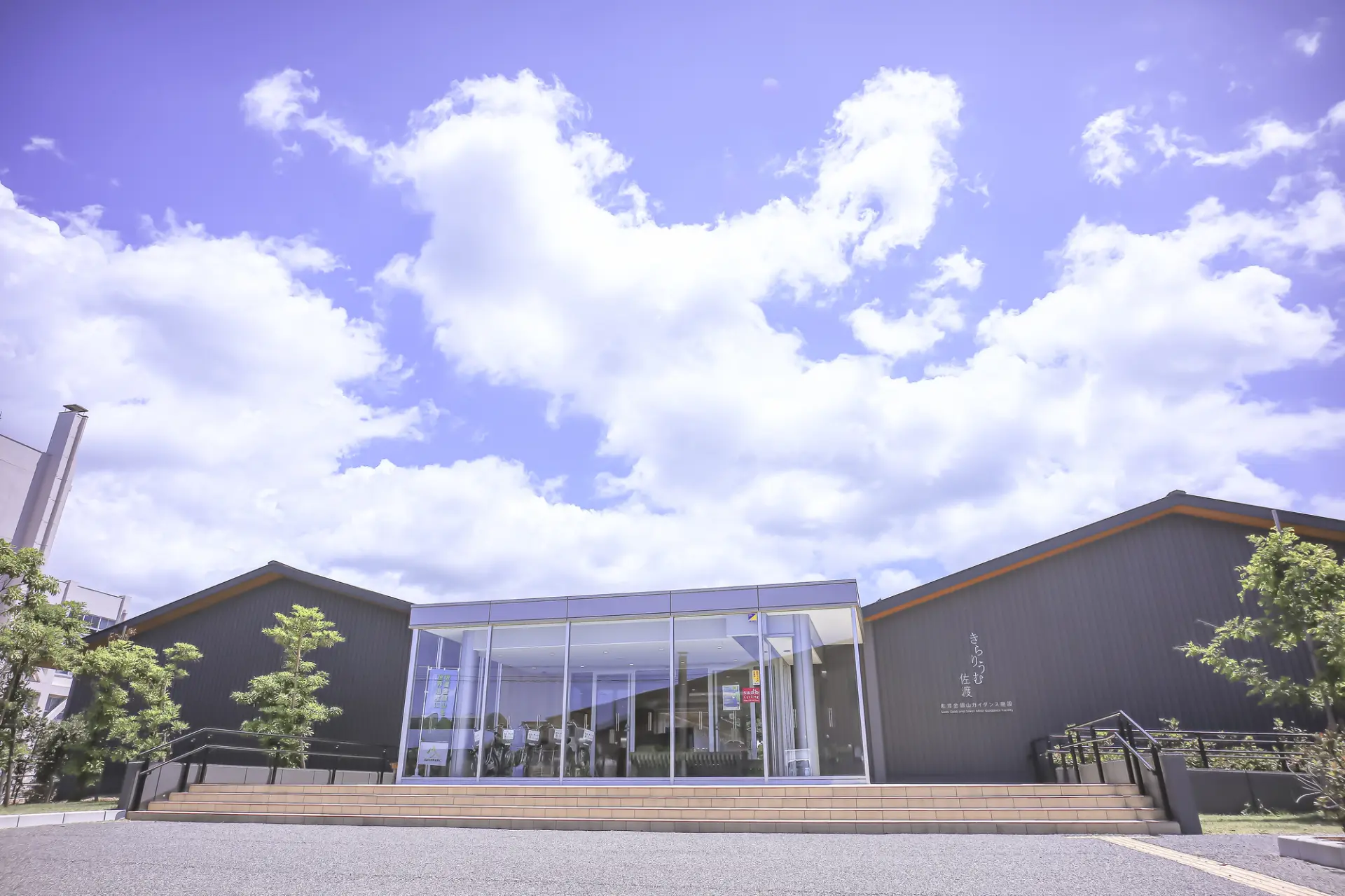
15. Kirarium Sado (Sado Gold and Silver Mine Guidance Facility)
Kirarium Sado is a guidance facility where you can learn the history and highlights of the Sado Gold and Silver Mines before visiting the sites.
Visiting here first is designed to make your on-site tour even more rewarding.
Inside you’ll find an information counter, exhibition room, four theaters, and an auditorium, offering a comprehensive overview of the mining area, key sights, and nearby historical sites.
With videos, panels, models, and real artifacts, it’s easy to understand even without prior knowledge.
Another plus is the availability of guide maps and a guide app (English, Chinese, and Korean supported) for exploring the town.
16. Sado Magistrate’s Office Ruins
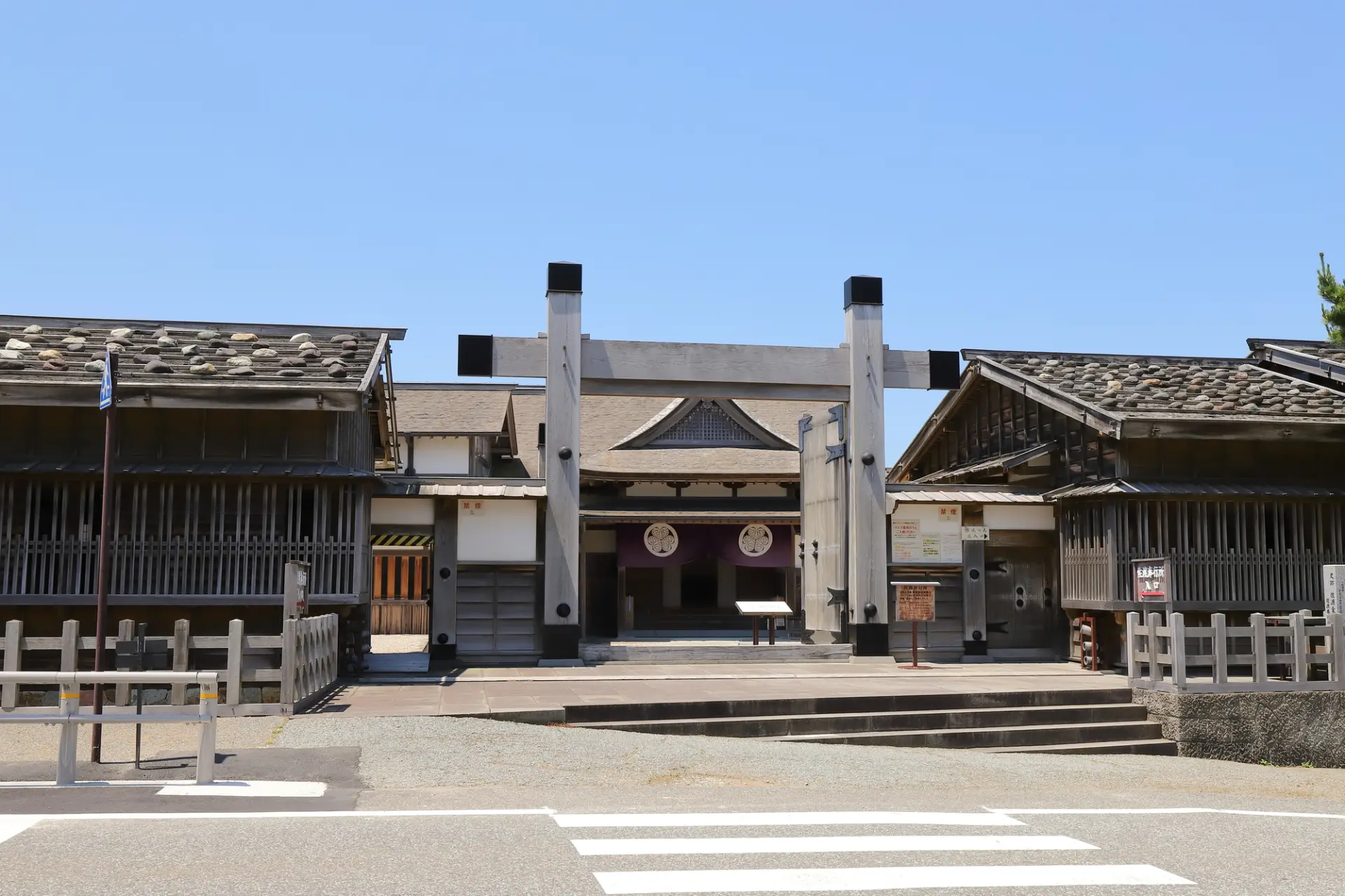
The Sado Magistrate’s Office Ruins are a National Historic Site, faithfully reconstructed based on historical records on the former grounds of the Sado Magistrate’s Office, which managed administration and mine operations at the Sado Gold and Silver Mines (Aikawa) during the Edo period.
The current buildings were restored in 2000 to reflect their Ansei-era appearance, and the expansive complex offers a vivid sense of how the shogunate controlled the mines.
See spaces such as the imposing Oshirasu (magistrate’s court) and the Yose-seriba (ore sorting area) to imagine how gold and silver were managed and produced.
It also serves as an excellent introduction to the Sado gold and silver mining heritage group, now in the spotlight after UNESCO inscription.
17. Ameya Pier
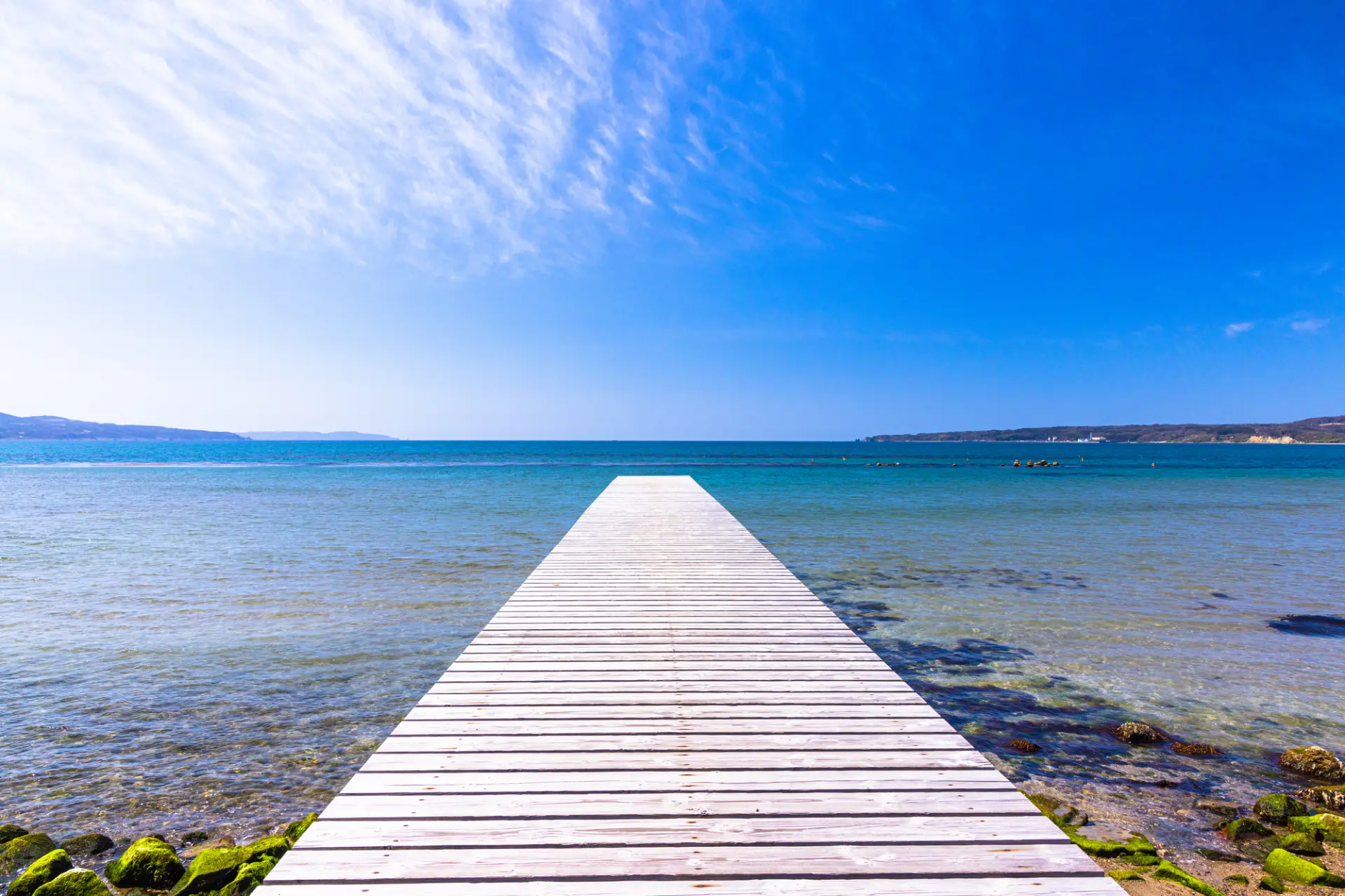
Ameya Pier is a wooden pier about 30 meters long in Kawaharada Honmachi, Sado City, Niigata.
With Futami Peninsula to the right and Ogi Peninsula to the left, it offers a prime location—and its straight line stretching into the sea is unforgettable.
Walk to the end and outside sounds fade, creating a floating-on-the-sea feeling and a sense of time standing still.
The strong linear perspective of the boards is stunning, and the calm blue of Mano Bay, the sky, and the sound of waves make it a truly photogenic view.
At dusk, the pier glows orange, and its dreamy silhouette adds a quiet, otherworldly mood.
5 Things to Do on Sado Island
Next are five must-do experiences to add to your Sado Island itinerary.
Use these ideas to plan smoothly—and enjoy the island to the fullest.
1. A thrilling Tarai-bune tub boat experience with stunning views
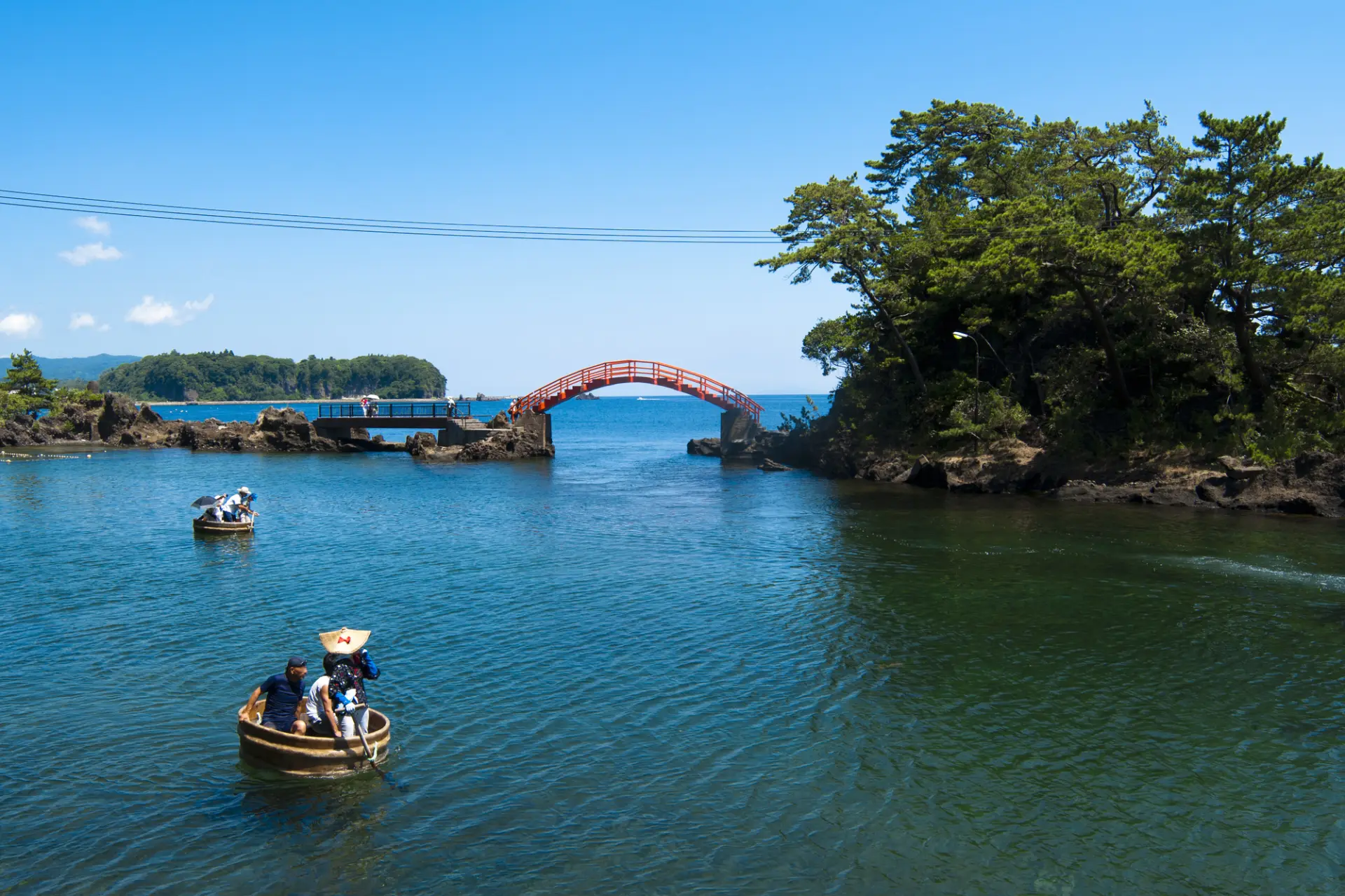
Tarai-bune are oval wooden boats used mainly along the Ogi Coast of Sado Island.
They’re compact—about 150 cm long, 130 cm wide, and 50 cm high—and are also called “Hangiri,” as they were originally made by cutting a large tub in half.
Because they’re stable and easy to maneuver, they spread as a tool for reef harvesting in Sado’s rugged rocky coves, used to collect turban shells, abalone, wakame seaweed, and more.
On a ride experience, a female boat operator expertly rows you around Ogi Harbor, letting you feel the unique sway and spin of the boat.
Visitors can also try rowing, adding excitement while enjoying the sea breeze, the sound of waves, and fish swimming below.
Its charming look makes it popular with all ages.
2. Join a guided tour of Sado Gold Mine
Sado Gold Mine offers a range of tours that explore nearly 400 years of gold and silver mining history.
The beginner-friendly “Sado Gold Mine Course” takes about 1 to 1.5 hours, focusing on mining tunnels from the Edo period and the Meiji period (1868–1912).
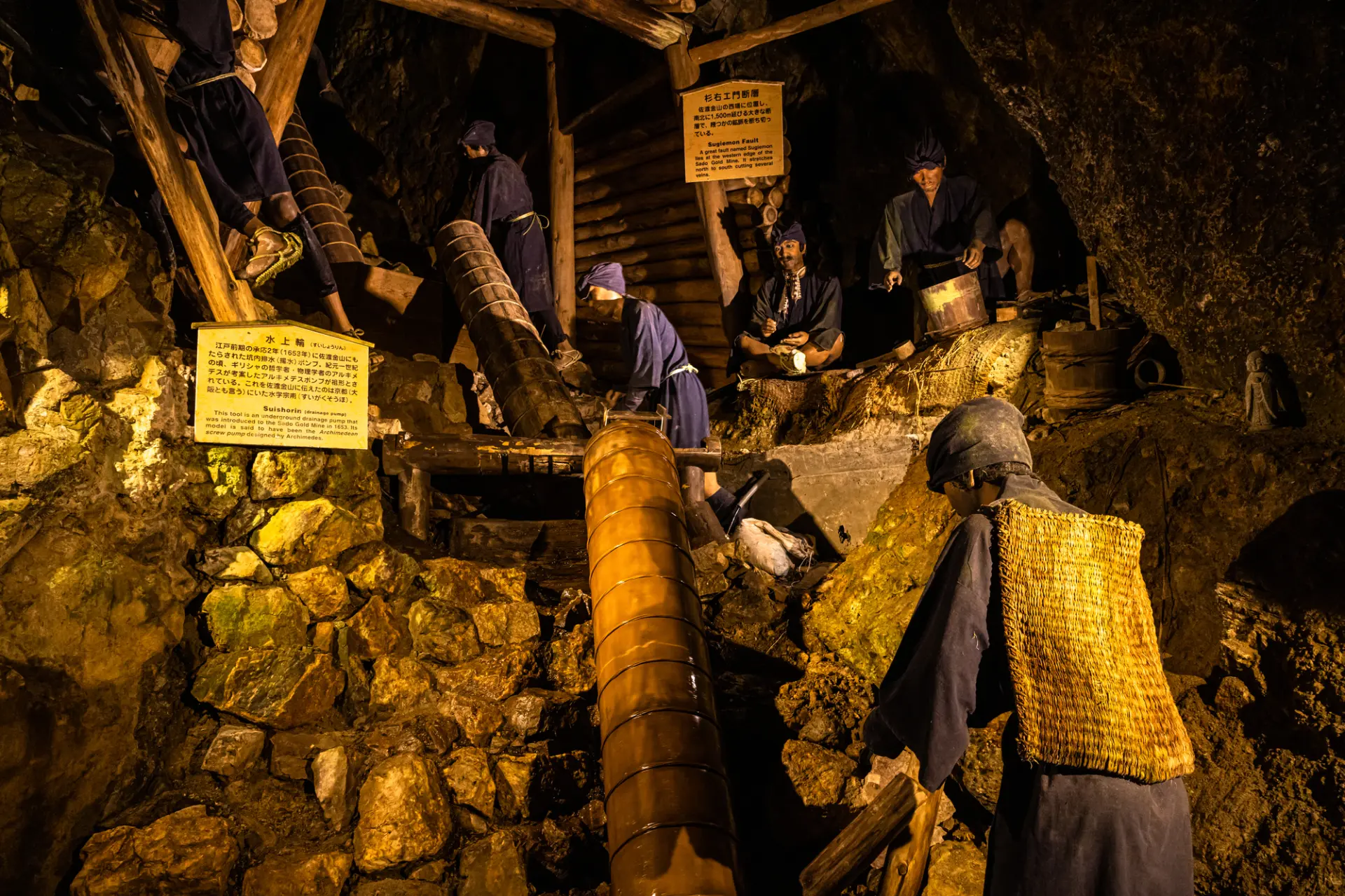
At the National Historic Site Sotayu Tunnel, you’ll see exhibits recreating water lifting with a waterwheel and mining work using figures; at the Doyu Tunnel, you can view the iconic Doyu no Warito up close.
Other options include the advanced, guide-led “Yamashi Tour,” and the MR-glasses projection mapping experience “ISLAND MIRRORGE,” so you can choose what matches your interests.
3. Take in the grand views of Ono-Kame and Futatsugame
Among the popular attractions listed above, the dramatic scenery at Ono-Kame and Futatsugame is especially worth seeing.
Here’s a quick summary of what to know and what to look for.
| Spot | Overview | Highlights |
|---|---|---|
| Ono-Kame |
A massive 167-meter monolith in Sotokaifu, northern Sado Island. Its turtle-like form jutting into the sea makes it a breathtaking scenic spot. |
, Two-star panoramic views in the Michelin Green Guide Japan , Open feeling from the walking path with views of sea, sky, and distant Futatsugame , A golden carpet of Tobishima daylilies—500,000 plants, 1 million blooms (best: late May to early June) |
| Futatsugame |
A scenic area at the northern tip of Sado Island, known for two small islets side by side, shaped like turtle shells. The name comes from their crouching-turtle-like form. |
, Dynamic coastal scenery and the sound of waves , Vivid contrast on clear days and a dreamy silhouette at sunset , Beautiful waters chosen for the “Top 100 Swimming Beaches in Japan” |
4. Enjoy fresh seafood
Sado Island is a treasure trove of fresh seafood.
From winter yellowtail and snow crab to abalone, turban shells, and squid, you’ll find plenty of top-quality seafood raised in the rough waves of the Sea of Japan.
In particular, these three are classic Sado local specialties—don’t miss them.
- Sado Natural Yellowtail Katsu Bowl
- A local rice bowl featuring Sado-caught yellowtail, fried in a rice-flour coating and finished with flying fish broth sauce. Crispy texture and rich, sweet fat.
- Winter Yellowtail Sashimi
- A winter favorite from the waters off Sado. Firm, sweet flesh with a deeply rich flavor.
- Igoneri
- Sado’s soul food made by simmering and setting seaweed called igo-kusa (ego-kusa). High in dietary fiber, with a full ocean aroma.
-
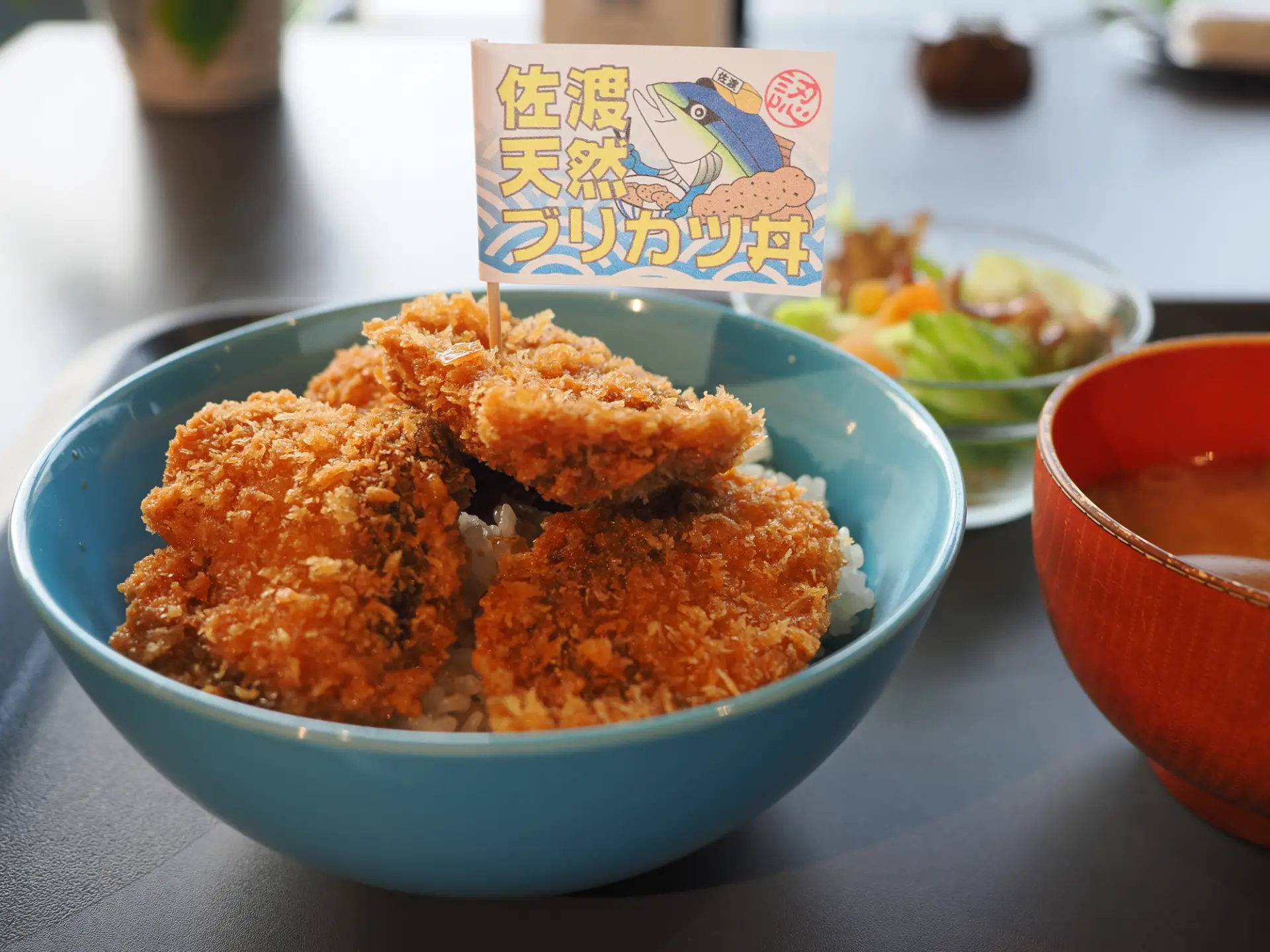
Sado Natural Yellowtail Katsu Bowl, known for its texture and sweetness
-
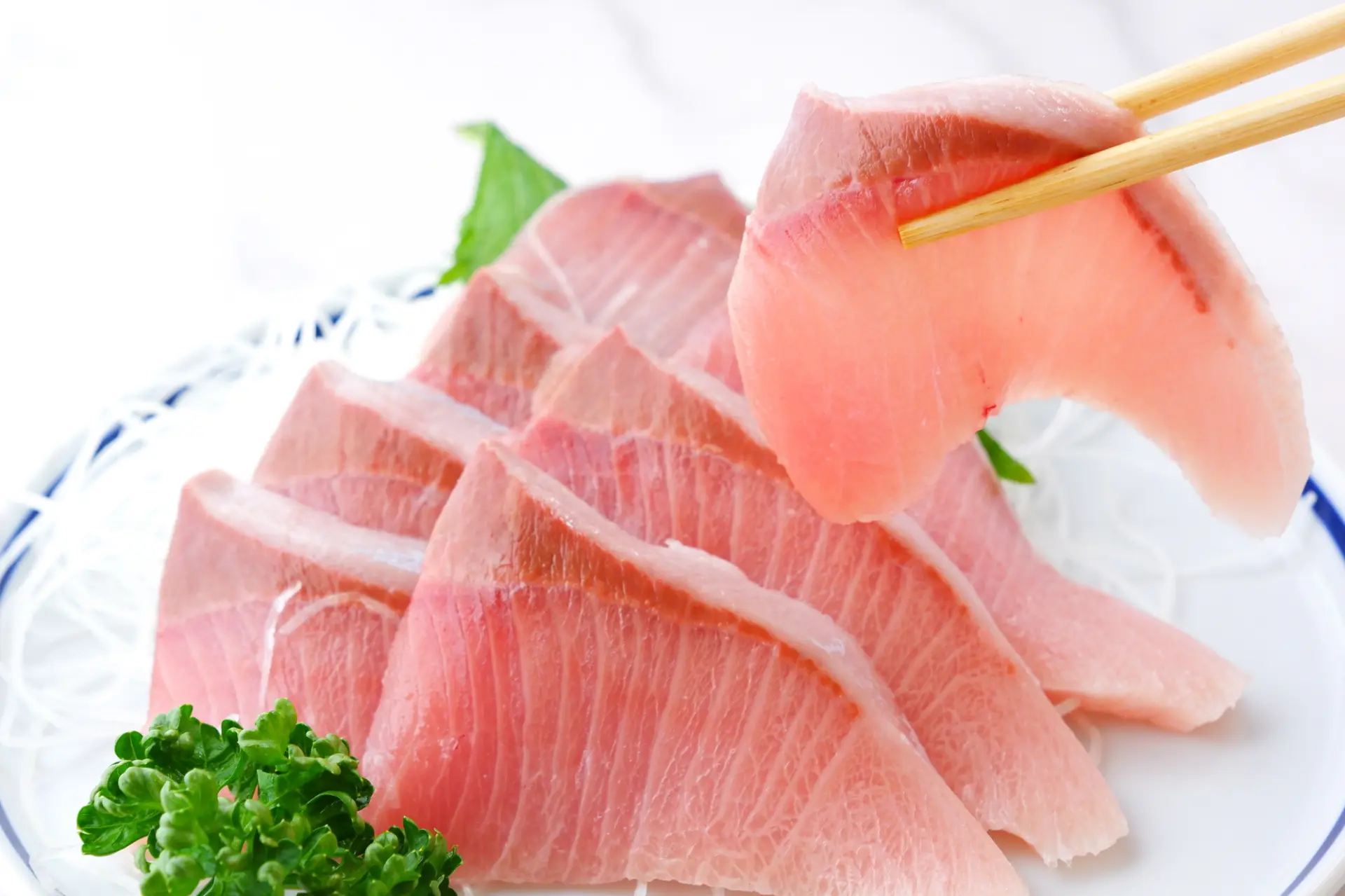
Winter yellowtail sashimi, a must-try when visiting Sado in winter
-
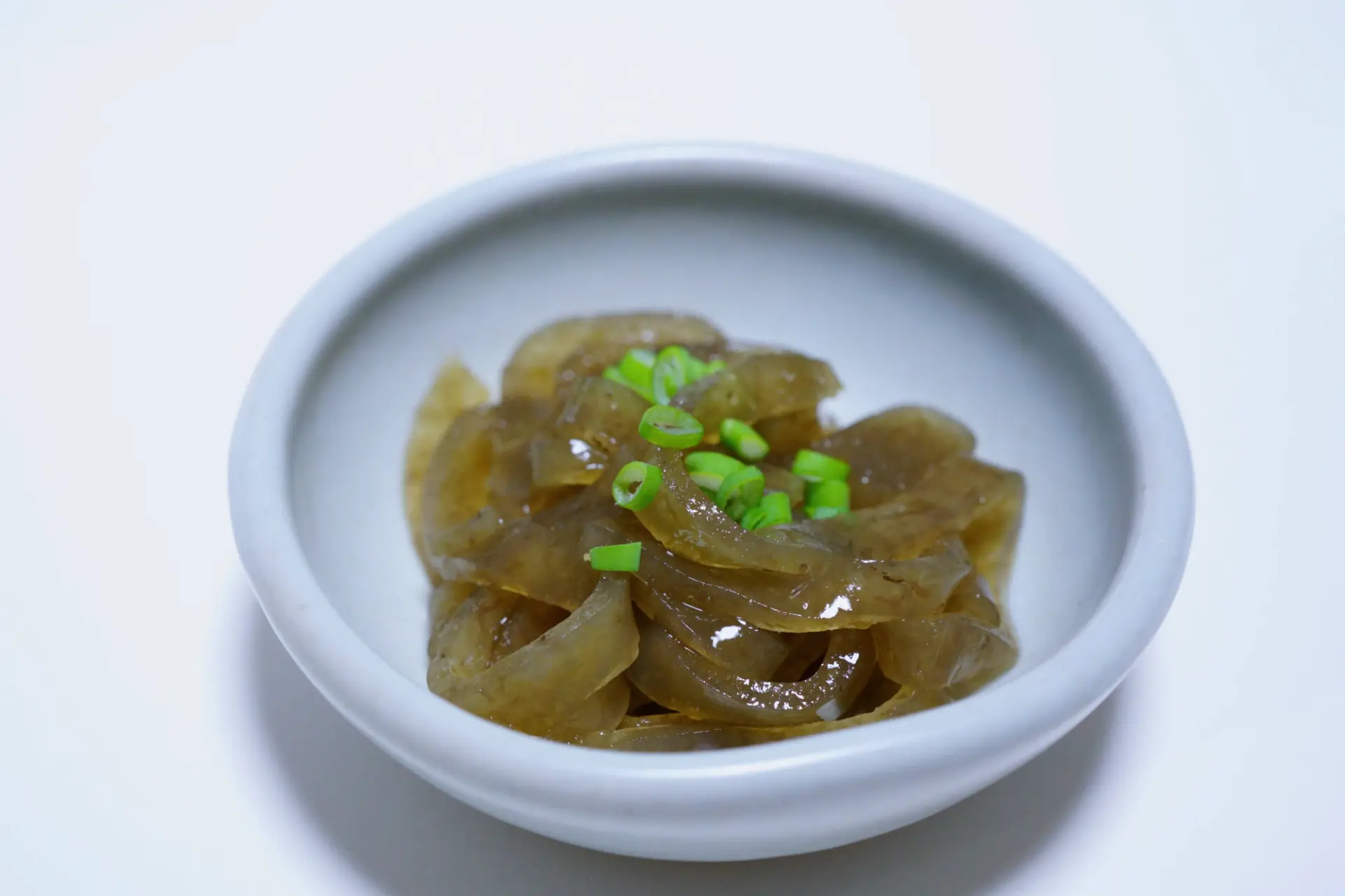
Igoneri, Sado Island’s soul food
5. Stroll around Shukunegi Village
Shukunegi Village is a traditional fishing village preserved along the coast in southern Sado City.
Simply walking through its historic streetscape—designated as a Preservation District for Groups of Traditional Buildings—is enjoyable, but these experiences make it even richer.
As a sightseeing guideline, plan for about 30–40 minutes for a quick visit, or around 1 hour for a relaxed stroll.
- Walk among wooden houses
- Stroll close to boathouses, row houses, and gabled homes shaped by traditional shipwright techniques, and feel the atmosphere of everyday life in the past.
- Visit museums and historic homes
- Step into the Sado City Ogi Folk Museum and open houses (Sankaku House, Seikuro, Kanekoya) to learn about local life, fishing, and coastal shipping history.
- Try traditional crafts
- At the Shukunegi Experience Learning Center, try soba making, bamboo crafts, or straw sandal making.
5 Popular Restaurants to Enjoy Sado Island’s Scenery and Flavors
Next, here are popular places to eat on Sado Island.
All actively use Sado ingredients, making them great for enjoying local flavors and regional specialties.
We’ve included a range of cuisines and locations, so you can choose based on your mood and timing—make sure to stop by if one catches your eye.
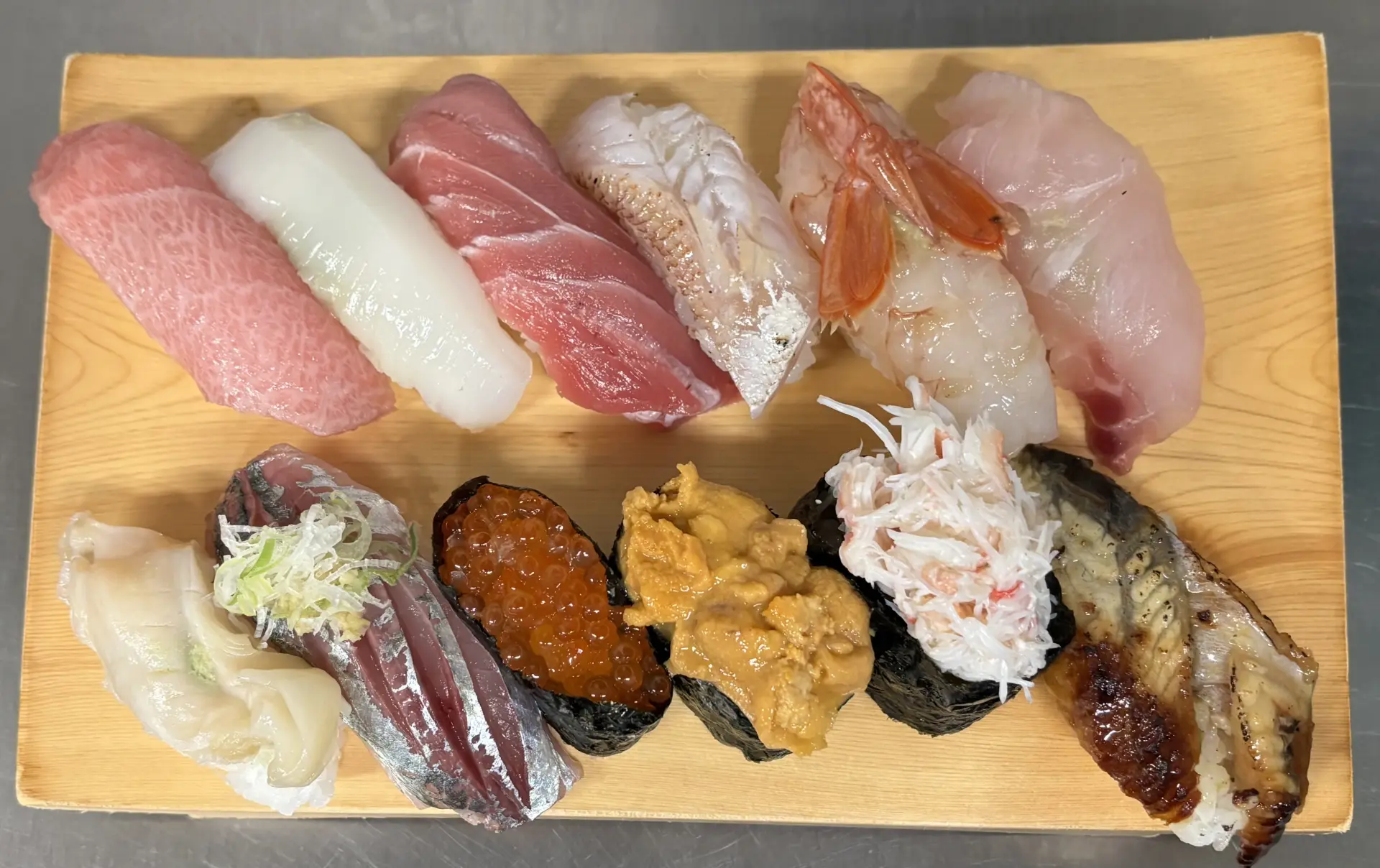
1. Sado Kaiten Sushi Benkei (Sado Main Store)
A conveyor-belt sushi restaurant serving seafood delivered directly from fishing ports and prepared the same day for outstanding freshness.
Enjoy seasonal fish caught off Sado—where many species migrate year-round—paired with sushi rice made from Sado-grown rice cultivated in rich soil.
The group operates over 10 locations mainly around Niigata City, but this branch in Higashiodori, Sado City, is the main store. Loved by locals and visitors alike, it’s a go-to spot.
2. Shimafuumi
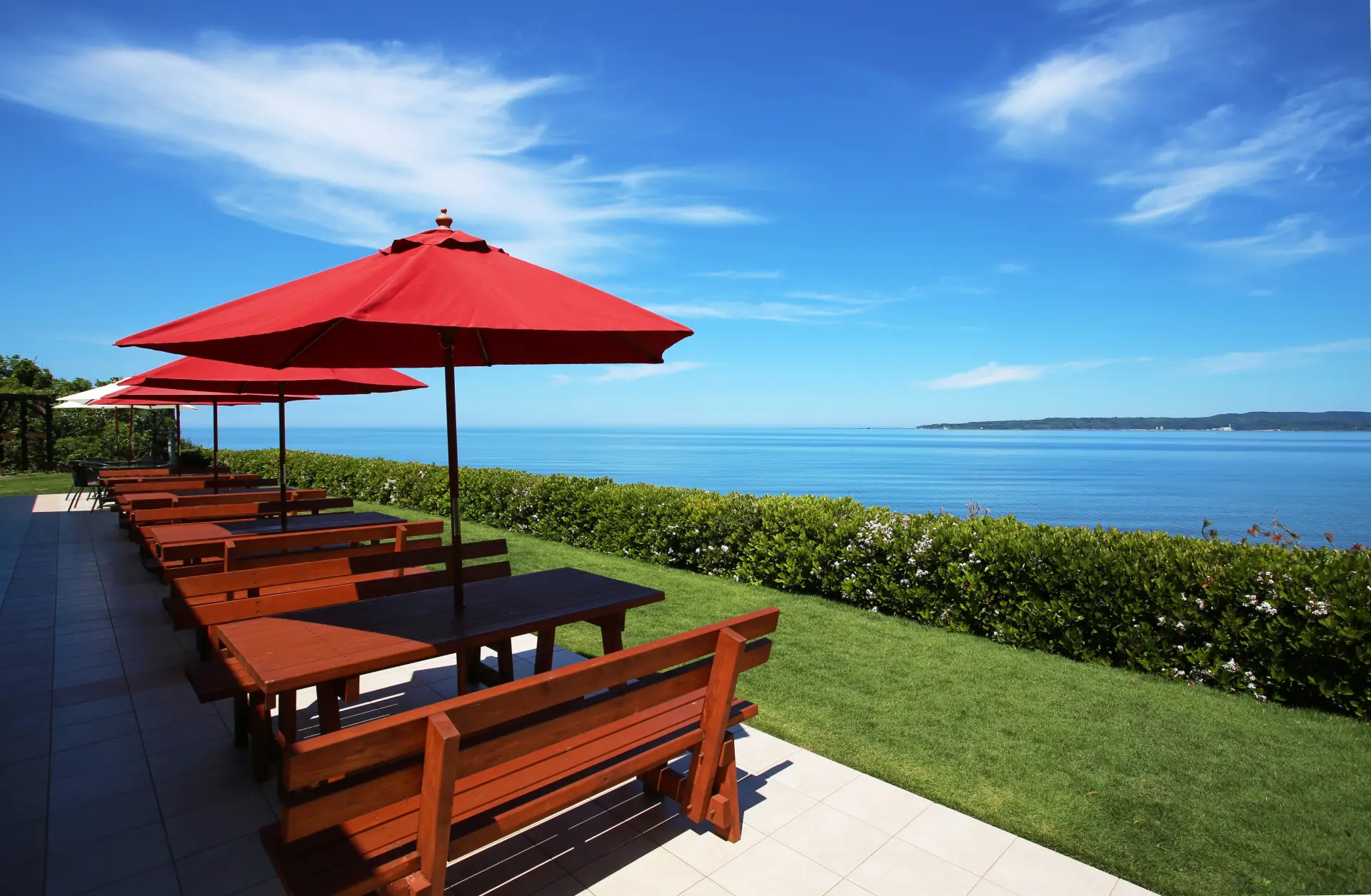
A bakery cafe with a prime view over Mano Bay on Sado Island, Niigata.
It serves naturally fermented house-made bread, plus plates and dishes using Sado ingredients, including pasta and curry.
Seating includes indoor tables and counter seats, plus plenty of terrace seating facing the sea—perfect for relaxing with ocean breezes and wave sounds.
3. Ogya
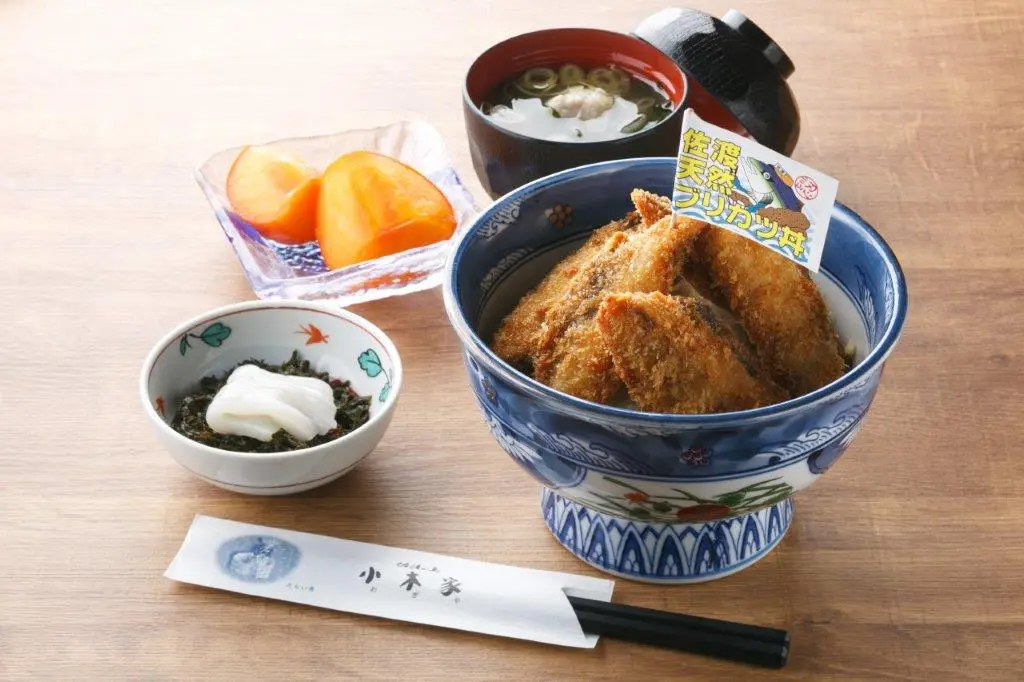
A drive-in style facility next to the Ogi Port Terminal on Sado Island. The first floor is a souvenir shop with Sado specialties, while the third floor is a dining area with 120 seats.
Popular menu items include the Sado Natural Yellowtail Katsu Bowl—crispy fried Sado-caught yellowtail with locally produced rice flour—and hearty options like the “Gohobi Bowl” with thick-cut Sado salmon, plus “Gin-sake Kama-meshi” (salmon pot rice).
4. Kyomachi-tei (Renovated Traditional House Dining)
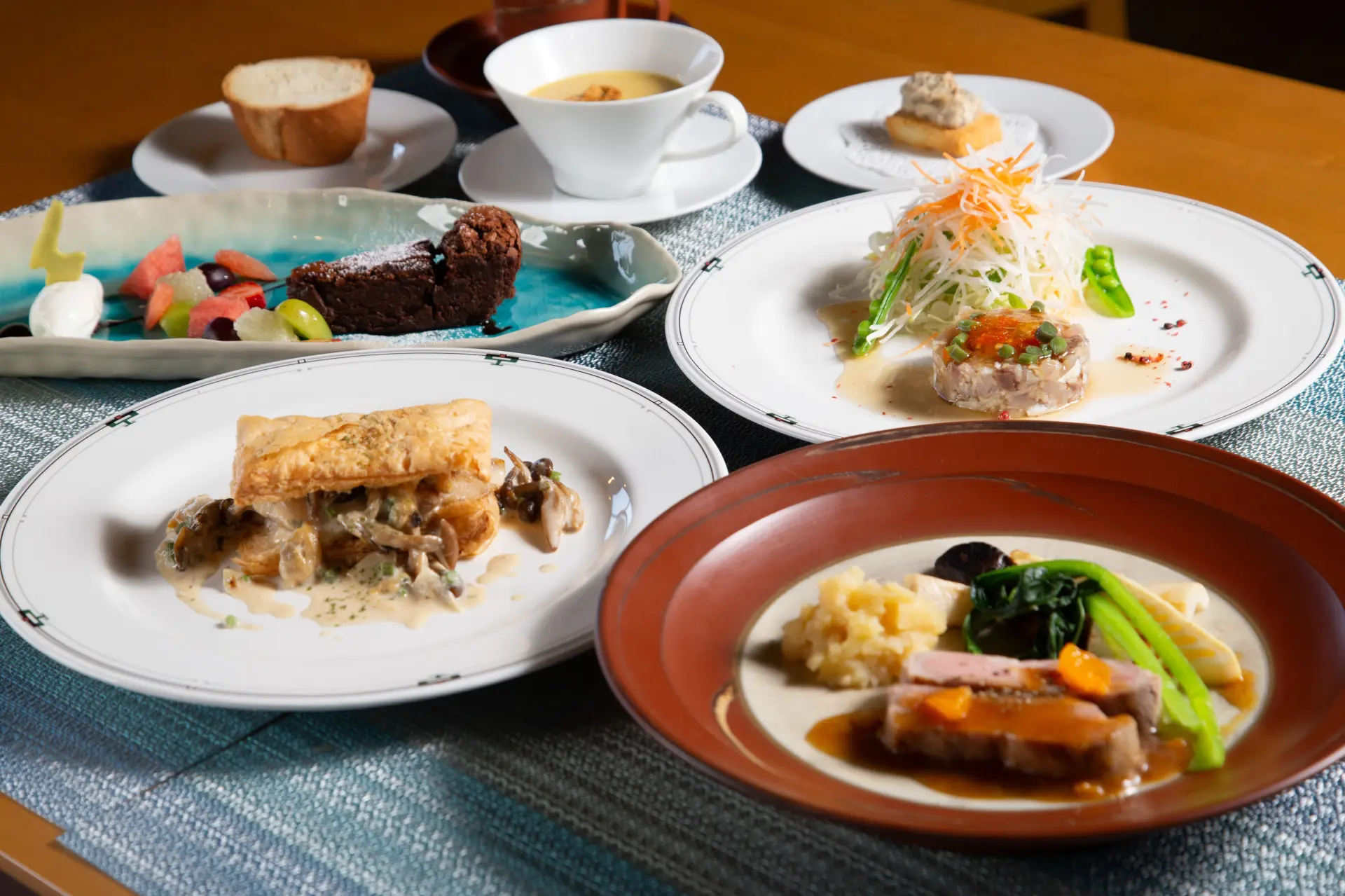
A restaurant renovated from a historic traditional house overlooking the streets of Aikawa on Sado Island, Niigata.
Old beams and Japanese design details create a calm atmosphere, complemented by modern tables. Enjoy expansive views from window seats and the terrace.
The menu features Western-style dishes made with Sado ingredients, letting you savor local flavors with a great view.
Recommended picks include “Kyomachi-tei Curry” topped with red snow crab, and the award-winning “Sado Oyster Seafood Gratin.”
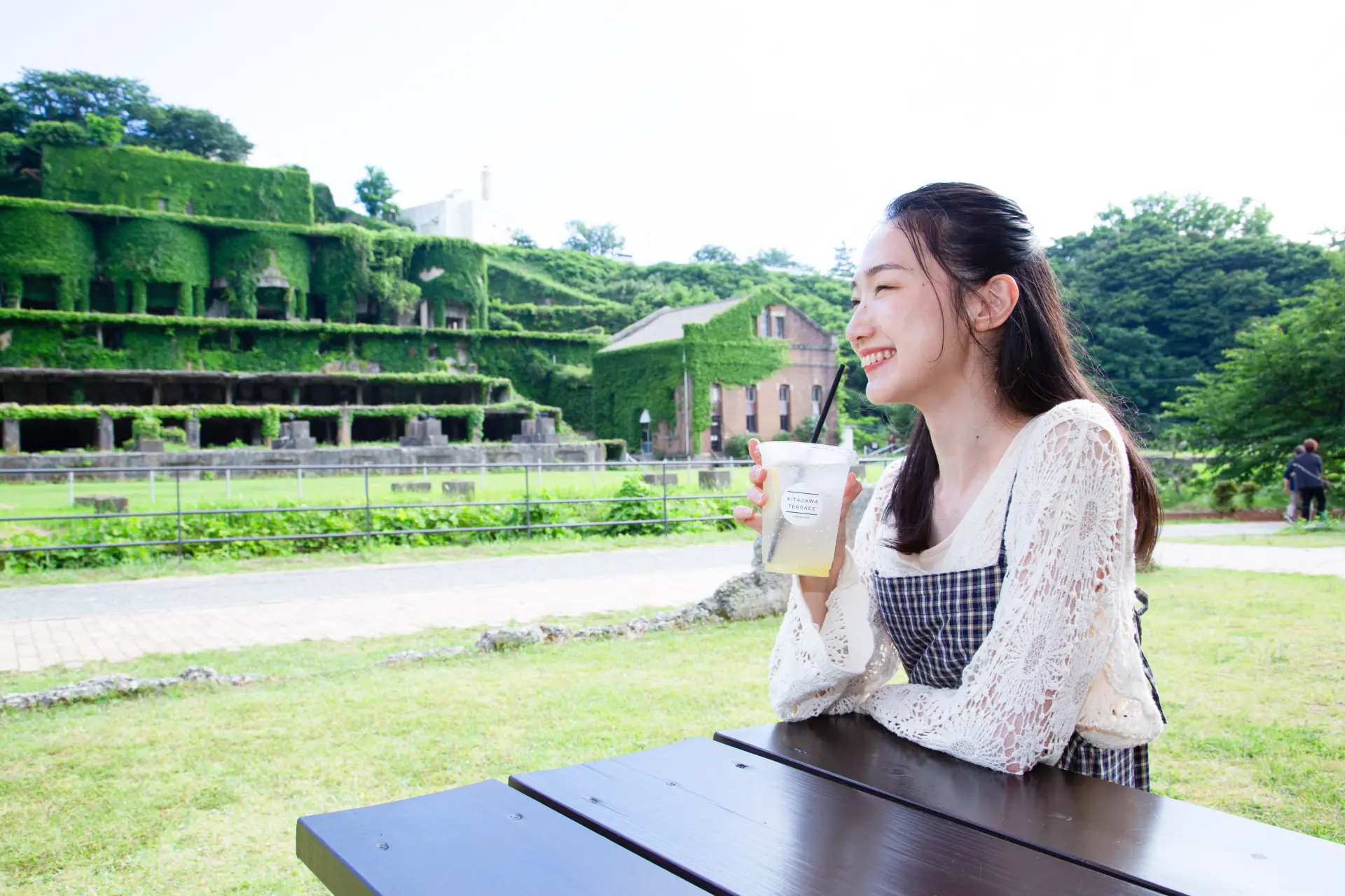
5. Kitazawa Terrace
A scenic cafe and restaurant in Aikawa, Sado City, with the Kitazawa Flotation Plant Ruins right in front of you.
Nicknamed “Sado’s Laputa,” the massive concrete remains create a one-of-a-kind setting where gold mine history meets modern openness.
The menu centers on dishes using their own “Sado Island Black Pork,” plus house-made drinks—great for breaks or lunch.
Popular items include “Sado Island Black Pork Gold Mine Curry,” with rice inspired by Doyu no Warito, and “Sado Dairy Milk Soft Serve,” made from fresh milk delivered from the farm.
Where to Buy Souvenirs: 3 Classic Shopping Spots on Sado Island
Here are classic shopping spots on Sado Island.
They’re convenient souvenir hubs near the island’s gateways, making it easy to pick up local specialties efficiently.
In particular, the terminal-connected “Omiyage Ichiba Ogya” and the “Ryotsu Port Terminal Shop (Sea Town Shopping Street)” are easy to visit right before departure or right after arrival.
1. Tsubakiya
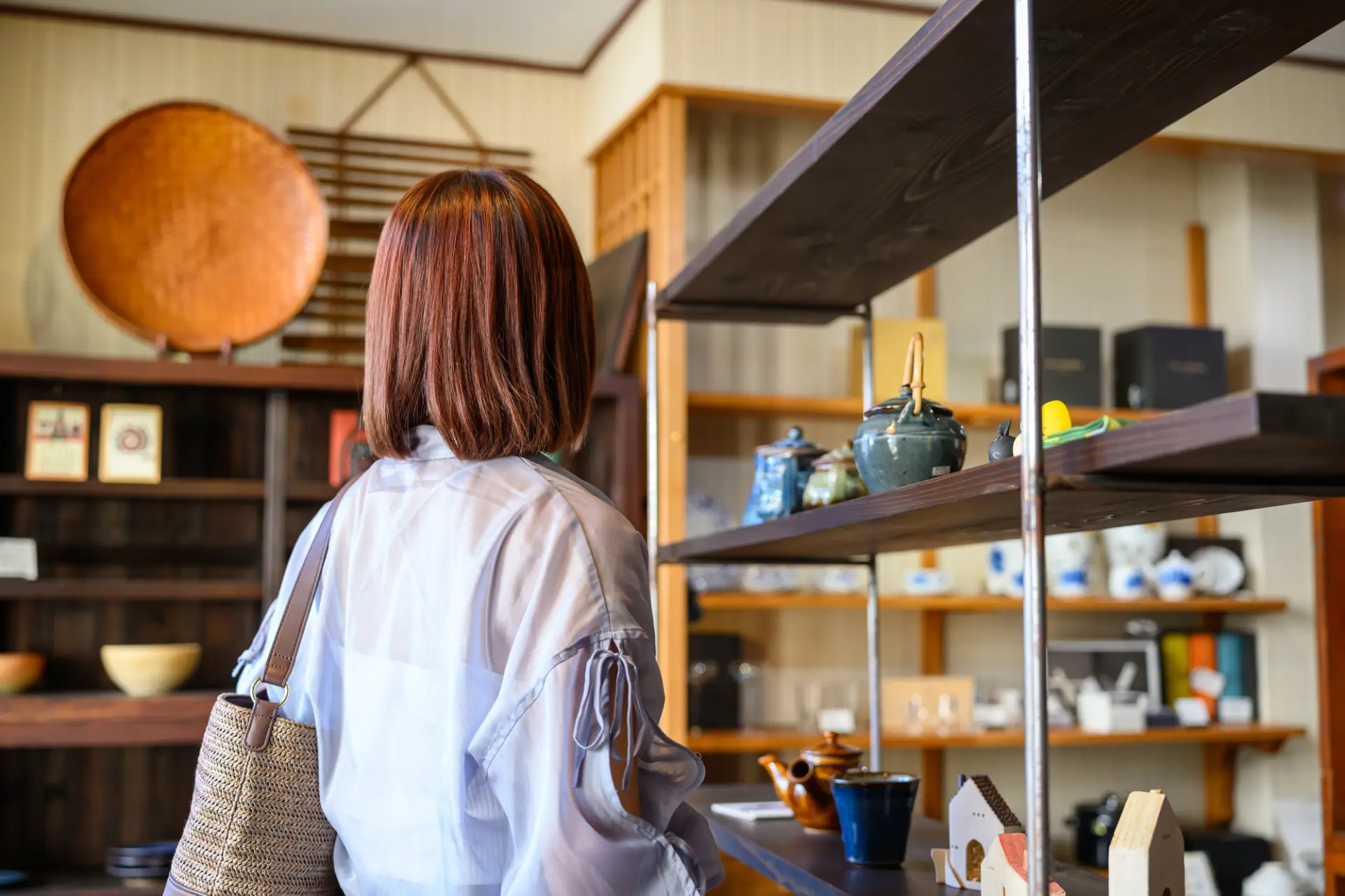
Tsubakiya in Kaizuka, Sado City, is a pottery antenna shop displaying and selling around 1,000 works from 16 kilns across the island.
Inside its unique octagonal building, you’ll find highly gallery-like displays featuring works by Living National Treasure Koheiji Miura and Sekisui Ito, among others.
It’s a satisfying place to browse up close—especially for pottery lovers.
At the attached “Tsubaki Chaya,” you can enjoy 100% buckwheat soba made with Sado ingredients and kneaded with house-made camellia oil, and you can also buy products using “SADO Camellia Oil.”
It’s only about a 15–20 minute drive from Ryotsu Port, making it a great stop for lunch and souvenir shopping.
2. Omiyage Ichiba Ogya
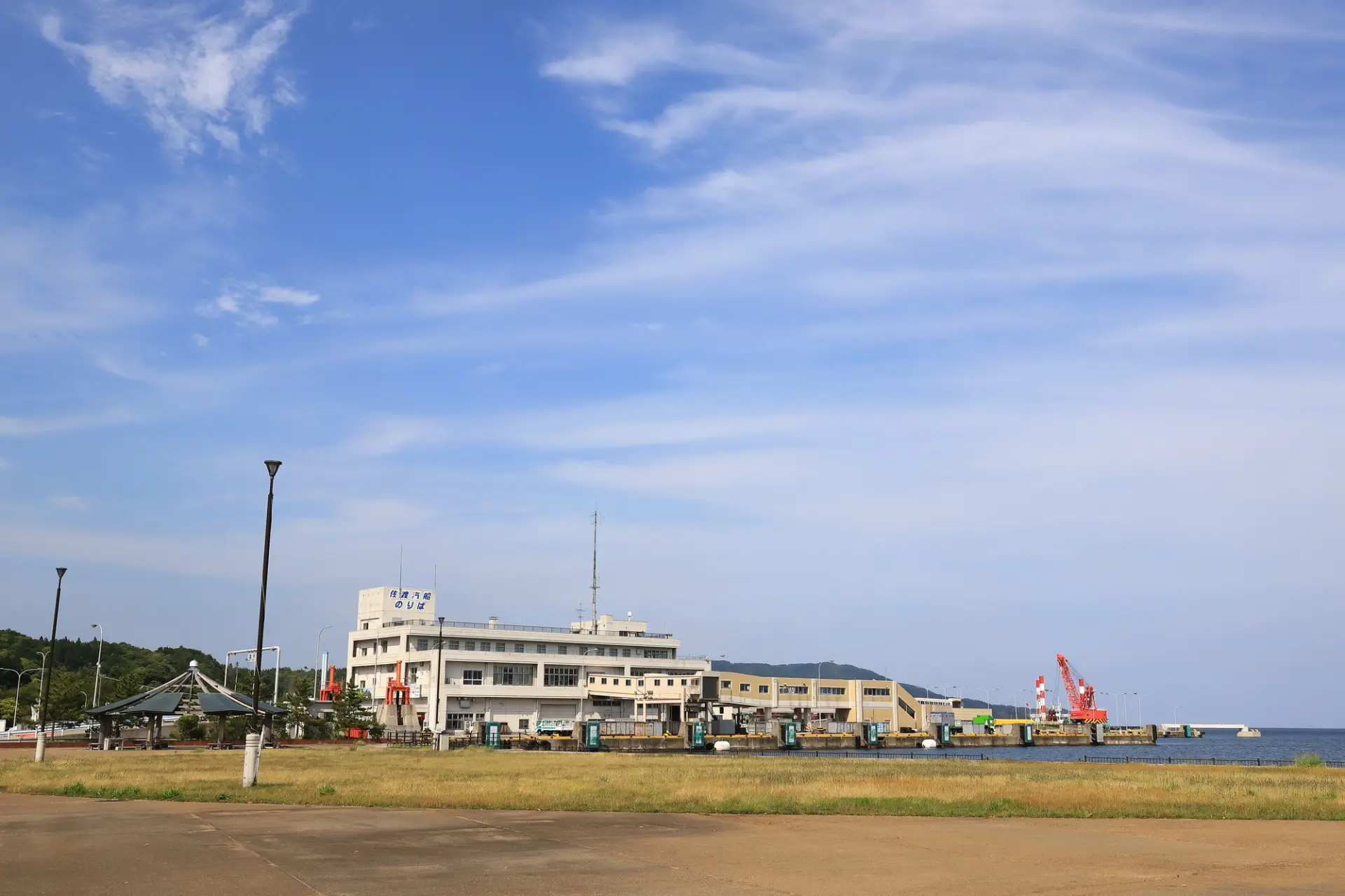
Omiyage Ichiba Ogya is a shopping center directly connected to the Ogi Port Terminal.
On the first floor, you’ll find a souvenir market packed with Sado Island specialties, including seafood delicacies, local sake, sweets, and traditional crafts.
They also share popularity rankings, making it great for choosing souvenirs.
The second and third floors feature a relaxed cafe and restaurant where you can enjoy local favorites like ika kama-meshi (squid pot rice) and the Sado Natural Yellowtail Katsu Bowl.
It’s especially popular with travelers because it’s easy to use while waiting for the car ferry before arrival or departure.
3. Ryotsu Port Terminal Shop
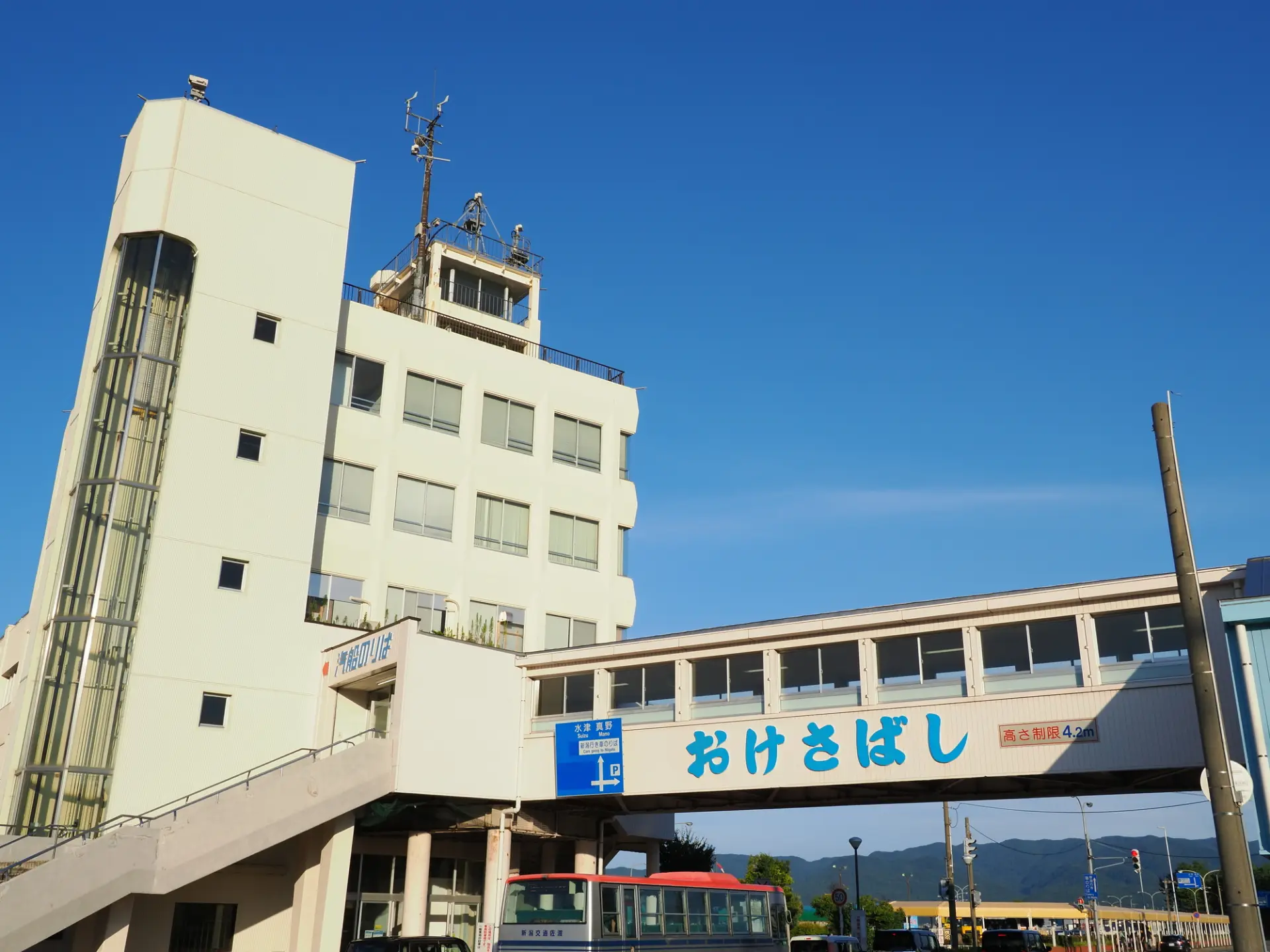
The Ryotsu Port Terminal Shop is a souvenir and light snack corner inside Sea Town Shopping Street.
It carries a wide range of classic souvenirs such as Sado folk crafts and goods, local sake, and sweets.
With one of the island’s largest selections, plus knowledgeable staff who can suggest the right picks, it’s a great place to ask for help if you can’t decide.
They also focus on Sado sake, and the tasting corner lets you compare seasonal local sake on the spot.
5 Places to Stay for a One-Night Trip on Sado Island
Here are recommended places to stay on Sado Island.
Each offers great views of Sado’s natural landscapes and high-quality meals featuring local seafood.
They’re ideal for enjoying a special getaway feeling during your stay, and also work well as sightseeing bases.
From cozy to luxurious, you’ll find a range of options—choose what fits your style.
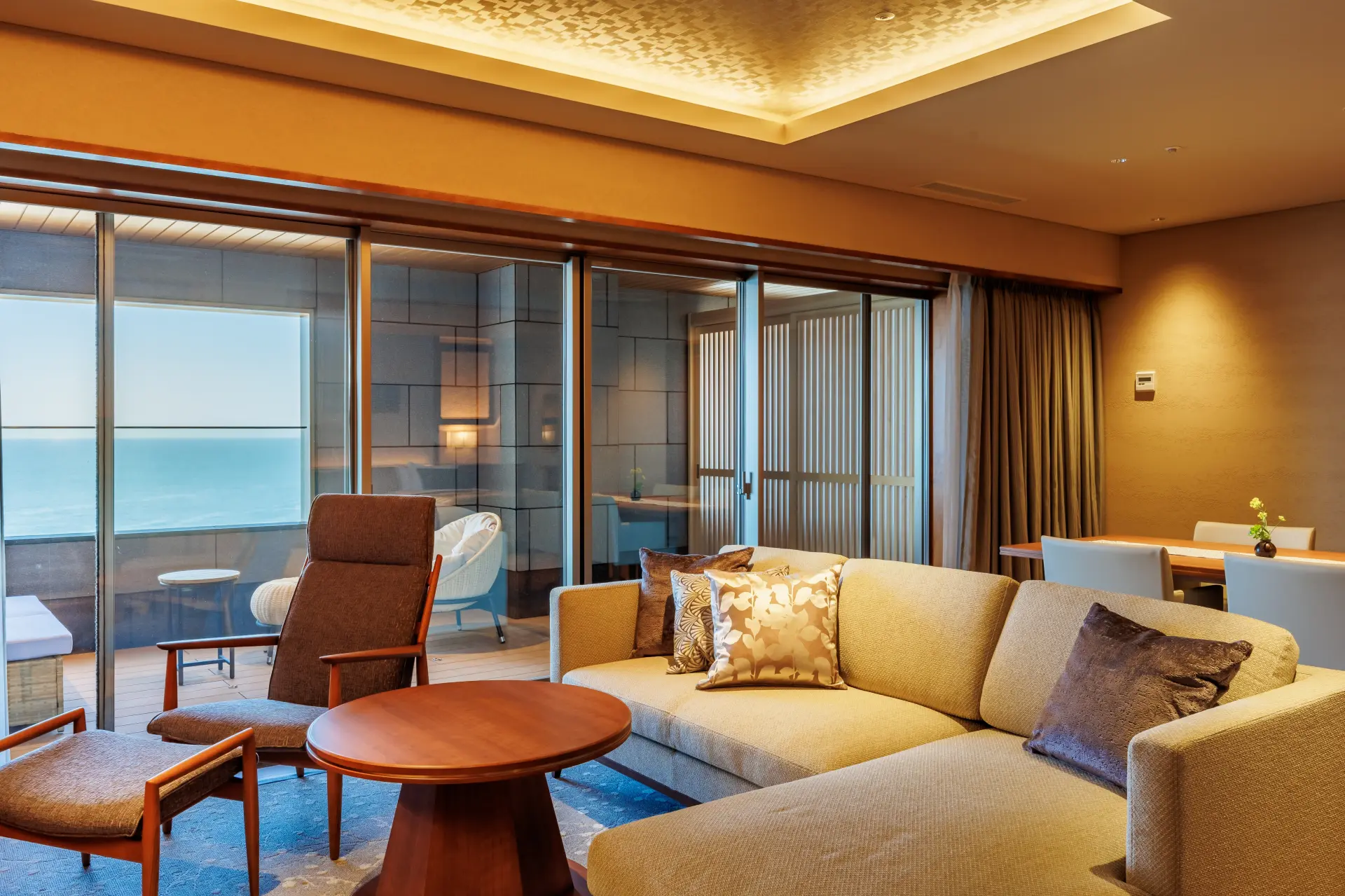
1. HOTEL OOSADO
Sado is a remote island in Niigata known for its rich nature and historical sites.
HOTEL OOSADO, located at Aikawa Kasugazaki on the scenic west coast, is a long-established hotel that opened in 1964.
All 72 rooms offer sweeping views of the sea, with sunsets in particular being truly stunning.
2. HOTEL AZUMA
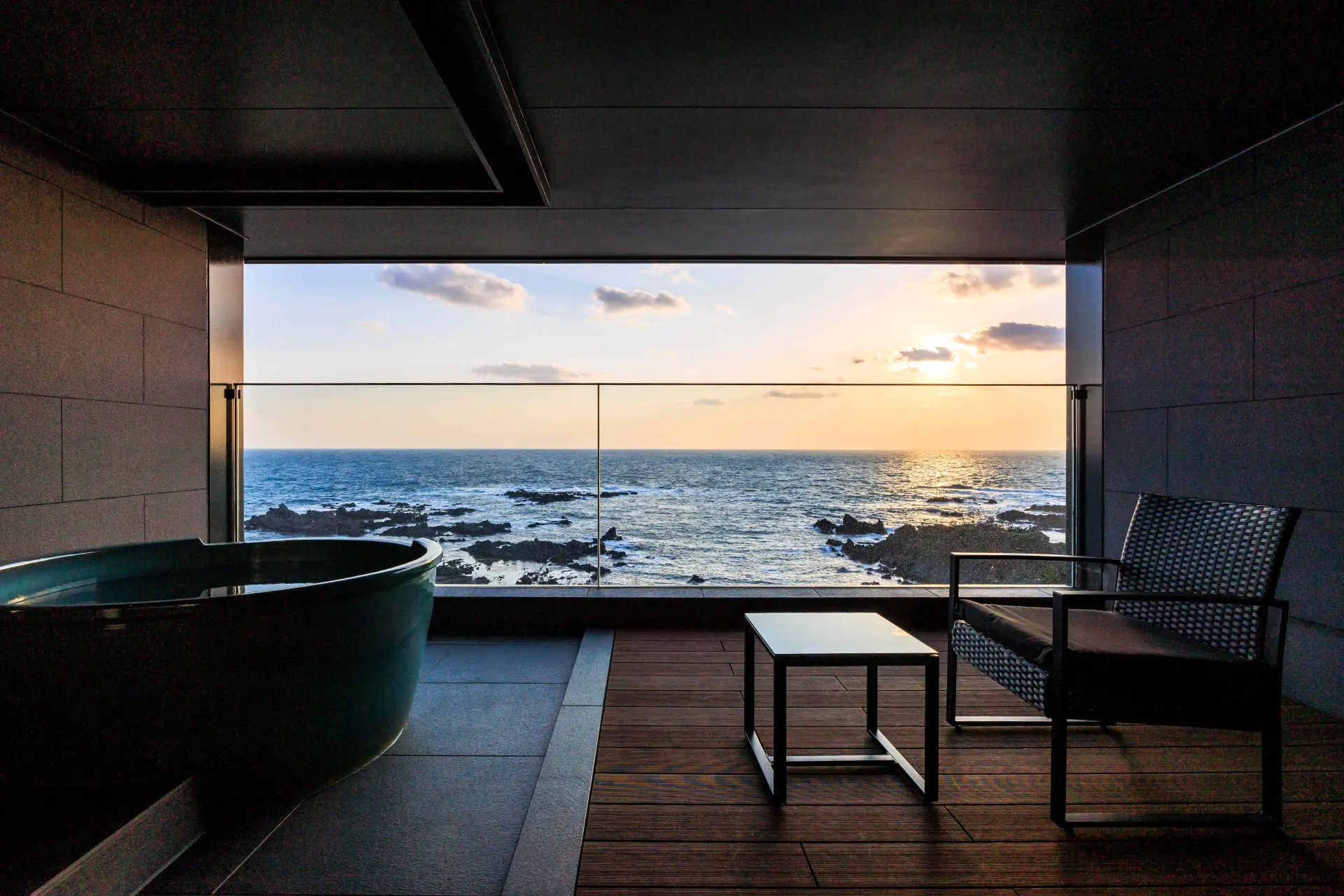
A resort hotel on a hill in Oura, the Aikawa area, about a 1-hour drive from Ryotsu Port.
Its biggest appeal is the spectacular setting, affectionately known as “the inn closest to the sunset,” with views of the Nanoura Coast and crimson sunsets over the Sea of Japan from guest rooms and the large public bath.
Other highlights include a vast 7,000-tsubo lawn garden, a poetic stone monument by haiku poet Seishi Yamaguchi, and a photogenic white wooden swing.
3. Oyado Hananoki
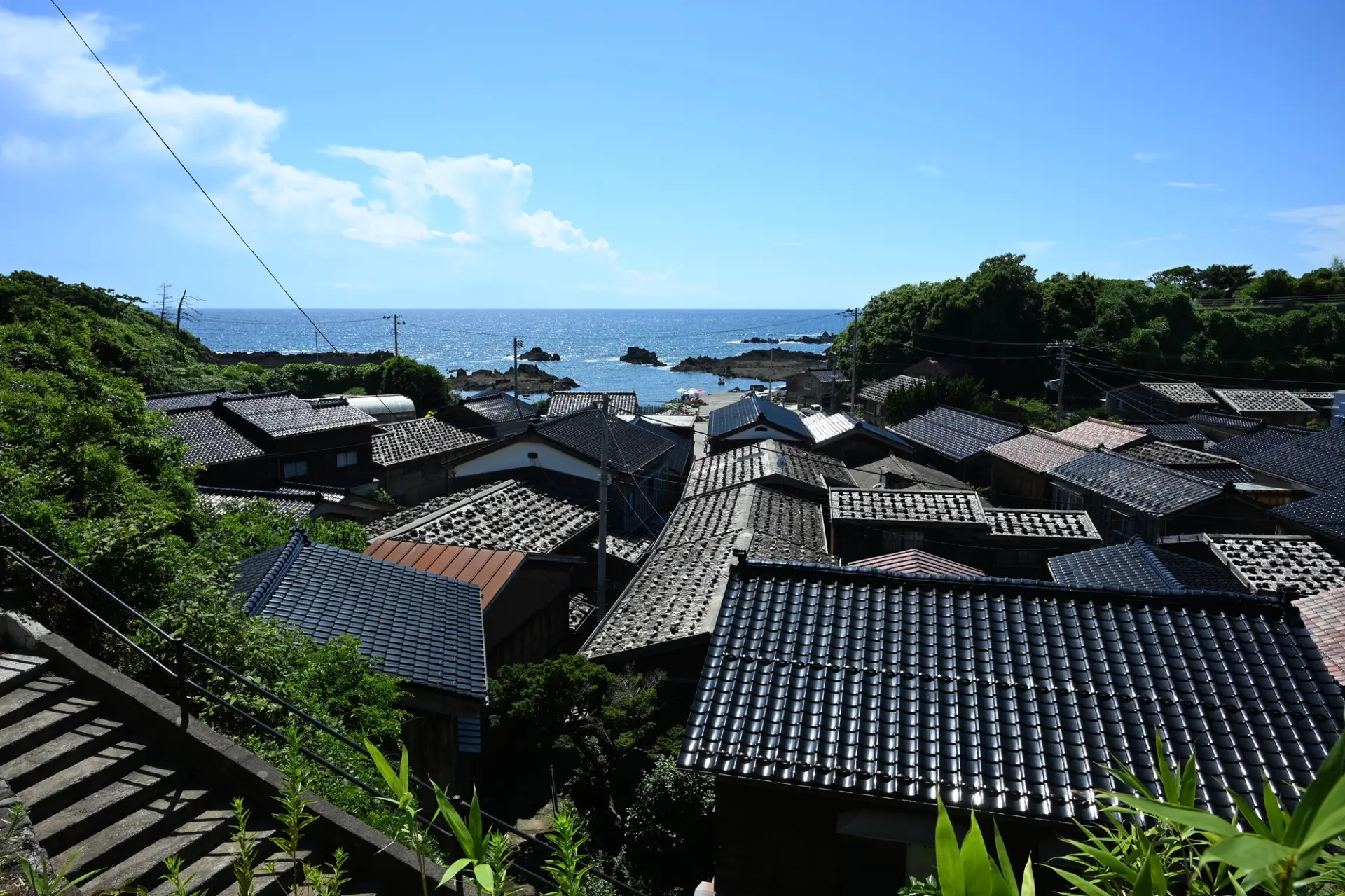
A hidden inn quietly set within Shukunegi Village, about a 10-minute drive from Ogi Port.
On a spacious 2,000-tsubo property, it offers seven rooms across a main house and annexes built by relocating a traditional house from the Kaei era, with warm, family-run hospitality.
Enjoy the charm of the buildings and garden, wide rice fields, and a star-filled sky—perfect for a relaxing stay in seasonal nature and quiet.
Hearty meals are served using seasonal Sado ingredients (camellia-oil sashimi, specially cultivated Koshihikari rice, crab, and more), presented in Mumyoiyaki pottery.
4. International Sado Kanko Hotel Yahatakan
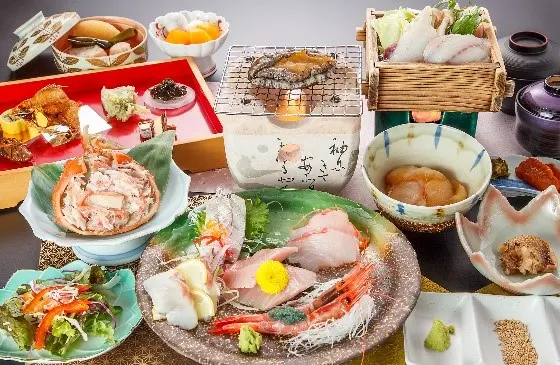
International Sado Kanko Hotel is a long-established ryokan in central Sado Island, about a 1-hour drive from both Ryotsu Port and Ogi Port.
It’s the oldest international tourist ryokan in Niigata, and has hosted distinguished guests including Emperor Showa and Prince Fumihito Akishino and Princess Kiko.
The refined seven-story building, surrounded by an expansive pine grove garden, has welcomed many government officials and celebrities over the years.
Its standout feature is the free-flowing Yawatan Onsen hot spring, with a rich output of 1 ton per hour and a soft, soothing quality that helps melt away travel fatigue.
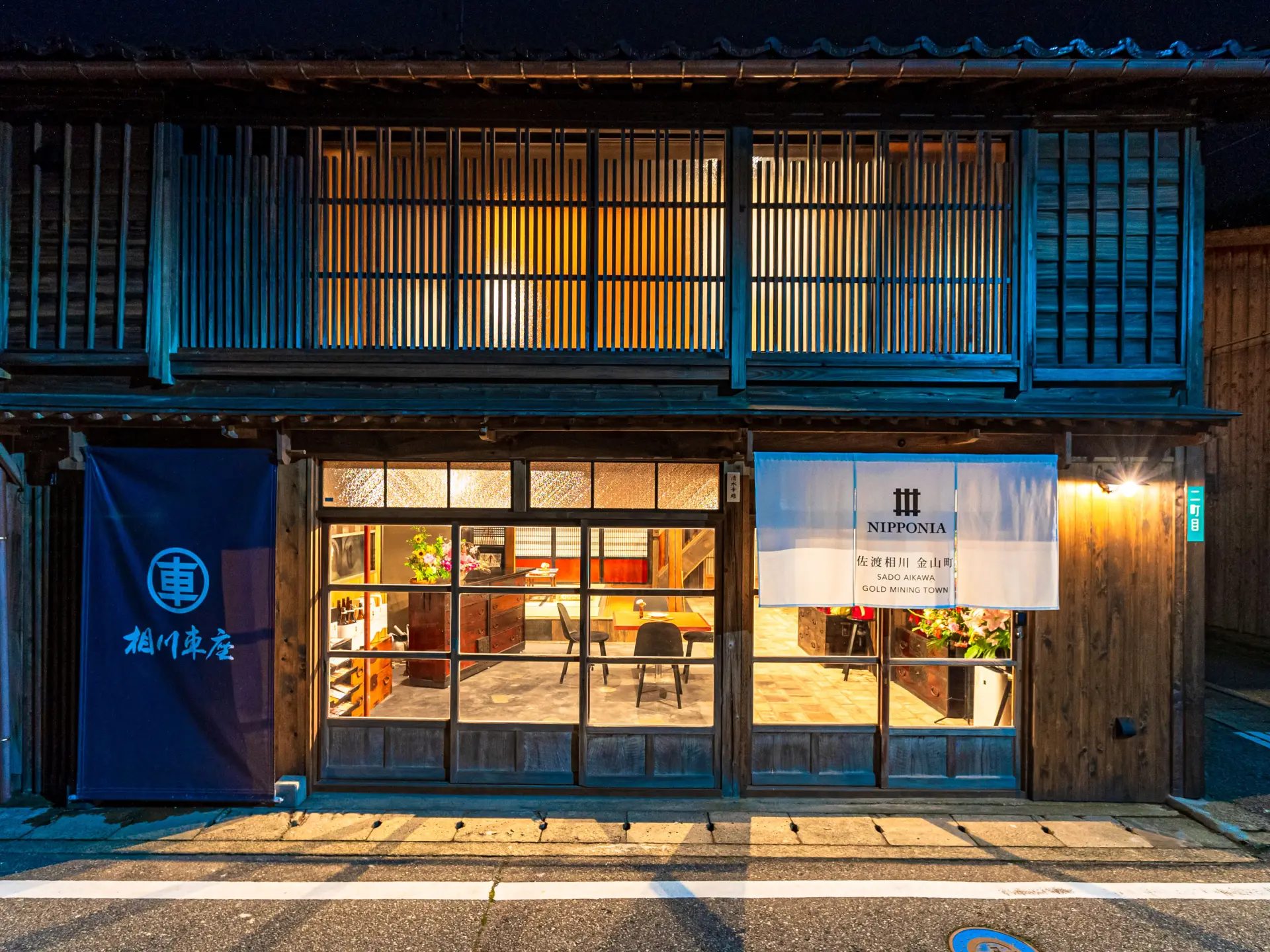
5. NIPPONIA Sado Aikawa Gold Mine Town
A traditional house hotel about a 50-minute drive from Ryotsu Port.
With the concept of “a whole town as a hotel,” it operates four renovated historic buildings in Aikawa with a total of seven rooms.
The Shimizu House, once a Mumyoiyaki pottery workshop, serves as the front desk and is full of ideas that encourage交流 with local residents—offering a time-slip feel and a stay woven into daily life.
Programs such as traditional sakiori weaving, and drink service at the Sado Okesa Bar, are also part of the appeal.
It was selected for TIME’s “World’s Greatest Places 2025” (Hotels), earning strong international recognition.
Can’t Decide? 3 Classic Sado Island Souvenirs
Here are classic souvenirs to pick up on Sado Island.
Each is an elegant, carefully crafted sweet that showcases local tradition and ingredients.
They’re great for yourself or as gifts—so if you’re not sure what to buy, start here.
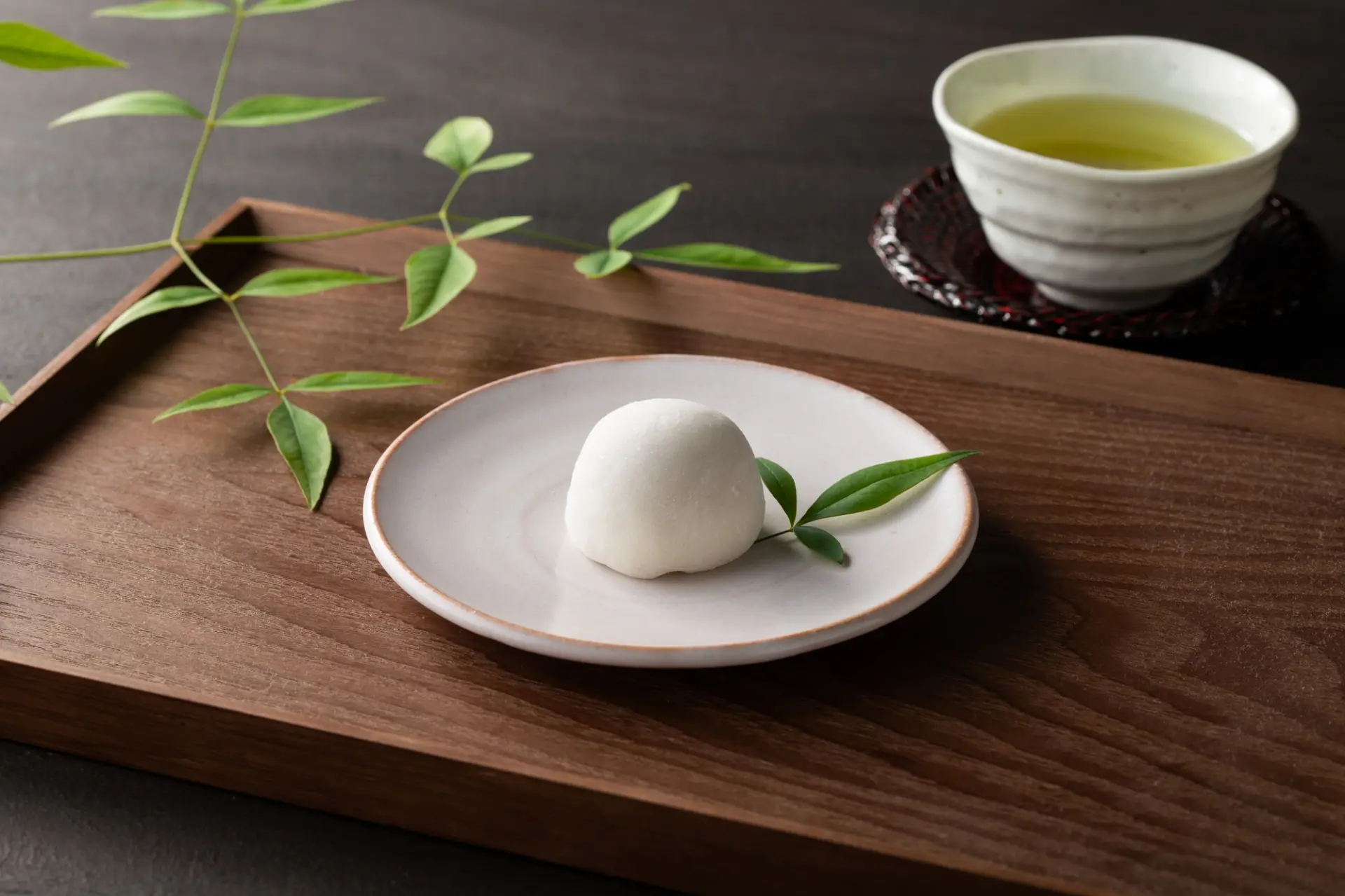
1. Niigata Kanko Bussan Co., Ltd. “Toki no Ko”
A Niigata specialty sweet inspired by the eggs of the Japanese crested ibis (Toki), a nationally designated Special Natural Monument living on Sado Island.
It features homemade yolk bean paste baked in a Momoyama-style outer layer, finished with white chocolate for a cute round look.
Enjoy a refined sweetness, moist texture, and smooth chocolate melt—a Japanese-Western fusion taste.
It’s bite-sized, easy to eat, can be stored at room temperature, and has a long shelf life (30 days).
It won gold at the Monde Selection for two consecutive years (2024 and 2025), and also comes in limited seasonal flavors (chestnut, Le Lectier pear, and more), making it perfect as a gift.
2. Shimaya “Ganso Sawane Dango”
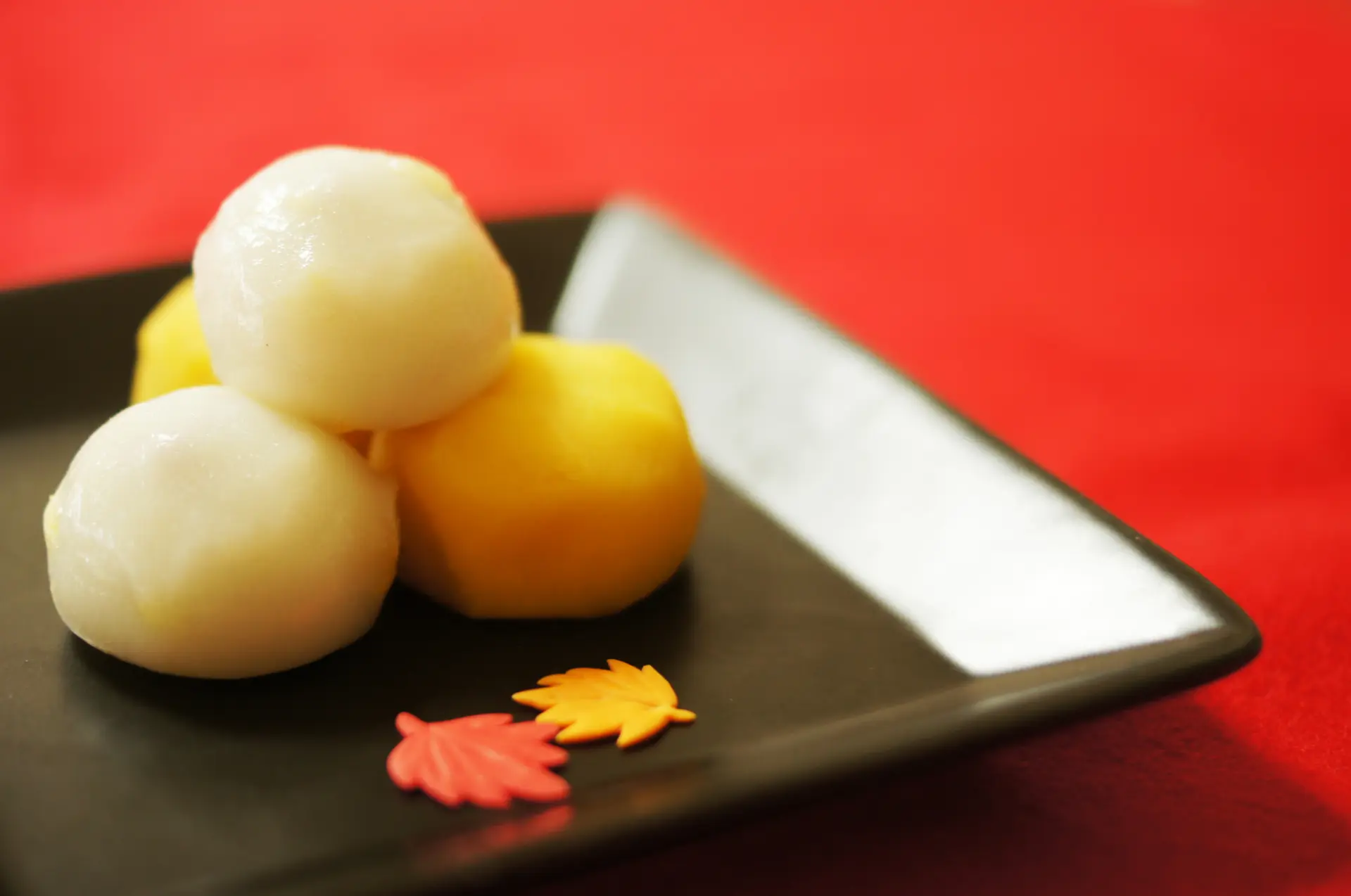
Ganso Sawane Dango is a traditional Japanese sweet made by Shimasieika-sho (nickname: Shimaya), a long-established confectioner founded in 1808.
It uses rare joshinko rice flour made by stone-milling Sado-grown Koshihikari with a water wheel (only 1 kg per hour), and is filled with plenty of smooth red bean paste made from Sado and Hokkaido azuki beans, forming glossy white bite-sized dumplings.
The soft, chewy texture and balanced sweetness make it easy to enjoy, and its gentle, rustic flavor—rooted in Sado’s climate and history—is loved across generations.
3. Obata Shuzo “MANOTSURU Daiginjo Sake Cake”
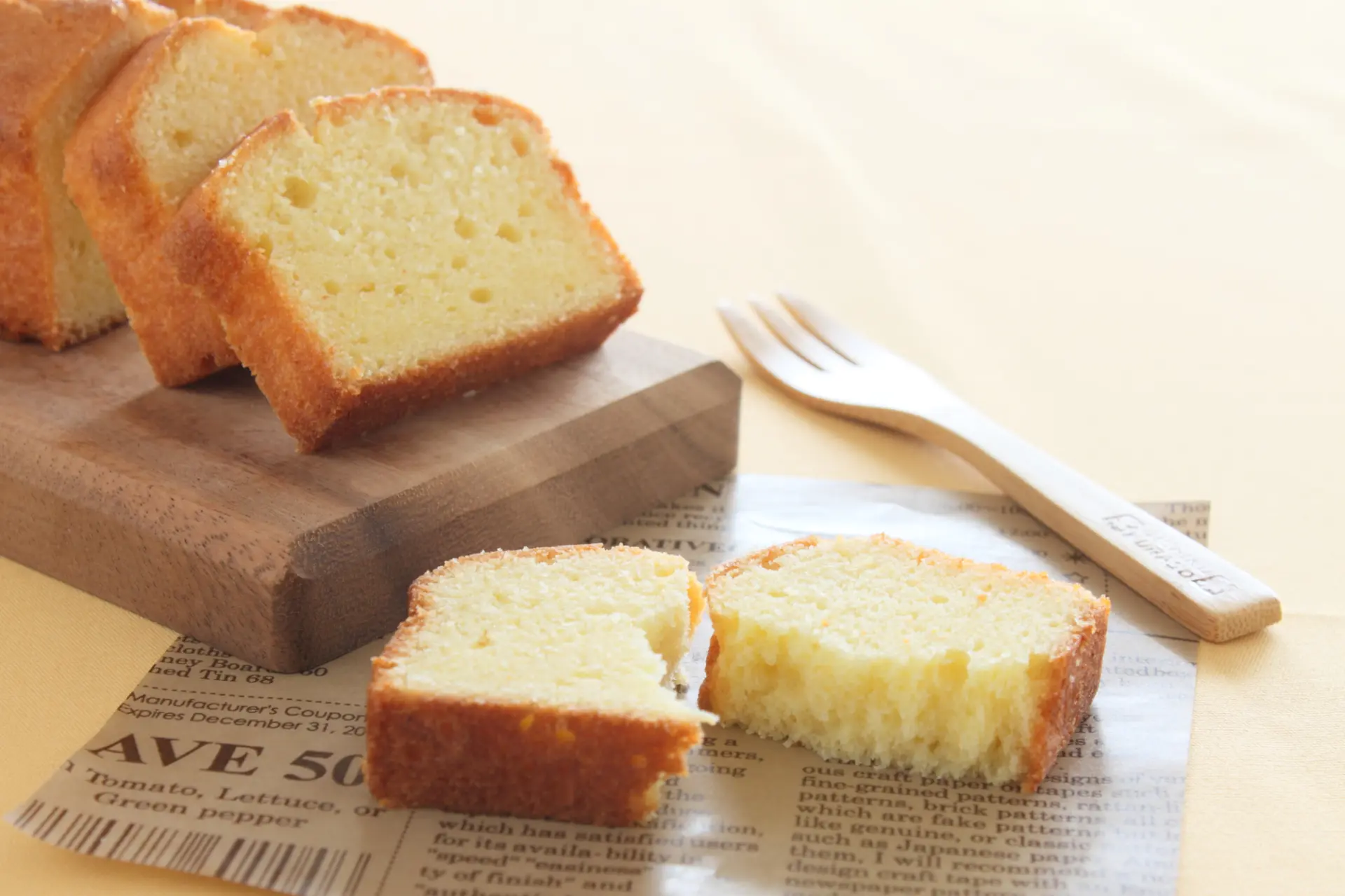
MANOTSURU Daiginjo Sake Cake is a pound cake generously made with Obata Shuzo’s signature sake, “Manotsuru Daiginjo,” brewed in Sado City, Niigata.
It captures a fruity sake aroma from Sado-grown Gohyakumangoku rice, with a clean taste and restrained sweetness—an adult-friendly treat.
The moment you take a bite, the elegant daiginjo fragrance spreads, pairing beautifully with the soft, moist texture. It’s also great to enjoy with sake.
5 Things to Know Before Sightseeing on Sado Island
To make the most of your Sado Island trip, here are a few important tips to keep in mind.
Use them to avoid regrets from lack of planning or preparation.
1. Book your rental car early
Sado Island is large—about 1.4 times the size of Tokyo’s 23 wards—and if you want to explore thoroughly, you’ll likely need at least two nights.
There are local and community buses, but service is limited and your time can be restricted.
Once you leave major routes, taxis can also be hard to find, so a rental car is recommended for efficient sightseeing.
However, in high season (summer holidays, fall foliage season, etc.), rental car shops get crowded and you may not find availability if you wait until the last minute or after arrival.
For peace of mind, once your schedule and itinerary are set, book your car early—ideally along with your ferry and accommodation.
2. Refuel earlier than you think you need to
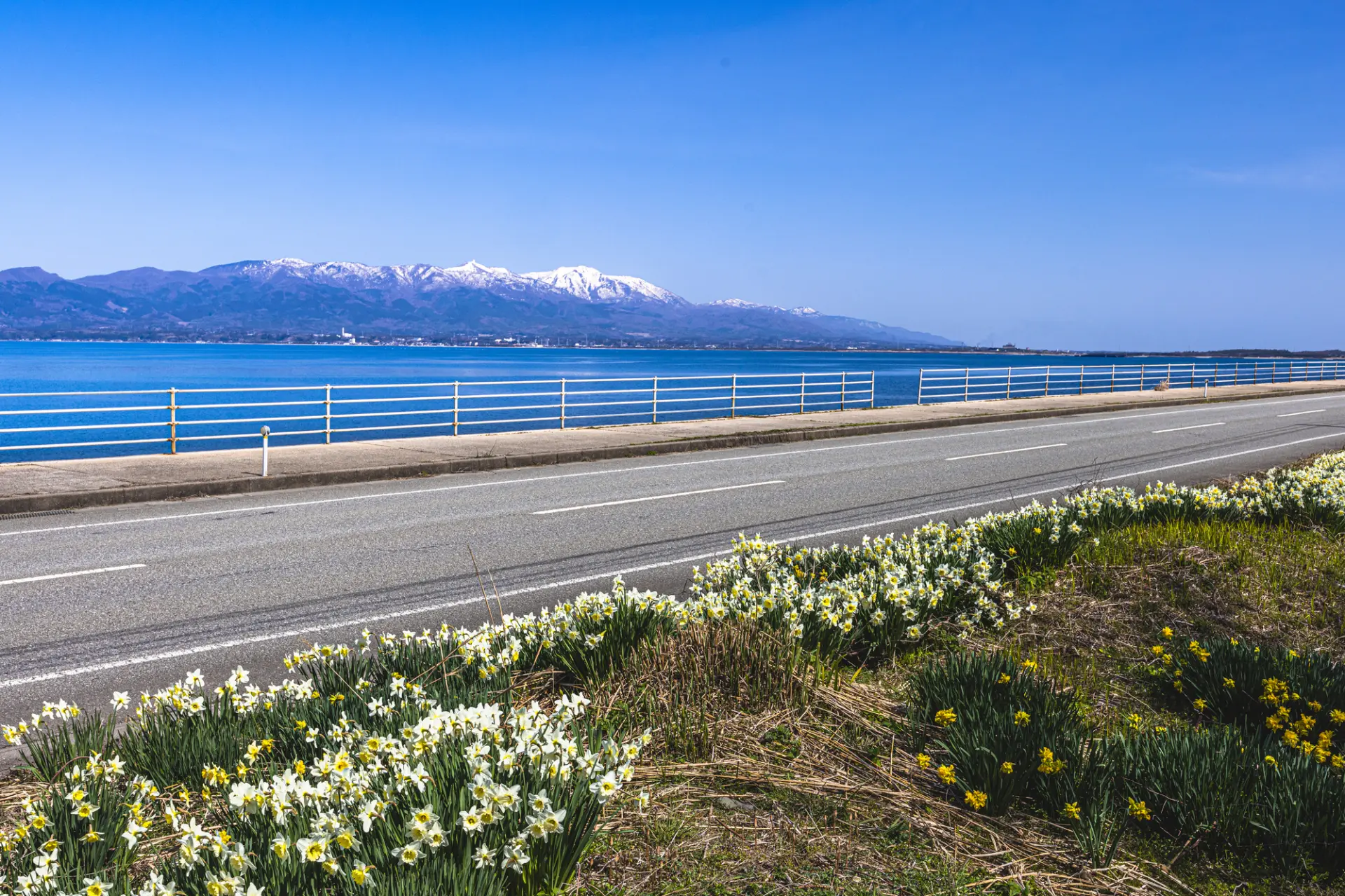
Compared to the mainland, Sado Island has fewer gas stations, and hours are generally short—often around 7:00 to 20:00.
Hours and closing days vary by station, and some may be closed (or shorten hours) on Sundays and during the year-end and New Year holidays, so fueling options can be more limited than expected.
Be especially careful in mountainous areas, on remote coastlines, and when traveling early in the morning or at night.
To avoid trouble, refuel early, and if you spot a station along the way, it’s smart to stop even if you still have plenty left.

3. Check ferry operation updates frequently
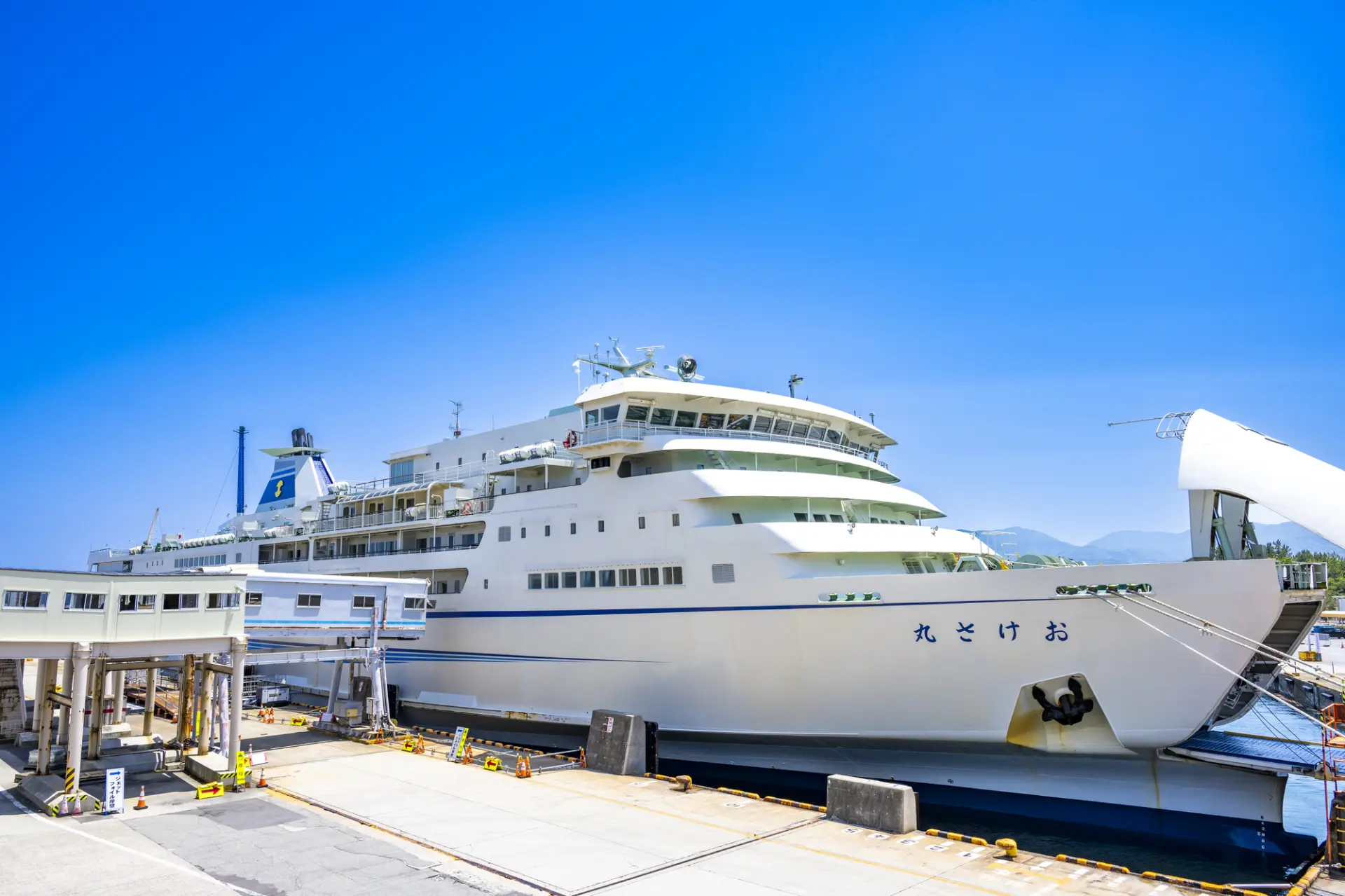
There are two main sea routes to Sado Island from the mainland: car ferry and jetfoil.
Both can be canceled or delayed depending on weather and sea conditions on the day of departure (especially strong winter winds or typhoons).
The latest updates are posted on the “Sado Kisen official website,” so check frequently when using round-trip services.
If you booked online, you’ll also receive updates by email.
4. Restaurants and shops close early
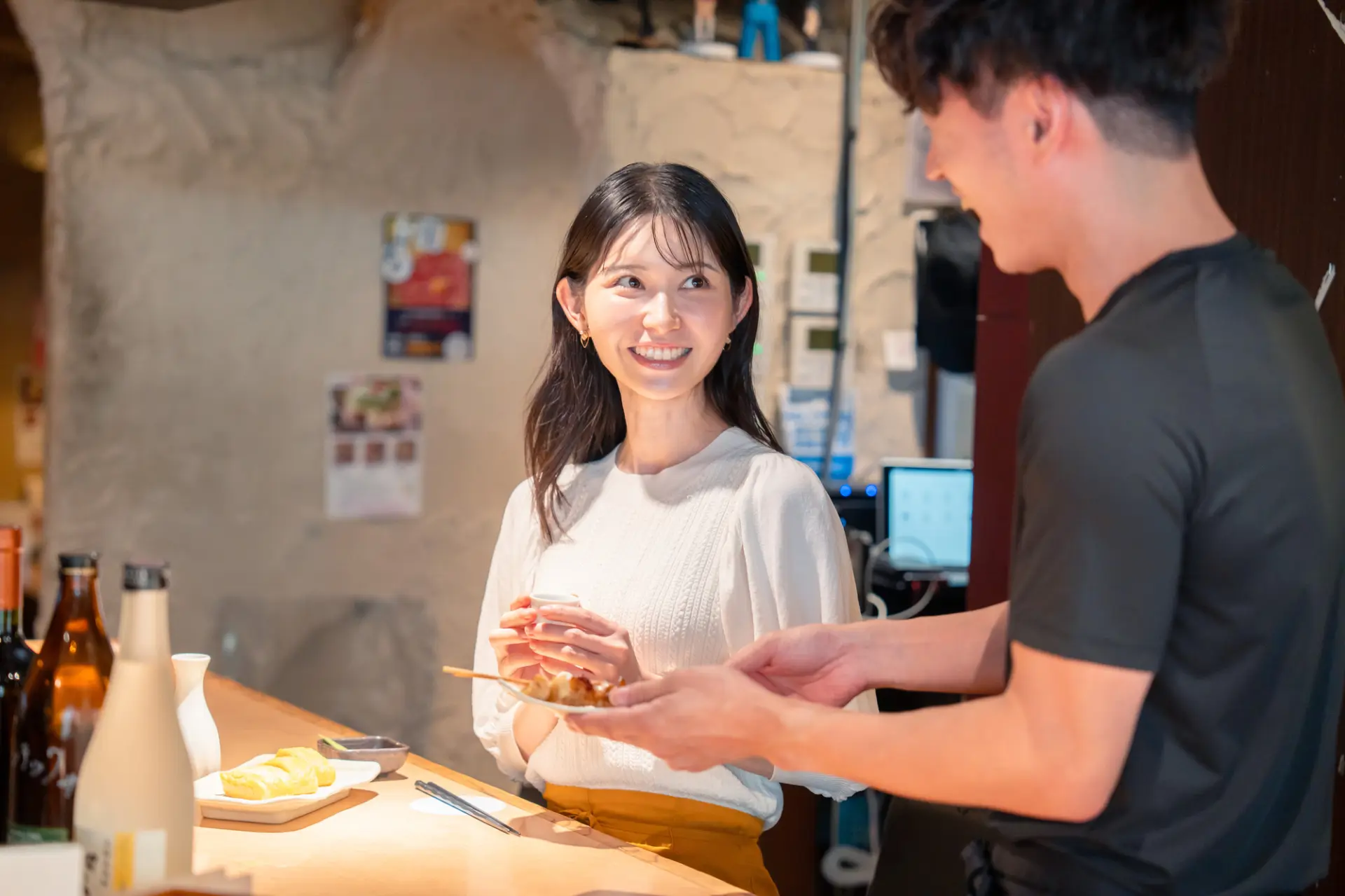
Sado Island has plenty of restaurants and shops, but few stay open late at night.
Even in tourist areas, many places close around 16:00–17:00, so evening options can be limited.
It’s best to eat dinner earlier, decide on a few options in advance (and book if needed), or choose accommodation with meal plans.
If there’s a specific place or dish you don’t want to miss, check business hours ahead of time.
5. Carry some cash
While Sado Island is well set up for tourism, many restaurants, souvenir shops, and minshuku still don’t accept credit cards or e-money.
Cash is especially common at small shops in villages and rural areas, temples and shrines, and activity facilities, so it’s safer to carry a certain amount with you at all times.
For smooth small payments (parking, admission fees, Tarai-bune rides, etc.), it helps to bring plenty of 1,000-yen bills and coins.
Withdraw what you need in advance at an ATM, and plan to use both cashless payments and cash.

FAQ about Sado Island Sightseeing
Q
Where should I go to enjoy Sado Island in a short time?
A
We recommend visiting Toki no Mori Park, Sado Gold Mine, and Senkakuwan Bay Agejima Yuen for a well-balanced mix of history, nature, and experiences.
Q
How do I get to Sado Island?
A
Access Sado by sea from Niigata Port or Naoetsu Port via car ferry or jetfoil.
Q
When is cherry blossom season on Sado Island?
A
Blooms typically build from early April, with peak viewing often around mid-April.
Q
When is the best time to see autumn leaves on Sado Island?
A
Colors often peak from mid-October near mountain tops, and from late October to early November from the foothills to mid-slopes.
Wrap-up
We’ve covered key details, highlights, and classic souvenirs for Sado Island.
With its distinctive culture, Sado offers unforgettable experiences—from the UNESCO-listed Sado Island Gold Mines to dramatic natural landscapes shaped by its unique terrain, plus local food and historic townscapes you can only find here.
Everyone’s ideal route will differ, but using this guide to plan your trip will help you enjoy the island to the fullest.
Also check out this article for a broad roundup of Niigata’s top attractions and restaurants, plus recommended shopping areas.