
![[9 Traditional Culture Experiences to Enjoy in Saitama] A Journey Through Craftsmanship and Food Culture](https://static.gltjp.com/glt/data/article/22000/21364/20260406_133011_a5e3c47d_w1920.webp)
[9 Traditional Culture Experiences to Enjoy in Saitama] A Journey Through Craftsmanship and Food Culture
Across Saitama Prefecture, traditional crafts and food culture passed down over many years still remain in different areas.
At the Ogawamachi Washi Experience Learning Center and Washi no Sato in Higashichichibu Village, you can experience the techniques of washi papermaking that have continued for 1,300 years, while at the Soka Senbei Hand-Grilling Experience and Miyanoen, you can get a feel for local flavors and everyday culture.
Rather than just observing, this is a chance to discover the world of tradition through hands-on experience. In the quiet time spent working, the depth of culture rooted in the land gradually comes into view.
Immerse Yourself in Quiet Craftsmanship in a Washi Town
Ogawamachi and Higashichichibu Village in western Saitama Prefecture are places where washi papermaking has been passed down for generations. Facilities where you can experience traditional steps, from processing raw materials to papermaking, are scattered throughout the area. As you enjoy the feel of handcrafting in a quiet workspace, the time and skill contained in each sheet of paper gradually come into view.
1. Ogawamachi Washi Experience Learning Center (Ogawamachi)
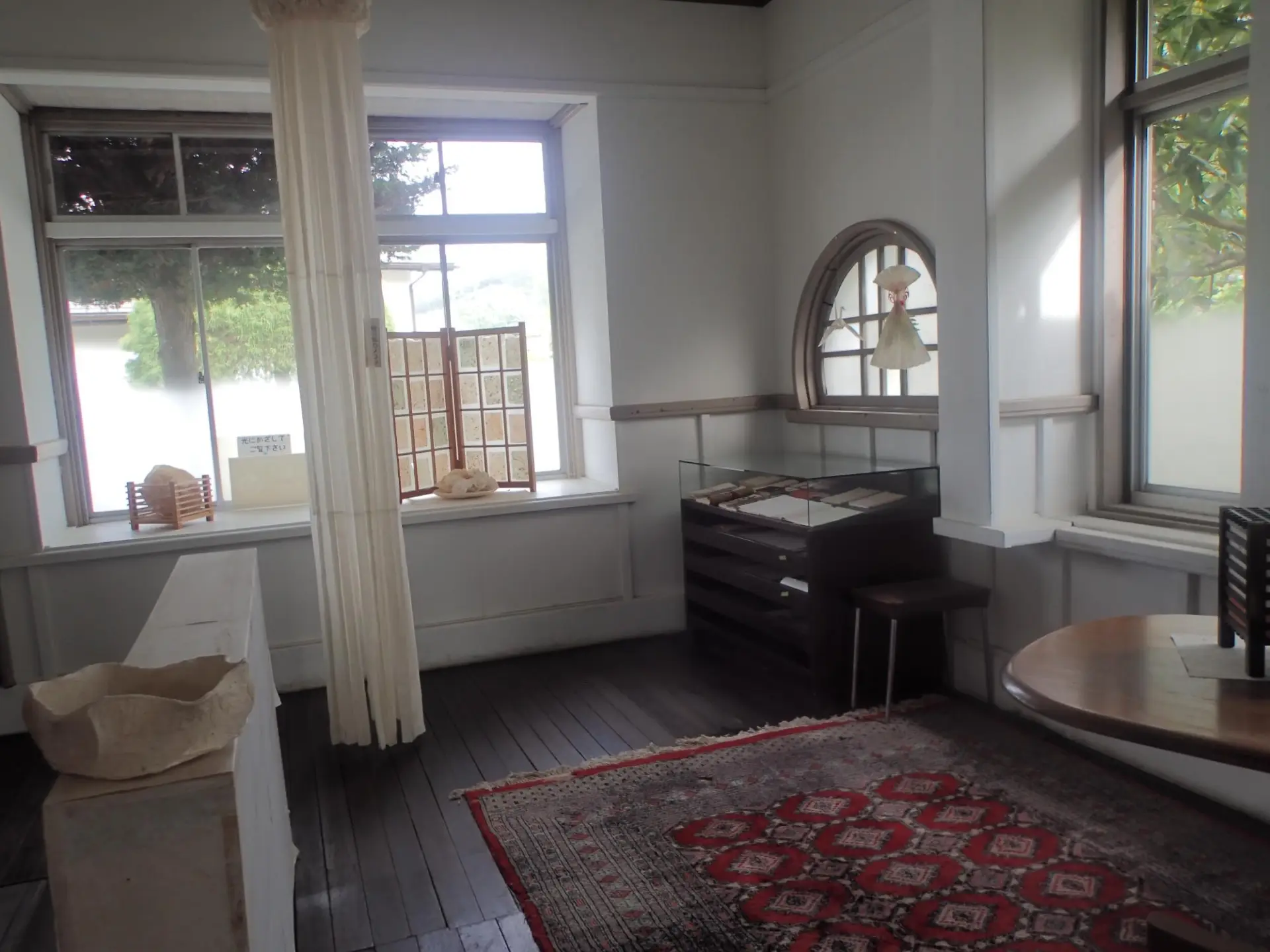
A facility in Ogawamachi, known as a washi production area, where you can actually experience the papermaking process. The historic building, originally constructed as a paper research facility, is now open to the public as a center for learning about washi culture.
One of the highlights here is that you can experience the full papermaking process with your own hands, from raw material preparation such as kazuhiki, a step in processing kozo (paper mulberry), which is the raw material for washi, to nagashizuki sheet forming and drying. You can take your finished work home with you, along with the memory of the time spent and the feel of the process. There are also displays of washi tools and作品, making this a place where you can experience both hands-on activity and learning.
2. Michi-no-Eki Ogawamachi Traditional Crafts Facility (Ogawamachi)
A facility introducing the traditional crafts of Ogawamachi, where you can see local handcraft techniques up close. Traditional handicrafts from across Saitama Prefecture are exhibited and demonstrated here, creating a space where you can encounter a variety of craft traditions.
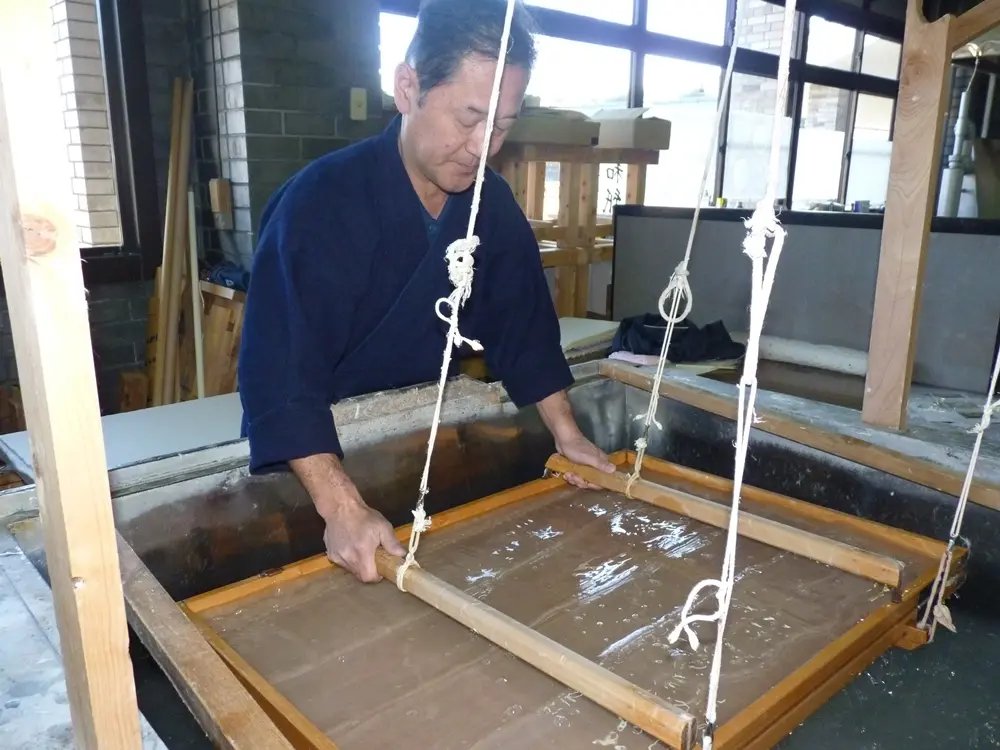
Among them, the demonstration of Ogawa Washi, one of the traditional handicrafts and a local specialty of Ogawamachi, is especially worth seeing. After watching the techniques of washi papermaking with its long history, try your hand at a papermaking experience as well. Washi products are also sold inside the facility, so you can take the appeal of these handmade crafts back into everyday life.
3. Higashichichibu Village Washi no Sato Papermaking Experience (Higashichichibu Village)
A facility in Higashichichibu Village, known as a washi production area, where you can experience traditional culture through hands-on papermaking. Thatched-roof houses line the grounds, letting you try washi papermaking in the kind of satoyama scenery seen in the past.
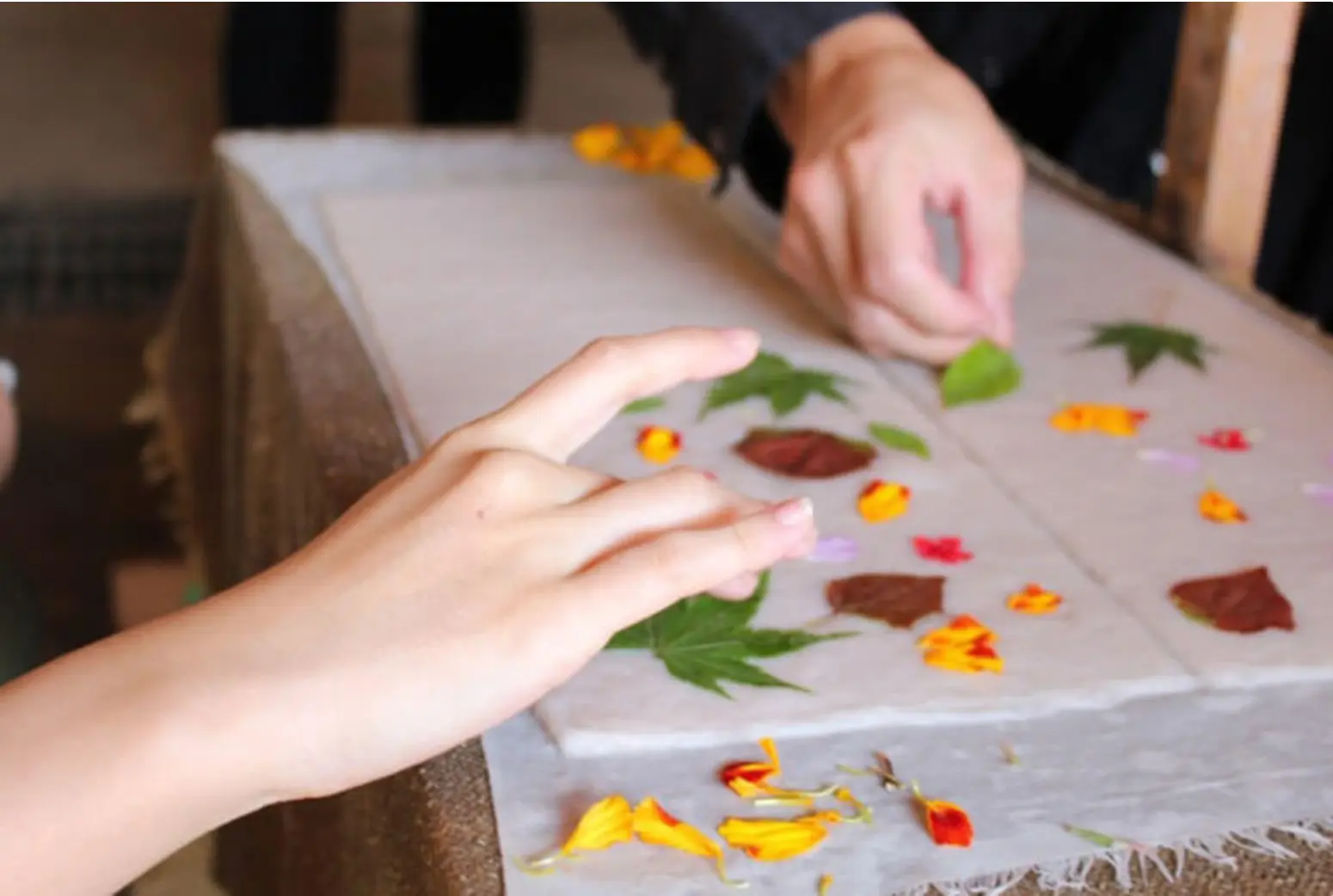
You can make one of five types: plain washi, patterned washi, postcards, colored paper boards, or mini tapestries. You can also enjoy creating your own original work, such as making patterns by adding grasses and flowers into the washi. As you experience the papermaking process, take in the depth of a washi culture that has continued for 1,300 years.

Make Local Food with Your Own Hands and Savor Its Story
Food culture rooted in a place reflects the history and daily life of that region. In Saitama, there are places where you can experience traditional local flavors such as senbei rice crackers, Japanese tea, and soba by making them yourself. Taking time to taste them while learning about the ingredients and methods leaves a deeper impression of the food you encounter on your trip.
4. Soka Senbei Hand-Grilling Experience (Soka City)
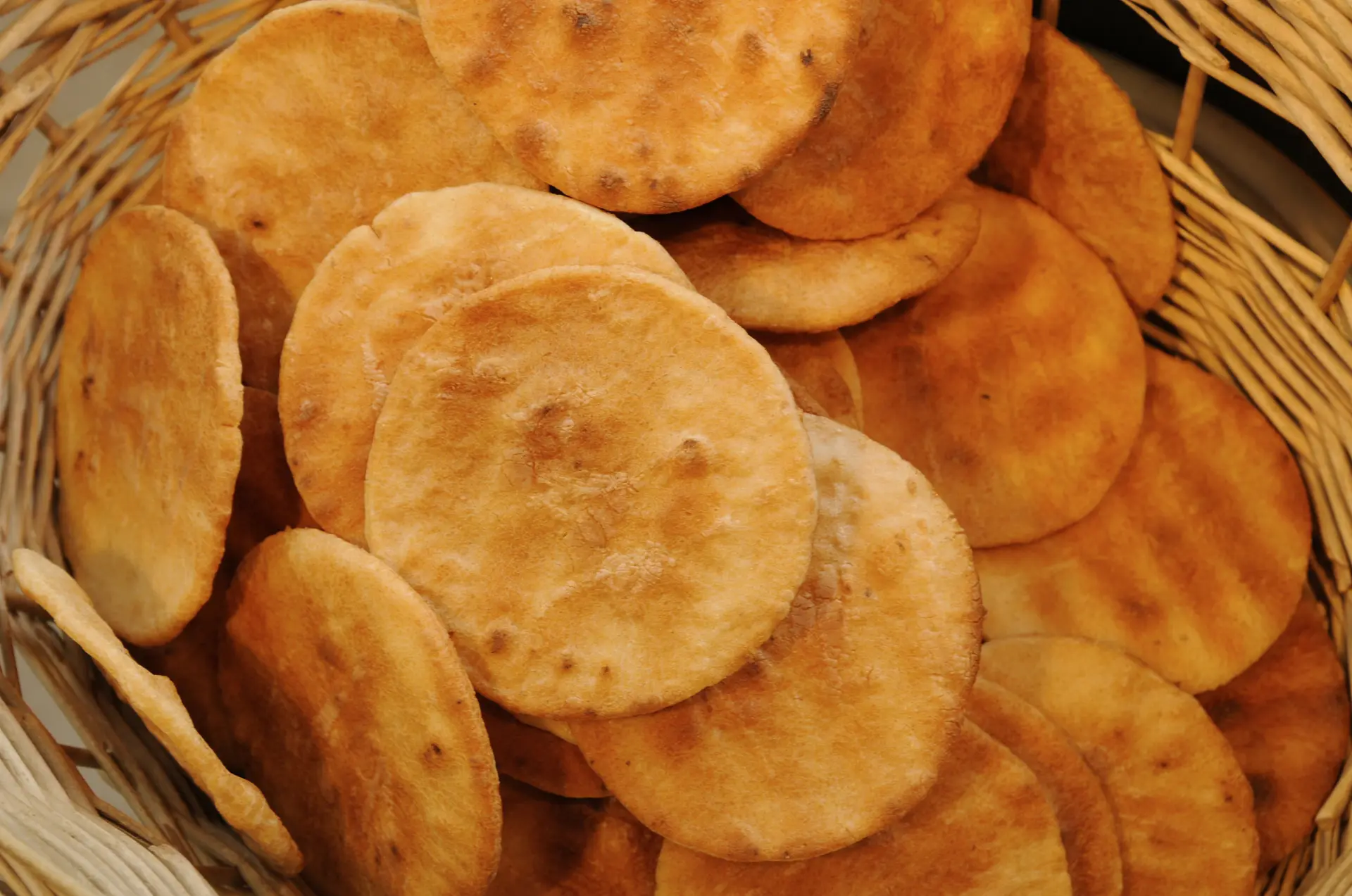
Soka senbei is known as one of Saitama’s signature specialties. Loved for its savory flavor, it is one of the prefecture’s representative traditional tastes.
You can try grilling this proud local tradition yourself at Ikedaya, a shop that has been operating since the late Edo period. With guidance from the staff, you grill the senbei yourself, and you can try up to three pieces per person so that it is fine even if you make a mistake. The experience takes Approx. 20–30 minutes, and anyone of elementary school age or older can join. From each freshly grilled cracker, feel the story behind the flavor that has been passed down in Soka.
5. Soba-Making Experience at Chichibu Furusato Village (Ogano Town)
Chichibu Furusato Village is an experience-based facility surrounded by the nature of Chichibu. It offers a variety of activities that let you get a feel for satoyama life, including vegetable harvesting and interacting with animals.
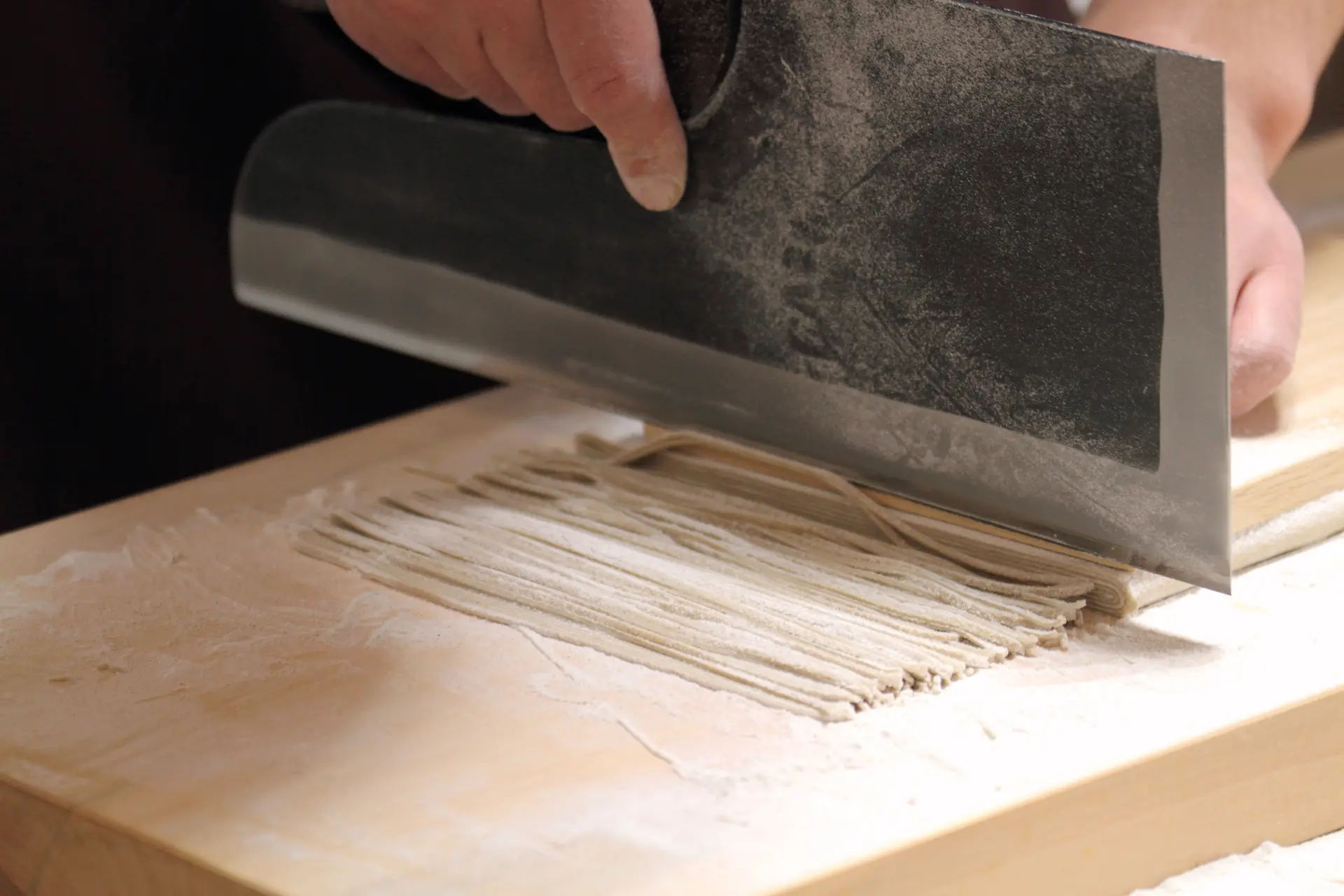
Chichibu is also known as a soba-producing area, and here you can try making soba using local buckwheat flour. From kneading the dough, shaping it, and cutting it with a knife to finally eating it, one of the attractions is being able to experience the full process of this part of Japanese food culture. Surrounded by satoyama nature, take your time and enjoy the flavors of Chichibu.
6. Miyanoen (Sayama City)
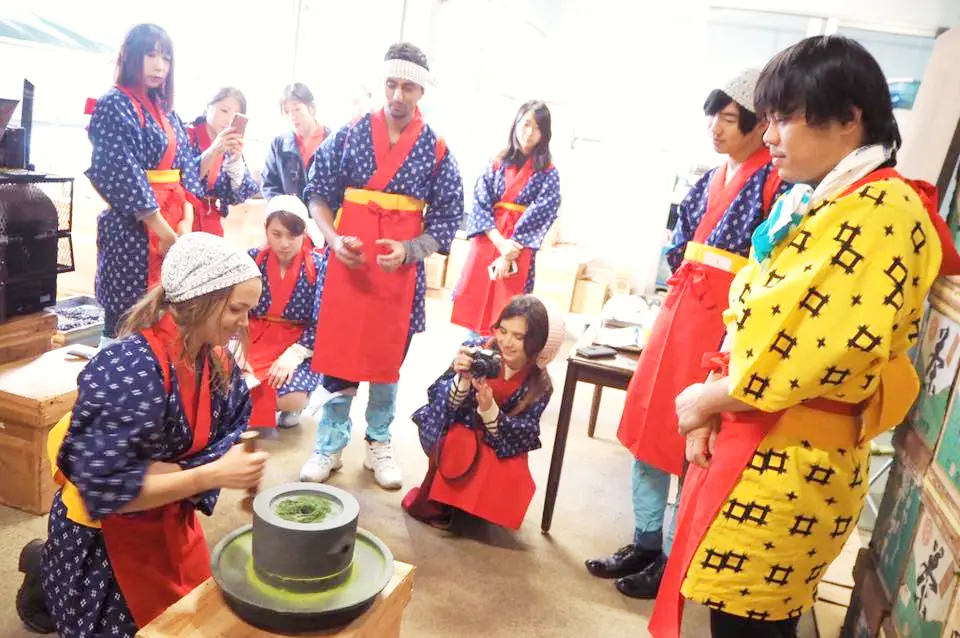
A tea farm in Sayama City where you can experience the culture of Japanese tea through activities such as tea picking. Located in one of the northernmost tea-producing areas in Japan, this region has long continued tea cultivation shaped by the ingenuity needed for a colder climate.
As the well-known saying goes, “Color from Shizuoka, aroma from Uji, and Sayama seals the deal with taste,” showing how tea here places more emphasis on flavor than on leaf appearance. Through hands-on tea picking and Japanese tea classes, you can learn about the background of the production methods and flavors. Experience the culture of Sayama tea and discover the depth of Japanese tea.
Experience Local Culture and Tradition Up Close
In Saitama, traditions known around the world, such as bonsai and dolls, have been passed down through generations. At museums and exhibition facilities, you can learn up close about their history, techniques, and the appeal of the works themselves. As you look at the pieces and discover the culture behind them, the depth of Saitama’s traditions comes into clearer view.
7. Saitama City Omiya Bonsai Art Museum (Saitama City)
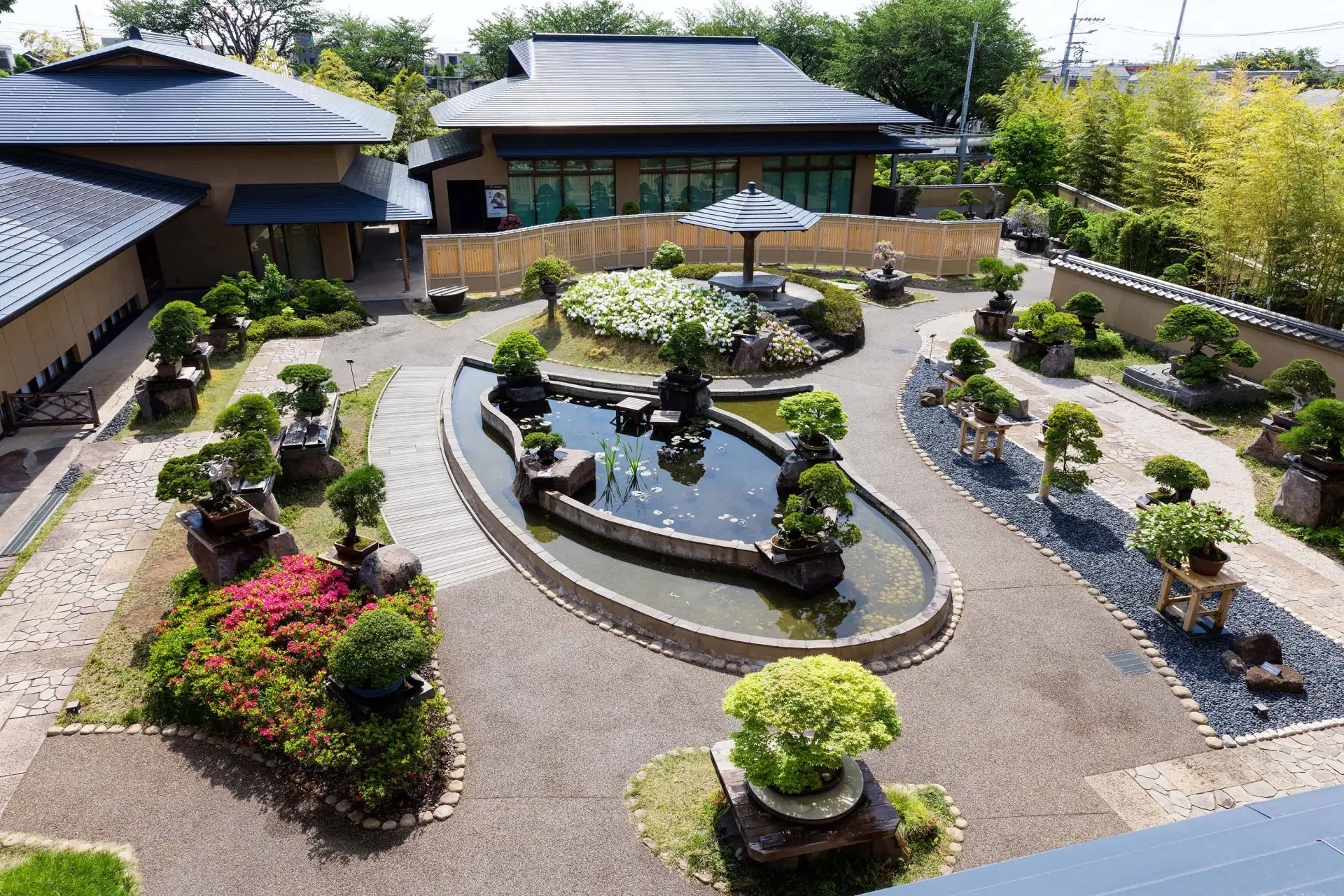
A museum dedicated to introducing bonsai culture. Through outstanding bonsai works and related materials, it presents Japan’s traditional horticultural culture in a systematic way.
Bonsai is an art form that aims to capture natural scenery within a flowerpot and express the form of large trees seen outdoors in a condensed form on a small scale. There are also displays of bonsai pots, viewing stones, and ukiyo-e prints, allowing you to learn about the broader world of bonsai culture. If you visit together with the adjacent Omiya Bonsai Village, you can experience the world of bonsai even more deeply.

8. Saitama City Iwatsuki Ningyo Museum (Saitama City)
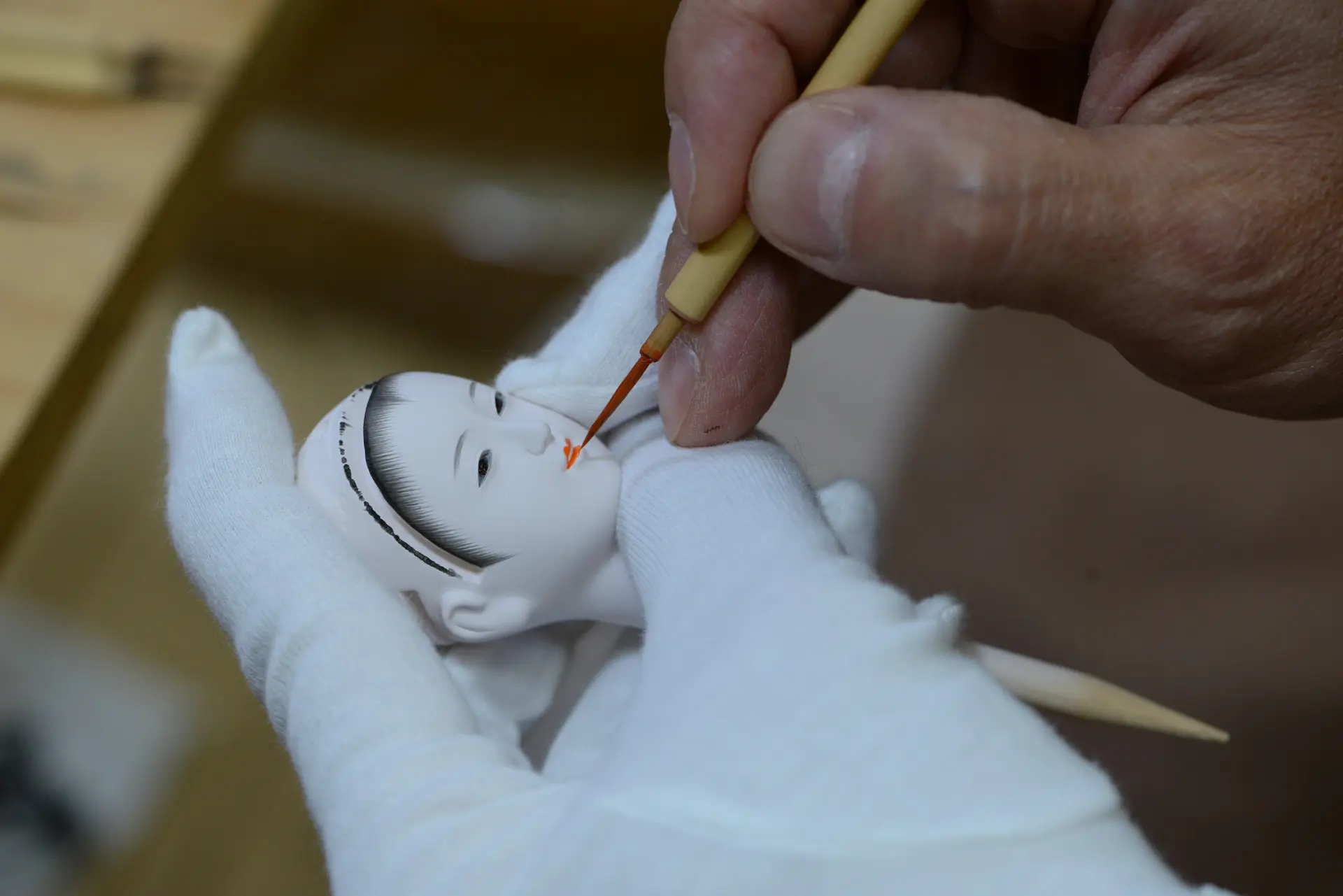
A museum in Iwatsuki, known as a town of dolls, that introduces the culture of Japanese dolls. Starting with hina dolls, a wide range of doll works and related materials are exhibited here.
The museum currently houses over 5,000 dolls across a wide range of genres and of high quality, and regularly holds special exhibitions. Displays of the production process and tools also allow visitors to learn about the techniques and history of doll making. Take your time and experience the depth of Japanese doll culture.
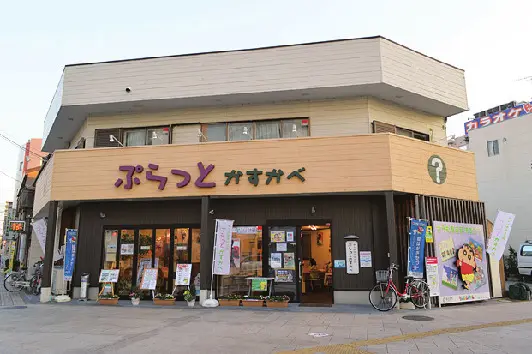
9. Kasukabe Information Center Plat Kasukabe (Kasukabe City)
An information center introducing tourism and local specialties in Kasukabe City. It displays items such as reproductions of original drawings of Crayon Shin-chan, the anime character that represents Kasukabe City. It also serves as a base where visitors can experience local culture and history, and as a starting point for walking around the city.
Inside, you will also find introductions to the city’s specialty products and sales of foods certified under the Kasukabe Food Selection, making it a convenient place to look for souvenirs. There is also an information counter for the Nikko Kaido Kasukabe-juku tour, so you can start here and head out on a walk tracing the history and culture of Kasukabe.
Summary
Saitama Prefecture is home to many traditions that have been passed down over the years, including washi papermaking, bonsai, and Japanese tea.
One of its attractions is the many places where you can do more than just watch, you can actually try them yourself. Making, tasting, and appreciating—by experiencing these traditions in different ways, the culture of the place feels much closer.
Stop by during your trip and discover the world of tradition still alive in Saitama.