
7 Hands-On Craft Experiences in Fukui: A Journey Through Traditional Crafts and Creative Spots
Echizen washi paper, Echizen pottery, Wakasa lacquered chopsticks, and Sabae eyewear. Fukui is home to a living culture of craftsmanship shaped over a long history.
At places like Echizen Washi Village, the Fukui Prefectural Ceramic Art Museum, and Chopsticks Village Hall WAKASA, you can experience the appeal of artisan techniques and materials up close. There is also the pleasure of visiting glass studios, art spaces, and walking through the city known for its glasses industry. A trip through Fukui becomes a chance to discover the warmth of handmade work and the depth of skilled craftsmanship.
Discover Fukui’s Traditional Crafts with a Long History
Traditional crafts handed down over generations are an essential part of Fukui’s craftsmanship story.
Techniques and culture rooted in each region, such as Echizen washi paper, Echizen pottery, and Wakasa lacquered chopsticks, are still being passed down today. Learning about the production process and background will likely change the way you see the crafts you use in everyday life. While experiencing the work of skilled artisans, take in the depth of these traditions.
1. Echizen Washi Village (Echizen City)
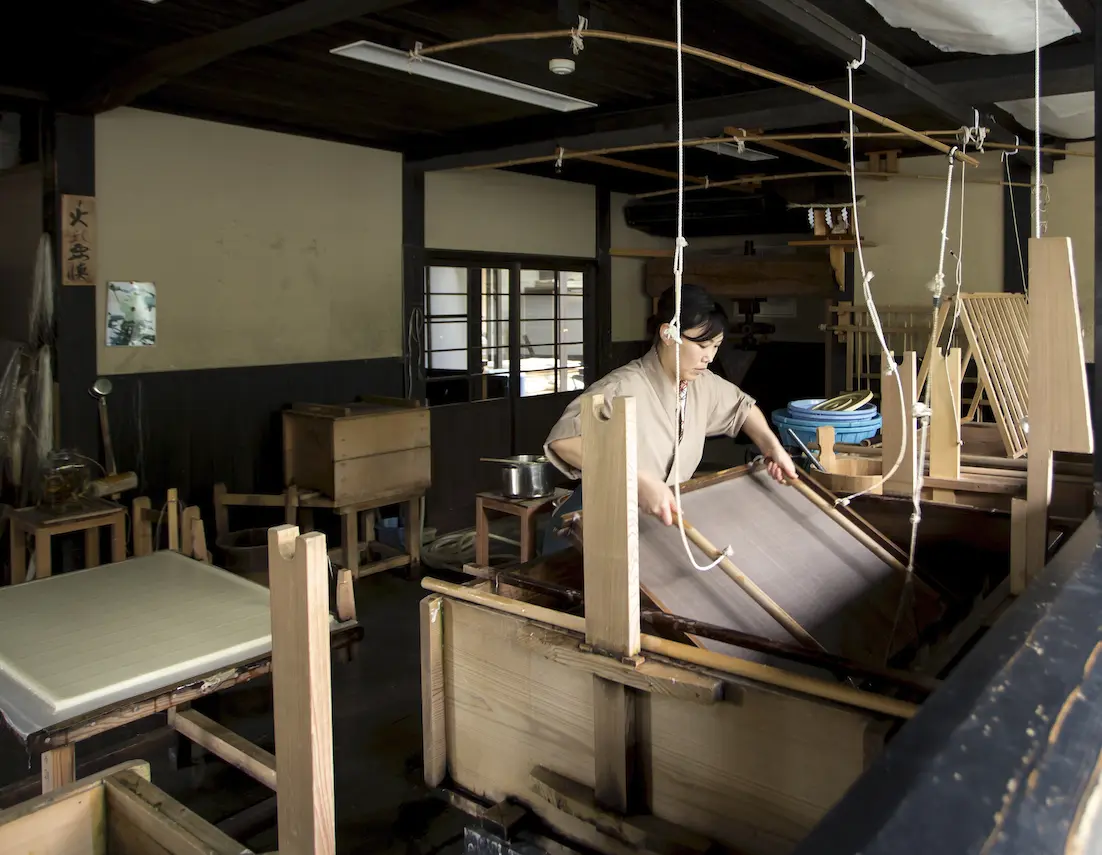
At Washi no Sato in the Imadate area of Echizen City, known as a production center for Echizen washi paper, you can explore its culture and techniques through papermaking experiences and exhibits.
At Udatsu Crafts Museum, a relocated and restored Edo-period papermaking house, you can observe traditional washi-making processes by artisans up close. You can take your time watching how washi is made using traditional tools.
At Papyrus House, papermaking workshops are also available, and you can enjoy creating pieces using pressed flowers and dyes. Learn about the history and culture of Echizen washi while experiencing the world of papermaking for yourself.

2. Fukui Prefectural Ceramic Art Museum (Echizen Town)
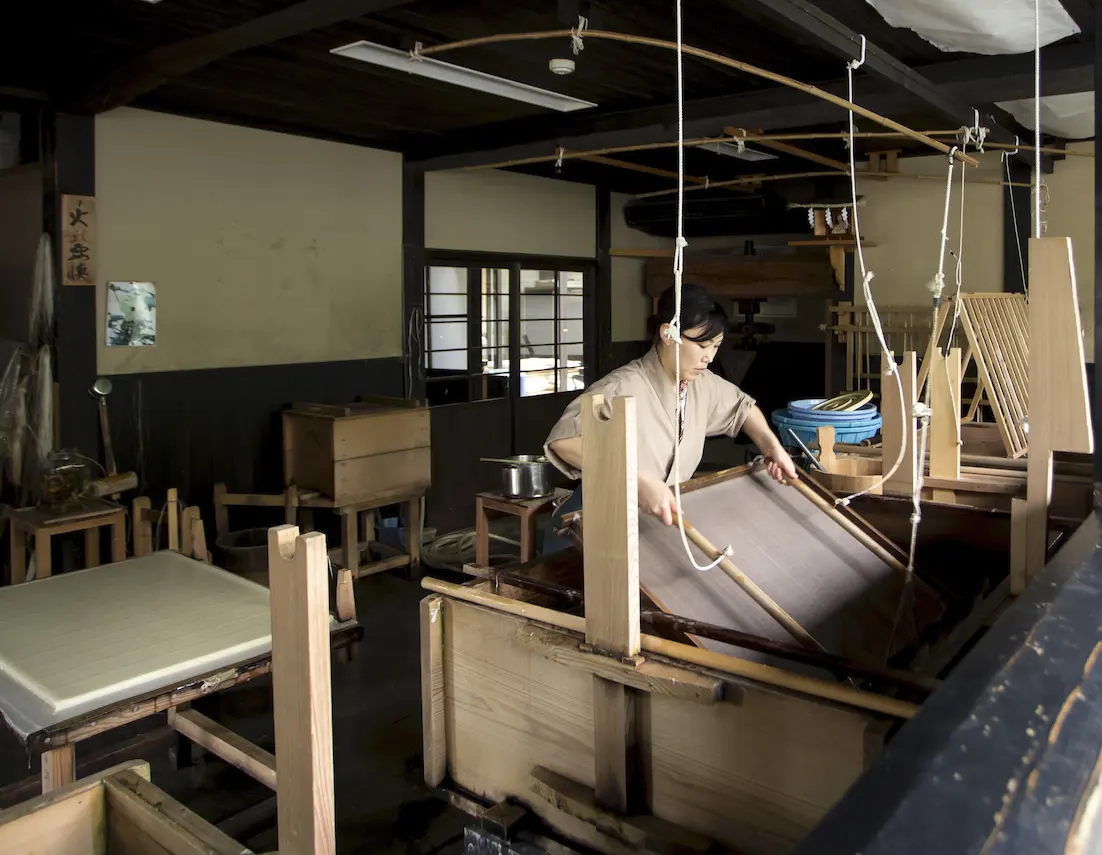
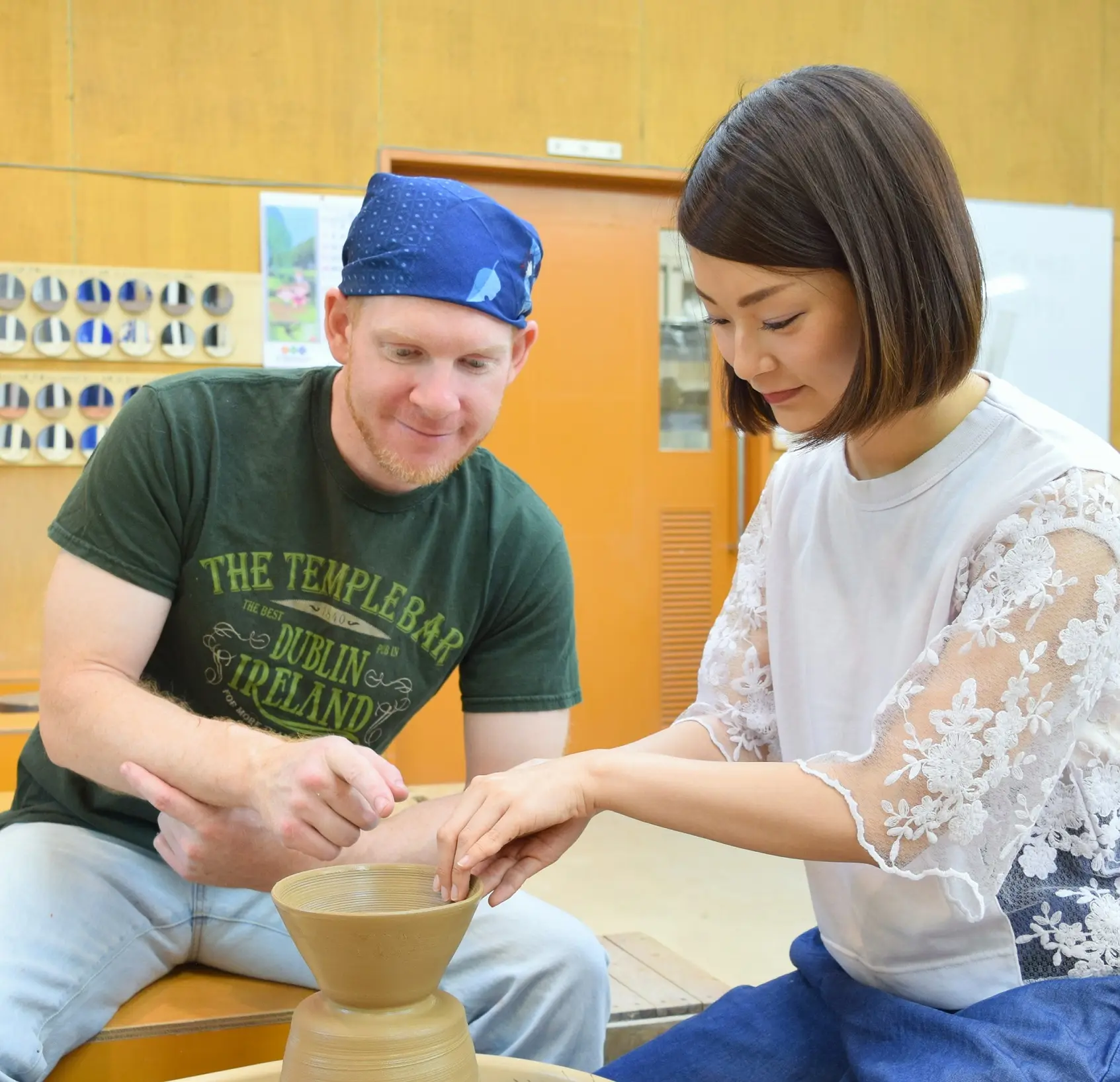
Echizen pottery is one of Japan’s Six Ancient Kilns, alongside Seto, Tanba, Bizen, Tokoname, and Shigaraki. The Fukui Prefectural Ceramic Art Museum in Echizen Town is a place where you can learn about and experience the history and appeal of Echizen pottery.
Inside, its history is introduced in an easy-to-understand way through artwork displays and kiln dioramas. In the pottery workshops, you can also try hand-building and painting, and take on the challenge of making your own vessel using Echizen clay. It is a chance to truly feel the appeal of craftsmanship.
3. Chopsticks Village Hall WAKASA (Obama City)
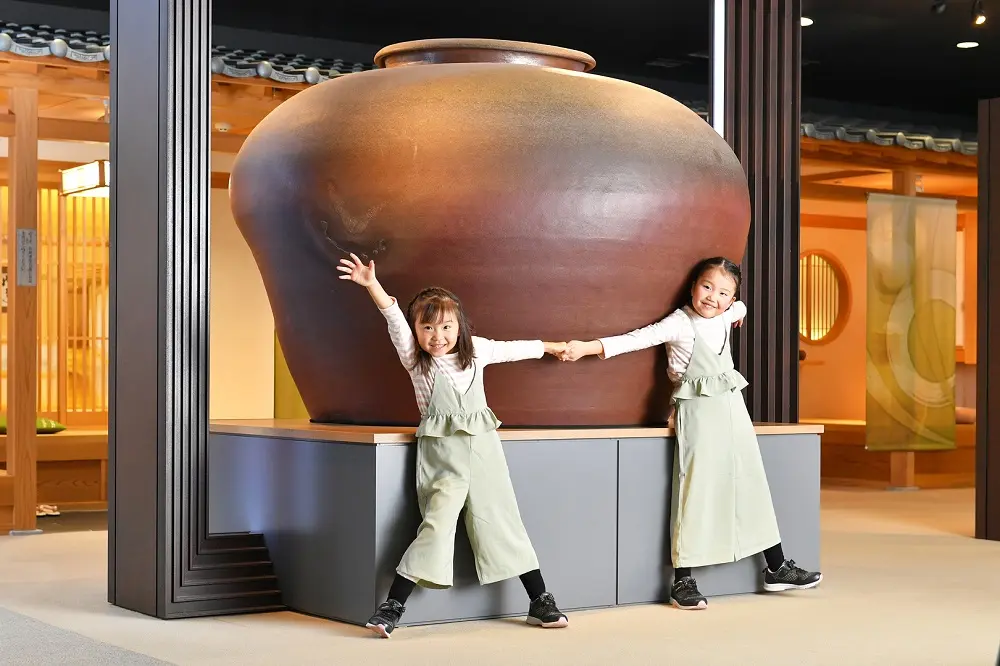
Wakasa lacquered chopsticks, a traditional craft born in the Wakasa region, are one of Fukui’s representative crafts and are said to account for most lacquered chopsticks made in Japan. The place where you can fully experience the charm of these Wakasa lacquered chopsticks, with a history of more than 400 years, is Chopsticks Village Hall WAKASA.
Inside, around 3,000 kinds of chopsticks are lined up, with a wide range on display and for sale, from traditional styles to colorful modern designs. There is also a polishing experience where you can try the process of polishing lacquer to reveal the pattern underneath. Through making your own one-of-a-kind chopsticks, discover the delicate techniques and beauty of Wakasa lacquered chopsticks.
Try Craft-Making at the Places Where It’s Created
In Fukui, you will also find facilities where you can experience not only traditional crafts but also contemporary craft and art-making.
Another draw is being able to enjoy creative experiences such as glasswork and pottery in a rich natural setting.
Visiting the places where makers work and spending time with the materials and techniques can become a memorable part of your trip.
4. Kanazu Forest of Creation (Awara City)
Kanazu Forest of Creation in Awara City is a cultural complex with art facilities and studios scattered across expansive natural grounds.
For pottery, you can choose your preferred method from hand-building, painting, and the potter’s wheel, while glass workshops let you try activities such as glassblowing and sandblasting. The museum regularly hosts special exhibitions, and the studios offer hands-on experiences in pottery, glass crafts, and bamboo craft.
Across the Approx. 20-hectare forest, sculptures are also placed throughout the grounds, so you can enjoy time with art while taking a walk. Take your time enjoying this space where nature and creativity come together.
5. Watari Glass Studio (Fukui City)
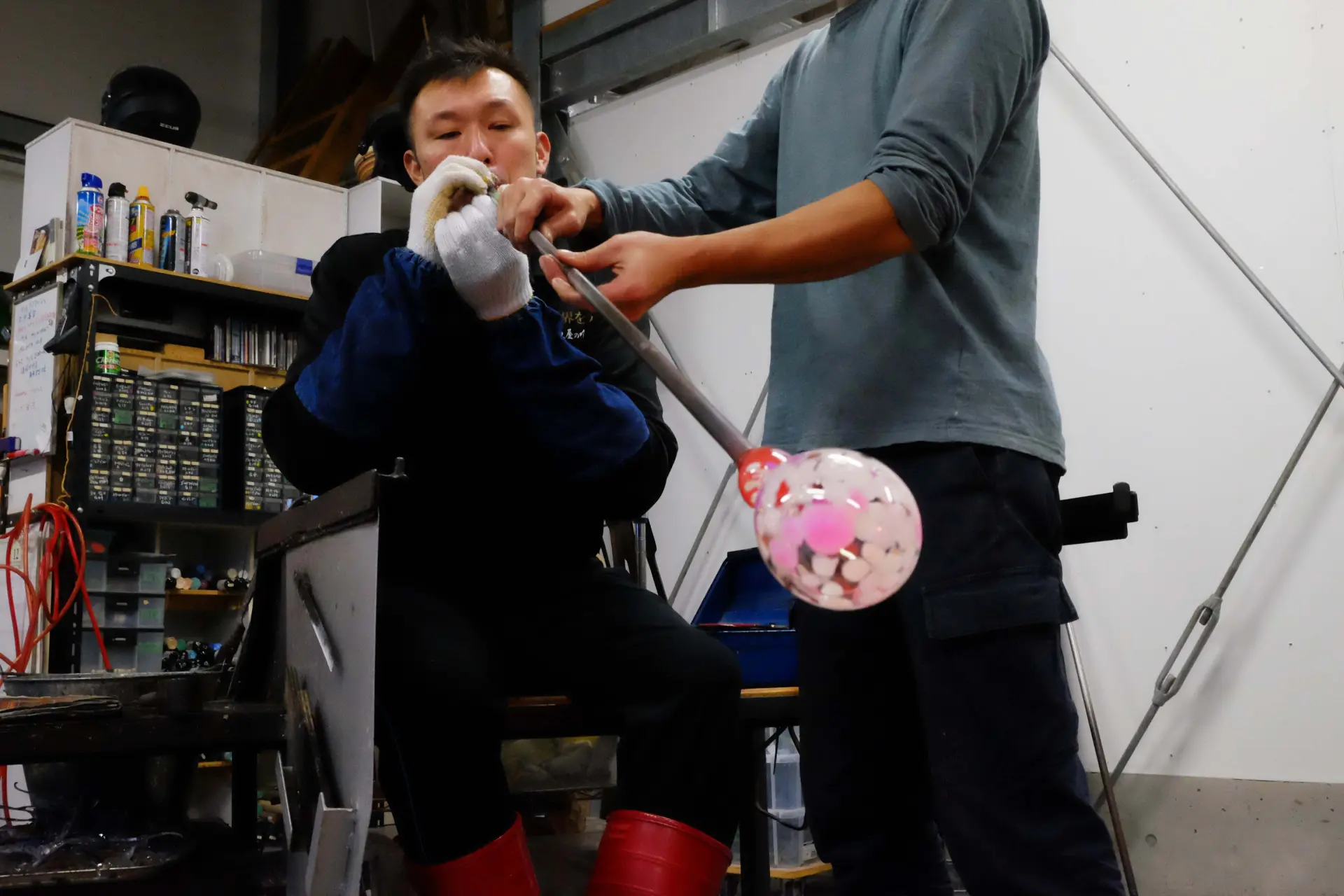
Watari Glass Studio is a glass workshop located along the Echizen Coast. In a setting overlooking the sea and sky, handmade glass works are created here.
The studio offers workshops including glassblowing as well as glass stamp-making, photo frames, and mini plates. In the glassblowing experience, you can try the process of blowing into molten glass to shape it. The shop displays and sells a wide range of works, including plates, sake cups, flower vases, and wind chimes. Pieces inspired by the sea, such as moon jellyfish and turban shells, are also on display.
Enjoy the fun of glassmaking together with the scenery of the Echizen Coast.
Walk Through the City of a World-Leading Eyewear Industry
Fukui Prefecture is known as a major production area responsible for most of Japan’s eyeglass frame manufacturing. Sabae City in particular is the center of an eyewear industry recognized worldwide for its quality and technology. You can also enjoy a trip that lets you learn its history and discover this culture of craftsmanship while walking through the city.
6. Megane Museum (Sabae City)
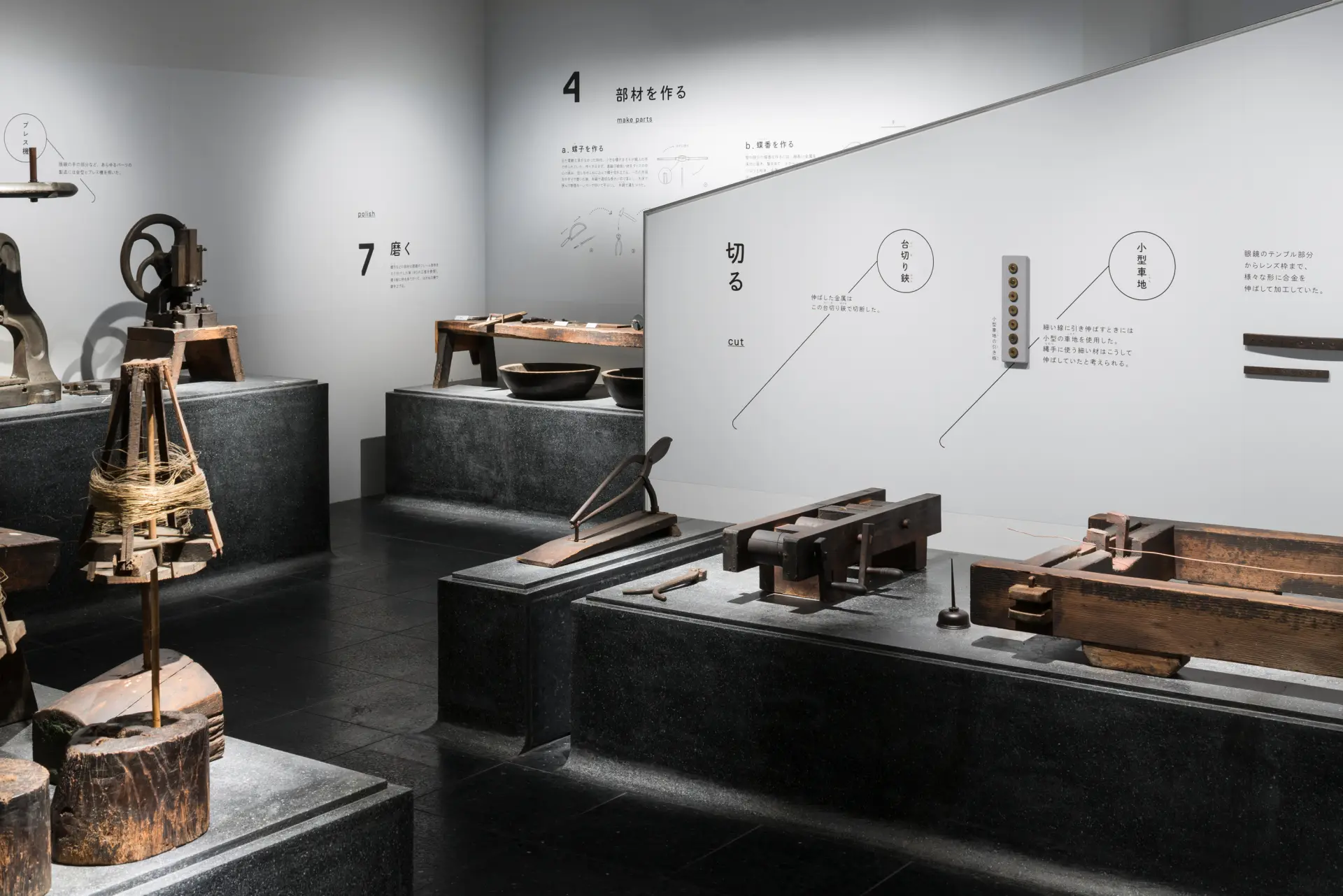
Fukui Prefecture is famous as a production area for eyeglasses. Sabae City in particular is known around the world for its advanced techniques and high quality.
The Megane Museum is a facility that introduces the history and technology of eyeglass-making in Sabae City. Through exhibits and hands-on experiences, you can discover the appeal of Fukui’s eyewear industry. At the workshop, you can also try making your own original frame by carving it from plastic frame material. You can also purchase eyeglass frames made in Fukui Prefecture at the shop attached to the museum.
It is a spot where you can fully enjoy the appeal of Sabae, a city of craftsmanship.
7. Megane Street (Sabae City)
Sabae City takes pride in its eyewear-related industries. To showcase this identity more strongly, the city has promoted the Megane Land concept.
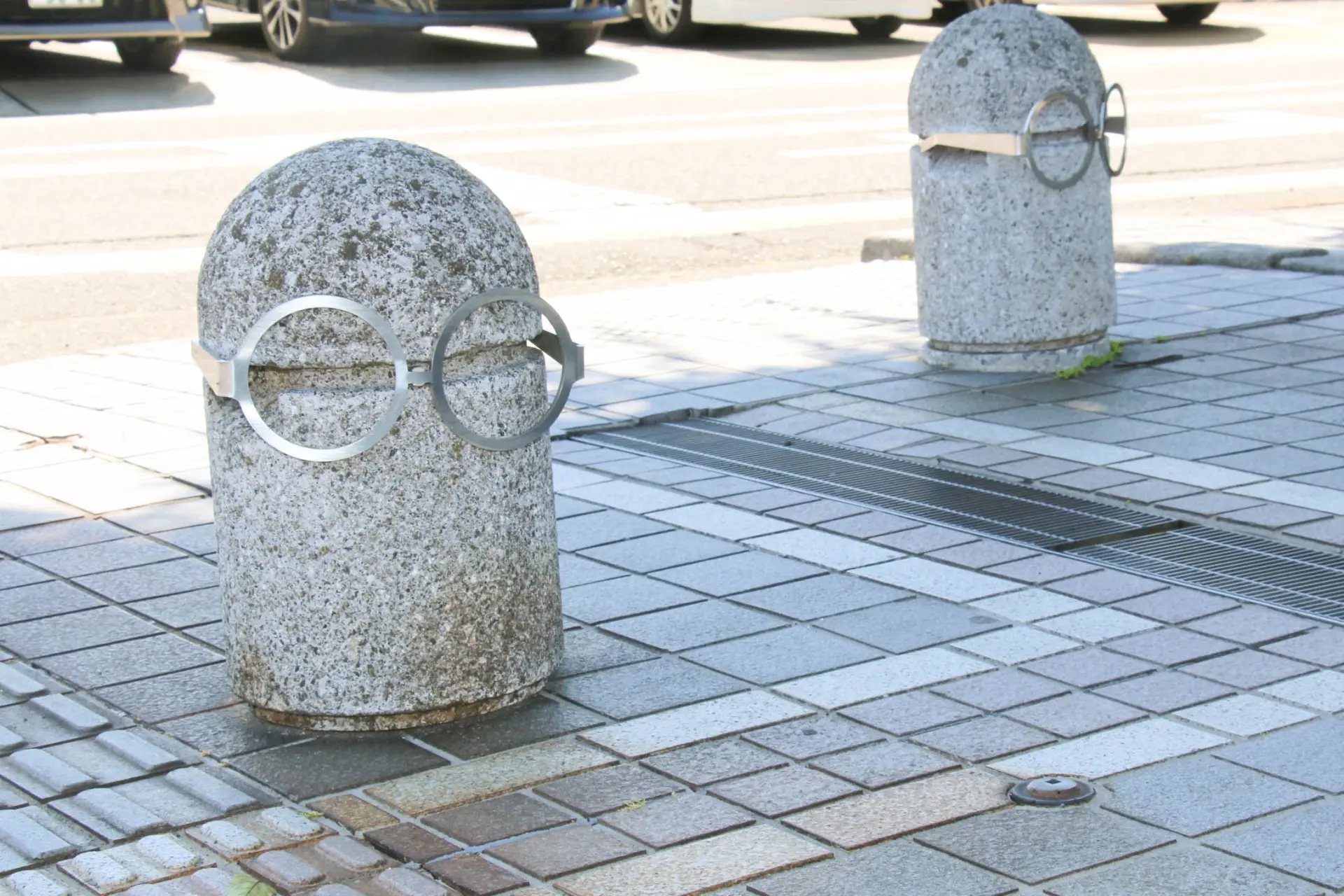
Around Sabae Station, there is a unique walking spot themed around glasses called Megane Street, centered on the route from the station to the Megane Museum, with all kinds of playful features along the way.
From projection lights in the underpass to glasses-themed benches and manhole covers, eyewear-inspired designs can be found throughout the area.
Take a walk and enjoy the unique scenery found only in Sabae, the city of glasses.
Summary
In Fukui, a wide variety of craftsmanship culture is alive and well, from traditional crafts such as Echizen washi paper, Echizen pottery, and Wakasa lacquered chopsticks to glass studios, art facilities, and the globally renowned eyewear industry.
By visiting production sites and experiencing the techniques for yourself, you will be able to feel that depth more closely.
If you are traveling in Fukui, be sure to also turn your attention to the world of handcrafts rooted in the region.