
9 Spectacular Views Shaped by Nature and People: Scenic Landscapes in Mie
Waves carving the coastline, ancient trails crossing the mountains, and landscapes shaped over time by human life. Mie is dotted with sweeping scenery that fills your view.
From Onigajo and Maruyama Senmaida to Yokoyama Observatory, each landscape reflects a unique blend of landforms, history, and daily life. Another highlight is the variety of views across the sea, mountains, and countryside. Walk, look up, and take in the depth and scale of the scenery around you.
Walk Through Distinctive Landforms Created by Nature
Landforms shaped by the power of nature reveal their true impact when you walk through them.
Rock walls, massive boulders, and mountain paths each suggest the passage of a different kind of time. With every step, the view shifts, and the scale of the scenery gradually begins to sink in.
1. Onigajo (Kumano City)
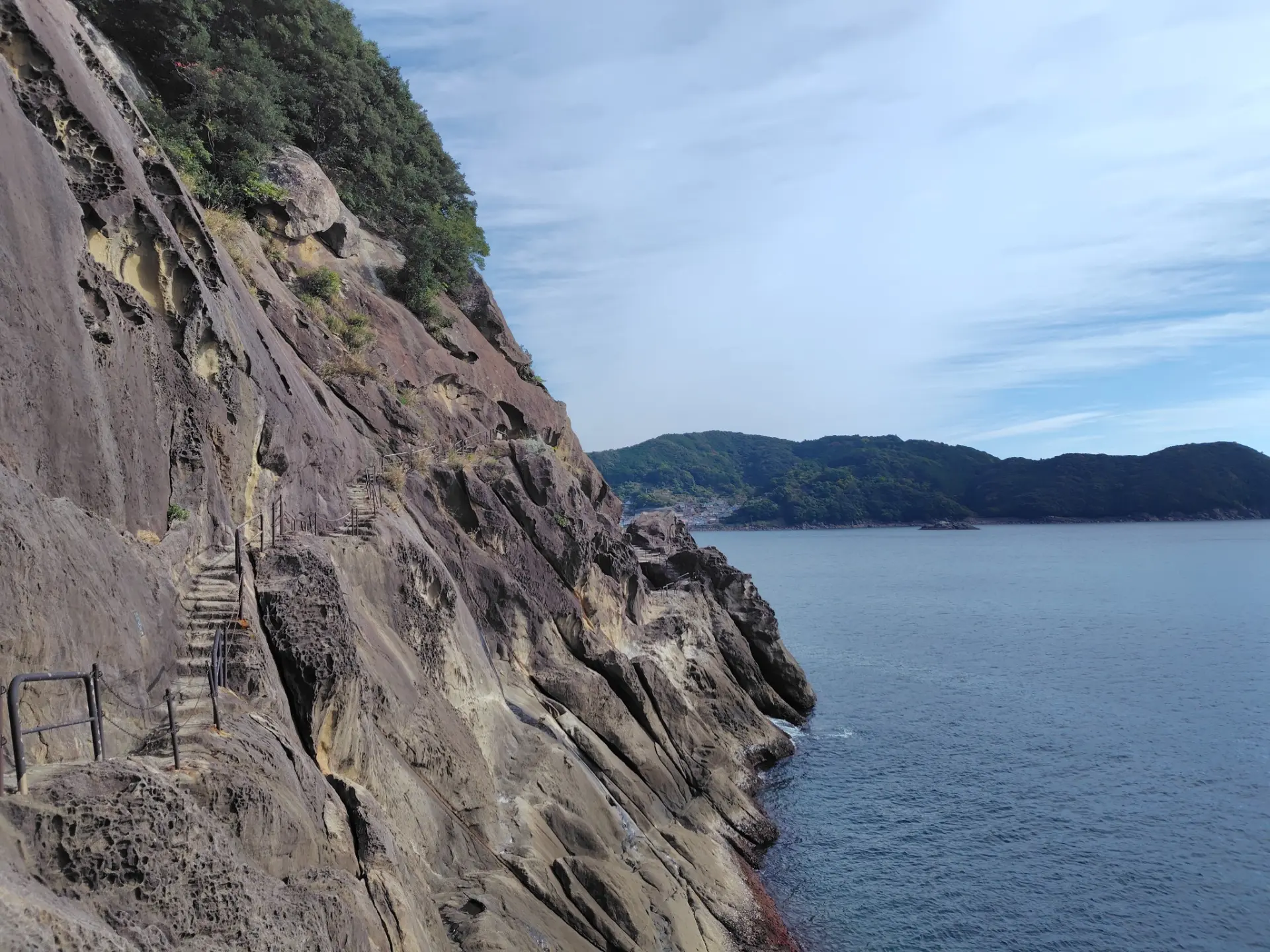
This scenic spot lets you experience its scale as you walk along massive rock walls by the sea. Formed by earthquakes and wave erosion, the rock walls stretch for approx. 1.2 km, creating a rugged landscape.
A walking path runs along the cliffs, giving you an up-close look at scattered caves and unusual rock formations. The route is full of variety, with rocky caverns appearing one after another and revealing different views as you go.
Be sure to take in the view from the top as well, where you can appreciate the three-dimensional landforms.
2. Hana no Iwaya Shrine (Kumano City)
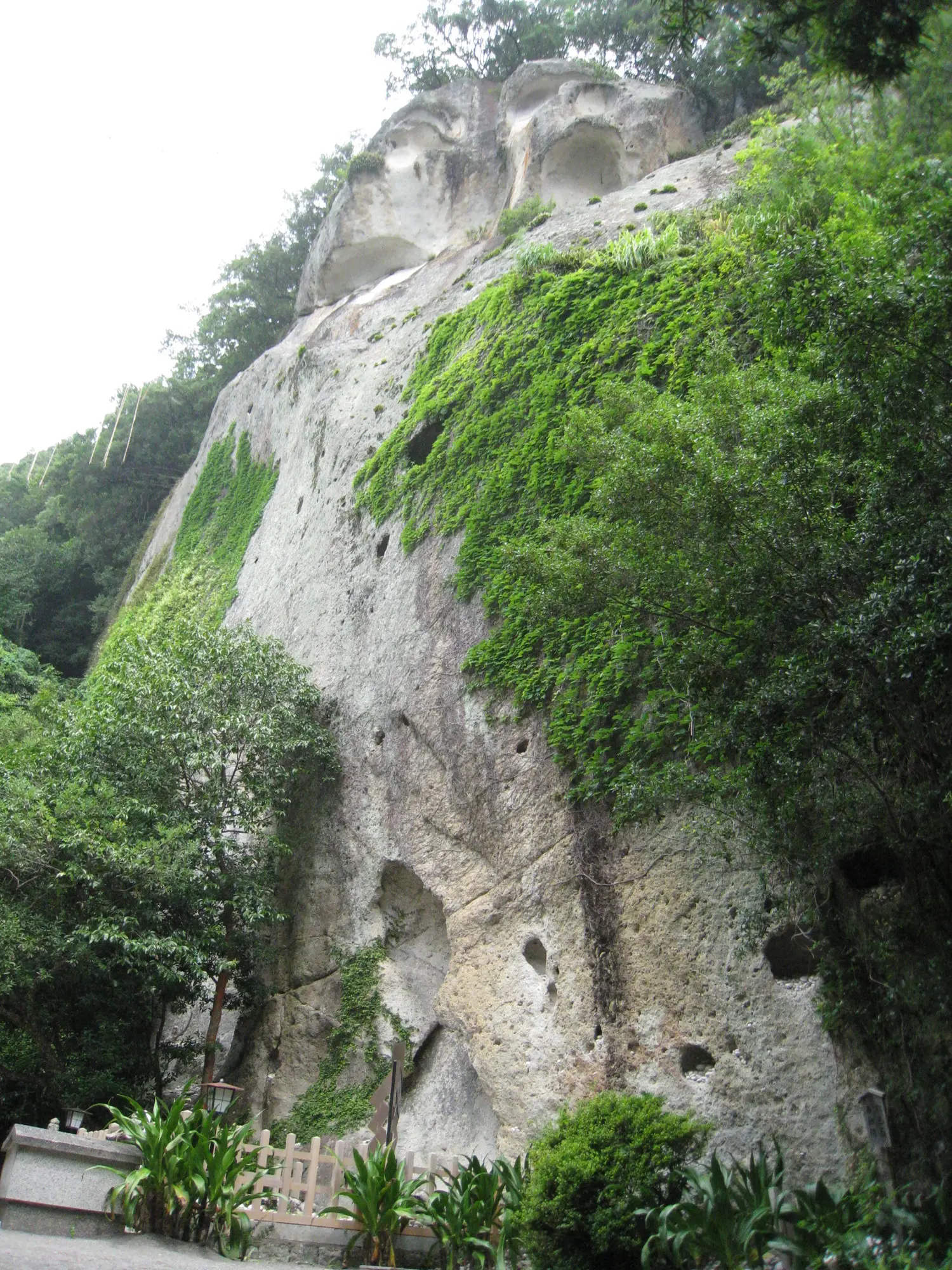
Hana no Iwaya Shrine enshrines a massive rock facing the sea as its sacred object. The space directly connects nature and faith, creating a distinctive sense of tension.
Since ancient times, the shrine has had no main hall, and its defining feature is a sacred rock facing the Kumano-nada Sea that rises approx. 45 m high. When you look up, the rock’s powerful presence stands out as it rises before you, leaving a lasting impression together with the surrounding scenery.
Walk through the area while taking in the scale of the sea and the rock.
3. Magose Pass on the Iseji Route of the Kumano Kodo (Kihoku Town to Owase City)
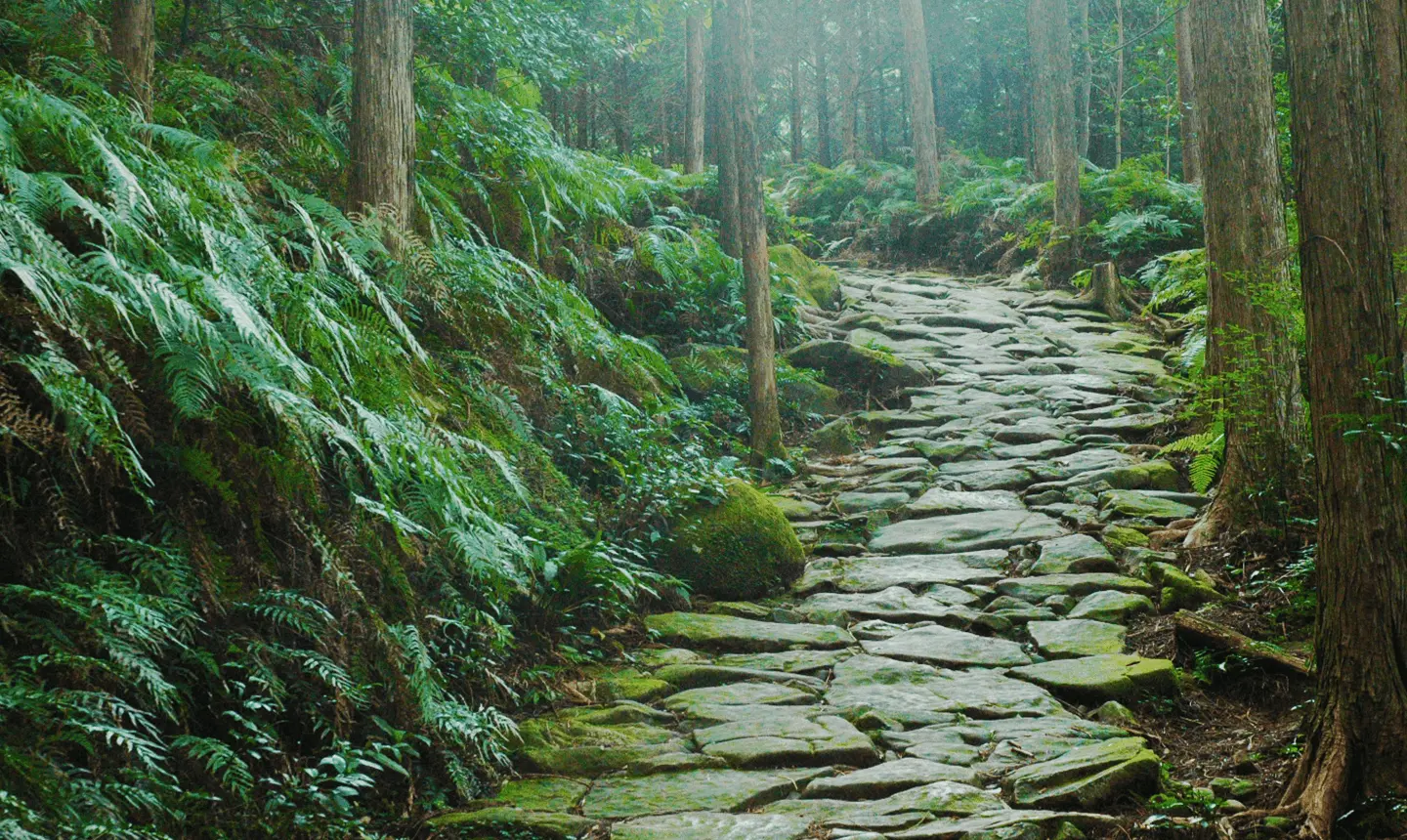
Magose Pass on the Iseji Route of the Kumano Kodo lets you feel the presence of history and nature as you follow its stone-paved path. The stone paving continues beautifully through stately Owase cypress trees, and sights along the way, such as the Yonaki Jizo, give the route the atmosphere typical of the Kumano Kodo.
Starting from the roadside station Miyama and crossing the pass, you will find an observation point with views over Owase City. If you continue on to Mt. Tengukura, a sweeping 360-degree panorama opens up.
With each step, the scenery and air change, leaving the path itself in your memory as a landscape.
Take in Expansive Landscapes Shaped by Human Life
Landscapes shaped by human hands carry a sense of time built up over generations.
Rice terraces, industrial districts, and observation spots reveal their breadth more clearly when viewed from a slight distance.
These are views that naturally invite you to enjoy looking out across them.
4. Maruyama Senmaida (Kumano City)
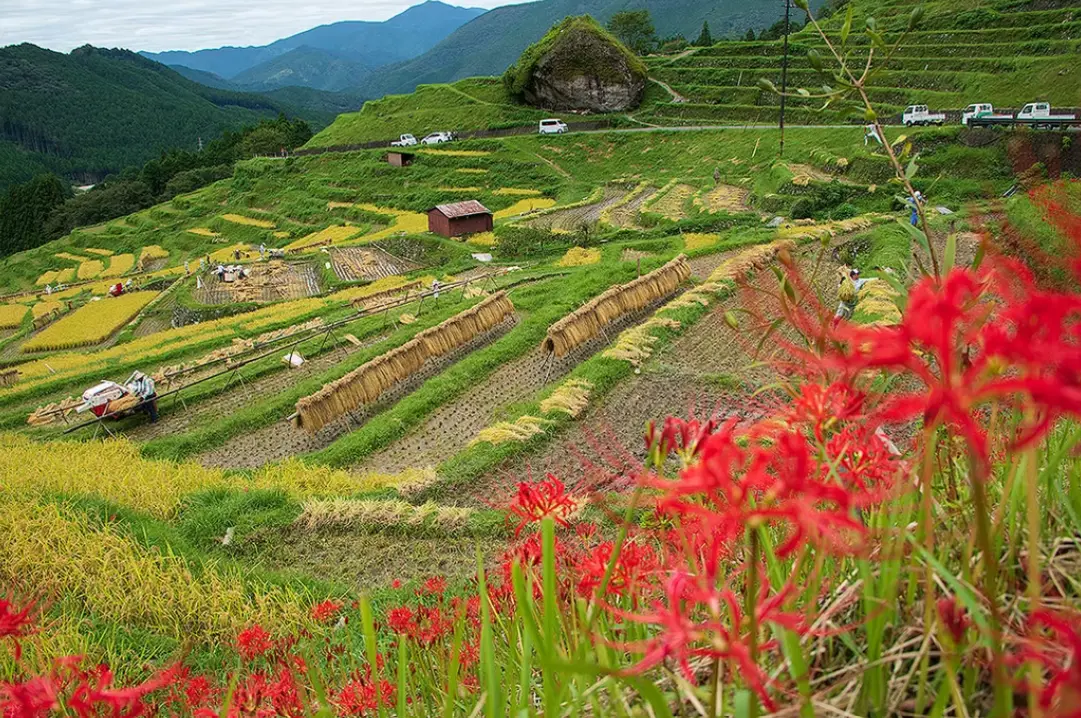
Maruyama Senmaida is a landscape of terraced rice fields stretching across a mountain slope. The curving rows of paddies reflect the landform and human handiwork just as they are.
Approx. 1,300 terraced rice fields line the slopes of the valley, preserving the beauty of a uniquely Japanese farming culture that has remained unchanged for over 400 years. The small plots connect one after another, and the farther away you view them from, the more their number and density stand out. As your gaze moves across the area, the layers of terraces seem to rise across the entire slope.
5. Yokkaichi Factory Night View (Yokkaichi City)
The Yokkaichi Factory Night View offers a sense of scale created by light. The lights illuminating the petrochemical complex give the nighttime scenery a distinctive depth.
Because visitors can enjoy a fantastical scene that feels like a futuristic city or a science fiction film, it attracts travelers from Japan and abroad as a “sacred place for factory night views.” When viewed from different angles, you can also notice differences in the density and arrangement of the lights. Comparing the view from several perspectives is part of the fun.

6. Yokoyama Observatory (Shima City)
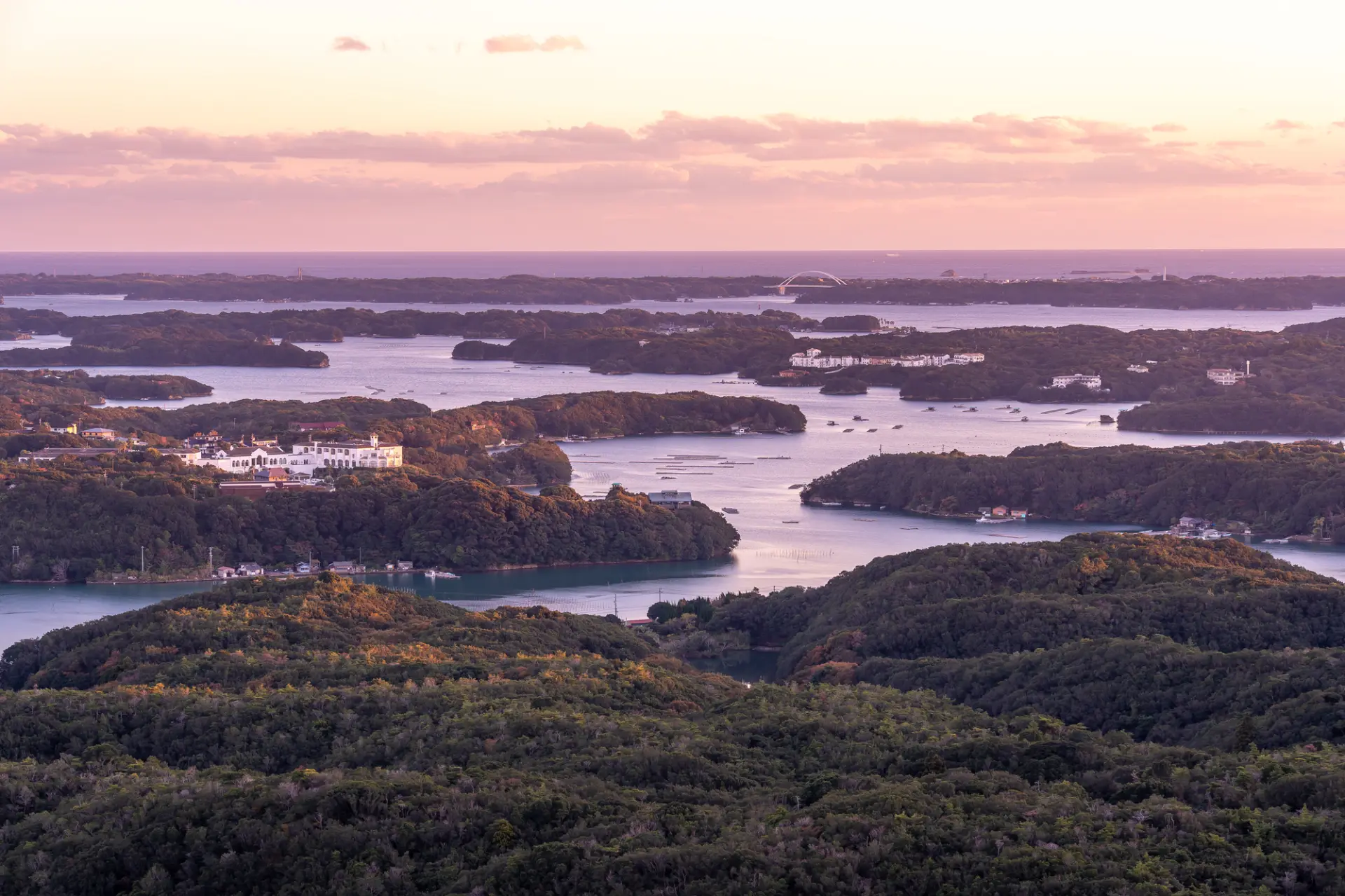
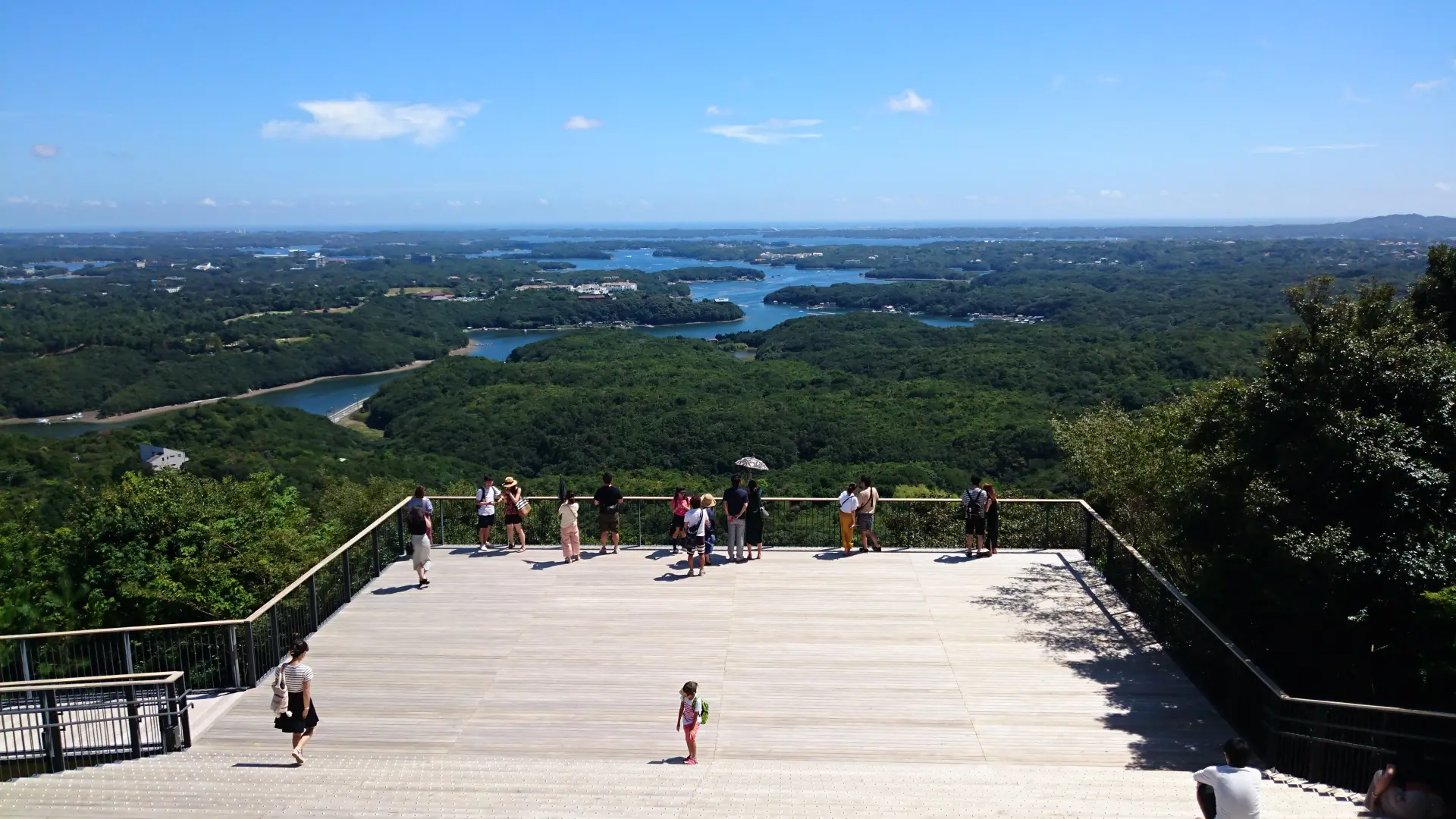
Yokoyama Observatory is a viewpoint overlooking the Ise-Shima coastline from a hilltop. Located on Mt. Yokoyama at an elevation of 140 m, the observatory offers views of a beautiful coastline dotted with 60 islands of various sizes.
On the observation terrace, there is also a shop where you can get drinks and food to go, making it easy to relax while taking in the layered scenery of the intricate sea and islands. Walking paths have also been developed nearby, so you can enjoy hiking and trekking along the mountain trails. Move between the viewpoints and the paths, and experience the breadth of the scenery.
Enjoy the Scenery Where the Sea Meets the Land
Landscapes that convey a sense of openness often gather along the boundary between sea and land.
Islands in the bay, lighthouses on capes, and island villages each offer scenery on a different scale. This is an area to explore while enjoying the moments when the view opens wide.
7. Ago Bay (Shima City)
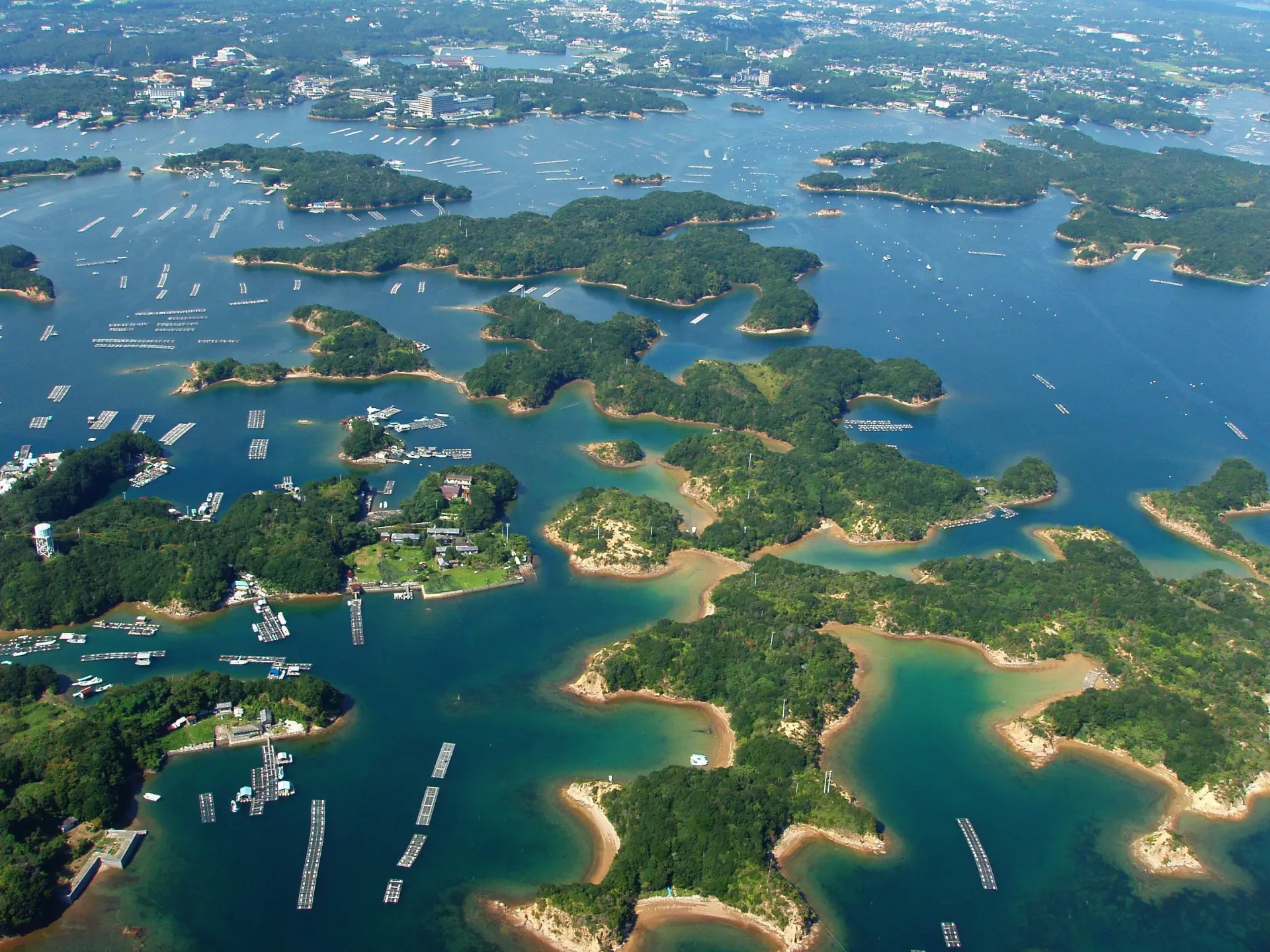
Ago Bay includes Kashikojima, the venue of the Ise-Shima Summit, as well as islands connected to Honshu by bridges. Known as a ria coast, the bay is dotted with 60 islands of various sizes.
In addition to convenient access, hotels overlooking the bay are scattered throughout the area, making it easy to enjoy the scenery during your stay. Viewed from higher ground, the distinctive breadth of layered islands stands out, and the bay leaves a different impression from place to place.
8. Daiozaki Lighthouse (Shima City)
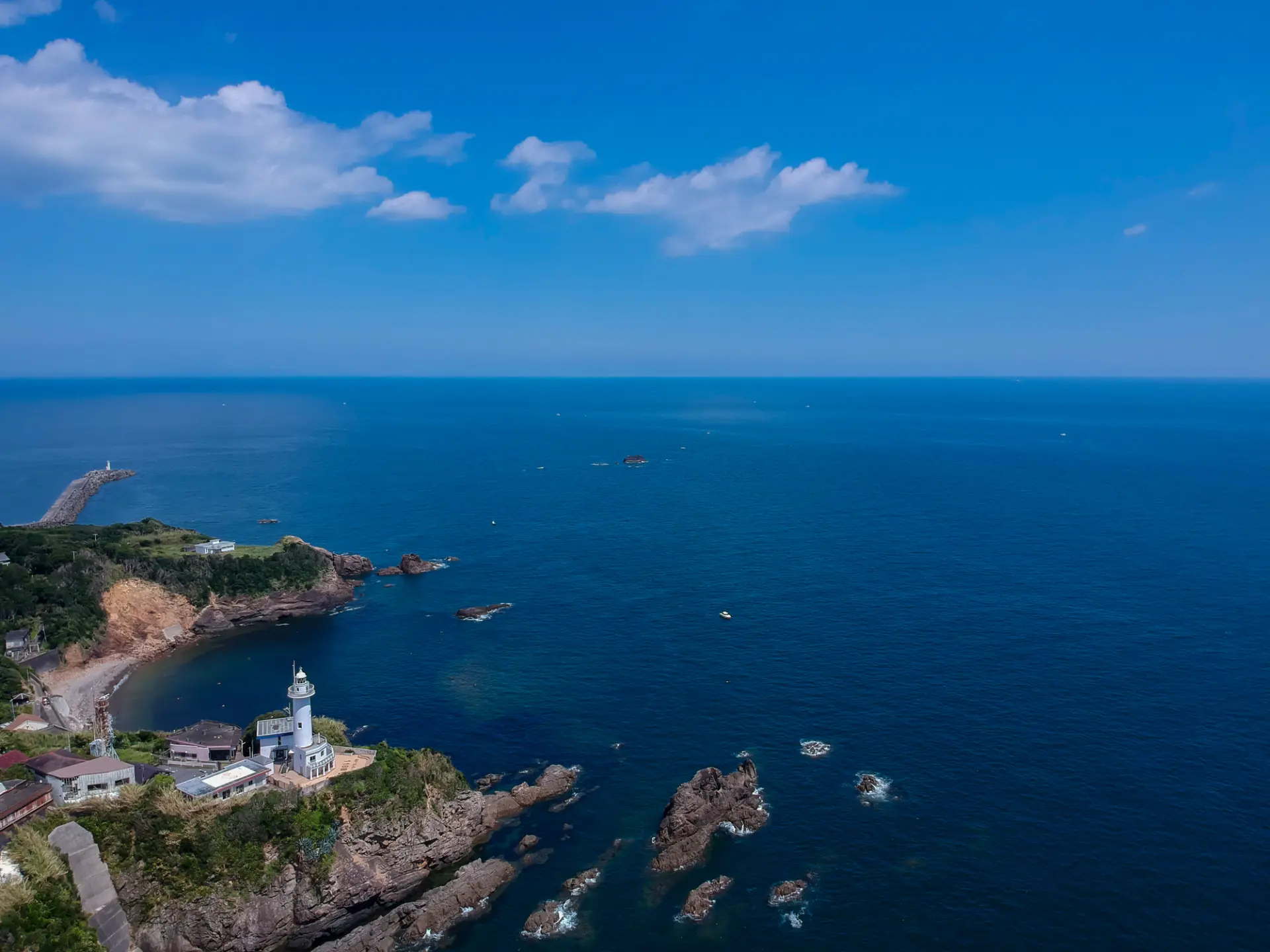
Daiozaki Lighthouse is memorable for its white tower standing at the tip of a cape and the expanse of sea around it. Its location jutting out into the ocean gives the area a sense of openness.
Climb the stairs to the top, and a 360-degree panorama opens up, with views of Yonegohama Beach and Mugisaki Lighthouse to the southwest and Anorisaki Lighthouse to the north. With nothing blocking your view, you can feel the sea and sky stretching seamlessly together. From the lighthouse on the cape, look out over the scenery that continues as far as the eye can see.
9. Kamishima (Toba City)
Kamishima has long been believed to be an island ruled by the gods. It is also known as the setting of Yukio Mishima’s pure love novel The Sound of Waves and has served as a filming location.
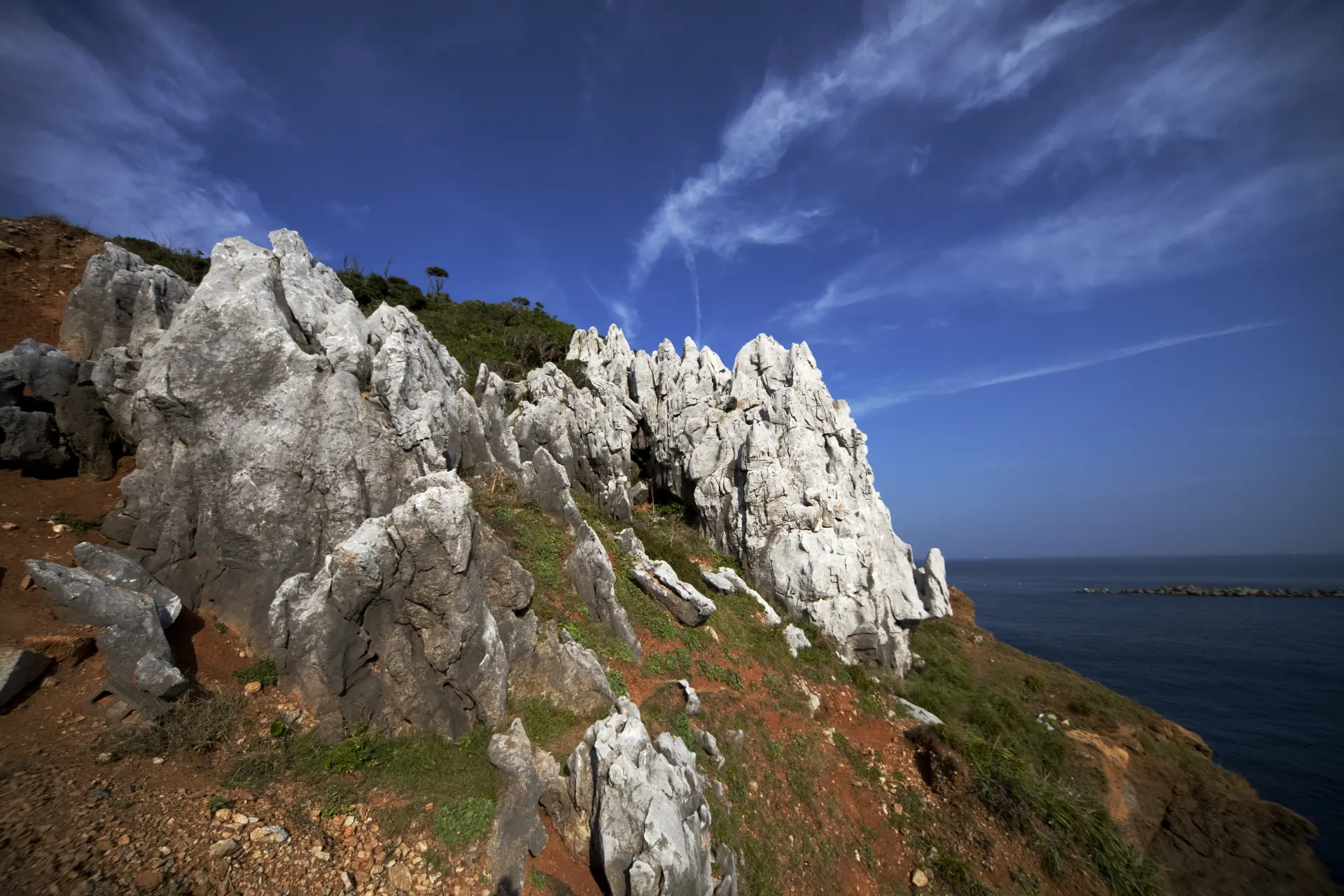
Because the entire island is mountainous, houses line up in tiers from the port, creating a landscape unique to the island. At the southern end of the island, karst terrain spreads out, and Niwa no Hama, with its white, rugged rock surfaces formed by weathered limestone, presents a distinctive landscape.
Summary
Mie offers a rich collection of expansive landscapes shaped by both natural forms and human life.
From rock walls and ancient trails to terraced rice fields and bays, each place has its own sense of scale and breadth.
As you explore from different perspectives, you are sure to discover new expressions even in the same location. Find a view that catches your eye, then experience it for yourself in person.