
Visit Japan’s No. 1 Cherry Region! A Sagae Travel Guide for Food, History, and Scenic Views
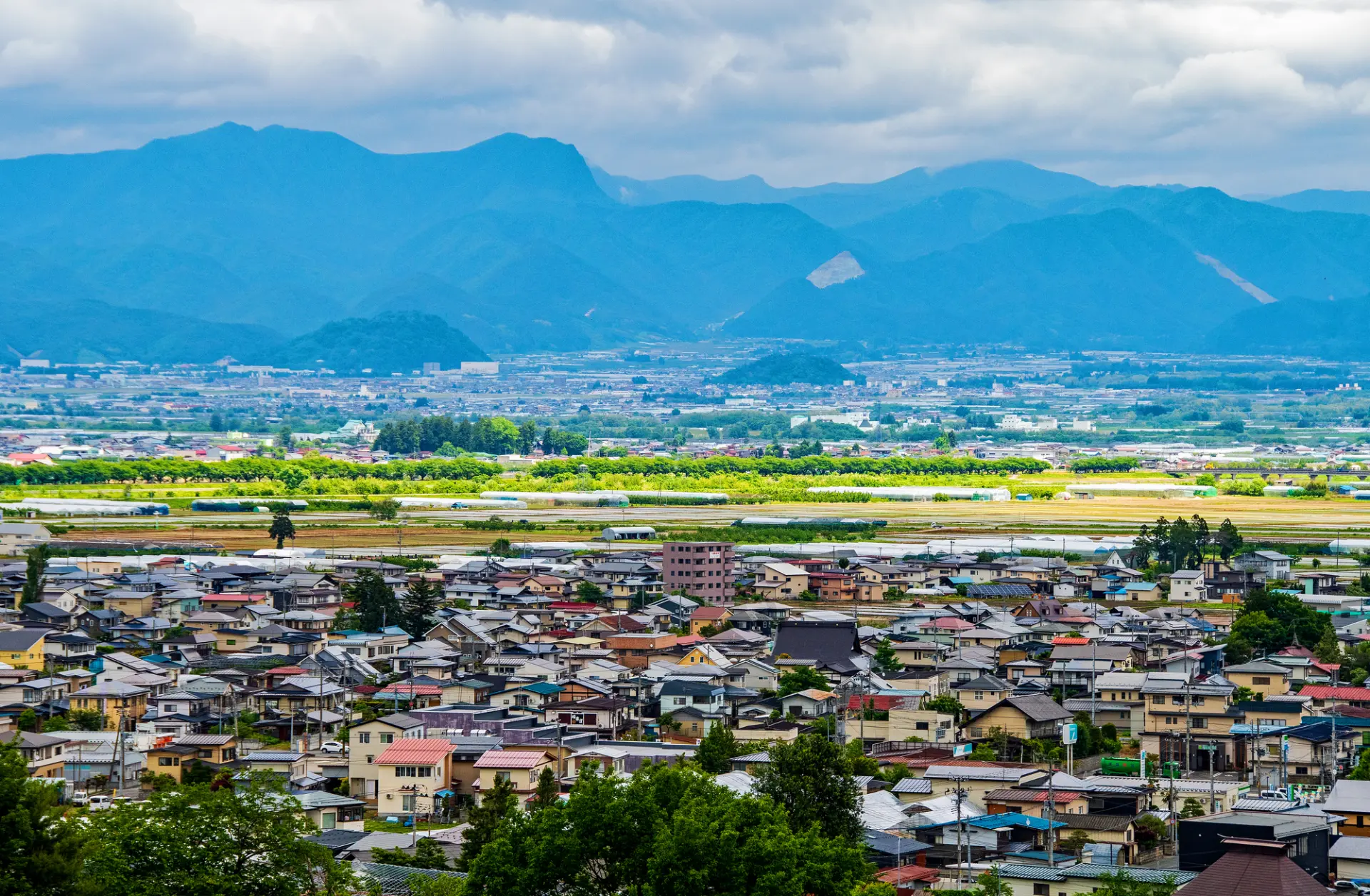
Located near the center of Yamagata Prefecture, Sagae is a scenic area blessed with abundant nature.
Its beautiful landscapes change vividly with the seasons, and the city offers a well-balanced mix of nature, history, and local cuisine.
It is especially known as a cherry-producing region and is called “Japan’s No. 1 Cherry Region.”
This article introduces how to enjoy Sagae, along with its popular sightseeing spots and accommodations.
Use it as a guide to make the most of your first visit.
What is Sagae Like?
Located near the center of Yamagata Prefecture, Sagae is a scenic city embraced by the Mogami River and the Sagae River.
The urban area spreads across an alluvial fan formed by these two major rivers, with Zao to the east, Mt. Gassan to the west, the Asahi Mountain Range to the south, and Mt. Hayama to the north.
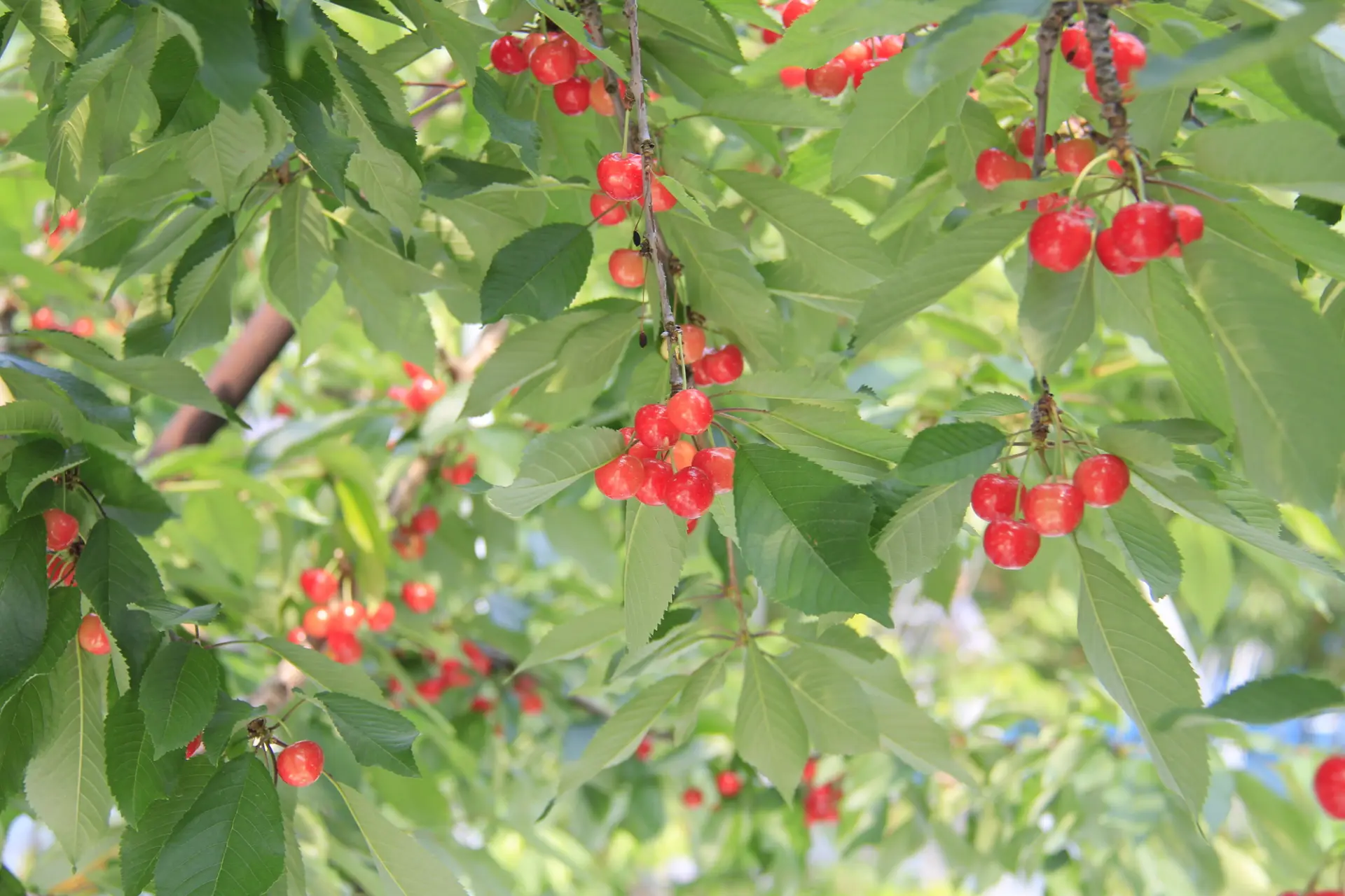
Its basin terrain and the temperature differences created by the inland climate are well suited to growing agricultural products, especially cherries, making it known as “Japan’s No. 1 Cherry Region.”
There are Approx. 300 tourist cherry orchards in the city, and in early summer, many visitors come from both inside and outside the prefecture for freshly picked sweet fruit.
Fruit picking can be enjoyed year-round, including strawberries, blueberries, grapes, persimmons, and apples, which is another experience unique to Sagae.
The city also has plenty to see, from shrines and temples that preserve centuries of history and tradition to free-flowing Sagae Onsen hot springs and local cuisine.
With a good balance of sightseeing, food culture, and hands-on experiences, Sagae offers distinctive depth that never feels repetitive.
Access to Sagae
The main base for sightseeing in Sagae is Sagae Station on the JR Aterazawa Line.
Located in the city center, this convenient local station offers easy access to major spots.
Below is a table summarizing routes to Sagae Station from Yamagata Airport and Yamagata Station, the main gateways to Yamagata.
Although service is limited to one to three flights per day, you can also reach Sagae via Yamagata Airport from Haneda, Itami, Komaki, and New Chitose airports, adding Approx. 1 hour.
| Starting Point | Route | Travel Time |
|---|---|---|
| Yamagata Airport |
From JR Yamagata Station, take the JR Aterazawa Line bound for Sagae, get off at Sagae Station, and arrive *Please note that trains run Approx. once per hour; if the timing does not work, taking a bus is also an option (Approx. 55 minutes) |
Approx. 30 minutes |
| Yamagata Station | From Yamagata Airport, take a taxi or Airport Liner (advance reservation required by 5:00 pm the day before), get off at Sagae Station or your desired destination, and arrive | Approx. 30 minutes |
Main Transportation Options for Sightseeing in Sagae
The main way to get around Sagae for sightseeing is by rental car.
Sightseeing spots are relatively compact, but many visitors choose a rental car because it is the most convenient way to travel freely and efficiently.
Another benefit is that you can move around in your own private space without worrying about timetables.
If using public transportation, the JR Aterazawa Line and local buses are the main options, but services are limited, so checking schedules in advance is recommended.
For a stress-free trip, it helps to choose your transportation by destination: walk around the Sagae Station area, and take a taxi when heading to the suburbs.
What Is the Best Season to Visit Sagae?
How you enjoy Sagae changes with the season, so the best time to visit depends on your purpose.
Spring brings cherry blossoms and azaleas, fall offers autumn leaves and fruit picking, and winter features snowy scenery and hot springs, letting you feel each season directly.
Among them, early summer, when cherries reach their peak, is especially popular.
The whole city becomes lively, and you can enjoy cherries with exceptional sweetness, firmness, and aroma.
Cherry picking is also available, giving you a real sense of being in Sagae, so it is a great choice if you are unsure when to visit.
Seasonal Clothing Examples for Sagae
, Spring (March-May): light jacket, thin sweater, long-sleeve shirt, down jacket (March)
, Summer (June-August): light clothing, short sleeves, breathable fabrics
, Fall (September-November): light jacket, cardigan, thin coat (a heavier jacket in November)
, Winter (December-February): coat, thick sweater, down jacket, gloves, scarf
Sagae Means Cherries! Best Season and How to Choose a Farm
If you want to enjoy a uniquely Sagae experience, cherry picking is a must.
The best season usually runs from early June to early July, when you can savor sweet, fresh cherries at their source.
However, with Approx. 300 farms in the city, your satisfaction depends on which one you choose.
To avoid disappointment, choose based on your goals by checking the variety selection, pricing plans, and cultivation methods.
Use the table below, which summarizes major farms and their features, as a reference.
| Farm Name | Features |
|---|---|
| Ishimochihara Tourist Cherry Orchard |
, Located on a hill with sweeping views of the Murayama Plain , Designed for easy harvesting with low-tree cultivation, making it enjoyable for families with children and older visitors |
| Mitsumi Tourist Cherry Orchard |
, Located along a clear stream fed by snowmelt from Mt. Gassan , Opened in 1968 as the city’s first tourist cherry orchard |
| Nanbu Tourist Cherry Orchard |
, Excellent access, Approx. 1–2 minutes from Sagae IC , Popular with visitors from far away |
| National Route 112 Tourist Cherry Orchard |
, Spreads through the western area of Roadside Station Sagae Cherry Land , Offers beautiful views of Mt. Gassan and is close to Honzan Jionji Temple, making it easy to combine with sightseeing |
| Hita Tourist Cherry Orchard |
, One of Japan’s largest cherry orchards , Offers barrier-free orchard options for wheelchair users and meets a wide range of needs |
3 Ways to Enjoy Sagae to the Fullest
Here are some recommended ways to enjoy Sagae.
Each offers a chance to feel the rich local climate of this cherry region through relaxation away from everyday life and interaction with the community.
Use them as inspiration, as you can easily enjoy these unique experiences.
1. Relax at Sagae Onsen
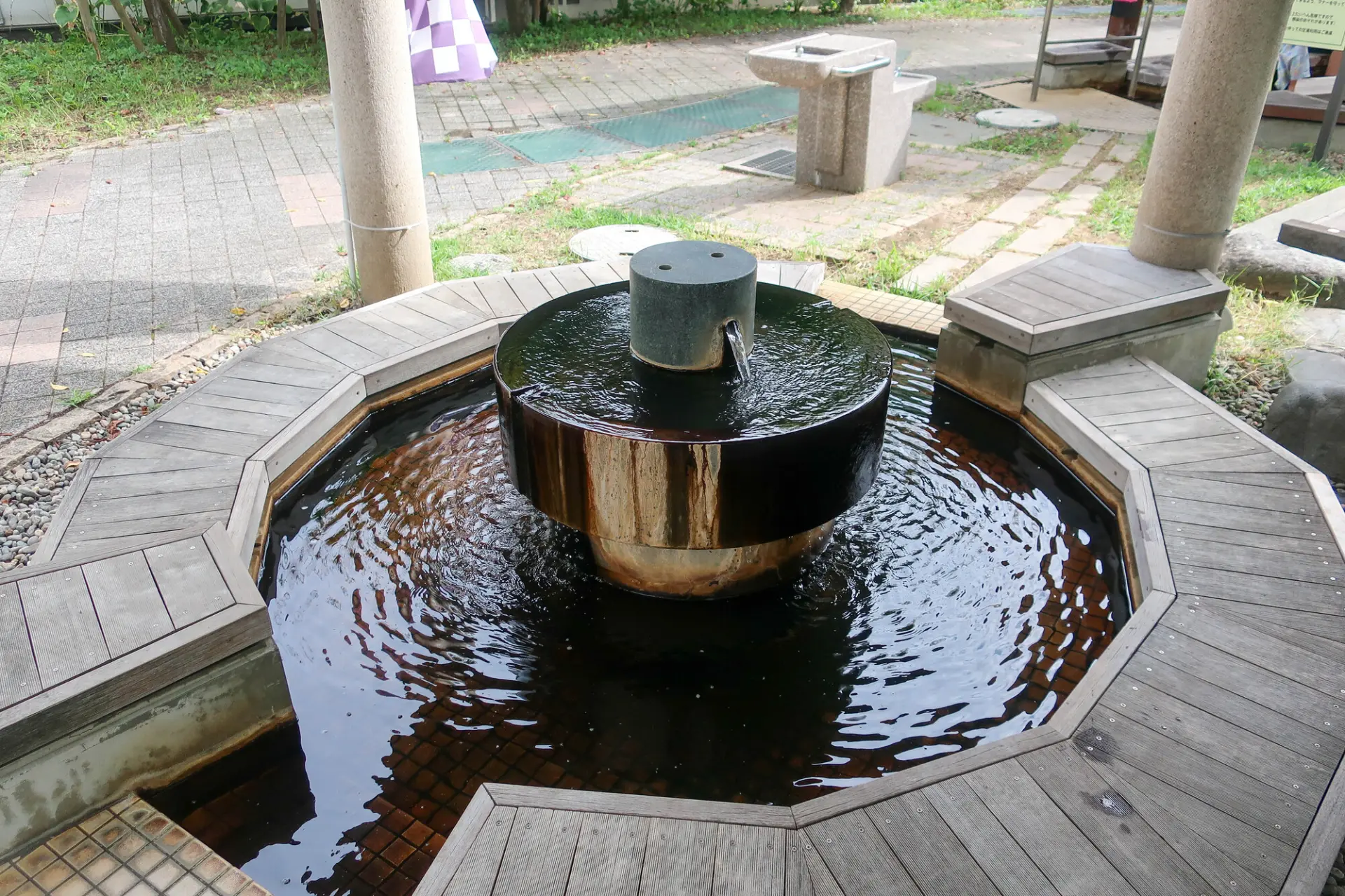
Sagae Onsen, which began flowing in 1954, has long been loved as a “warming bath.”
The spring quality is a bicarbonate hot spring, a type often associated with “beauty baths,” and its clear amber water has a slightly smooth feel.
Rich in plant-derived organic matter, the water feels as if it gently wraps around the skin, yet leaves a clean, refreshing sensation after bathing.
Known for its benefits for fatigue recovery, chronic skin conditions, and sensitivity to cold, it is ideal for soothing a body tired from sightseeing and cherry picking.
It may also support beautiful skin, making it a good way to relieve stress and refresh.
The “rose bath,” with Sagae’s specialty roses floating in the tub, is also popular and offers a luxurious moment surrounded by an elegant sight and fragrant aroma.
2. Satoyama Experience Programs
If you are unsure how to plan your visit, head to Manabi no Sato TASSHO, an exchange-oriented facility in the Tashiro district.
A former school has been renovated here, offering a place to enjoy nature in a setting that still preserves rural mountain-village scenery.
Experience programs vary by season, with a diverse lineup that includes tofu making, stargazing, trekking, snow tubing, and snow banana boating.
Seasonal events such as mushroom inoculation, rice harvesting, and imoni stew parties are also popular and can be enjoyed by both children and adults.
The facility also has Tashiro-tei, a local-production-for-local-consumption restaurant, where you can enjoy satoyama cuisine made with abundant mountain ingredients through all five senses.
Experiencing satoyama life while interacting with local people is sure to become a memorable part of your Sagae trip.

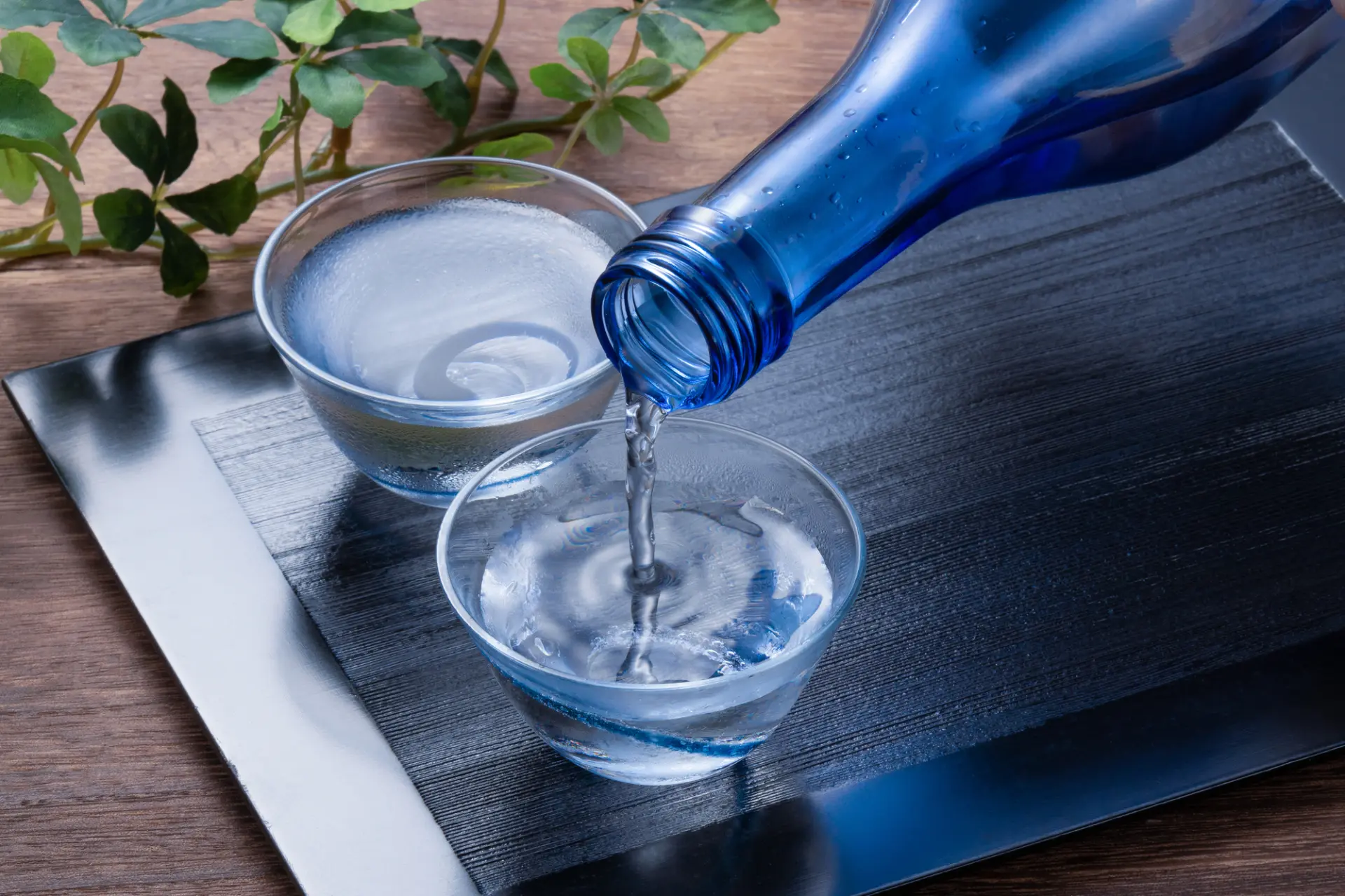
3. Experience Sake Brewing Culture
Blessed with high-quality water and rice, Sagae is a brewing town that is said to have once had as many as 20 sake breweries.
Today, three long-established breweries founded during the Edo period (1603–1868), Furusawa Sake Brewery, Gassan Sake Brewery, and Chiyokotobuki Toraya Sake Brewery, continue traditional sake making.
At the Furusawa Sake Brewery Museum in particular, you can see tools that were actually used in sake production and enjoy a tasting experience guided by staff, comparing differences in aroma and flavor.
Reservations are generally not required, and no specialized knowledge is needed; finding a bottle that suits your taste can deepen your appreciation of sake.
Why not visit the breweries and experience the brewers’ passion and the local terroir?

5 Popular Sightseeing Spots in Sagae
From here, we will introduce popular spots you should not miss when sightseeing in Sagae.
Located in natural settings throughout the city, these places offer open spaces where you can enjoy seasonal scenery and cherry-focused food experiences.
Shrines also offer a deep sense of history and culture, giving Sagae a wide range of appeal, so try to visit as many places as you can.
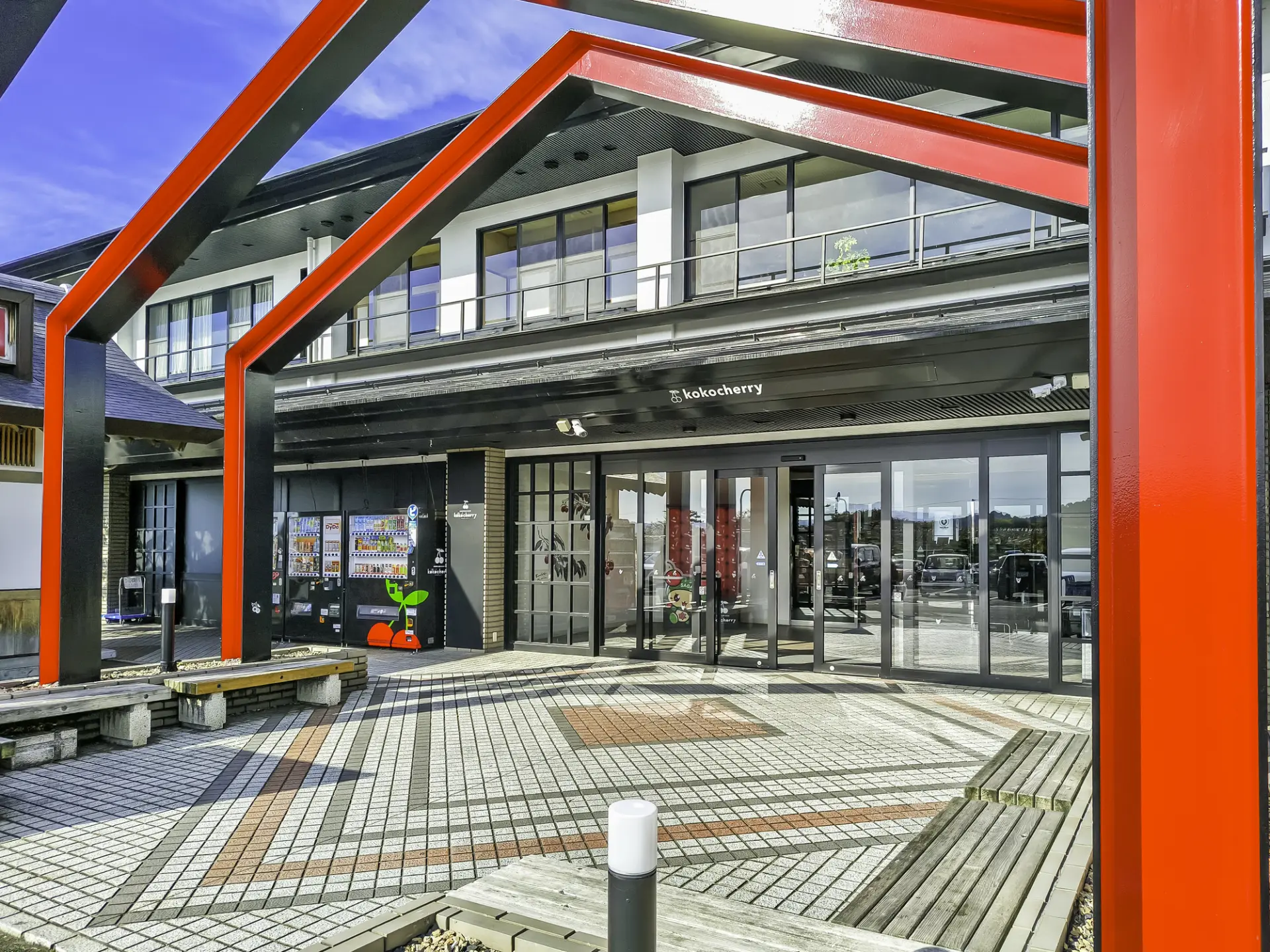
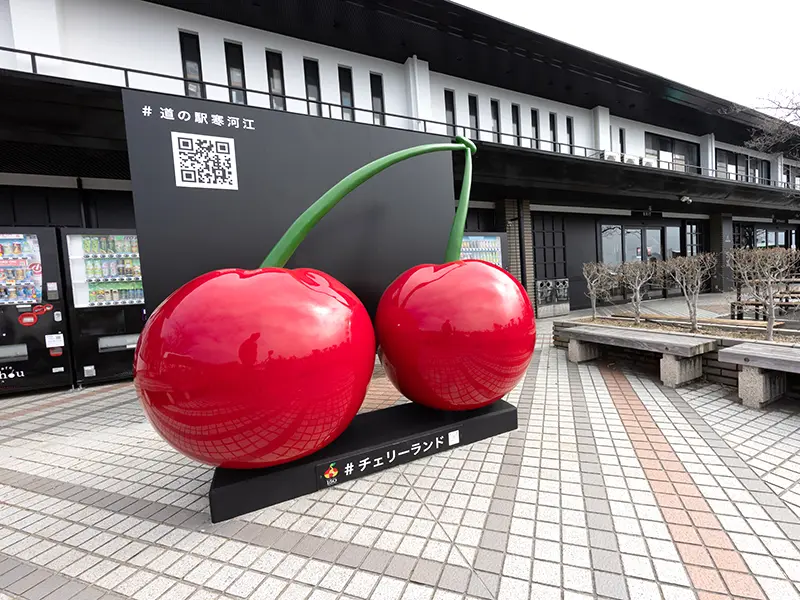
1. Roadside Station Sagae Cherry Land
This cherry-themed roadside station stands in Sagae City, Yamagata Prefecture, the birthplace of cherries in Japan. Its expansive riverside grounds are among the largest in the Tohoku region and include a product center, restaurants, cafes, and more.
Renewed in April 2024 as kokocherry, the product center sells more than 600 cherry-related items, as well as Yamagata’s famous sweets, local sake, and folk crafts and handicrafts showcasing skilled artisanship. It also offers kokocherry original goods, such as plush cherry bears inspired by the local mascot.

2. Honzan Jionji Temple
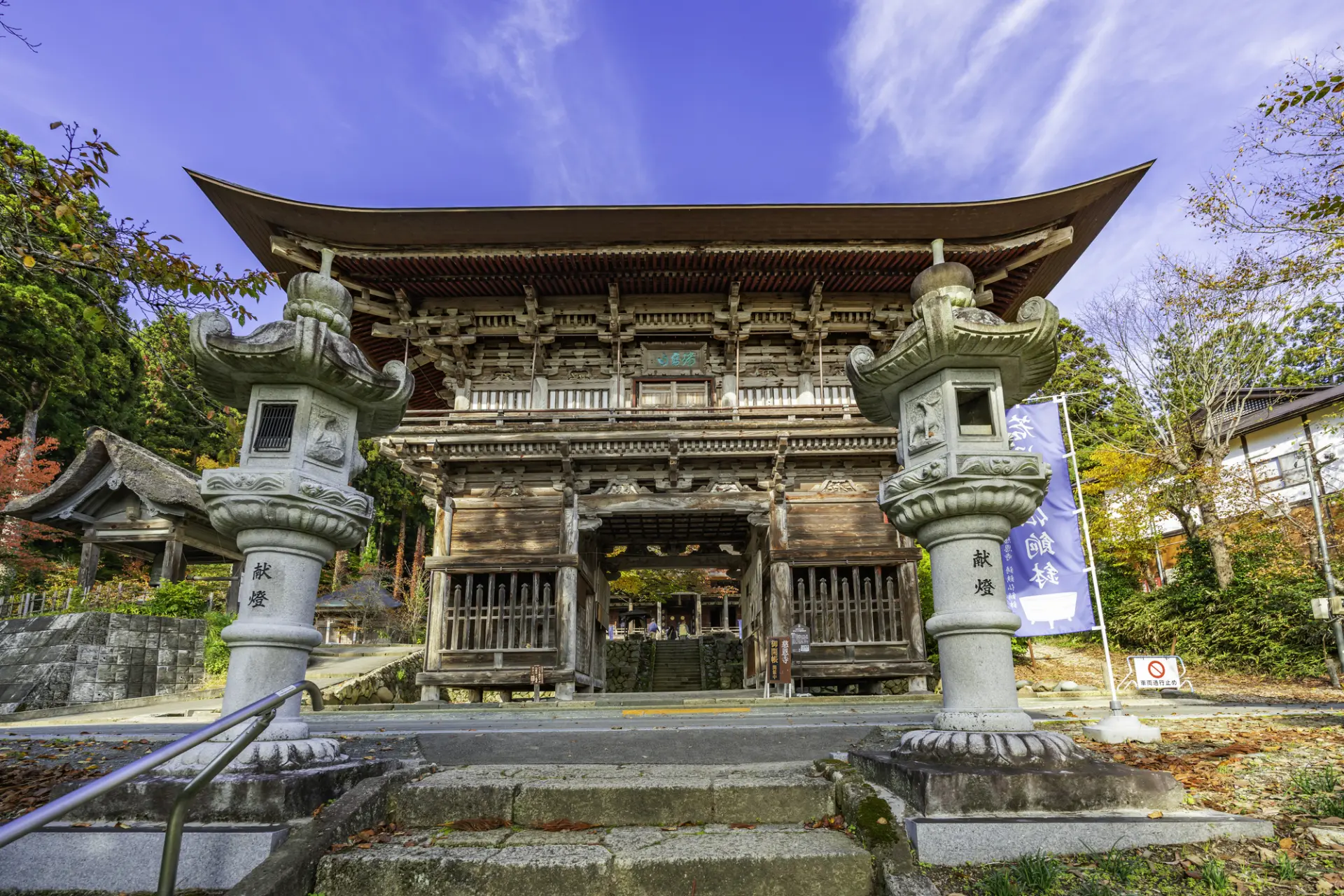
Honzan Jionji Temple is said to be the oldest and most prestigious temple in the Tohoku region, founded in 746 by imperial order of Emperor Shomu.
With nearly 1,300 years of history, the temple has great prestige, and in 2014, an area including the former precincts was designated a National Historic Site.
Within the grounds, the Important Cultural Property Main Hall (Miroku Hall), the three-story pagoda, Yakushi Hall, and other structures stand with solemn presence.
The Heian- and Kamakura-period Buddhist statues enshrined inside the halls are highly regarded as treasures of Japanese Buddhist art.
Jionji Bugaku, a traditional performing art designated an Important Intangible Folk Cultural Property and held every year on May 5, is also a highlight.
Before or after your visit, stopping by the adjacent general information facility, Jionji Terrace, is recommended for deeper understanding.
3. Sagae Hanasaka Onsen Yu-Cherry
Sagae Hanasaka Onsen Yu-Cherry is one of the area’s most popular day-use hot spring facilities.
There are three baths each for men and women, and you can enjoy completely different spring qualities, all with 100% free-flowing hot spring water from the source.
It has two types of saunas, high-temperature (Approx. 194°F) and low-temperature (158°F), along with a spacious rest area, dining area, shop, relaxation services, and other well-equipped facilities.
With long hours from 6:00 am to 10:00 pm and surprisingly low admission of 350 yen for adults and 150 yen for children, it also offers excellent value.
Easy to visit at the beginning or end of a trip, it is perfect for refreshing both body and mind.

4. Sagae Hachimangu Shrine
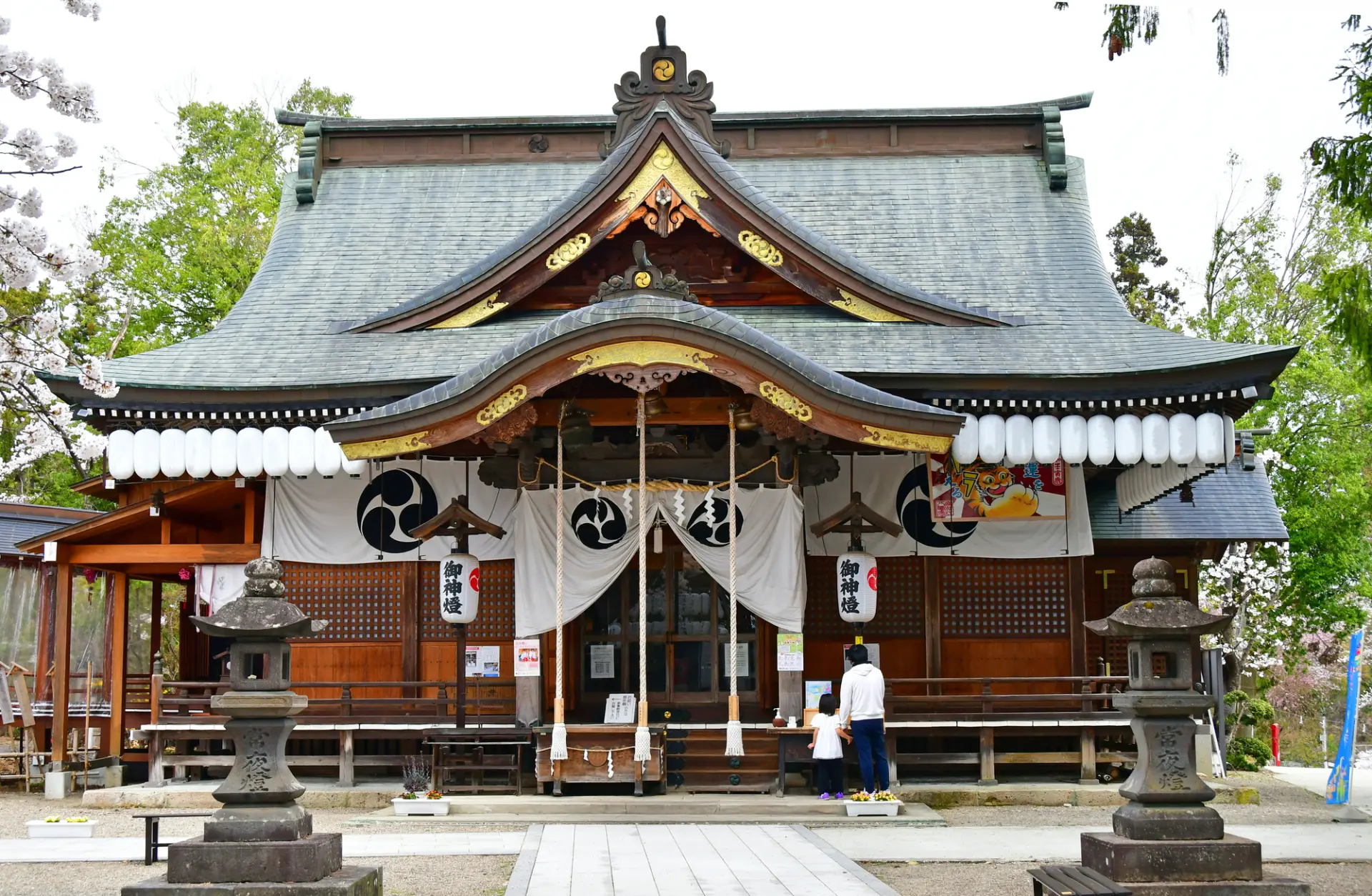
Sagae Hachimangu Shrine, dedicated to Emperor Ojin as its main deity, is the guardian shrine of the former Sagae estate and has a history of more than 930 years.
It began when Minamoto no Yoriyoshi and his son Yoshiie prayed to the Hachiman deity during the Former Nine Years’ War, won in battle, and enshrined the deity from Otokoyama Hachimangu Shrine in Kyoto in 1093.
The shrine has attracted deep faith since ancient times, and many worshippers still visit seeking blessings such as protection from misfortune, good relationships, and fertility.
The main hall was built in 1686 and the worship hall in 1775, and the dignified shrine buildings preserve the atmosphere of the past.
The biggest highlight is Koshiki Yabusame, a traditional horseback archery ritual designated a Prefectural Intangible Folk Cultural Property and held during the annual festival on September 15.
This tradition survives only at Sagae Hachimangu Shrine in all of Japan, and the powerful sight of archers shooting targets from horseback is truly impressive.
5. GURIVER Sagae
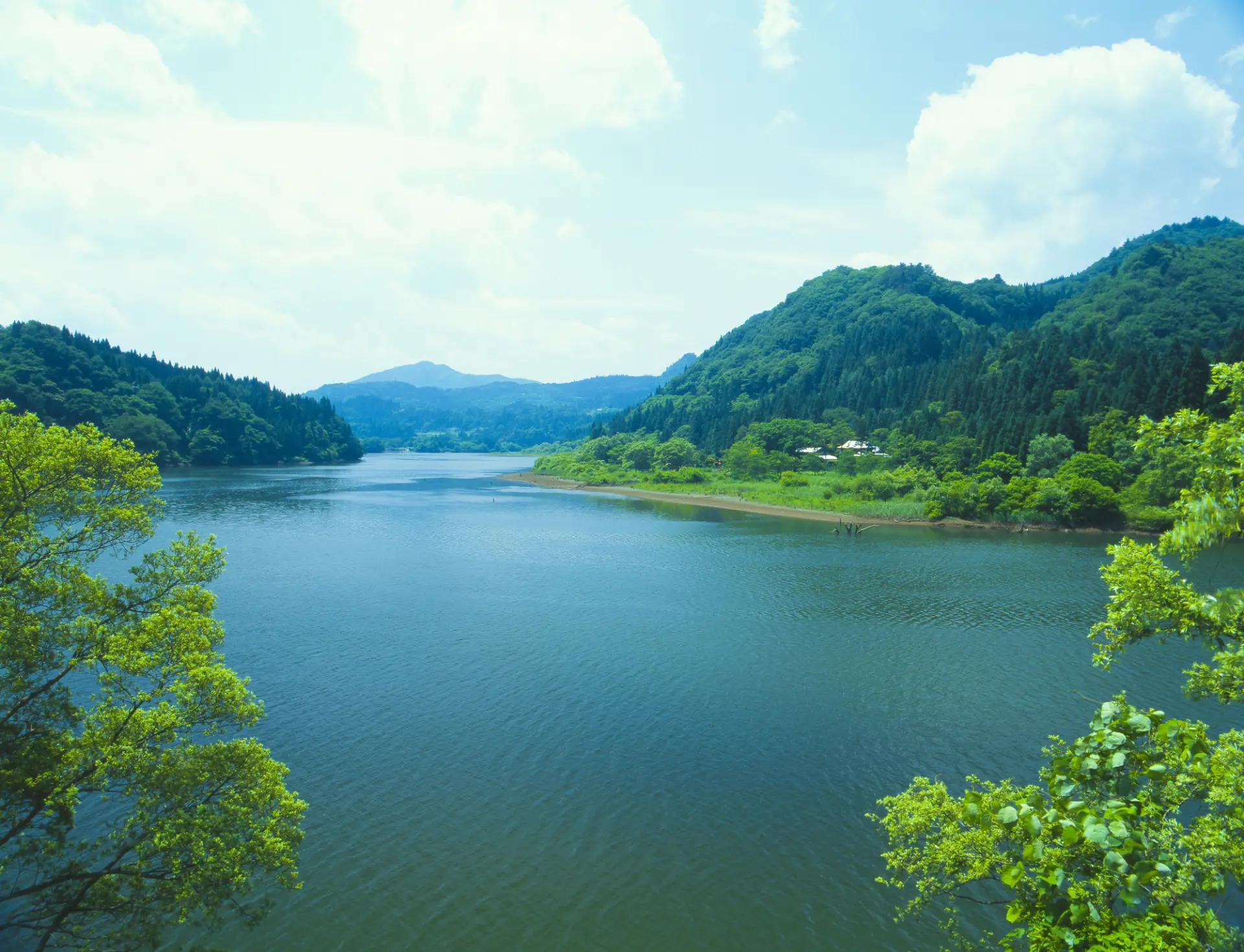
GURIVER Sagae (Mogami River Sagae Green Space) is a leisure facility spread along the Mogami River.
It has a fully managed multipurpose water surface (river) plaza, rare in Japan, as well as a lawn (green) plaza, offering a wide variety of outdoor activities in rich natural surroundings.
Water activities such as canoeing, banana boating, and SUP are especially popular on the water plaza, which measures 600 m long and 110–150 m wide.
The well-maintained walking paths are also ideal for strolling and jogging, making the facility popular with everyone from families to active travelers.
3 Popular Restaurants in Sagae
Next, here are three highly recommended restaurants in Sagae City.
These popular spots combine local specialties, a focus on ingredients, and regional character, letting you experience Sagae through food.
The dining experience itself can become a travel memory, so be sure to visit any place that catches your interest.
1. Soba Dokoro Hifumi
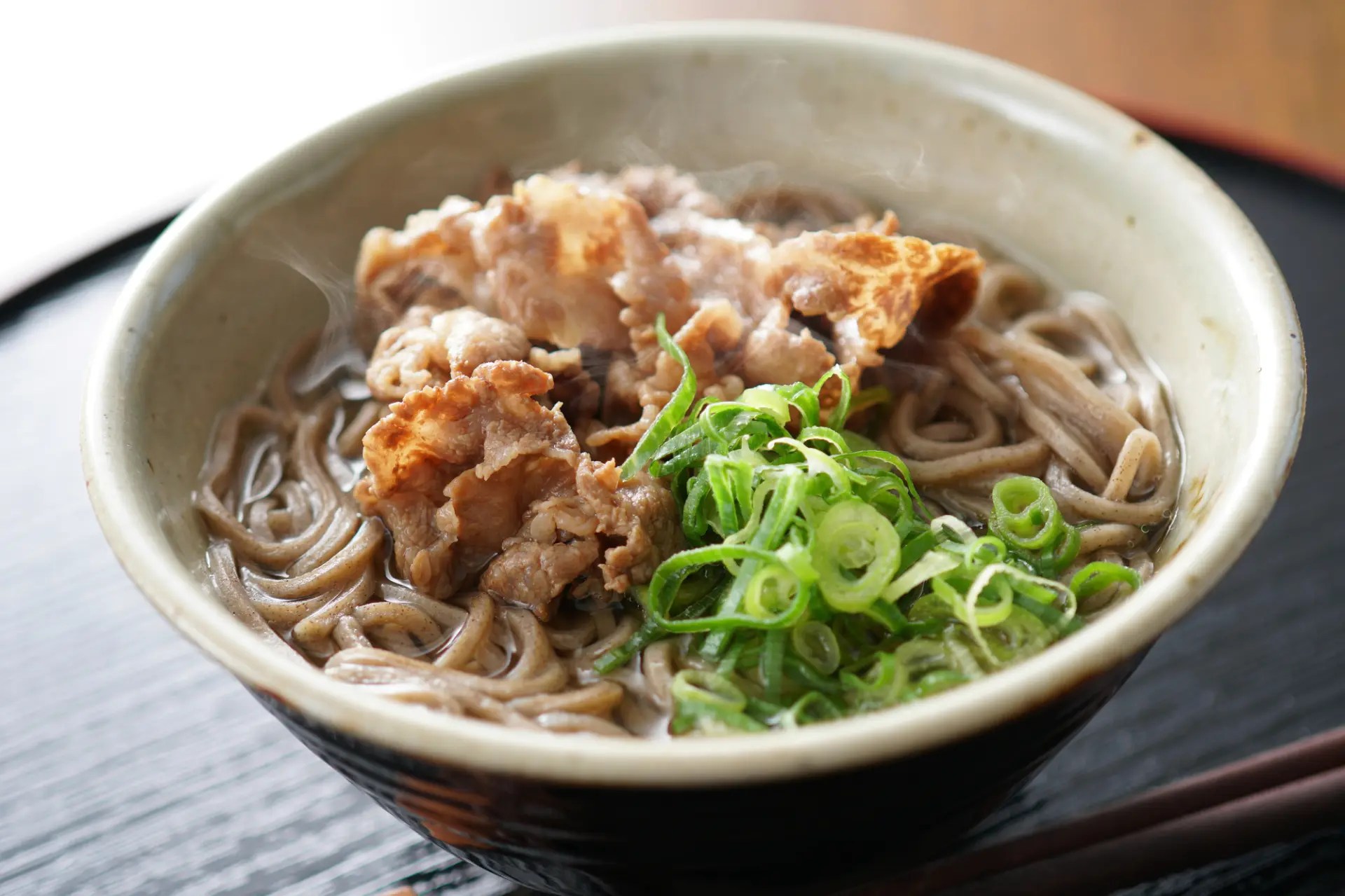
Soba Dokoro Hifumi is a popular soba restaurant that often has lines and many repeat visitors from outside the prefecture.
Using water nurtured by the natural environment of Mt. Gassan, the restaurant is known for fragrant, deeply flavorful soba made with its own method.
Its signature dish, chilled meat soba, combines chicken whose umami deepens as you chew, house-made soup, and soba in perfect balance.
For those who like spicy food, the Spicy Tsuke Soba Nidaime, created by the current owner, is recommended.
The restaurant has table seating, tatami seating, and a standing-eating area, making it suitable for a variety of occasions.
2. Sagae Kinodai
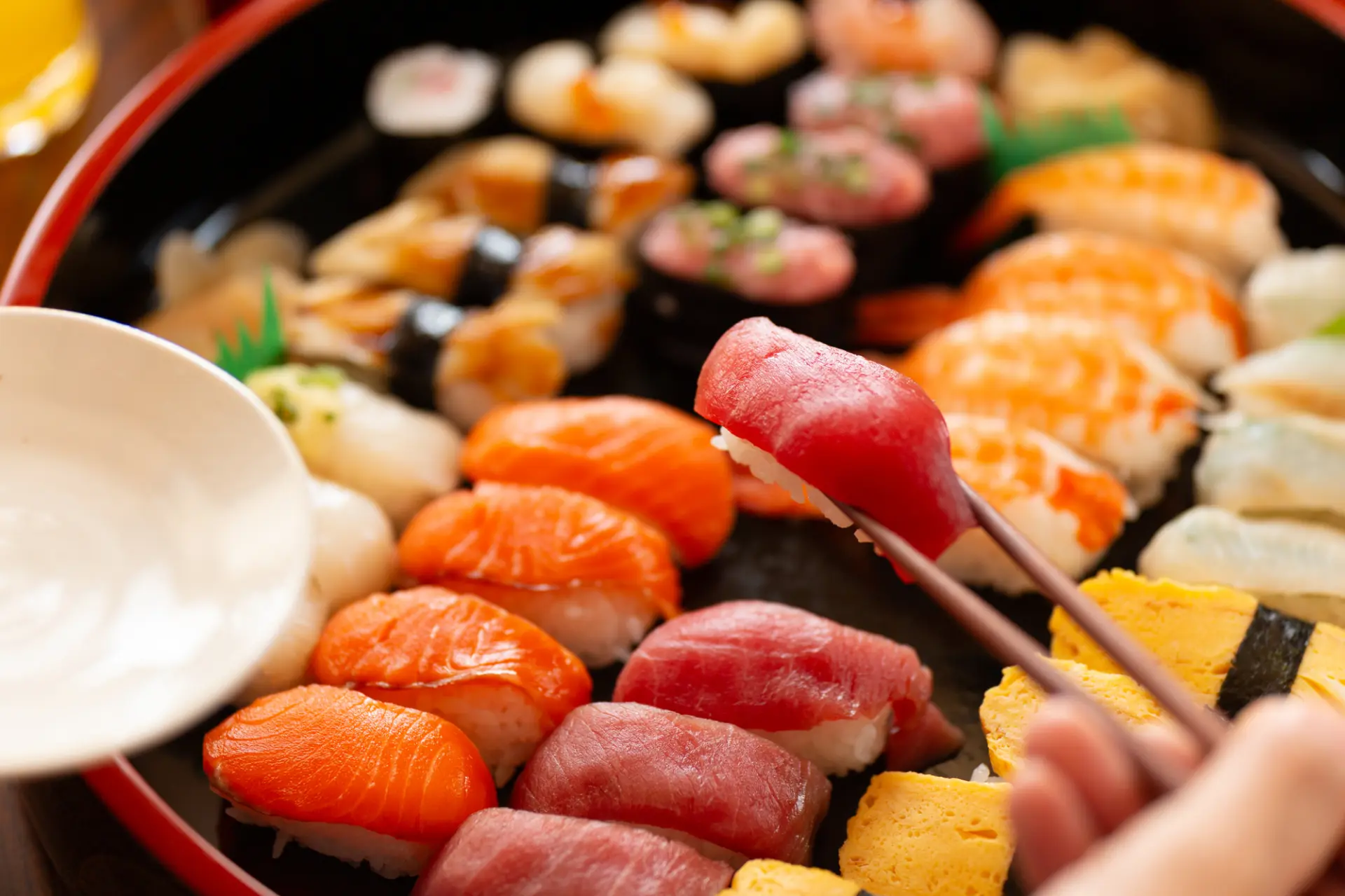
Sagae Kinodai is a sushi kappo restaurant rooted in Sagae City.
Long loved by local customers, this well-known restaurant is proud of its nigiri sushi made with fresh seafood from the Sea of Japan and its local sake.
Its lunch menu, which changes weekly, is especially popular, letting you enjoy seasonal toppings in a casual setting at reasonable prices, with the lowest price at 990 yen.
The extensive menu, including rice bowls, à la carte dishes, sashimi, and grilled items, is another appeal.
The food and sake enjoyed in its calm dining room, where careful craftsmanship shines, are exceptionally delicious.
3. Kashinomori Maison de Bois
Kashinomori Maison de Bois, located in a quiet residential area, is a long-established confectionery shop in Sagae that has continued through generations since 1925.
With the motto “to become a familiar sweets shop for everyone in the community,” it makes and sells Approx. 80 types of sweets at any given time, including fresh pastries, baked goods, and Japanese sweets.
In addition to flavor, it is particular about appearance, with decorations that naturally bring smiles.
The wood-warm interior features stylish sofas and charming chairs, making it perfect for cafe time.
Among the many menu items, the crunchy “Cloche” and the signature award-winning Yamagata souvenir sweet “Gottsuo” (monaka florentine) are especially popular.

3 Recommended Places to Stay in Sagae
Finally, here are recommended accommodations in Sagae.
These hotels are located in the central area of the city, making them convenient sightseeing bases, and are known for warm hospitality.
Each has different strengths, so choose based on your preferences and travel companions.
1. Hotel Symphony Annex
Hotel Symphony Annex is a resort hotel in a quiet location along the Mogami River.
Its key feature is that all rooms have river views, letting you enjoy a 360-degree panorama of the seasons.
Room types include Japanese-style rooms, Japanese-Western rooms, detached annex rooms, barrier-free rooms, and a unique Sagae-inspired concept room called “Cherry.”
Inside the hotel, there is a 100% natural hot spring where you can soak in beauty-enhancing waters, and the open-air bath offers spectacular views of the Zao Mountain Range.
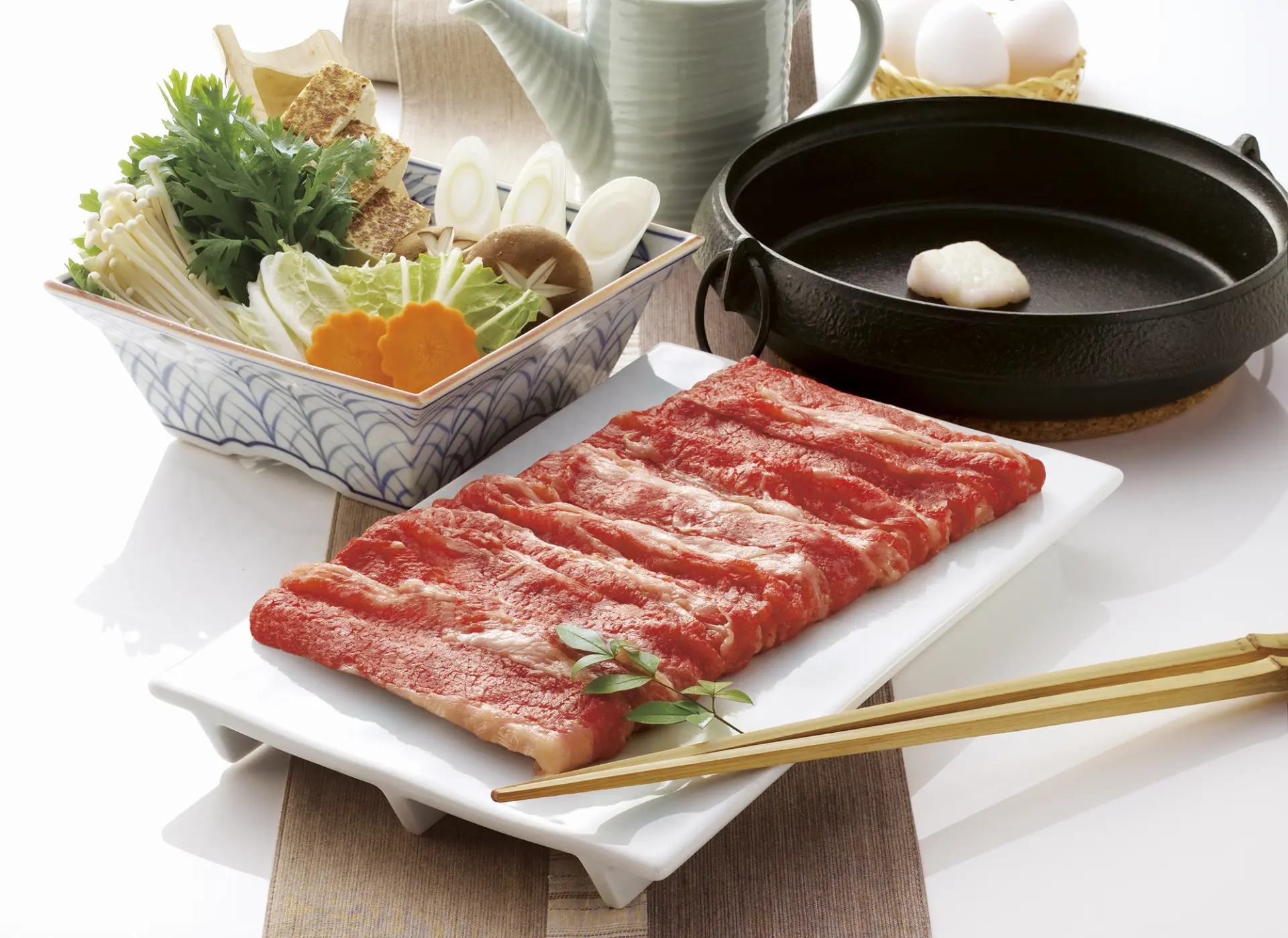
The meals are also well regarded, featuring carefully selected meat dishes such as Yamagata beef and Komenokobuta pork, as well as local cuisine.
2. Kappo Ryokan Yoshimoto
Founded in 1922, Kappo Ryokan Yoshimoto has continued its history as a cuisine-focused ryokan from 1956, when the hot spring began flowing, to the present day.
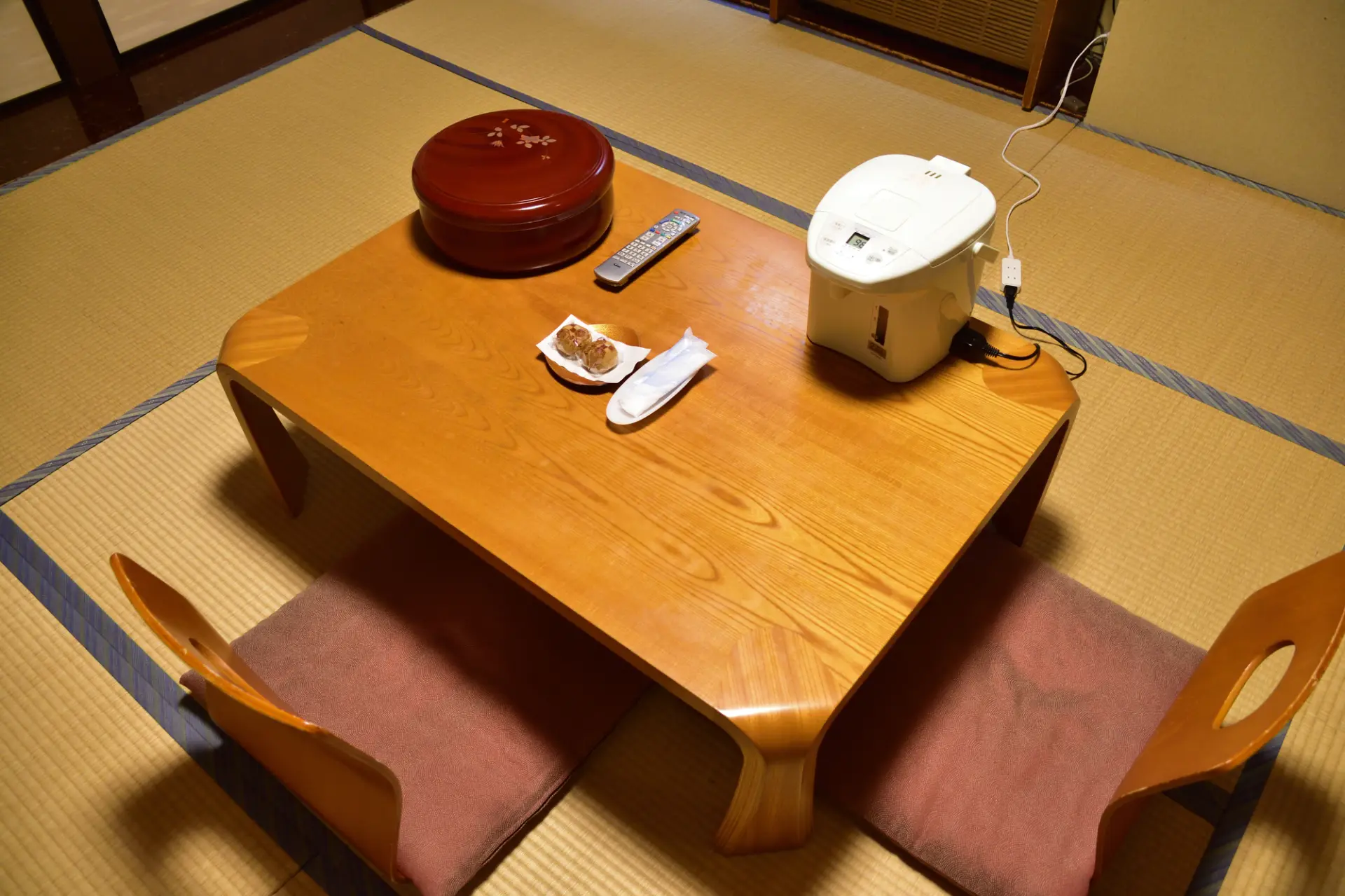
Although conveniently located Approx. 5 minutes on foot from Sagae Station, it offers a relaxed stay in a calm interior and Japanese-style rooms filled with the scent of tatami.
Its greatest appeal is its dedication to food, unique to a kappo ryokan.
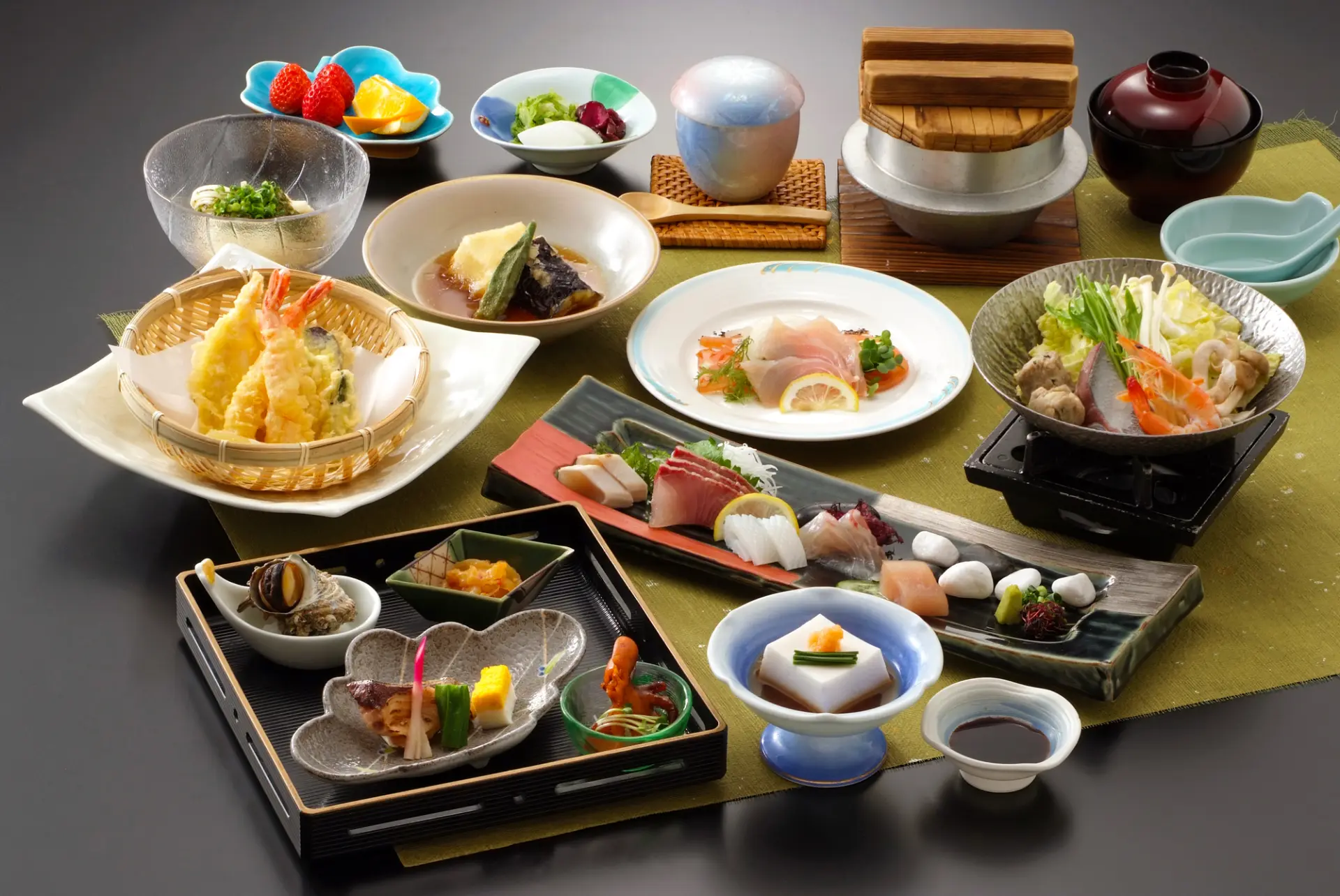
The Japanese kaiseki meals, prepared carefully and wholeheartedly dish by dish, are beautifully arranged and served in elegant tableware, allowing you to enjoy seasonal flavors with both your eyes and palate.
Dinner is served entirely in private rooms, so you can savor it in your own private space.
3. Kawaraya Ryokan
Kawaraya Ryokan is a long-established inn with more than 100 years of history, retaining traces of the days when the area was a post town bustling with worshippers visiting the Three Mountains of Dewa.
The interior is simple and clean, and the attentive hospitality unique to a small inn with only seven rooms is well regarded.
It has a warm, homey feel, with an atmosphere that lets even first-time guests relax without hesitation.
Dinner features dishes made with seasonal ingredients, while the free-flowing hot spring water from the source deeply eases travel fatigue.
Rates start at 6,000 yen for one night with two meals, making it budget-friendly and popular with long-stay tourists and business travelers.
FAQ about Sagae Sightseeing
Q
What local foods is Sagae known for?
Sagae yakitori, chilled meat soba, and cherry sweets are popular local specialties.
Q
What are famous sightseeing spots in Sagae?
Cherry Land Sagae, a central sightseeing spot, and the prestigious Sagae Hachimangu Shrine are especially well known.
Q
Are there day-use bathing facilities at Sagae Onsen?
Yes. There are several day-use bathing facilities, including Sagae Hanasaka Onsen Yu-Cherry and public baths used by local residents.
Summary
We have introduced the basic information and highlights of Sagae, Japan’s No. 1 Cherry Region.
In Sagae, people of all ages can enjoy year-round fruit picking, historical walks represented by the ancient Jionji Temple, and relaxing Sagae Onsen hot springs.
Because each season brings different charms, another highlight is that you can discover something new no matter how many times you visit.
Also check out this article featuring a four-day, three-night model itinerary around Yamagata Prefecture’s Murayama area.