
Verified [Verified] denotes information that has been published with confirmation of its owing parties.
Suma-dera Temple
A temple with ties to the Genpei War, known for its historic buildings and unique attractions.
Founded in 886, this head temple of the Shingon Suma-dera school has a history of more than 1,100 years. Locally beloved as “Suma no Odaishi-san,” it draws many worshippers on the Kobo Daishi fair days held on the 20th and 21st of every month.
Because the area around the temple was the setting for the Battle of Ichinotani between the Genji and Heike clans, many items and sites connected to the Genpei War still remain here, including the “Aoba no Fue” flute said to have been played by Taira no Kiyomori’s nephew Taira no Atsumori, Atsumori’s burial mound for his severed head, and the pine tree where Minamoto no Yoshitsune is said to have sat. There is plenty to see even for visitors who are not history fans. Among them, the “Genpei Garden,” a dry landscape garden that recreates the duel between Atsumori and the Genji warrior Kumagai Naozane, is a must-see. There are also many stone monuments dedicated to poets and literary figures such as Matsuo Basho and Masaoka Shiki, who visited the temple.
Buildings such as the vermilion three-story pagoda and the inner sanctuary dedicated to Kobo Daishi take on different impressions with the changing seasons, from spring cherry blossoms to autumn leaves. You can enjoy scenery that beautifully reflects Japan’s four seasons. Also worth checking out are the temple grounds’ unique attractions, installed by the head priest with the idea of making it “a fun temple.” It is also fun to look for and explore spots such as a mechanical clock featuring figures connected to the temple, giant prayer beads, and a stone monument that plays music.
Highlights
-
The head temple of the Shingon Suma-dera school, founded in 886.
-
Known as a temple connected to the Genpei War, with sites such as Taira no Atsumori’s burial mound and the pine where Yoshitsune sat.
-
Also home to many stone monuments dedicated to poets and literary figures such as Matsuo Basho and Masaoka Shiki, who visited the temple.
-
Enjoy distinctly Japanese scenery, including buildings such as the vermilion three-story pagoda, seasonal flowers, and autumn leaves.
-
Many unique spots, including a mechanical clock and a stone monument that plays music.
Photos
-
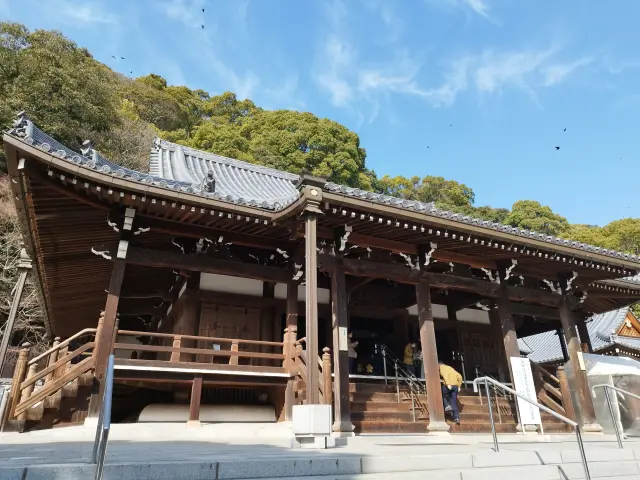
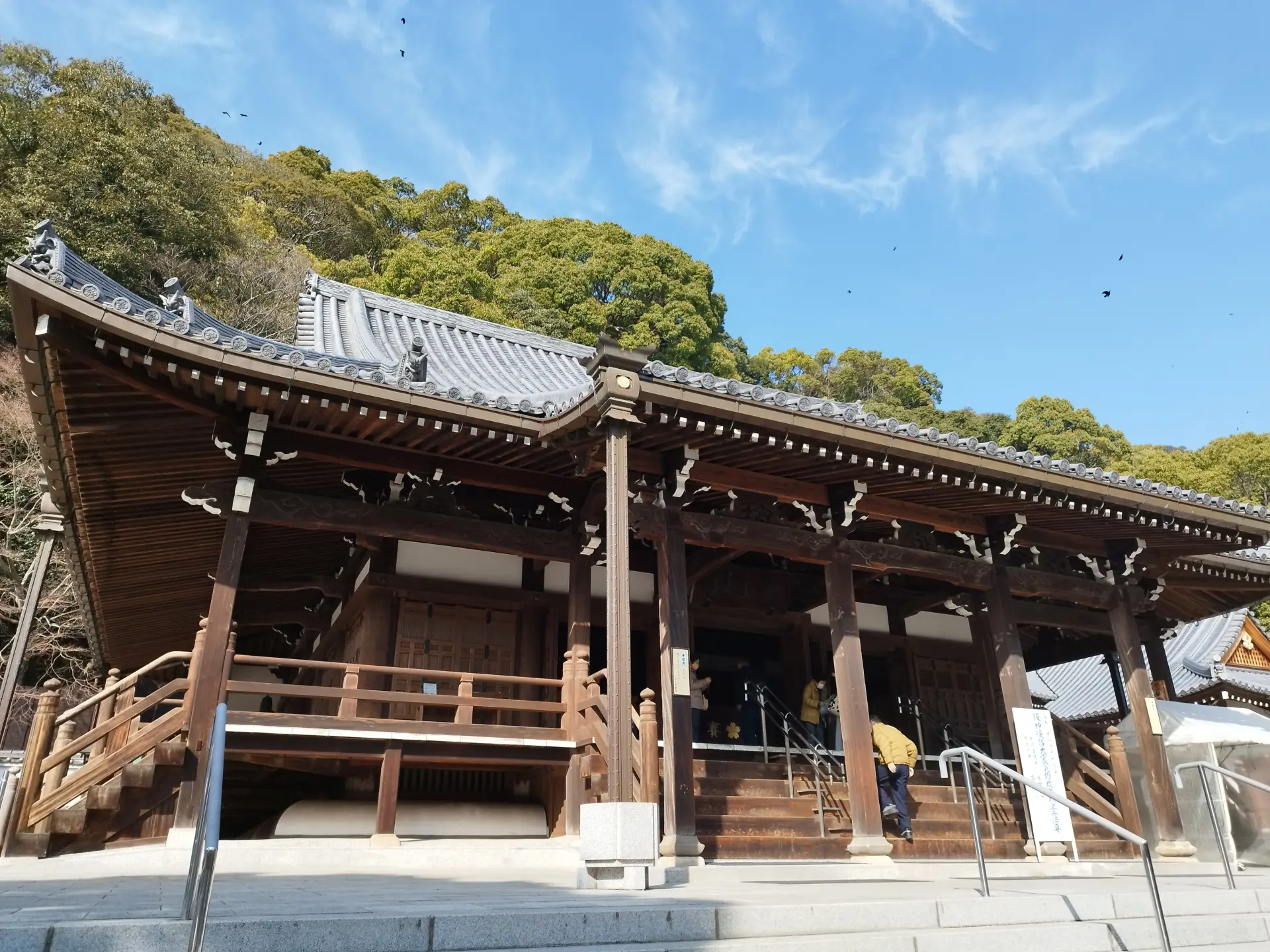
The current main hall, rebuilt by Toyotomi Hideyori
-
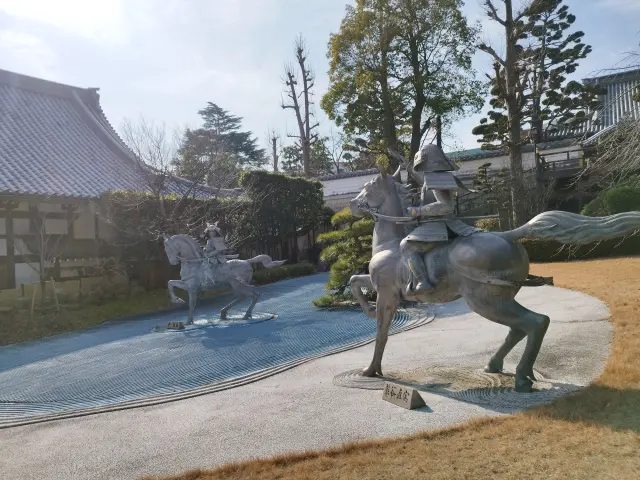
The “Genpei Garden,” recreating a scene that also appears in The Tale of the Heike
-
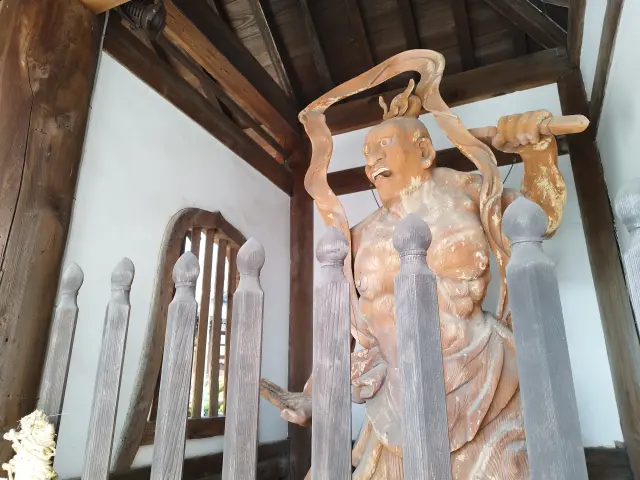
The two powerful statues at the Niomon Gate are a must-see
-
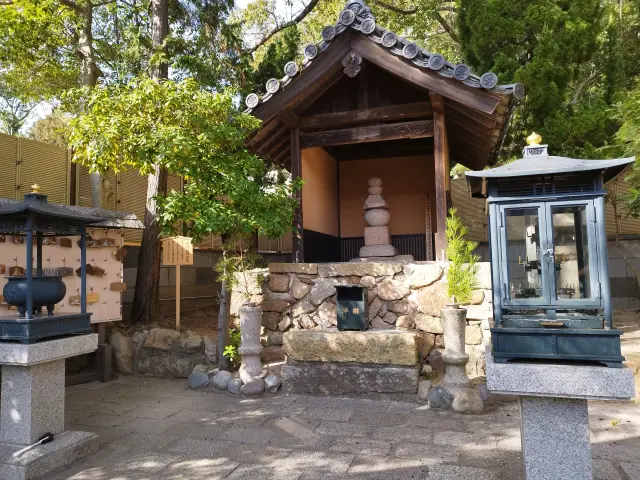
Atsumori-zuka, a mound built in memory of Taira no Atsumori
-
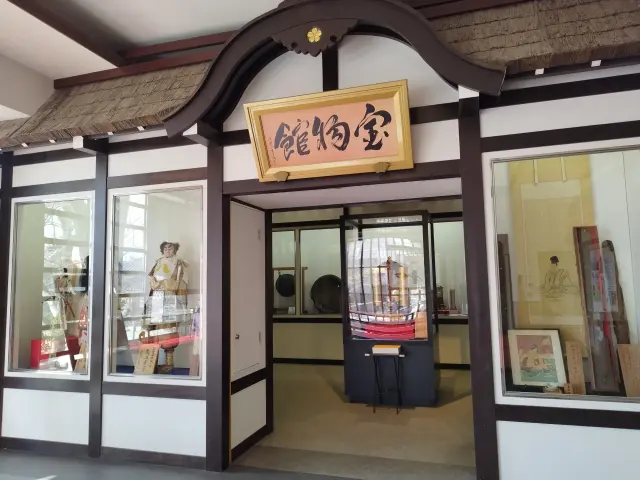
The treasure hall, displaying items connected to the Genpei War
-
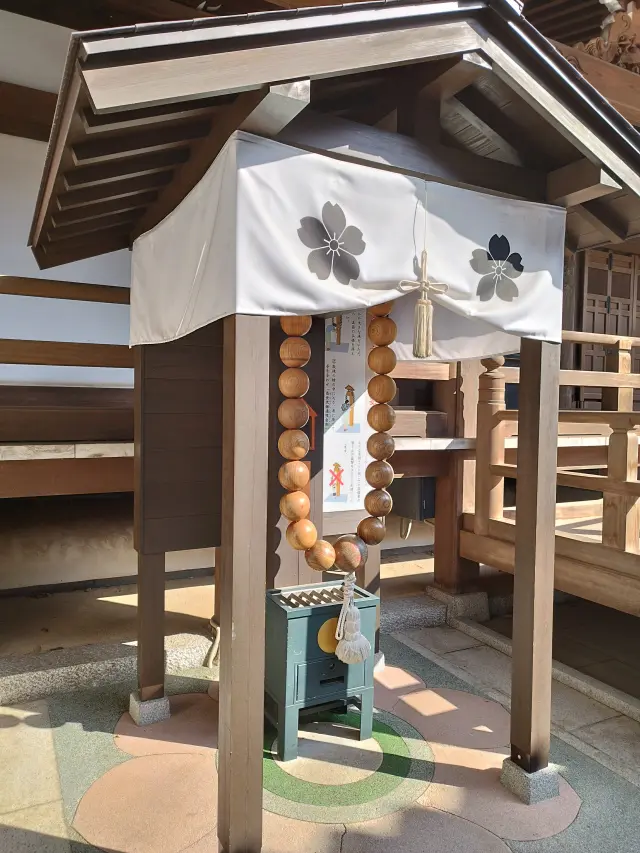
The “Ketsuen Juzu” prayer beads are so large that it takes two people just to lift them
Reviews
Details
- Name in Japanese
- 須磨寺
- Postal Code
- 654-0071
- Address
- 4-6-8 Sumaderacho, Suma-ku, Kobe, Hyogo 654-0071
- Phone
- 078-731-0416
- Closed on
- Open daily
- Hours
- 8:30am–5:00pm
- Admission
- Free
- Access
- 5-minute walk from Suma-dera Station on the Sanyo Electric Railway Main Line
- Official website
- Official website (Japanese)