• See More

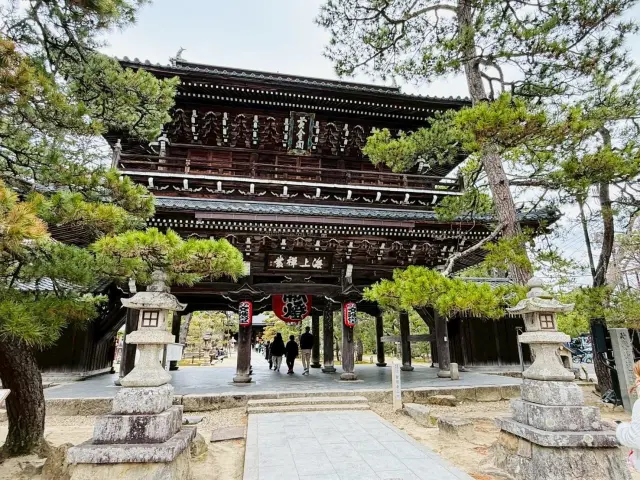
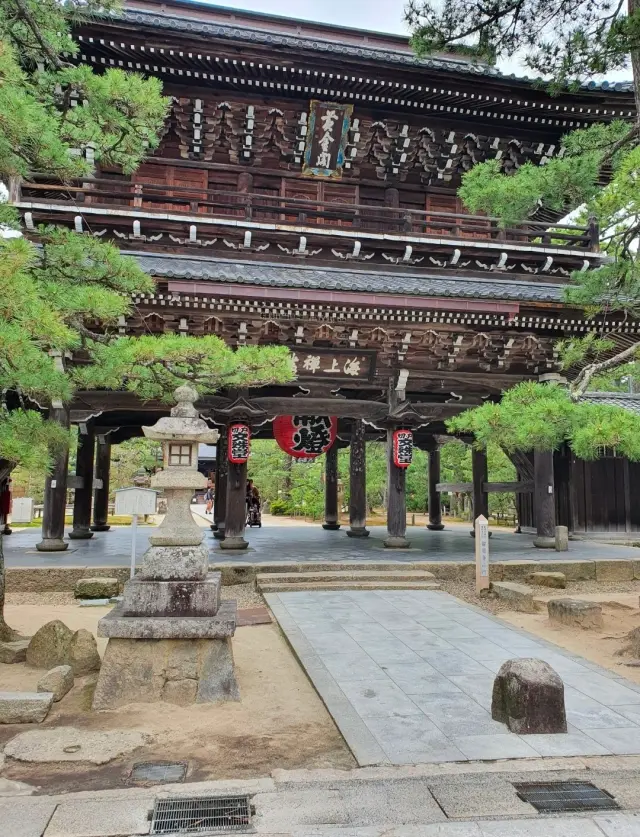
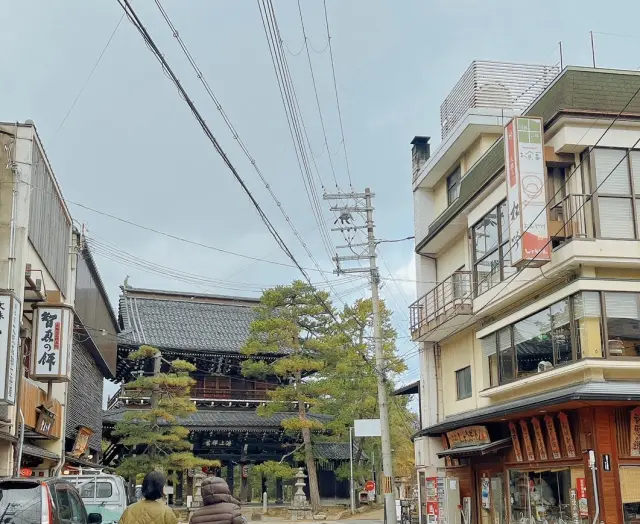
    At Chion-ji Temple in Kyoto, what caught my eye most was the Sanmon Gate, known as the “Golden Pavilion.” The gate has a historic appearance, and its wooden architecture exudes a strong sense of history. Standing in front of it, you can feel the solemn atmosphere unique to Kyoto temples.

    The Sanmon Gate, also called the “Golden Pavilion,” is one of Chion-ji Temple’s most iconic structures. Looking closely at the roof, wooden pillars, and overall structure, you can really see the character of traditional Japanese architecture. Although I didn’t stay long, just taking photos in front of the gate and admiring the architecture made the visit feel worthwhile.
  • See More

    About a 10- to 20-minute trip from Amanohashidate Station brings you to Chion-ji Temple, which enshrines one of Japan’s Three Monju. Since ancient times, this has been a sacred place to pray for academic success and greater wisdom, and it radiates a quiet, peaceful, positive energy.

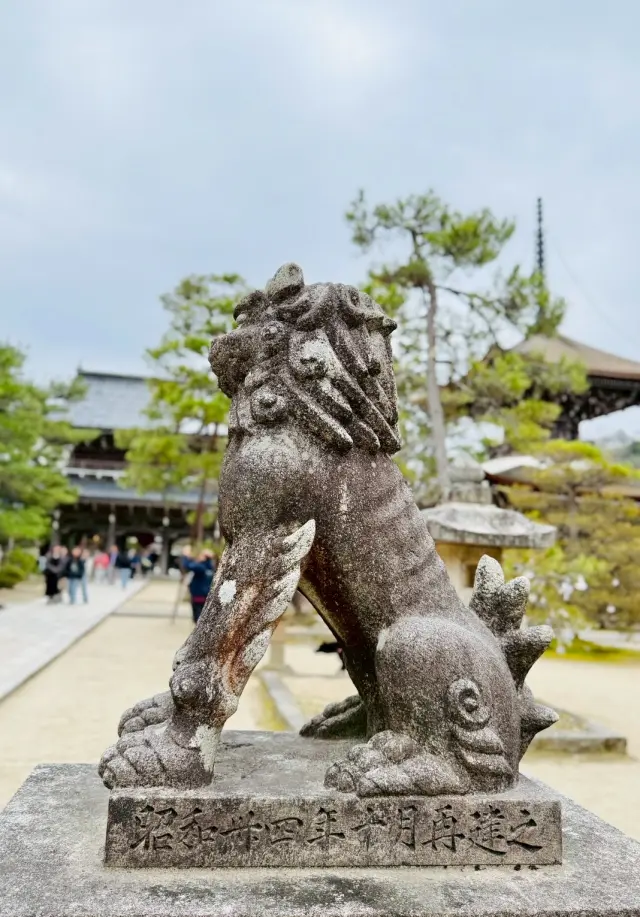
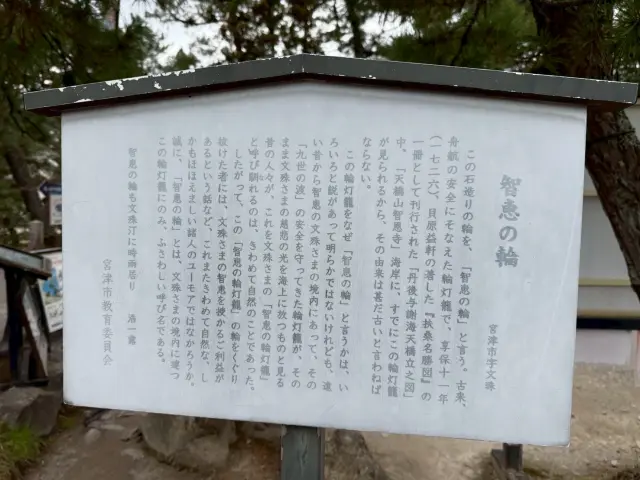
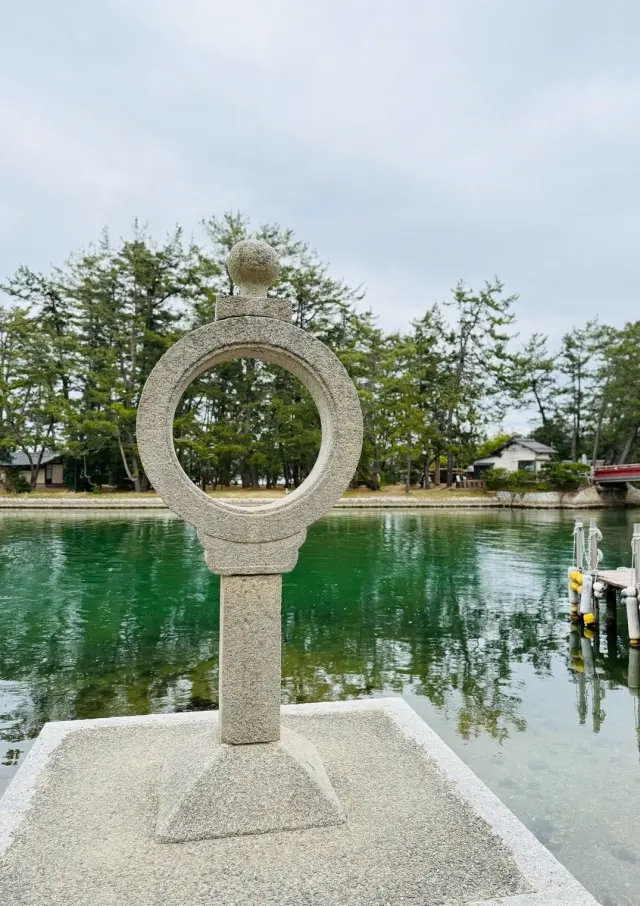
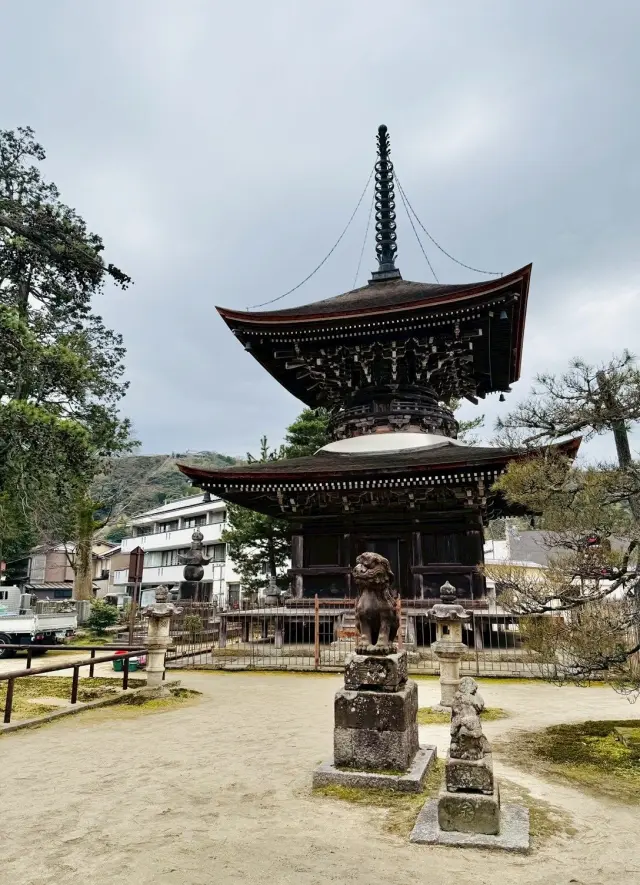
    Along both sides of the approach to Chion-ji Temple are charming little shops with a warm, local feel, perfect for strolling and browsing. Inside the temple grounds, besides admiring the elegant, traditional Wisdom Ring and stone lanterns, don’t miss the open fan-shaped fortune slips hanging from the pine trees.

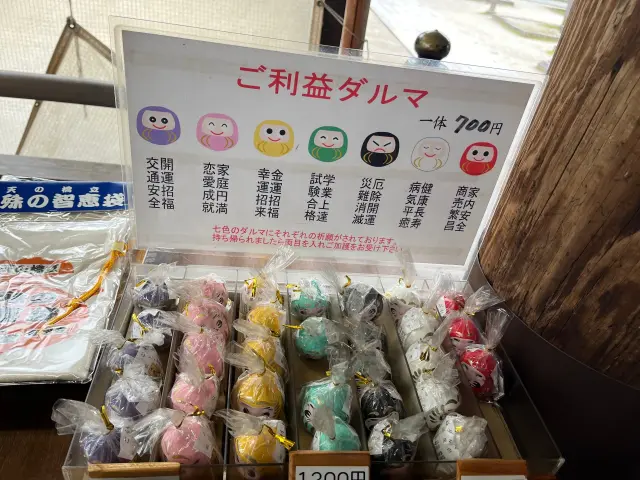
    You can also get charming Daruma and Inuhariko amulets for good health and protection from misfortune. Taking all that wisdom and good fortune home feels especially soothing. I recommend including it as a stop while visiting Amanohashidate.

  • See More

    For a trip to northern Kyoto, I recommend visiting Amanohashidate, one of Japan’s Three Scenic Views, and the nearby Chion-ji Temple on the same day. Chion-ji enshrines Monju Bosatsu, a symbol of wisdom, and is a famous temple where many students pray for academic success. The most unique part is the cute little fan-shaped omikuji fortunes. Seeing them hung all over the pine trees is really distinctive and makes for great photos.

    I visited on a weekday, so there weren’t many tourists. Without the crowds, strolling around the temple grounds felt especially relaxing, and I could quietly enjoy the peaceful atmosphere of this historic temple. After worshipping, I walked over to Amanohashidate to take in the magnificent scenery. It was a wonderful way to experience both natural beauty and history in one trip, making my Kyoto visit even more fulfilling and leaving me with many great memories.

Hokkaido Tohoku Kanto Chubu Hokuriku Kansai Chugoku Shikoku Kyushu Okinawa