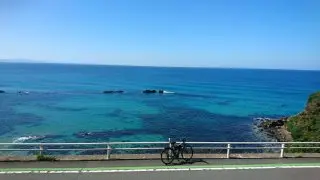


I really enjoyed this bike tour. Not only was a able to ride an electric bike for the first time, but I was able to ride a very nice electric bike! The two tour guides were really nice and friendly guys. One was formerly in the Japanese Self-Defense Force and the other was a fire fighter. It was easy to see their passion for starting this bike tour. Everywhere we went the locals would wave and say hello and I could see that our 2 guides have good relations with the people in the area. I really enjoyed being able to visit one of the fishing/boat houses, "Funaya". My favorite part of the bike tour experience was learning about the amazing history of the bay and and seeing it`s wild life. The area has a remarkable history of whaling and even up to 2 years ago, their last catch, when a whale comes into the bay a alert signal plays through town and the fisherman gather their boats and work together in catching it. As for the nature and wildlife, I have never ever...ever seen so many hawks before in my life. I remember looking up one time and there were about 25 flying above me. Near the end of the tour as we rounded a mountain bank there was a large red faced monkey in a tree above us. It was amazing to see one so close. Unfortunately the weather was rain, but strangely enough that did not bother me at all and I had a wonderful time.
Happy Ronin's page
Reviews
Number of reviews 5/ Number of likes 23
-
-
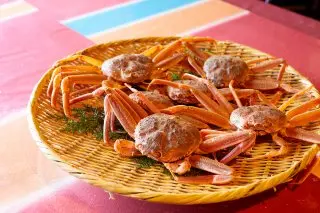
The staff at Kyotango Ryugu Project were wonderful and so funny and fun to be around. From their crab dance to teaching us Tango べん (dialect), they were so upbeat and made the whole experience really enjoyable. I loved that we got to in the kitchen and not only make maki sushi but also their own special female crab どんぶり(topped rice). The women were so helpful and stayed right by us giving us direction and encouragement the whole time. And even more so, we made a gigantic tray of nigiri sushi! The whole experience led to a remarkable banquet of all the food we made and both crab hot pots and grilled crab. It was delicious and with the cold weather it was the perfect meal.
-
-
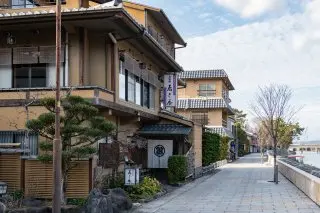
This was such a unique and special experience. After entering the small beautiful teahouse we were met by three older women clad in beautiful kimonos. This was a pure experience of Japanese customs and etiquette. After watching a full tea ceremony, step by step, and seeing the ceremonial way of drinking the refined and revered Kyoto green team, we were given the chance to learn and try it ourselves. There were about 10 steps just to clean the cup before we even started making the tea. The woman who taught us had been making matcha for over 60 years. She, one could say, is a tea master. She was very helpful and tried to use sweet english phrases like, "Relax and make yourself at home." I enjoyed it so much that I will be looking into making matcha for myself at home.
The matcha themed restaurant and dinner was so impressive in both presentation and substance. The variety of meats, seafoods, vegetables, and legumes were so well blended throughout the meal. From blowfish jelly, ume sea cumber, and pink candied shrimp tempura to nasu miso dengaku (miso topped grilled egg plant), each item and each bite was a surprise full of wonderful new tastes. -
-
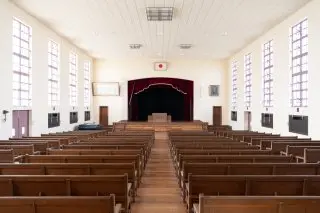
Toyosato Elementary School is a beautiful school. From it`s remarkable long wooden hallways to it`s church like auditorium, the school is both Japanese and Western in style.
During the tour I came to learn that the reason for this is because the school was designed by the American born designer, William Vories. I liked how Mr. Furukawa, the man who donated the buildings, incorporated a lesson of perseverance a teacher of his once taught him through the story of the turtle and the hare. On the staircase handrails you can see small cute sculptures of both a turtle and a hair depicting their race going all the way up to the top floor. My favorite room in the school was the science room. They had many preserved scientific instruments. From an early ultraviolet light generator and a massive electrometer to a wide variety of taxidermy, I could get a feeling that the students had wonderful science classes. The school is also famous for being the setting for the anime, K-On. I did not know much about this anime, but was able to appreciate it due to all the fans that were visiting while we were there. Lastly, the volunteer guides were extremely friendly and talkative and made us feel very welcome. -