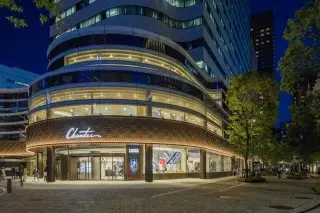
Hibiya Chanter
Hibiya, known as the Holy Ground of Tokyo’s arts scene, is where many theaters and cinemas are concentrated. Here, you’ll find a venerable retail complex.
I love the French bread here.


Number of reviews 8/ Number of likes 41
Hibiya Chanter
Hibiya, known as the Holy Ground of Tokyo’s arts scene, is where many theaters and cinemas are concentrated. Here, you’ll find a venerable retail complex.
I love the French bread here.


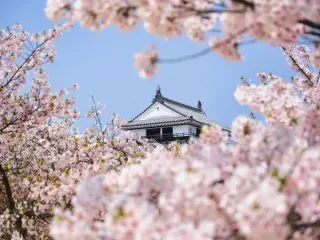
Matsuyama Castle
Matsuyama Castle is an iconic symbol of Matsuyama City, and it is also famous as being an impregnable castle.
Taking the ropeway is a unique experience. If you come to Matsuyama, you definitely have to visit Matsuyama Castle.


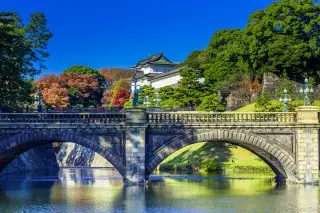
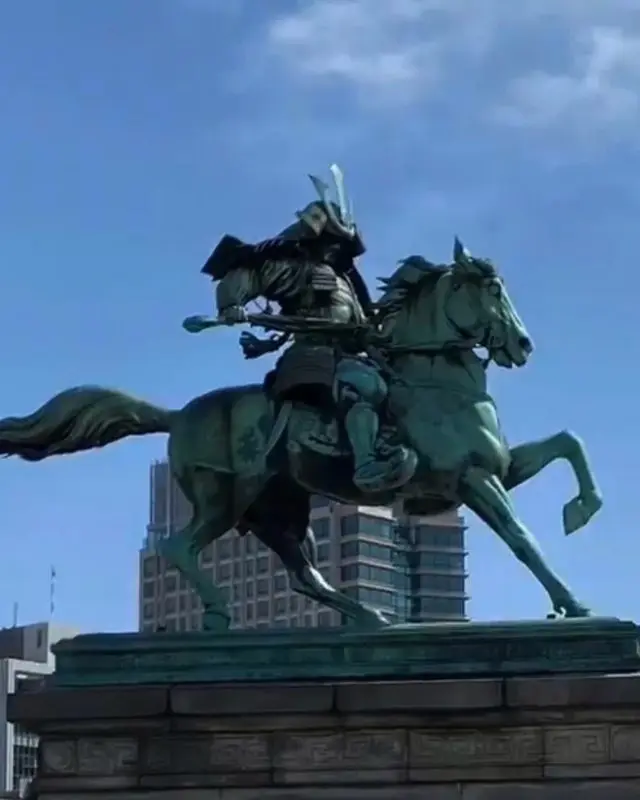
Kokyo Gaien National Garden
This park is located in the area outside the Main Gate to Japan’s Imperial Palace. At the center is the Garden Plaza, where green lawns are dotted with about 2,000 black Kuromatsu pine trees.
I came at just the right time—the cherry blossoms were in full bloom and looked beautiful.
Shukkeien Garden
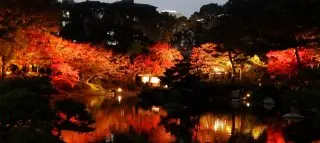
Shukkeien Garden was created by Asano Nagaakira, lord of the Hiroshima Domain, as the garden of his villa beginning in 1620 (Genna 6). It was devastated by the atomic bomb dropped on Hiroshima in 1945. Restoration began in 1949 and took approximately 30 years to complete, bringing the garden to its present form.
I really love the style of Japanese garden landscaping here!

Hiroshima Castle
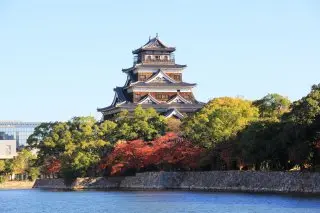
Hiroshima Castle was built in 1589 by Terumoto Mori, known as one of the five dignitaries of Toyotomi Hideyoshi. The castle is located in the center of Hiroshima city, famous as a major tourist attraction with easy access.
Even though the current main keep was rebuilt in 1958, there are still lots of historical items and documents preserved inside. There's also a coin-operated telescope and a souvenir coin machine on the top floor.


