Stanley Kuo's Reviews

Stanley Kuo’s Profile Page
  • Enoshima Sea Candle (Lighthouse Observation Tower)

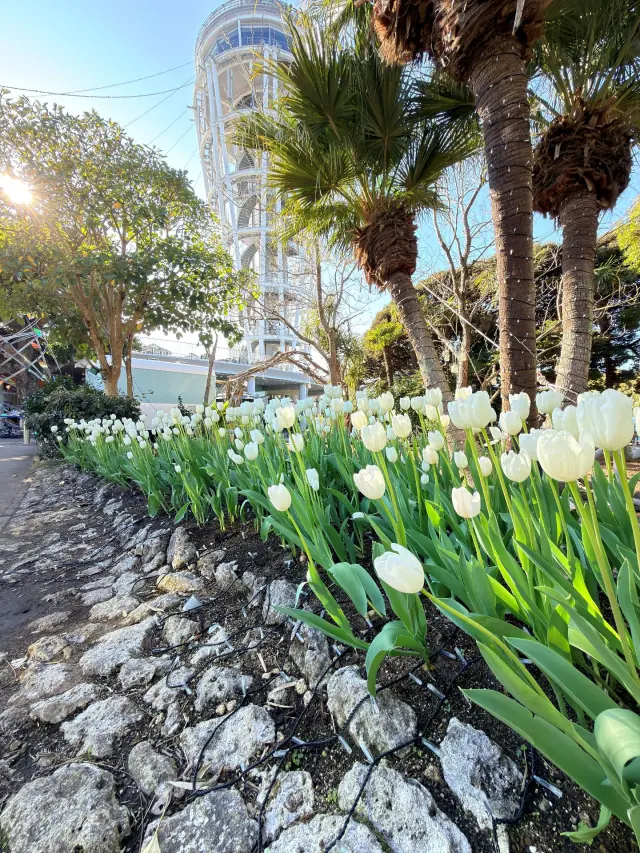
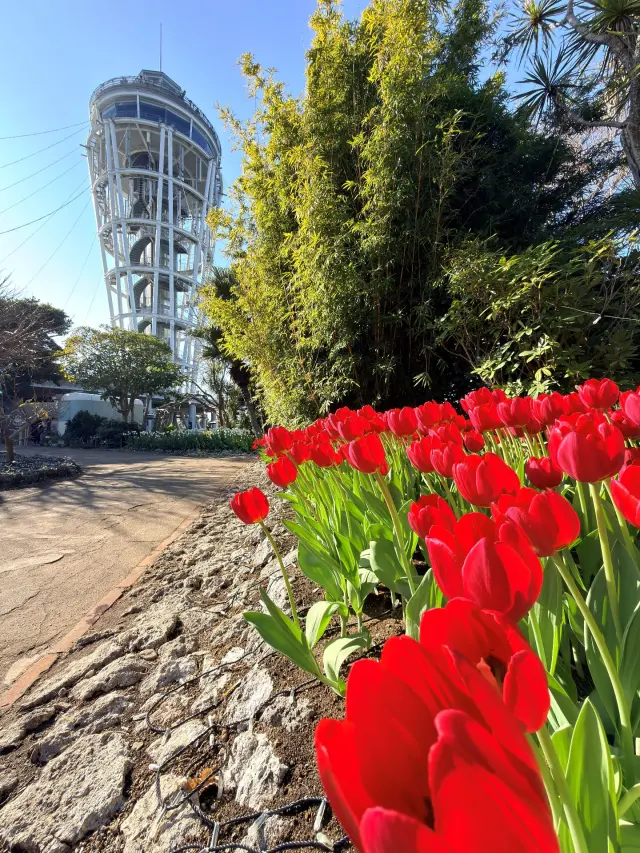
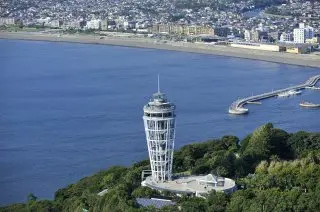
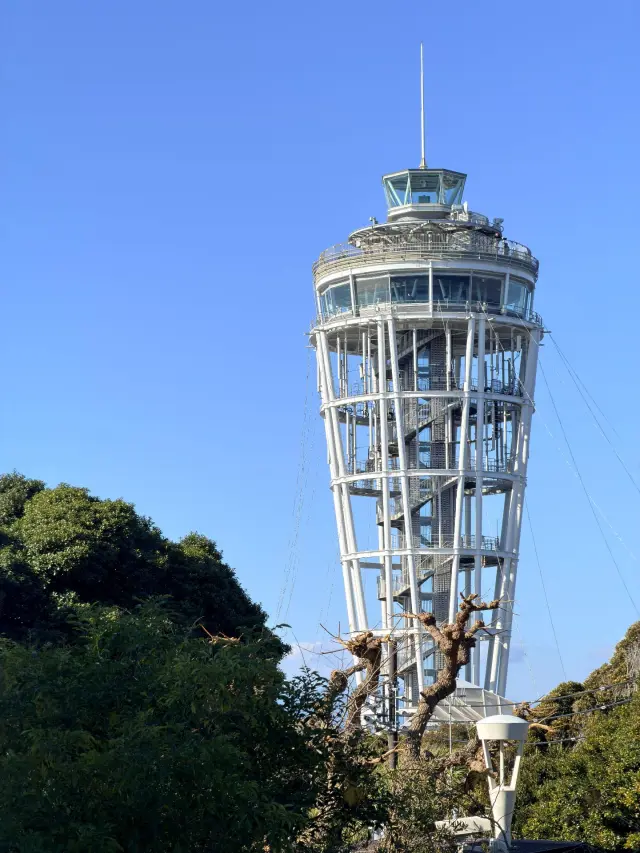
    The Enoshima Sea Candle, Japan's first privately established lighthouse, was built in 1951 and renovated in 2013 as part of the centennial celebration of the Enoshima Electric Railway. Constructed with a focus on "landscape and environmental consideration”, "pursuit of public utility value” and "regional tourism promotion”, the spot continues to draw numbers of eager tourists to this day.

    • Kanagawa
    • Observatories
    See More

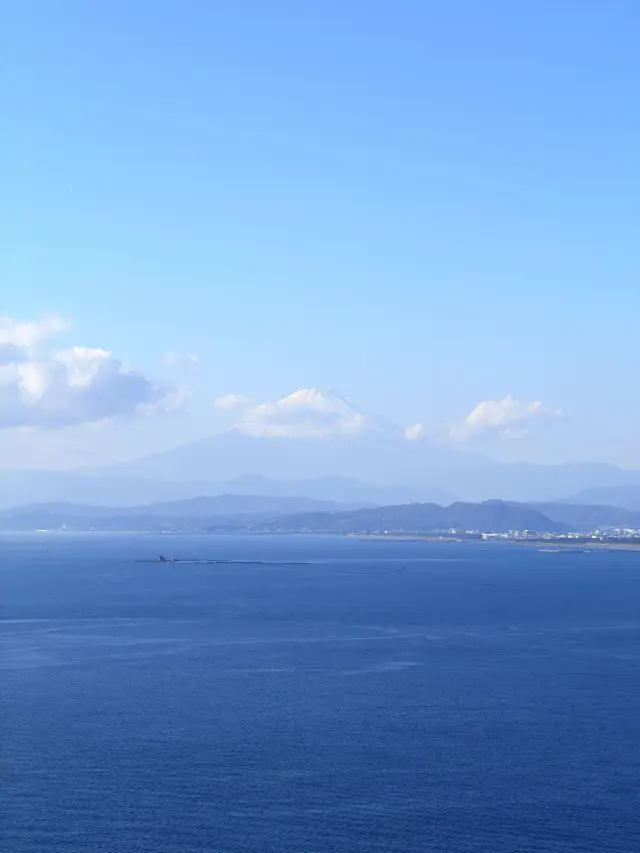
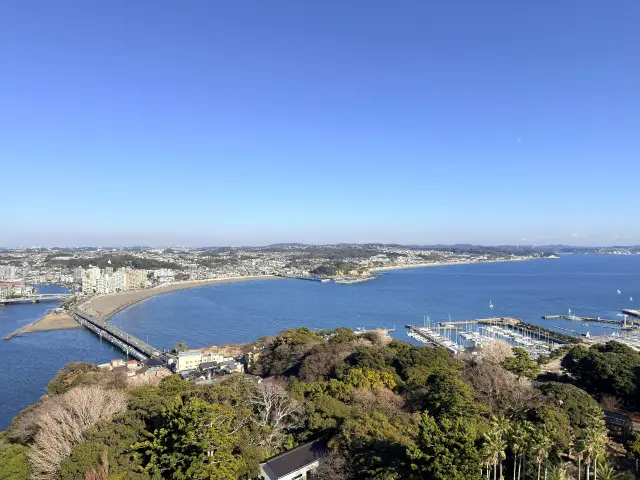
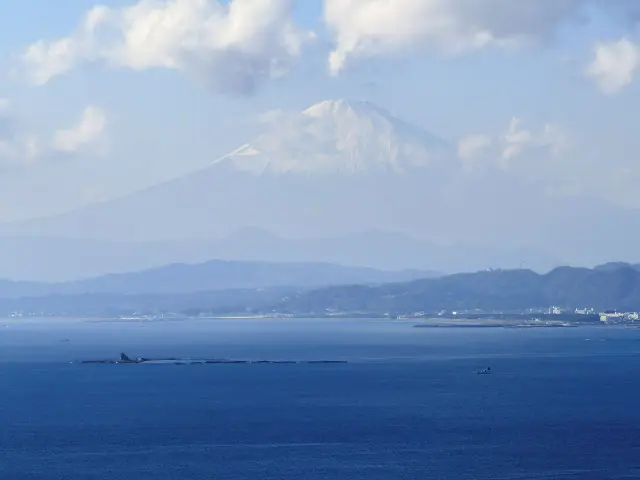
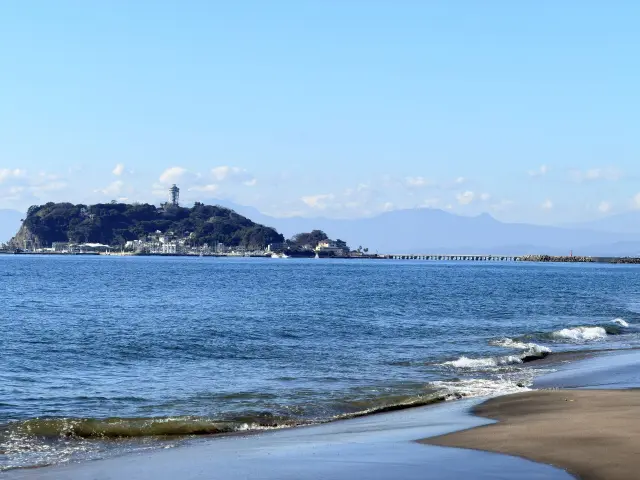
    At the end of 2025, I took the Enoden to the Shichirigahama coast. The weather was exceptionally clear on the day of my visit, and as soon as I got off the train, I was deeply impressed by the clear and majestic sight of Mount Fuji in the distance. Looking out, I could also see Enoshima standing quietly in the sea, while the Enoshima Sea Candle observation lighthouse on the island seemed to be waving at me, beckoning me to come and explore. As I followed the coastline and enjoyed the scenery, the winter sunlight shimmered across the water. Together with the deep blue sky and Mount Fuji in the distance, it made this part of the trip especially pleasant and relaxing.
    After arriving on Enoshima, of course I headed straight for the Enoshima Sea Candle observation lighthouse without hesitation. The reason was simple: I wanted to make the most of the rare clear weather and admire the captivating sight of Mount Fuji from different heights and angles. From the observation deck, the expansive ocean view and distant Mount Fuji came together to create a beautiful scene that made me reluctant to leave for a long time. Even after taking plenty of photos, I still couldn't get enough and kept wanting to look a little longer so I could preserve this rare view in my memory.
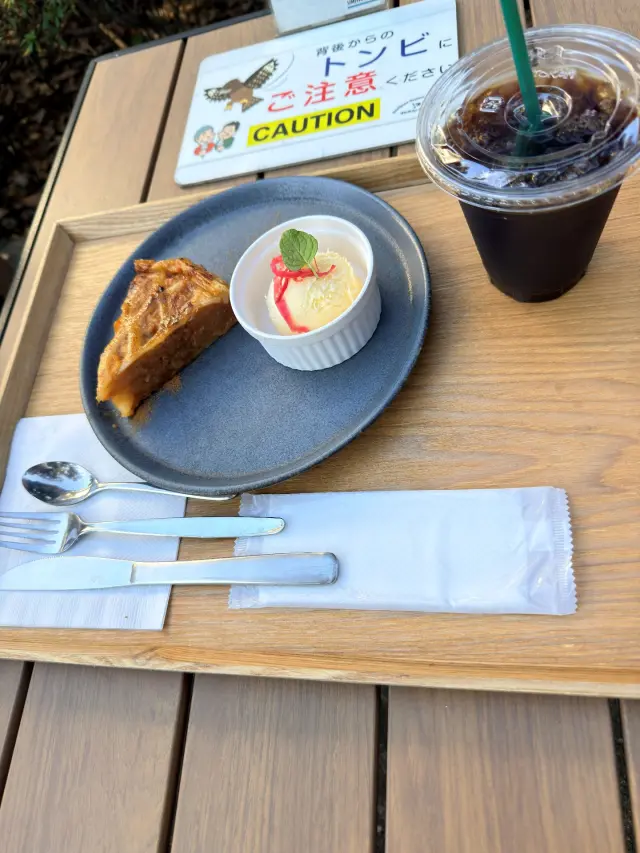
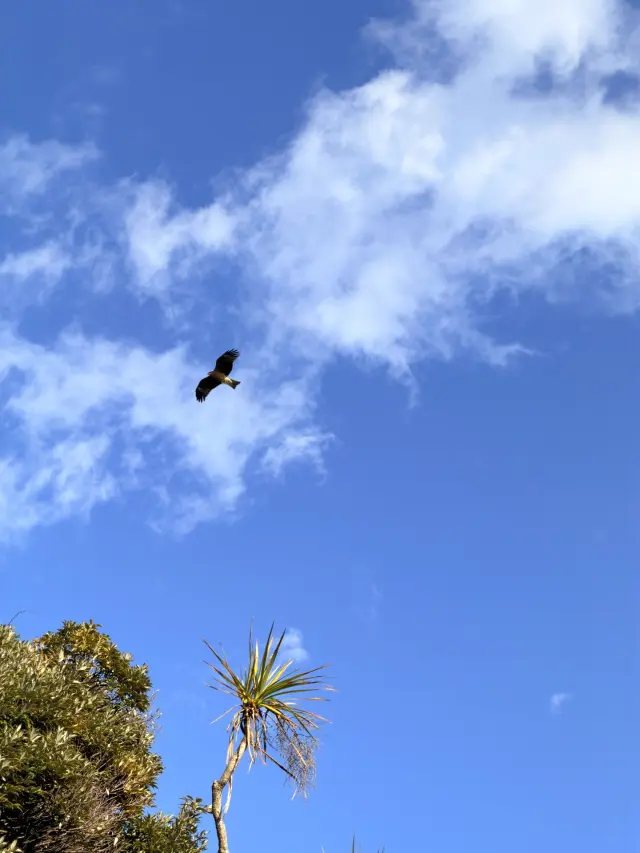
    After enjoying the scenery, I went to the shop next to the first floor of the observation deck, ordered a coffee and a snack, and found a comfortable place to sit and enjoy a leisurely time in the warm winter sun. A notice on the table caught my eye. Looking more closely, I realized it was reminding visitors to watch out for the hawks circling overhead, since they might also want to share the delicious food in front of us!
    This amusing little incident added another unforgettable memory to an already relaxing afternoon tea.
    Although I saw unforgettable views of Mount Fuji on my first visit to Enoshima, I also discovered that there are still many places on the island worth exploring at a leisurely pace. I think that's the most captivating part of traveling—it always leaves you wanting more and looking forward to what comes next. I'm certain I'll visit Enoshima again in the future, slow down, and fully explore the island's scenery and the beautiful surroundings.
  • YEBISU BREWERY TOKYO

    Yebisu Beer has more than 130 years of history and deep ties to Tokyo's Ebisu neighborhood. Located at the birthplace of Yebisu Beer, this brand experience center brings together the history of beer, the depth of the brewing process, and new flavors.
    • Meguro, Ebisu
    • Museums
    See More

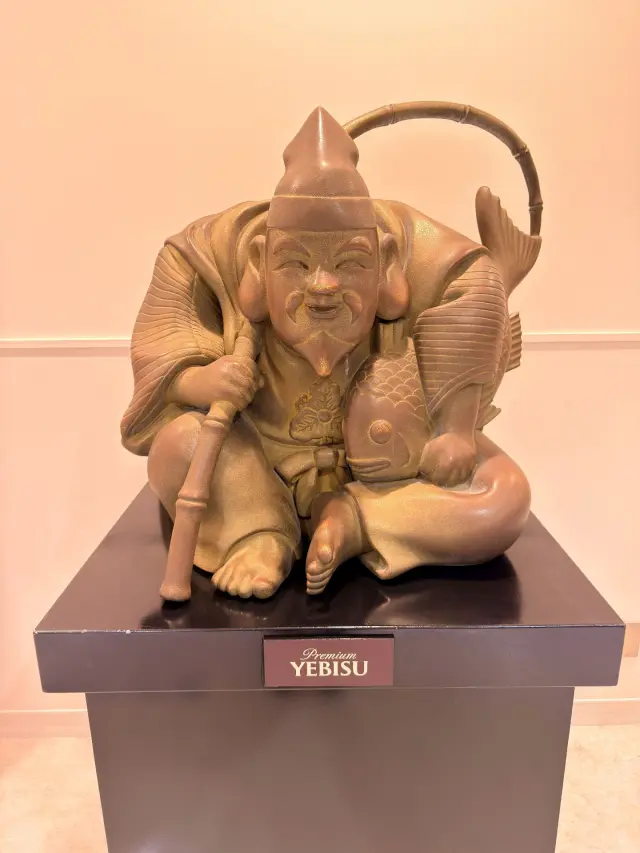
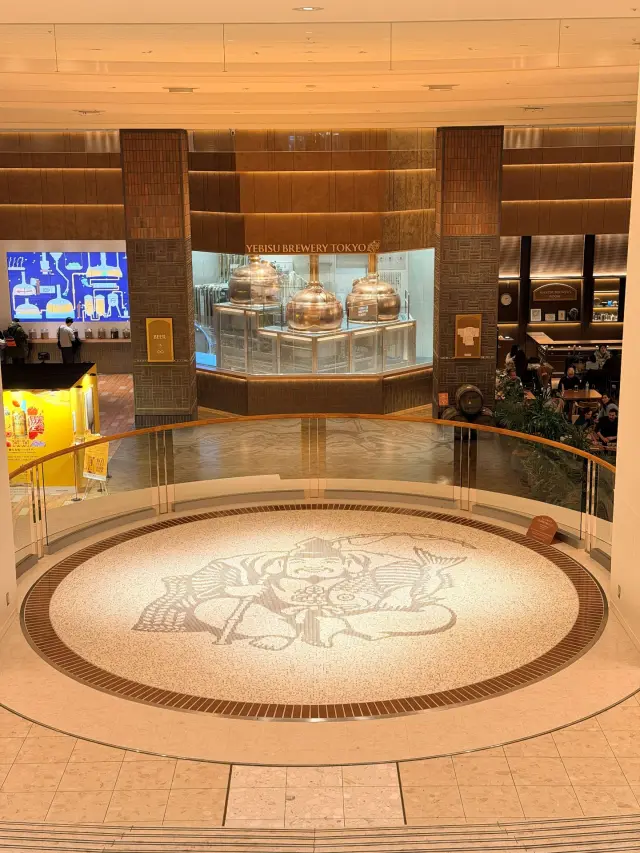
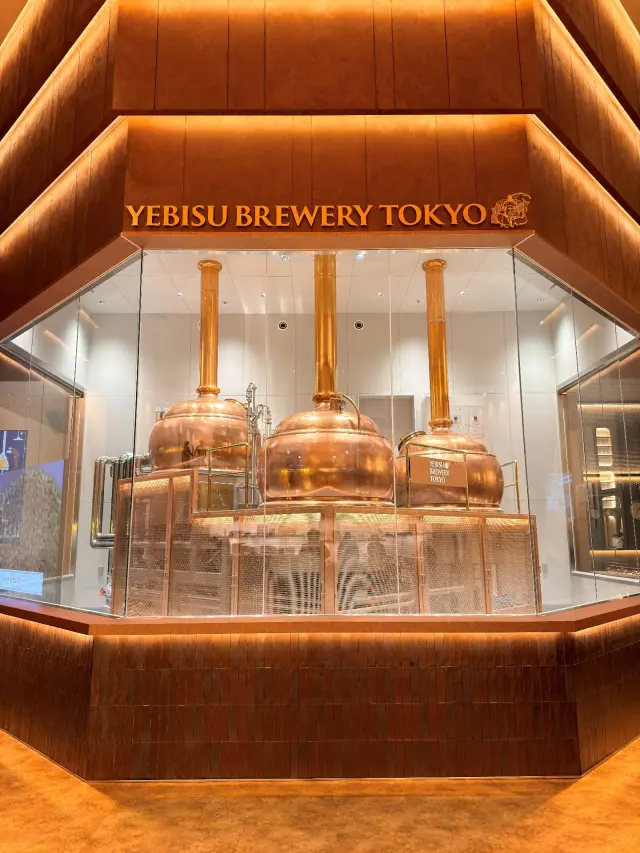
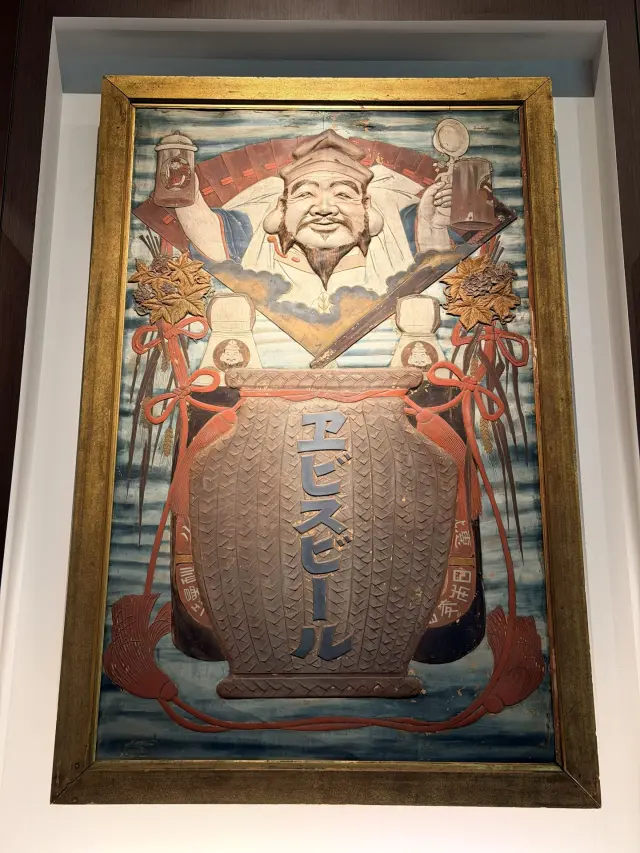
    Starting from Ebisu Station, I headed toward Yebisu Garden Place. Along the way, the distinctive beer glass-shaped streetlights caught my eye, as if reminding travelers that this area has a history inseparably linked to beer. Upon entering the lobby, I was greeted by a statue of Ebisu and massive brewing equipment, making me stop in my tracks for quite a while to admire them closely.
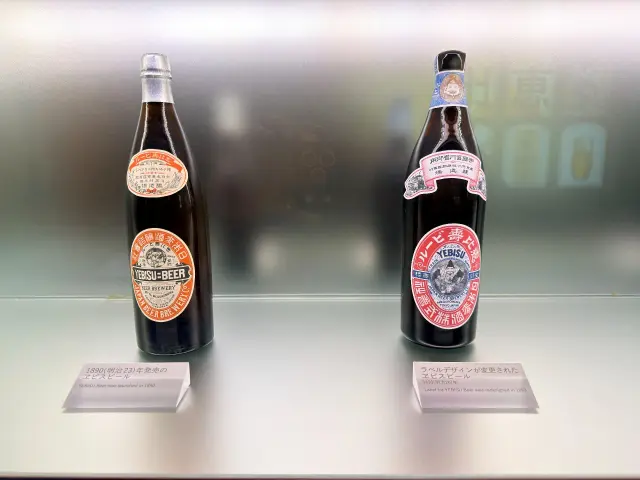
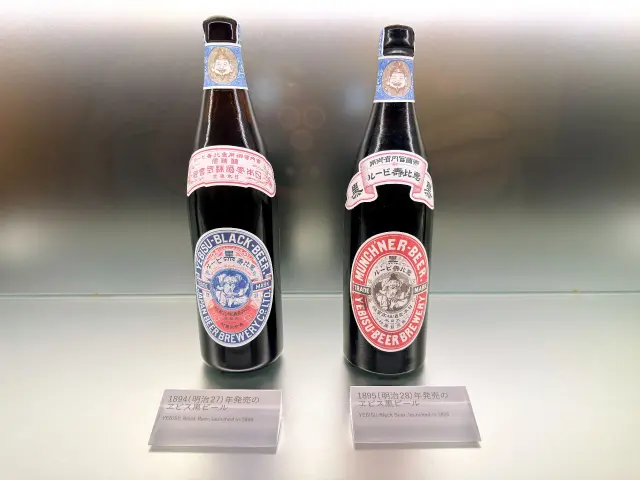
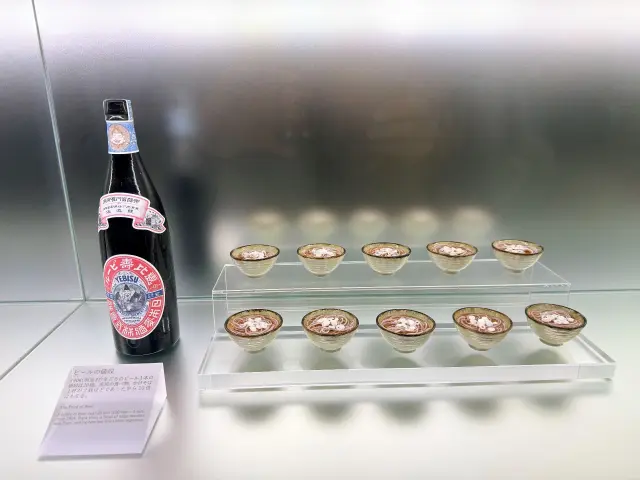
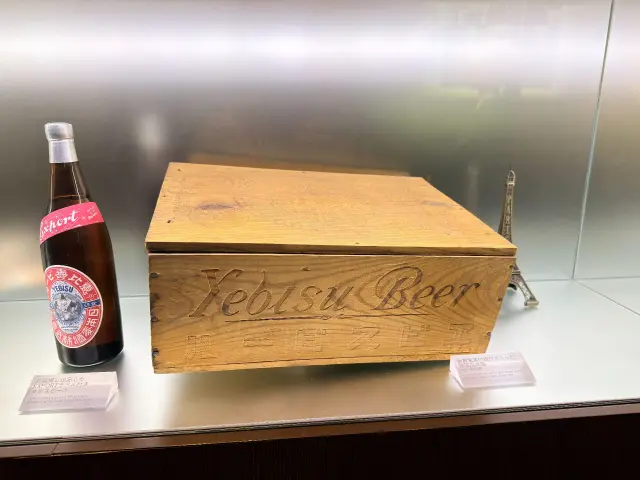
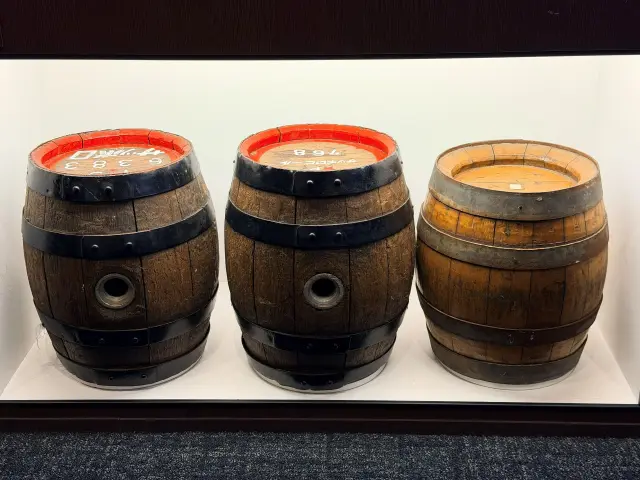
    Next, I visited the museum exhibit area, where various historical materials and displays gradually introduced me to the history of Yebisu Beer. When I learned that the very place where I was standing used to be the site of the beer factory, and then looked at the products and related artifacts from different eras displayed in the cases, I suddenly had the wonderful feeling of traveling through time, as if I were following the exhibits through the years of Yebisu Beer’s history.
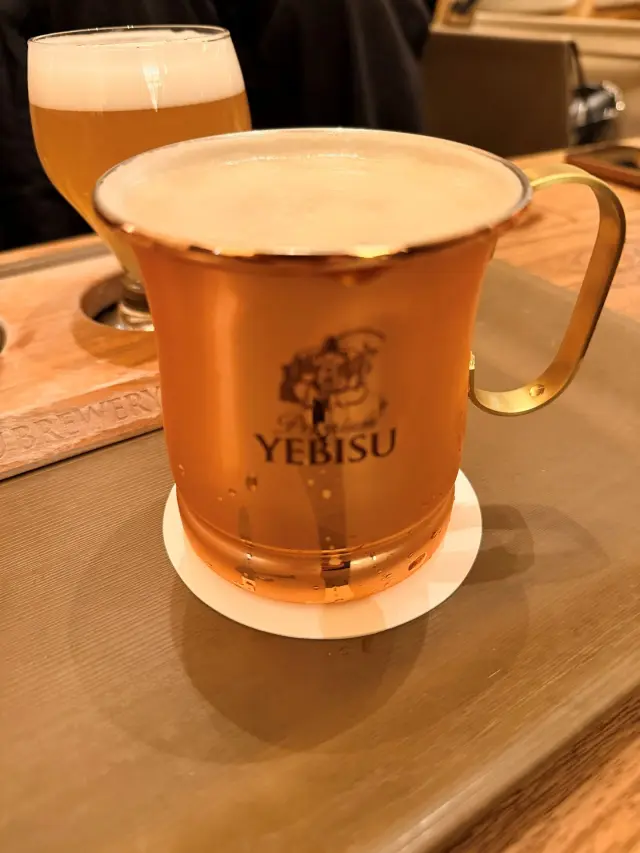
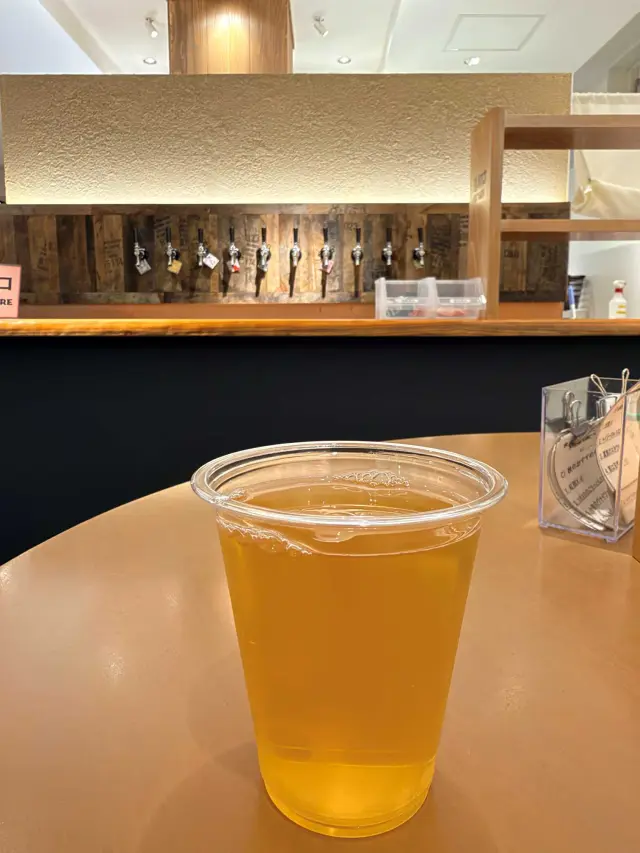
    After touring the exhibits, of course I couldn’t miss the chance to try the beers available only here. Although I visited during the cold final days of 2025, the historical charm I had just experienced in the exhibit area and the excitement I felt only made me want a cold beer even more, so I could personally experience this brewing culture that continues to this day.
    I found a comfortable place to sit, slowly savoring the delicious beer while admiring the sparkling lights outside the window. Outside was the chill of winter, before me were dazzling lights, and in my hand was a glass of beer with a story rooted in history.
    Immersed in this atmosphere and reflecting on everything I had just seen, I suddenly felt that having such a relaxing and satisfying moment during my trip was truly a blissful experience.

  • KochiKame Memorial Museum

    Opened in March 2025, this brand-new facility is dedicated to the beloved gag manga Kochira Katsushika-ku Kameari Koen-mae Hashutsujo (KochiKame), which ran in Weekly Shonen Jump for 40 years without a single break.

    • Kita-Senju, Katsushika
    • Museums
    See More

    Looking back on my last solo trip to Japan, if I had to name a few places that left an especially deep impression on me, Kameari would definitely be one of them.
    The reason is simple: Kankichi Ryotsu from KochiKame!
    Even though it’s just an anime and he’s a fictional character, I’ve always really liked Ryo-san. I like his genuine nature, his ambition, and his mind that is always full of imaginative ideas—quick, flexible, and never playing by the rules. Although he often causes trouble and leaves people unsure whether to laugh or cry, his straightforward and energetic personality somehow makes him feel especially relatable.
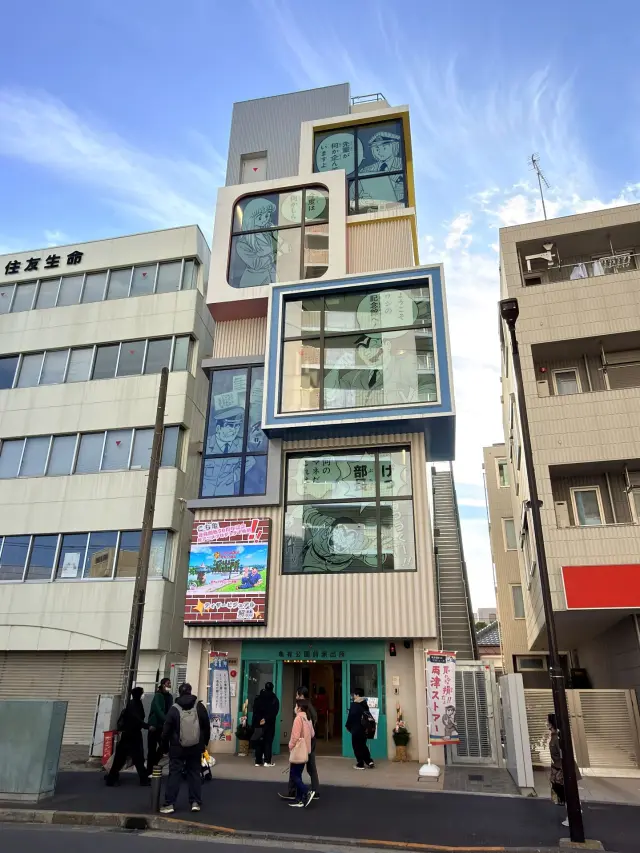
    So when I learned before my trip that a KochiKame museum had recently opened in Kameari, it naturally caught my interest. Of course I had to visit in person and thoroughly explore Ryo-san’s world.
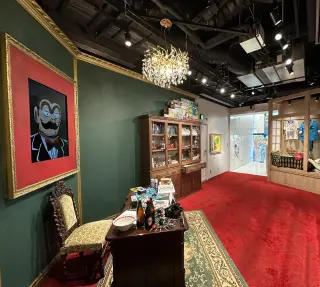
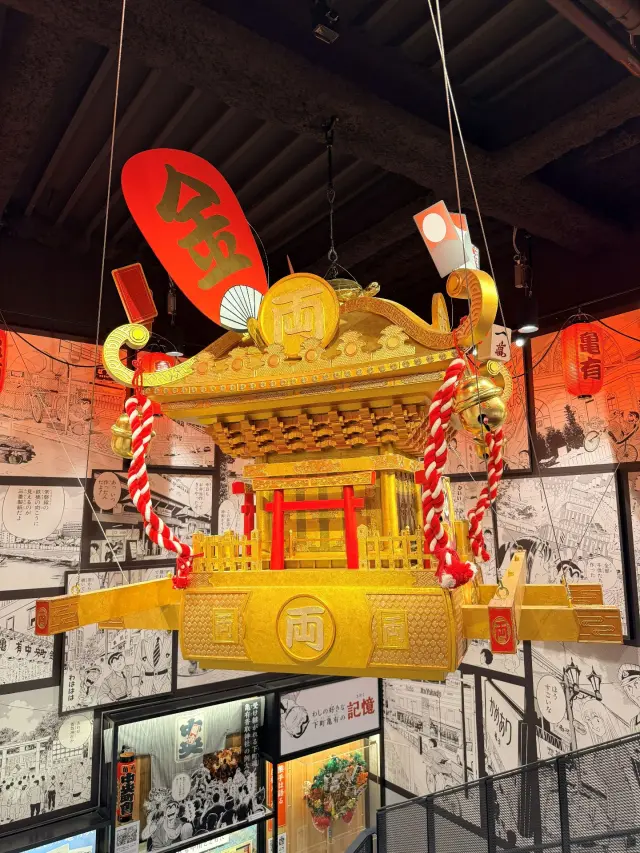
    It wasn’t until I stepped inside the museum that I realized how much care had gone into its design. Many familiar scenes from the anime have been recreated one by one, making it feel as if you’ve truly entered the world of KochiKame.
    As I walked around, I kept feeling that Ryo-san might pop out from a corner at any moment. I could almost hear the chief shouting furiously, and I even found myself hoping to see Reiko around the next corner. The characters and scenes that had once existed only on a TV screen suddenly felt so close. It was truly a fascinating feeling.
    To me, this museum is more than just a place displaying an anime series. It feels more like a space where you can step back into familiar memories. I believe anyone who likes KochiKame should come and see it in person.
    And Kameari’s charm isn’t limited to the museum. Once you step outside, you’ll find little touches related to Ryo-san and the series throughout the streets. Slow down and wander through this lively neighborhood, and you’ll always discover some unexpected surprises along the way.
    It turns out that some places stay with us not because of magnificent scenery or famous attractions, but because they are home to a character we’ve loved for a long time—someone who never truly existed, yet has always felt familiar...

  • Starbucks Coffee Kawagoe Bell Street Store

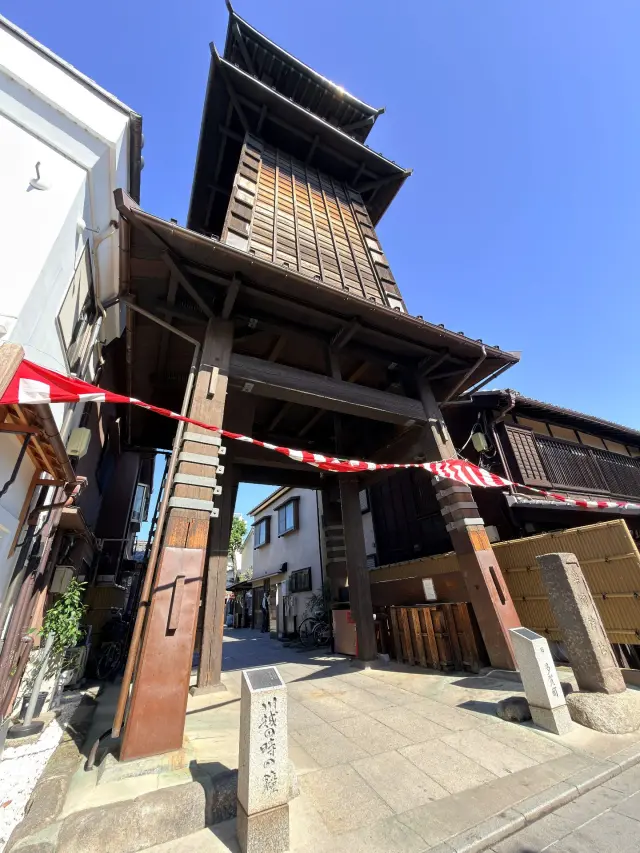
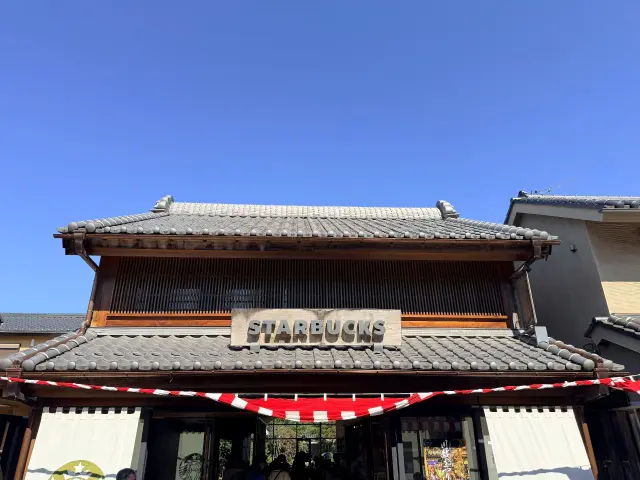
    In the historic warehouse district of Koedo Kawagoe, the Starbucks on Bell Street, located along a cobblestone path by the towering "Time Bell," is one of the "Regional Landmark Stores" that showcases the culture and allure of various regions in Japan.

    • Saitama
    • Cafés
    See More

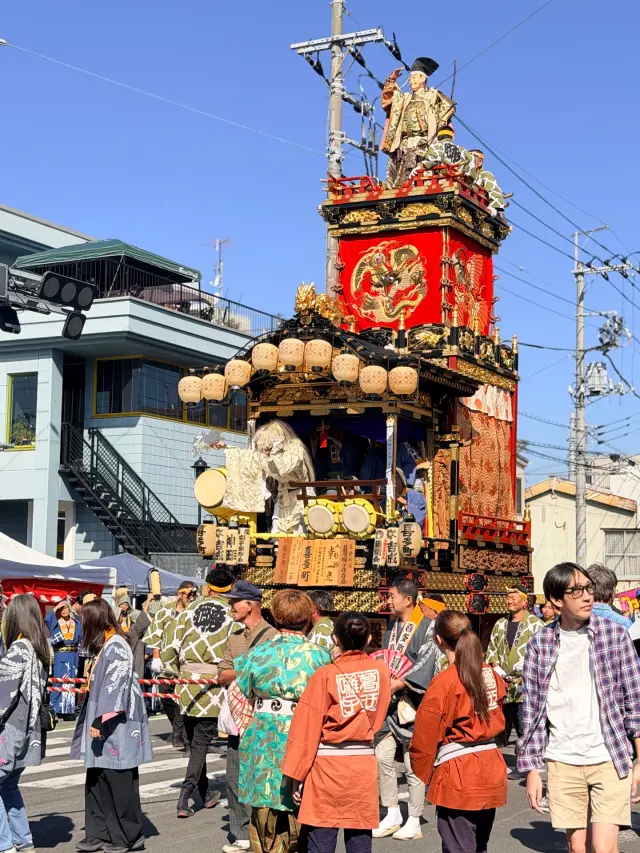
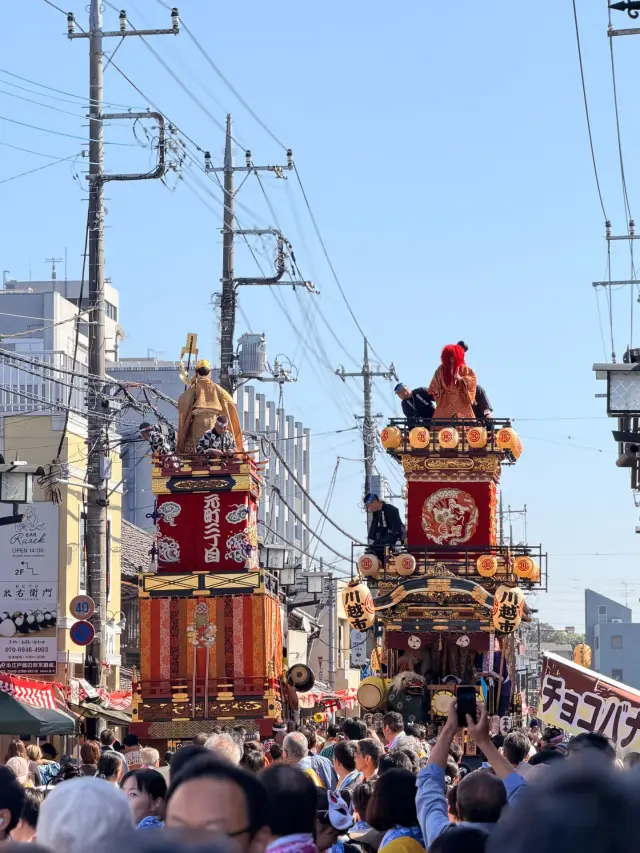
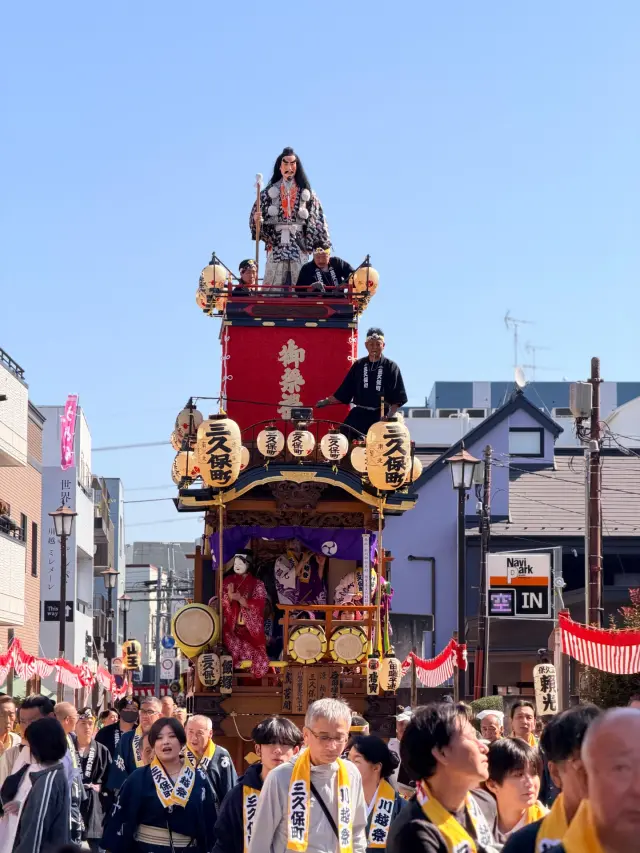
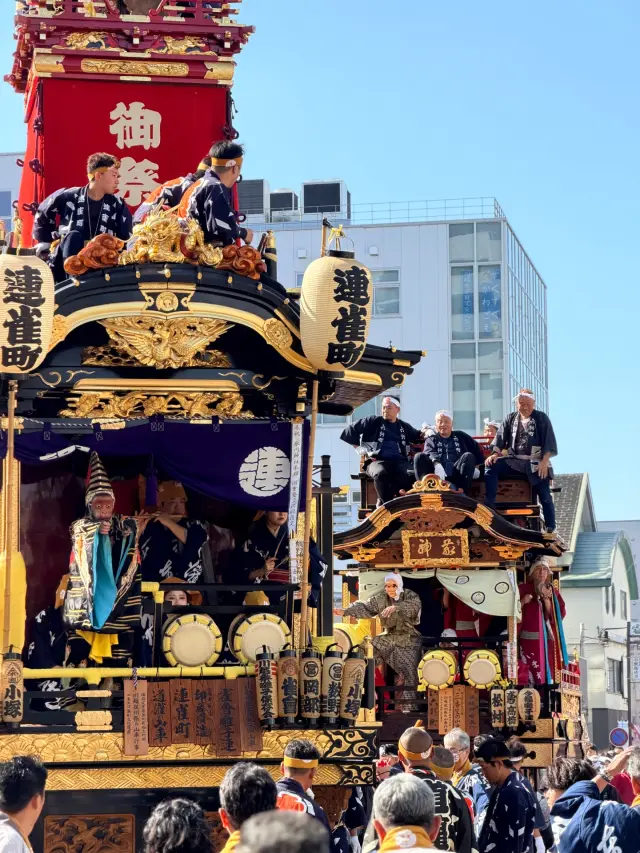
    On the day of the Kawagoe Festival, I followed the floats all the way to the area around the Time Bell, and of course I couldn't miss the Starbucks Coffee Kawagoe Bell Street Store. This Starbucks blends seamlessly into the traditional Japanese streetscape of the old warehouse district, bringing modern coffee culture and the atmosphere of Little Edo together naturally without feeling out of place at all. If you aren't paying close attention, you might actually walk right past it.

    After chasing the floats all morning and doing quite a bit of walking, this was the perfect opportunity to stop, order a cup of coffee from the friendly and charming staff, find a comfortable seat, and get some proper rest.
    While I was waiting for my coffee, an ornate float happened to slowly pass by outside the store. It was such a rare opportunity that I couldn't miss it, so I quickly picked up my camera and captured the beautiful sight of the float moving through the old streets.
    Back at my seat, I held the coffee I'd just ordered and looked out the window. The streets were still filled with lively festival scenes, accompanied by bursts of festival music and crowds of people coming and going. At that moment, though, I could sit leisurely inside the store, slowly savoring my coffee and enjoying the excitement from a little distance.
    On one side was the lively bustle of the Kawagoe Festival, and on the other was the relaxed calm of the café. Even though they were in the same place, it felt as if there were two completely different rhythms of travel, adding a rare sense of peace and comfort to this brief rest.
    It turns out that the joy of traveling isn't just about being right in the middle of the excitement. Sometimes, stopping and quietly watching it unfold before you can also be a pleasure⋯⋯

  • Tokorozawa Sakura Town

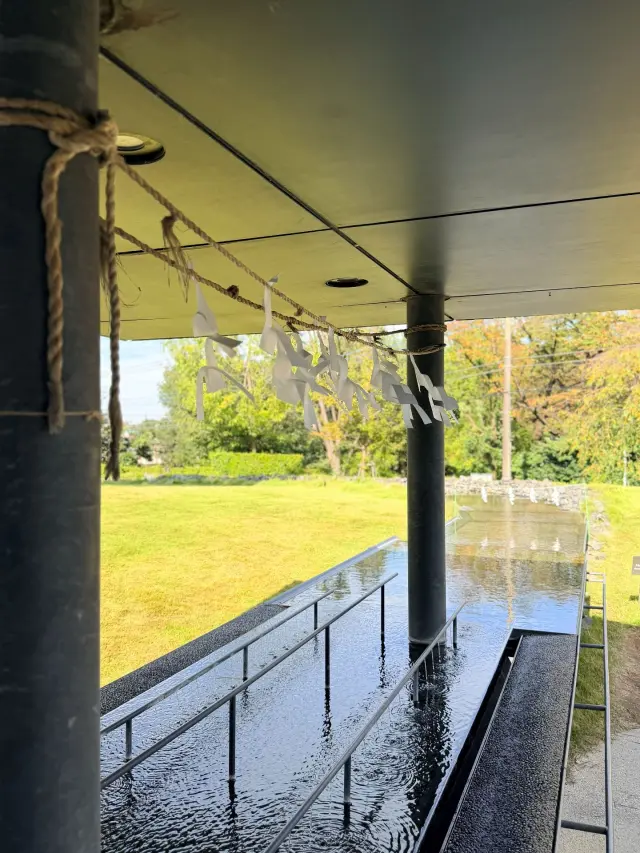
    Tokorozawa Sakura Town, located in Tokorozawa City, Saitama Prefecture, is a complex facility that opened in November 2020. The vast site includes a museum, restaurants, stores, multi-purpose hall, and shrine.

    • Saitama
    • Museums
    See More

    Before visiting, I didn’t know much about Tokorozawa Sakura Town. I only knew it was a complex attraction combining culture, art, and entertainment, with a museum, restaurants, stores, event and performance spaces, and even a shrine. As for what the place was actually like, I didn’t have much of an idea.

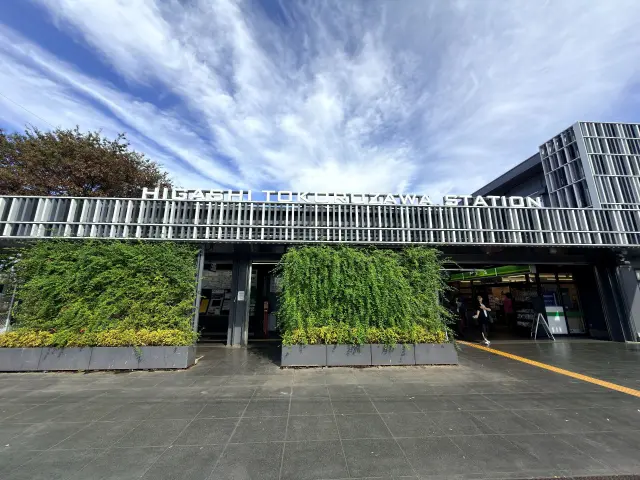
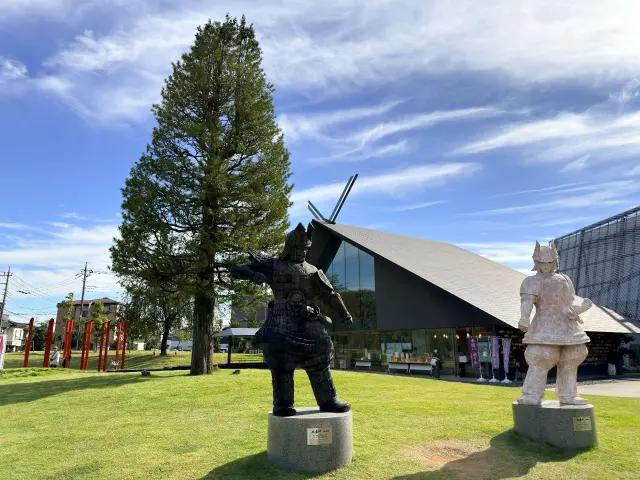
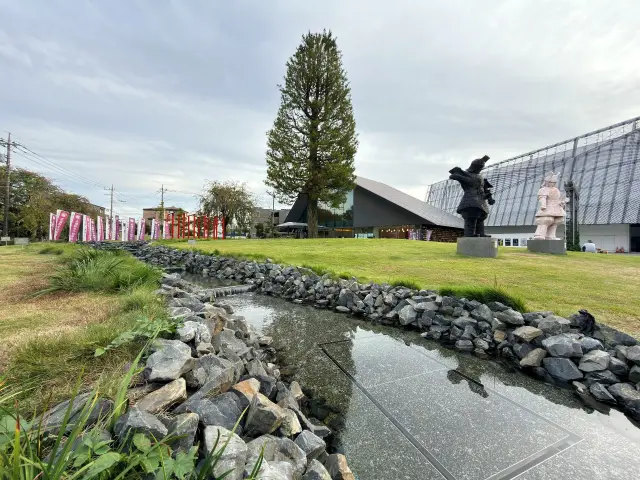
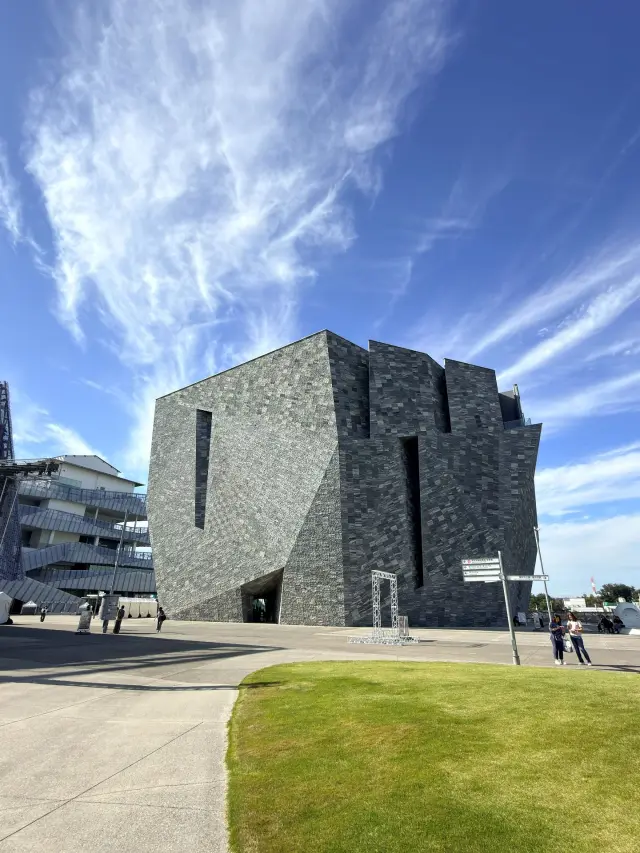
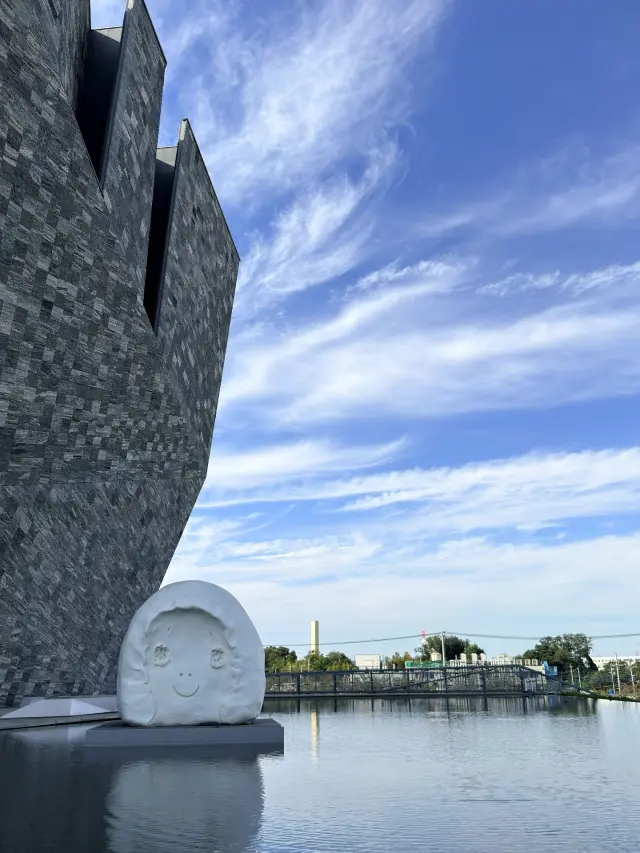
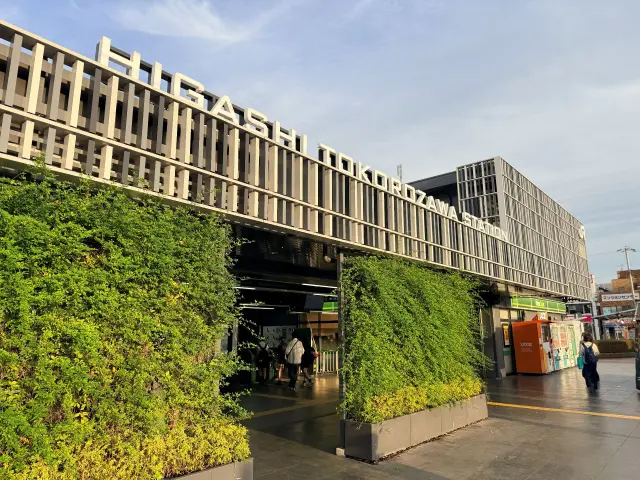
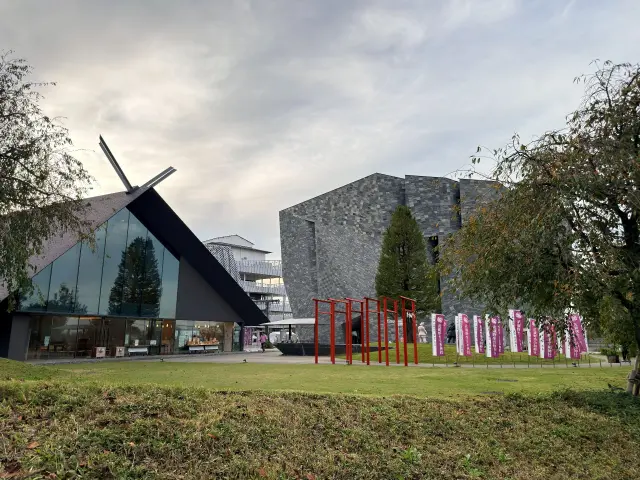
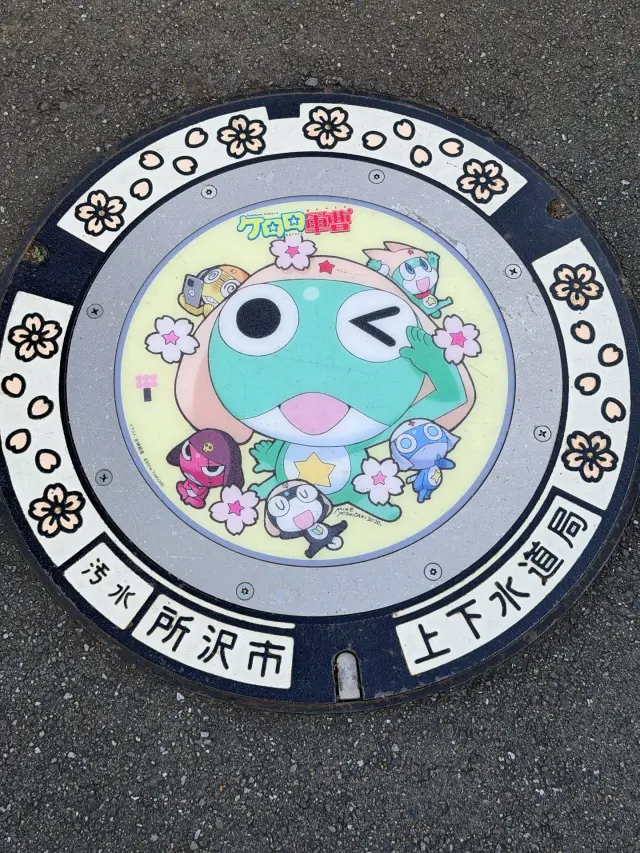
    This time, I took the train to Higashi-Tokorozawa Station. As soon as I stepped outside, I was drawn to the distinctive architecture and thought that this place seemed to hold some kind of exciting appeal. Following the map on foot, I noticed many creative little touches along the streets, and before long, I saw the most eye-catching landmark of the trip—the Kadokawa Culture Museum.

    Designed by renowned Japanese architect Kengo Kuma, the building’s unique and dynamic exterior alone creates a powerful visual impact. Even just standing in front of it, you can sense how strikingly different its presence is from the surrounding environment.

    Inside, the museum combines a variety of elements, including history, art, books, and anime culture. I happened to visit during a special Galaxy Express 999 exhibition. Large-scale projections, edited animation clips, lighting, and sound effects created an immersive experience that felt like stepping into the world of the series. The overall visual effect was truly breathtaking.

    Another thing that left an especially strong impression on me was the famous Bookshelf Theater. Huge 8-meter-high bookshelves surround the space, and the layered rows of books create an astonishing sense of scale. Combined with the lighting and projection effects, they add an even more fantastical atmosphere. Even if you aren’t particularly fond of reading, it would be hard not to be captivated by the sight of this spectacular sea of books. For me, seeing the Bookshelf Theater in person was reason enough to make a special trip here.

    I also knew before visiting that sweet potatoes are one of Saitama Prefecture’s signature specialties, but I didn’t expect to be lucky enough to try a limited-time sweet potato pudding here. I originally just wanted to try something new, but the flavor ended up leaving a strong impression on me. I looked it up afterward and found that it doesn’t seem to be available in Taiwan yet, making this small surprise during the trip feel even more rare and special.

    Looking back, I originally didn’t have particularly high expectations for Tokorozawa Sakura Town. But after visiting, everything from the architecture and exhibitions to the spatial design and local specialty foods offered an experience that exceeded my expectations. What began as a trip driven by curiosity ended up becoming one of the most memorable stops on my visit to Saitama.

  • Chichibu Pilgrimage Circuit

    The 34 Kannon Sacred Sites (temples enshrining Kannon Bodhisattva ) scattered in Chichibu City, Yokoze machi, Ogano machi and Minano machi are called “Chichibu Fudasho”(Chichibu Pilgrimage Circuit )”, and are included in the Japan 100 Kannon Pilgrimage along with 33 sites in Saigoku and 33 sites in Bando.

    • Saitama
    • Shrines & Temples
    See More

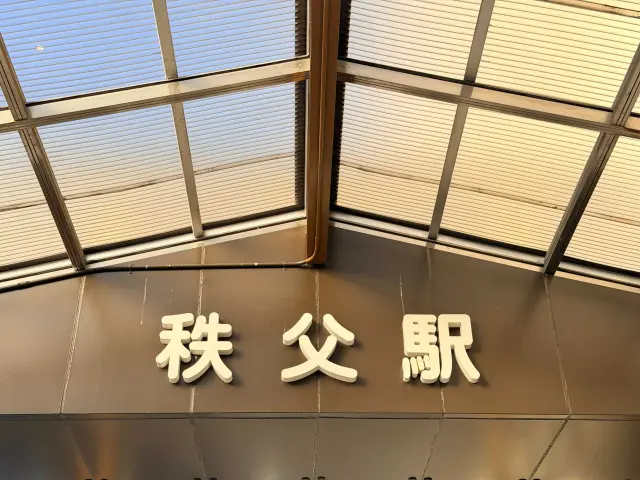
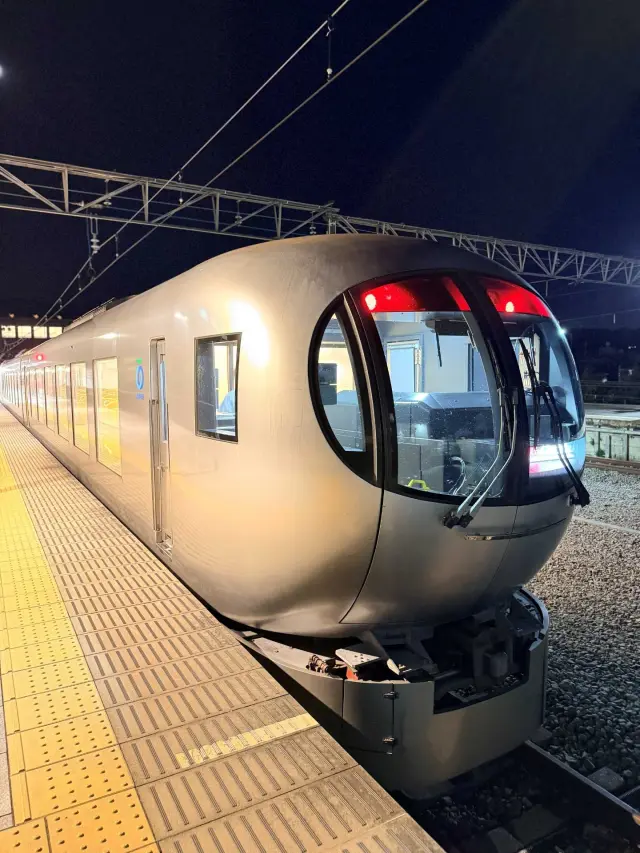
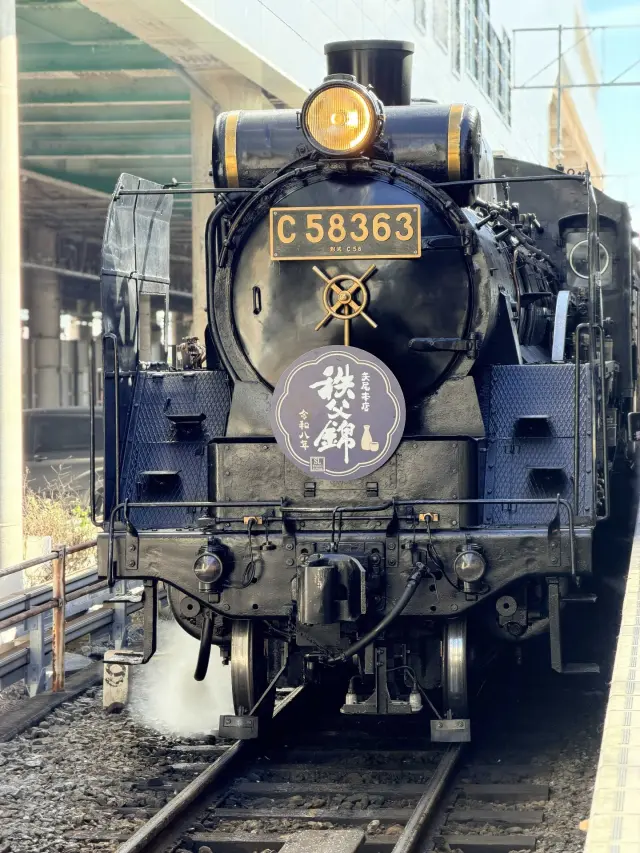
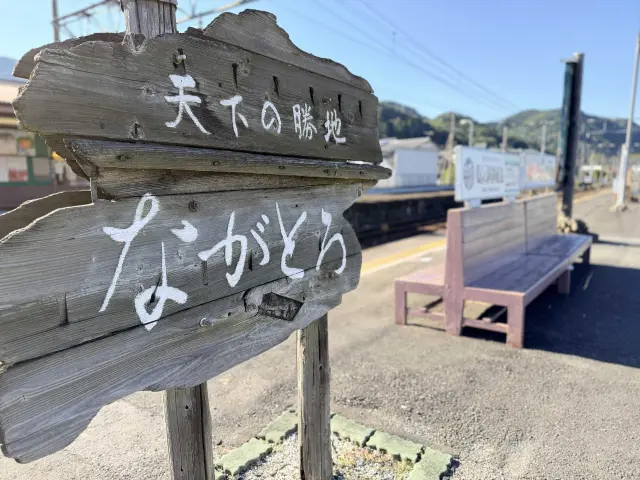
    For this day trip to Nagatoro and Chichibu, I chose a different mode of transportation from most travelers. I set out from Kumagaya aboard the SL Paleo Express steam train instead of taking the Seibu Limited Express Laview from Ikebukuro to Chichibu. Besides enjoying the natural scenery along the Chichibu Railway, I specifically set aside the afternoon for downtown Chichibu, hoping to visit some of the area’s famous power spots and try the distinctive Chichibu Pilgrimage Circuit.
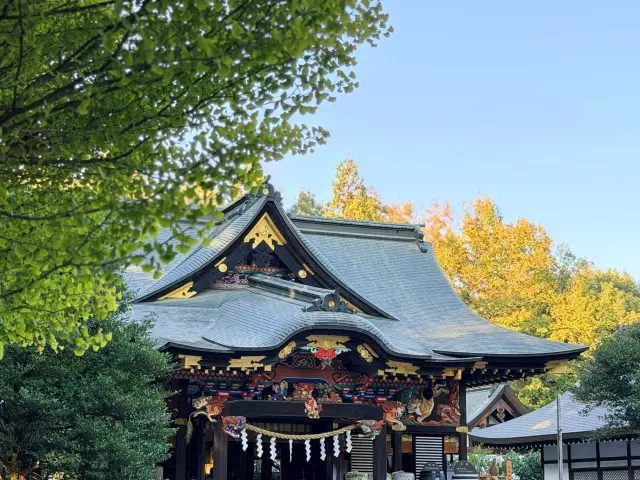
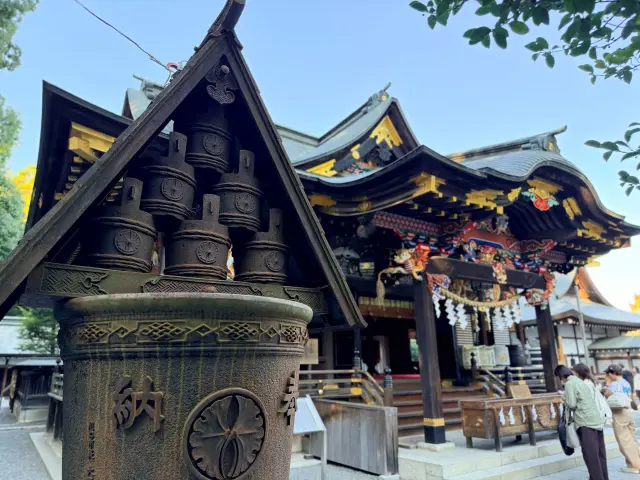
    My first stop was the historic Chichibu Shrine. The carvings decorating the shrine’s main hall are quite ornate, and the intricate carvings throughout the grounds are well worth slowing down to appreciate in detail.
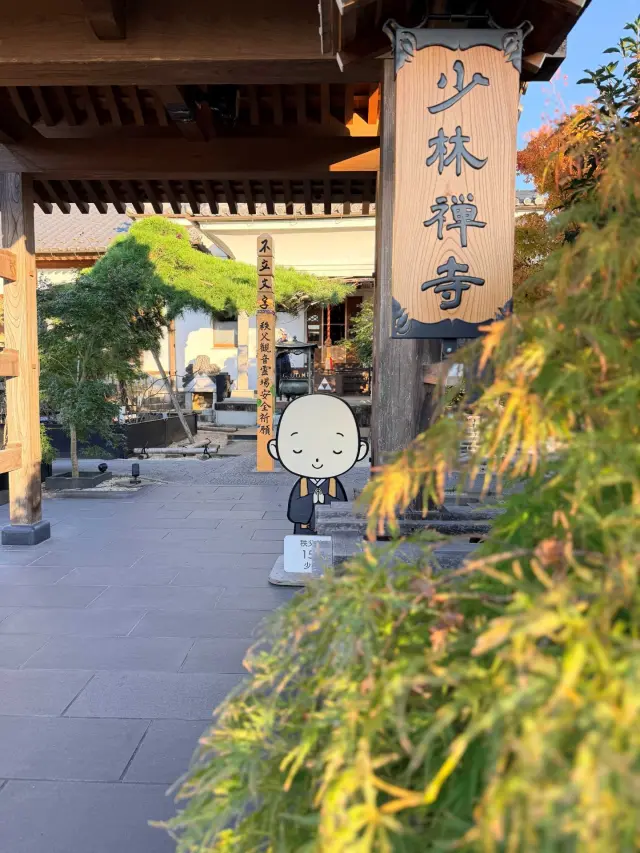
    As for the Chichibu Pilgrimage Circuit, after considering the departure time of my return train and how far I could walk, I decided to visit just Temple No. 15, Shorinji, which I felt a special connection with. Before setting out, I read other travelers’ accounts of their pilgrimages and always wondered what kind of appeal could make people willing to spend the time visiting these temples one by one. It wasn’t until I personally set foot on the pilgrimage route that I gradually came to understand the unique attraction of traveling through Chichibu’s mountains, forests, and communities while enjoying the local scenery and experiencing its traditional religious culture. Chichibu has 34 pilgrimage temples in total, so it looks like I’ll need to plan a separate trip dedicated to the pilgrimage if I want to visit them all.
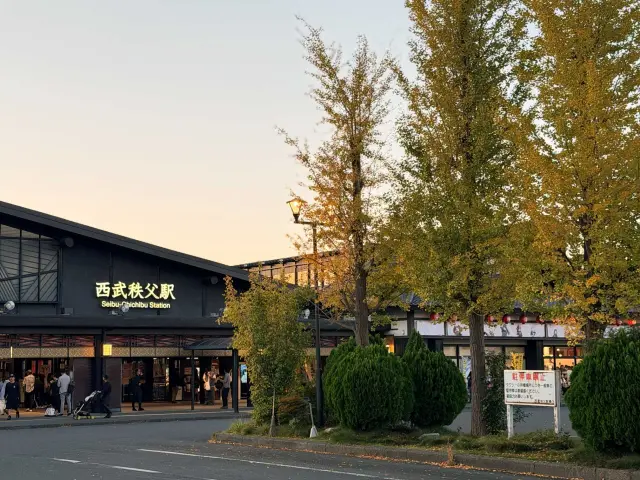
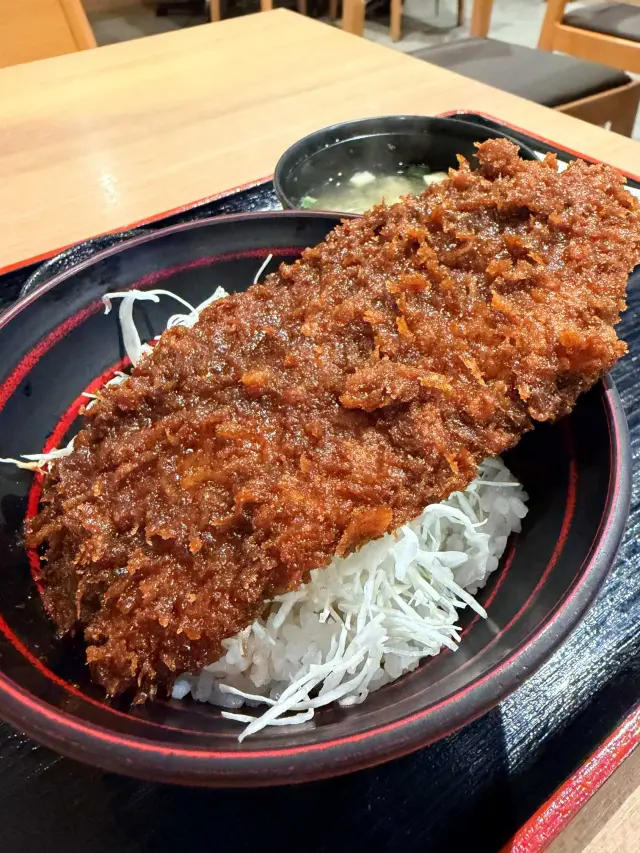
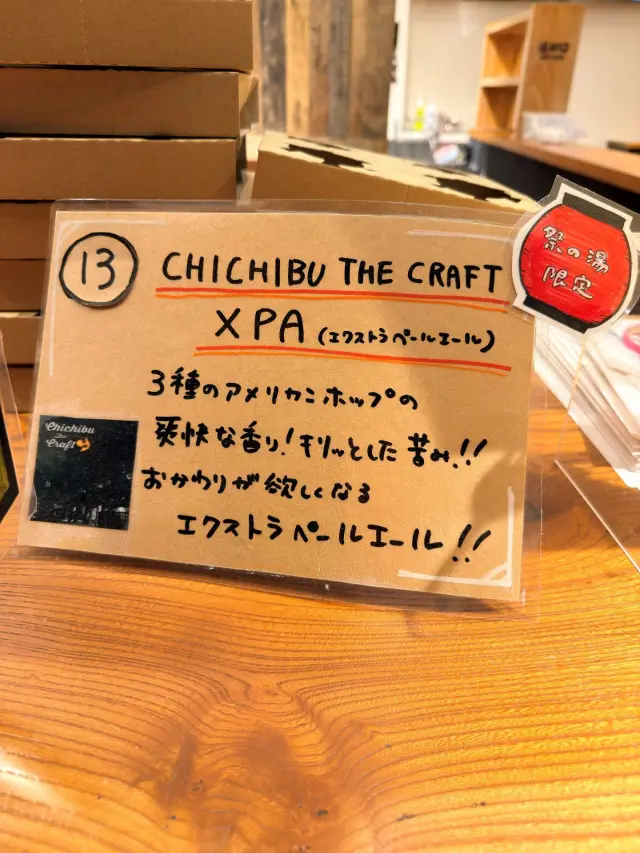
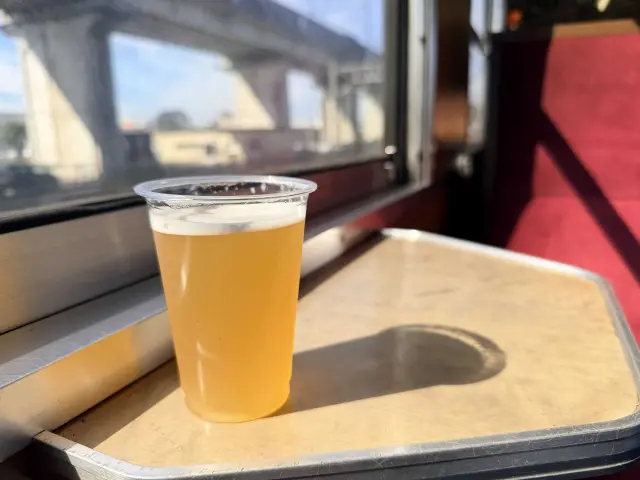
    At the end of the trip, I arrived at Seibu-Chichibu Station, where Matsuri no Yu, connected directly to the station, was the perfect place to recharge and enjoy local food. Of course, my first choice was Chichibu’s specialty, waraji katsudon! The pork cutlets were fried until golden and crispy, coated in the restaurant’s special sweet-and-savory sauce, and served with steaming white rice. It was a very satisfying meal. I had already sampled local beer aboard the SL Paleo Express through a Chichibu Nishiki event, but before leaving, I naturally wanted to seize one last opportunity to try more beer brewed in Chichibu. As I enjoyed the food and drinks, most of the fatigue built up from walking all day seemed to disappear in an instant.
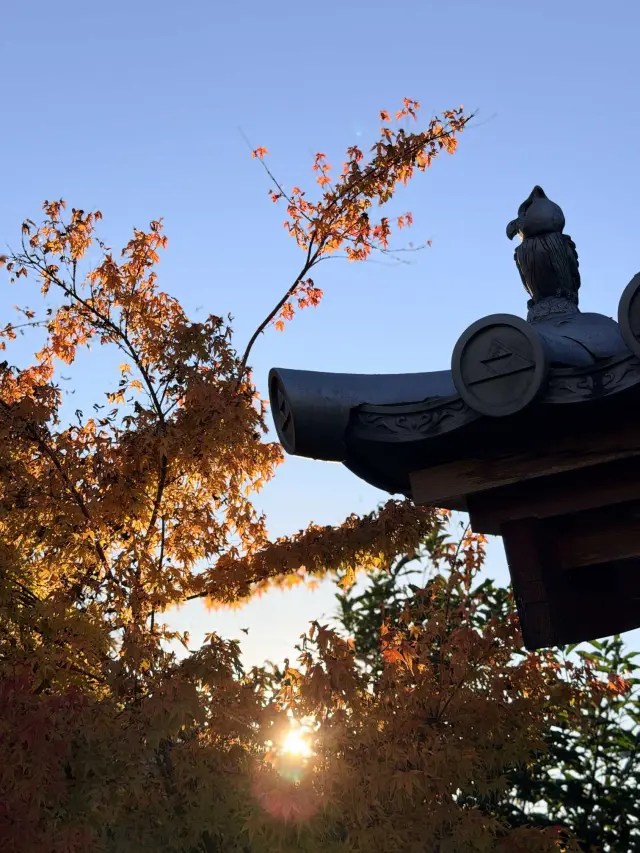
    Another delightful surprise on this trip to Nagatoro and Chichibu was the beautiful fall scenery along the way. Although the maple leaves had not yet completely turned red, they happened to look exactly the way I like them best. The intermingling shades of red, yellow, and green made the forests appear even more vivid and layered. Together with the ginkgo trees that had quietly begun turning yellow, there were beautiful views everywhere that made me stop and admire them.
    Looking back on the day, from the nostalgic steam train and Nagatoro’s natural scenery to Chichibu’s shrines, pilgrimage, and local food, every experience left me with different memories. My only slight regret is probably that I discovered so late just how captivating the scenery and charm of Nagatoro and Chichibu are. It also made me start looking forward to my next visit.

  • Kitain Temple

    A famous temple of the Tendai sect, founded by Jikaku Daishi in 830. In the early Edo period (1603-1700), the famous high monk Tenkai was the chief priest of this temple.

    • Saitama
    • Shrines & Temples
    See More

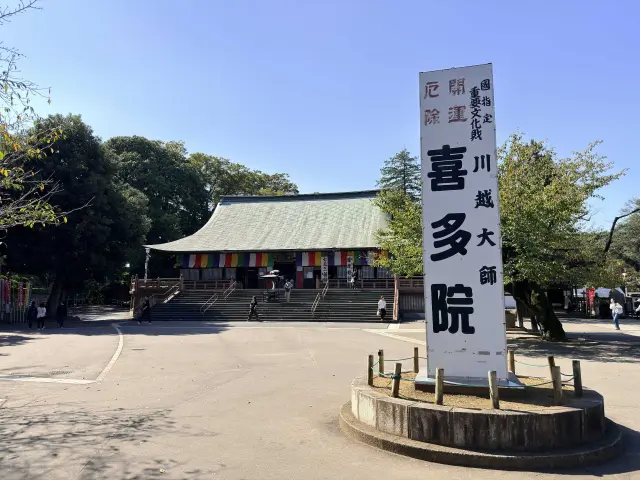
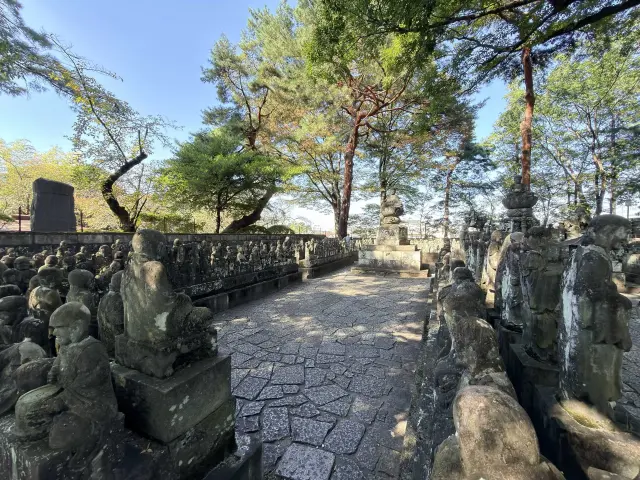
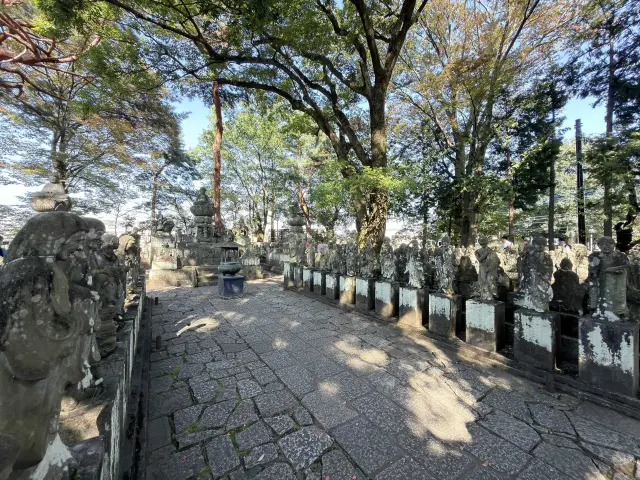
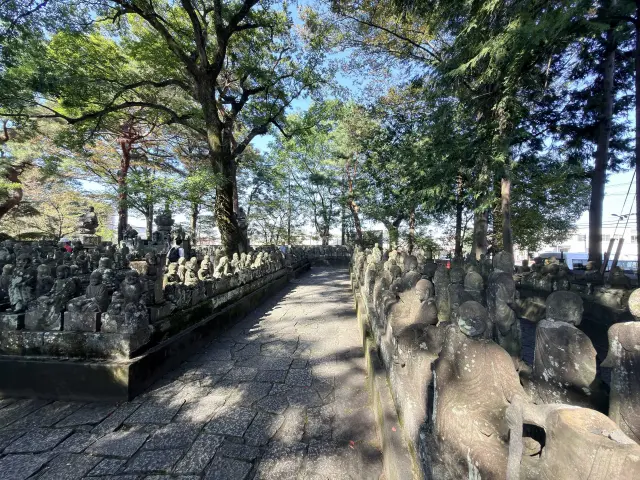
    My visit happened to coincide with the annual Kawagoe Festival. As soon as I entered Kitain Temple, I was struck by its peaceful atmosphere, completely different from the lively festival outside. Strolling through the temple grounds and admiring the valuable historic buildings, I felt as though I had temporarily escaped the noise of the streets and, for a moment, traveled back in time to the Edo period.

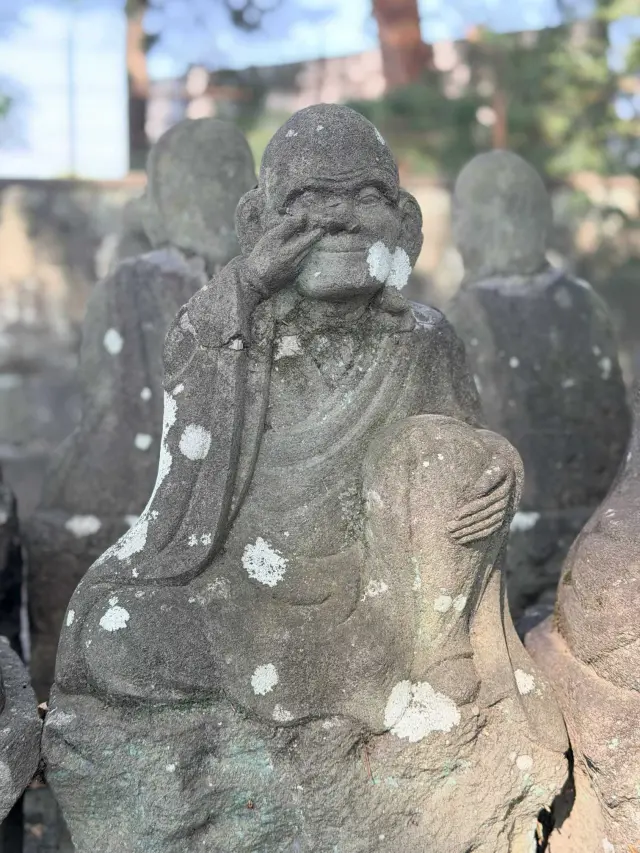
    What impressed me most during this visit was undoubtedly the famous 500 Rakan statues. The more than 500 stone statues of Buddhist disciples each have different expressions and poses. Some are laughing heartily, some appear lost in thought, and others seem to be chatting casually with the companions beside them. Every statue is carved with lifelike detail, and looking closely reveals even more of its unique character and charm.

    I wonder if you, like me, would try to find one among these more than 500 Rakan statues with whom you feel a special connection, stop for a moment, quietly admire its expression and pose, and experience that indescribable sense of familiarity

  • Nagatoro Line Kudari

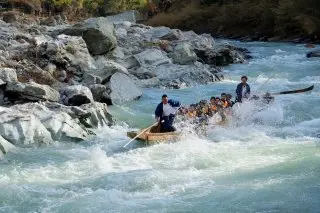
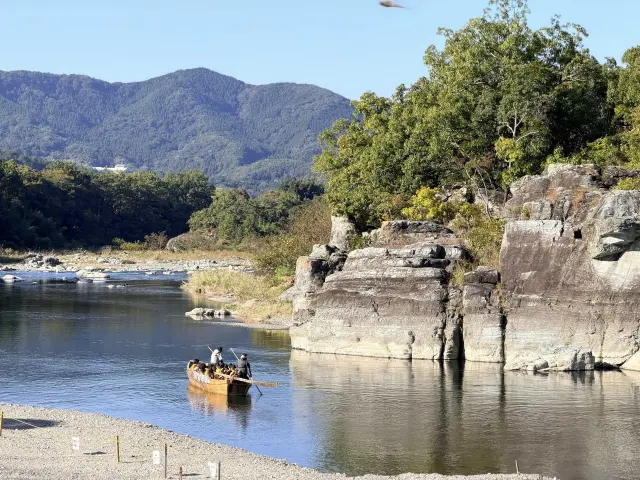
    Chichibu and Nagatoro, nestled along the gentle Arakawa River, are known for river activities. Take in spectacular scenery such as the Iwadatami Rocks, designated a National Place of Scenic Beauty and Natural Monument, as the ride shifts between thrilling rapids and calm stretches. Guided through the varied currents by boatmen using a single pole, this river journey is full of excitement.

    • Saitama
    • Experiences Facilities
    See More

    On 2026/10/17, I traveled to Nagatoro and specially arranged to ride the SL steam train. In addition to personally experiencing the unique charm of an old steam locomotive that remains full of vitality despite the passage of time, I also gained a sense of Japan's deep-rooted railway culture through the enthusiasm of the people along the route.

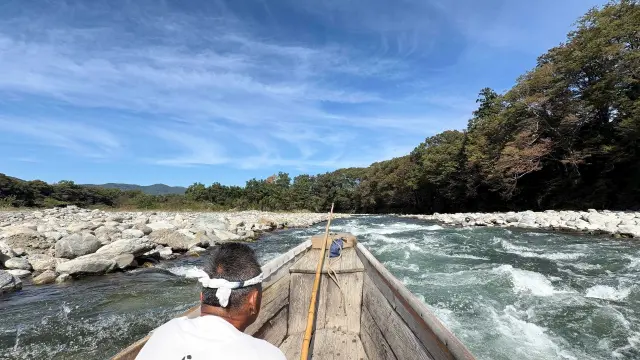
    After arriving in Nagatoro, I couldn't wait to head straight for the famous Nagatoro river cruise. I was lucky enough to sit behind the boatman, which gave me an excellent front-row view of the river. The current alternated between calm and rapid, and the scenery kept changing as the boat traveled downstream. Whenever we were about to enter the rapids, the boatman thoughtfully reminded the passengers to get ready and shield themselves from the splashing water. Although it inevitably caught me a little off guard, looking back, this unexpected surprise was the most unforgettable moment of my trip to Nagatoro.

  • Kawagoe Festival

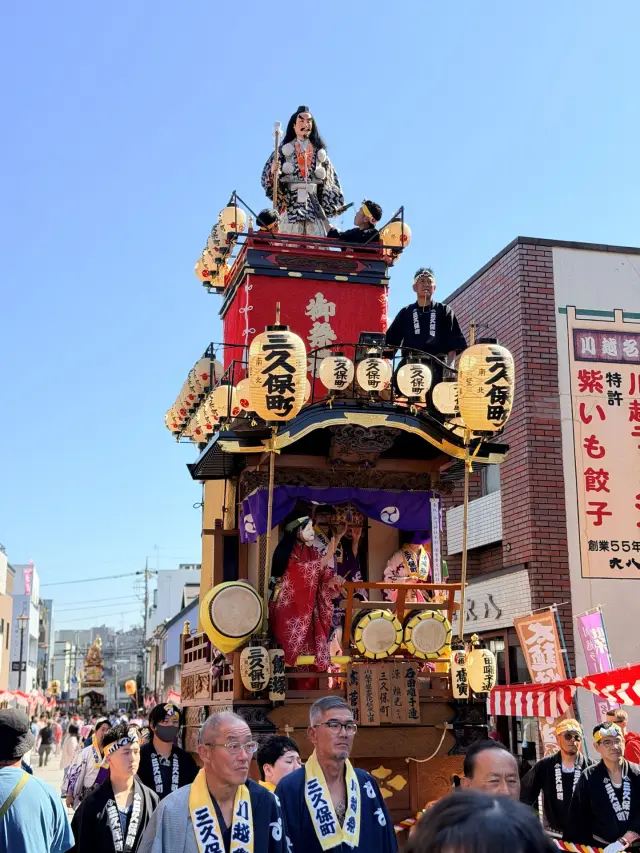
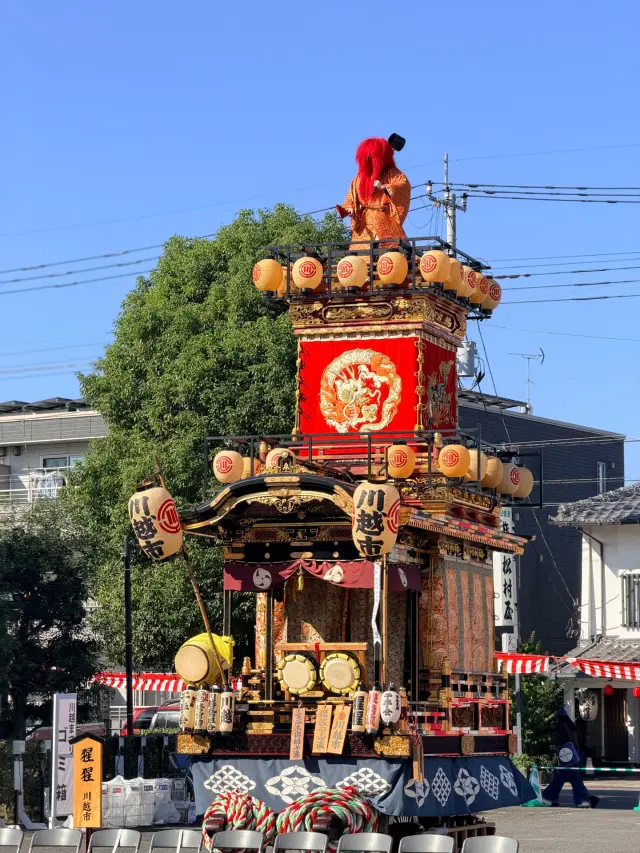
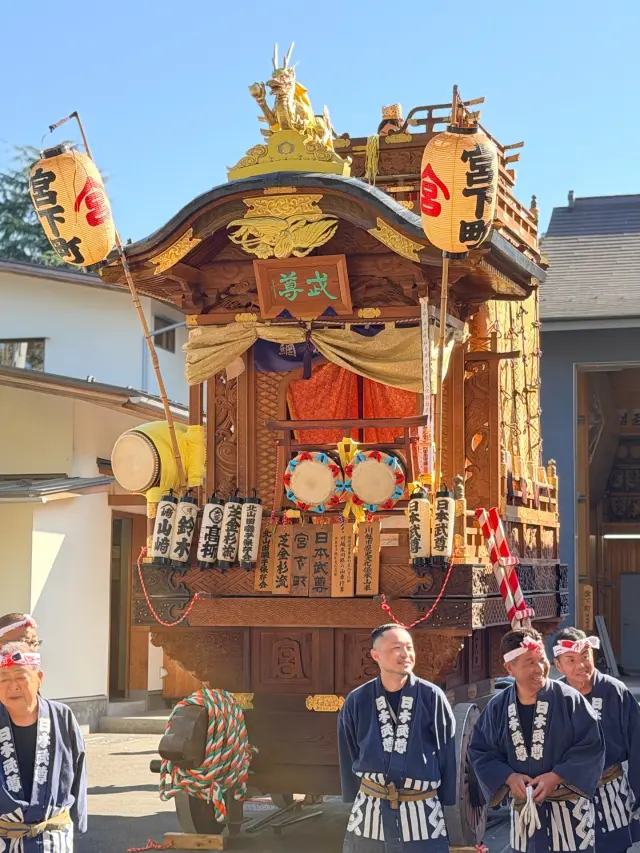
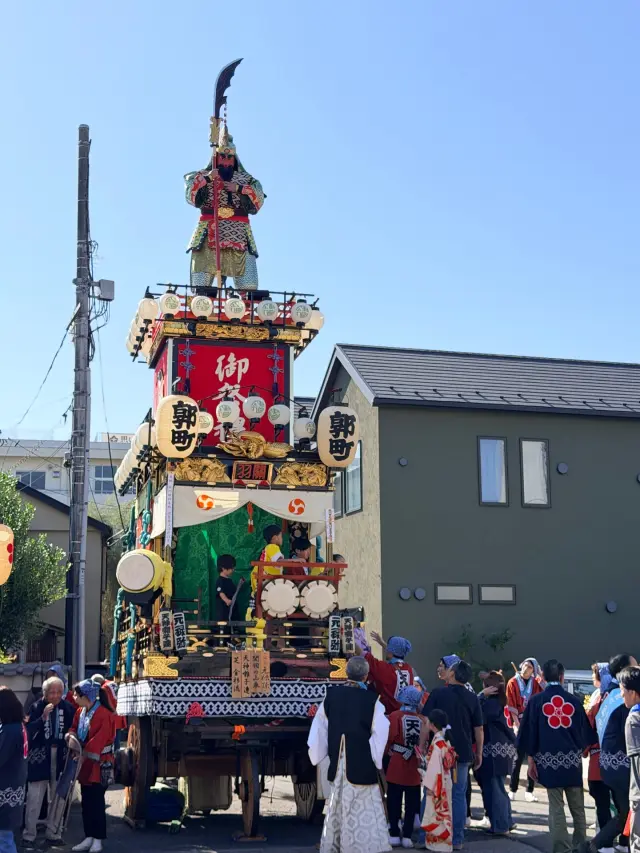
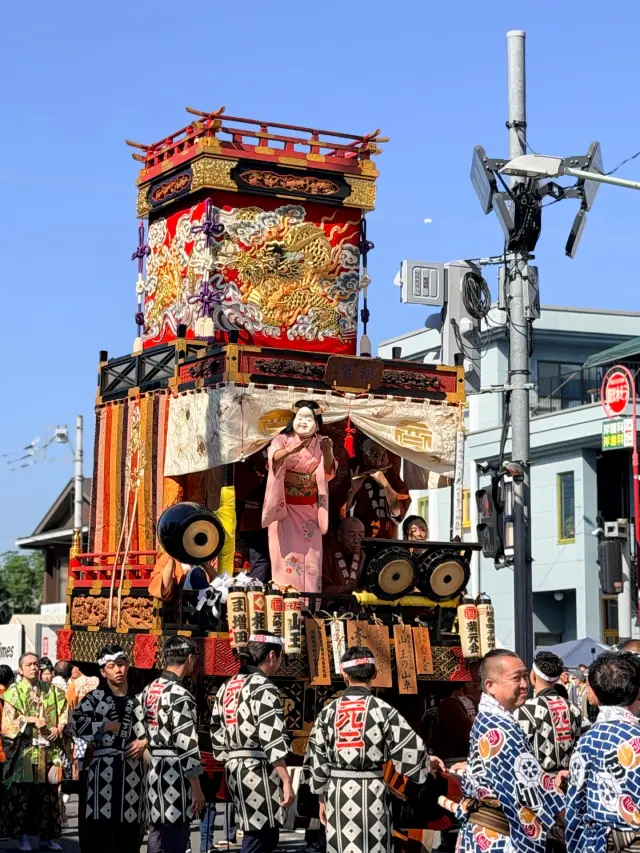
    The Kawagoe Festival is a traditional autumn festival held every year on the third Saturday and Sunday of October. Many people come from all over the world to visit, and it is the most energetic moment of the year in Kawagoe City.

    • Saitama
    • Autumn festivals & Events
    See More

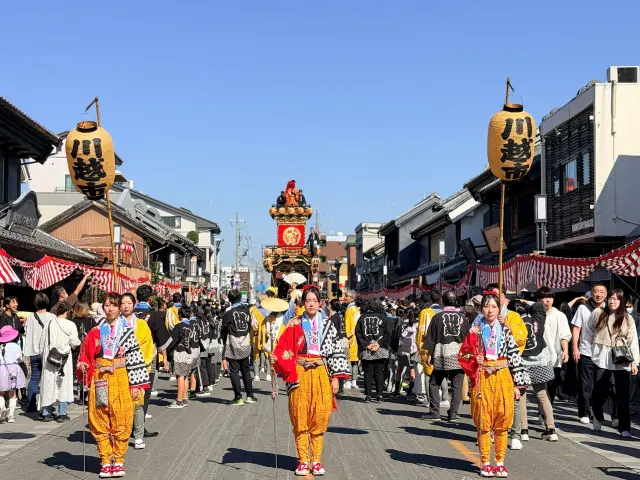
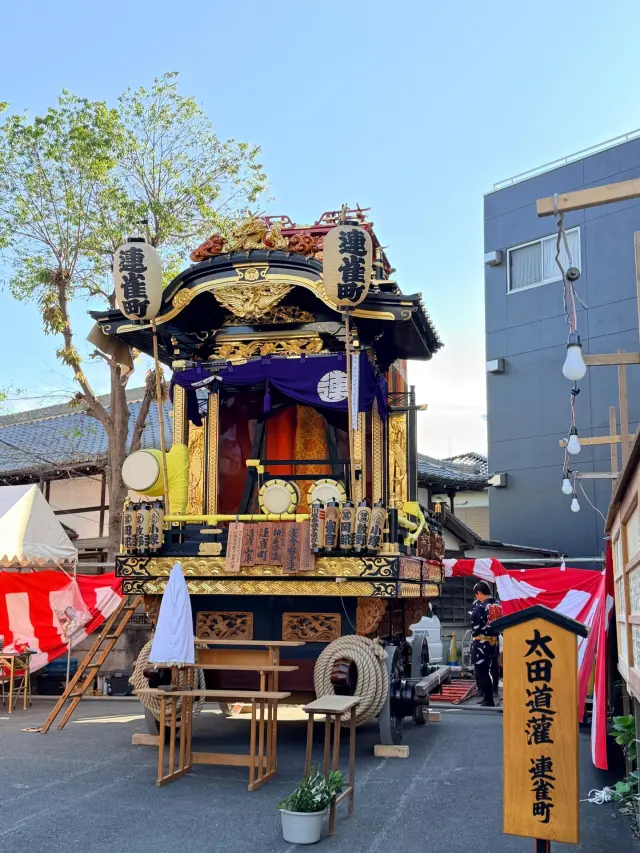
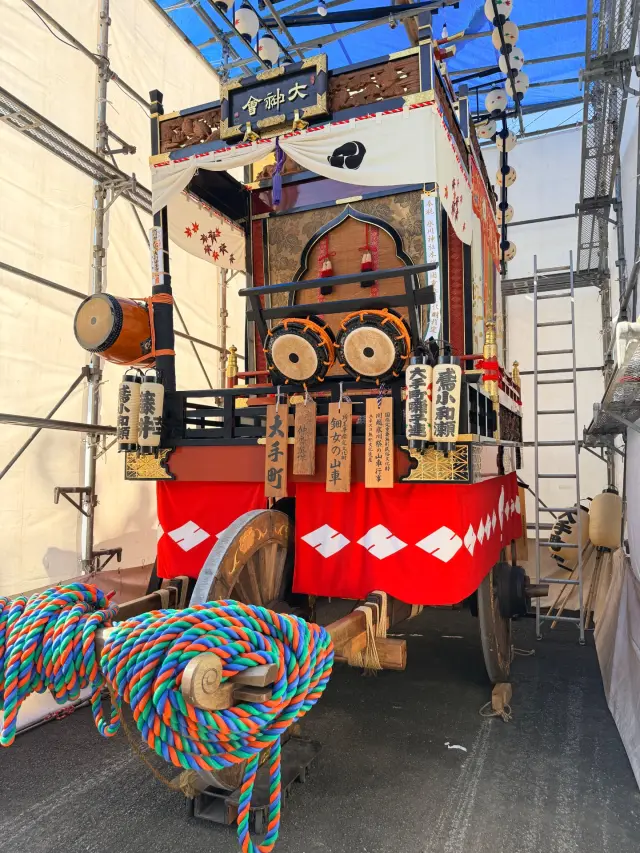
    When I originally planned my trip to Kawagoe, I only intended to visit Kawagoe Hikawa Shrine, Kawagoe Kumano Shrine, Kitain Temple, and the Kurazukuri streets to take in the nostalgic atmosphere of “Little Edo.” It wasn't until after I had finalized my itinerary that I unexpectedly discovered my visit would coincide with the annual Kawagoe Festival. Curious and excited, I decided to change the order of my original itinerary and experience this major local event in person.

    As it turned out, this last-minute change was definitely worthwhile. Although I couldn't stay until night to fully enjoy the lively festival, everything from the morning preparations and the gradually growing festive atmosphere in the streets to the ornate floats beginning their procession left a deep impression on me. It added an unexpected and unforgettable memory to what had originally been a trip focused on exploring Little Edo.

Hokkaido Tohoku Kanto Chubu Hokuriku Kansai Chugoku Shikoku Kyushu Okinawa